
This Small Amish Town In Ohio Feels Like A Step Straight Into The Past
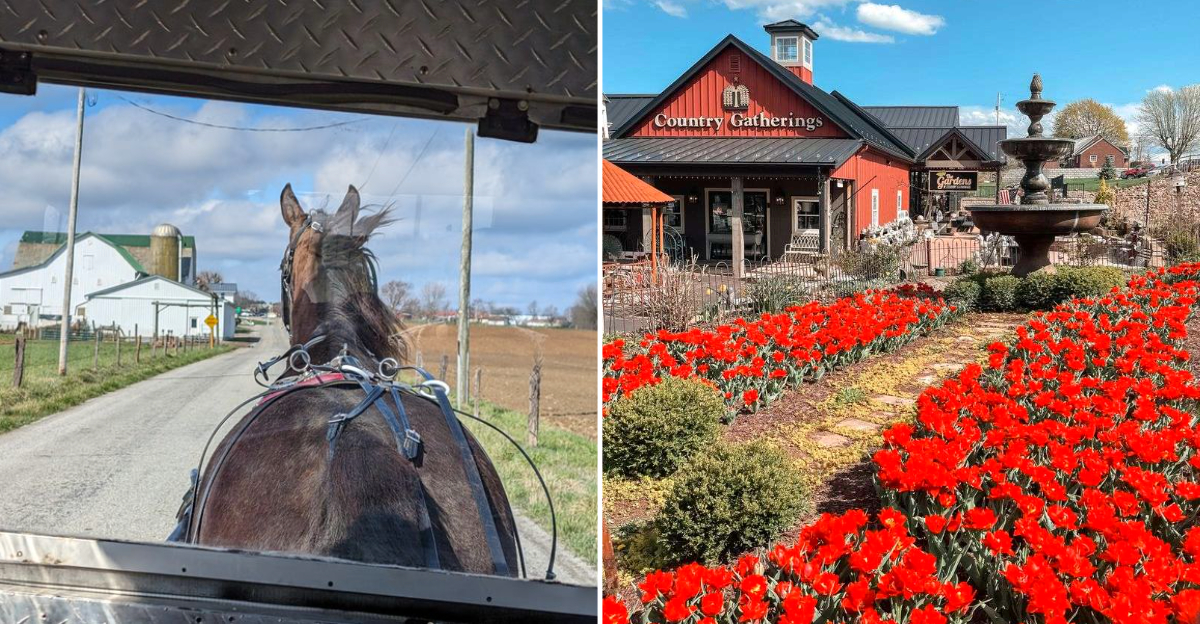
Tucked away in Holmes County, Berlin, Ohio exists in a world where horse-drawn buggies still clip-clop down Main Street and the pace of life moves at a decidedly unhurried rhythm.
I first rolled into this unincorporated community expecting quaint shops and maybe some decent cheese, but what I discovered was something far more profound: a living, breathing window into 19th-century America.
Walking through Berlin feels like stepping onto a movie set, except everything here is wonderfully real. The Amish families who call this area home aren’t performing for tourists; they’re simply living according to traditions passed down through generations.
With a population hovering around 1,447, this census-designated place in central Berlin Township has become the beating heart of Ohio’s Amish Country, drawing visitors who crave authenticity in an increasingly digital world.
Let me take you through what makes this remarkable community so utterly captivating.
Horse and Buggy Traffic on Main Street
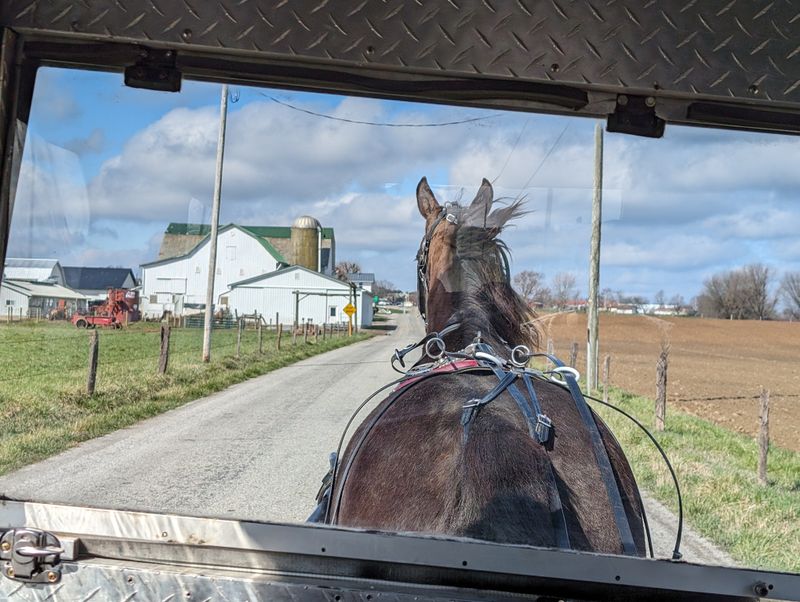
Nothing prepared me for the first time I had to pause my car to let a black buggy pass. The steady clop of horseshoes on pavement created a rhythm that immediately slowed my racing thoughts and reminded me I’d entered a different kind of place entirely.
Main Street in Berlin sees more buggy traffic than most Ohio towns see in a year. Families heading to market, couples out for afternoon rides, and farmers making their rounds all share the road with modern vehicles in a dance that somehow works beautifully.
The buggies aren’t museum pieces or tourist attractions; they’re the primary transportation for the Amish families who live here.
I learned quickly to watch for the orange reflective triangles that mark each buggy and to give them plenty of space. The experience of driving behind one, watching the horse’s tail swish and hearing the creak of wooden wheels, transported me instantly backward in time.
It’s a daily reminder that not everyone measures progress in horsepower.
Handcrafted Furniture Workshops
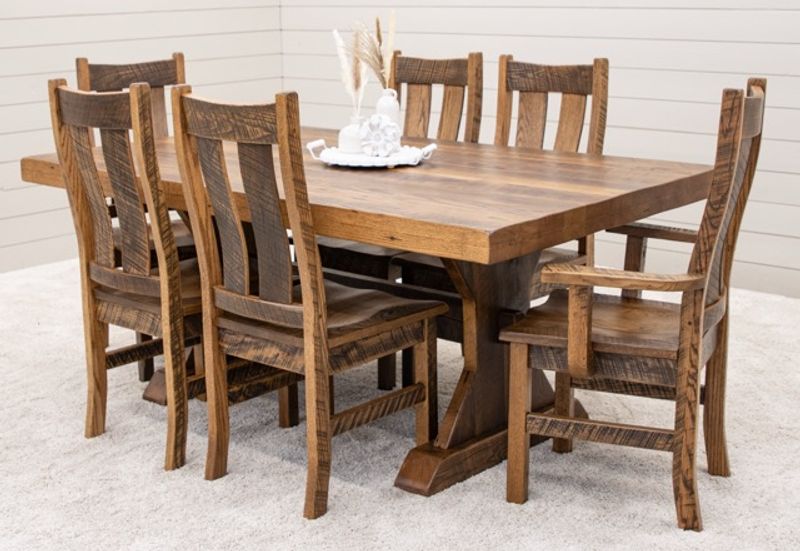
The furniture shops scattered throughout Berlin aren’t your typical big-box retailers. Walking into one feels like entering a master craftsman’s studio where every piece tells a story of skill passed down through generations.
I watched an Amish woodworker hand-sand a cherry dining table, his movements practiced and precise. No power sanders screamed in the background, no assembly lines churned out identical products.
Each chair, cabinet, and bed frame receives individual attention, constructed using joinery techniques that have endured for centuries. The quality shows in every dovetail joint and hand-rubbed finish.
What struck me most was the absence of showroom pressure. These craftsmen take genuine pride in their work and want customers to understand the value of furniture built to last generations rather than years.
I spent an hour discussing wood grain patterns with one builder who explained how he selects each board for its character. The prices reflect the craftsmanship, but touching a perfectly smooth tabletop made entirely by hand makes the investment feel worthwhile.
Traditional Amish Farmsteads
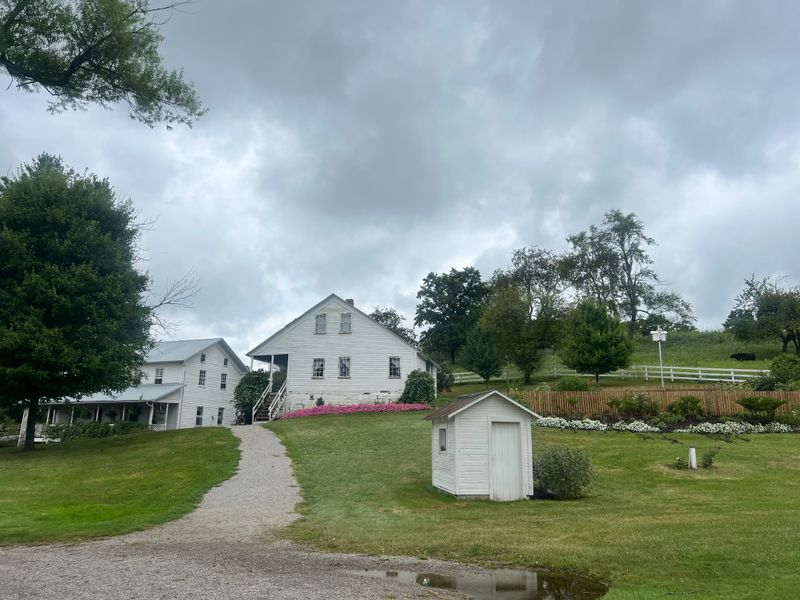
Driving the backroads around Berlin, I encountered farmsteads that could have been plucked from an 1850s landscape painting. White farmhouses sit alongside massive barns, windmills turn lazily in the breeze, and clotheslines heavy with handmade garments flutter in yards conspicuously free of power lines.
The farms operate without electricity, relying instead on diesel generators, hydraulic power, and good old-fashioned muscle. I watched farmers working fields with teams of draft horses, plowing furrows in perfectly straight lines without GPS guidance.
Gardens burst with vegetables tended by hand, and dairy operations function with surprising efficiency despite their old-fashioned methods.
What makes these farms remarkable isn’t just their appearance but their viability. Amish farmers in Berlin aren’t struggling anachronisms; they’re running successful agricultural operations that feed families and contribute to the local economy.
The sight of a family working together in the fields, children helping with age-appropriate tasks, reminded me of values that transcend any particular era.
Homemade Cheese and Dairy Shops
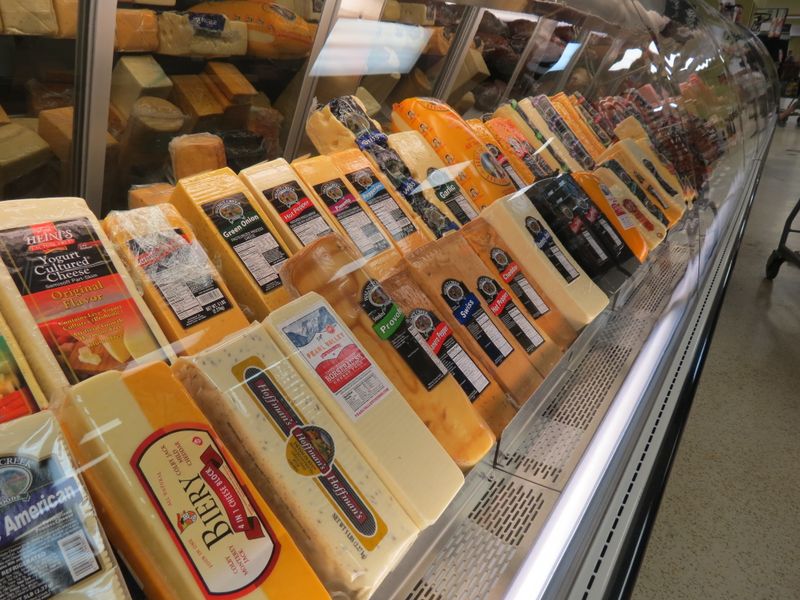
Berlin’s cheese shops deserve their reputation as some of Ohio’s finest. The moment I stepped into my first one, the rich, tangy aroma of aging cheese told me I’d found something special.
Local Amish families produce much of the cheese sold here using milk from their own dairy herds. I sampled sharp cheddars that had been aged to perfection, creamy Swiss varieties with eyes formed naturally during fermentation, and baby Swiss so mild it melted on my tongue.
The shop workers, often Amish women in traditional dress and prayer coverings, explained their production methods with quiet pride.
Beyond cheese, these shops stock fresh butter, cream, and other dairy products that taste nothing like their supermarket equivalents. I bought a block of aged cheddar that lasted me weeks and spoiled me forever for factory cheese.
The shops also carry local honey, jams, and baked goods, making them essential stops for anyone wanting to taste authentic Amish Country flavors.
Quilt Shops and Textile Arts
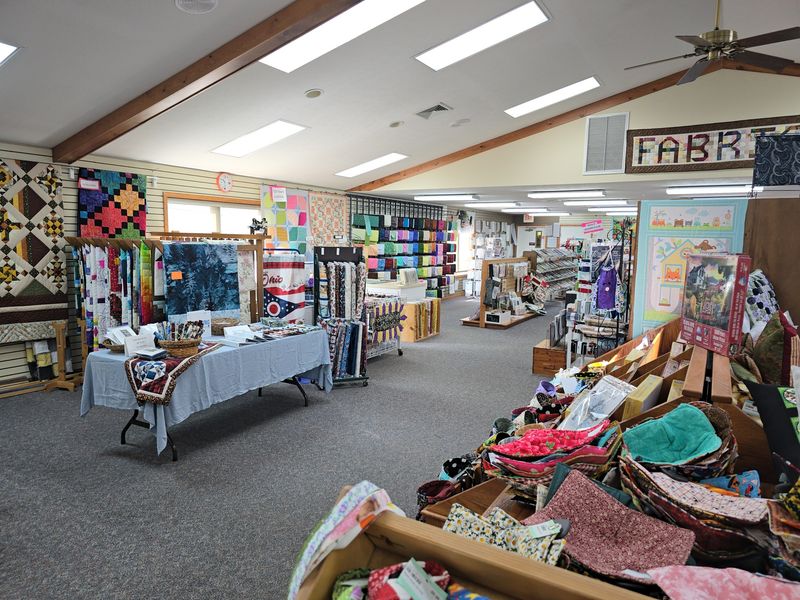
Stepping into a Berlin quilt shop is like entering a kaleidoscope of color and pattern. Quilts hang from every available surface, each one representing hundreds of hours of meticulous handwork.
The Amish quilting tradition runs deep here, with patterns passed through families and stitched during communal quilting bees where women gather to work and socialize. I examined quilts featuring traditional designs like Log Cabin, Nine Patch, and Wedding Ring, marveling at the tiny, even stitches that held each piece together.
The bold colors and geometric patterns create striking visual effects that somehow feel both timeless and contemporary.
Shop owners explained how they source fabrics and work with local quilters who create pieces on commission. Prices range from accessible to investment-worthy, depending on size and complexity.
I watched one woman demonstrate hand-quilting techniques, her needle moving with practiced rhythm through layers of fabric and batting. Even if you’re not in the market for a full quilt, these shops offer smaller items like table runners and wall hangings that capture the same artistry.
Bakeries with Traditional Recipes
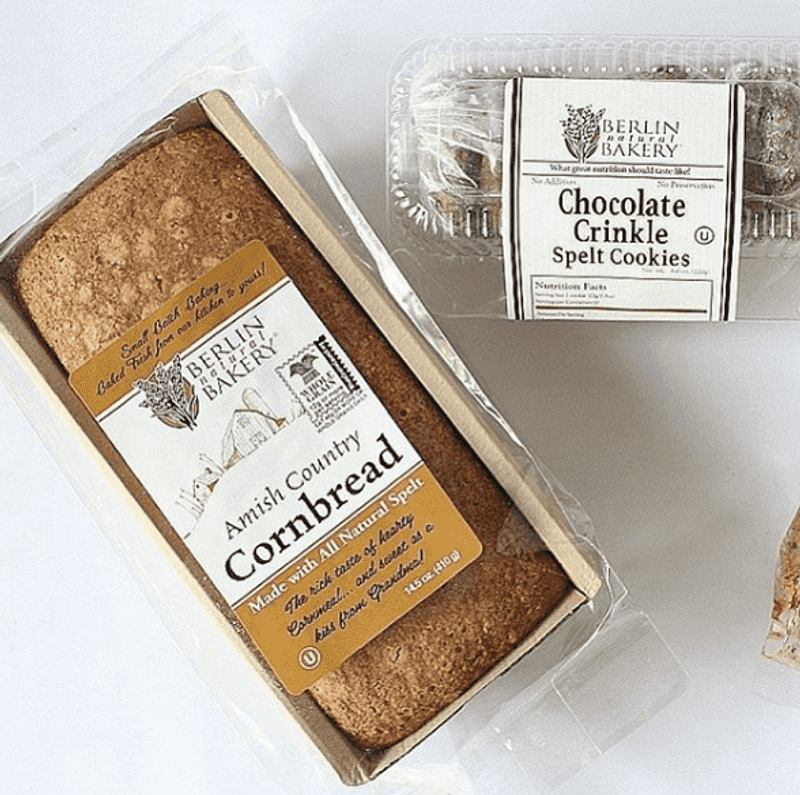
The bakeries in Berlin produce goods that taste like they came from your grandmother’s kitchen, assuming your grandmother was an exceptional baker who never cut corners.
I arrived at one bakery early morning to find cases already filled with fruit pies, dinner rolls, cinnamon bread, and cookies the size of saucers. Everything gets made from scratch using recipes refined over generations.
The whoopie pies, a regional specialty consisting of two cake-like cookies sandwiching cream filling, practically melted in my mouth. Shoofly pie, another traditional Amish dessert, offered a molasses-rich sweetness that paired perfectly with coffee.
What impressed me most was the reasonable pricing despite the quality. These aren’t trendy artisan bakeries charging premium prices; they’re community establishments where locals stock up on bread for the week.
I watched Amish families loading boxes of baked goods into their buggies, clearly regular customers. The lack of preservatives means everything tastes incredibly fresh but won’t last long, so buy what you’ll eat soon and enjoy every crumb.
Simple Living Philosophy in Action
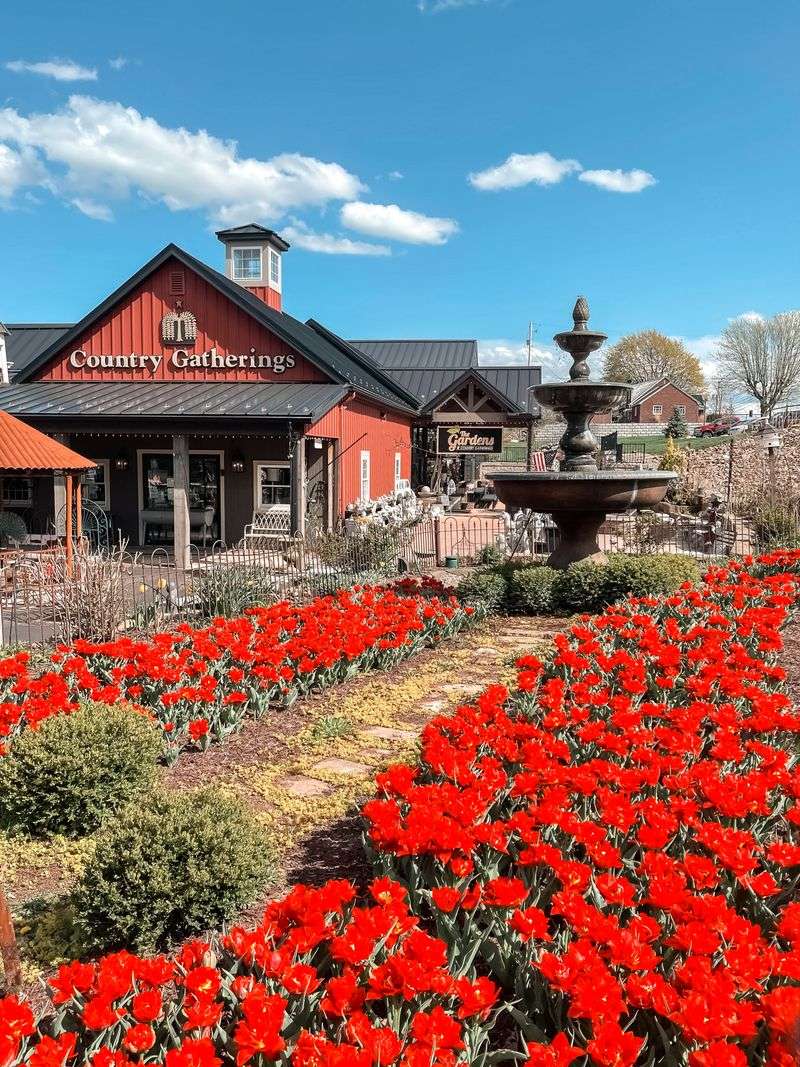
Beyond the visible differences like clothing and transportation, Berlin offers visitors a chance to witness a fundamentally different approach to modern life. The Amish commitment to simplicity isn’t about deprivation; it’s about intentionality.
I noticed this philosophy everywhere. Families gathered on porches in the evening, actually talking to each other without phones as distractions.
Children played games requiring imagination rather than screens. Communities came together for barn raisings and harvests, demonstrating mutual support that many modern neighborhoods have lost.
The absence of electricity isn’t a hardship but a choice that keeps families connected and dependent on one another rather than on technology.
Observing this lifestyle challenged my assumptions about what constitutes progress and convenience. While I’m not about to give up my smartphone, spending time in Berlin made me reconsider how much of my own life gets consumed by unnecessary complexity.
The Amish here aren’t perfect, but they’ve preserved something valuable that the rest of us often sacrifice in our rush toward the next new thing.
Seasonal Festivals and Community Gatherings
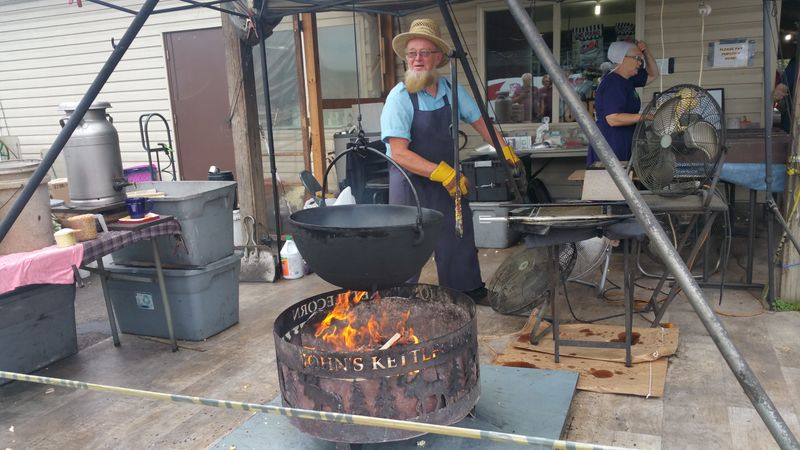
Throughout the year, Berlin hosts festivals and events that draw visitors deeper into Amish Country culture. I timed one visit to coincide with a local craft fair and found myself immersed in community traditions.
Vendors filled the streets with handmade goods ranging from wooden toys to leather goods to woven baskets. Live demonstrations showed traditional skills like blacksmithing, candle-making, and rope-twisting.
The atmosphere felt genuinely festive without the commercial excess that mars many tourist events. Families strolled together, children clutched handmade treats, and conversations flowed easily between Amish vendors and English visitors.
The autumn harvest season brings particularly vibrant celebrations, with farm markets overflowing with produce and seasonal decorations appearing throughout town. Even the Christmas season takes on special character here, with simple decorations and emphasis on family rather than consumption.
These gatherings offer outsiders a welcoming entry point into a culture that values community connection over individual achievement, and I left each one feeling oddly refreshed by the experience.