
12 Illinois Towns That Look Like They Belong In A Hallmark Movie
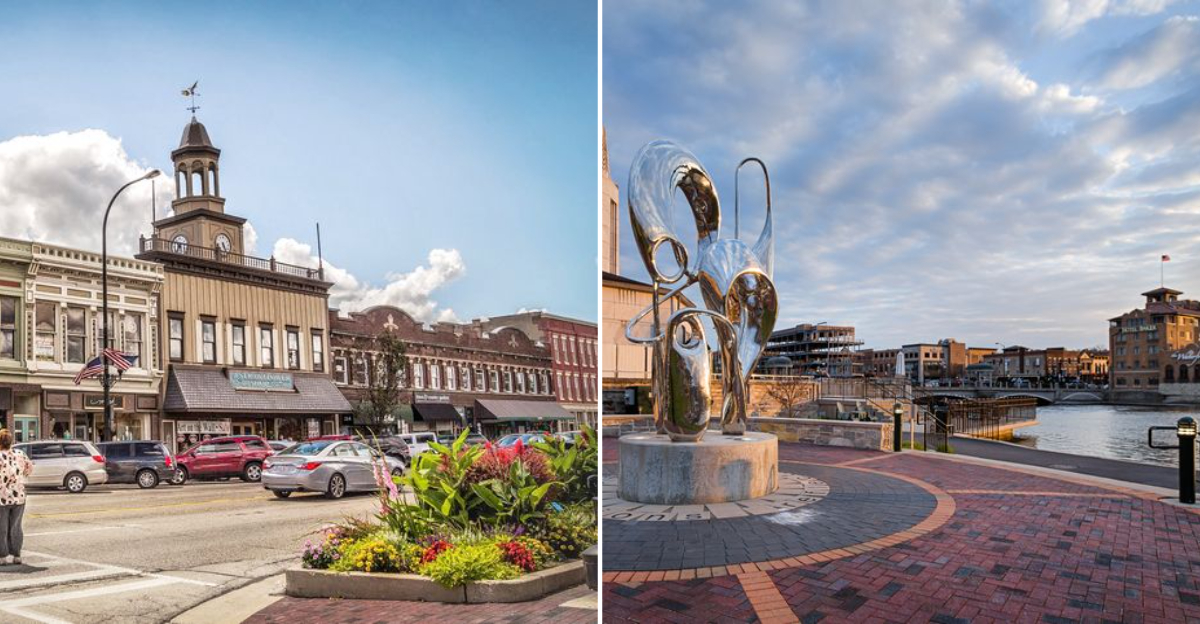
I’ve always had a soft spot for those cozy Hallmark movies where Main Street is lined with twinkling lights, bakeries sell fresh pies in the window, and everyone waves hello like they’ve known you forever.
What surprised me was discovering that Illinois is packed with real towns that could serve as the perfect backdrop for those heartwarming films.
Rolling through these communities, I found historic storefronts, riverside paths, and town squares that feel like they were designed specifically for a romantic Christmas special or a feel-good summer romance. The best part is that you don’t need a film crew or a script to experience the magic of these places.
Each town brings its own personality, whether it’s Dutch windmills, pioneer history, or simply a main drag that looks like it hasn’t changed since the 1950s.
1. Galena
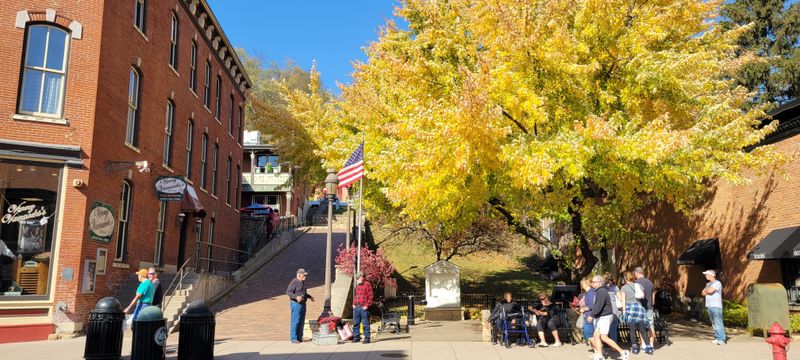
Rolling into Galena feels like stepping onto a movie set where the director forgot to yell cut.
Nestled in the northwest corner of Illinois, this town showcases over 800 buildings listed on the National Register of Historic Places, with red brick facades and wrought-iron details that transport you straight back to the 1800s.
Main Street winds through the valley with specialty shops selling handmade goods, local art, and vintage treasures that make browsing feel like a treasure hunt.
I spent an afternoon wandering the sidewalks, popping into boutiques, and admiring the way the surrounding hills frame the town like a natural theater backdrop.
The architecture alone tells stories of riverboat captains and Civil War generals who once called this place home.
During winter, the whole town gets dusted with snow and strung with lights, creating scenes so picturesque I half-expected a couple to start ice skating down the middle of the street.
Every corner offers another photo opportunity, and the locals genuinely seem happy to share their corner of Illinois with visitors who appreciate its timeless beauty.
2. Woodstock
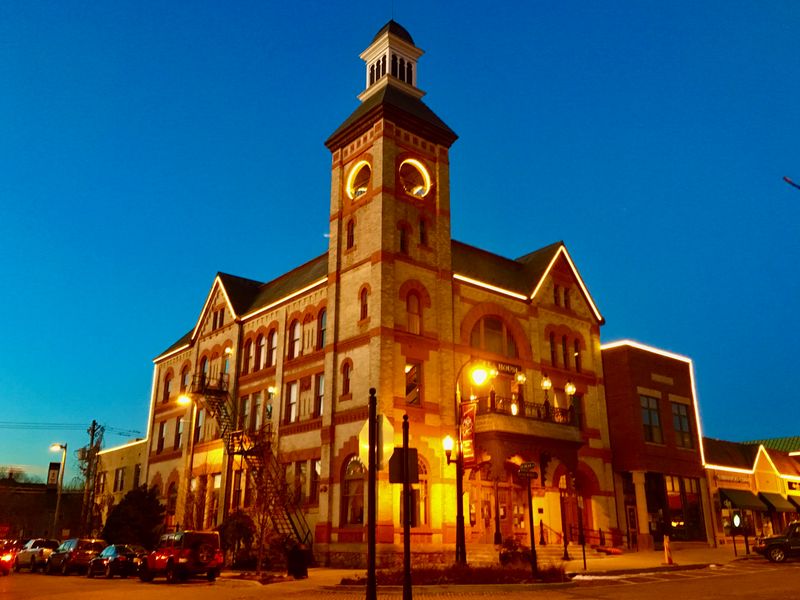
Woodstock earned its Hollywood credentials when Bill Murray filmed Groundhog Day right here on the square, and honestly, I can see why the producers chose it.
Located about an hour northwest of Chicago, this McHenry County town centers around a stunning historic square anchored by the Old Courthouse and Opera House.
Boutiques, cafes, and cozy shops ring the square, each one offering something different but maintaining that unified small-town aesthetic that feels both authentic and movie-ready.
I grabbed coffee at one of the local spots and sat on a bench, watching people stroll past storefronts that could easily host a romantic comedy montage.
The town hosts year-round events that bring the community together, creating the kind of genuine warmth that screenwriters try to capture but rarely nail.
Walking the same sidewalks where Murray relived the same day over and over, I felt the magic of a place that hasn’t traded its character for modern development.
Woodstock proves that real charm beats special effects every single time.
3. Geneva
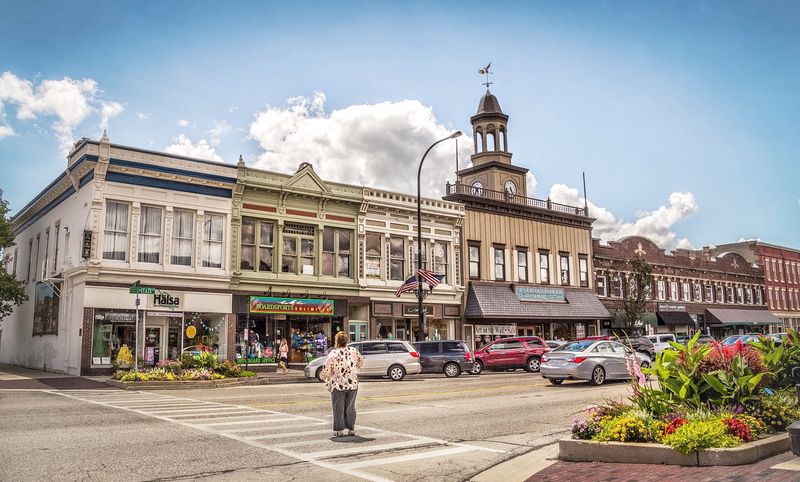
Geneva sits along the Fox River like someone carefully arranged it for maximum picturesque impact.
This Kane County town combines cobblestone streets with modern sophistication, creating a blend that feels both historic and current without leaning too heavily in either direction.
Third Street serves as the main shopping corridor, lined with boutiques that sell everything from home decor to artisan chocolates, plus bakeries where the smell of fresh pastries drifts onto the sidewalk.
I spent a morning exploring the shops before heading down to the Fox River Trail, a peaceful path that winds along the water and offers views that shift with every season.
The downtown area maintains its vintage architecture while housing businesses that cater to contemporary tastes, striking a balance that makes the town feel alive rather than stuck in time.
During summer, outdoor dining spots fill with people enjoying meals by the river, and in winter, the whole scene transforms into something that could anchor a holiday romance film.
Geneva reminds me that charm doesn’t require choosing between old and new when you can celebrate both.
4. Ottawa
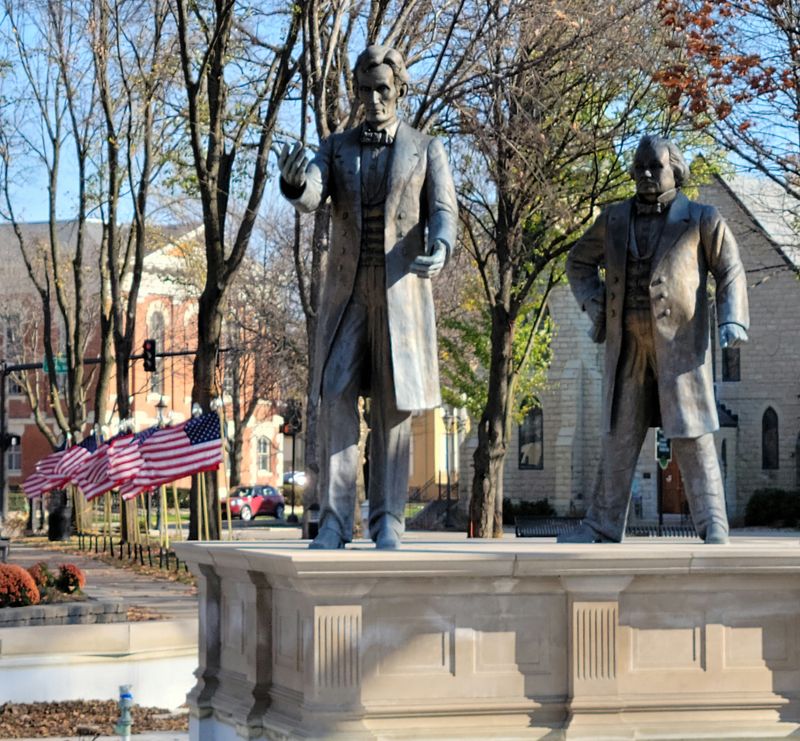
Positioned along the Illinois River in LaSalle County, Ottawa serves as the perfect base camp for exploring nearby Starved Rock State Park while offering its own downtown appeal.
The historic district features buildings that date back to when Lincoln and Douglas held one of their famous debates right here in Washington Square.
I wandered through antique shops and stopped at farm-to-table restaurants that source ingredients from surrounding Illinois farms, creating menus that change with the harvest.
The town’s vintage character shows up in details like old-fashioned street lamps, brick sidewalks, and storefronts that have been carefully maintained rather than modernized into oblivion.
Local business owners seem genuinely invested in preserving the town’s heritage while creating spaces that feel welcoming to visitors and residents alike.
After exploring downtown, I drove the short distance to Starved Rock, appreciating how Ottawa balances its role as a nature gateway with its own distinct identity.
This town doesn’t try too hard to be anything other than what it is, and that authenticity makes it feel like the kind of place where a Hallmark heroine would rediscover what truly matters.
5. Nauvoo
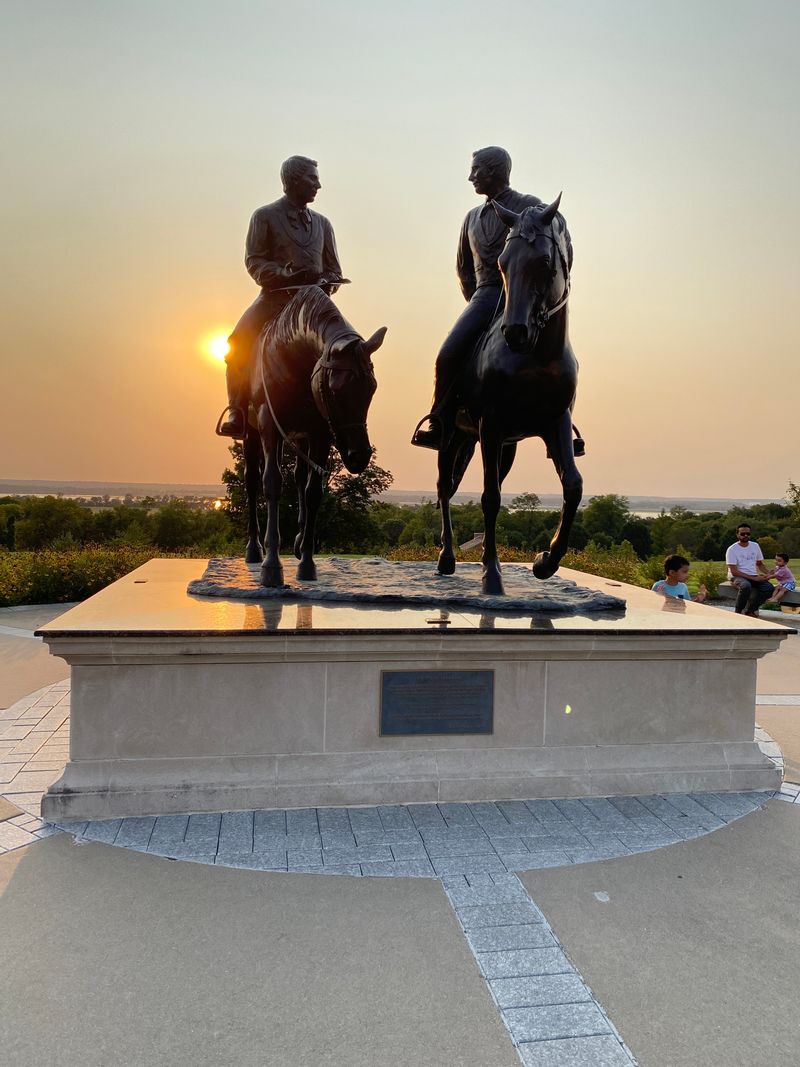
Nauvoo rests along the Mississippi River in Hancock County, offering a glimpse into 1840s pioneer life through beautifully preserved homes and historic sites.
The town’s history centers on its role as an early settlement, and that heritage is visible in the carefully restored buildings that line the streets.
I spent an afternoon walking along the riverfront, where the wide Mississippi flows past at a pace that seems to slow time itself.
The architecture here differs from typical Illinois towns, with brick homes and workshops that reflect the building styles and community planning of the mid-1800s.
Local guides share stories about the craftspeople, farmers, and families who built this community, bringing the past to life in ways that feel personal rather than academic.
The peaceful atmosphere makes Nauvoo feel removed from the rush of modern life, like stepping into a different era where neighbors knew each other and the river marked the rhythm of daily activities.
I left thinking about how rare it is to find a place that honors its history so completely while still functioning as a living town rather than just a museum.
6. Eureka
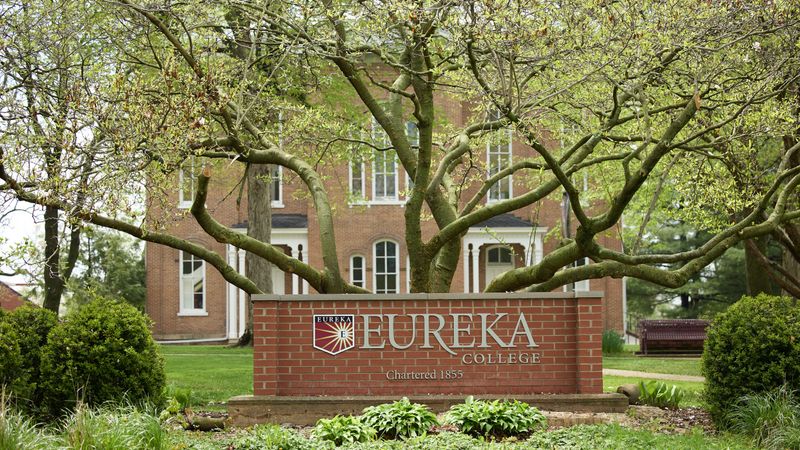
Eureka captures that classic Americana vibe that Hallmark movies mine for maximum coziness, with tree-lined streets and a downtown that feels like it could host a Fourth of July parade straight out of the 1950s.
Located in Woodford County, this town centers around Eureka College, but the community extends far beyond campus life into locally owned bookstores, diners, and shops.
I stopped at one of those diners where the menu hasn’t changed in decades and the waitress knows everyone’s usual order, experiencing the kind of genuine hospitality that can’t be manufactured.
The residential streets showcase well-maintained homes with front porches perfect for evening conversations, and the sidewalks actually see foot traffic from people who choose walking over driving.
Community events bring residents together regularly, creating the social fabric that makes small towns feel connected rather than isolated.
During my visit, I noticed how people greeted each other by name and stopped to chat, confirming that this wasn’t just a pretty facade but a functioning community.
Eureka proves that simple pleasures and genuine connections create the kind of happiness that movie writers try to capture but small-town residents actually live.
7. Elsah
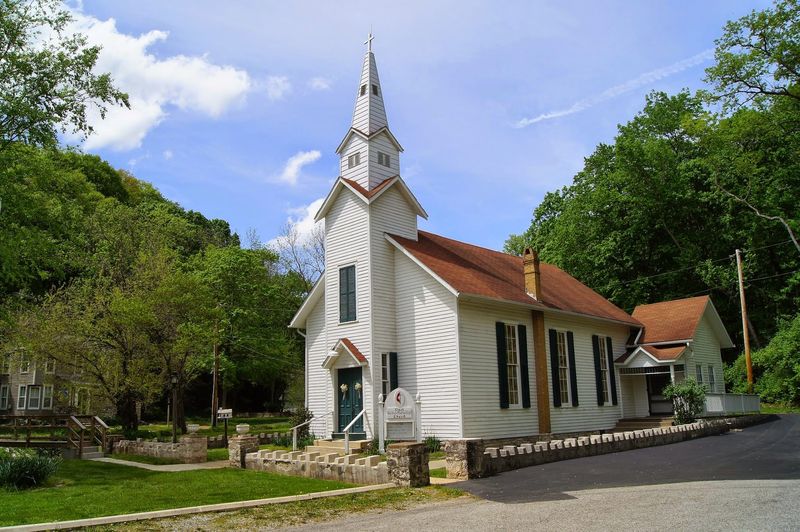
Tucked along the Mississippi River in Jersey County, Elsah is so small and perfectly preserved that it feels like someone shrunk a storybook village and dropped it into Illinois.
The entire town is listed on the National Register of Historic Places, with stone cottages and historic buildings that date back to the 1800s lining streets barely wide enough for two cars.
I parked near the edge of town and walked the compact downtown area, which takes maybe twenty minutes to cover completely but rewards every step with architectural details and river views.
The stone construction gives Elsah a European cottage feel that’s rare in the Midwest, and the intimate scale makes it perfect for a quiet weekend escape.
Local shops and a small museum offer glimpses into the town’s history as a river trading post, though honestly, just wandering the streets provides its own education.
The bluffs surrounding Elsah create a natural amphitheater that amplifies the sense of being tucked away from the rest of the world.
Leaving Elsah, I understood why couples looking for romantic getaways seek out places like this where size doesn’t diminish charm but actually concentrates it.
8. St. Charles
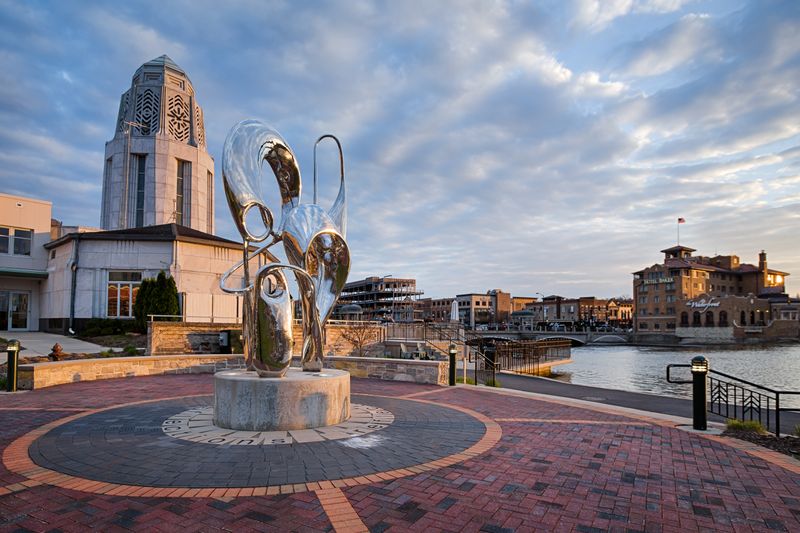
St. Charles earned its nickname “Pride of the Fox” by creating a riverfront experience that balances natural beauty with downtown vitality.
Located in Kane County along the Fox River, this town offers parks, shops, and restaurants that take full advantage of the waterfront setting.
I walked the Riverwalk path that connects parks and downtown areas, passing under bridges and watching the river flow past historic buildings that have been converted into modern businesses.
The downtown shopping district features both national brands and local boutiques, creating variety without sacrificing the cohesive aesthetic that makes the town feel designed rather than haphazard.
Annual festivals fill the calendar year-round, with events that transform the riverfront into celebration spaces complete with lights, music, and vendors.
During my visit, I noticed how the town uses its natural assets to enhance rather than compete with the built environment, creating harmony between river and street.
The combination of accessible nature, walkable downtown, and genuine community energy makes St. Charles feel magical regardless of season, though I imagine winter with snow-covered bridges and twinkling lights takes it to another level entirely.
9. Fulton
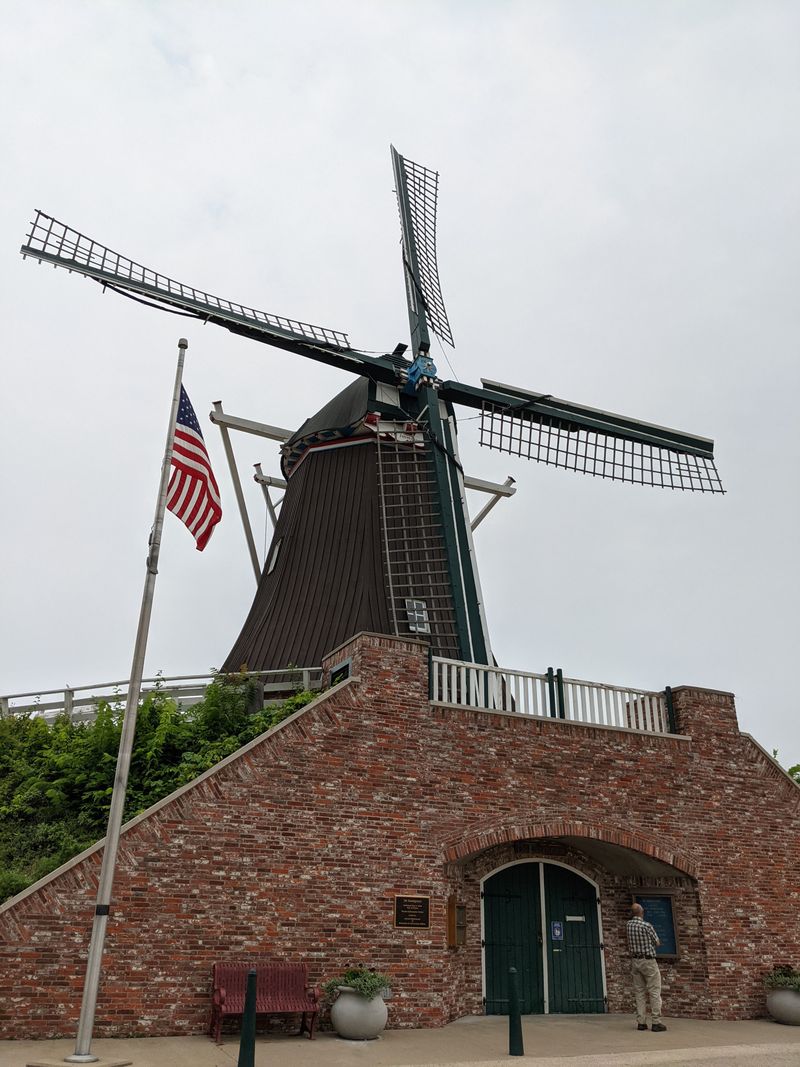
Fulton’s Dutch heritage sets it apart from other Illinois river towns, with that influence visible in the authentic windmill that stands as the town’s signature landmark.
Positioned along the Mississippi River in Whiteside County, Fulton combines river town practicality with cultural touches that reflect its immigrant roots.
I visited the windmill and learned about the town’s connection to Dutch settlers who brought their building traditions and community values to this stretch of the Mississippi.
The historic downtown area features buildings that have served the community for generations, housing businesses that cater to both residents and the steady stream of visitors drawn by the river.
Walking along the riverfront, I appreciated how the wide Mississippi creates dramatic views that shift with weather and light, offering something different each time you look.
The town hosts an annual Dutch Days festival that celebrates its heritage with traditional food, costumes, and activities, though even without the festival, the cultural influence remains visible.
Fulton reminds me that small towns gain character from the specific people who built them, and honoring that history creates depth that generic development can never match.
10. Quincy
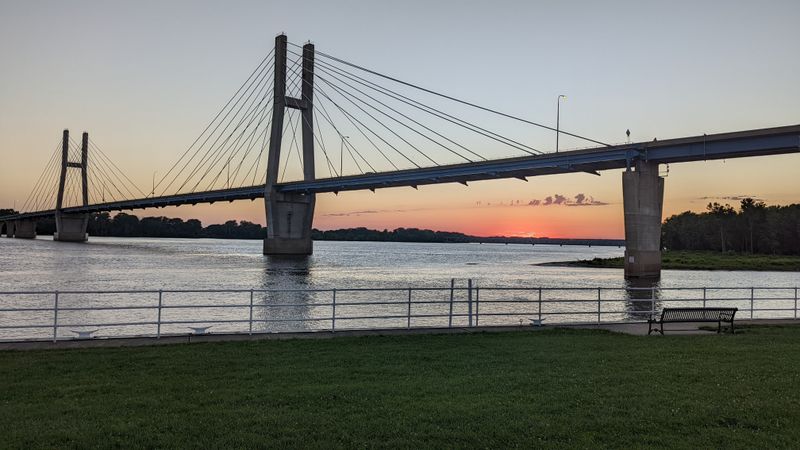
Quincy spreads across the bluffs overlooking the Mississippi River in Adams County, showcasing historic homes and a downtown that feels substantial without losing its welcoming character.
Maine Street serves as the commercial heart, lined with buildings that reflect various architectural periods while maintaining a cohesive streetscape.
I spent time exploring the residential neighborhoods where Victorian mansions and historic homes demonstrate the prosperity this river port once enjoyed.
The riverfront parks provide spaces to watch barges navigate the Mississippi while enjoying views that stretch across the water into Missouri.
Downtown businesses include longtime establishments that have served generations alongside newer ventures that bring fresh energy without disrupting the town’s established rhythm.
The scale of Quincy feels just right, large enough to offer variety and amenities but small enough that downtown remains walkable and personal.
During my visit, I noticed how the town balances preservation with progress, maintaining historic structures while ensuring they house viable businesses rather than becoming empty monuments.
Quincy proves that river towns can honor their trading post past while creating futures that feel equally promising, and that combination makes for compelling movie-worthy settings.
11. Sycamore
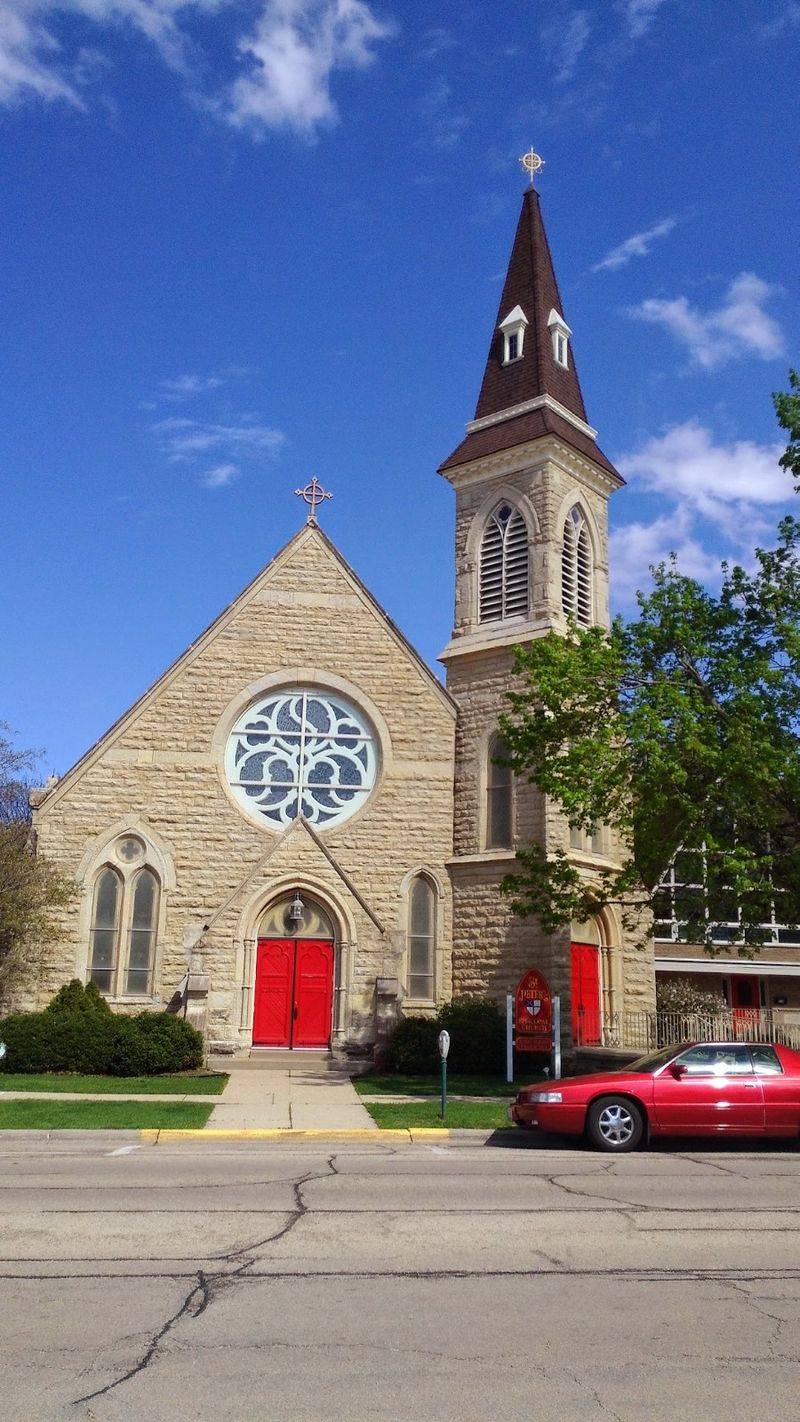
Sycamore centers around a historic downtown district in DeKalb County that showcases the kind of classic architecture and community spirit that makes small Illinois towns special.
The courthouse square anchors the downtown area, surrounded by buildings that have housed businesses for over a century while adapting to serve contemporary needs.
I visited during one of the annual festivals that bring the community together, watching how the town transforms public spaces into celebration venues without losing their everyday character.
The residential streets radiating from downtown feature well-maintained homes with architectural details that reflect different eras of American building styles.
Local business owners seem invested in maintaining the downtown’s vitality, creating shops and restaurants that give residents reasons to gather rather than dispersing to surrounding commercial strips.
The tree canopy throughout town provides shade in summer and spectacular color in fall, adding natural beauty to the built environment.
Walking through Sycamore, I appreciated how the town functions as a real community rather than a tourist destination, though visitors certainly benefit from that authentic atmosphere.
This is the kind of place where Hallmark writers would set a story about someone rediscovering home after years away, and honestly, they wouldn’t be wrong.
12. Oregon
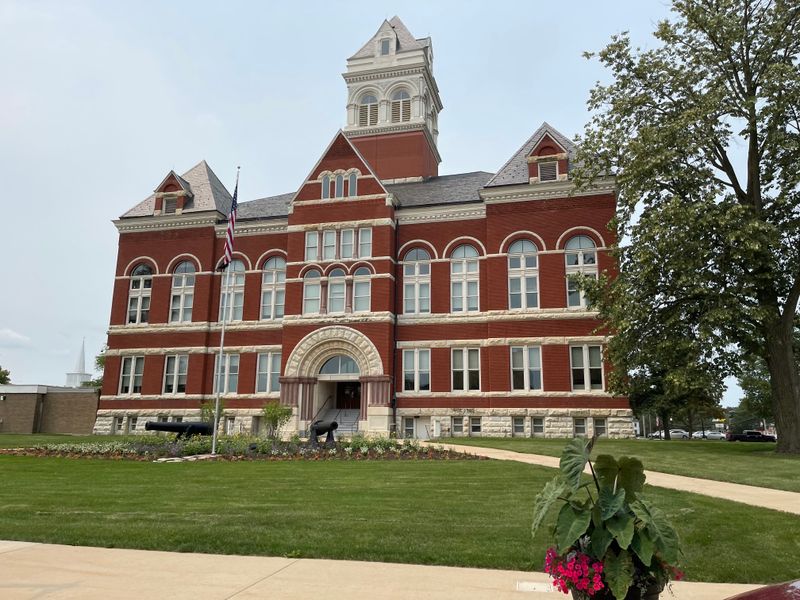
Oregon sits along the Rock River in Ogle County, where the river valley creates natural drama that enhances rather than overwhelms the town’s historic character.
The downtown area features buildings that reflect the town’s 19th-century origins, with storefronts that have been carefully maintained through generations of ownership.
I walked along the main street, noting how the compact business district creates a sense of community focus rather than commercial sprawl.
The residential neighborhoods showcase historic homes set against the backdrop of the river valley, with streets that wind to follow the natural topography.
Local parks provide access to the Rock River, offering spaces where the natural setting becomes part of daily life rather than something you have to drive to experience.
The peaceful atmosphere reflects Oregon’s role as a place where people live and work rather than just pass through, creating the authentic community feeling that tourist destinations struggle to manufacture.
During my visit, I noticed how the river influences the town’s identity without defining it completely, creating balance between natural asset and human community.
Oregon delivers the kind of understated charm that grows on you slowly, proving that the best movie settings don’t announce themselves but simply exist with quiet confidence.