
This Historic National Park In Michigan Is One Of America’s Best Kept Secrets
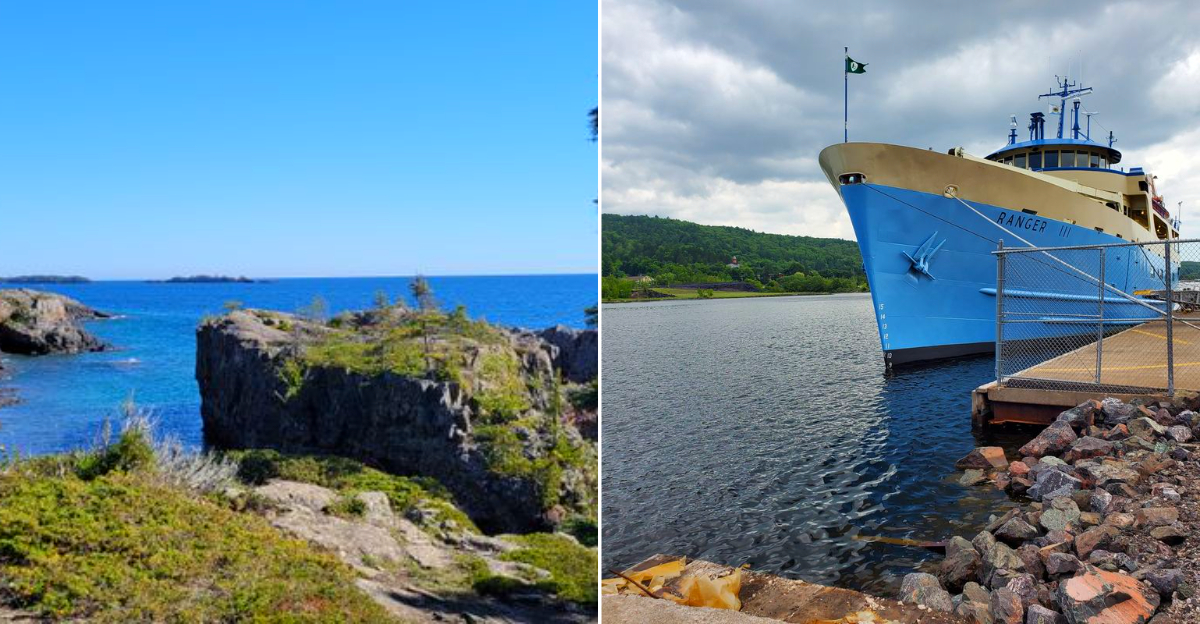
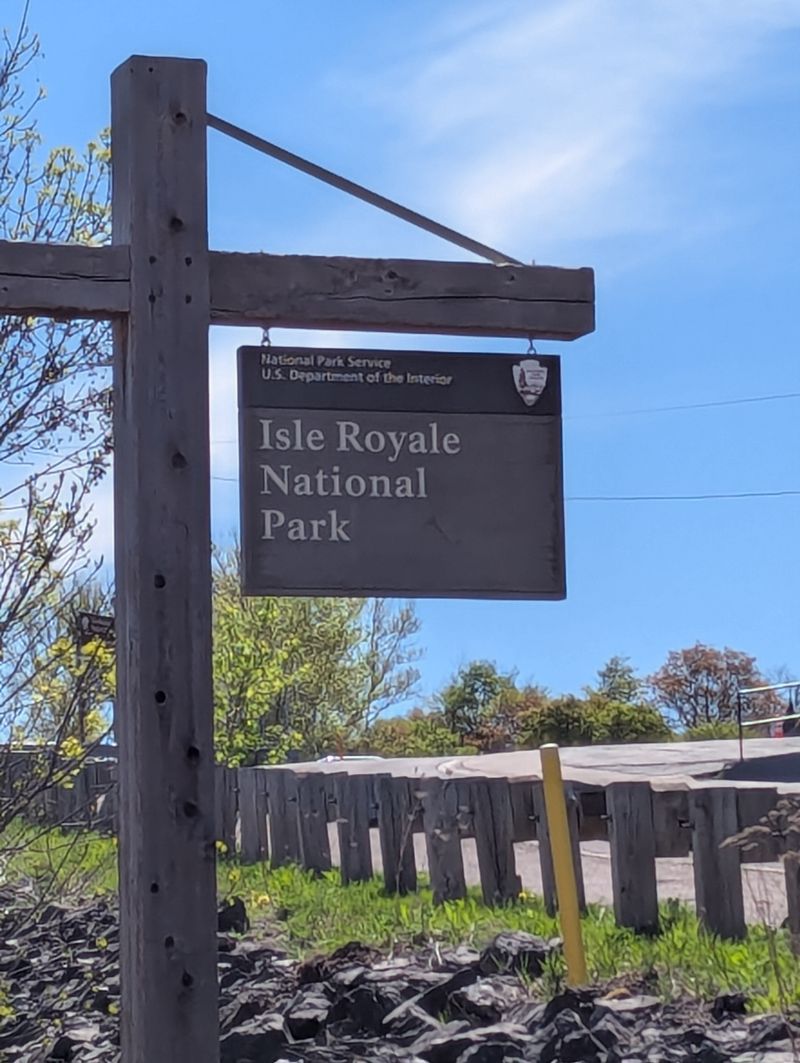
Forget the groomed trails of your local park, Isle Royale is a jagged, emerald splinter lodged in the icy heart of Lake Superior. The Houghton Visitor Center on E Lakeshore Drive is the threshold where the scent of diesel from the Ranger III mixes with the crisp, metallic bite of lake air.
It is a place of quiet focus before the plunge into a land where the only “notifications” are the haunting, prehistoric wails of loons echoing across glass-flat harbors. Unlock the silent secrets of Michigan’s most remote wilderness with our essential guide to navigating the hidden gateway where your car-free adventure truly begins.
Once you step off the boat, the mechanical world dies. Your ears will ring with the sudden, heavy absence of engines, replaced by the rhythmic crunch-slide of boots on wave-polished basalt. It’s a primitive, moss-covered sanctuary where moose outnumber people and time is measured by the tide.
Reading The Water From Houghton
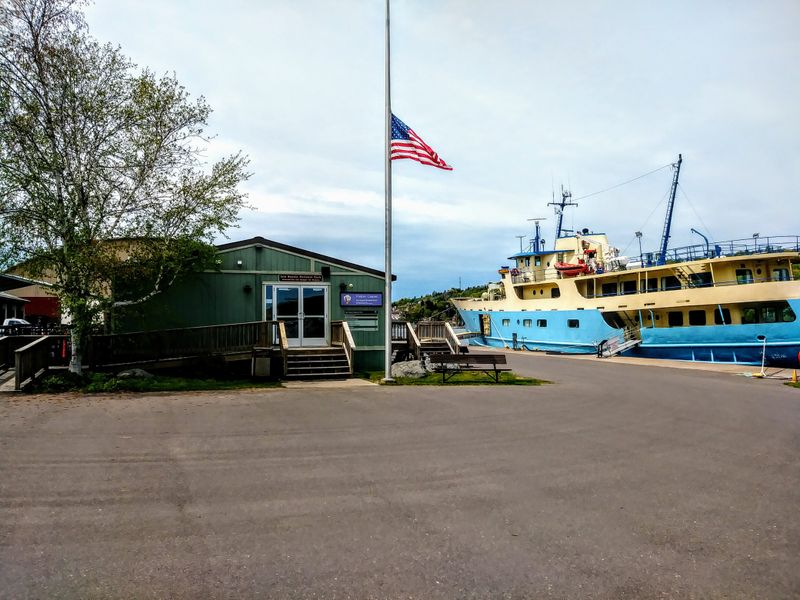
The air along the Houghton waterfront is cold and carries a faint, sharp scent of iron and pine. Here, the Ranger III sits patient at the dock, a sturdy, working boat with a singular purpose, not a decorative prop for tourists.
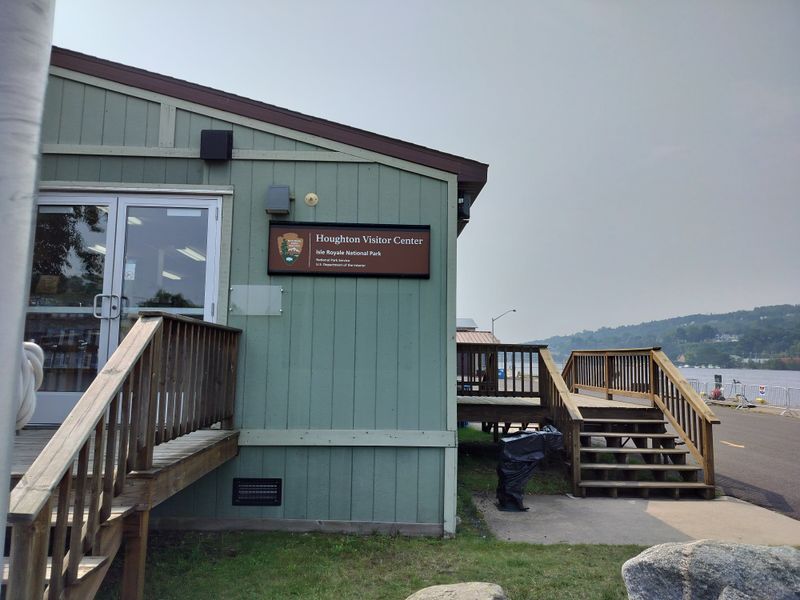
Inside the Isle Royale National Park Visitor Center, a short film hums in the background while rangers provide essential talk on rules, permits, and basic common sense.
There is a deep thread of history woven through the ticket counters; this mainland headquarters was created specifically to serve a roadless island, and you can feel that logic in its design, like a lighthouse stationed exactly where travelers need it most.
Operating hours are vital in this part of the world, so make sure to check them twice before you start the long drive in from the Keweenaw Peninsula. It’s best to arrive with a written list of questions so you don’t forget the small but critical details, like where to find extra batteries, repair tape, or your specific reservation numbers.
Don’t be shy about asking the rangers for the latest wind forecasts or recommendations on water filters. They’ve seen every rookie mistake in the book and are more than happy to help you avoid them before you lose sight of the shore.
Understanding Ferries, Flights, And Patience
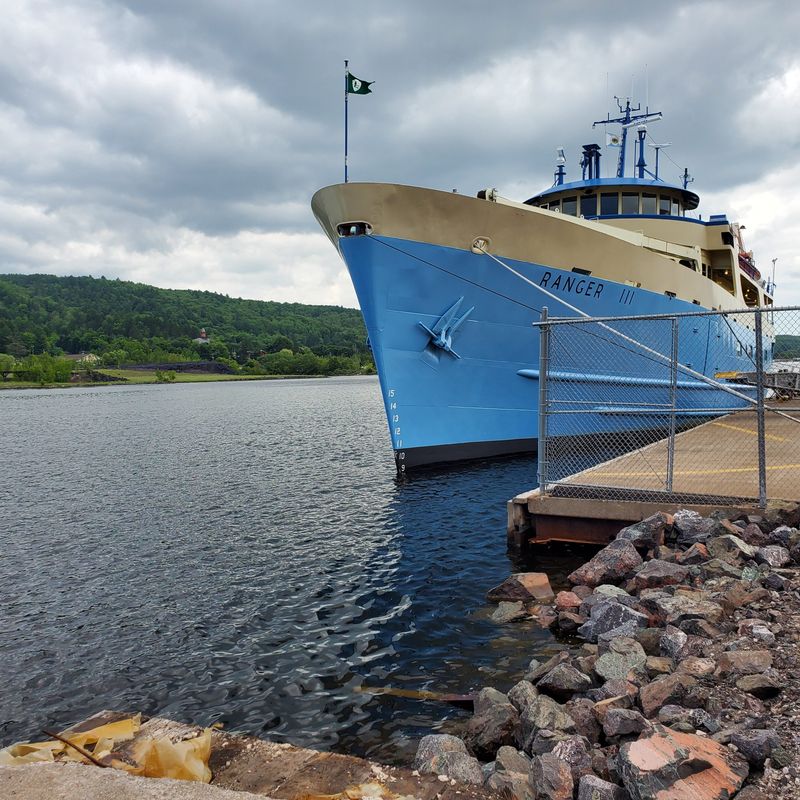
The crossing to the island is not a short hop, and that deliberate distance is exactly where its charm lies. While aboard the Ranger III, rangers lead the Leave No Trace orientation, explaining food storage and why permits are a matter of safety rather than just paperwork.
If you’re in a hurry, seaplanes feel nimble and fast, but be warned: the Lake Superior weather always calls the shots, regardless of your ticket price. Historically, this island’s extreme remoteness is what protected the delicate balance of wolves, moose, and absolute quiet.
While the methods of transport have shifted slightly over the years, the fundamental bargain remains the same: you wait for good water, and then you go. It is highly recommended to book your passage months in advance and keep your itinerary elastic.
Flights can cancel and ferries can delay when the big lake gets moody. Bring extra layers for the chilly deck and a thick book for the lull in activity. In the wilderness, patience is a tool that weighs much less in your pack than frustration.
Packing Smart For A Car-Free Island
Since there are no cars on the island, every single ounce in your pack becomes a major life decision. The key to a happy trek is thinking in terms of filtration rather than hauling gallons of water. When it comes to footwear, seasoned hikers often choose trail runners that dry quickly over heavy leather boots that tend to sulk and stay wet for days.
A lightweight headnet can quite literally save your sanity when the Northwoods air begins to hum with insects. The Isle Royale history of long-portage travel is written in the lean, efficient kits you’ll see carried by the veterans.
Less is undeniably more when your trail undulates through rooty spruce forests and sun-scorched rock ridges. A bit of repair tape, a needle, and some sturdy line are tiny miracles when equipment fails.
Back at the Houghton Visitor Center, take a moment to ask the rangers about current trail conditions. Things like recent algae blooms, trail blowdowns, or an active loon nest can significantly alter your planned route.
To keep your energy levels steady, try labeling your food bags by the day; it’s the only way to resist the temptation of nibbling on your Friday dinner when it’s only Tuesday afternoon. Just remember: you must carry out every scrap of trash you bring in.
Navigating Permits, Camps, And Quiet Etiquette
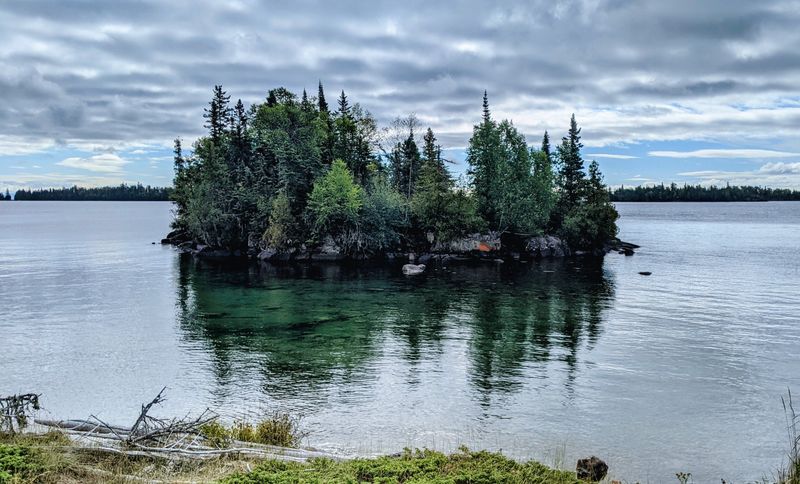
Quiet runs much deeper than mere silence on this island. Popular campgrounds like Rock Harbor and Daisy Farm have their own unique rhythms, set by the arrival of water taxis and hikers drifting in at dusk.
Permits are the invisible hands that shape the flow of the park, ensuring that these fragile places have enough breathing room to remain wild. The management of the island is a living history lesson in the delicate balance between human access and the preservation of solitude.
You inherit this responsibility the moment your permit is printed at the mainland office. On the island, respect becomes a practical necessity. It is wise to arrive early to the more popular shelters or, better yet, aim for off-peak campsites to ensure you find a spot.
While you may be asked to share a shelter, always keep your voices soft to preserve the “Isle Royale Quiet.” Standard wilderness rules apply with extra emphasis here: cook far away from your sleeping area, store your food with obsessive care, and always give a moose the right of way. Morning here starts with the prehistoric cry of a loon, not the jarring buzz of an alarm.
Reading The Island’s Soundtrack
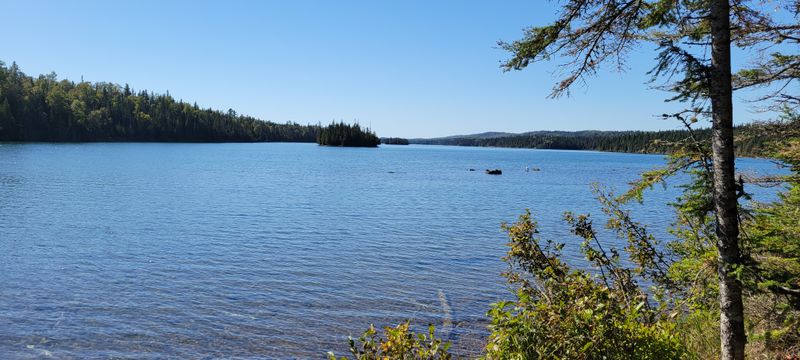
Before the sun even clears the horizon, the water gurgles against the shore cobbles like a hidden neighbor whispering scales. A loon’s call has a way of folding an entire cove into itself. On breezy afternoons, the birch leaves clap together softly, creating a natural metronome for your unhurried miles on the trail.
This soundtrack doesn’t just provide ambiance; it helps you make decisions. The Isle Royale soundscape is a part of its cultural heritage, once navigated by fishermen, lightkeepers, and CCC crews who used their ears as much as their eyes.
Rangers work hard to preserve this character today by strictly curbing engine and crowd noise. It’s a good idea to walk without earbuds; you’ll catch important trail clues like the sound of wind rising on Superior, which hints at an afternoon chop for paddlers.
You might even hear a squirrel scolding a moose near your camp. By keeping your group conversations low, especially in the narrow valleys, you’ll find that the “noise” of your own pulse begins to relax into the rhythm of the woods.
Following Copper And Lightkeepers
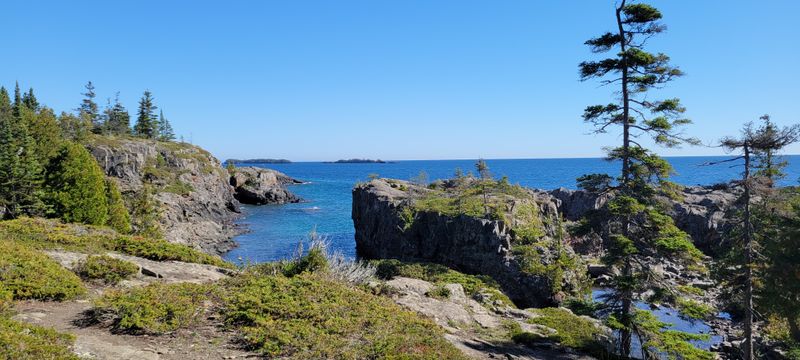
The clean, white geometry of a lighthouse is often the only thing that cuts through Lake Superior’s unpredictable moods. On Isle Royale, maritime signals and the crumbling traces of old copper mines sit side by side, both remaining stubborn against the weather.
Interpretive signs offer historical context without feeling like a lecture, which perfectly suits a place that prefers quiet understatement. The stories of copper here run deeper than any modern dock; Indigenous mining predates the industrial booms by centuries.
The park’s preservation choices are careful and deliberate, rewarding those who take the time to read the fine print. When exploring these sites, remember to photograph respectfully and tread lightly. Wet basalt can turn treacherous in an instant if a thin layer of algae slicks it over.
Always ask a ranger which historic structures are currently open for visitors and which are “look-but-don’t-touch.” Curiosity is always welcome, but remember that the greatest gift you can take home is a photo, pocketing pieces of history is a tradition we’ve thankfully left behind.
Moose, Wolves, And Your Footsteps
Seeing a moose never feels like a routine event, even when their tracks braid every muddy patch of the trail. The presence of wolves on the island is a famous biological study that shapes everything from forest growth to the way you’ll discuss your day over a campfire.
You become a functioning part of that ecosystem the very instant your boots hit the dock. Research teams have documented decades of predator-prey dynamics here that are unique in the Great Lakes, telling a layered story of resilience.
The park is excellent at sharing these scientific findings without turning the animals into a spectacle. For your own safety and the health of the animals, give wildlife a distance that feels almost exaggerated. If you spot a moose on the trail, step off into the brush only if it’s safe and simply wait.
It is much better to use a zoom lens than bravado for your photos. By keeping your camp odor-free and reporting your sightings to the rangers, your personal restraint becomes a vital part of the island’s habitat.
Weather Whiplash On Superior
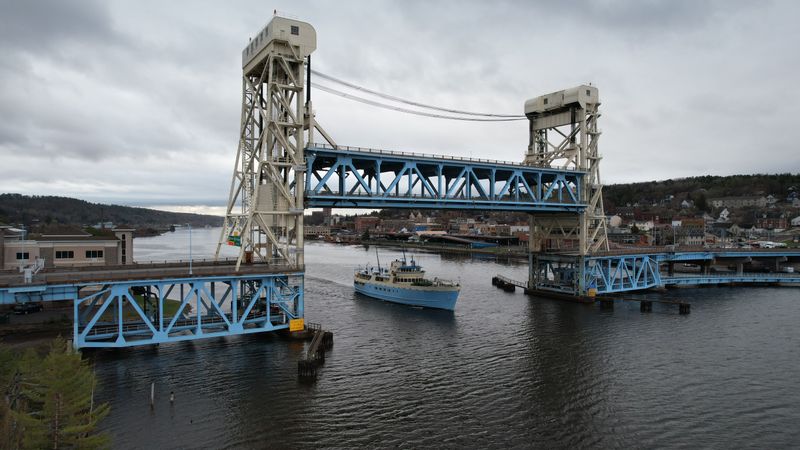
One hour, you’ll feel the gentle warmth of the sun on your shoulders; the next, needles of rain are riding sideways on a gale and the wooden boardwalks shine like wet glass. Lake Superior famously loves a quick costume change, and the topographic maps don’t always mention the dramatic theater lighting.
Historic mariners once timed their entire lives to barometers and gut instinct, and while we have better tech now, the lake hasn’t changed its temperament. Today’s hikers might have digital forecasts, but the golden rule of the island remains: always prepare for a surprise.
“Cotton regrets” almost always arrive too late, so it’s essential to layer your clothing like a stack of small, smart decisions. A lightweight windshirt, a warm wool hat, and a pair of dry socks in a waterproof bag can fix your morale almost instantly.
To keep things organized, seal your maps and permits in zip-top bags before you even leave the mainland. The best-laid plans on Isle Royale must always bow to the clouds.
Trail Texture And Paddler Rhythm
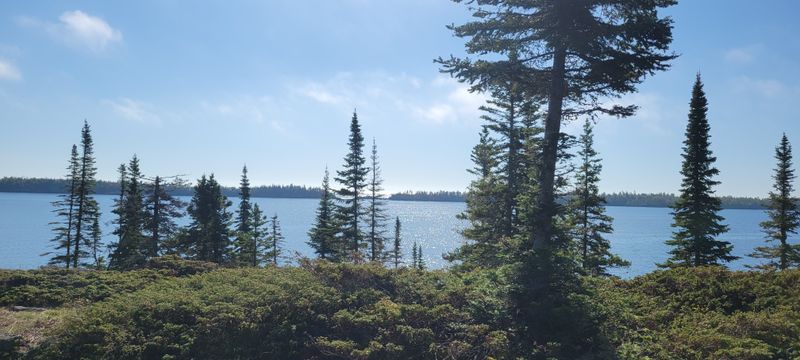
Underfoot, the tree roots knot together like a language that never quite repeats itself. Sun-warmed basalt can turn into spongy lowland bog boards in a matter of minutes. Meanwhile, the paddlers offshore move by the count of their own breath, pausing where the reeds write secret music against the hull of a canoe.
The Civilian Conservation Corps (CCC) efforts and ongoing trail maintenance keep the routes legible, but they wisely never sand away the natural challenge of the terrain. Wayfinding is kept minimal so the island always feels like its true, wild self.
This intentional restraint changes how people move through the landscape. It is best to choose mileage goals that match the rugged terrain rather than a rigid spreadsheet.
Paddlers must always plan for the inevitable headwinds on their return trip, just as hikers should plan for slick, slow descents at the end of a long day. If you meet another group at a portage or a shelter, share the space and yield with a smile. On this island, everyone is chasing the exact same light.
Bookend Moments At 800 E Lakeshore Dr
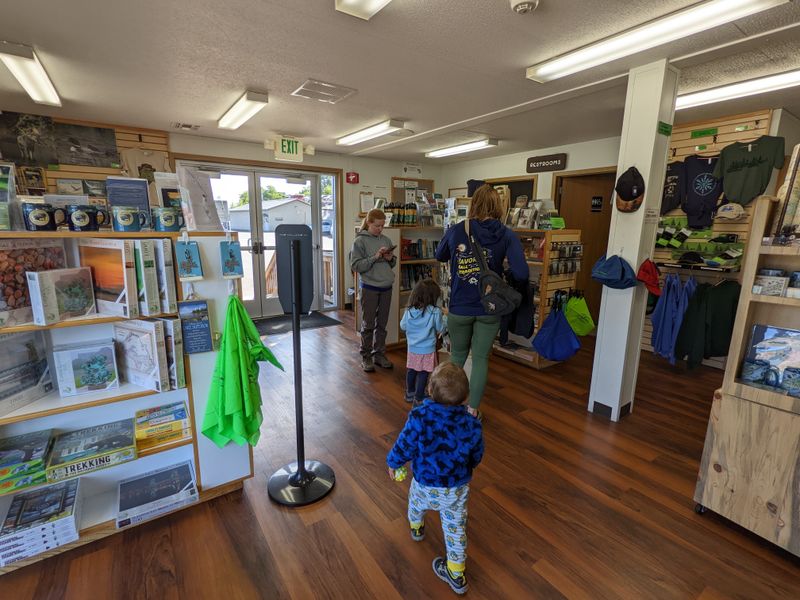
Every great adventure to this wilderness begins and ends with the familiar click of the door at 800 E Lakeshore Dr. Inside this hub, maps are creased, final questions are settled, and many a child discovers the Junior Ranger booklet with intense focus.
The shelves here are practical, stocked more with topographical maps and waterproof matches than cheap trinkets. This mainland center carries its own distinct culture of quiet expertise, where the staff steadies your nerves with hard facts rather than flowery flourish.
The building itself feels like a firm, reassuring handshake before you head into the unknown. Be sure to confirm the operating hours before you make the trip, as they can shift with the seasons.
Stamp your national park passport, pocket your waterproof map, and thank the rangers by following the safety plan you’ve made together. Then, go quietly onward into the woods.