
Discover the Wonders of Illinois’ 100-Year-Old Free Zoo, Tucked Away In Nature
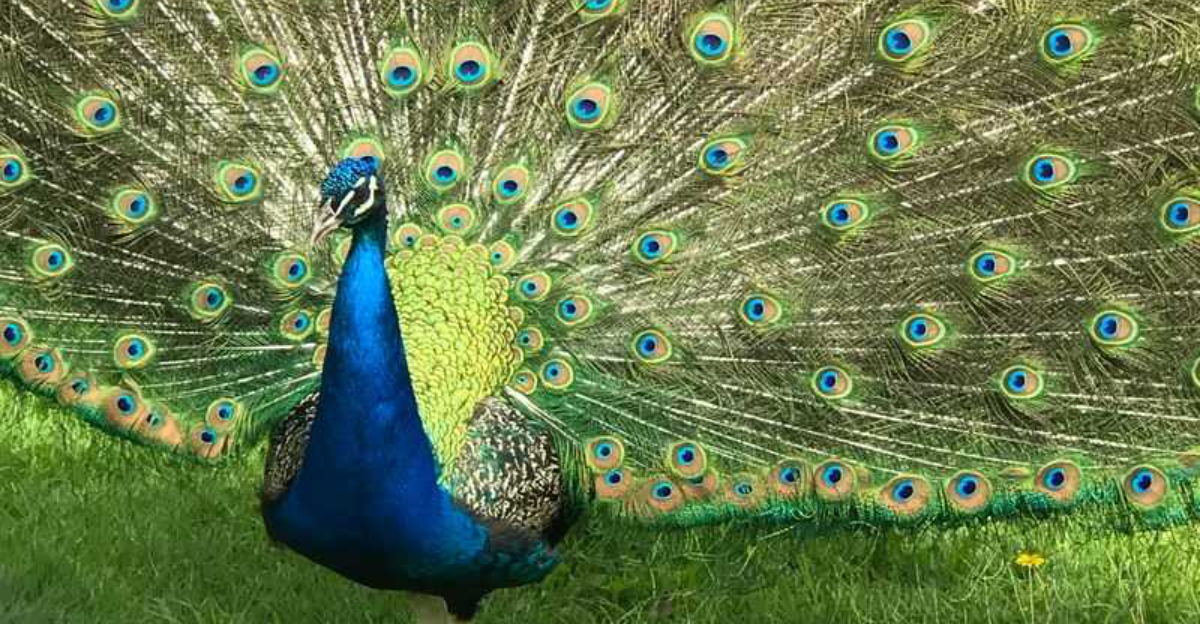
You know that feeling when you stumble upon something so unexpectedly cool, you can’t help but tell everyone? That’s Phillips Park Zoo.
Nestled in Aurora, Illinois, this small zoo feels like a cozy little corner of the world that’s been here forever, and for good reason. It’s free, easy to wander, and full of surprises.
You’ll find everything from rescued raptors with wild stories to actual mastodon bones, yes, real prehistoric stuff, dug up right here. The vibe is laid-back, the kind of place where you can kick back, breathe in the fresh air, and actually hear the wind rustle through the trees.
It’s not a zoo trying to be something it’s not, it’s just a place where you can slow down, enjoy some animals, and maybe learn a little something along the way.
A Century Of Community Care
Walk through the gates at Phillips Park Zoo and you immediately feel a century of hometown pride. Established in 1915 as a year round animal park, the zoo grew alongside Aurora, shaped by neighbors, volunteers, and city staff who treat it like a beloved backyard.
That community heart shows in tidy paths, helpful signage, and the way staff explain rescue stories with genuine warmth. Unlike big ticket attractions, the magic here is casual and accessible.
You can pause by elk on a breezy knoll, then duck into the reptile house to watch a turtle blink, all without rushing. Kids point out feathers and footprints while grandparents share memories, and you realize this place belongs to everyone.
Free admission keeps the gate wide open, and donations help the animal care go further. Hours generally run 9 am to 4 pm most days, with Wednesday closures and seasonal variations, so plan a morning or early afternoon visit.
Parking is plentiful and free right by the entrance, which makes popping in for an hour delightfully easy. You will leave feeling lighter, like the park itself exhaled and passed the calm to you.
First Impressions Under Tall Trees
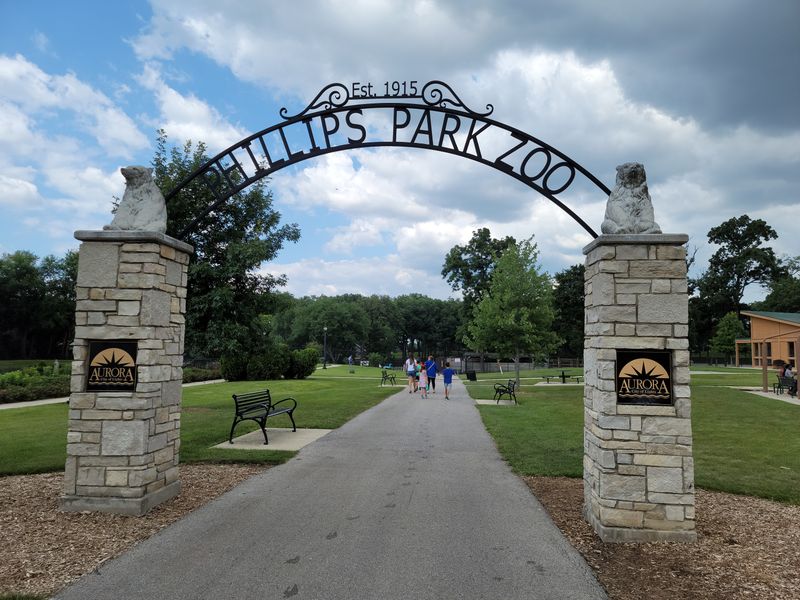
The first thing you notice is the trees. Towering oaks and maples cast dappled shadows across the walkways, softening the edges of fences and giving the zoo a relaxed, park like feel.
Birds chatter overhead, and a breeze carries the smell of grass and damp earth from the morning watering. It feels calm here, like time moves at a friendly pace.
You can hear footsteps on gravel, children whispering when a hawk turns its head, a stroller wheel clicking over a seam. The enclosures sit low against the landscape, more neighborly than imposing, and the layout flows in a tidy loop that rewards slow wandering.
Benches appear exactly when you need one. Wayfinding signs are straightforward, and the visitor center stands nearby if you want maps or to book the free tram around the broader park.
There is no pressure to see everything or hustle the perfect route. The entrance sets the tone: take your time, watch the light change, and let each animal encounter feel like a small, welcome interruption.
Rescue Stories In Feathers And Fur
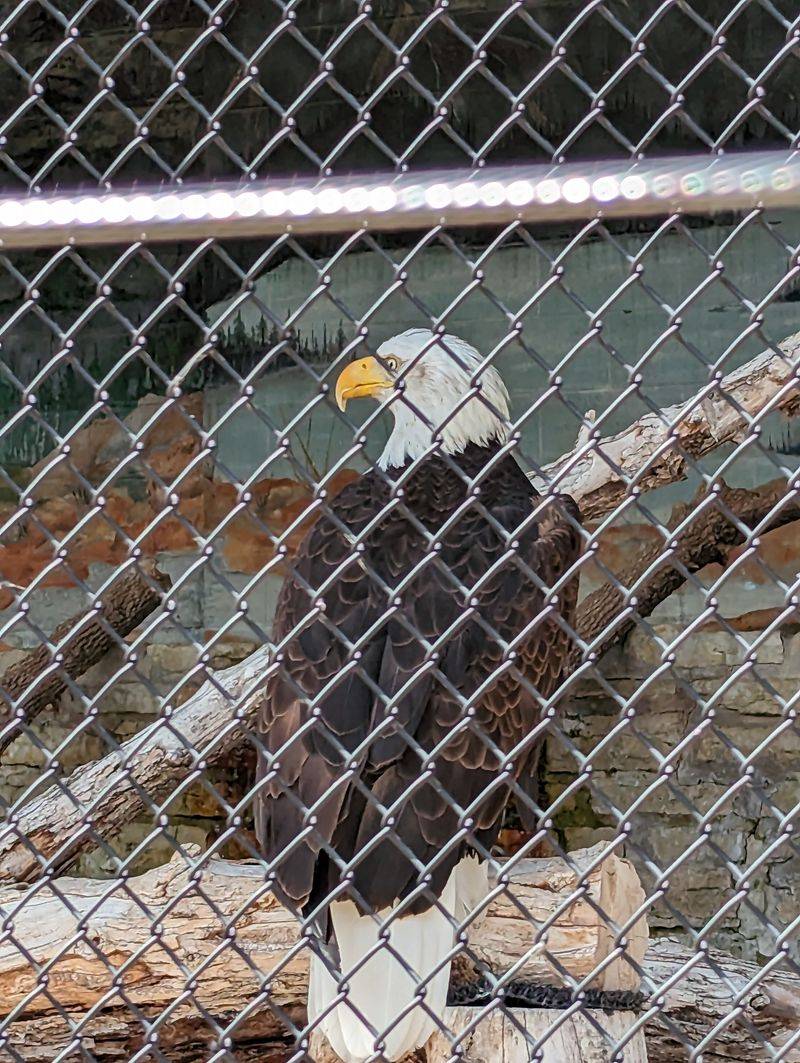
Here, many residents are ambassadors rather than performers. You notice it with the raptors first, especially the bald eagle whose intense stare hooks your attention.
These birds have histories, often arriving after injuries that prevent release, and their aviaries become calm classrooms where survival and care are the lesson. Staff and signs share each animal’s backstory in clear language.
You learn how a wing healed but not enough for wild flight, or how eyesight loss turned a hunter into a teacher. Those details land softly and reshape the way you watch, with gratitude for the second chance and respect for the quiet dignity in each perch.
It is powerful without being heavy. Kids ask thoughtful questions, and adults nod, absorbing the reality that rescue work is steady, patient, and hopeful.
The result is a zoo that feels like a sanctuary for understanding. You leave the raptor area listening more closely, catching the rush of wind in feathers as a red tail ruffles, and thinking about the people who stand guard behind the scenes every day.
Meet The White Wolf And Woodland Neighbors
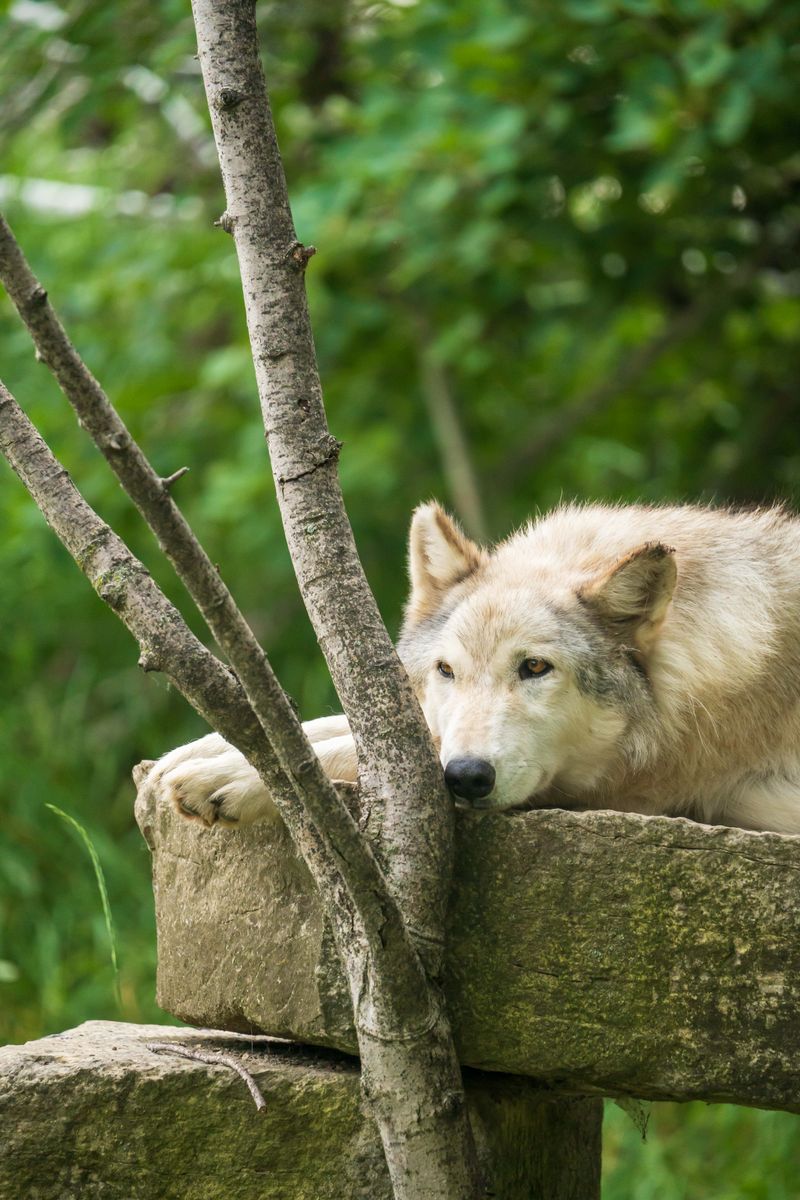
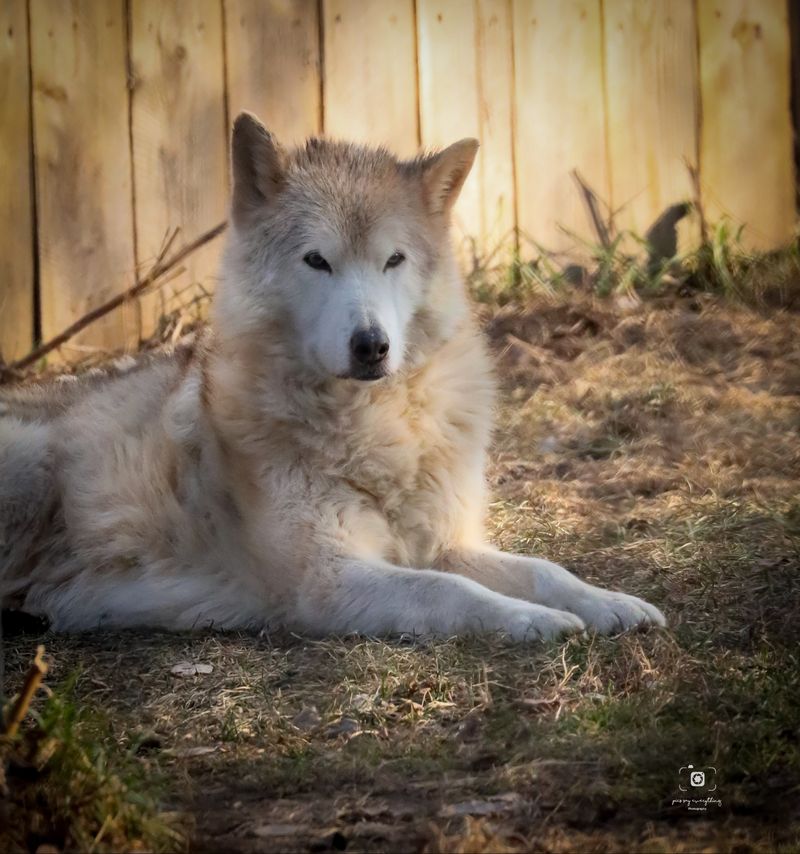
The wolf habitat steals the show when the light hits just right. A gray wolf pads across packed earth, its ears pricked, the coat bright against the shady backdrop.
There is a hush along the rail when it pauses to listen, and you feel that wild edge that makes your heart beat a little faster. Nearby, elk graze in a roomy pasture that rolls with the park’s natural contours.
Sometimes they hang back so far they look like silhouettes, and that distance reminds you this is a landscape first. On a breezy day, the grass ripples around them, and you feel the expansive Midwestern air and open space around you.
Patience pays off. If the wolf naps, loop once more near closing and you might catch a stretch and yawn.
Keep voices low, and you will hear the rustle of paws or the clunk of an antler against the fence. The encounters are unscripted and better for it, proof that even small zoos can deliver a true spark of wild wonder.
Tiny Scale, Big Heart: The Reptile And Small Animal House
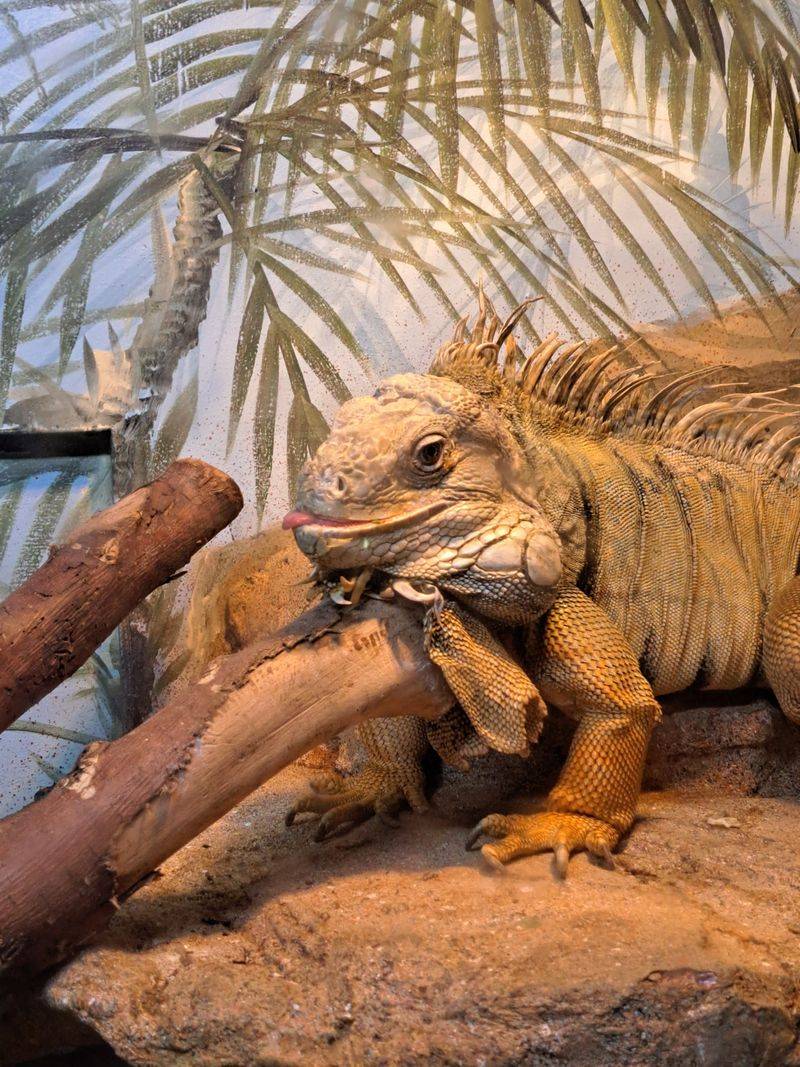
Step inside the reptile and small animal building and the air shifts cooler, with the quiet hum of filters and soft lights glinting off glass. Turtles blink with ancient calm, and a snake’s smooth coil slides behind a branch like liquid muscle.
It is the kind of space where you lean in, focus, and forget to check the time. Some habitats may be temporarily empty as animals rotate for care and cleaning, but clear signage will explain the schedule.
That transparency builds trust, and it invites you to slow down with what is there. Kids love spotting tiny details, like the way a lizard’s toes grip textured bark or a turtle’s mouth opens just enough during a lazy yawn.
The building is compact, which helps sensory sensitive visitors who prefer shorter bursts. If crowds get tight, step outside for sun and come back later.
You will find simple takeaways everywhere: reptiles are not flashy, they are steady teachers of patience and observation. It is a gentle counterpoint to the larger enclosures, and a reminder that the quiet corners often hold the day’s best surprises.
Sunken Garden: A Living Postcard
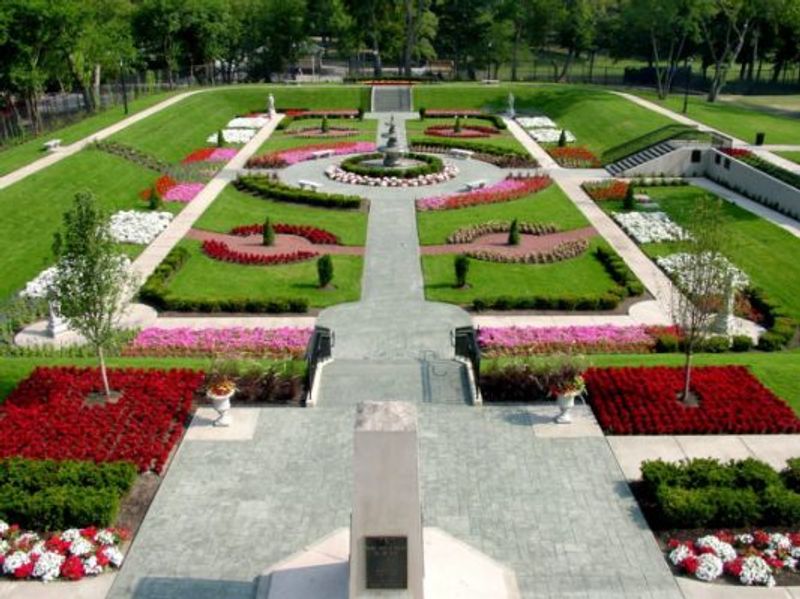
Just beyond the zoo, the Sunken Garden blooms like a secret level you unlock for walking slowly. Terraced beds curve around a central lawn, with seasonal color that pops in spring and keeps charming through fall.
You can smell damp soil after watering and hear the low murmur of bees busy at work. It is a favorite photo stop, and you will see it in every season’s family scrapbook.
Kids hop down the steps while grandparents point out varieties they grew decades ago. The scene feels timeless, tidy, and human scaled, a gardener’s love letter written in petal and leaf.
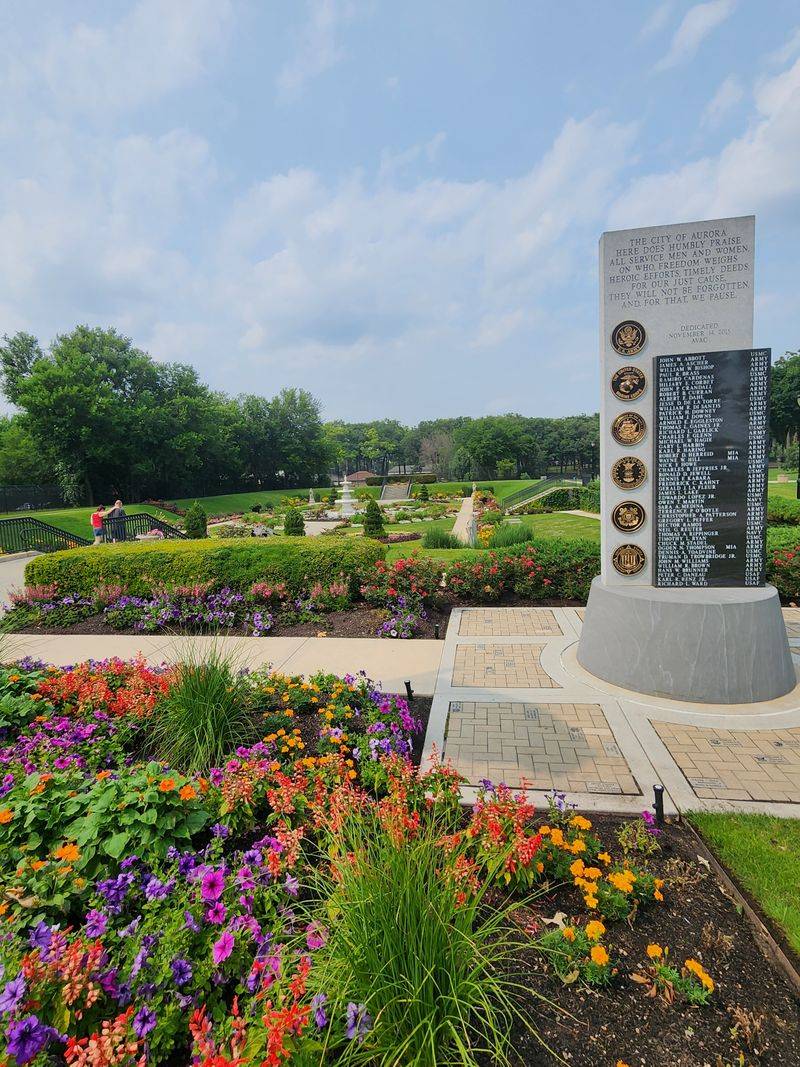
Benches invite lingering, and the breeze carries a faint rush from the nearby Veterans Memorial waterfall. Practical tip: visit the garden either right after the zoo opens or near late afternoon for softer light and fewer people.
The path surfaces are mostly smooth, but watch the step edges after rain. The garden adds a grace note to the zoo day, reminding you that care for animals and care for plants share the same gentle patience and pride.
Mastodon Bones And A Park’s Deep Time
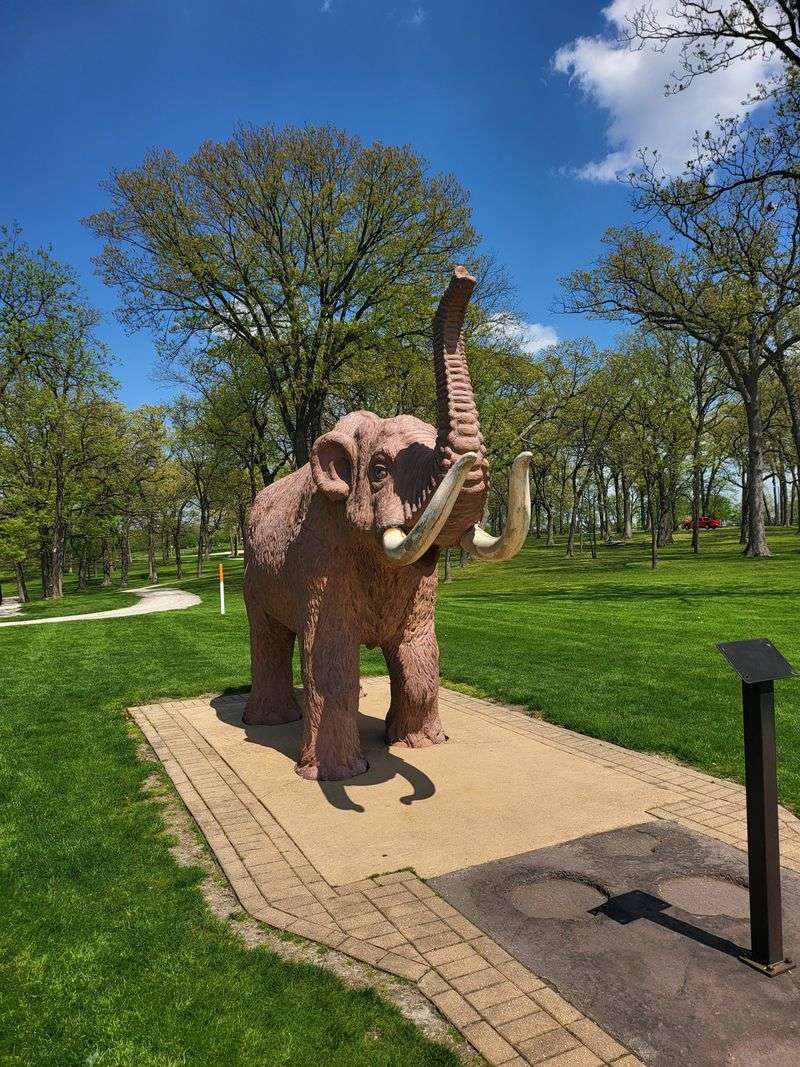
Inside the visitor center, the story runs deeper than feathers and fur. You come face to face with mastodon bones, dug from this very ground decades ago.
A skull’s massive curve and those sturdy teeth anchor you to an Ice Age landscape that once sprawled where picnic tables and paths now sit. There is a local legend vibe to it, complete with the tale of a worker striking a bone and sparking a full dig.
Photos of the crew, artifacts, and clear labels make the science feel friendly. Step outside, and a bronze sculpture honors that moment of discovery, a reminder that even ordinary workdays can crack open extraordinary history.
The building doubles as a cool retreat on hot days, with bathrooms, maps, and info on the free tram that runs around the broader Phillips Park. It is also where you can ask about current exhibits or any closures.
The bones add a wow factor that is oddly grounding. You leave feeling connected to the land, aware that every footstep rests on stories stacked far beneath the roots.
Season By Season: When To Go
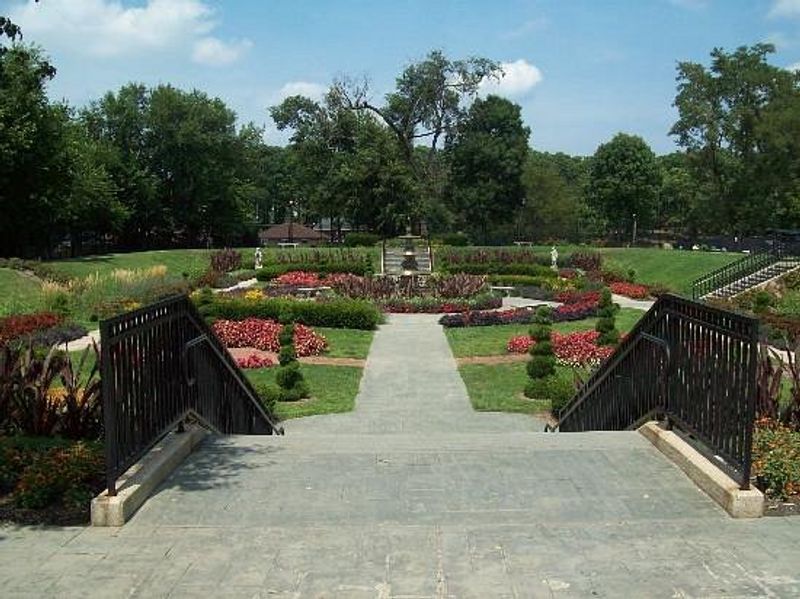
Timing shapes the day here, and each season has its charm. Spring brings blossoms in the Sunken Garden and lively animals soaking up mild air.
Summer is green and bright, perfect for early morning visits before heat builds. Fall lays amber leaves across the paths, a cinematic backdrop for quiet strolls.
Phillips Park lights up with holiday displays during the winter months. Hours typically run 9 am to 4 pm and can shift with seasons.
The zoo is closed on Wednesdays, so keep that in mind, and winter weather may affect exhibits. Earlier is better for parking and calmer crowds.
If certain habitats are empty, loop back later, since animals move for care, cleaning, or rest. Dress for the wind that skims across open lawns.
Comfortable shoes matter because you will want to wander beyond the gates to gardens and memorials. If you catch the light displays, expect a wait in line during peak evenings.
Put on music in your own car if the park is not broadcasting, crack the windows, and make it a small ritual.
Free Means Freedom
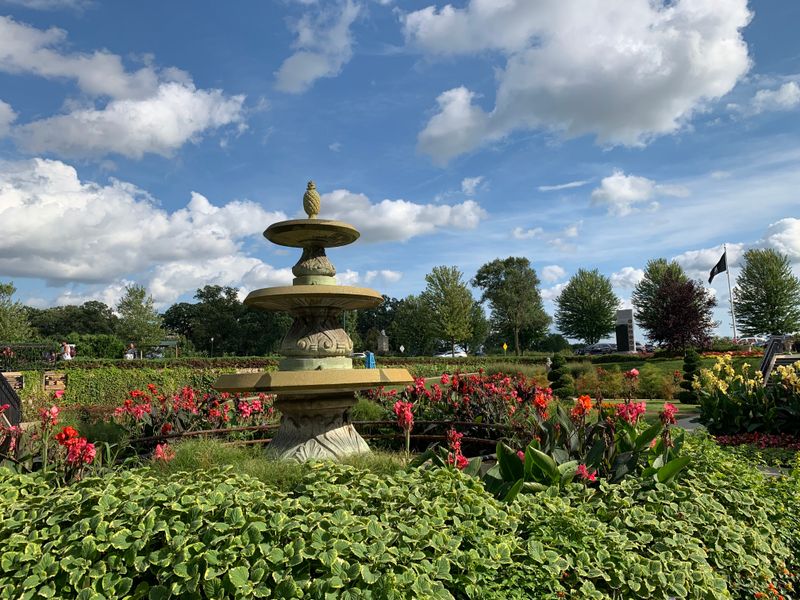
There is something liberating about walking into a free zoo. You can stay for forty minutes or four loops without doing math in your head.
That freedom is a big part of why locals love Phillips Park Zoo. It invites quick visits after school, quiet weekday strolls, and spontaneous detours when the weather turns perfect.
While admission costs nothing, donations are welcomed, and you can see how every dollar translates into clean habitats and thoughtful care. If you are budgeting a family day, the savings mean ice cream afterward or time at the nearby splash pad when it is running in warmer months.
It feels neighborly, not transactional. Parking is free and close, which matters if you are hauling a diaper bag or coaxing a toddler through nap negotiations.
Expect modest amenities, not big theme park extras. What you get is simple and satisfying: animals you can actually see, staff who greet you with real smiles, and the chance to give back how you choose.
Insider’s Loop: How To See More, Stress Less
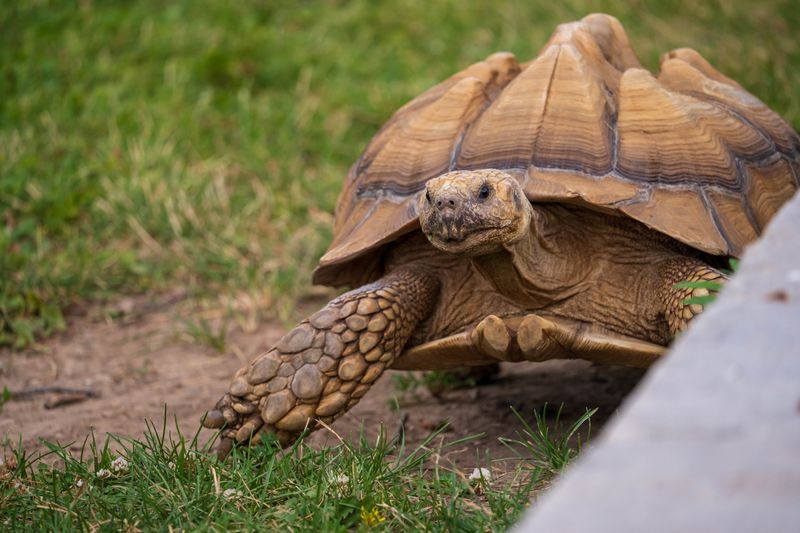
Start your day at opening and head straight to the raptors while the air is cool and calm. Swing by the wolf next, then the elk, and save the reptile building for a midday cool down.
If an enclosure is empty, take a breath. Animals rotate for care and cleaning, and patience often pays off on your second pass.
Bring water and a light snack, and use the benches as your pacing tool. If you have little ones, keep the loop tight and add micro goals: find feathers, count turtles, spot the peacock.
For sensory sensitive visitors, the zoo’s small scale and predictable paths help. Step out to the Sunken Garden when you need a visual reset.
Ask at the visitor center about the free tram around the wider park and current schedules. It does not go inside the zoo, but it expands your day in a low effort way.
Remember the Wednesday closure and that hours can shift seasonally, generally 9 am to 4 pm. With this rhythm, you will see more and never feel rushed.
Accessibility And Ease For All Ages
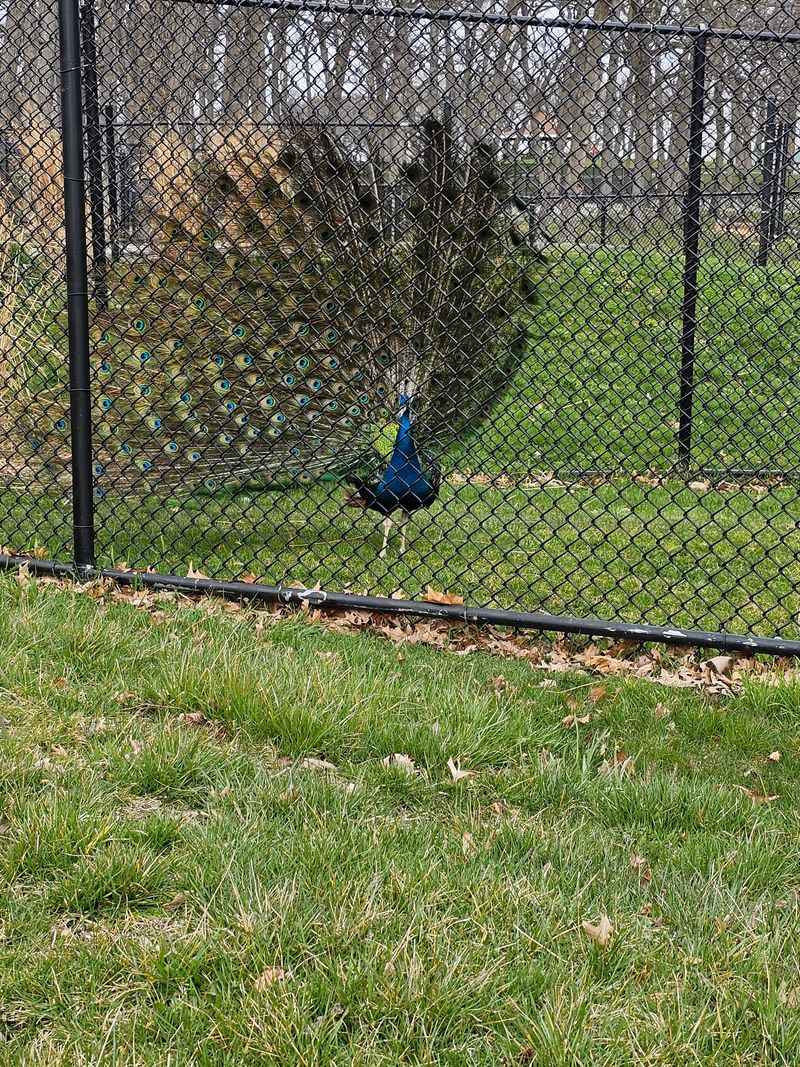
One of the quiet strengths here is how easy it is to navigate. Paths are mostly smooth, stroller friendly, and manageable for wheelchairs, with gentle grades rather than long hills.
Benches dot the route, so rest is never far. Parking sits close to the entrance, which saves steps and energy for the exhibits themselves.
The zoo is compact, making it a solid choice for multigenerational outings. If a little one needs a break, you are minutes from the visitor center and its bathrooms.
When the park is busier on weekends, you can still peel off to the garden or lakeside paths nearby for a calmer moment. Staff are approachable and used to answering practical questions.
On hot days, plan short bursts with indoor reptile stops and shady pauses. In colder months, a brisk loop works well if you tuck your scarf and move with purpose.
Because admission is free, you can split the visit across a day with zero guilt. The goal is simple: make time here pleasant and doable for every body.
Beyond The Gates: Park Perks That Complete The Day
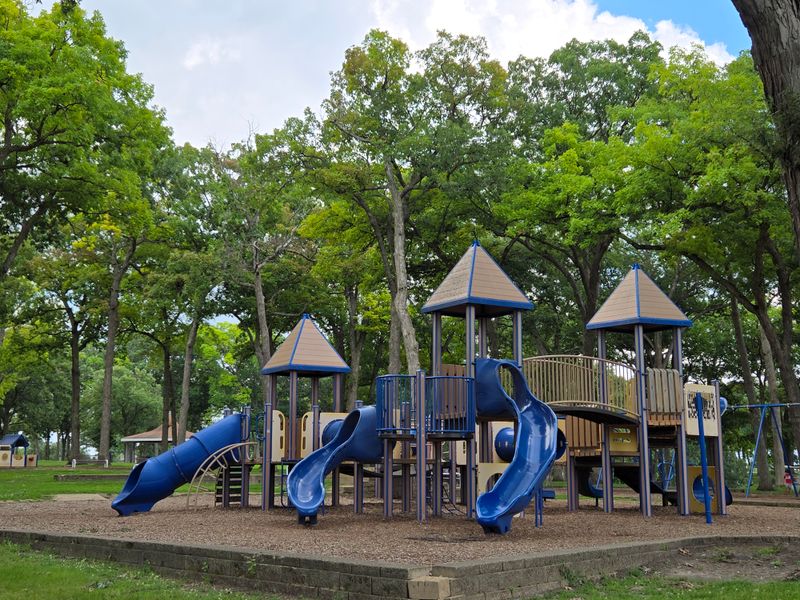
Phillips Park itself is the ace up the sleeve. After the zoo, the playgrounds call, and the lakeside path feels made for an easy loop.
When the splash pad runs in warm weather, kids squeal and dart through the spray, then collapse on the grass giggling. The Veterans Memorial and waterfall add a reflective pause, a gentle hum of water where you catch your breath.
You might spot the free tram making its circuit, a simple pleasure that stitches together gardens, memorials, and sweeping green. Grab a seat if there is space or check on sign up at the visitor center.
Golfers eye the course beyond the trees, and dog walkers cruise the trails. It is a whole day if you want it, shaped around small joys.
Pack snacks, spread a blanket, and let the schedule loosen. The park makes room for everyone, and the zoo is the friendly anchor in the middle.
Even on busy days, there is always a quiet corner waiting, a patch of shade, and the feeling that you landed someplace built with care for ordinary, beautiful time outdoors.
Keeping Expectations Real, Wonder Intact
This is a small zoo, and that is part of its charm. Some habitats may be empty during maintenance or animal care, and certain species change over time.
If you visit expecting a sprawling menagerie, you might miss the point. Think of it as a nature walk with meaningful stops, where each encounter has room to breathe.
When crowds gather, let them flow ahead and you will catch quiet windows. Staff do a lot with modest resources, and you can feel the care in clean enclosures and thoughtful stories.
If something you hoped to see is off exhibit, pivot to the raptors, the wolf, or the mastodon bones. Wonder is still everywhere if you give it a beat.
Before you come, double check hours online or call, since seasons and maintenance can shift the details. Plan flexible timing, bring patience, and you will leave with genuine highlights.
It is the kind of place that grows on you. Not flashy, never fussy, and exactly what a community zoo should be: welcoming, real, and quietly unforgettable.