
14 Breathtaking Natural Wonders In Pennsylvania That Feel Otherworldly
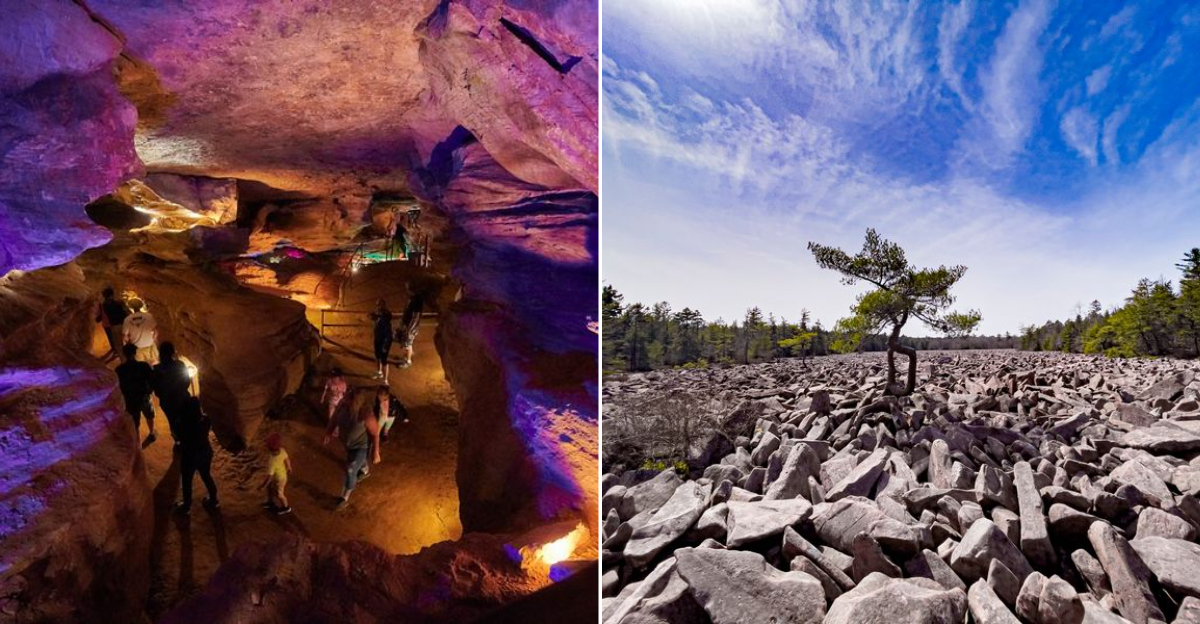
Pennsylvania has a way of pulling you out of autopilot when you least expect it.
One quiet stretch of road can suddenly open up into waterfalls that look unreal, glowing canyons at sunset, or massive boulder fields stacked like they were placed on purpose.
These moments do not feel planned. They feel discovered, like you accidentally wandered into something special.
The magic is in how quickly it happens. One minute you are driving, the next you are standing still, staring, phone halfway out of your pocket because your brain needs a second to catch up.
Ravines drip with mist, overlooks stretch farther than you thought possible, and familiar landscapes suddenly feel brand new.
Pennsylvania delivers this kind of surprise again and again, rewarding curiosity more than careful planning.
Bring good shoes, a charged camera, and a little extra time, because the best spots tend to turn “just a quick stop” into the highlight of your day.
Last fall, I pulled over for what I thought would be five minutes and stayed nearly an hour, sitting on a rock, smiling, and wondering why I ever rush past places like this.
1. Delaware Water Gap National Recreation Area
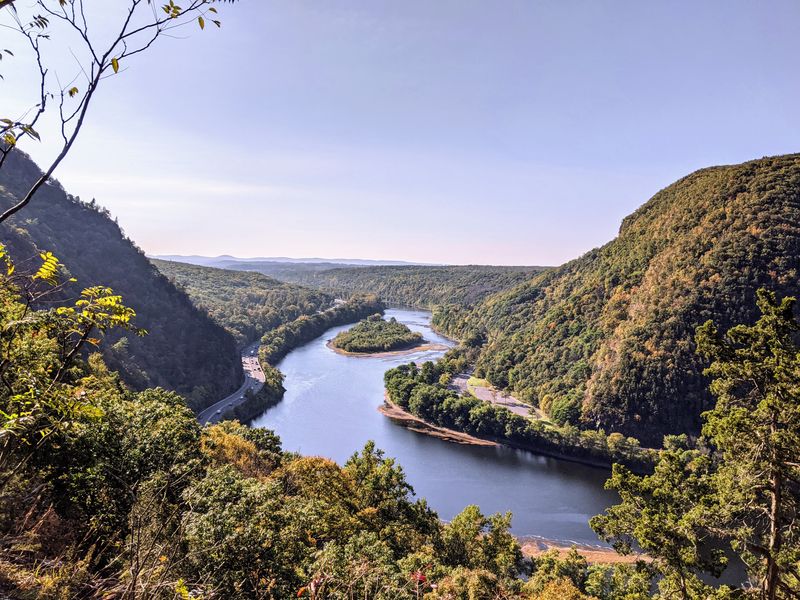
Straddling the border between Pennsylvania and New Jersey, this stunning river gorge carves a path through the Appalachian Mountains that looks like nature took a giant axe to the landscape.
The Delaware River winds through steep, forested slopes rising 1,200 feet on either side, creating a natural gateway that Native Americans used for centuries.
I’ll never forget my first kayak trip here. The water was so calm that morning, reflecting the mountain walls like a mirror, and I spotted a bald eagle circling overhead.
The recreation area spans over 70,000 acres with more than 100 miles of hiking trails, including a section of the famous Appalachian Trail.
Waterfalls like Dingmans Falls and Silverthread Falls add extra magic to the experience.
You can camp, fish, swim, or simply drive the scenic Old Mine Road that follows the river for 40 miles through this geological masterpiece near the town of Delaware Water Gap.
2. Pine Creek Gorge Natural Area
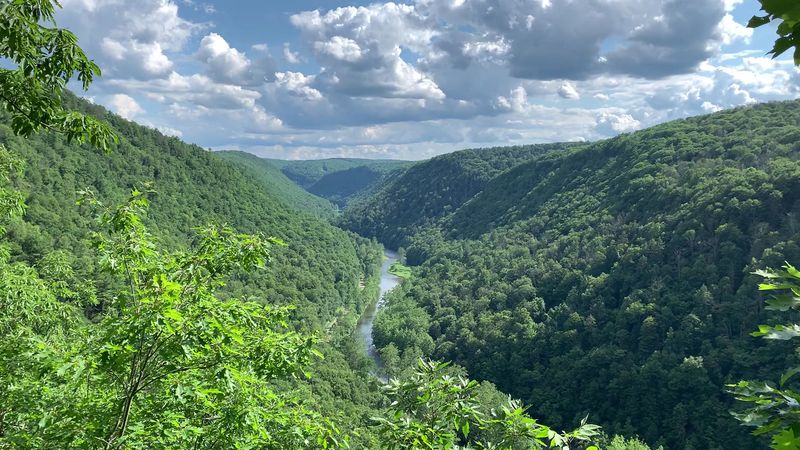
Known as Pennsylvania’s Grand Canyon, Pine Creek Gorge stretches 47 miles long and plunges nearly 1,450 feet deep in some spots.
The comparison to Arizona’s famous canyon isn’t just marketing hype when you stand at Leonard Harrison or Colton Point State Park overlooks and see the vast chasm opening before you.
The gorge formed over millions of years as Pine Creek carved through layers of rock, exposing geological history in the canyon walls.
Fall transforms this area into an explosion of reds, oranges, and yellows that paint the entire valley.
The Pine Creek Rail Trail runs along the canyon floor, offering 62 miles of flat, scenic biking and hiking through the heart of this natural wonder.
Wildlife thrives here, including black bears, white-tailed deer, and wild turkeys.
Located in Tioga County near Wellsboro, this geological marvel proves Pennsylvania can compete with western landscapes any day of the week.
3. Cherry Springs State Park
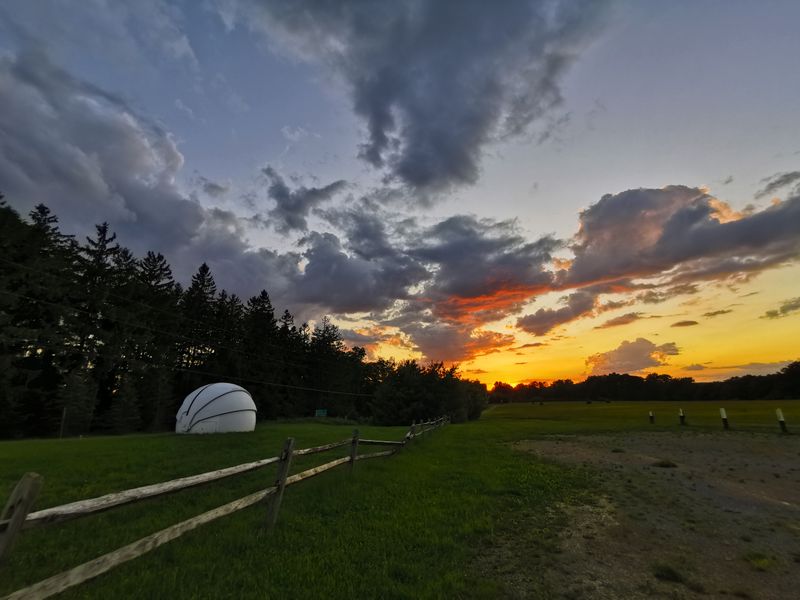
When darkness falls at Cherry Springs, the universe opens up above you in ways most people have never experienced.
This park holds one of the darkest night skies in the eastern United States, earning it International Dark Sky Park status and drawing astronomers from around the world.
Located in Potter County at an elevation of 2,300 feet, the park sits far from city lights that usually wash out the stars.
On a clear night, you can see the Milky Way stretching across the sky like a river of light, along with thousands of stars invisible in most places.
The park offers a dedicated Night Sky Viewing Area and an Astronomy Observation Field where visitors gather with telescopes and cameras.
I brought my nephew here for his first real stargazing experience, and watching his face light up when he saw Saturn’s rings through a telescope made the two-hour drive completely worth it.
Special astronomy programs run throughout the year, teaching visitors about constellations, planets, and deep-space objects visible overhead.
4. Ricketts Glen State Park
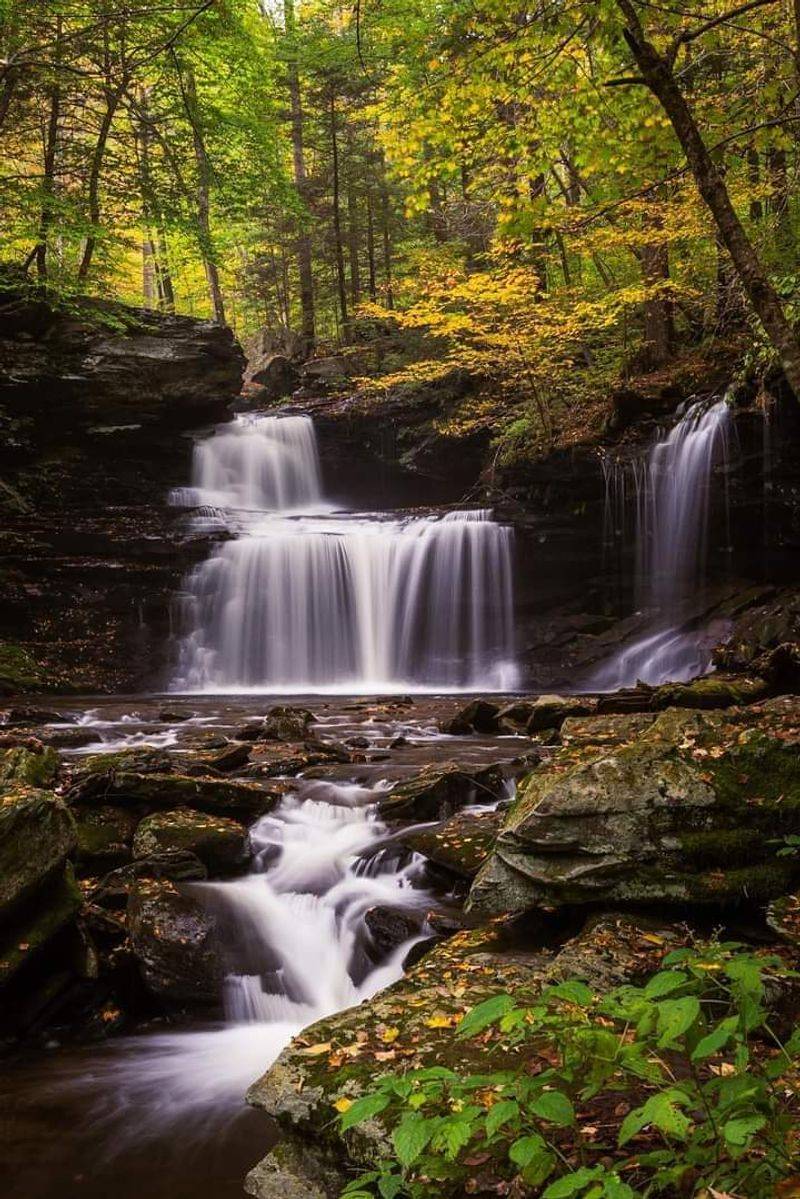
Twenty-two named waterfalls tumble through this park’s glens, creating a waterfall wonderland that feels like stepping into an enchanted forest.
The Falls Trail System forms a 7.2-mile loop that takes you past waterfall after waterfall, each with its own character and beauty.
Ganoga Falls, the tallest at 94 feet, crashes down in a spectacular display of power and mist.
The trail isn’t easy, featuring over 600 stone steps and some steep, rocky sections, but every challenging climb rewards you with another stunning cascade.
Ancient hemlock and oak trees tower overhead, some over 500 years old, creating a cathedral-like atmosphere.
The park sits in Luzerne, Sullivan, and Columbia counties near the town of Benton. Spring runoff makes the waterfalls most dramatic, while fall brings brilliant foliage that frames each cascade in gold and crimson.
Winter transforms the falls into frozen sculptures, though the trail becomes treacherous and requires serious winter hiking experience to navigate safely.
5. Presque Isle State Park
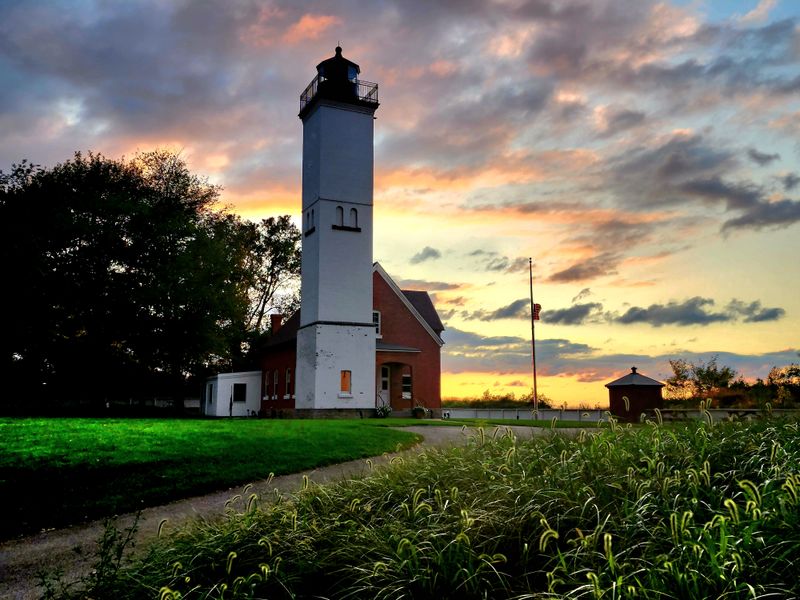
This sandy peninsula curves into Lake Erie like a giant fishhook, creating a 3,200-acre playground that feels more like an ocean beach than an inland lake.
Presque Isle, French for “almost an island,” features 11 miles of beaches, hiking trails, and some of the most important ecological areas in Pennsylvania.
The park sits in Erie and serves as a crucial stopover for migrating birds traveling along the Atlantic Flyway. Over 320 bird species have been recorded here, making it a birding hotspot.
Seven distinct ecological zones exist within the park, from beaches and dunes to marshes and forests, each supporting different wildlife.
During my summer visit, I watched the sunset from the lighthouse and understood why locals treasure this place so fiercely.
You can swim, kayak, bike the 13-mile paved loop, or simply walk the beaches collecting Lake Erie beach glass.
The park remains open year-round, and winter brings a peaceful, snowy beauty that transforms the landscape completely.
6. Ohiopyle State Park
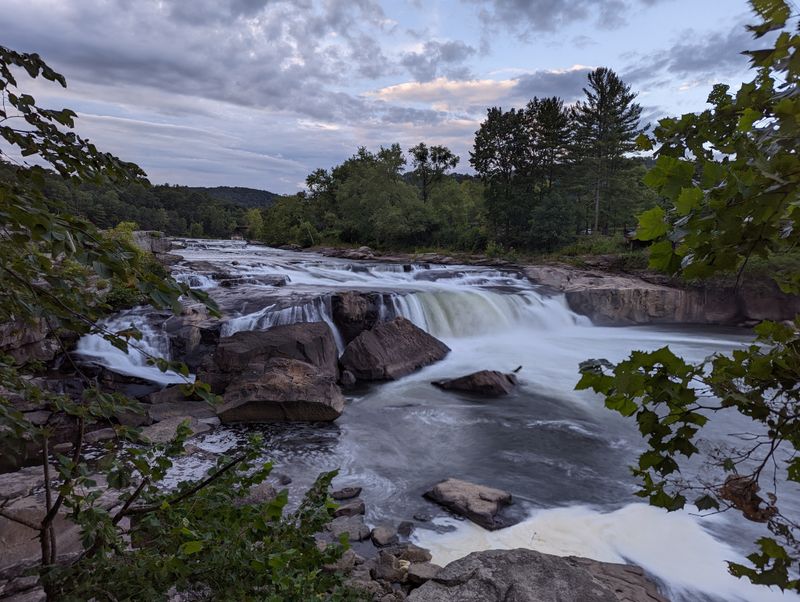
The Youghiogheny River roars through this park, creating some of the best whitewater rafting in the eastern United States and carving out dramatic gorges that thrill adventure seekers.
Ohiopyle Falls crashes 20 feet over natural rock ledges right in the middle of the small town of Ohiopyle, serving as the park’s centerpiece.
Beyond the whitewater, over 79 miles of hiking and biking trails wind through the park’s 20,500 acres.
The Great Allegheny Passage rail trail passes through here, connecting Pittsburgh to Cumberland, Maryland.
Natural waterslides formed in the rock at Meadow Run offer a unique swimming experience where the current carries you down smooth stone chutes.
Located in Fayette County, the park showcases Ferncliff Peninsula, a National Natural Landmark with rare plants and stunning overlooks of the river gorge.
Rock climbers tackle the sandstone cliffs, while photographers chase shots of Cucumber Falls, a beautiful 30-foot waterfall tucked in a hemlock forest. Four seasons of outdoor activities keep this park buzzing with visitors year-round.
7. Cook Forest State Park
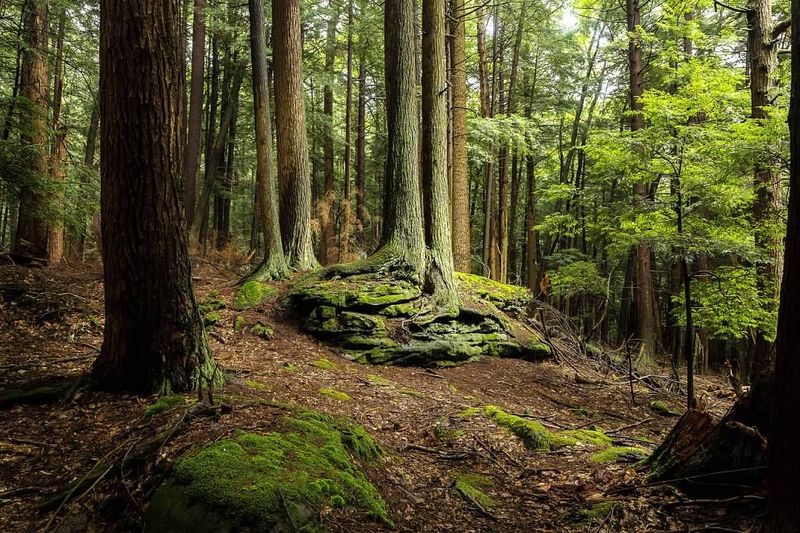
Walking among the ancient trees in Cook Forest’s Forest Cathedral feels like entering a natural church built over centuries.
Some of these white pines and hemlocks tower over 200 feet tall and date back nearly 400 years, survivors from when virgin forests covered Pennsylvania.
The park protects one of the finest stands of old-growth forest remaining in the northeastern United States.
The Longfellow Trail, named after the poet, winds through these giants where sunlight filters through the canopy in cathedral-like beams.
Clarion River flows along the park’s western edge, offering canoeing and kayaking through peaceful wooded corridors.
Located in Clarion County near Cooksburg, the park includes the Fire Tower that visitors can climb for panoramic views across the forest canopy.
I climbed it on a crisp October morning and watched fog drift between the treetops like something from a dream.
Log cabins available for rent let you sleep surrounded by these ancient sentinels, waking to birdsong that has echoed through these woods for generations.
8. Worlds End State Park
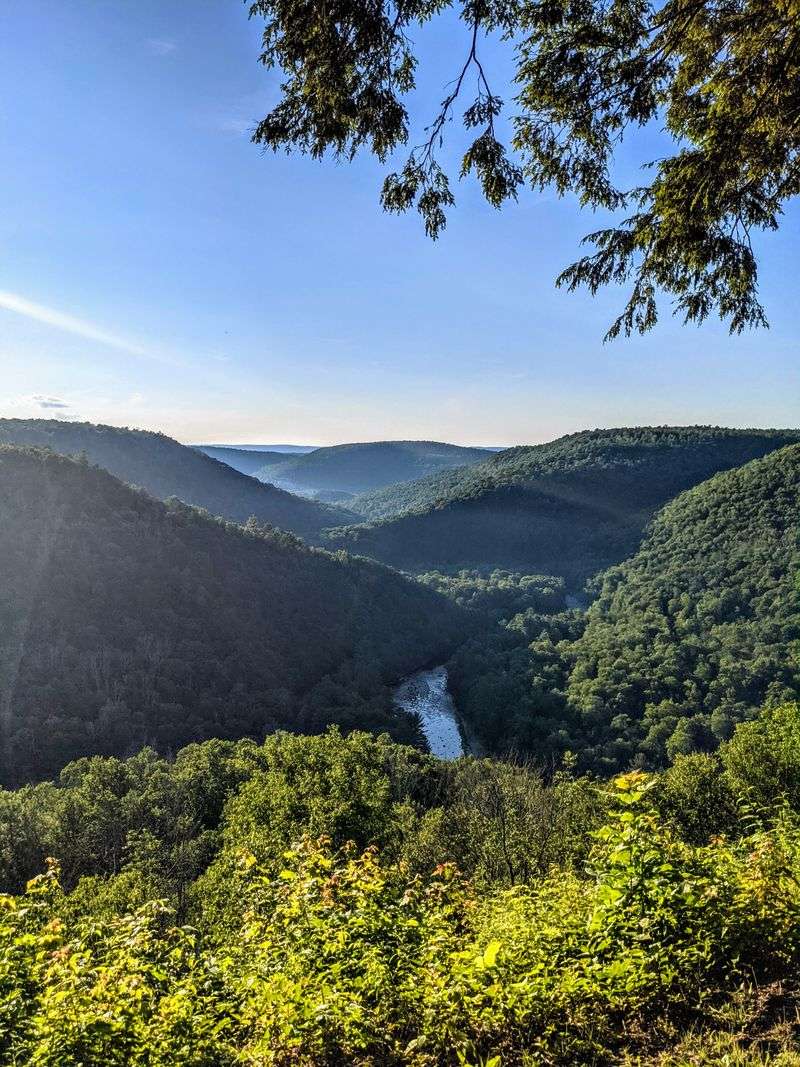
Steep-sided valleys and massive rock formations make this park feel like you’ve reached the edge of civilization, which is exactly how it got its dramatic name.
Loyalsock Creek carved a deep canyon through the landscape, creating a rugged wilderness that challenges hikers and rewards them with spectacular views.
The Canyon Vista Trail climbs to overlooks where you can see the creek snaking through the valley far below, surrounded by endless forest.
Rock formations with names like High Rock and Cottonwood Rock jut from the hillsides, offering natural platforms for taking in the scenery.
The park sits in Sullivan County, one of Pennsylvania’s least populated counties, adding to its remote, wild character.
Over 20 miles of trails range from easy streamside walks to strenuous mountain climbs. Double Run Nature Trail features a beautiful waterfall that cascades over moss-covered rocks.
Fall brings stunning foliage, while spring wildflowers carpet the forest floor. The park’s remote location means darker skies for stargazing and quieter trails for those seeking solitude in nature.
9. Allegheny National Forest
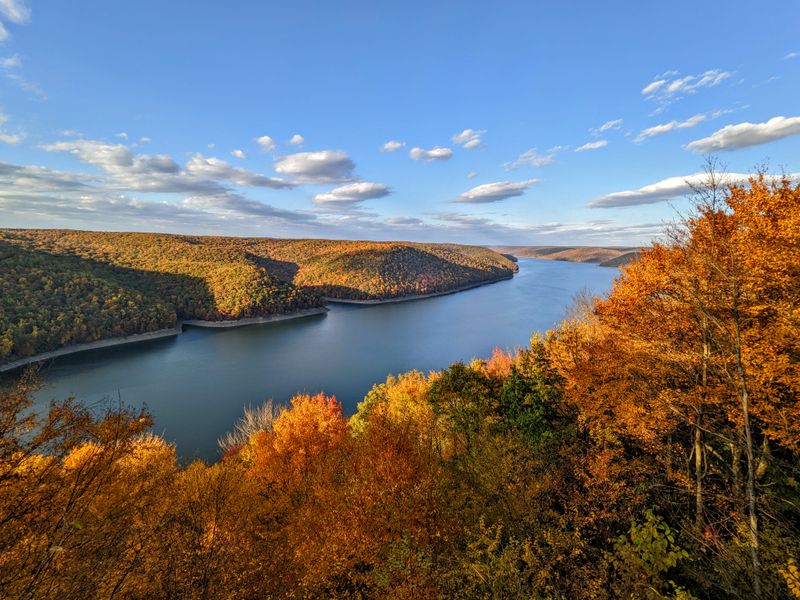
Spanning over 513,000 acres across northwestern Pennsylvania, this massive forest offers wilderness adventures on a scale rare in the eastern United States.
The Allegheny Reservoir stretches through the northern section, creating 91 miles of shoreline perfect for boating, fishing, and lakeside camping.
Black cherry trees thrive here in greater numbers than anywhere else in the world, making this forest economically and ecologically unique.
Over 600 miles of trails crisscross the forest, including sections of the North Country National Scenic Trail. The forest covers parts of Elk, Forest, McKean, and Warren counties.
When I camped at Hearts Content Scenic Area, I understood why this place earned National Forest status. Ancient hemlocks create a primeval atmosphere where time seems to slow down.
The Kinzua Bridge Sky Walk, though technically outside the forest boundary, sits nearby and offers breathtaking views from what remains of a historic railroad viaduct.
Wildlife watching opportunities abound, with elk herds roaming the eastern sections and black bears throughout.
Four distinct seasons transform the landscape, each offering different recreational opportunities and natural beauty.
10. Raystown Lake
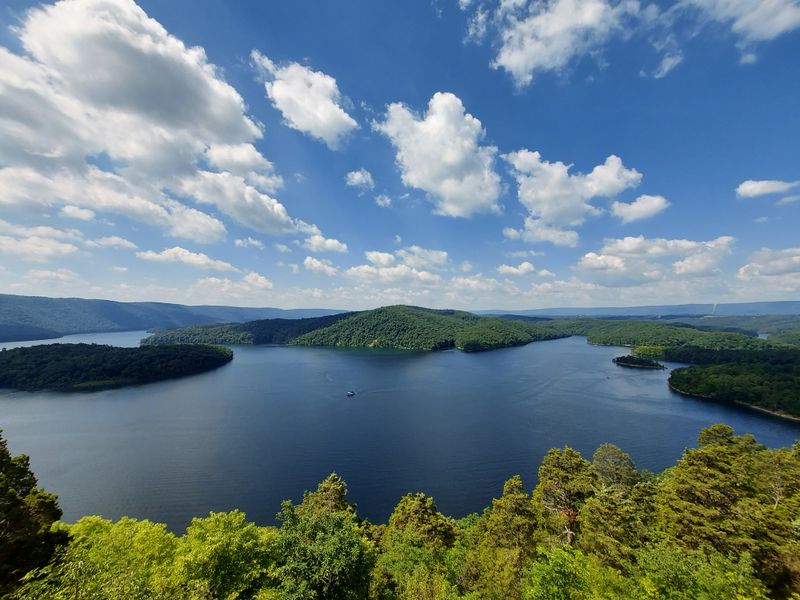
Pennsylvania’s largest lake wasn’t created by glaciers or natural processes but by damming the Raystown Branch of the Juniata River, yet the result feels completely natural and wild.
The lake stretches 30 miles through the mountains of Huntingdon County, with 118 miles of shoreline creating countless coves and inlets to explore.
Seven Points Recreation Area serves as the main hub, offering beaches, marinas, and camping facilities. The lake reaches depths of 200 feet in spots, keeping the water cool and clear even in summer heat.
Houseboating has become incredibly popular here, letting families spend days cruising the lake and anchoring in quiet coves.
Surrounding mountains rise steeply from the water’s edge, creating dramatic scenery that rivals lakes in more famous vacation destinations.
Hiking trails like the Terrace Mountain Trail climb to overlooks where you can see the entire lake spread below you like a blue ribbon through green mountains.
Fishing draws serious anglers chasing muskellunge, striped bass, and walleye. The lake remains accessible year-round, with ice fishing and winter hiking when temperatures drop.
11. Bushkill Falls
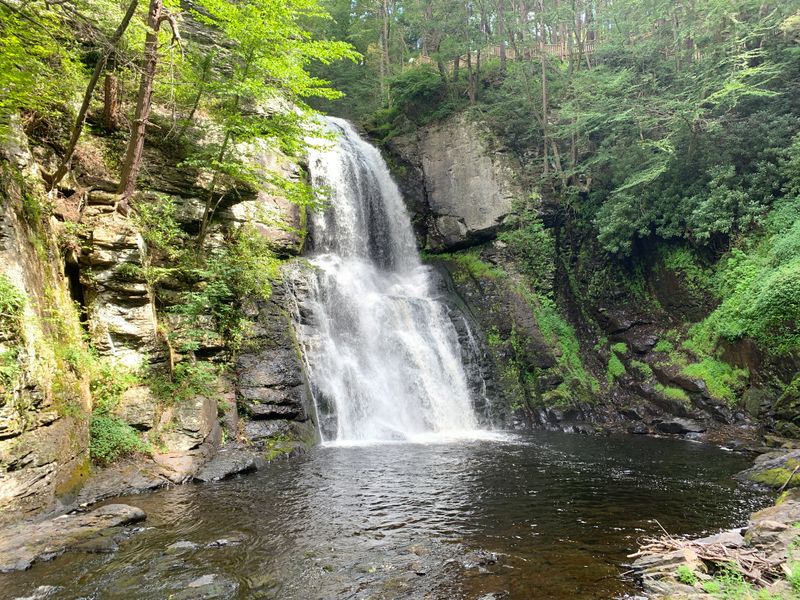
Eight waterfalls cascade through this privately owned natural area in the Pocono Mountains, earning it the nickname “Niagara of Pennsylvania.”
The comparison might be generous in terms of size, but the beauty is absolutely legitimate and the setting feels magical.
The main falls drops 100 feet in a series of tiers, creating a stunning focal point visible from multiple viewing platforms connected by wooden walkways.
Four different trail loops range from easy 15-minute walks to challenging two-hour hikes, letting visitors choose their adventure level.
The trails wind through hemlock forests, cross wooden bridges, and pass each of the eight falls.
Located near Bushkill in Pike County, the falls have been drawing visitors since the early 1900s when the Peters family opened the area to tourists.
I visited after a heavy rain and the falls were absolutely thundering, sending mist into the air that created rainbows in the sunlight.
The privately maintained trails stay in excellent condition, and the admission fee supports ongoing conservation.
Spring runoff and fall foliage represent peak visiting times, though summer’s lush greenery creates its own appeal.
12. Laurel Caverns
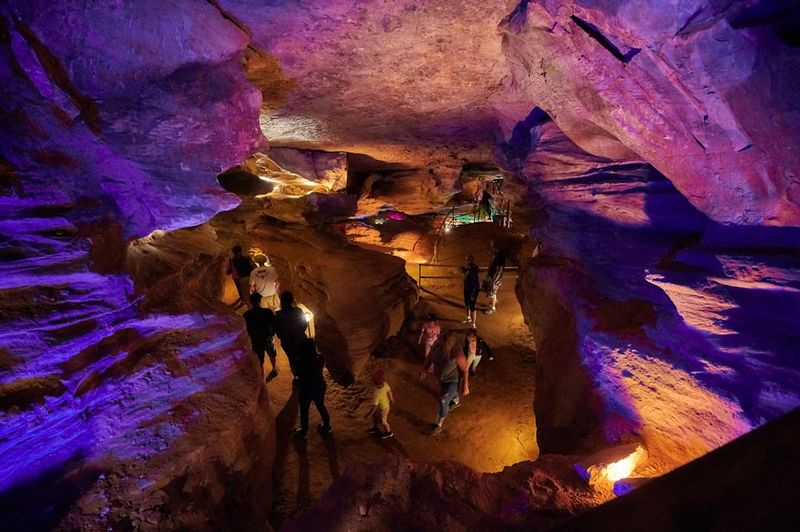
Pennsylvania’s largest cave system stretches through three miles of mapped passages beneath Chestnut Ridge, though only a portion is open to tourists.
Unlike many commercial caves, Laurel Caverns formed in sandstone rather than limestone, creating unique geological features and formations.
The caverns maintain a constant 52-degree temperature year-round, making them a cool escape in summer and a relatively warm refuge in winter.
Guided tours take visitors through massive chambers and narrow passages where they can see flowstone, cave coral, and other formations.
Adventure tours let experienced cavers explore undeveloped sections with helmets and headlamps.
Located in Fayette County near Farmington, the caverns also offer a simulated cave exploration area for younger visitors who might find the real caves too challenging.
The property includes nature trails above ground and a geological museum.
When I took the adventure tour, squeezing through tight passages and climbing over rocks in near darkness, I felt like a genuine explorer discovering hidden worlds.
The caverns stay open most of the year, closing only during the coldest winter months when ice can make passages dangerous.
13. Boulder Field
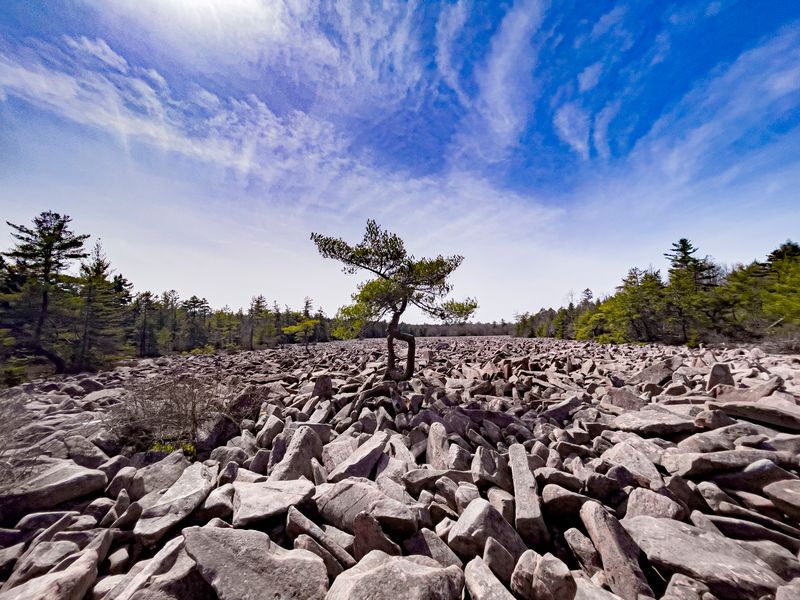
Sixteen acres of boulders stretch across Hickory Run State Park like a frozen river of rock, creating one of the most unusual geological features in the eastern United States.
These aren’t small rocks but massive boulders, some weighing several tons, packed together so tightly that almost no soil or vegetation grows between them.
Scientists believe the boulder field formed during the last Ice Age when repeated freezing and thawing broke apart the surrounding bedrock.
The boulders then slowly moved downhill through a process called frost heaving, accumulating in this valley over thousands of years.
Walking across the field requires careful stepping from rock to rock, and the National Park Service asks visitors to stay on the boulders to prevent erosion.
The site earned National Natural Landmark status for its geological significance.
Located in Carbon County within Hickory Run State Park, the boulder field sits accessible via a short trail from the parking area.
Kids love hopping from boulder to boulder, though parents should watch carefully since gaps between rocks can be deep.
The stark, almost lunar landscape feels completely out of place in Pennsylvania’s forests, making it truly otherworldly.
14. The Pinnacle
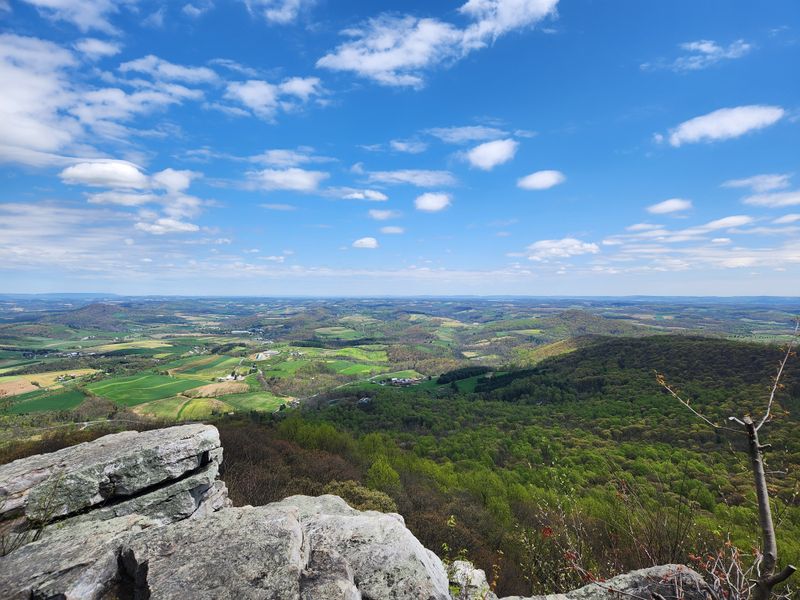
Rocky outcrops jut from the ridgeline at 1,635 feet elevation, creating one of the most photographed and visited overlooks along Pennsylvania’s section of the Appalachian Trail.
The view stretches for miles across farmland, forests, and the winding course of the Schuylkill River far below.
The hike to The Pinnacle covers roughly 8.5 miles round-trip from the most popular trailhead, though several route options exist for varying difficulty levels.
The trail climbs steadily through mountain laurel thickets and oak forests before breaking out onto the exposed rocks at the summit.
On clear days, you can see into multiple counties and watch hawks riding thermal currents along the ridge.
Located in Berks County near Hamburg, The Pinnacle draws crowds on nice weekends, especially during fall foliage season.
My first visit happened on a misty morning when clouds drifted through the valley below, making the farms and fields appear and disappear like islands in a sea of white.
Sunrise and sunset paint the sky in spectacular colors from this vantage point. The exposed rocks can be slippery when wet and dangerous in ice, so check conditions before hiking.