
This Castle Museum In Ohio Turns A Simple Visit Into A Magical Experience
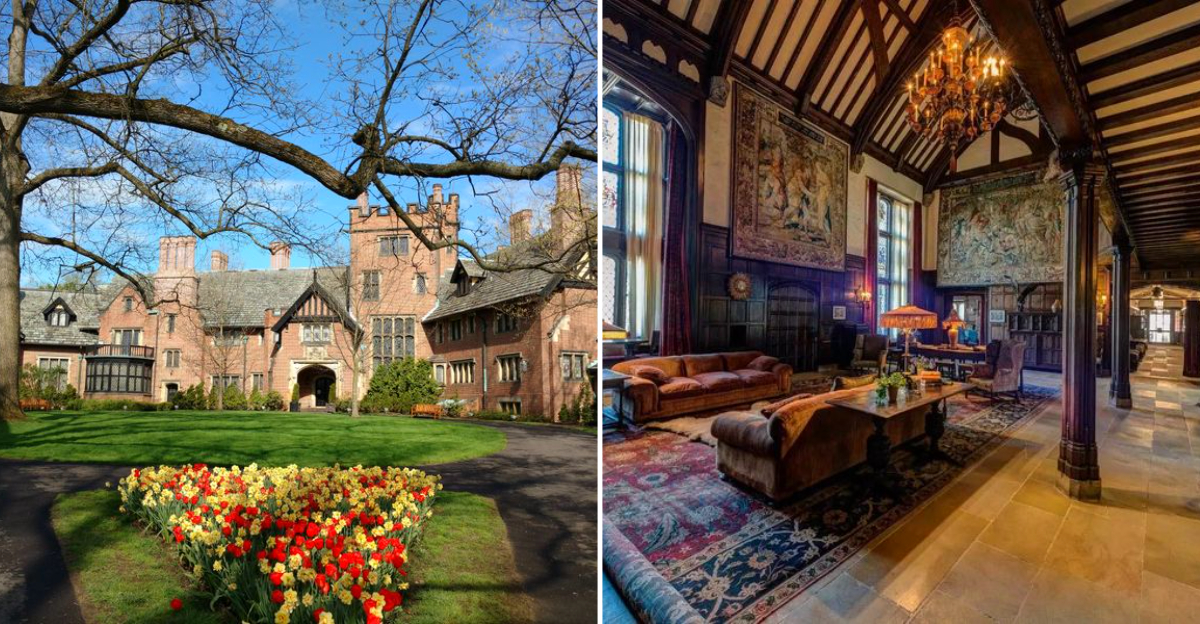
I never expected to find a castle right here in the heart of Ohio, but Stan Hywet Hall and Gardens proved me wonderfully wrong.
This magnificent estate at 714 N Portage Path in Akron feels like you’ve stepped through a portal into an English countryside manor, complete with 65 rooms of original furnishings and 70 acres of stunning gardens.
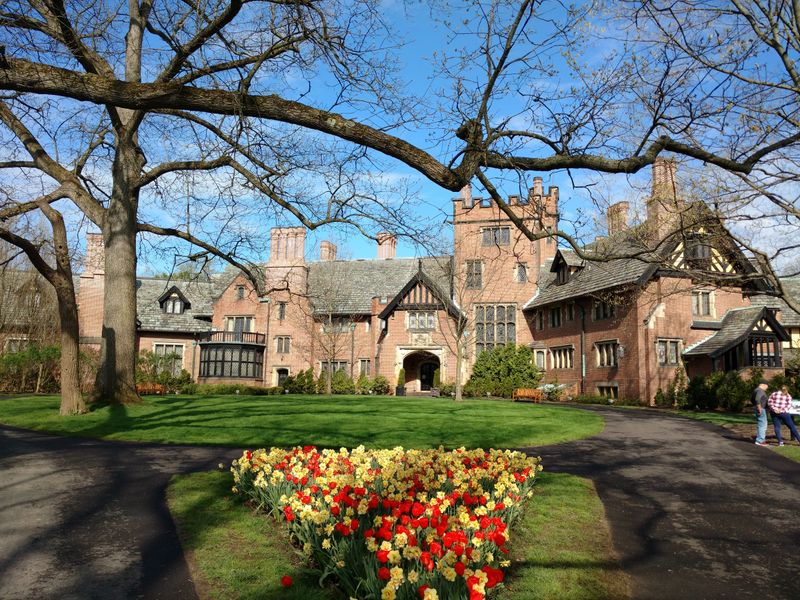
The Seiberling family built this architectural masterpiece in the early 1900s, and today it stands as one of the finest examples of Tudor Revival architecture in America.
What makes this place truly special is how it transforms an ordinary afternoon into something extraordinary, whether you’re wandering through the conservatory, admiring handcrafted woodwork, or strolling paths that seem to whisper stories from another era.
A Tudor Revival Masterpiece
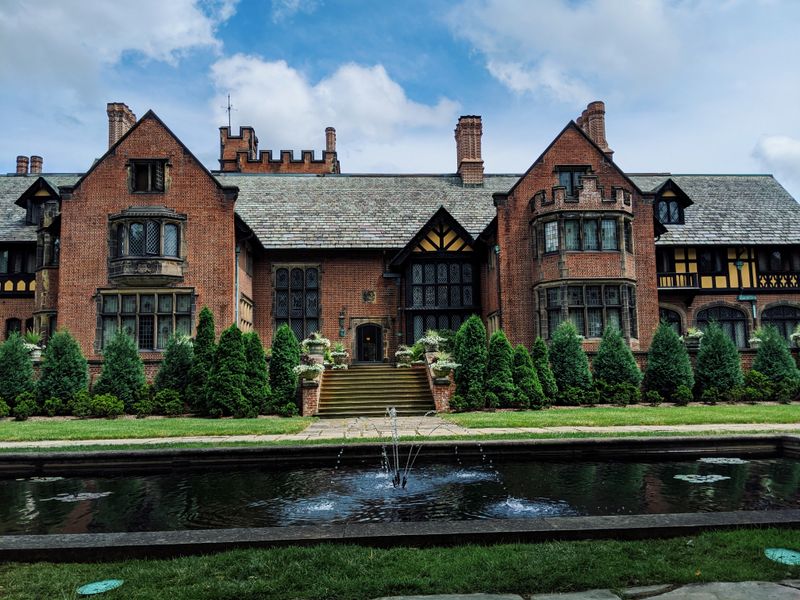
The mansion itself commands attention the moment it comes into view. Built between 1912 and 1915 for Goodyear Tire and Rubber Company co-founder F.A.
Seiberling, this 65-room estate represents one of the largest Tudor Revival homes ever constructed in the United States.
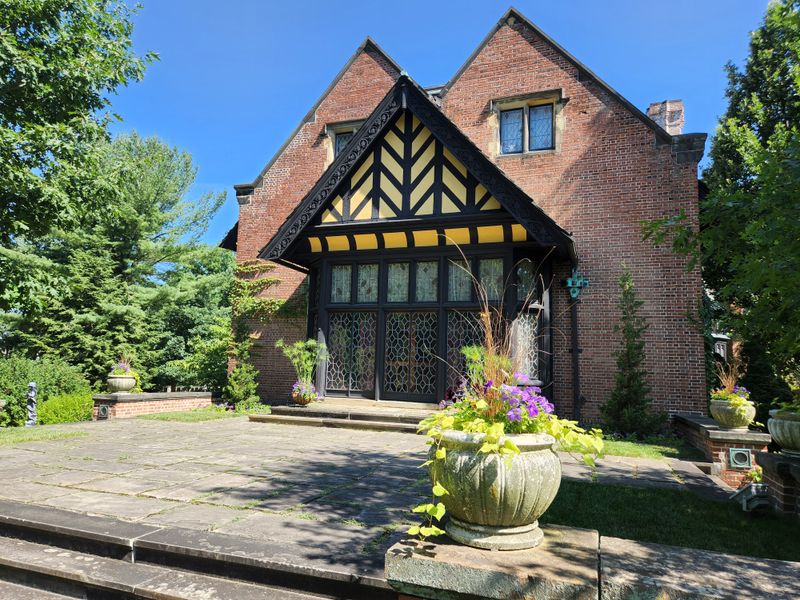
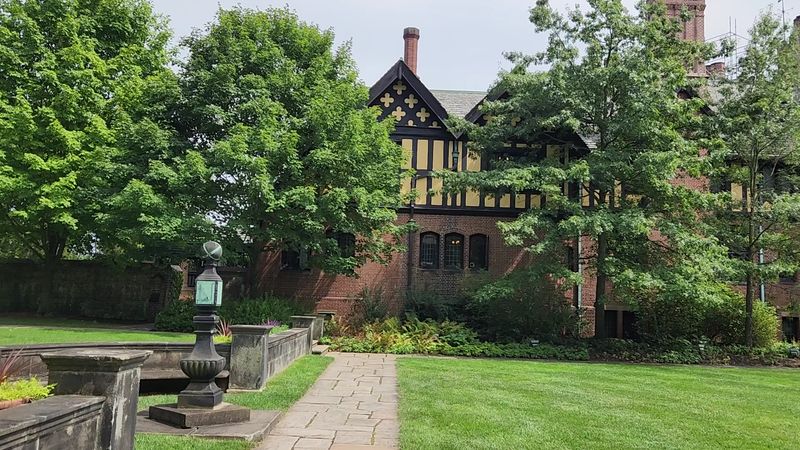
Every architectural detail tells a story. The half-timbered exterior, leaded glass windows, and towering chimneys create an authentic English manor atmosphere that transports visitors across the Atlantic without leaving Ohio.
Original craftsmanship shines throughout, from hand-carved woodwork to custom-designed fixtures.
What strikes me most is the preservation quality. Walking through these halls feels like the Seiberling family just stepped out for tea.
Ninety-five percent of the furnishings remain original to the estate, offering an unfiltered glimpse into early 20th-century American wealth and taste.
The scale impresses without overwhelming. Each room flows naturally into the next, creating intimate spaces within the grand structure that make you feel welcomed rather than intimidated by the opulence surrounding you.
Seasonal Splendor at Deck the Halls
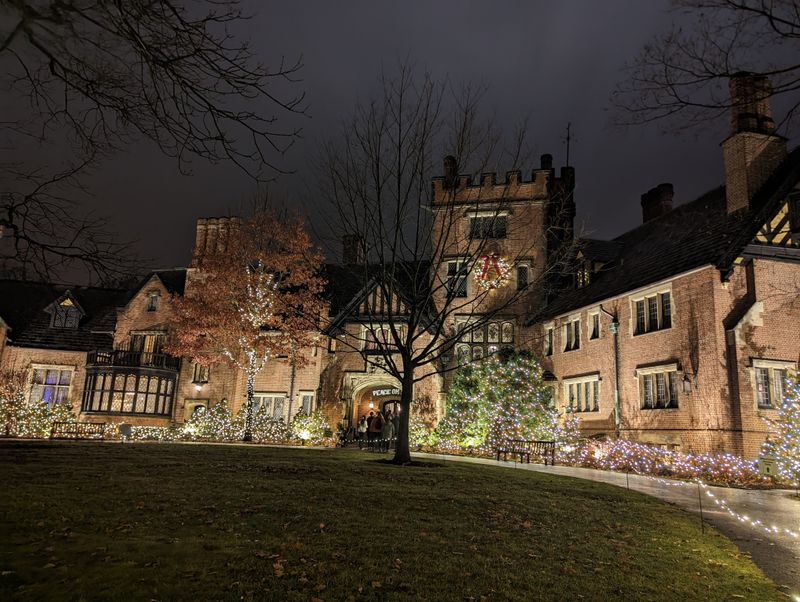
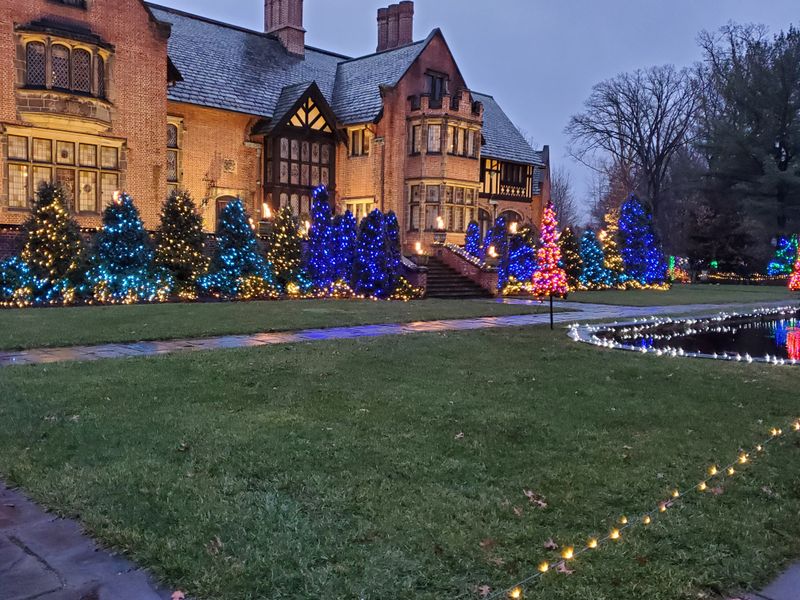
December transforms Stan Hywet into a holiday wonderland that rivals any Christmas display in Ohio. Deck the Halls has become a beloved tradition, drawing thousands of visitors who bundle up to experience the magic of the season across the illuminated estate.
The outdoor light displays stretch across the gardens like a constellation brought to earth. Walking these paths on a cold evening, hot cocoa in hand, creates memories that last long after the decorations come down.
Fire pits offer warmth between viewing stations, and the entire property glows with carefully placed lights that highlight architectural features and garden structures.
Inside the mansion, themed decorations change yearly. Recent years have featured earthy elements with moss-covered mannequins and branches, plus unexpected touches like intricate Lego scenes tucked into various rooms.
The creativity keeps repeat visitors discovering something new each season.
Fair warning: this event draws crowds. Lines to enter the mansion can stretch 30 to 40 minutes during peak times, but shuttle services from overflow parking and the overall experience make the wait worthwhile for those seeking holiday enchantment.
Gardens That Span Seasons
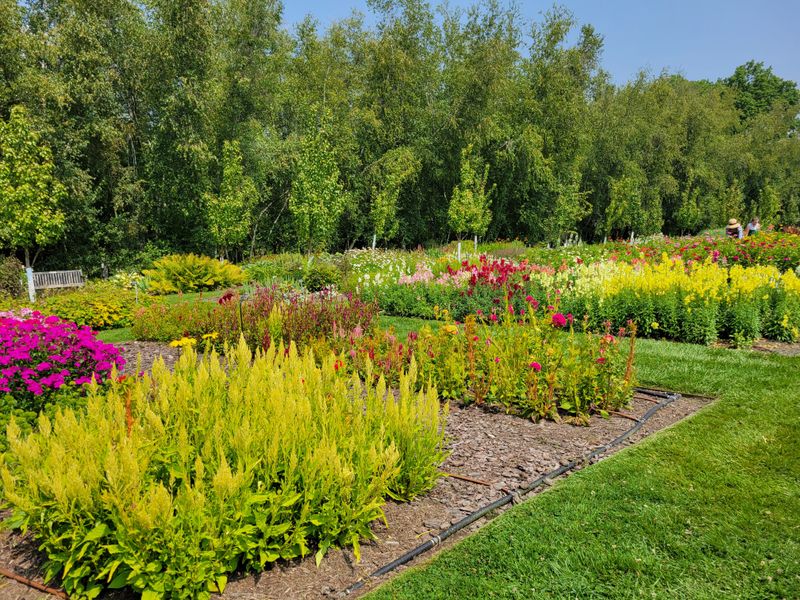
Seventy acres of designed landscape surround the manor house, creating outdoor rooms that shift character with each passing season.
Spring brings explosions of tulips and flowering trees, summer offers lush green canopies and blooming perennials, autumn paints the grounds in amber and crimson, and winter reveals the structural bones of the garden design.
The English Garden stands out as a photographer’s dream. Enclosed by stone walls, this intimate space features statues, water features, and plantings that create ethereal lighting conditions perfect for capturing special moments.
Many couples choose this spot for wedding portraits, and it’s easy to understand why.
Garden paths encourage wandering without worry of getting lost. Well-maintained trails connect different garden styles, from formal beds to naturalistic woodland areas.
Benches positioned at scenic viewpoints invite visitors to pause and absorb the carefully curated beauty.
Volunteers throughout the grounds share gardening knowledge and estate history generously. Their passion for the place adds depth to what you’re seeing, transforming a simple garden walk into an educational experience that resonates long after your visit ends.
Self-Guided Tours at Your Pace
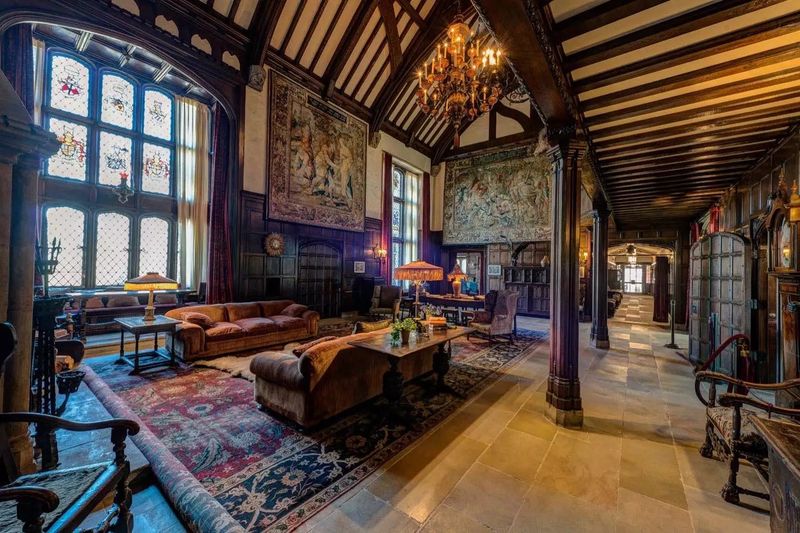
Freedom to explore at your own rhythm makes self-guided tours particularly appealing. You control the pace, lingering in rooms that capture your interest while moving quickly past others.
This flexibility proves especially valuable for photographers, history enthusiasts, or anyone who prefers absorbing information without feeling rushed by a group schedule.
Volunteers stationed throughout the mansion serve as living resources. They share fascinating details about the Seiberling family, explain architectural features, and answer questions that arise as you explore.
Their knowledge runs deep, and many have volunteered for years, developing expertise that rivals professional historians.
The second floor requires stamina. This large estate means considerable walking and standing, which some visitors with mobility concerns find challenging.
Unfortunately, seating within the home remains limited, though the experience rewards those who can manage the physical demands.
Budget four to five hours for a thorough exploration of both house and gardens. This timeframe allows proper appreciation of the craftsmanship, reading informational plaques, taking photographs, and pausing to imagine life as it unfolded here over a century ago in this remarkable Ohio landmark.
The Conservatory and Butterfly House
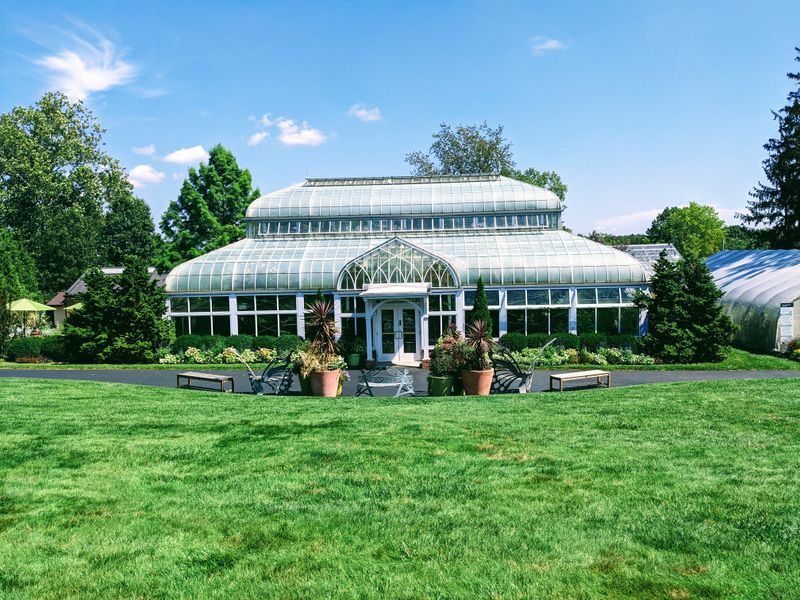
Glass walls and a curved roof create a climate-controlled paradise where tropical plants thrive year-round. The conservatory serves as both a functional growing space and an architectural feature, its elegant structure visible from multiple garden vantage points.
During butterfly season, a screened habitat adjacent to the conservatory transforms into an interactive exhibit where colorful wings flutter past visitors navigating the plant-lined paths. Children especially delight in these encounters, though adults find equal wonder in watching these delicate creatures up close.
The building showcases early 20th-century greenhouse design, faithfully reconstructed in 2005 based on the estate’s original conservatory. Interpretive details reveal how wealthy families maintained exotic plant collections before modern climate control.
These historical details fascinate visitors interested in horticultural history and engineering.
Seasonal displays rotate throughout the year. Poinsettias dominate during winter holidays, spring brings forced bulbs and early bloomers, and summer features tropical specimens that couldn’t survive outdoors in Ohio’s climate.
Each visit offers different botanical treasures depending on timing.
The conservatory connects physically and thematically to the main house, demonstrating how the Seiberlings integrated indoor and outdoor living spaces decades before that concept became mainstream in American home design.
Special Events Throughout the Year
Ohio Mart stands as the estate’s longest-running annual event, celebrating over 50 years of showcasing premier artisan work. This juried craft show transforms the grounds into a marketplace where artists display everything from pottery to paintings, jewelry to woodwork.
The setting elevates the shopping experience beyond typical craft fairs. Browsing handmade goods while surrounded by historic architecture and manicured gardens creates an atmosphere that honors both traditional craftsmanship and natural beauty.
Food vendors offer sustenance, though drink options run limited and slightly expensive according to regular attendees.
Car shows draw automotive enthusiasts who appreciate the estate’s connection to Goodyear and Akron’s rubber industry heritage. Classic vehicles displayed against the Tudor mansion backdrop create striking visual contrasts between different eras of American manufacturing and wealth.
Shakespeare performances grace the outdoor stages during the summer months. These theatrical productions utilize the gardens as natural amphitheaters, with sunset performances adding dramatic lighting that no indoor theater could replicate.
Wedding ceremonies happen regularly, with couples choosing various garden locations for their vows. The estate accommodates these private events while maintaining public access to other areas, showcasing impressive logistical coordination.
Original Furnishings Tell Family Stories
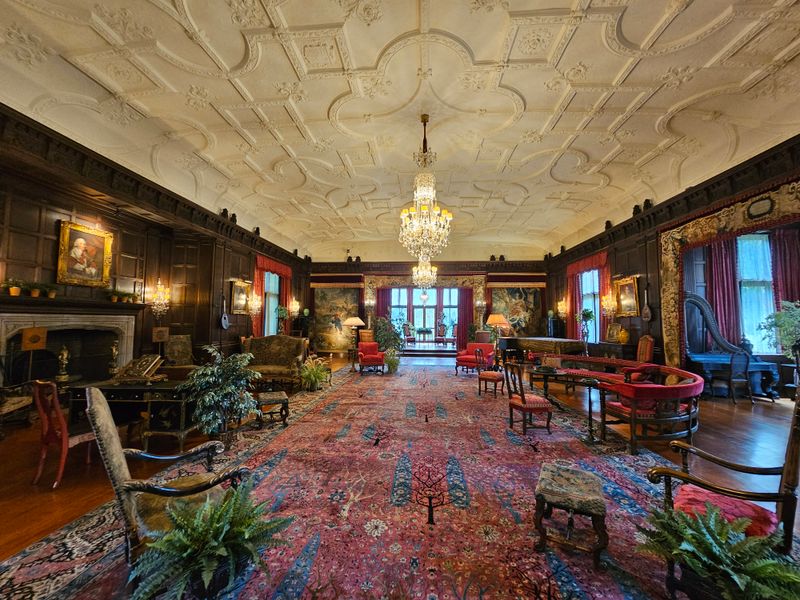
Most historic homes display period-appropriate furniture sourced from various locations. Stan Hywet offers something rarer: the actual possessions of the family who built and lived in these rooms.
Ninety-five percent of what you see belonged to the Seiberlings, creating an authenticity that reproductions cannot match.
Personal items scattered throughout reveal daily life details. Family photographs sit on mantels, books line library shelves with titles the Seiberlings actually read, and decorative objects reflect their tastes and travels.
These touches transform the mansion from museum into a time capsule.
The woodwork deserves particular attention. Hand-carved details adorn doorways, staircases, and built-in furniture throughout the estate.
Craftsmen spent years creating these elements, and their skill remains evident in every panel and molding.
Textiles survived remarkably well. Original draperies, upholstery, and rugs maintain their colors and patterns, offering insights into early 20th-century interior design trends among America’s wealthiest families.
Each room functions as a complete historical document. Rather than isolated artifacts, everything exists in context, showing how spaces were actually used and how different areas of the house related to family life and social entertainment.
The Music Room and Entertainment Spaces
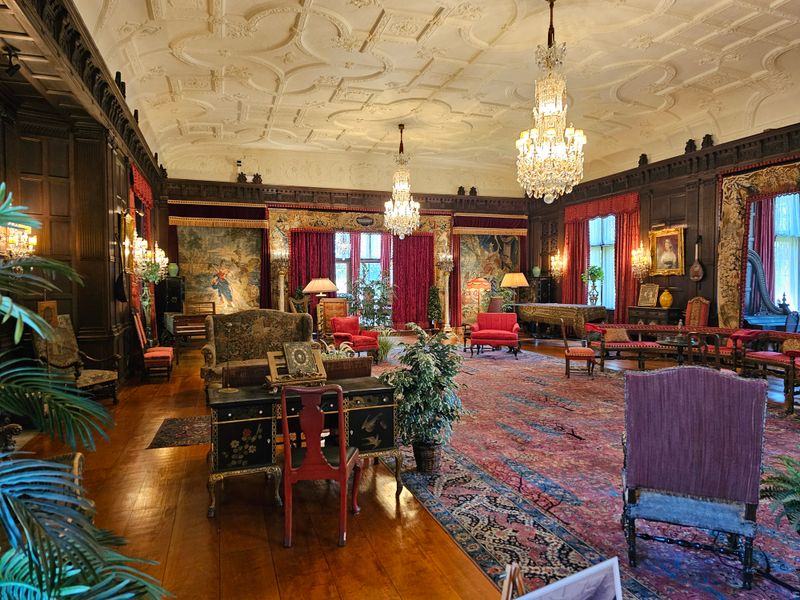
Entertainment formed a central part of upper-class social life, and the Seiberlings designed their home accordingly. The music room showcases instruments and acoustic features that allowed family members and guests to perform for assembled audiences in an era before recorded sound dominated home entertainment.
The Great Hall impresses with its scale and craftsmanship. This central gathering space features a massive fireplace, soaring ceiling, and architectural details that blend English medieval influences with early 20th-century American interpretation.
Imagine the dinner parties and social gatherings that unfolded here when Akron’s industrial elite mixed business with pleasure.
Original player piano mechanisms and other musical instruments demonstrate how technology and tradition intersected in wealthy households. These weren’t just decorative pieces but functional entertainment systems that families used regularly.
Acoustic properties throughout these spaces reveal intentional design. Sound carries beautifully in the music room, while other areas feature dampening elements that created intimate conversation zones within the larger home.
Modern events continue this entertainment tradition. The estate hosts concerts, lectures, and theatrical performances that activate these historic spaces in ways that honor their original purposes while introducing new audiences to their possibilities.
The Swimming Pool Complex
Hidden among the outbuildings, the swimming pool surprises visitors who discover it. This wasn’t a simple backyard addition but a sophisticated recreational facility that demonstrated the Seiberlings’ commitment to modern amenities and family wellness.
The tile work surrounding the pool showcases period craftsmanship. Decorative patterns and color choices reflect design trends from the estate’s construction era, while the pool’s structure reveals early 20th-century engineering approaches to residential water features.
Context matters when viewing this facility. In the 1910s and 1920s, private swimming pools remained extremely rare, even among the wealthy.
The Seiberlings’ decision to include one demonstrated both their financial resources and their progressive attitudes toward recreation and physical fitness.
The pool area connects to changing rooms and support spaces that formed a complete aquatic complex. These auxiliary structures show how much infrastructure wealthy families built to support single amenities that modern homeowners might install with minimal additional construction.
Many visitors specifically mention the pool in reviews, noting how this unexpected feature adds another layer to their understanding of estate life. It humanizes the Seiberlings, showing them as a family who valued fun and recreation alongside business success and cultural refinement.
Guided Tours for Deeper Understanding
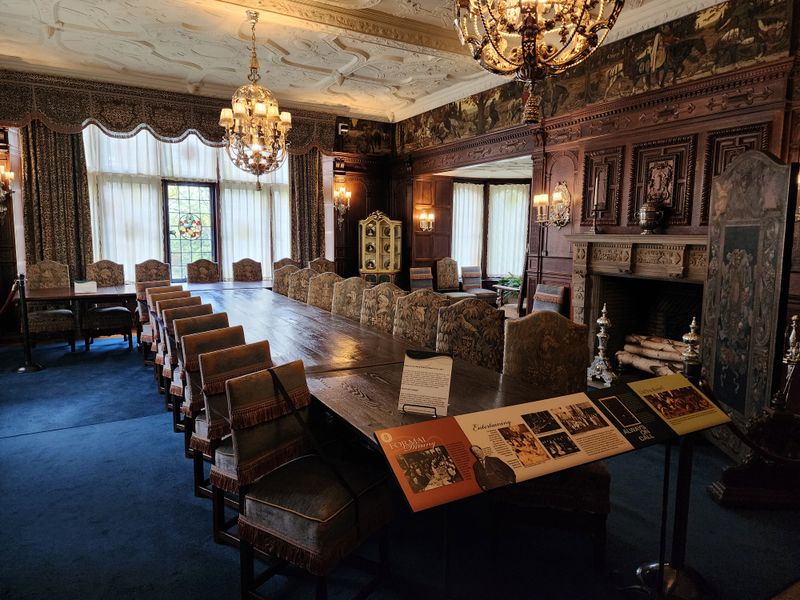
While self-guided exploration offers flexibility, docent-led tours provide context and stories that plaques cannot convey. Knowledgeable guides share family anecdotes, architectural insights, and historical connections that transform the visitor experience from observation to education.
The Nooks and Crannies tour takes guests into spaces typically closed to the public. These behind-the-scenes areas reveal how the estate actually functioned, showing service corridors, storage areas, and working spaces that supported the lifestyle visible in public rooms.
Guides adapt their presentations to group interests. Some emphasize architectural details, others focus on family history, and many weave together multiple threads depending on questions and engagement levels.
This responsiveness creates personalized experiences within the structured tour format.
Volunteer docents bring genuine passion to their roles. Many have studied the estate for years, developing expertise that rivals professional historians.
Their love for Stan Hywet shines through in every explanation, creating infectious enthusiasm that enhances visitor appreciation.
Tour timing requires planning. Guided options run on schedules that may not align with spontaneous visit plans, so checking availability and booking ahead ensures you won’t miss this enhanced way of experiencing Ohio’s grandest historic home.
Practical Visitor Information
Planning ahead improves your Stan Hywet experience significantly. The estate offers various ticket options, including discounted rates for specific groups and special reduced-price days that make visiting more affordable for budget-conscious travelers.
Parking logistics vary by event and season. During major gatherings like Deck the Halls or Ohio Mart, overflow lots activate with shuttle bus service included in ticket prices.
These shuttles run regularly, though wait times can reach 15 to 20 minutes during peak periods. Drivers keep vehicles warm and provide helpful information during transport.
The carriage house cafe serves light refreshments, though menu options remain limited. The peach scones earn particular praise from visitors.
For longer visits, consider eating before arrival or packing snacks, as full meal options don’t exist on-site.
Accessibility presents challenges. Limited seating throughout the mansion and extensive walking distances affect visitors with mobility limitations or fatigue issues.
The estate’s historical nature makes modern accessibility retrofits difficult, though staff accommodates needs where possible.
Photography is welcomed throughout the grounds and most interior spaces. This policy delights visitors who want to document their experience and share Stan Hywet’s beauty with others through social media and personal photo collections.
Why This Castle Museum Matters
Stan Hywet represents more than architectural grandeur. This estate preserves a complete picture of American industrial wealth at its peak, showing how rubber barons shaped not just Akron’s economy but its cultural landscape as well.
The Seiberling story intertwines with Goodyear’s history and the development of the automotive industry. Understanding this home means understanding how innovation, manufacturing, and entrepreneurship transformed America during the early 20th century.
The mansion stands as physical evidence of that transformation’s impact on individual lives and regional development.
Preservation efforts here set standards for historic properties nationwide. The dedication to maintaining original furnishings and authentic presentation creates educational value that extends beyond casual tourism into serious historical study.
Community connection remains strong. Local volunteers pour time and expertise into maintaining the estate, hosting events, and welcoming visitors.
This grassroots support ensures Stan Hywet continues thriving as both a historical resource and a gathering place for Northeast Ohio residents and travelers from across the country.
Every visit supports ongoing conservation work. Your ticket purchase directly funds preservation projects that keep this remarkable place accessible for future generations to experience and learn from.