
Step Into A Pennsylvania River Town Where Historic Streets And Hillside Views Evoke The 1800s
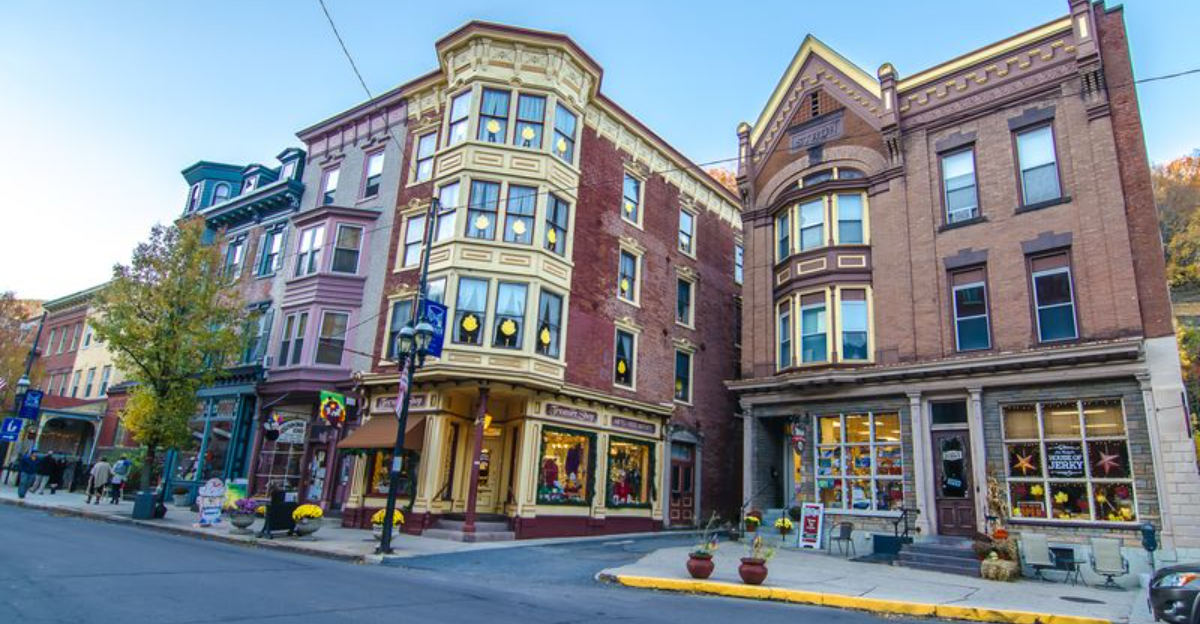
Pennsylvania river towns have a special way of slowing time, and Jim Thorpe wears that feeling beautifully.
Stone buildings line narrow streets, hills rise dramatically behind them, and the river moves with a calm confidence that feels older than modern life.
Walking here feels like opening a history book that never closed, iron railings, arched bridges, and storefronts that look like they have stories baked into the brick.
Call it a postcard town come alive, call it small town grandeur, call it a place where the past still sets the pace. Hillside views frame every turn, giving even a short stroll a sense of occasion.
Cafés hum quietly, train whistles echo, and the rhythm of the town invites lingering instead of rushing.
Jim Thorpe manages to feel both preserved and welcoming, a rare balance that makes visitors want to look closer instead of just passing through.
I first realized how powerful that atmosphere can be when I caught myself walking slower without meaning to, stopping just to watch the light shift across the hills.
Any town that can quietly reset your pace like that earns a place in your memory.
Victorian Architecture That Rivals Europe’s Finest
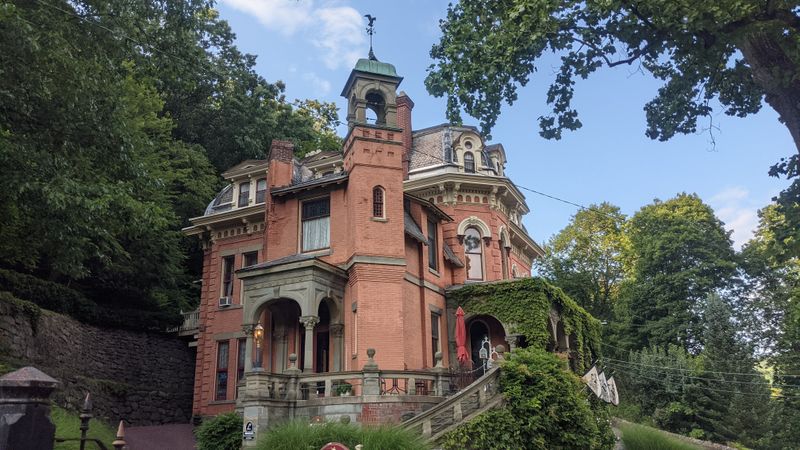
Millionaires built mansions here during the coal boom, and their architectural legacy still dominates the skyline.
Broadway and Race Street showcase some of the most spectacular Victorian homes in America, with intricate woodwork, stained glass windows, and wraparound porches that seem plucked from a European postcard.
The Asa Packer Mansion stands as the crown jewel of this collection. Built in 1861 by the railroad magnate who founded Lehigh University, this Italianate beauty preserves original furniture, chandeliers, and even family photographs.
Tours reveal how the wealthiest families lived during Jim Thorpe’s golden era. Walking these steep streets feels like wandering through an open-air museum.
Each building tells a different story through its architectural style, from Second Empire mansions with mansard roofs to Gothic Revival cottages with pointed arches.
Downtown is on the National Register of Historic Places, preserving treasures for future generations to admire and explore.
The Switchback Gravity Railroad Adventure
Before roller coasters existed, thrill-seekers rode the Switchback Railroad Trail for pure adrenaline.
Originally built in 1827 to haul coal down the mountain, this engineering marvel became a roller coaster style ride when the company started selling tourist rides on weekends.
Passengers screamed through 18 miles of mountain terrain at speeds reaching 50 miles per hour. I hiked part of the Switchback trail last autumn, and the views justified the climb.
The original route descended 930 feet from Summit Hill to Mauch Chunk, using gravity to pull coal cars downhill while mules rode along in special cars.
Workers then hauled empty cars back up using those same mules.
Today, you can bike or hike sections of the restored trail. Interpretive signs explain how this gravity-powered system worked and why tourists traveled from Philadelphia just to experience the ride.
The views of the gorge remain spectacular.
The Legend of the Handprint That Won’t Fade
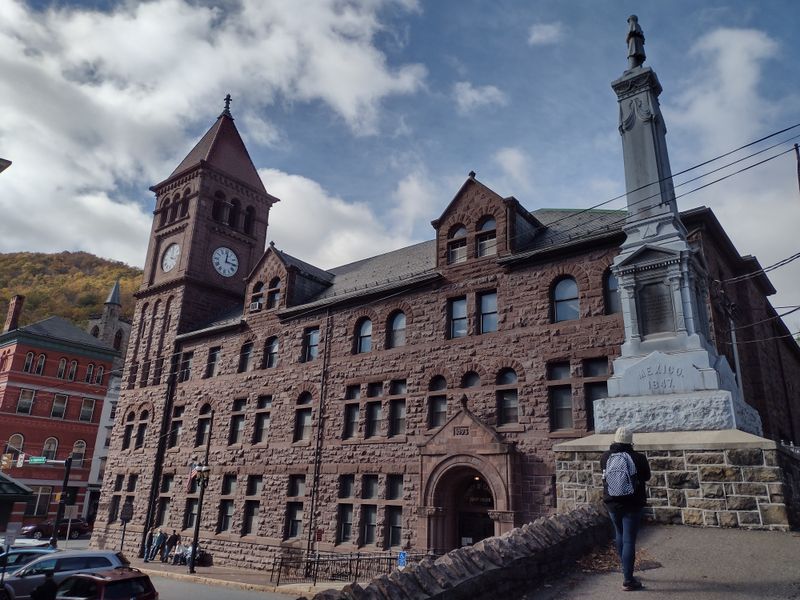
Old Jail Museum houses one of Pennsylvania’s creepiest unsolved mysteries. In Cell 17, a handprint remains visible on the wall despite countless attempts to remove it.
The mark reportedly belongs to Alexander Campbell, one of the Molly Maguires executed here in 1877 for murdering a mine boss.
Campbell proclaimed his innocence before hanging and slapped his hand against the cell wall, declaring the print would remain as proof of his wrongful execution.
Workers scrubbed, painted, and even replaced sections of plaster, but the handprint keeps reappearing in the exact same spot.
Many have examined it without finding definitive answers.
The jail offers tours where guides share this chilling story along with tales of other prisoners. Four Molly Maguires died on the gallows here, making it a dark chapter in labor history.
Whether you believe in curses or not, seeing that persistent handprint raises goosebumps on even the most skeptical visitors.
Lehigh Gorge Scenic Railway Through Mountain Majesty
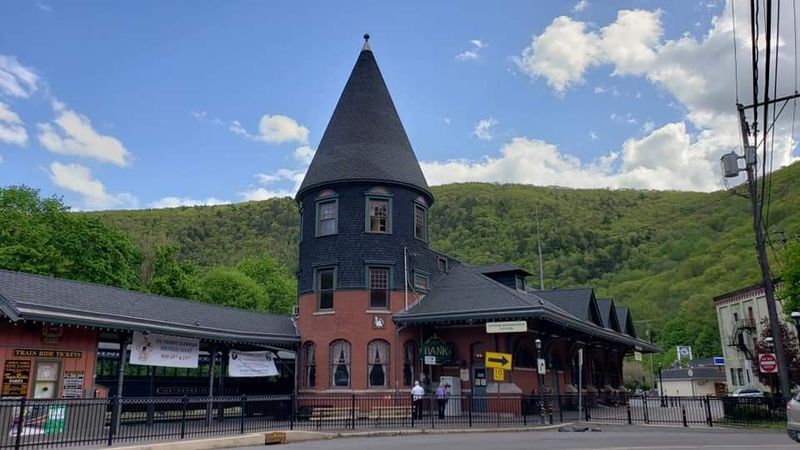
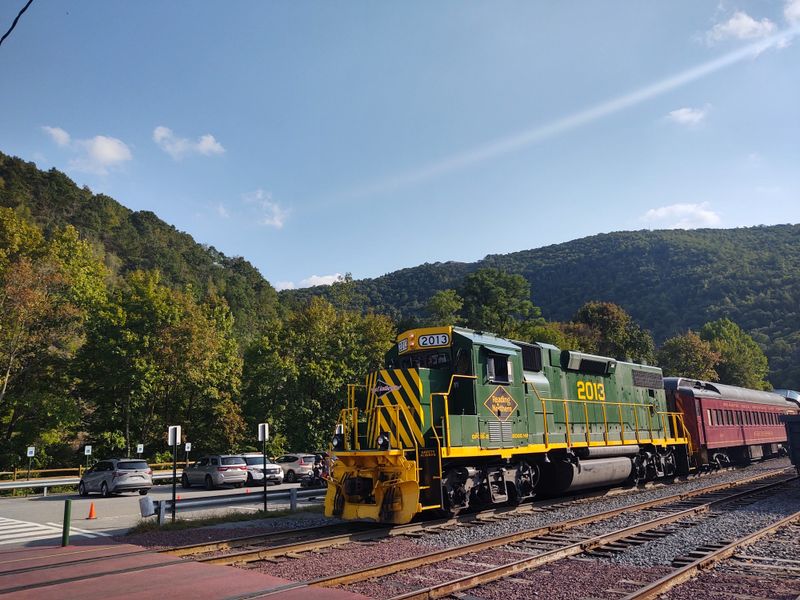
Century-old coaches pulled by diesel engines carry passengers on a 16-mile round-trip into the Lehigh Gorge.
The railway departs from the original 1888 Central Railroad of New Jersey Station station, where wooden benches and vintage signs preserve the golden age of rail travel.
Open-air cars let you feel the mountain breeze while enclosed coaches offer climate-controlled comfort.
Each season transforms the ride into a different experience. Fall foliage turns the gorge into a kaleidoscope of orange, red, and gold.
Winter dusts the cliffs with snow, creating a peaceful wonderland. Spring brings rushing waterfalls cascading down rocky faces, while summer shows off the lush greenery of the state park.
Conductors share stories about the railroad’s history and point out landmarks along the route. The train follows the Lehigh River through terrain once dominated by coal transportation.
Now, instead of hauling black diamonds, these tracks carry tourists seeking natural beauty and a slower pace of life.
Downtown Shopping in 19th-Century Storefronts
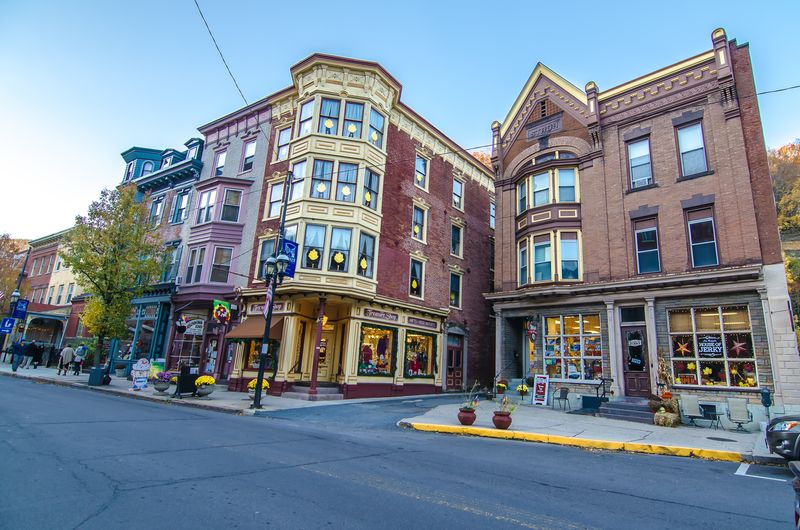
Broadway and Race Street form a shopping district that respects its heritage while offering modern treasures.
Brick buildings with cast-iron facades house galleries, antique shops, bookstores, and boutiques selling everything from handcrafted jewelry to vintage vinyl records.
Window shopping here means admiring both the merchandise and the architectural details surrounding it.
The Mauch Chunk Museum occupies a former church and chronicles the town’s transformation from coal capital to tourist destination.
Exhibits detail Jim Thorpe’s life, the athlete for whom the town was renamed in 1954. Coal mining artifacts, Victorian-era photographs, and Native American displays fill multiple floors with regional history.
Local artists showcase work in several galleries throughout downtown.
You’ll find oil paintings of local landscapes, pottery made from Pennsylvania clay, and sculptures inspired by the surrounding mountains.
Many shop owners live above their stores, maintaining the small-town feel where everyone knows their neighbors and visitors receive genuine welcomes from people passionate about their community.
The Athlete Who Changed a Town’s Name
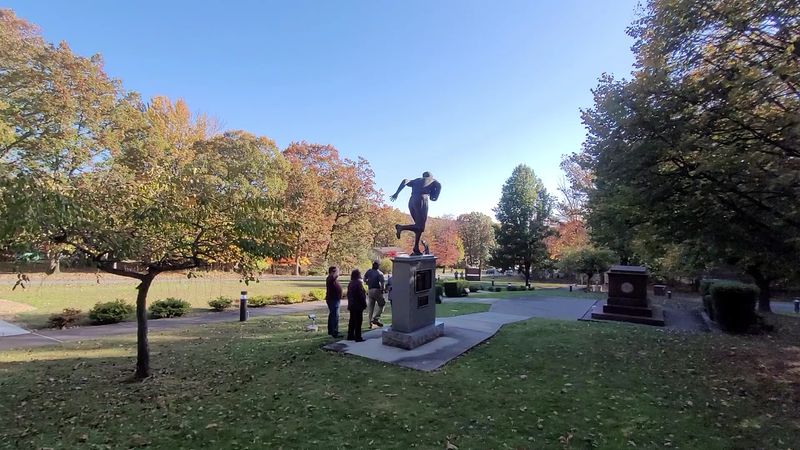
Jim Thorpe never lived in the town that bears his name, yet his legacy defines this community.
Born in Oklahoma in 1888, Thorpe became arguably America’s greatest athlete, winning Olympic gold medals in 1912 and excelling in football, baseball, and basketball.
His widow struck a deal with the struggling town of Mauch Chunk in 1954, offering to relocate his remains in exchange for renaming the borough and building a memorial.
Desperate for tourist revenue after the coal industry collapsed, town leaders agreed.
They merged East Mauch Chunk and Mauch Chunk into Jim Thorpe, creating a Pennsylvania municipality named after a person.
His mausoleum sits on a hillside along Route 903, featuring statues and biographical plaques detailing his extraordinary achievements.
The decision sparked controversy that persists today. Some descendants want his remains returned to Oklahoma, while others argue the memorial preserves his memory.
Regardless of the debate, the name change succeeded in putting this river town back on the map.
White Water Rafting on the Lehigh River
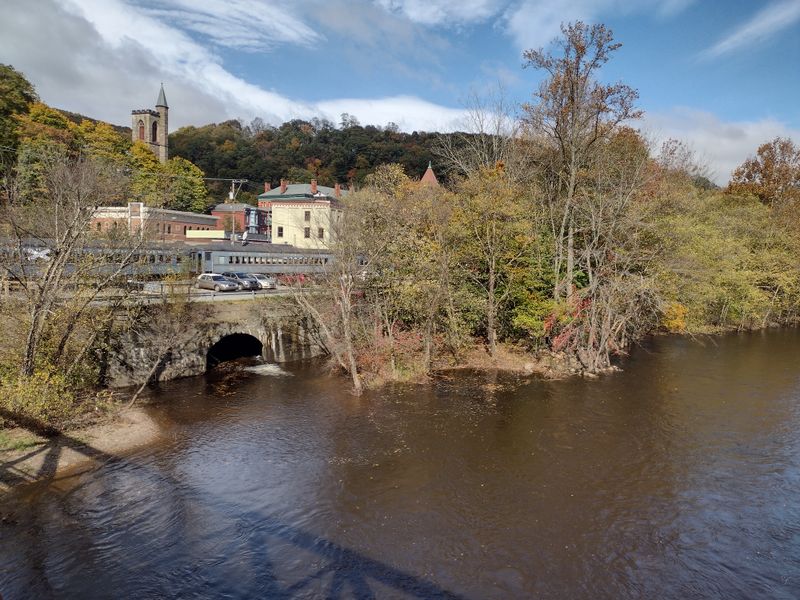
Rapids churn through the Lehigh Gorge, creating Pennsylvania’s premier white water rafting destination.
Spring runoff and dam releases generate Class II and III rapids perfect for both beginners and experienced paddlers.
Several outfitters operate from Jim Thorpe, providing equipment, guides, and shuttle services for various river sections.
I tackled the Lehigh on a sunny June morning, and the combination of thrilling rapids and stunning scenery made it unforgettable.
Our guide navigated us through Boulder Field and Staircase Rapids while pointing out wildlife along the banks.
Between the exciting sections, calm pools allowed us to float peacefully and appreciate the towering cliffs surrounding us.
The river also offers kayaking, tubing, and fishing opportunities. Smallmouth bass and trout populate these waters, attracting anglers from across the region.
Whether you want heart-pounding adventure or peaceful paddling, the Lehigh delivers both experiences within the same stretch of river surrounded by protected state park land.
Biking the Lehigh Gorge State Park Trail
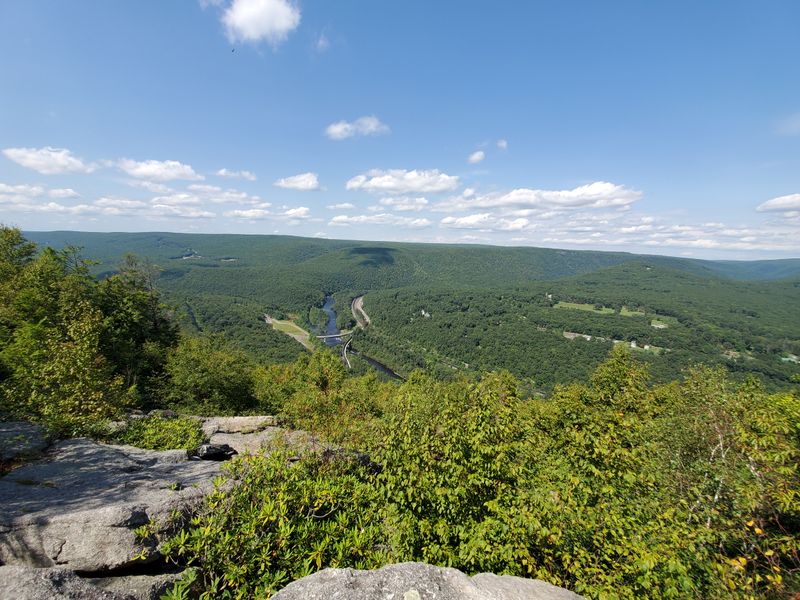
Twenty-six miles of converted railroad bed create one of Pennsylvania’s best rail trails. Lehigh Gorge Trail runs from White Haven to Jim Thorpe, following the river through unspoiled wilderness.
Packed limestone surface makes it accessible for all skill levels, while gentle grades rarely challenge even casual riders.
Waterfalls cascade down the gorge walls at multiple points along the route. Buttermilk Falls stands out as the most impressive, dropping 50 feet in a silvery curtain visible from the trail.
Wildlife sightings include bald eagles, black bears, and white-tailed deer. The trail passes through tunnels and over bridges that once carried coal trains.
Several bike rental shops in Jim Thorpe offer delivery services to trailheads, allowing riders to enjoy a downhill journey back to town.
Shuttle services also operate for those who want to ride one direction without backtracking.
Pack snacks and water, because services are limited once you leave town and enter the state park wilderness.
Haunted History Tours After Dark
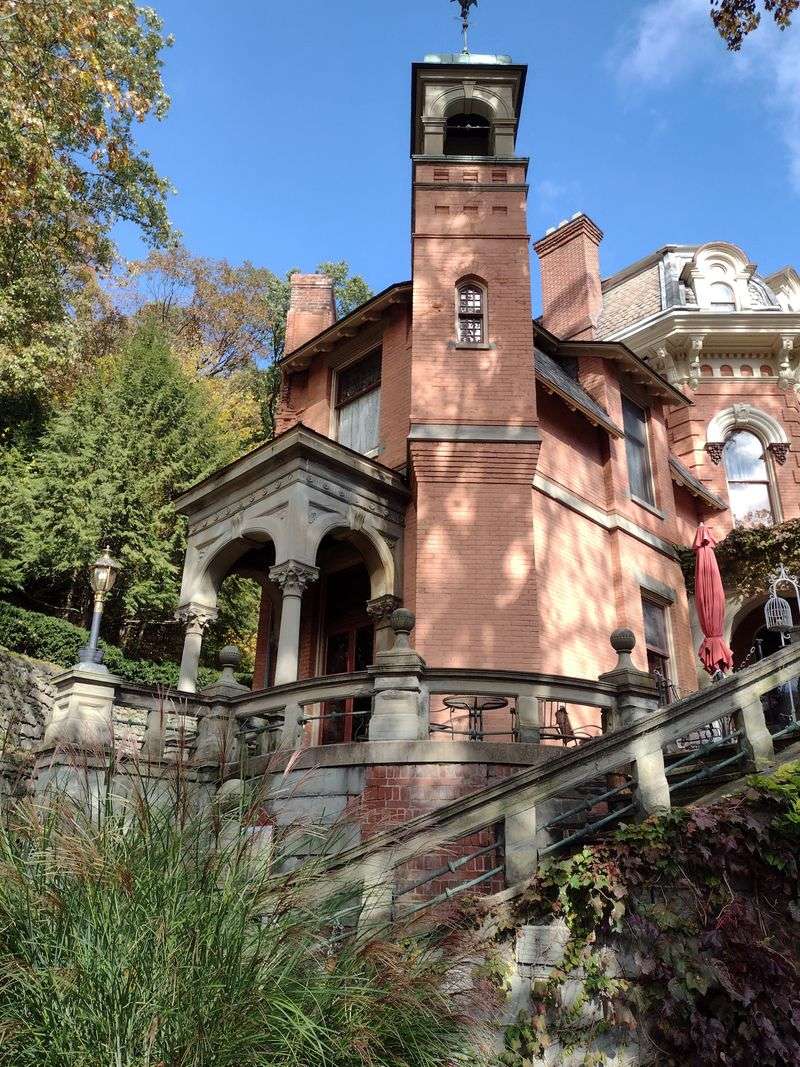
Ghost hunters rank Jim Thorpe among Pennsylvania’s most haunted destinations.
The combination of tragic mining accidents, violent labor disputes, and public hangings created a dark history that supposedly left supernatural residue.
Multiple companies offer evening walking tours that explore the town’s spookiest locations and share bone-chilling tales.
The Old Jail tops every paranormal investigator’s list. Beyond the famous handprint, visitors report hearing phantom footsteps, seeing shadowy figures in cells, and feeling sudden temperature drops in the execution room.
The Harry Packer Mansion also has a haunted reputation, with guests reporting unexplained sounds and moving objects.
Tour guides blend historical facts with ghost stories, making these walks both educational and entertaining.
You’ll learn about the Molly Maguires, Victorian funeral customs, and mining disasters while visiting allegedly haunted sites.
Whether spirits actually roam these streets or not, the atmospheric setting and dramatic storytelling make for memorable evenings exploring Jim Thorpe after sunset.
Fall Foliage Season That Rivals New England
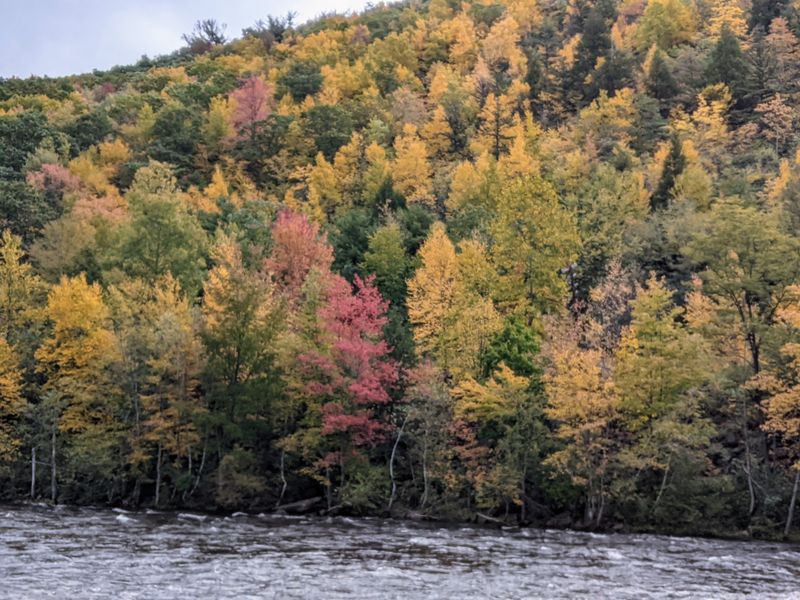
October transforms Jim Thorpe into a riot of color that draws leaf peepers from across the East Coast.
The combination of elevation changes, diverse tree species, and the dramatic gorge setting creates one of Pennsylvania’s most spectacular autumn displays.
Maples, oaks, birches, and hickories paint the hillsides in shades ranging from golden yellow to deep crimson.
Fall Foliage Festival weekend in mid-October brings craft vendors, live music, and special train excursions to town.
Streets fill with visitors browsing handmade goods, sampling local foods, and photographing the peak colors.
Hotels book months in advance, so planning ahead is essential for experiencing this annual celebration.
The best views come from hiking trails and scenic overlooks surrounding town. Flagstaff Mountain offers panoramic vistas of the painted valleys below.
The Lehigh Gorge Trail provides river-level perspectives of colorful cliffs reflected in the water.
Even a simple walk through residential neighborhoods reveals spectacular scenes of Victorian homes framed by blazing autumn trees.