
Best Outdoor Adventures In Arizona To Experience In 2026
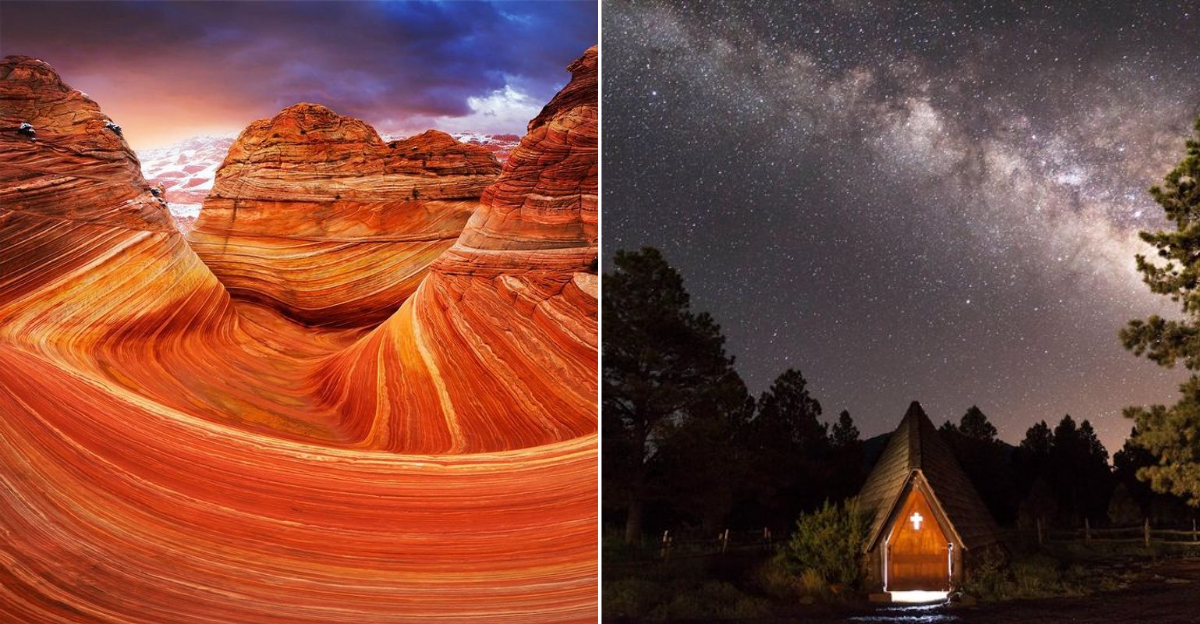
Arizona keeps calling me back with its wild mix of desert canyons, towering peaks, and landscapes that look like they belong on another planet. Every season brings new reasons to lace up hiking boots, grab a paddle, or just stand still under skies so dark the stars feel close enough to touch.
I have spent years chasing sunrises over red rocks and testing my limits on trails that climb thousands of feet, and I still find corners of this state that surprise me.
This list covers the adventures that define Arizona in 2026, the ones that mix challenge with beauty and leave you planning your next trip before you even finish the first.
1. Rim-To-Rim Hike Of The Grand Canyon
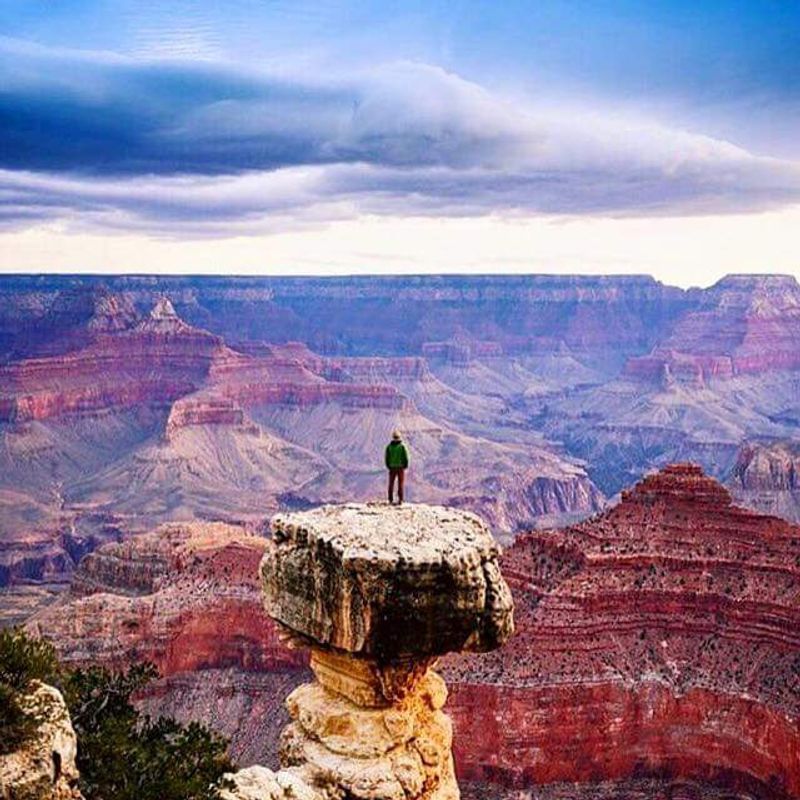
Crossing the Grand Canyon on foot feels less like a hike and more like walking through geologic history one switchback at a time.
The Rim-to-Rim route stretches roughly 24 miles, dropping from one rim down to the Colorado River and climbing back out on the opposite side, with elevation changes that test even experienced hikers.
I remember standing at the South Kaibab trailhead before dawn, watching the canyon walls light up in shades of coral and gold, knowing the next twelve hours would demand every ounce of energy I had.
Spring and fall offer the most forgiving temperatures, though summer hikers face brutal heat in the inner canyon and winter brings ice to the higher elevations.
Water sources are limited, so careful planning around refill points at Phantom Ranch and Bright Angel Campground becomes essential.
The trail alternates between exposed ridges with sweeping views and shaded stretches near Bright Angel Creek, each section revealing different layers of rock and history.
Finishing on the opposite rim, legs shaking and lungs burning, delivers a sense of accomplishment that no car ride through the park can match.
2. Havasu Falls And The Havasupai Reservation
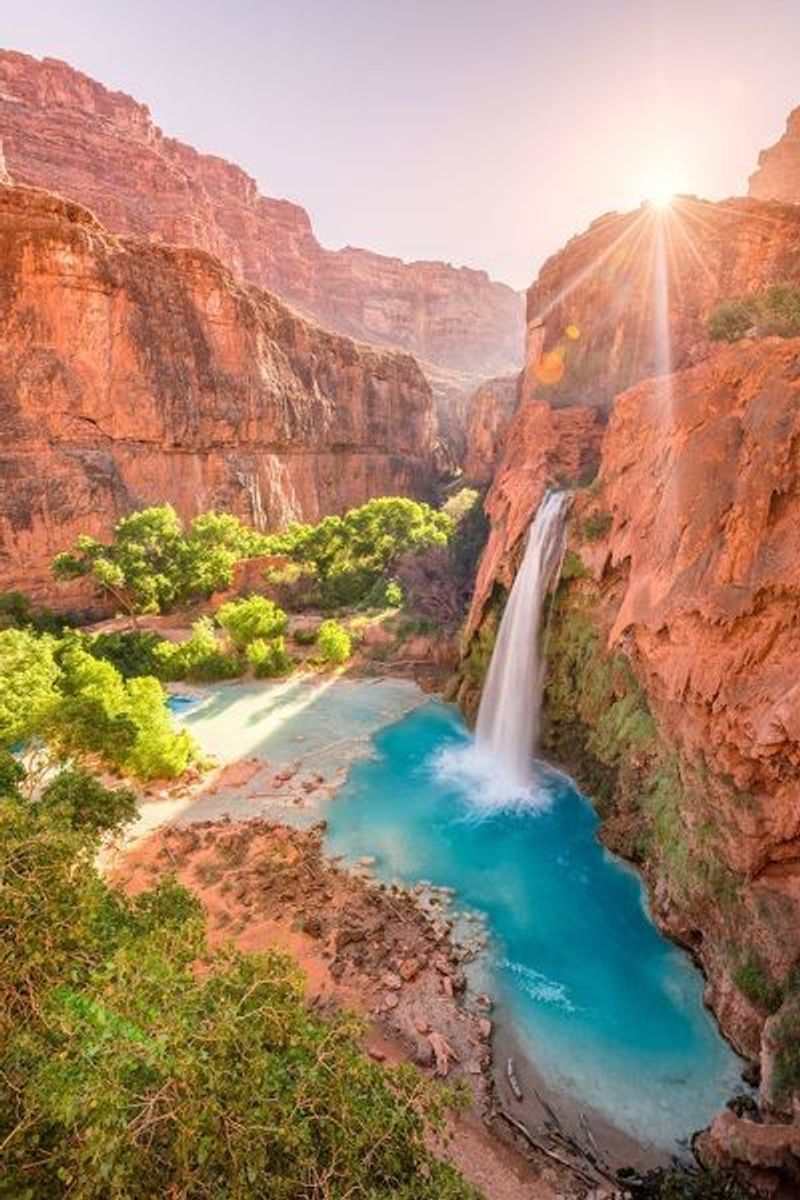
Electric-blue water spilling over rust-colored cliffs creates one of those scenes that makes you question whether someone edited the photo, except you are standing right there watching it happen.
Havasu Falls sits on the Havasupai Reservation, accessible only by a ten-mile hike, helicopter ride, or pack mule, which keeps crowds smaller than you might expect for such a famous spot.
I secured my permit months in advance and started the hike before sunrise, descending through switchbacks that eventually opened into Havasu Canyon with its cottonwood trees and red walls.
The trail passes multiple waterfalls, including Mooney Falls, which requires climbing down metal chains and ladders bolted into the rock face.
Camping near the falls means waking to the sound of rushing water and spending days swimming in pools that stay cool even in summer heat. The Havasupai people have lived in this canyon for centuries, and respecting their land and rules is part of the experience.
Permits sell out within minutes of release, so planning ahead and staying flexible with dates gives you the best chance of seeing this place in person.
3. Antelope Canyon Slot-Canyon Tour
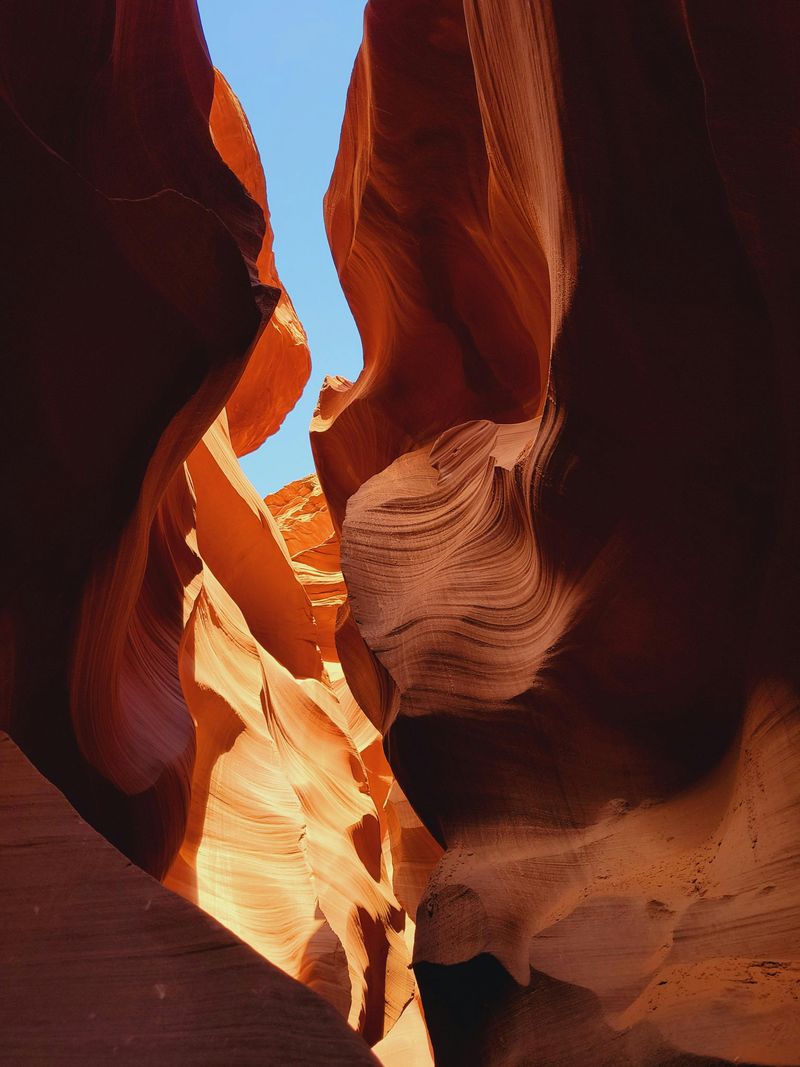
Walking through Antelope Canyon feels like stepping inside a sculpture carved by wind and water over thousands of years.
The narrow passageways near Page twist and curve, with walls that glow in shades of orange, red, and purple depending on the time of day and angle of sunlight.
I joined a guided tour through Upper Antelope Canyon, squeezing through sections where the walls nearly touch overhead and widening into chambers where light beams slice through the darkness.
Tours are required because the canyon sits on Navajo land, and guides share stories about the formation while helping visitors capture those iconic photos. Midday in summer offers the best chance for light beams, though the crowds peak during those hours too.
Lower Antelope Canyon involves more climbing on metal stairs but sees fewer visitors and offers equally stunning views.
Flash floods can close the canyon without warning, so checking weather forecasts and booking through authorized operators keeps the experience safe.
The tour lasts about an hour, but I could have spent twice that long studying the patterns in the rock and watching how the light shifted across the walls.
4. Sedona Red Rock Hiking And Off-Road Exploration
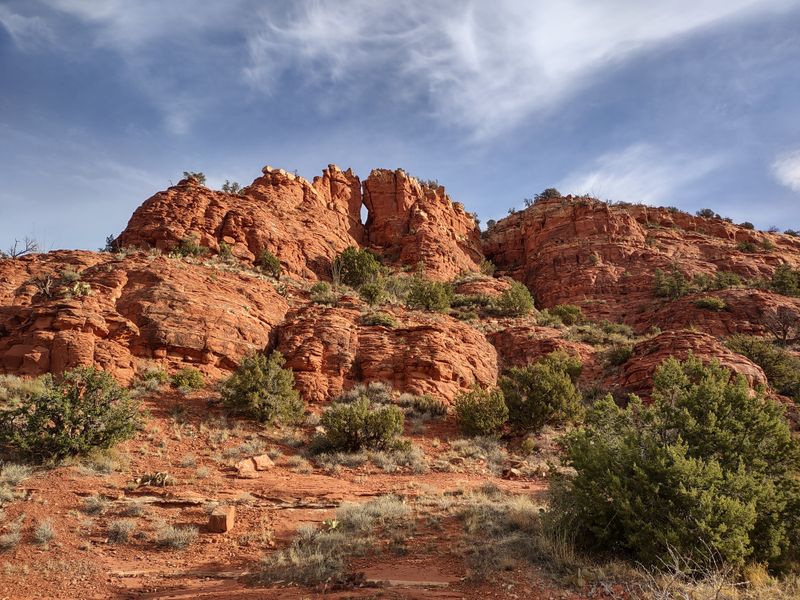
Sedona packs more dramatic scenery into a small area than seems possible, with red rock spires, hidden canyons, and trails that range from easy strolls to vertical scrambles.
Cathedral Rock became my favorite challenge, a steep climb over slick rock that ends at a saddle with views across the entire valley.
The trail gains elevation quickly, requiring hands-on scrambling in spots, but the payoff at the top makes every muscle shake worthwhile.
Beyond hiking, the area is known for rugged Jeep trails that wind through canyons and over obstacles with names like Devil’s Staircase.
I booked a guided off-road tour that bounced over rocks and through washes, reaching viewpoints that regular vehicles could never access.
Spring brings wildflowers and comfortable temperatures, while summer heat drives most hikers to early morning starts. The town itself offers plenty of places to refuel, though I spent most of my time on the trails, chasing one more overlook or trying to catch the sunset light on the rocks.
Sedona balances accessibility with adventure, making it easy to fill a weekend with hikes, off-road trips, and views that never get old.
5. Saguaro National Park Desert Trekking
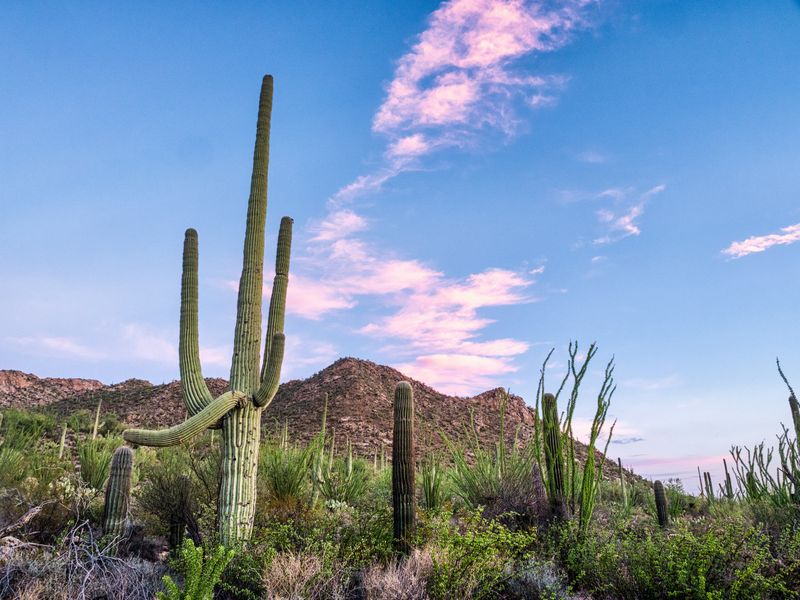
Hiking among saguaro cacti feels like wandering through a forest where the trees have arms and the silence runs deeper than anywhere else I have been.
Saguaro National Park surrounds Tucson in two districts, with trails that weave through dense stands of these iconic cacti and climb into rocky foothills.
I started on the Valley View Overlook Trail in the west district, a moderate loop that gains elevation steadily and delivers panoramic views of thousands of saguaros stretching toward the horizon.
Winter through early spring offers the best hiking conditions, with temperatures that stay comfortable even at midday and occasional wildflower blooms adding color to the desert. The east district features more rugged terrain and longer trails, including routes that climb into the Rincon Mountains.
Saguaros only grow in the Sonoran Desert, and seeing them up close reveals details like woodpecker holes and the way their arms curve toward the sky.
I finished each hike covered in dust and grinning, already planning which trail to tackle next time I passed through Tucson.
6. Summiting Humphreys Peak
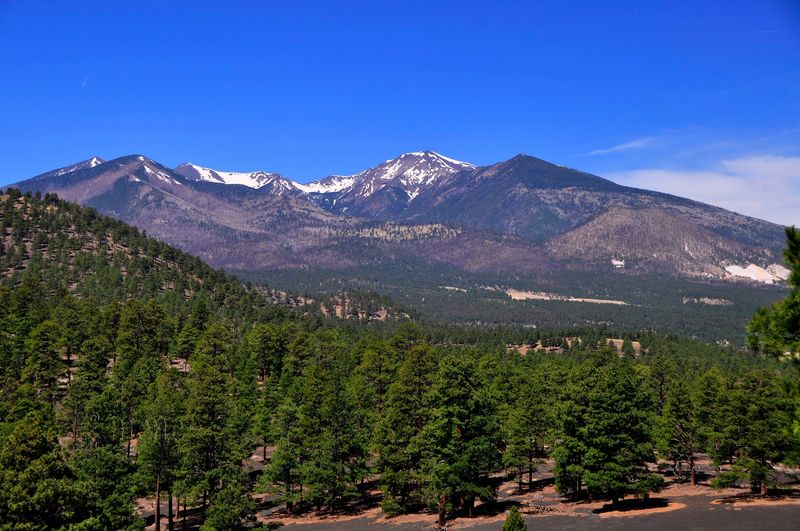
Standing on top of Arizona at 12,633 feet delivers views that stretch across forests, volcanic peaks, and the Painted Desert in the distance.
Humphreys Peak rises north of Flagstaff, the highest point in the state and a challenging hike that climbs through multiple climate zones.
The trail starts in ponderosa pine forest and transitions to aspen groves, then above treeline where the landscape turns rocky and exposed.
I hiked it on a clear summer morning, watching the scenery shift with every thousand feet of elevation gain and feeling my lungs work harder as the air thinned.
The final push to the summit involves loose scree and steep grades, with cairns marking the route across the barren upper slopes. On top, the wind whipped hard enough to make standing difficult, but the 360-degree views made every step worthwhile.
Snow lingers on the upper mountain well into June, and afternoon thunderstorms build quickly in summer, so early starts and weather awareness are essential.
Descending took nearly as long as climbing, with tired legs and the knowledge that I had just stood on the roof of Arizona.
7. White-Water Rafting Through The Grand Canyon
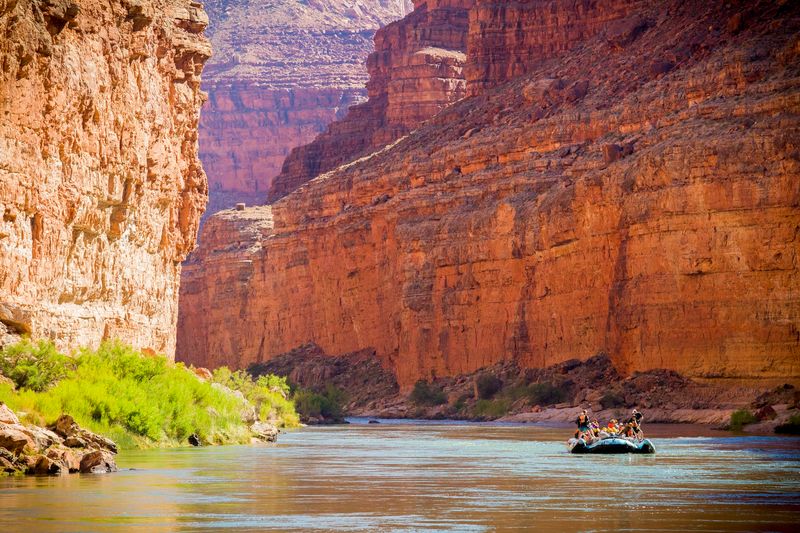
Multi-day rafting trips through the Grand Canyon combine adrenaline-pumping rapids with quiet camps under canyon walls that glow in the evening light.
I joined a seven-day expedition that launched from Lees Ferry and covered nearly 200 miles of the Colorado River, running rapids with names like Crystal and Lava Falls.
The first big rapid hit on day two, a churning stretch of water that soaked everyone on the raft and left us laughing and bailing water for the next mile.
Between rapids, the river flows through calm sections where towering walls rise thousands of feet and side canyons invite exploration on foot.
Guides set up camp each night on sandy beaches, cooking meals over propane stoves and sharing stories about the canyon’s geology and history.
Days blend into a rhythm of rowing, scouting rapids, swimming in side streams, and watching the light shift across the rocks. Permits are hard to secure, often requiring a lottery or booking through commercial outfitters far in advance.
Finishing the trip at Diamond Creek, sunburned and exhausted, I already missed the sound of the river and the feeling of being completely disconnected from everything outside the canyon.
8. Kayaking And Boating On Lake Powell
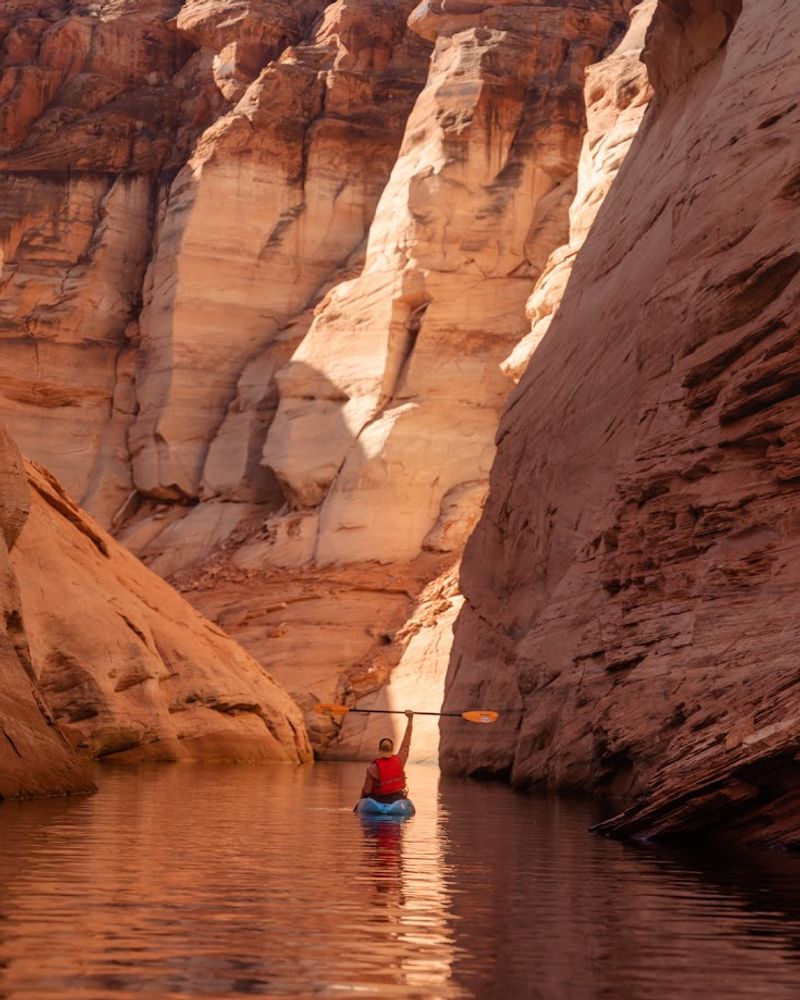
Paddling into the narrow side canyons of Lake Powell reveals hidden worlds where water laps against smooth sandstone and silence feels almost tangible.
The lake stretches across the Arizona-Utah border, with hundreds of miles of shoreline and countless canyons to explore by kayak, canoe, or motorboat.
I launched from Wahweap Marina and paddled toward Antelope Canyon, weaving through passages so narrow my paddle scraped the walls on both sides.
Water levels fluctuate with drought and dam releases, exposing new shorelines and changing access to some canyons, so checking conditions before heading out is important.
Spring through fall offers the best weather, though summer brings intense heat that makes early morning or evening paddles more comfortable.
Some canyons open into wider bays with sandy beaches perfect for pulling up and taking a break, while others twist and turn like natural labyrinths. I spent hours exploring, finding arches and alcoves that felt untouched despite the lake’s popularity.
Renting a houseboat gives you the freedom to camp on the water and wake up in a different canyon each morning, extending the adventure beyond a single day trip.
9. The Wave At Coyote Buttes North
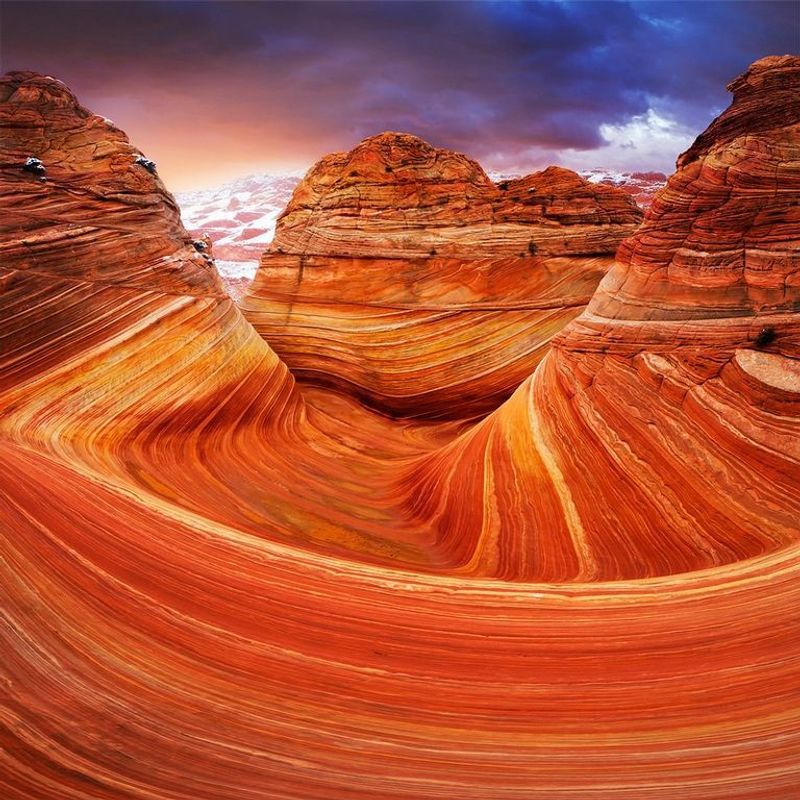
Winning the permit lottery to visit The Wave feels like striking gold, granting access to one of the most surreal landscapes in the Southwest.
This sandstone formation near the Utah border features swirling patterns and colors that look painted rather than carved by wind and water.
I hiked the unmarked route across slickrock and sandy washes, navigating by photos and GPS coordinates since no trail exists.
The formation itself is smaller than I expected, but the details are mesmerizing, with layers of red, orange, and cream flowing in curves that seem to shift as you move around them.
Only twenty permits are issued per day, split between an online lottery and a walk-in lottery the day before, making advance planning essential.
The hike covers about six miles round trip, mostly across exposed terrain with no shade, so bringing plenty of water and sun protection is critical.
I spent over an hour photographing the waves, trying to capture the way the light played across the rock, though no photo quite matches the experience of standing there.
Leaving felt bittersweet, knowing how rare it is to return, but grateful for the chance to see it at all.
10. Hot-Air Balloon Ride Over The Sonoran Desert
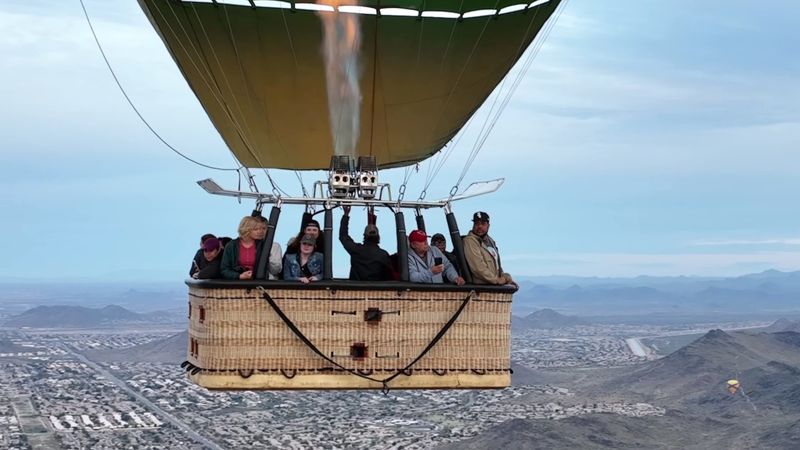
Floating silently above the desert at sunrise offers a perspective that makes even familiar landscapes look entirely new.
I met the balloon crew before dawn near Phoenix, watching them inflate the massive envelope as the sky shifted from black to deep blue. Once airborne, the only sounds were the occasional burst of the burner and the wind moving across the desert below.
Saguaro cacti dotted the landscape like sentinels, and the mountains in the distance glowed pink and orange as the sun climbed higher.
The pilot adjusted our altitude, sometimes skimming low over washes and other times rising high enough to see the city sprawling in the distance.
Sedona also offers balloon rides, with red rock formations providing a dramatic backdrop that changes the experience entirely.
Flights typically last about an hour, followed by a landing in an open area where the crew packs up the balloon and serves a celebratory breakfast.
I left with a new appreciation for the scale and beauty of the Sonoran Desert, plus a handful of photos that barely capture the feeling of drifting through the sky.
11. Flagstaff Dark-Sky Stargazing
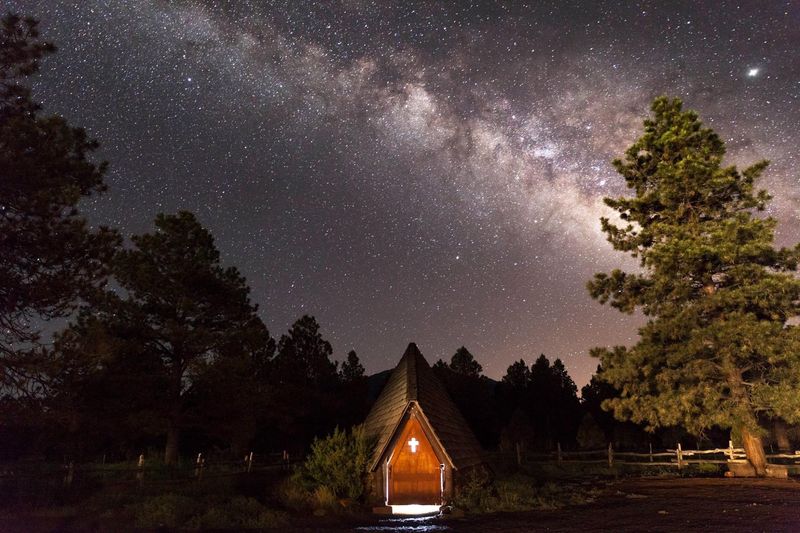
Looking up at the night sky in Flagstaff reveals more stars than I ever knew existed, with the Milky Way stretching overhead like a river of light.
The city holds the distinction of being the world’s first International Dark Sky City, with lighting ordinances that protect the darkness for astronomers and stargazers.
I drove to a pullout along Highway 180, spread a blanket on the ground, and spent hours watching meteors streak across the sky and picking out constellations I had only seen in books.
Lowell Observatory in town offers public viewings through historic telescopes, adding context and history to the experience. Winter nights are coldest but often clearest, with crisp air that makes the stars feel even brighter.
New moon phases provide the darkest conditions, though even nights with a crescent moon reveal far more than city skies ever could.
I brought a star chart and a red flashlight to preserve my night vision, learning to identify planets and deep-sky objects that were invisible back home.
Leaving Flagstaff always feels harder after a night under those skies, knowing how rare it is to find darkness this pure.