
We Visited 8 Ghost Towns In Colorado And They’re Hauntingly Beautiful
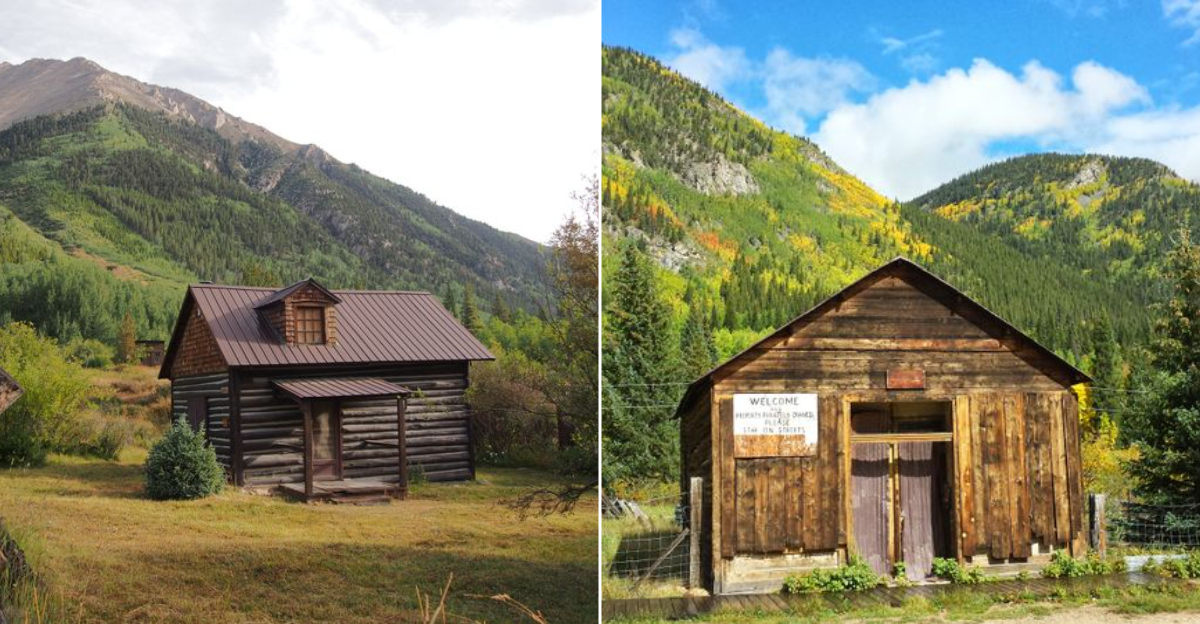
Colorado’s high country holds secrets that most people zoom past on their way to ski resorts and national parks.
Tucked into remote valleys and perched on mountainsides, abandoned mining towns stand as quiet monuments to the boom-and-bust cycles that shaped the American West.
I’ve spent years chasing these forgotten places, and each visit reveals something new about the people who once called these rugged landscapes home.
The weathered buildings, rusting equipment, and windswept streets tell stories of ambition, hardship, and community in ways that no history book ever could.
These eight ghost towns represent some of Colorado’s most photogenic and historically significant abandoned settlements, each offering a unique window into the state’s mining heritage.
1. St. Elmo, Chaffee County
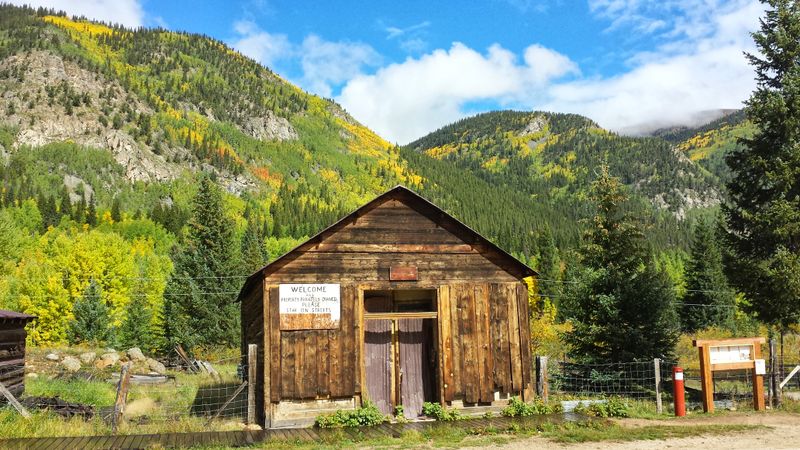
Driving up County Road 162 toward St. Elmo feels like turning back the clock, especially when those first weathered storefronts come into view against the Sawatch Range. Dust kicks up behind the car, mountains press in close, and the modern world fades mile by mile until the road delivers you straight into Colorado’s mining past.
St. Elmo sits at ten thousand feet elevation near Nathrop in Chaffee County and remains one of the best preserved ghost towns in the entire state. Founded in 1880 as a supply hub for nearby mines, the town once supported nearly two thousand residents who depended on the surrounding claims for their livelihoods.
Walking down the main street today, I count more than a dozen original structures still standing, including the general store, town hall, and several homes that look ready for their owners to return at any moment. Faded signs cling to wooden facades, windowpanes catch the mountain light, and floorboards creak under careful steps.
Summer brings wildflowers that carpet the meadows around town, adding bursts of color to the muted browns and grays of aging timber, while chipmunks dart between buildings that have weathered more than a century of mountain storms. Even silence here feels intentional, broken only by wind through tall grass and distant water moving through the valley.
The road stays open most of the year, making St. Elmo an accessible ghost town adventure that rewards visitors with authentic Western atmosphere, vivid history, and stunning alpine scenery that lingers long after the drive back down the mountain.
2. Independence, Pitkin County
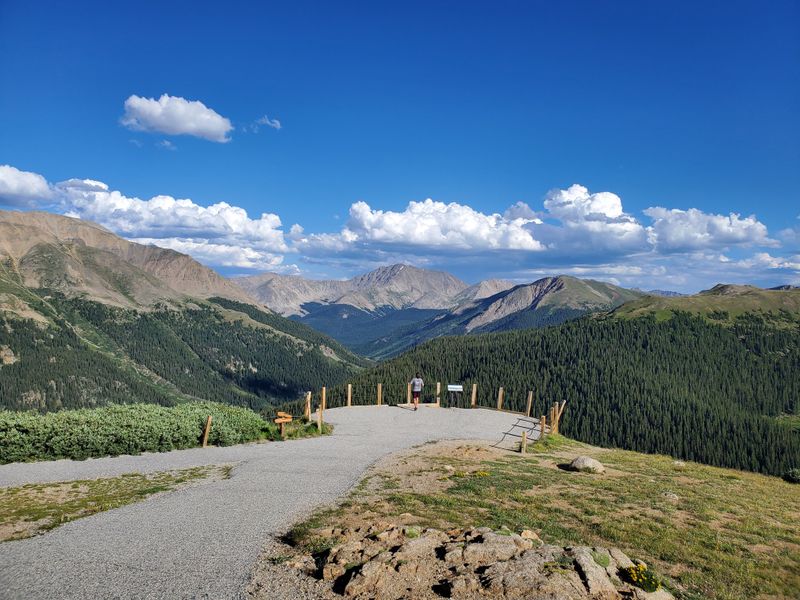
Reaching Independence requires commitment, as this ghost town perches at ten thousand nine hundred feet on the eastern side of Independence Pass, where altitude and exposure shape every experience. The settlement sprang up on July fourth, eighteen seventy nine, after prospectors discovered gold here, which explains the patriotic name that stuck and still feels fitting given the endurance required to survive this place.
Located roughly fifteen miles east of Aspen in Pitkin County, Independence once housed about five hundred hardy souls who endured brutal winters, limited supplies, and constant wind for the promise of precious metal hidden beneath frozen ground. I remember my first visit here, stepping out of the car and immediately feeling the thin air press against my lungs while the wind cut across the open tundra without pause.
Several log cabins still dot the landscape, their chinked walls and squared timbers standing firm against weather that would flatten lesser structures, each one offering a quiet lesson in frontier resilience. Rusted remnants of daily life linger nearby, hinting at routines shaped by survival rather than comfort.
The pass road closes from late fall through late spring, so planning a visit during summer months matters, when wildflowers briefly soften the harsh terrain and add color to an otherwise stark setting. Standing among these ruins with nothing but tundra, sky, and peaks surrounding you creates an overwhelming sense of isolation, the same isolation the original miners knew intimately and carried with them through every long winter night.
3. Animas Forks, San Juan County
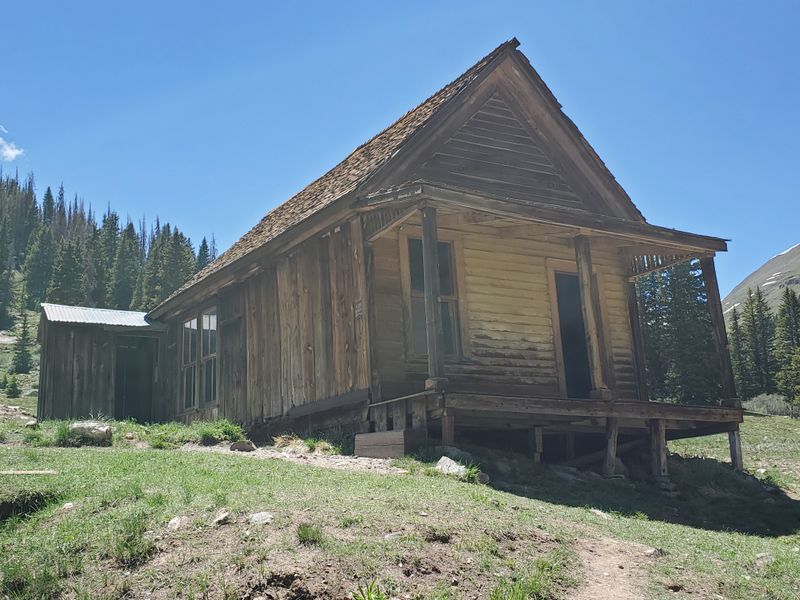
Set within a spectacular basin at eleven thousand two hundred feet, Animas Forks stands as one of Colorado’s highest and most photogenic ghost towns, surrounded by towering peaks that feel almost protective in their scale. Settlement lies about twelve miles northeast of Silverton in San Juan County and reaches visitors by way of a rough but manageable dirt road that quickly makes you aware of your vehicle’s clearance and the remoteness ahead.
Established in eighteen seventy three, the town reached its peak around eighteen eighty with roughly four hundred fifty residents who somehow endured winters so fierce that buildings disappeared beneath as much as twenty five feet of snow. Imagining daily life under those conditions adds a layer of awe to every step along the uneven ground.
My favorite structure here remains the famously tilting Duncan House, a two story residence that seems to defy gravity while leaning at an angle that looks impossible yet stable. Several other buildings continue to stand, including the jail, a saloon, and scattered homes that outline the town’s former rhythm and layout.
Surrounding peaks form a natural amphitheater that amplifies sound, making footsteps, voices, and even wind feel unusually present in the thin mountain air. Visiting Animas Forks demands careful planning, especially with afternoon thunderstorms and sudden weather shifts that can turn bright summer mornings into cold, snowy scenes without warning, reminding visitors that this landscape still plays by its own rules.
4. Ashcroft, Pitkin County
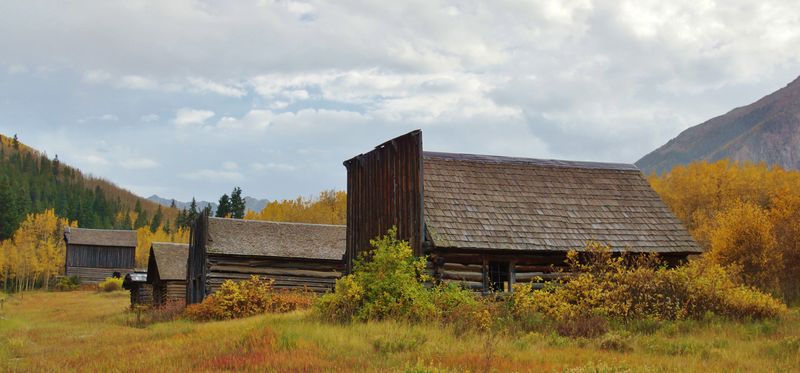
Just eleven miles south of Aspen on Castle Creek Road, Ashcroft offers an incredibly intact look at eighteen eighties mining life, with weathered buildings standing quietly beneath towering peaks. Founded in eighteen eighty, this Pitkin County settlement briefly rivaled Aspen itself, supporting two newspapers, twenty saloons, and a population that peaked near two thousand five hundred residents drawn by silver riches and big ambition.
Streets once buzzed with miners, merchants, and visitors chasing opportunity, but prosperity proved short lived. The boom lasted barely five years before ore quality declined and residents abandoned homes, businesses, and grand plans for more promising strikes elsewhere in the region.
Today, the Aspen Historical Society carefully maintains about fifteen structures, including the distinctive red roofed hotel that anchors the main street and immediately catches the eye. Wooden boardwalks, simple cabins, and former commercial buildings still outline how the town functioned during its brief moment of importance.
I have visited Ashcroft in every season, yet autumn transforms this place into something truly magical when golden aspens frame every building and fallen leaves crunch underfoot. Winter brings silence and snow that feels heavy with history, while summer fills the valley with green meadows and clear mountain light.
The setting beneath Castle Peak creates a dramatic backdrop that photographers and painters have captured for decades, drawn by the contrast between fragile structures and rugged terrain. Unlike many ghost towns, Ashcroft feels more like a preserved outdoor museum, with interpretive signs explaining daily life and industry while protecting the authentic atmosphere that makes this place quietly unforgettable.
5. Hancock, Chaffee County
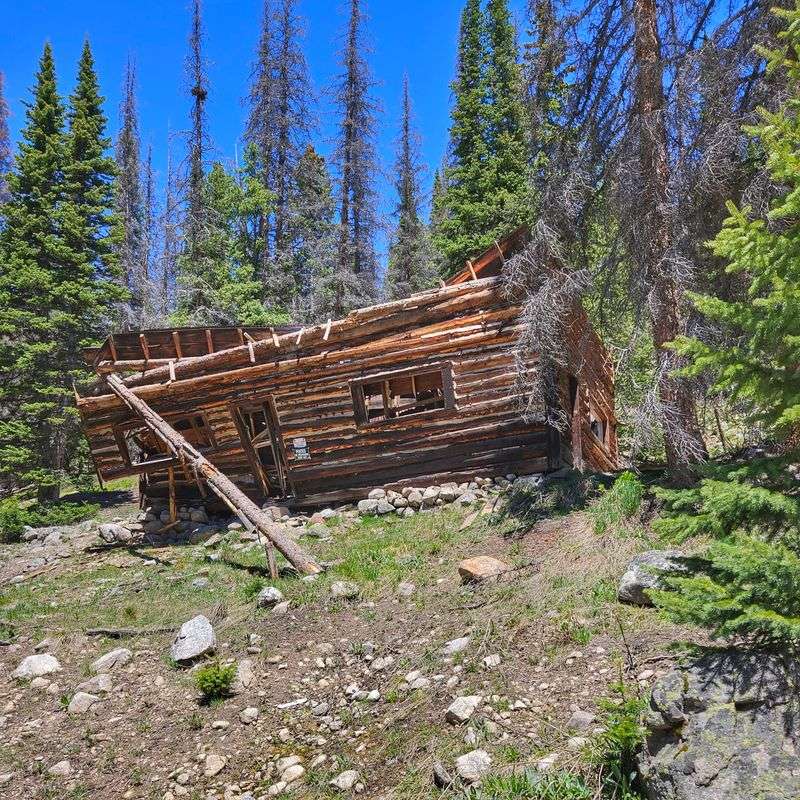
Hancock sits at ten thousand twenty feet along the old Denver, South Park and Pacific Railroad route in Chaffee County, roughly twenty two miles west of Poncha Springs, and the elevation alone hints at how demanding life once was here. Unlike typical mining camps, this settlement functioned primarily as a railroad hub and section house for trains grinding their way toward the Alpine Tunnel, making maintenance and timing as important as muscle and grit.
The town dates to eighteen eighty, when the railroad carved through this remote valley and brought workers, families, and a fragile sense of permanence to an unforgiving landscape. Scattered buildings, stone foundations, and fragments of rail infrastructure mark where daily routines once unfolded, although nature has steadily reclaimed much of what people built with such effort.
My most memorable visit came during a September snowstorm, when thick flakes erased the road and underscored why railroad crews earned every penny working this brutal route. Wind funneled down the valley, visibility dropped fast, and the silence felt heavy rather than peaceful.
Surrounding scenery remains spectacular, with Chalk Creek flowing nearby and fourteen thousand foot peaks dominating every direction, creating views that feel oversized and humbling. Reaching Hancock still requires commitment, including a high clearance vehicle and careful navigation of rough forest roads that can turn treacherous during wet weather or early season snow.
Standing there today, it becomes clear that Hancock was never meant to be comfortable, only functional, and that stark purpose still defines the place.
6. Winfield, Chaffee County
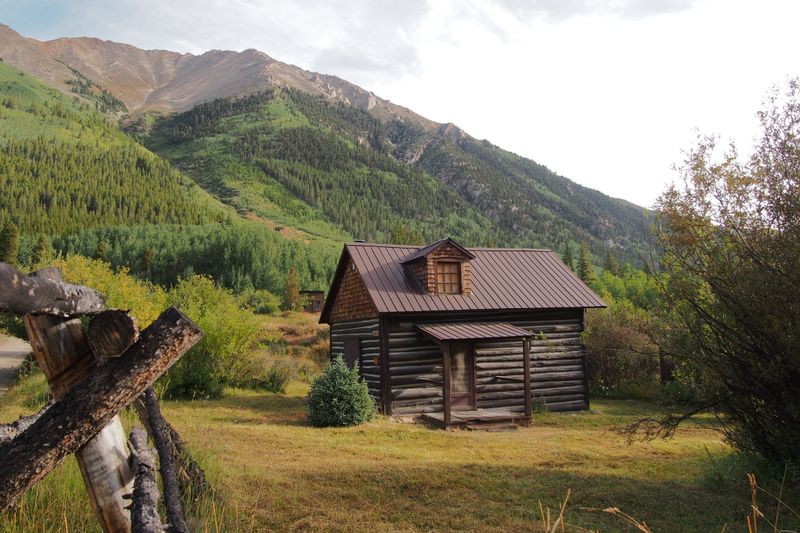
Winfield hides at ten thousand six hundred fifty feet in the upper reaches of Clear Creek Canyon, roughly twenty miles northwest of Buena Vista in Chaffee County, and the drive alone signals that this is not a casual stop. Prospectors established this camp in eighteen eighty one after silver discoveries pulled hundreds of hopeful miners into a narrow valley where ambition outweighed comfort.
At its height, the town supported about fifteen hundred people and operated with all the usual amenities of a booming camp, including stores, boarding houses, blacksmith services, and the inevitable collection of places serving refreshments to tired workers. Life here revolved around hard labor, long winters, and the constant gamble that the next strike would change everything.
Several cabins and structures still stand today, scattered along the valley floor where mine tailings continue to scar the hillsides and tell the story of intense extraction. I have always appreciated how Winfield demands genuine effort to reach, a barrier that keeps crowds away while rewarding determined visitors with rare quiet and space to linger.
Roads leading here rank among Colorado’s more challenging ghost town approaches, calling for four wheel drive, solid ground clearance, and steady nerves along narrow shelf sections that leave little room for mistakes. Summer transforms the setting, with wildflowers carpeting nearby meadows and softening the landscape, creating vivid contrast against weathered gray wood that has somehow endured more than a century of harsh mountain weather.
Standing among the remaining buildings, it becomes easy to imagine voices, footsteps, and ambition echoing through a place that now belongs mostly to wind, water, and sky.
7. Dunton, Dolores County
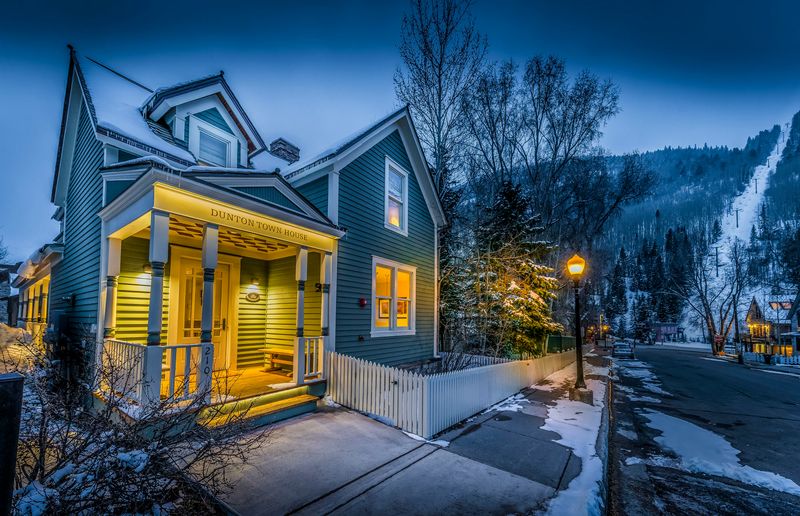
Dunton occupies a stunning location in the West Dolores River valley, about thirty miles northeast of Cortez in Dolores County, where mountains rise steeply and the landscape feels carefully composed by nature. Established in eighteen eighty five as a mining and logging camp, the town supported workers extracting both timber and ore from the surrounding mountains, creating a small but active community shaped by hard labor and isolation.
Unlike most ghost towns, Dunton took a very different path after decline, undergoing meticulous restoration that transformed it into a luxury resort while preserving its historic footprint. Original log structures remain visually authentic on the outside, including the well known saloon where dollar bills still cover the walls and ceiling, creating a familiar landmark that bridges past and present.
Interiors now feature modern comforts, a contrast that defines the entire experience of the place. I remember feeling conflicted during my first visit, appreciating the care taken to preserve the buildings while also missing the raw abandonment that gives traditional ghost towns their emotional weight.
Silence here feels curated rather than accidental, shaped as much by intention as by time. Setting remains absolutely spectacular, with towering peaks enclosing the valley and aspens that glow gold each September, reflecting off open meadows and quiet water.
Visiting Dunton requires planning, either through booking a costly stay or arranging permission to tour, since the property functions as a private resort instead of a freely accessible historic site. That exclusivity adds another layer to the experience, leaving Dunton suspended between living destination and preserved memory.
8. Dearfield, Weld County
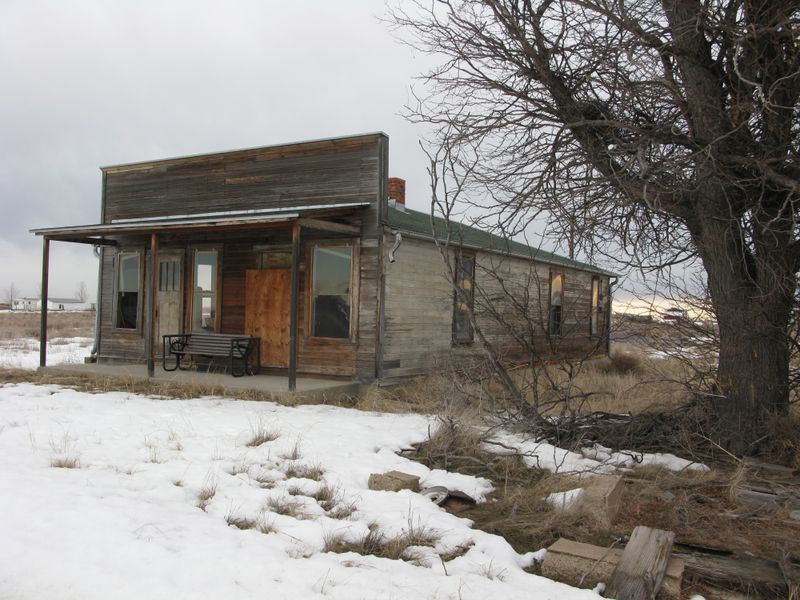
Dearfield stands apart from Colorado’s mountain ghost towns, resting on the eastern plains about thirty miles east of Greeley in Weld County, where open sky replaces peaks and distance feels measured differently. Founded in nineteen ten by Oliver T.
Jackson as an African American agricultural colony, Dearfield represented hope and opportunity during a time when options were limited and discrimination shaped daily life. Settlement grew to roughly seven hundred residents by the nineteen twenties, supported by farms, small businesses, churches, and a tightly woven community that challenged the prejudices of the era through persistence and self reliance.
Families worked the land, educated their children, and built institutions meant to last, believing stability could take root even in harsh conditions. Drought and economic collapse eventually crushed that dream, and by the nineteen forties nearly everyone had moved on in search of work and security elsewhere.
Today only a handful of structures remain, including a former gas station and dining hall that volunteers connected to the Black American West Museum continue to preserve with care and intention. Visits here always feel different than trips to abandoned mining camps, because Dearfield tells a story centered on determination, dignity, and collective effort rather than extraction.
Surrounding prairie offers little visual drama compared to alpine settings, yet wind through tall grass and endless horizons create a quiet gravity of their own. Historical importance of this place makes it essential for anyone who wants to understand Colorado’s complete story, including voices that too often went unheard.