
This Little-Known Colorado State Park Feels Like A Private Nature Reserve
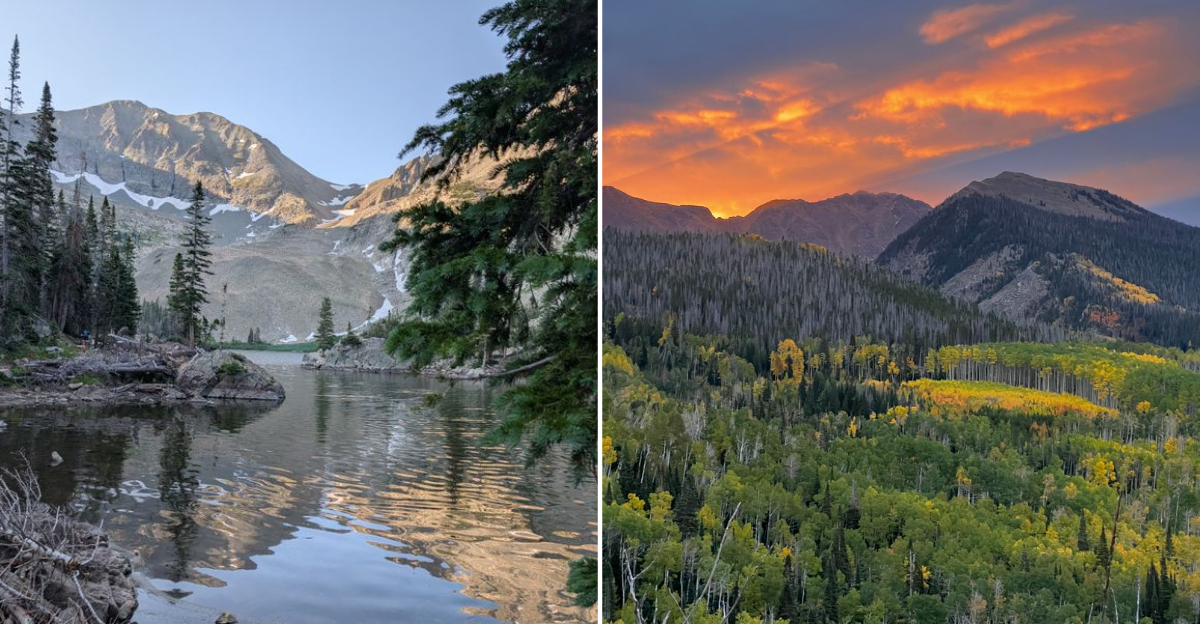
I pulled off Highway 14 near Walden and felt the crowds disappear behind me like they had never existed.
State Forest State Park sprawls across 71,000 acres of Medicine Bow mountain country, and the moment I passed the entrance, I understood why so many people call it Colorado’s best kept secret.
The road narrows, the noise fades, and suddenly the landscape feels personal, as if it is letting you in on something special.
Moose wander through wide meadows without concern, trails curve past alpine lakes that mirror the sky, and long stretches of silence invite you to slow your breathing.
Unlike busier parks in Colorado, there is no pressure to rush or compete for views.
The solitude settles over everything like fresh snow, gentle and absolute, reminding you how rare it is to find a place where nature still sets the pace.
Moose Around Every Corner
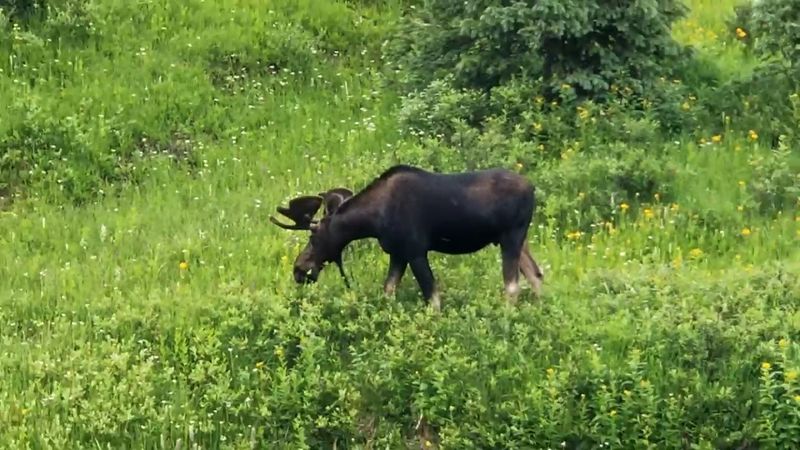
Driving the dirt roads that snake through this park, I learned to scan the willow thickets and wet meadows with the focus of a treasure hunter.
State Forest State Park hosts one of the highest concentrations of moose in Colorado, with over 600 individuals roaming the area after their introduction in the 1970s and 80s. I spotted my first bull near Ranger Lakes, his massive antlers silhouetted against the morning light, and I swear my heart stopped for a solid three seconds.
The Moose Visitor Center at 56750 CO-14, Walden, CO 80480 became my strategic planning headquarters, where rangers shared recent sighting locations and explained moose behavior with the patience of people who genuinely love their jobs. One ranger told me early morning and dusk offer the best viewing windows, and she was absolutely right.
I saw a cow and calf pair one evening, watching them browse willows with the kind of calm that only wild animals in undisturbed habitat can manage. The park’s remote location means moose here behave more naturally than in heavily trafficked areas, and that authenticity makes every sighting feel like a private wildlife documentary.
Visitors should remember these are wild animals weighing up to 1,200 pounds, so I kept a respectful distance and used binoculars to admire details without causing stress. The thrill of spotting moose in their natural element, without competing with tour buses or crowds, reminded me why I seek out places like this in the first place.
Campgrounds That Feel Like Your Own Backyard
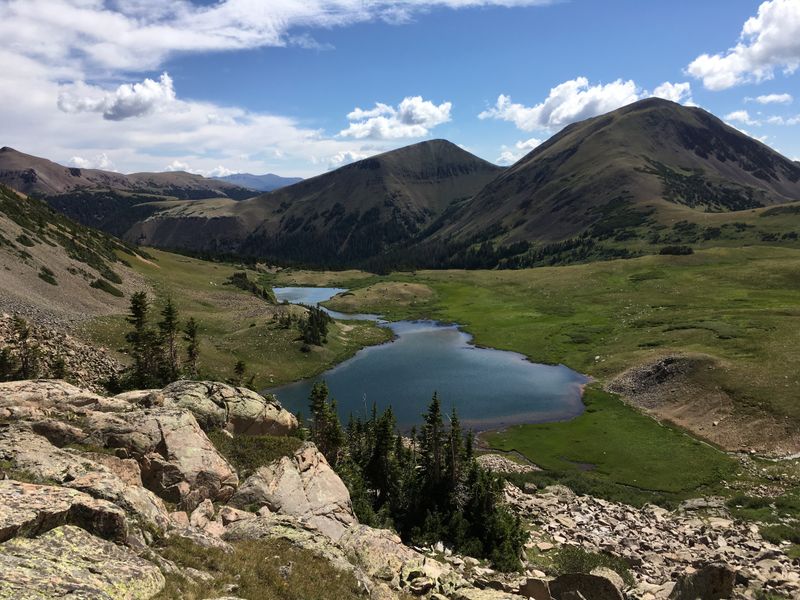
Bockman Campground became my home base for three nights, and I never once felt like I was camping in someone else’s space.
The park offers several campground options, each with its own personality and amenities. North Park Campground now features full hookups at select sites, which made my friend with the 38-foot motorhome very happy when we coordinated a weekend together.
Ranger Lakes Campground sits near three stocked fishing lakes with walking trails that loop through pine forest, and I watched families teach their kids to cast while hummingbirds buzzed the wildflowers. Michigan Lake offers lakeside sites where I launched my kayak directly from camp, paddling out into water so clear I could see trout cruising below.
The shower houses surprised me with their cleanliness and hot water pressure, which sounds like a small thing until you’ve spent a week at parks where “shower” means a lukewarm trickle. Sites are well-spaced, so I never felt like I was eavesdropping on neighboring conversations, and the absence of sewer hookups at most locations keeps the RV crowds manageable.
One morning I woke to find mule deer browsing near my tent, and a fox trotted past my campfire circle like it owned the place. The park stays open 24 hours year-round, though winter access requires serious preparation and often a snowmobile.
I appreciated how the campgrounds blend into the landscape rather than dominating it, maintaining that private reserve feeling even when other campers were present.
Alpine Lakes Worth The Bumpy Drive
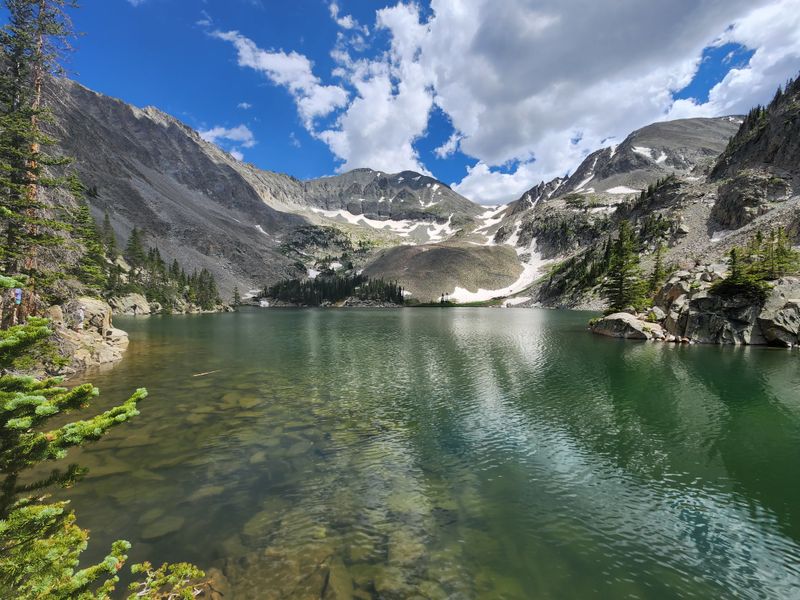
Lake Agnes sits at roughly 10,500 feet elevation, and getting there required a drive that tested both my vehicle’s suspension and my commitment to scenery.
The trailhead access road bounced me around like a rodeo contestant, but the 0.8-mile hike that followed delivered views that made every jarring pothole worthwhile. The trail climbs steadily through subalpine forest, and the thin air reminded me I was working at altitude with every breath.
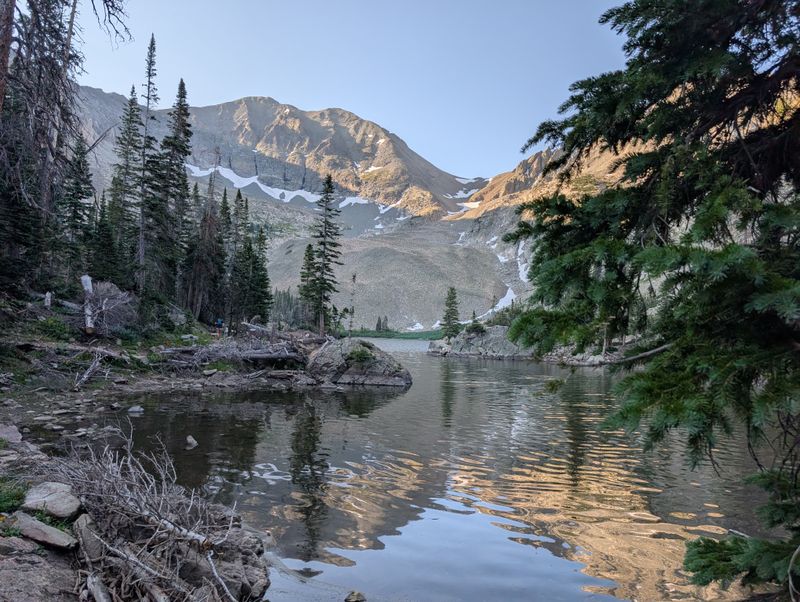
Breaking through the treeline to see Lake Agnes cradled in its rocky basin felt like discovering something nobody else knew about, even though plenty of people hike there each summer. The water reflects surrounding peaks with mirror-like clarity on calm mornings, and I sat on a boulder eating trail mix while watching clouds drift across the surface.
Snow Lake on the American Lakes trail system became another favorite, requiring more effort but offering even greater solitude. Ruby Jewel Lake challenged me with steep switchbacks and loose scree, earning its reputation as the park’s most demanding destination.
Michigan Lake provides easier access for families and those without high-clearance vehicles, and I found it perfect for kayaking and shoreline fishing. The park’s lake system offers something for every fitness level and adventure appetite, from wheelchair-accessible spots to backcountry scrambles.
I recommend starting early to avoid afternoon thunderstorms, which build quickly at these elevations and turn exposed ridges into places you don’t want to be.
Trails That Keep Giving You Reasons To Return
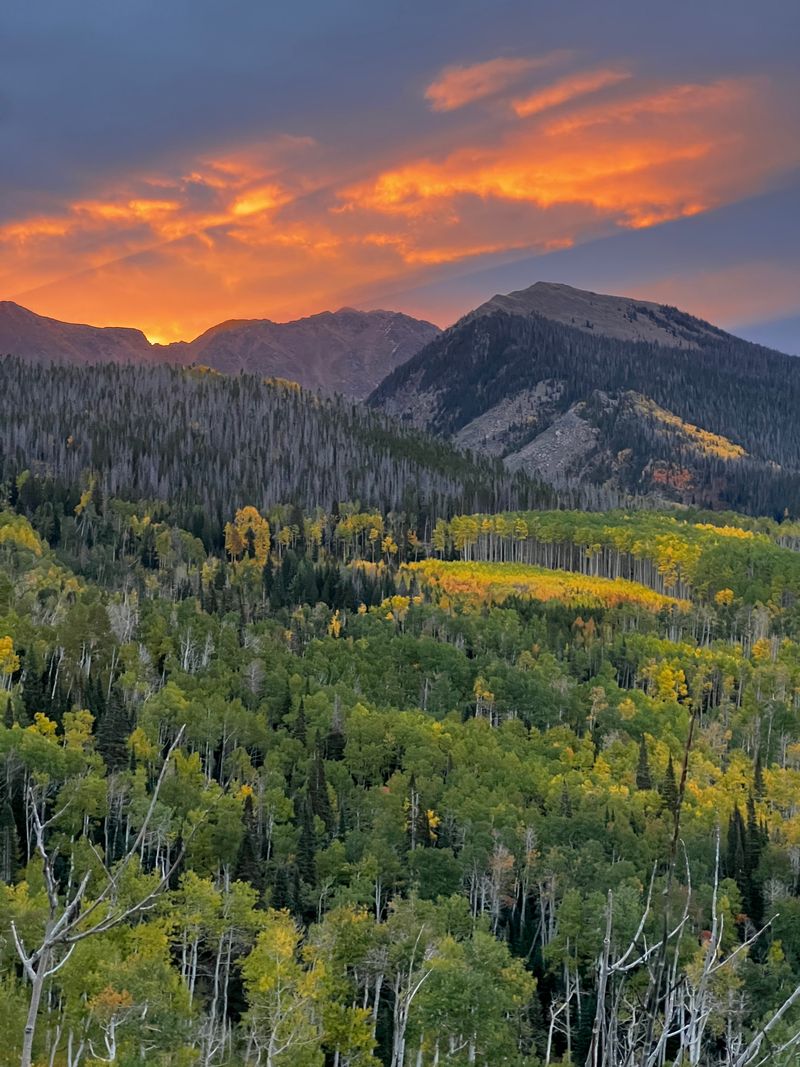
The Gould Loop delivered excellent weather and even better trail conditions during my September visit, winding through terrain that shifted from dense forest to open meadow.
State Forest State Park maintains an impressive network of trails suitable for hiking, mountain biking, and horseback riding, with options ranging from gentle nature walks to full-day expeditions. I spent more time driving to trailheads than actually hiking in some cases, which speaks to the park’s enormous size and the distances between attractions.
Trail conditions impressed me consistently, with clear signage and well-maintained tread that made navigation straightforward even for solo hikers. The lack of crowds meant I often had entire trails to myself, hearing nothing but wind in the pines and the occasional squirrel scolding me for interrupting its day.
Fall colors painted the aspens in gold and orange during my visit, creating contrast against evergreen forests and snowcapped peaks. I encountered other hikers occasionally, and everyone seemed to share the same slightly stunned expression that comes from finding a place this beautiful without the usual Colorado crowds.
Winter transforms the trail system into snowshoeing and cross-country skiing territory, though access becomes significantly more challenging. The park’s elevation means snow lingers well into spring, and I learned that seasonal road closures can extend into June depending on snowpack.
Rangers at the visitor center provided current trail conditions and recommendations based on my fitness level and available time, which helped me maximize limited daylight during shorter autumn days.
Yurts And Cabins For Those Who Prefer Walls
I’ll admit I sometimes crave the camping experience without actually sleeping on the ground, and this park anticipated that weakness perfectly.
State Forest State Park offers yurts and cabins scattered throughout its boundaries, providing shelter while maintaining that immersed-in-nature feeling. The yurts combine circular canvas walls with solid floors and doors, offering more protection than tents but less separation from the outdoors than traditional cabins.
I stayed in a yurt near Ranger Lakes one October weekend when temperatures dropped below freezing, and the wood stove kept me toasty while snow dusted the roof. The experience felt like glamping before that term became overused, with enough comfort to sleep well but enough rusticity to feel like an adventure.
Cabins provide more conventional shelter with real walls and often electricity, appealing to families with young children or anyone who wants a mountain experience without roughing it completely. My friends who rented a cabin near Michigan Lake reported seeing a cow moose right outside their window at dawn, close enough to hear her breathing.
Both accommodation types require advance reservations, especially during summer and fall color season, and they book up quickly once word spreads about this place. The yurts and cabins are spaced far enough apart that you maintain privacy, and many offer stunning views of surrounding peaks or meadows.
I appreciated how these options make the park accessible to people who might not otherwise camp, expanding the audience for this remarkable landscape without overcrowding it.
Wildlife Beyond The Moose
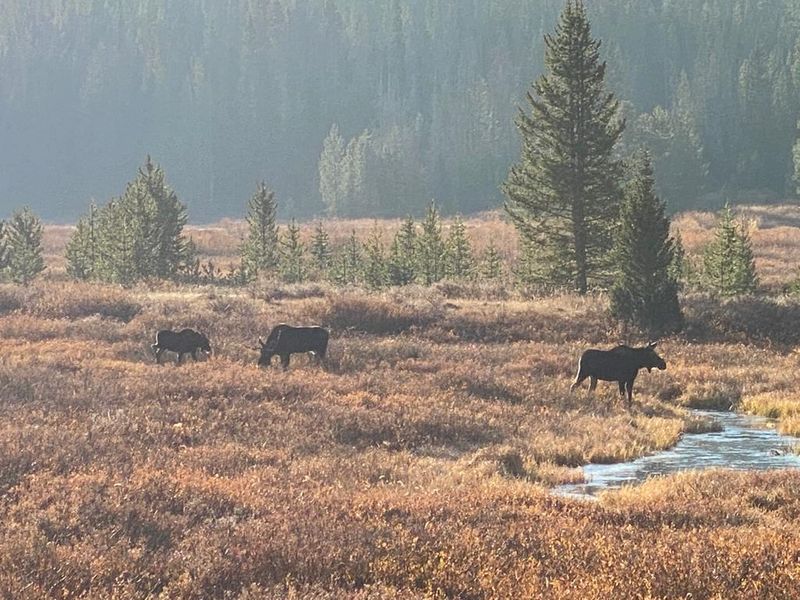
Moose steal the spotlight here, but they’re far from the only performers worth watching.
I spotted mule deer almost daily, their oversized ears swiveling to track my movements as they browsed hillsides. Elk bugled in distant meadows during September, their haunting calls echoing off ridges in the cool evening air.
Pronghorn grazed the open valleys, their speed and grace apparent even when they were just standing around looking pretty. I saw a fox hunting near my campsite one morning, pouncing on mice with the focused intensity of a predator who takes breakfast seriously.
Bald eagles soared along County Road 156, riding thermals with wings spread wide, and I pulled over multiple times just to watch them work the sky. Hummingbirds mobbed the wildflowers near Bockman Campground, their iridescent throats flashing in the sunlight as they defended favorite blossoms.
Gold finches bounced through the aspens, and I heard but never saw the black bears that definitely inhabit these mountains. One reviewer mentioned seeing a bear here after nearly twenty years in Colorado without a sighting, which speaks to both the park’s wildness and its relatively light human pressure.
The nearby Arapaho National Wildlife Refuge extends the wildlife viewing opportunities, with a half-mile raised boardwalk and interpretive signs explaining the area’s waterfowl populations. Every time I ventured out, whether hiking or just driving the dirt roads, I saw something worth stopping for, and that constant sense of discovery kept me alert and engaged.
The Kind Of Solitude That’s Nearly Extinct
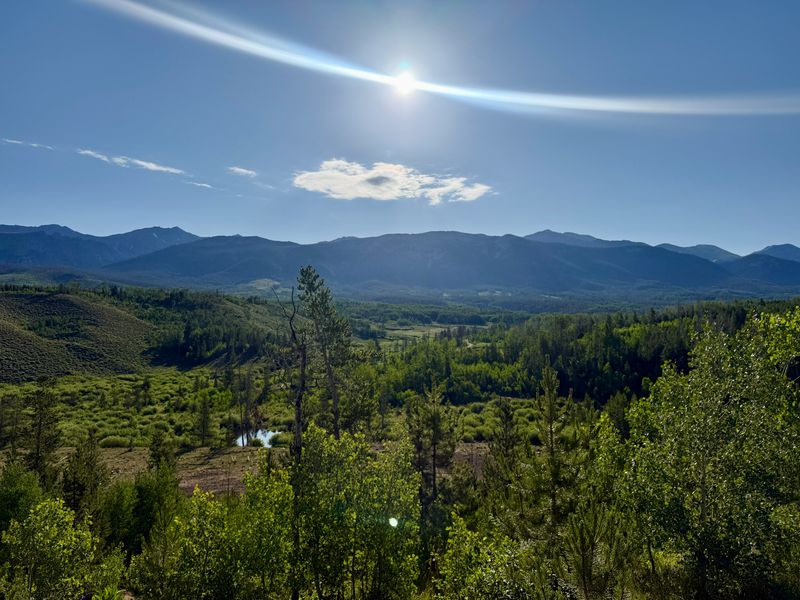
Rocky Mountain National Park sits a few hours south, packed with visitors who circle parking lots like vultures and hike trails that feel like theme park queues.
State Forest State Park offers comparable scenery, similar recreation opportunities, and a fraction of the crowds, which makes it feel like I’ve discovered a cheat code for Colorado tourism. The park’s location near Walden, far from Front Range population centers, naturally limits visitor numbers to people willing to drive the extra distance.
That geographic isolation creates an atmosphere of genuine wilderness, where I can hike for hours without seeing another person and camp without hearing anyone else’s music or conversations. The park’s 71,000 acres provide enough space that even when other visitors are present, they disperse across the landscape like seeds on the wind.
I found myself lowering my voice instinctively, as if speaking too loudly might shatter the peaceful spell this place casts. The night skies exploded with stars, undimmed by light pollution, and I lay in my sleeping bag watching satellites trace lines across constellations.
This park reminded me what public lands are supposed to feel like before they become overcrowded, when the experience of being outdoors matters more than checking boxes on an Instagram itinerary. The facilities remain well-maintained despite lighter use, and rangers have time to actually talk with visitors rather than just managing crowds.
I left feeling like I’d been given a gift, access to landscape and wildlife that increasingly feel like luxuries in our crowded world, and I’m already planning my return trip.