
This Tiny Colorado Town Feels Like A Postcard And Hardly Anyone Talks About It
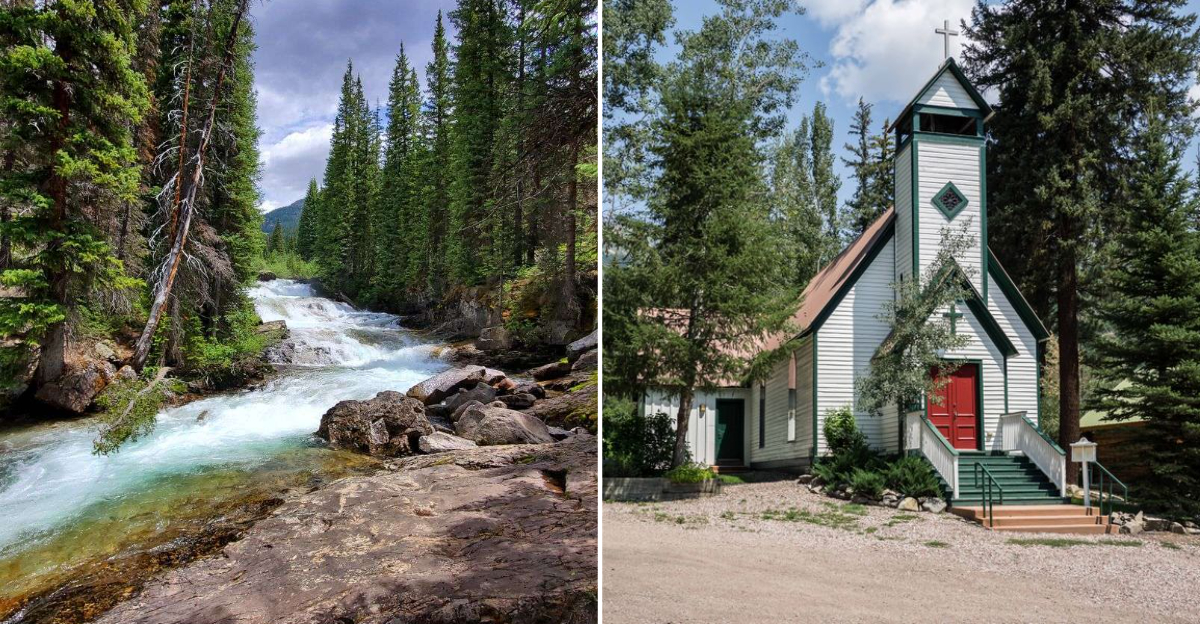
I still remember the first time I turned off Highway 133 and followed the Crystal River toward Marble, a place so small that I nearly missed the turn.
Tucked into Gunnison County at an elevation that makes your ears pop, this statutory town holds fewer than 150 souls, yet it punches far above its weight in charm and history.
The streets feel like they belong in a different century, with weathered wooden buildings, quiet porches, and mountain peaks crowding every view.
I wandered slowly, half expecting time to move at a different pace here.
Marble has a deep connection to stone and labor, and you can sense it in the solid feel of the town and the pride of the people who call it home.
Sitting quietly in Colorado, it feels untouched by hurry or hype.
Marble sits at 39.0722106, -107.1889377 in Colorado 81623, and every visit leaves me convinced that its quiet reputation is both a mystery and a gift worth protecting.
Quarry Legacy and White Stone
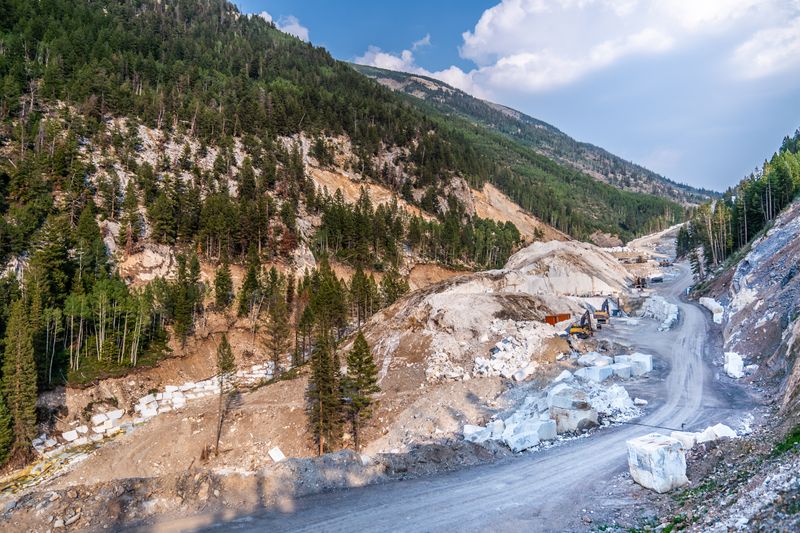
Walking past the old quarry site, I could not help but run my fingers along the cool white stone that made this town famous across the country. The marble felt smooth beneath my hand, worn down by years of weather and work, as if it still carried the memory of those who cut it from the mountain.
This stone supplied the material for the Tomb of the Unknowns and the Lincoln Memorial, and standing there, I felt the weight of that history in every carved surface and pale reflection of light. It was strange and humbling to realize that something so quiet and ordinary in this place had been transformed into symbols of national memory and sacrifice.
The quarry closed and reopened several times over the decades, and each cycle left behind stories of ambition, hardship, and the stubborn hope that kept the town alive through uncertainty. I spent an afternoon tracing the old rail lines that once hauled massive blocks down the mountain, imagining the constant rumble, the dust hanging in the air, and the workers shouting over the noise.
Today, the quarry operates on a smaller scale, but its presence still shapes the town. Visitors can see the same brilliant white stone that once traveled to Washington, D.C., and touching it makes the past feel close and real.
Crystal River and Mill Site Park
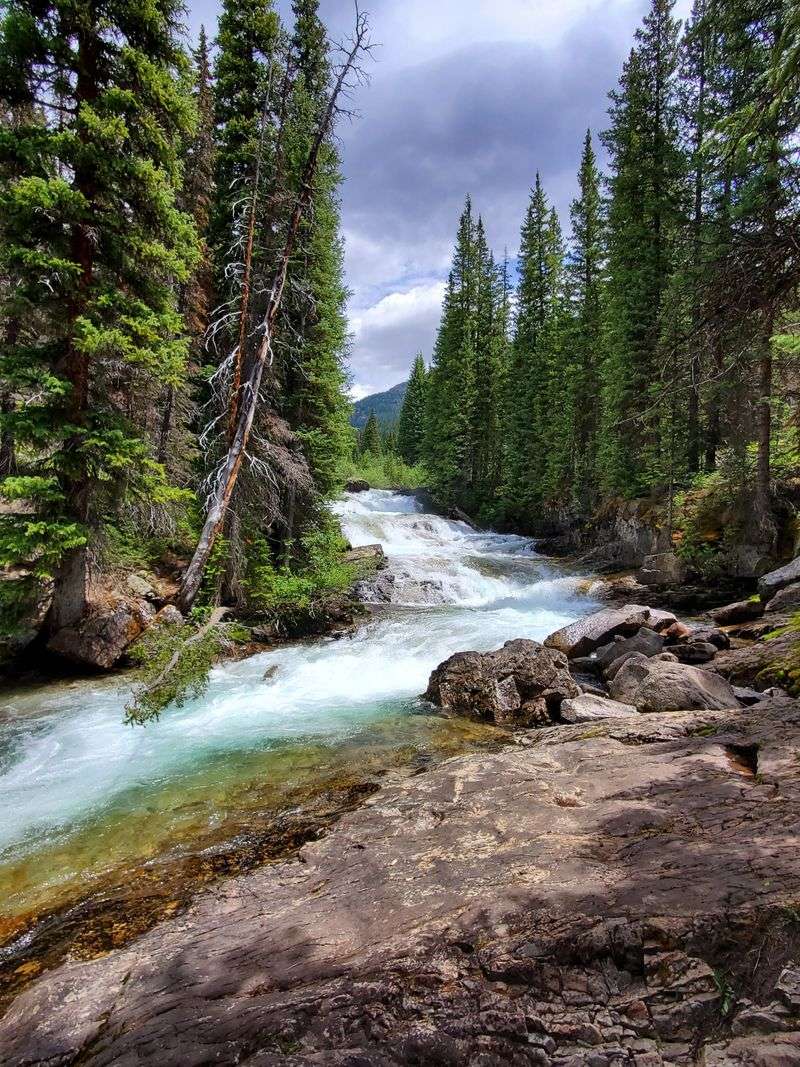
Following the sound of rushing water, I found myself at Mill Site Park, where the Crystal River cuts through town with a clarity that truly matches its name. The water moved quickly but calmly, slipping over stones polished smooth by decades of constant motion.
The park preserves remnants of the old marble mill, and I sat on a bench watching the river tumble past while trying to picture the machinery that once roared here from morning until night. It was hard to imagine the noise and effort in a place that now feels so peaceful.
Kids splashed in the shallows, shrieking with laughter, while their parents unpacked sandwiches and spread blankets in the grass. The whole scene felt like it belonged on a postcard that nobody ever bothered to print, ordinary and perfect in a quiet way.
I noticed how the river reflects the surrounding peaks in the morning light, creating a double image that makes you pause and question which version is real and which is only a reflection. The mill ruins tell their own story of industry and decline, and I spent time reading the interpretive signs that explained how raw stone became polished slabs.
Standing there, it felt like the past and present were sharing the same narrow stretch of river without getting in each other’s way.
Historic Downtown Storefronts
Strolling down the main street, I counted maybe a dozen buildings that still stand from the boom years, each one leaning slightly as if tired from holding up so much history. Their uneven facades and bowed windows suggest long decades of use, repair, and quiet endurance rather than careful preservation.
The storefronts wear their age proudly, with peeling paint and hand lettered signs that nobody rushed to update, and I found that honesty refreshing after visiting towns that polish themselves into something unrecognizable for tourists. One building houses a small general store where I bought a cup of coffee and listened as locals discussed weather patterns with the kind of careful detail that only matters when you live this close to the sky and depend on it daily.
The wooden sidewalks creak under your boots with every step, a sound that feels older than the town itself, and I caught myself slowing my pace just to hear it echo faintly against the mountains. These buildings have survived fires, economic collapse, and winters that would have broken most structures, yet they still manage to look dignified in their wear.
Walking among them, it felt like the town was not trying to impress anyone, only to remain standing and tell its story to those willing to listen.
Beaver Lake Trailhead Access
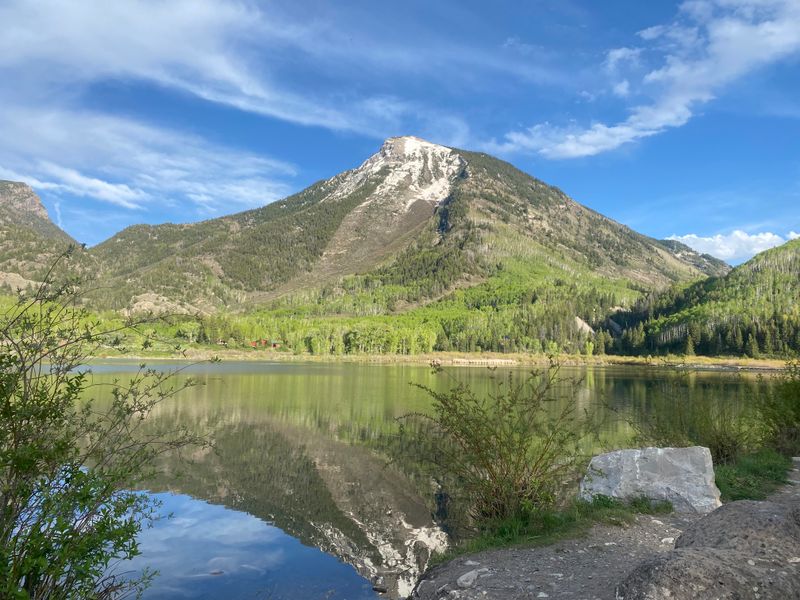
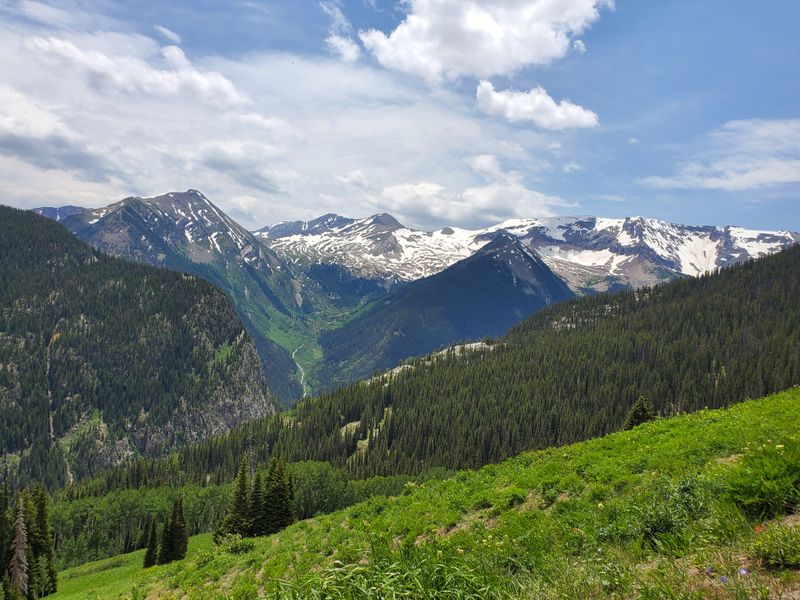
Lacing up my boots near the trailhead just outside town, I realized that Marble serves as a gateway to wilderness that most Colorado visitors never see. The town feels like a quiet threshold, and once you step past it, the noise and urgency of travel fade almost immediately.
Beaver Lake sits a few miles up a moderate trail, and I hiked it on a July morning when wildflowers covered the meadows in colors so bright they looked almost artificial. Yellows, purples, and reds spread across the ground in loose patterns that changed with every bend in the trail.
The path climbs through cool aspen groves and then opens onto alpine views that made me stop every few minutes, not because I was tired but because the scenery demanded attention and patience. I met only three other hikers all day, and we exchanged the quiet nods people use when words feel unnecessary and the shared experience says enough.
The lake itself reflects the surrounding peaks with such precision that it feels less like water and more like glass. I spent ten minutes standing still, trying to memorize the image before the clouds rolled in and softened the edges, reminding me how quickly mountain landscapes can change.
Marble Community Church
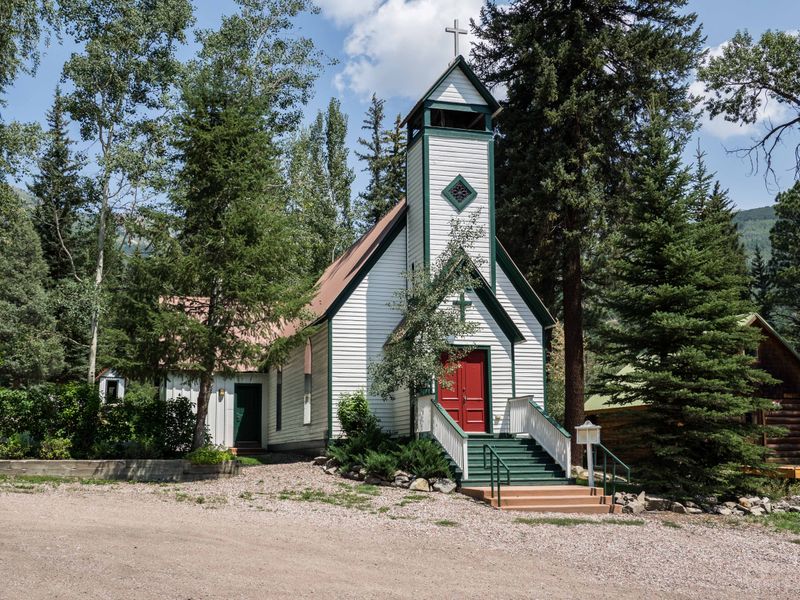
Passing the community church on a Sunday morning, I heard hymns drifting through open windows and saw a congregation of maybe twenty people gathered inside. Their voices carried softly into the street, blending with the quiet of the town and the distant sound of wind moving through the trees.
The building wears white paint that somebody clearly maintains with care, and the simple steeple points toward peaks that dwarf any human construction, as if acknowledging its small place in a much larger landscape. I learned that this church has anchored the town through every boom and bust, serving not only as a place of worship but also as a meeting hall, polling place, and social center during years when the population barely filled a single pew.
The architecture makes no grand statements, offering only honest craftsmanship, worn wooden floors, and a door that opens easily for anyone who needs it. I attended a potluck there once and was surprised by how quickly I felt welcome.
The locals treated me like I had lived in Marble for years, passing dishes across long tables, insisting I take seconds, and sharing stories without hesitation. There was no trace of the suspicion that outsiders sometimes face in small towns, only a quiet warmth that lingered long after the meal ended.
Autumn Aspen Transformation
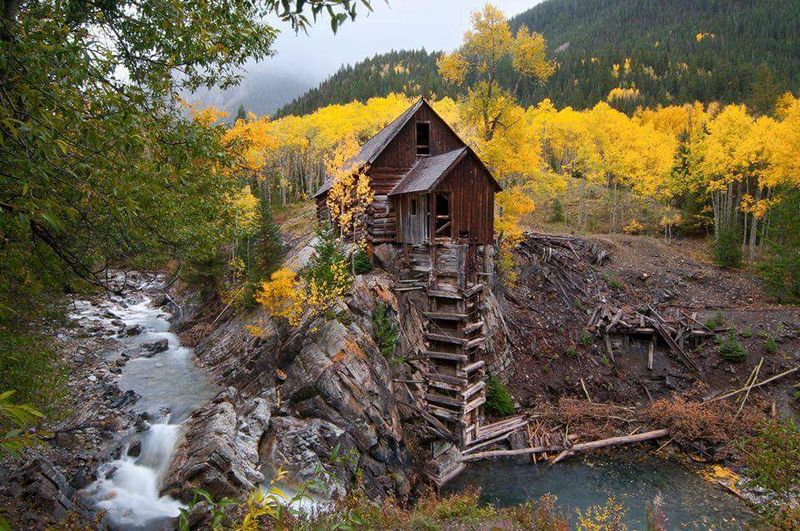
Returning to Marble in late September, I watched the entire valley transform into a gold and amber showcase that photographers dream about but rarely capture accurately. The shift seemed to happen almost overnight, as if the mountains had quietly agreed to change costumes all at once.
The aspen groves surrounding town turn in waves, starting at higher elevations and rolling downward until every hillside glows in the afternoon sun. Each day brought a slightly different balance of color, some slopes burning bright yellow while others leaned deeper into copper and orange.
I drove the approach road three times that week, stopping at different pullouts to photograph the same peaks framed by new combinations of light and leaves, never quite satisfied that I had done them justice. The town itself sits calmly in the middle of this color explosion, and I found locals surprisingly unbothered by the beauty, heading to the post office or hardware store while I stood slack jawed on the sidewalk.
This seasonal show lasts maybe two weeks before the leaves drop and winter preparations begin. Knowing how brief it was made every moment feel sharper, and I felt genuinely lucky to witness that narrow window when weather, light, and timing align so perfectly.
Winter Solitude and Snow
Visiting Marble in January, I discovered a version of the town that exists in near total silence, with snow muffling every sound and the population shrinking to its hardcore year round core. The stillness felt deliberate, as if winter had pressed a pause button on everything unnecessary.
The road stays open most days, but drifts pile high against buildings, reshaping familiar outlines into softer forms, and I watched smoke rise straight from chimneys in the frozen air before slowly dissolving against the white peaks. The cold sharpened every detail, from the crunch of boots on packed snow to the way breath hung briefly before vanishing.
The few people I encountered moved with clear purpose, carrying armloads of firewood, brushing snow from truck beds, or checking mailboxes quickly before retreating indoors. Nobody lingered outside for conversation when the temperature stayed below freezing all day, and even greetings felt quieter, exchanged with nods rather than words.
I found a stark beauty in that severity, in the way the town becomes even smaller and more isolated when the tourists leave and the snow closes in. This is when Marble reveals its true character, when only the committed remain and the postcard prettiness gives way to something tougher, quieter, and more honest.