
This Scenic National Forest in Illinois Is So Beautiful, Words Barely Do It Justice
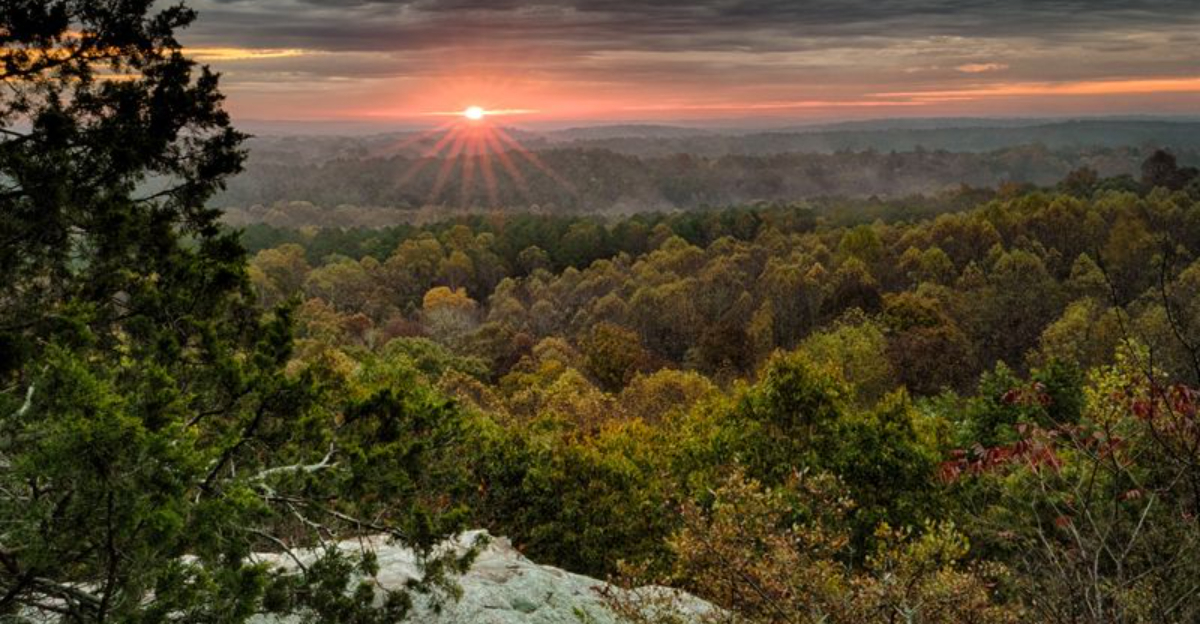
Let me take you to a place where Illinois trades flat fields for sculpted cliffs, ferny hollows, and whispering pines. Shawnee National Forest stretches across the southern edge of the state, where the land loosens its straight lines and lets sandstone rise in weathered towers above the trees.
Near Herod, ridges fold into one another like rumpled fabric, and light settles softly along the bluffs as evening comes on. The forest carries a hush that feels earned, not empty, a quiet shaped by wind through shortleaf pines and the slow seep of water through stone.
Footsteps land differently here, cushioned by needles and leaf litter, the air holding the scent of resin and damp earth. Stay a while and the details sharpen: lichen mapping the rock, hawks turning lazy circles overhead, the sense that time moves at a gentler, older pace.
Garden Of The Gods At First Light
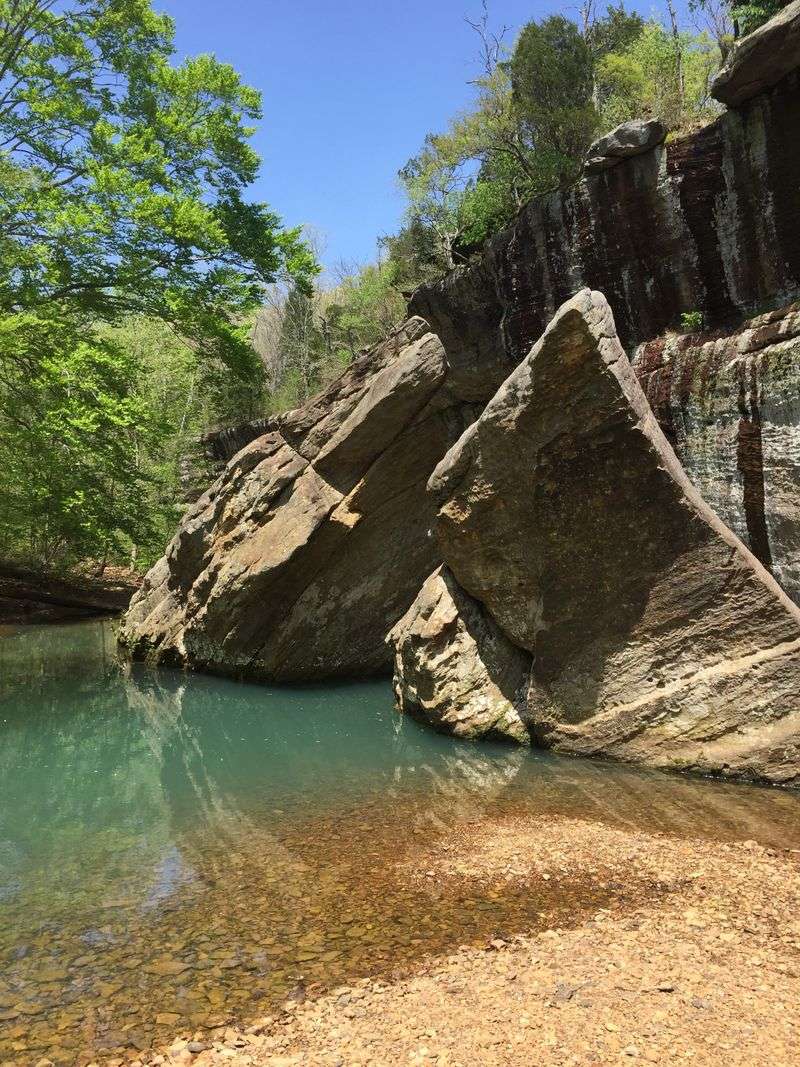
Step onto the rim at dawn and the rock seems to breathe. The hoodoos glow a tender pink, and the valleys carry a silver mist that slides between oaks like a slow tide.
You feel small in the best way, watching the sun rim the bluffs near Herod and pour light across the ancient sandstone. The trail crunches beneath your boots, and the wind tastes like pine and dust.
It is quiet, but not empty.
There are warning signs along the cliffs, but many viewpoints remain exposed, so the best views still ask for steady feet. Parking fills on weekends, so plan sunrise or midweek for elbow room.
There is no entrance fee to the overlook; the site is day-use, with conditions varying by weather, and seasonal ice can make the rock slick. If mobility is limited, the main observation trail is short and features benches, though visitors should expect a few steps and brief, steeper grades along the route.
Bring water and expect no cell service.
Watch where the sandstone ripples like frozen waves. Those curves are millions of years of wind and water at work.
When clouds gather, the drama multiplies, shadows tilting across the ridges like theater. Stay for the afterglow, when the sky softens to peach and lavender and everything holds still.
Rim Rock National Recreation Trail
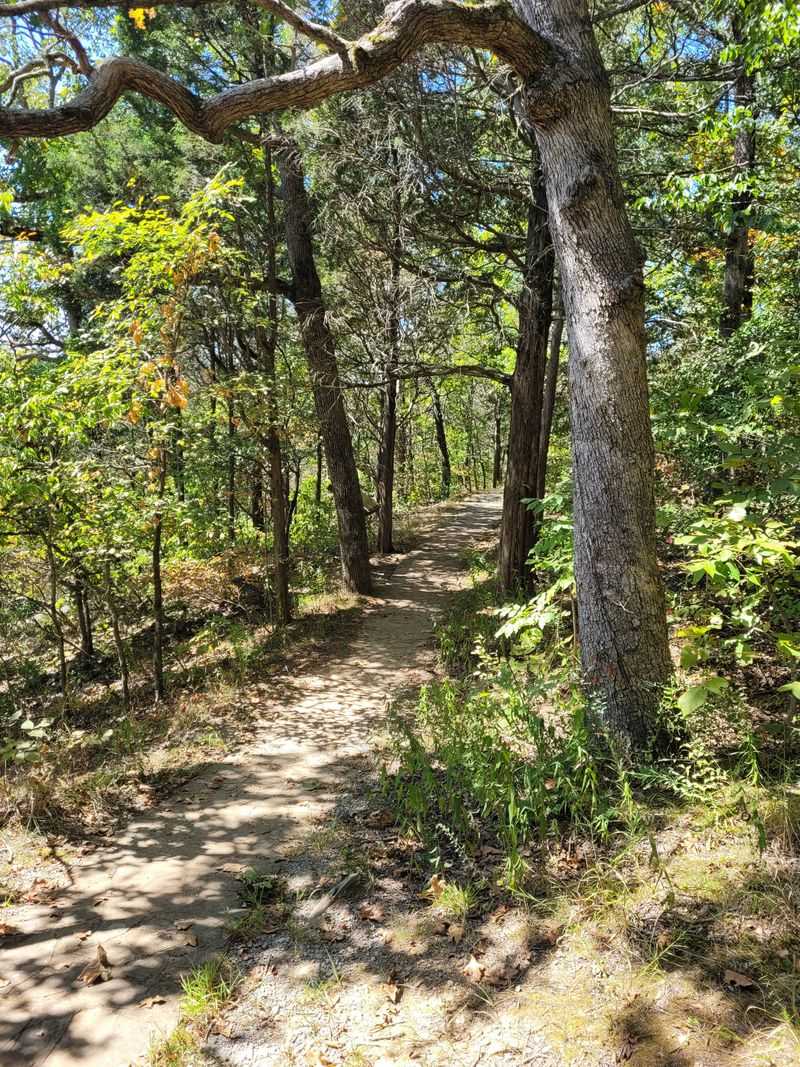
The Rim Rock trail feels like a secret door hidden in plain sight. One minute you are on a breezy bluff, and the next you are descending into a stone corridor draped with moss and ferns, with stair access depending on current trail conditions.
The air drops ten degrees and smells like wet leaves and cool sandstone. Your footsteps echo in the narrow passage while water beads on the rock, and you grin because it feels like an adventure movie.
The forest hushes, then opens again.
The loop is short, great for families, but watch for roots and slick spots after rain. Parking is free, with vault toilets at the trailhead.
Expect the upper path to be gentler and the lower path more rugged, with some tight squeezes. Seasonal closures may affect stairs, especially in icy months, so peek at the forest website before driving out.
Go early for solitude, and bring a small light if you want to peek into crevices safely.
Look for petroglyph like grooves carved by time, not people. In fall, yellow leaves collect on the stone like confetti.
You will come back up feeling scrubbed clean, like the trail rinsed the week from your head. It is a little pocket of wonder tucked within the eastern Shawnee, a scenic drive from Herod.
Jackson Falls Climbing And Cascades
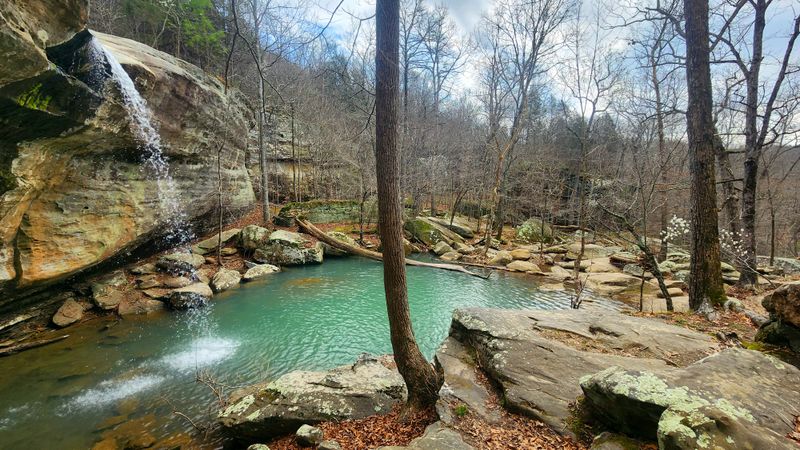
Follow the gravel road until the forest swallows the sound of town, then hike into a sandstone amphitheater that hums with water and echoes. Jackson Falls drops in curtains after spring rain, a white ribbon stitching boulder to boulder.
Climbers dangle like punctuation marks against the cliff, chalk floating in the air while belayers swap jokes below. You can feel the grit on your hands and the spray on your face.
Even if you do not climb, the canyon’s curves pull you closer.
There is no fee lot, but the road can washboard, so drive slow. Bring cash for a local map if you find one at an outdoor shop on the way.
Trails descend steeply to the base, and footing can be tricky when wet; sturdy shoes are a must. Dogs will love it, but keep them leashed near edges.
Spring and early summer bring the most water, while fall offers crisp, dry rock for climbers.
Services are minimal, so plan your visit around daylight and follow posted forest guidelines for dispersed camping nearby. Expect limited cell service.
Listen for woodpeckers rattling the canopy between calls from climbers. When the light hits late in the day, the canyon turns copper and the waterfall purls like a steady heartbeat.
Bell Smith Springs’ Emerald Pools
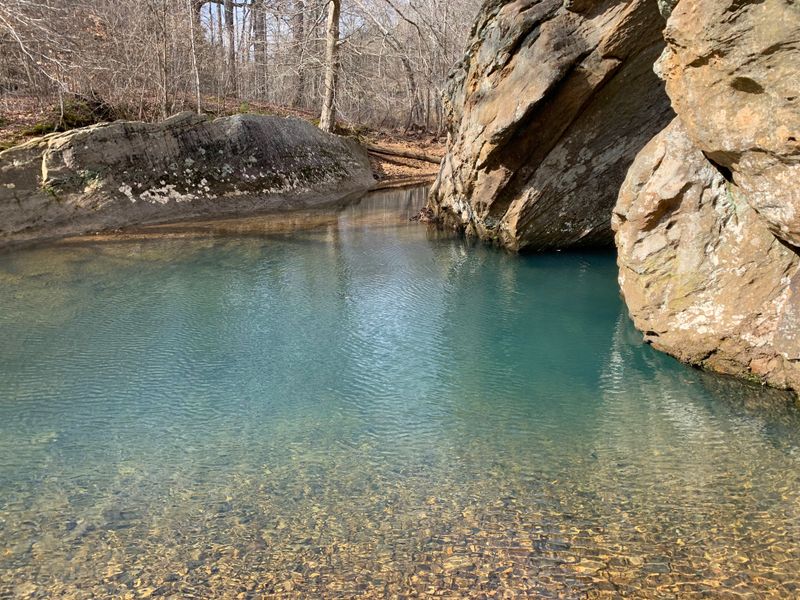
Bell Smith Springs is where water turns jewel toned and the forest leans in to admire itself. The pools look carved for a summer afternoon, emerald and glassy, with fish flickering like sparks.
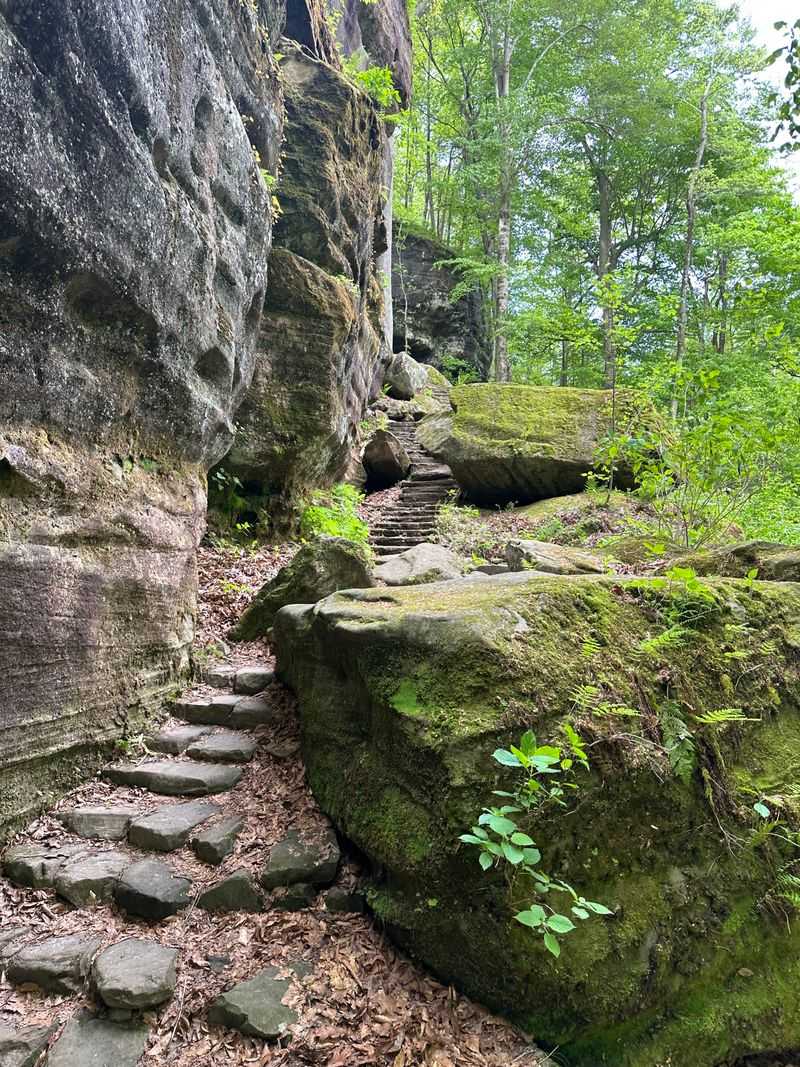
Stone stairways climb and twist, and a natural arch stands like a quiet gate. You can hear the clink of gravel underfoot and the slip of water over ledges.
It smells like cedar, sunscreen, and fresh cut melon if someone brought a picnic.
There is parking with a day-use fee in season, posted at the lot, restrooms nearby, and glass containers are prohibited in the recreation area. The stairs are steep and irregular, so take your time, and watch little ones on slick rock.
Lifeguards are not present, and depth varies wildly, so swim minds first and feet second. Go early or in the shoulder seasons for space to breathe.
Winter reveals the rockwork in sharp detail and usually means fewer people, though ice can surprise you.
History hides in the CCC era stonework that frames the steps, evidence of careful hands shaping a wilder path during tough years. Down in the gorge, sunlight breaks into coins across the water.
Stay long enough and the place teaches patience, the way a pool teaches stillness before you dive.
Pounds Hollow Lake: Quiet Water And Campfire Glow
Pounds Hollow Lake is where evenings stretch and soften. The water takes the sky’s color and holds it like a secret, and a paddle barely wrinkles the surface.
Frogs start their slow percussion while someone strikes a match at a nearby campsite. If you like unhurried hours, this is your place.
The world shrinks to ripples, silhouettes, and the smell of smoke and damp leaves.
There is a small swim beach and picnic area with posted seasonal hours; swimming is at your own risk and limited to designated areas. Expect vault toilets and basic amenities; swimming and day use are generally free, while camping fees may apply.
The campground is simple but friendly, first come in parts, with sites close to the water. Parking tends to be straightforward on weekdays and fills more on summer weekends.
Accessibility varies by site, but there are level spots near the beach and short, smooth paths.
Canoes and kayaks are perfect here, and engines are limited, keeping the mood quiet. Fish nibble at dusk, and owls gossip after dark.
Pack a headlamp and a dry bag because the shoreline has a way of tempting you farther than planned. When the fire finally dwindles, the stars draw close, crowding the treeline with a soft, bright hush.
Burden Falls Wilderness And Seasonal Cascade
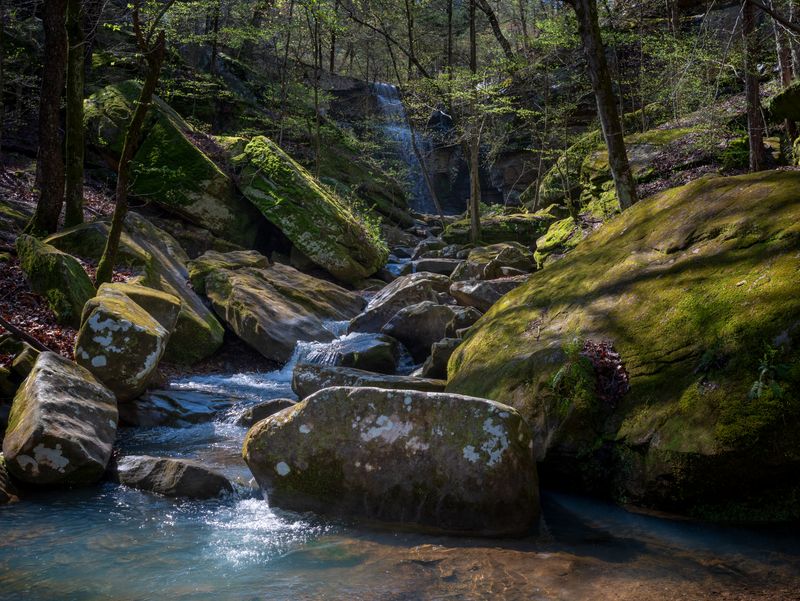
Burden Falls looks modest from the top, then shows you its true height tier by tier. After a good rain, the water staggers down the sandstone like a set of liquid stairs.
The surrounding wilderness feels less manicured and more raw, with leaf litter, downed logs, and the soft crumble of time underfoot. You hear the rush before you see it, and then the canyon opens and the sound becomes your whole attention.
It is wild in a just right way.
The approach road can be rough after storms, so check current conditions and drive cautiously. No fee here, and no services either, which keeps the mood simple.
Trails are informal and can be slick, so trekking poles are smart. The falls run strongest in late winter and spring.
Summer may shrink them to a whisper, but the rock textures alone are worth the walk.
Arrive early if you want to feel alone with it. Bring a paper map or offline app since reception fades out fast.
You may meet a salamander under a rock or a turkey tail mushroom fanned along a log. Stand near the spray and let the noise rinse your thoughts until you feel brand new.
High Knob Lookout And The Long View
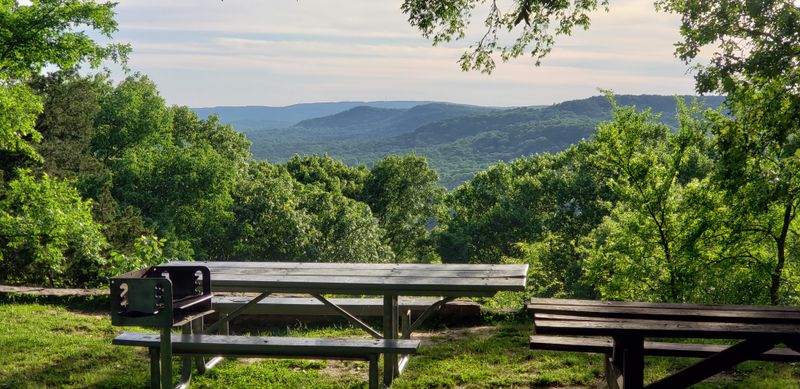
High Knob serves the kind of horizon that shrugs off whatever you carried in. The overlook rolls out mile after mile of ridges that stack like folded blankets.
In fall, the colors go electric, and even in winter the geometry of bare branches looks deliberate. A breeze threads the pines and the air smells faintly resin sweet.
It is the view you remember when you are back at your desk later, typing and wishing.
Access roads are gravel but usually passable for cars. Parking is available at the overlook area, with no fees and restrooms on site, though potable water is not available.
Trails in the area intersect with horse routes, so keep an eye out and share the path. Sunsets can draw a small crowd, but there is room for everyone to spread along the ridge.
If accessibility is a concern, some viewpoints sit close to the pull off, minimizing the walk.
Come for golden hour when shadows lengthen and the land wears depth like a new coat. Bring layers because the ridge catches wind.
Watch hawks surf the thermals while you count the valleys by color. It is the simplest magic: sky, forest, distance, and the steady hum of time.
Bell Smith’s Stone Arch And CCC Craft
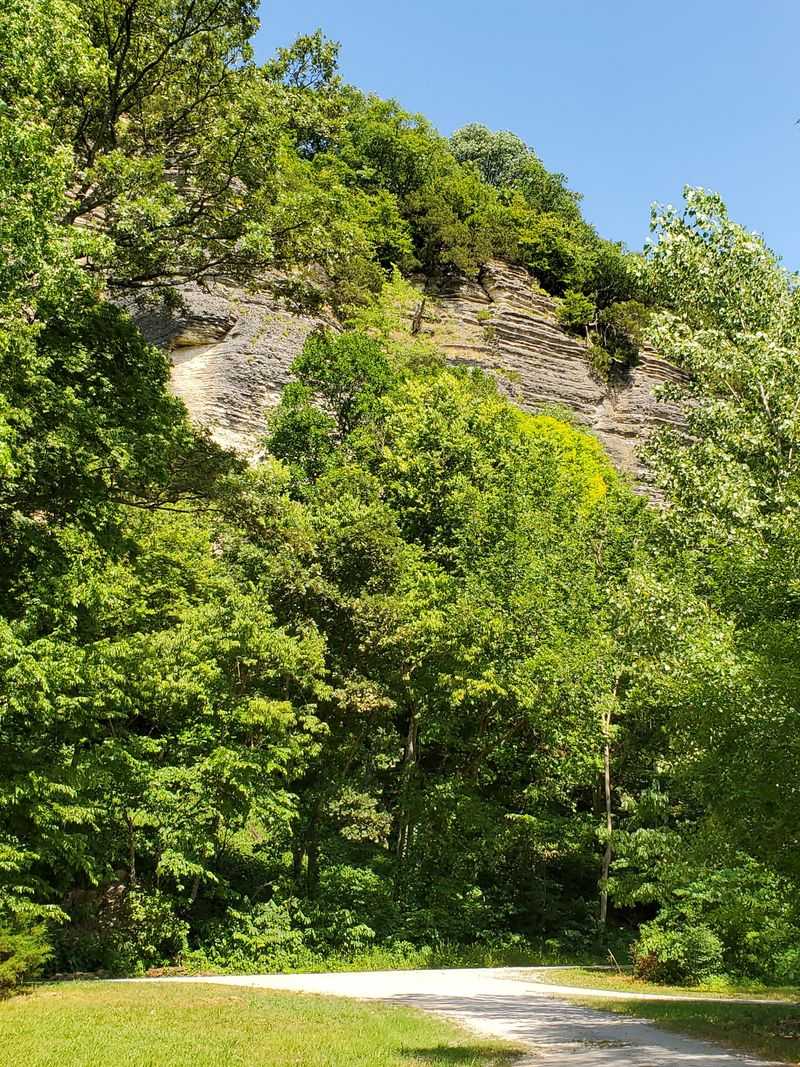
Look closer at Bell Smith Springs and you will see a handshake between nature and craft. The Civilian Conservation Corps left careful stonework here, stairs that hug the cliff and landings cut with patient hands.
The natural arch nearby frames the canopy like a picture window. Together, they tell a story of grit and public spirit from the 1930s, when hard times met hard work and made beauty.
Every step feels like a nod to those who built them.
If you are into history, this is your section to linger. Read the signs, study the chisel marks, and imagine the crews hauling rock by muscle and mule.
The paths are steep, so use the handrails where provided, especially after rain. Hours shift with daylight, and fees appear in peak season for day use.
Benches sit at sensible intervals, making it a workable climb for a wide range of visitors.
Bring a camera, but do not rush. Let your eyes follow the lines from cut stone to natural curve.
It is a small master class in how public lands carry human stories without loud plaques or lectures. The forest holds the memory gently, and you feel invited to take good care.
Hicks Dome To Herod: Geology Underfoot
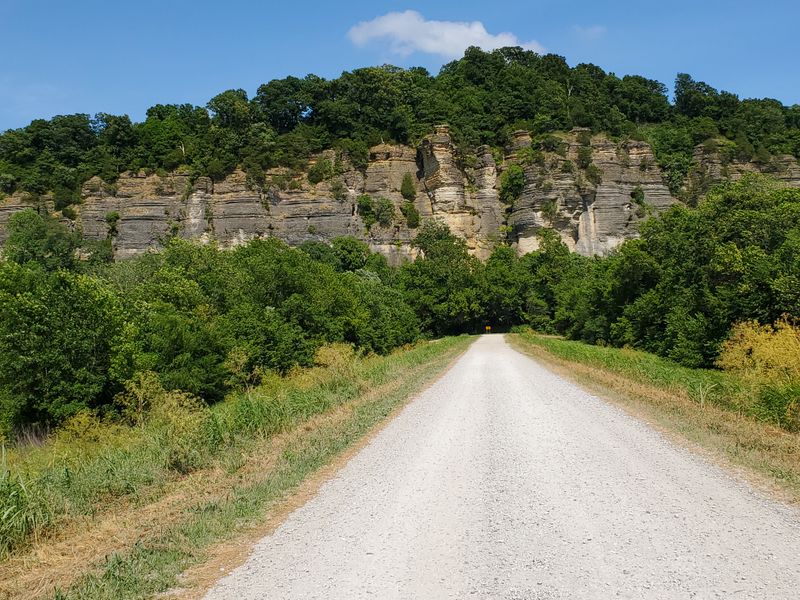
You do not have to be a geologist to feel the ground telling stories here. Around Herod, the land tilts and lifts in ways that hint at deep forces.
Sandstone caps sit like stubborn hats while softer layers erode away, leaving bluffs and balanced shapes. Nearby Hicks Dome whispers of ancient upheaval, still debated, but you see the ripple of that drama in the ridgelines.
Walking the trails becomes a kind of reading lesson in rock.
Interpretive context for the region’s geology appears at select trailheads and visitor points across Shawnee. If you want more, local ranger stations and visitor centers may offer geology materials when open.
Trails vary from easy loops to more scrambly sections, and good soles help you feel confident on angled slabs. The forest is open year-round with no overall entrance fee, though specific sites and facilities operate under posted day-use hours.
Visitor centers have seasonal hours, so call ahead if you want guidance.
Once you notice the patterns, you cannot unsee them. Rain outlines joints in the rock, frost pops out pebbles, and roots pry like slow, polite crowbars.
It is steady change, the kind that keeps a place looking ancient and new at the same time. Your footsteps become part of the long story.
Trail Etiquette, Seasons, And The Quiet Hours
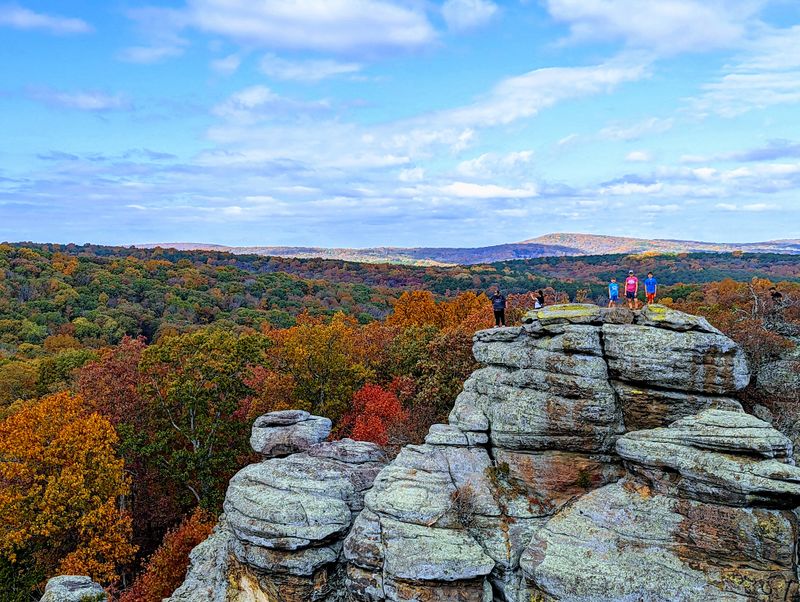
To really feel Shawnee, learn its tempo. Mornings belong to birds, and evenings to coyotes tuning up past the treeline.
Midday is for easy lunches on warm rock and shady naps. The forest is open daily during daylight, and while there is no gate counting you in, the sun serves as the best clock.
Shoulder seasons may close certain facilities, and storms can down branches fast. Give the land patience and it will reward you with calm.
Parking lots at popular trailheads fill quickly on sunny weekends. Carpool when you can, and pull fully off narrow roads to keep access clear.
Expect minimal cell reception. Carry water, pack out trash, and step lightly around muddy sections to avoid widening the path.
Horse and bike use varies by trail; follow posted signs and yield with a smile.
Winter brings ice on bluff ledges, spring brings gnats and wildflowers, summer brings shade and swimming, and fall brings the show. There is no bad season, only different moods.
If mobility is a concern, ask rangers about the flattest viewpoints and picnic spots. By keeping noise low and pace easy, you discover the greatest luxury here: genuine quiet.