
What A Meal At One Of South Carolina’s Oldest Oyster Houses Taught Me About Simple Food
Longevity is a bold thing in food. One of South Carolina’s oldest oyster houses didn’t last this long by reinventing itself.
It lasted by getting the basics right and refusing to let them go. Sitting there, I felt like I was attending a quiet history lesson, one served without footnotes or explanations. The kind that trusts you to pay attention.
This wasn’t nostalgia dressed up as dinner, and it wasn’t trying to feel timeless. It simply was.
Somewhere in that simplicity, the message landed: good food doesn’t need a storyline when it already has a past. What stayed with me wasn’t a single bite, but the realization that some places don’t chase the future.
They hold their ground, and teach you why that matters.
The Slow Walk That Set the Tone

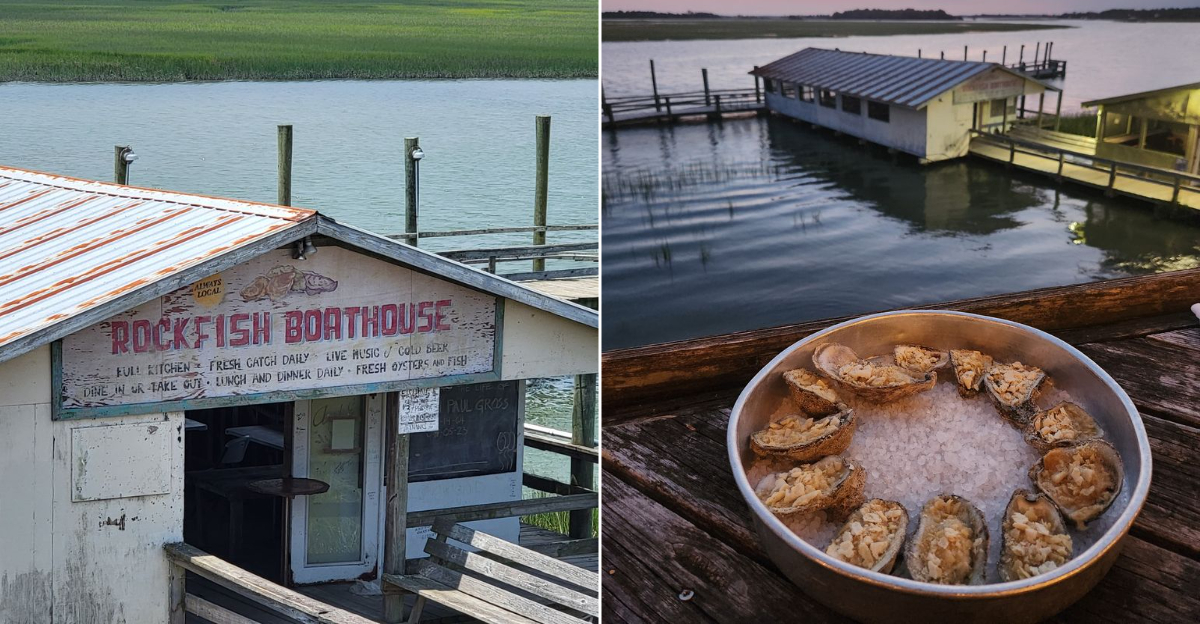
Some places don’t feel like a restaurant so much as a ritual you can walk into. Bowens Island Restaurant at 1870 Bowens Island Road, Charleston, South Carolina 29412, met me in sandy flip-flops, with an empty stomach and the same energy you bring to a classic movie marathon where every line is quotable.
I parked beneath a wash of birdsong and briny air, then followed the boardwalk like it had a secret to tell.
For once, directions felt poetic instead of practical. Every step out across the marsh made the world shrink to the creak of wood, the whisper of spartina, and my own appetite getting louder.
The building appeared almost shy, as if it had grown there, weathered and honest, instead of being delivered by blueprints. I paused and let my shoulders drop because the place asked me to, and saying no felt rude in a way that goes beyond manners.
Inside, the rhythm shifted from wind and water to clatter and sizzle, all of it stitched together by a smell that could make any skeptic lean in. Menus felt optional here, like training wheels you eventually forget, because the truth reveals itself in a short list and a hot grill.
I didn’t think about what was missing, only what was present, and that was wildly liberating.
Some restaurants perform, this one confided. The room was undecorated in the same way a good story doesn’t need adjectives it cannot defend.
I realized I wasn’t just hungry for food, I was hungry for a place that didn’t over-explain itself.
That first walk from car to counter rearranged the evening. My steps slowed, my senses sharpened, and somewhere between creak and sizzle I decided to trust whatever came next.
The lesson began before the first bite: simple is not smaller, it is clearer, and clarity tastes like home when you finally notice it.
Hushpuppies That Broke My Rules
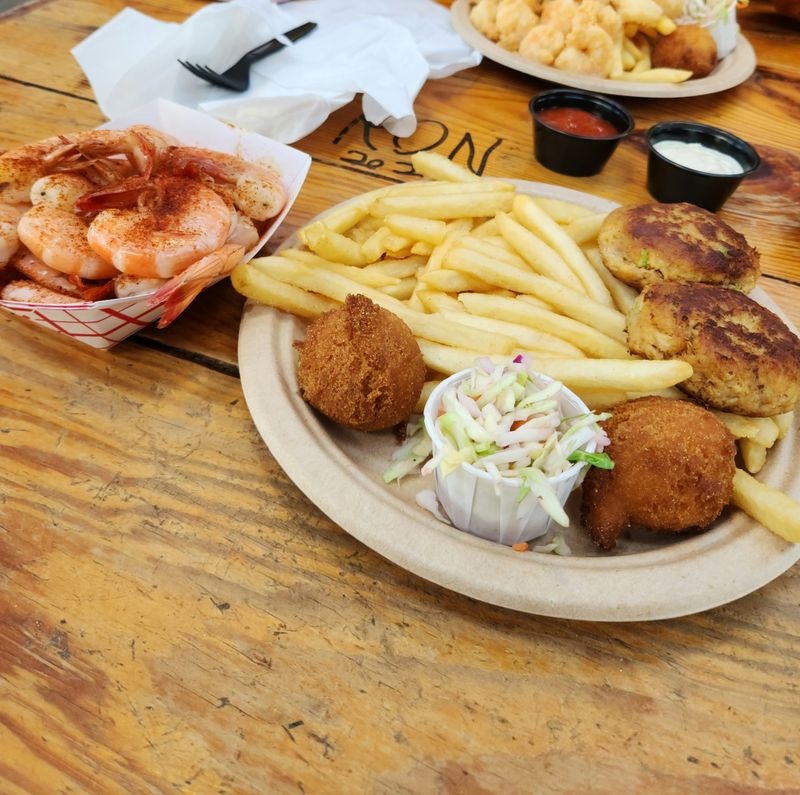
Hushpuppies usually play backup, but here they stepped forward like a scene-stealer who knows every line. The basket hit the table and released a toasty corn perfume that felt like fairgrounds and family reunions stitched together.
I tore one open and watched the steam braid itself into the salt air, a tiny weather event worth pausing for.
The crust snapped, cheerful and decisive, then gave way to a tender middle that tasted like corn remembered properly. No syrupy gimmicks, no complicated dips, just a confidence that butter and heat could do the talking.
They felt engineered for fingers, not ceremony, and my napkin wore the truth of that decision.
I tried to analyze the crumb the way overthinkers do, but the bite refused my dissertation. There was a light sweetness, more memory than sugar, and a pepper whisper that nudged without nagging.
Texture carried the melody while flavor kept steady time, a kitchen duet that plays better unscripted.
Halfway through the basket, I realized I had slowed down without telling myself to. Simple food rides its own pace, and these hushpuppies insisted on porch-speed even at a utilitarian table.
The absence of frills made space for seconds, which I accepted with the kind of gratitude that requires no speech.
By the end, my rules about sides and stars had collapsed like sandcastles at high tide. I didn’t want reinvention, I wanted intention, and that’s exactly what I got in every crisp, warm bite.
If you think simplicity is the easy way out, try counting how many flavors you don’t miss when the corn is this sure of itself.
Roasted Oysters, Zero Complication
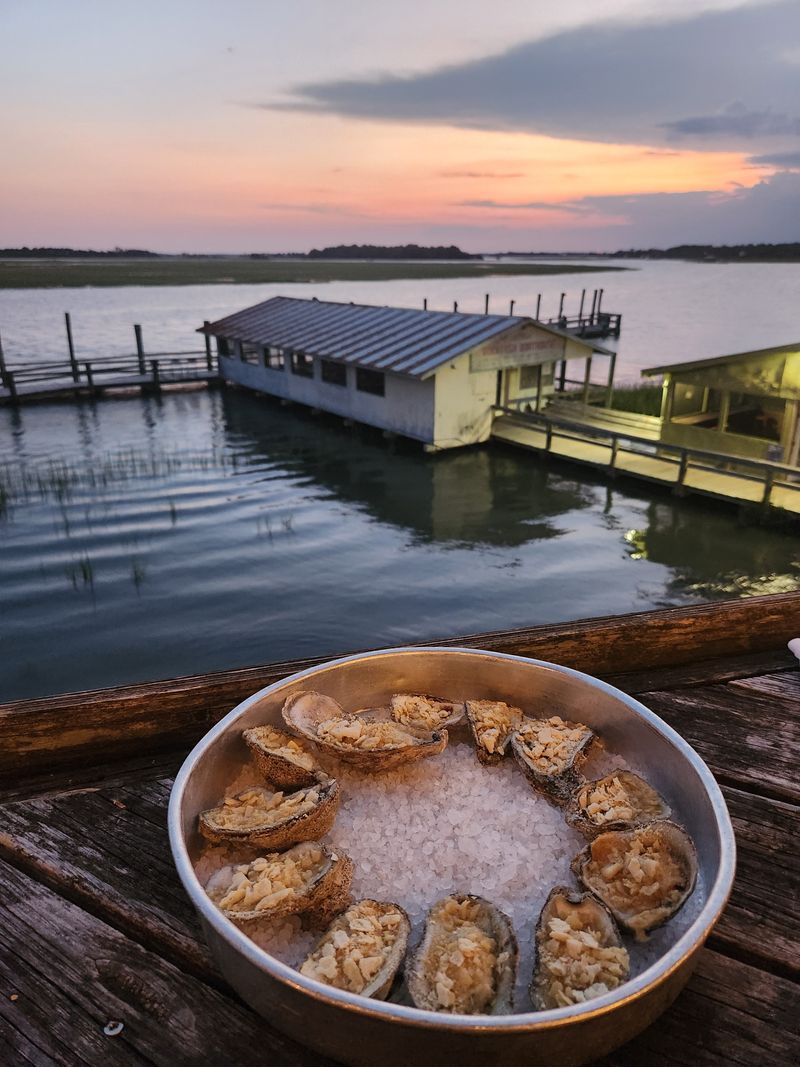
The oyster roast didn’t look precious, and that was its power. Coals glowed, shells clattered, and steam rose the way a song climbs a chorus without trying.
I pried one open, and the hinge gave like a door I’d been knocking on my whole life. No elaborate sauce introduced it, just a lick of heat and a saltwater memory that the oyster had carried from creek to tray.
The edges were browned and tender, the center like a tidepool at noon, and the flavor didn’t wander or apologize.
An oyster knife and a glove were all the gear I needed, the way a good story needs only a single voice and a pause. I tried a drop of lemon because curiosity insists, then went back to nothing at all because sometimes clarity wins the debate.
The roast taught me restraint better than any cookbook paragraph ever could.
Watching the crew work the pit, I noticed there was almost no speech, just rhythm: lift, steam, open, repeat. It wasn’t rustic as a theme; it was practical as oxygen.
Every motion served one goal, and the result was a flavor that didn’t lose itself to garnish.
Simple food doesn’t hide, it reveals. Those shells clicked like punctuation, reminding me that sentences end for a reason.
By the time I set down the knife, I felt like I’d been given a compass, and all it pointed to was less fuss, more truth, and heat exactly where it belongs.
The View That Seasons Everything
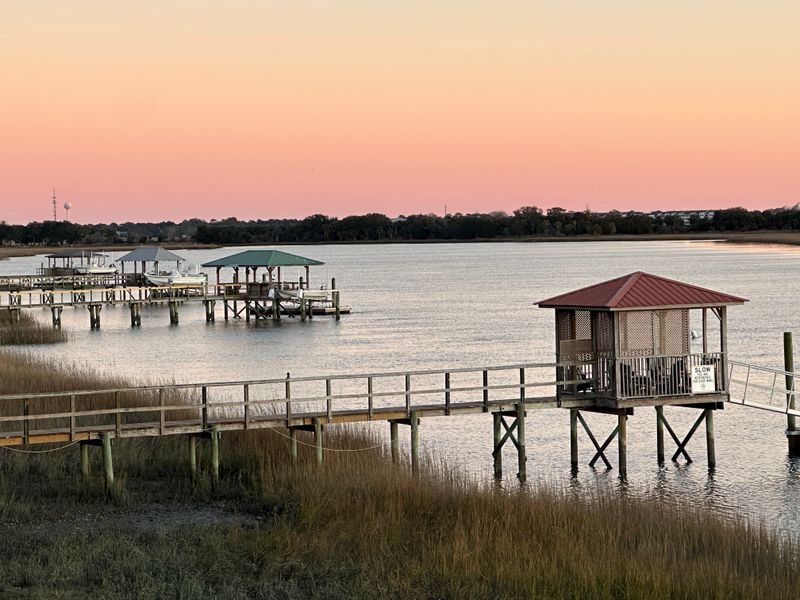
The deck looked built for exhaling, with rails that had learned the shape of elbows and a horizon that kept its promises.
Marsh grass shifted like a low chorus, and the water made a mirror out of the sky’s last bravado. I didn’t talk much, mostly because the view carried the conversation better than I could.
Sunset rolled in, casual and cinematic, and the light put a soft edge on everything metal or loud. Boats stitched lines across the creek, then disappeared as if the scene had swallowed them in a friendly way.
Standing there with oyster hands and a paper plate, I felt overdressed by my own thoughts.
Some places ask you to look inward, but this one taught me to look outward until inward made more sense. The wind flipped a napkin that wasn’t mine, and the smell of salt gave me both appetite and counsel.
Food here wasn’t bound by a plate, it was porous, like the tide finding every pocket of shore.
I realized the seasoning started long before salt hit shell or heat met metal. The view adjusted my expectations the way a deep breath resets a stubborn mood.
When a place gives you that, it’s unkind to rush the next bite.
I left the railing feeling taller in a way that wasn’t about inches. The meal tasted clearer after the sky dimmed, like someone turned down the background noise and let the melody shine.
If scenery can be an ingredient, this marsh writes the recipe in the language of light and patience.
Fried Shrimp, Straight Talk
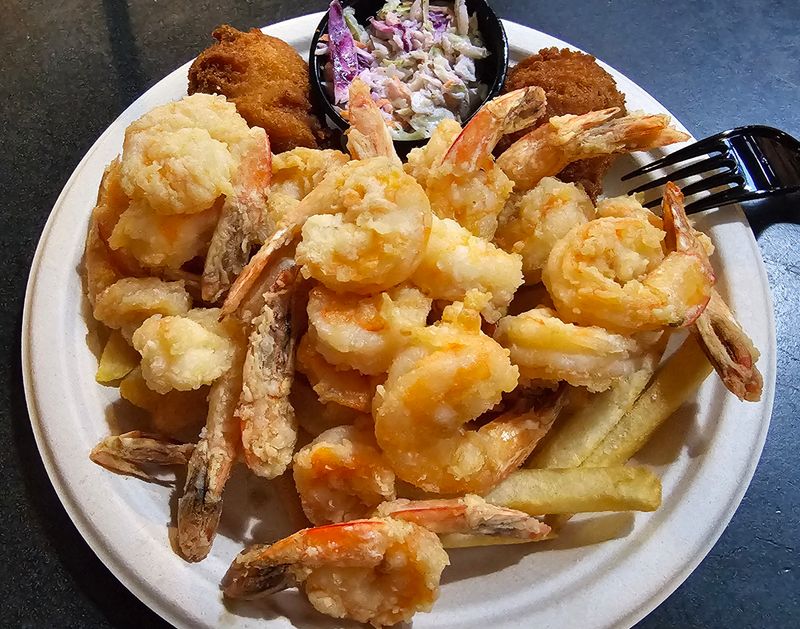
The fried shrimp arrived without theatrics, just a paper tray that looked like it had a job and meant to do it. Each piece had that tight, craggy coat you pray for, a kind of edible armor that still respected the delicate inside.
I squeezed lemon, watched the shine run, and took a bite that landed clean and certain.
There was no mystery spice parade, just a calm handshake between sweet shrimp and seasoned crunch. The oil tasted fresh, the timing precise, and the texture refused sogginess with quiet discipline.
A scoop of slaw on the side didn’t compete, it reset the stage with coolness and a little snap.
Eating them felt like walking a familiar path you forgot you loved because someone paved every trail in glitter. I didn’t want surprise, I wanted sincerity, and that’s exactly what met me at the crosswalk of salt and heat.
The portion didn’t grandstand, it fit, the way good shoes fit without needing to be explained.
Halfway through, I caught myself nodding to no one, the universal gesture of yes, this is right.
The rhythm of bite, lemon, slaw turned into a pocket metronome that aligned my mood. I respect a kitchen that trusts shrimp to be shrimp and refuses the costume rack.
When the tray was empty, I felt neither heavy nor teased, just satisfied like a well-made sentence with a period instead of eight exclamation points. If you’ve been collecting complicated sauces like souvenirs, this is your gentle invitation to travel lighter.
The message is clear and repeatable: keep the batter honest, keep the oil lively, and let the shrimp finish the sentence.
Memory, Not Marketing
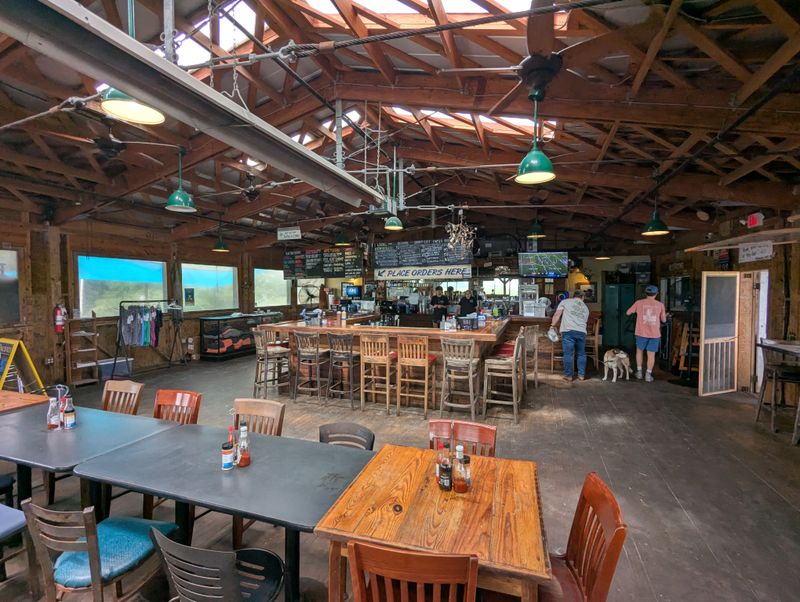
Inside, a wall layered with scribbles, dates, and doodles reminded me that memory can be the best decor. Messages overlapped like tides, each one adding texture without begging for applause.
Instead of polished art, there was proof that people had stood here, eaten here, and felt moved enough to leave a breadcrumb of themselves.
I traced a few lines with my eyes and let the collage tell me more about the place than a brochure ever could. There were hearts, boats, nicknames, triumphs, and the occasional mystery that felt better unsolved.
It read like a chorus where every voice kept its accent, and somehow the harmony held.
Restaurants often try to curate feeling, but curation can sand off the fingerprints. Here the fingerprints remained, inked into wood that wore them like proud wrinkles.
The room gained depth without adding things, the way a song gains bass when you lean in closer.
I didn’t write anything because the night had already claimed me in a quieter way. But I considered what I might have said if the pen found my hand at the right moment.
Maybe something about heat, tide, and appetite aligning like constellations you only see when the lights go out.
Walking away, I realized the wall was not a marketing plan, it was a weather report for the human appetite. We come, we eat, we feel, we leave marks that outlast the steam.
Simple food made that possible because clarity invites honesty, and honesty leaves ink where it matters.
The Souvenir I Didn’t Expect
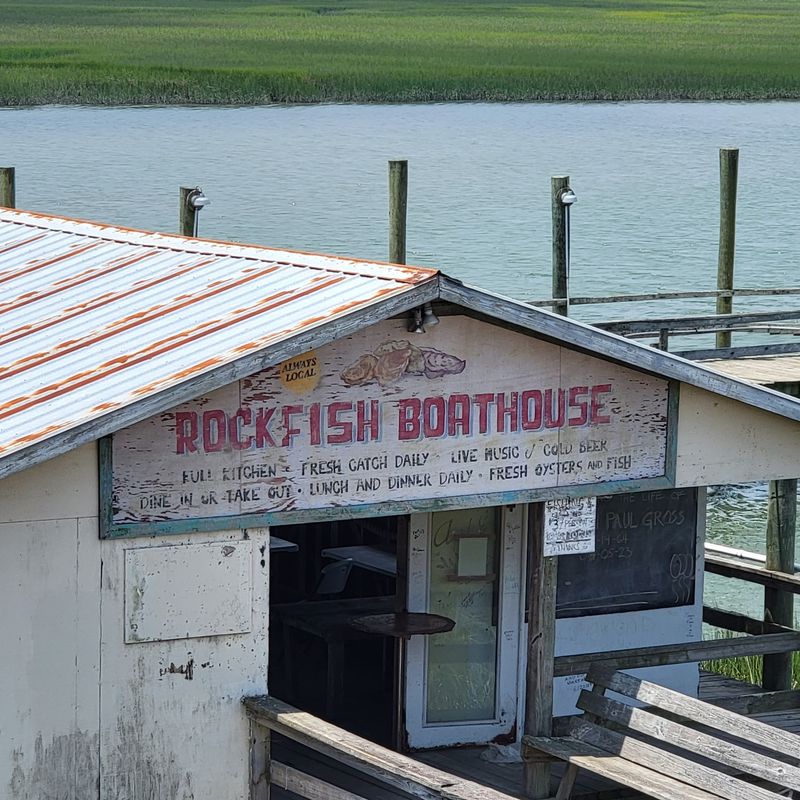
When I stepped back onto South Carolina boardwalk, the night had gone velvet and the tide hummed like a low lullaby. The building glowed like a lantern that didn’t mind the moths, and my pockets felt lighter in a way that didn’t involve coins.
I had arrived hungry for a fix, I left holding a filter.
All evening, the food said less and meant more. Oysters, hushpuppies, shrimp, and grits formed a syllabus on clarity, and I realized I’d enrolled without noticing.
Heat, salt, time, patience: the core quartet played without solos, and somehow the song sounded bigger.
I thought about how often I look for sparkle before checking for spine. Here, the spine stood plain as driftwood and proved it can hold a feast.
It isn’t that I fell out of love with invention, I just recalibrated how much it needs to say to be worth hearing.
As the air cooled, I promised myself to salt with intention and garnish only when the plate asked politely. The marsh didn’t argue, it never does.
It simply mirrored the moon and let the crickets keep time for anyone still deciding.
By the time I reached the car, I understood the souvenir: subtraction. Not austerity, not boredom, just the brave kind of less that reveals what you came for.
If that sounds like a small lesson, try tasting your next meal without excuses and see how big the flavor gets.