
This Illinois Historic Village Feels Like Stepping Into The 1800s
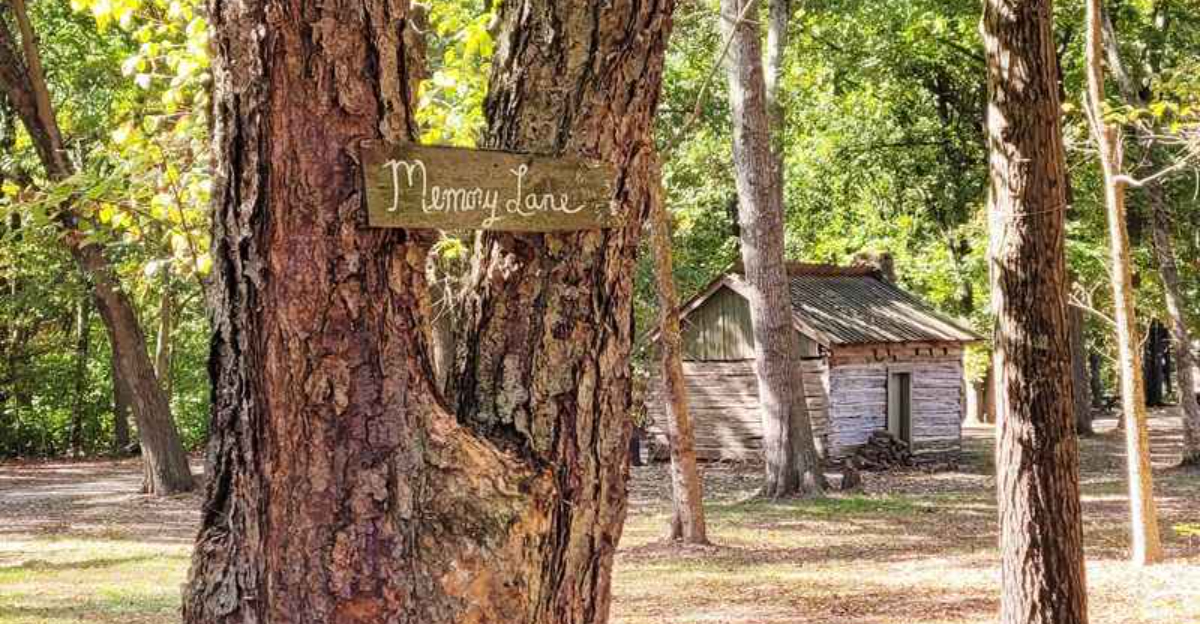
In the quiet woods of Illinois, there’s a place where the modern world seems to vanish the moment you step through the gate. Here, a cluster of hand-hewn cabins stand as living testaments to the past, each one telling a story of pioneer life with every log, notch, and tool mark.
The scent of wood smoke and the sight of split rails make it easy to forget the present as you wander from cabin to cabin, each one carefully restored and filled with echoes of a bygone era.
What sets this place apart isn’t just its charm, but the way history is preserved with passion and perseverance, each building saved by the hands of locals who believe in the power of keeping the past alive.
For anyone even slightly curious about how people once lived, this village will draw you in and spark something deep within.
A Living Village Rescued Log By Log
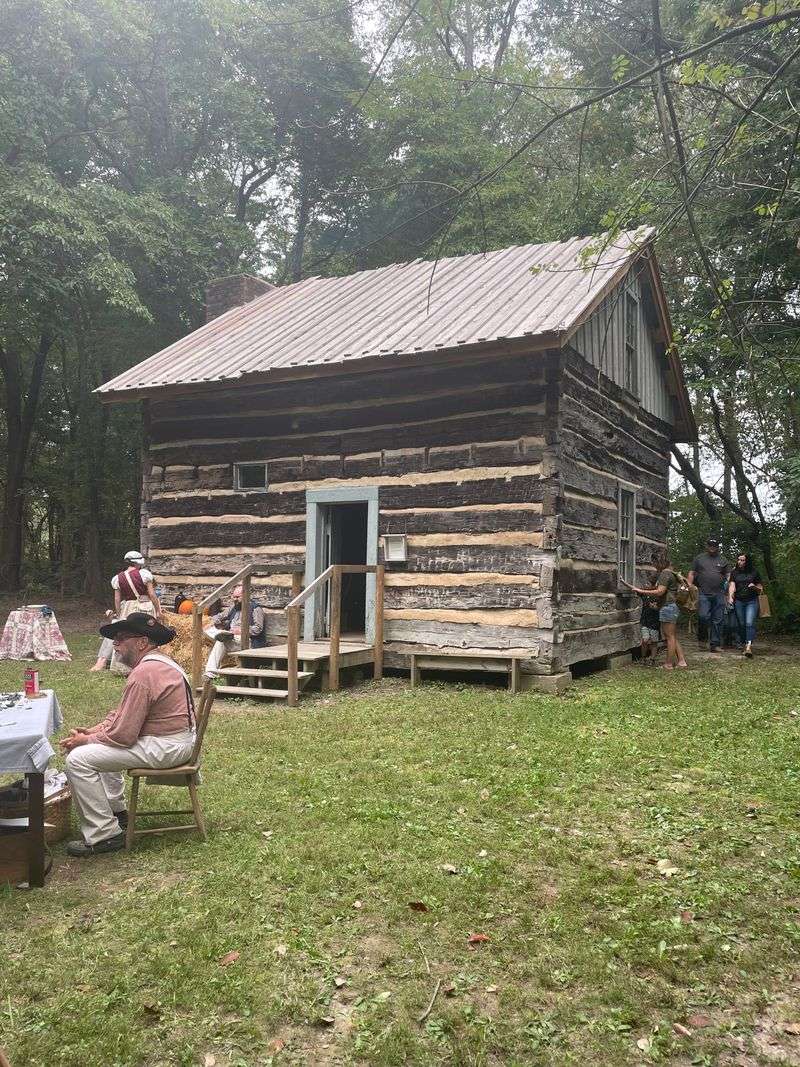
As you pass through the gate, something shifts in the air. These cabins weren’t originally built on this patch of ground.
They were rescued from farms and rural homesteads across southern Illinois, taken apart log by log, labeled, and rebuilt with patience and care.
Look closely and the past reveals itself in the details, hand-cut dovetail joints, tool marks worn smooth by time, chinking pressed between logs to keep winter winds at bay. A volunteer might point to a hearth and share who once cooked there, or explain how neighbors gathered to raise walls before bad weather rolled in.
Nothing feels staged or polished. The wood is weathered, the iron hardware heavy, the paths rough underfoot.
Moving between cabins, the blacksmith shop, and the schoolhouse feels less like touring and more like wandering through preserved memory at Kinmundy Log Cabin Village.
Where It Sits And How It Feels
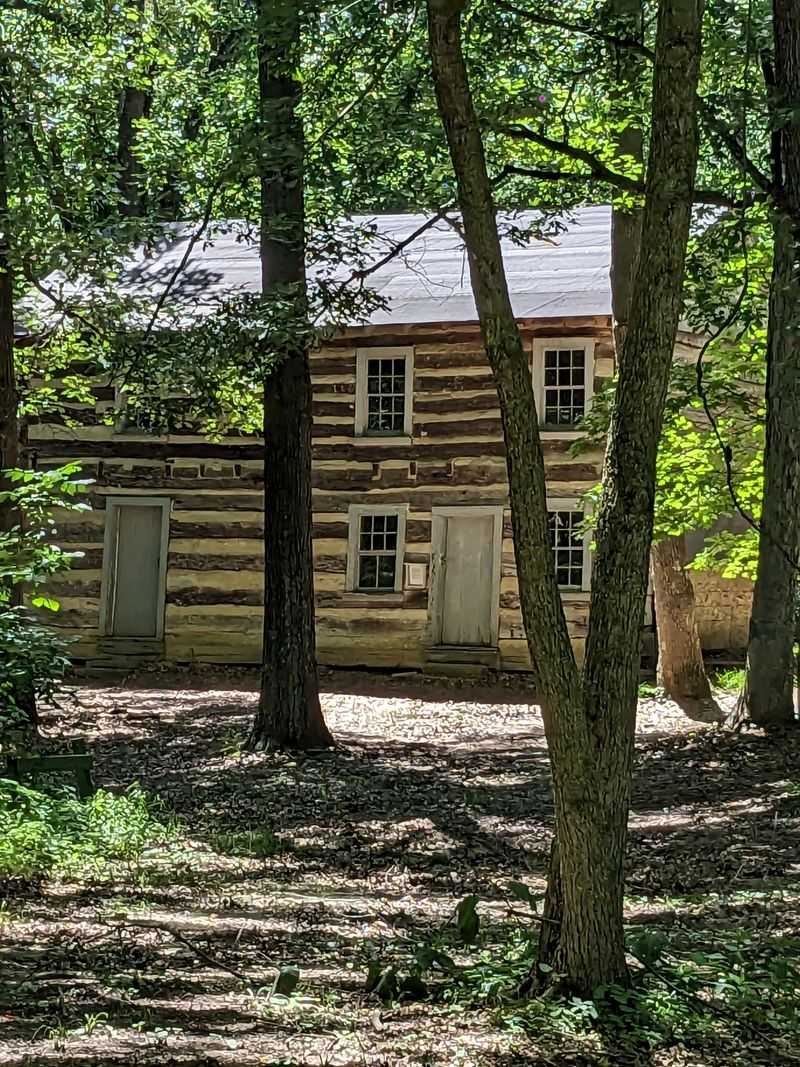
Kinmundy Log Cabin Village hides in a pocket of woods off Gesell Road, just north of town. Oaks break the wind, and the air carries a faint scent of leaves, earth, and wood smoke during events.
Gravel crunches, birds chatter, and your phone suddenly seems unnecessary.
The village unfolds slowly, not in a straight line but in curves and turns like an old wagon path. That meandering layout adds to the wonder.
There is always another porch, another small doorway with a hand forged latch, another surprise tucked under shade.
It feels intimate and personal. The cabins are close enough to study the tool marks, yet spaced with room for conversation.
You can linger without pressure and listen to the breeze slap softly against shingle roofs. On warm days, the forest feels like a green tent around you.
On cool days, the place breathes history with every exhale.
Twelve Cabins And Counting
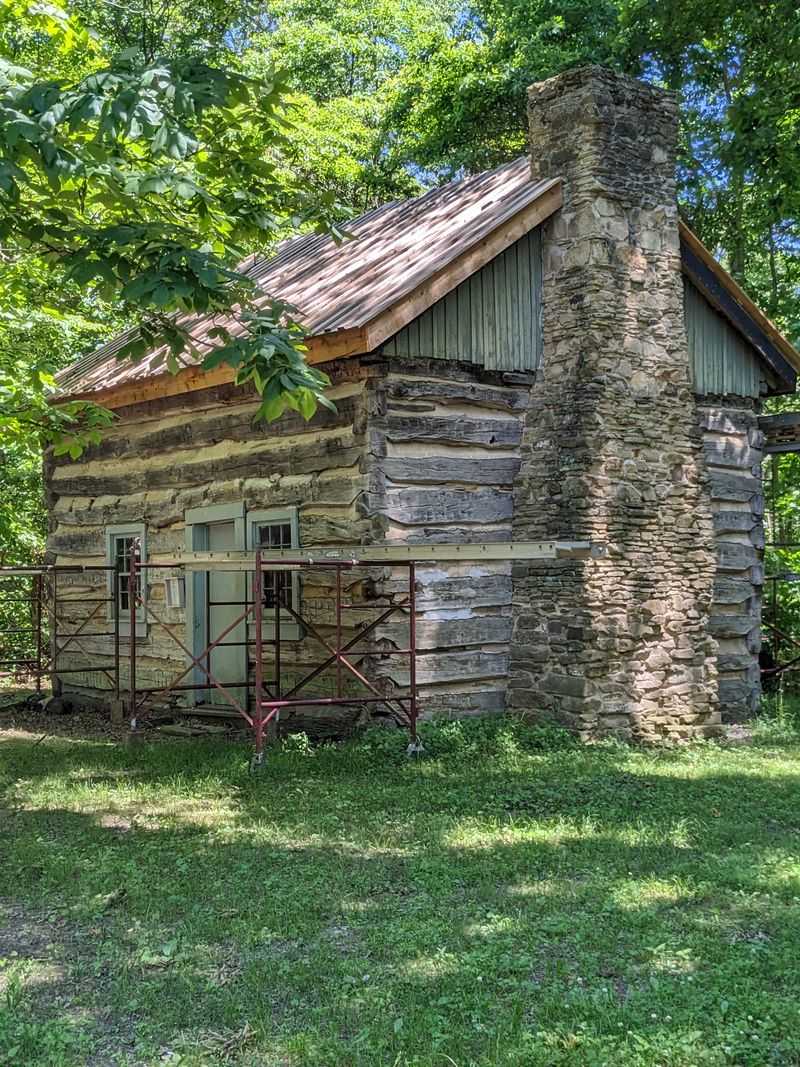
Reviews mention a dozen cabins standing, with more in stages of restoration. That number can change as new structures arrive, so think of the village as a growing museum.
Each cabin has a personality, from small one room homes to larger dwellings with sleeping lofts and stone chimneys.
You notice differences in log size, tool work, and building styles. Some use square hewn timbers with tight dovetail corners.
Others show rounder logs with saddle notches, a reminder that frontier building was about resources on hand and the neighbor who could lend an axe.
Walking inside is the magic. Sunlight stripes the floors through chinks, and the air smells faintly resinous.
Interpreters sometimes stand by the hearth describing who lived here and what a day sounded like when every chore had a rhythm. The variety keeps you moving.
One minute a spinning wheel hums, the next, iron clinks at a forge.
Festival Energy In September
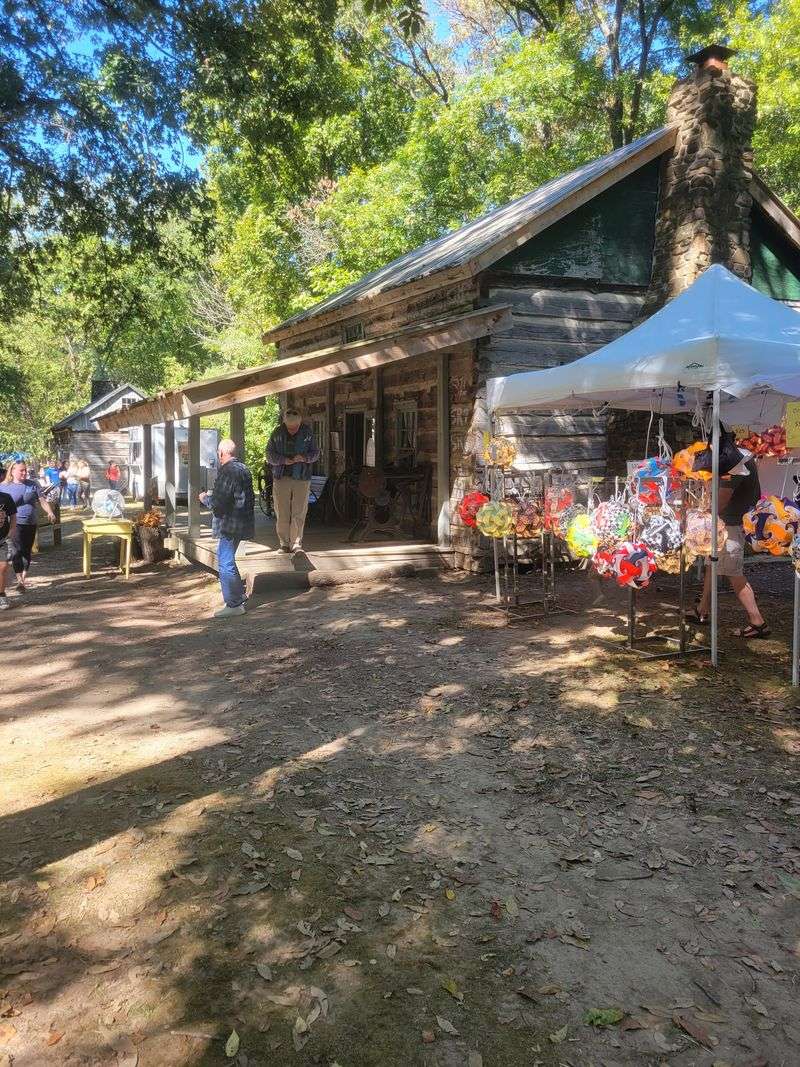
If you want the village at full volume, come during the fall festival, often the last two full weekends in September. Reviews rave about vendors, crafts, pony rides, rope making, and folks in historic clothing ready with stories.
The smells alone may get you first: kettle corn, wood smoke, and something hot on a griddle.
Expect a crowd and a friendly pace. People drift from booth to booth, then into cabins for demonstrations.
Kids lean in close while a blacksmith hammers, and someone explains how rope twists tighter as it lengthens. It is hands on without feeling staged, more like neighbors sharing skills they practice year round.
Bring cash, as several visitors noted vendors and tickets can be cash only, though an ATM sometimes sits on site. Shade helps on hot days, but September heat can still bite, so water and hats matter.
You will leave dusty, happy, and slightly time drunk in the best way.
Hands On History You Can Feel
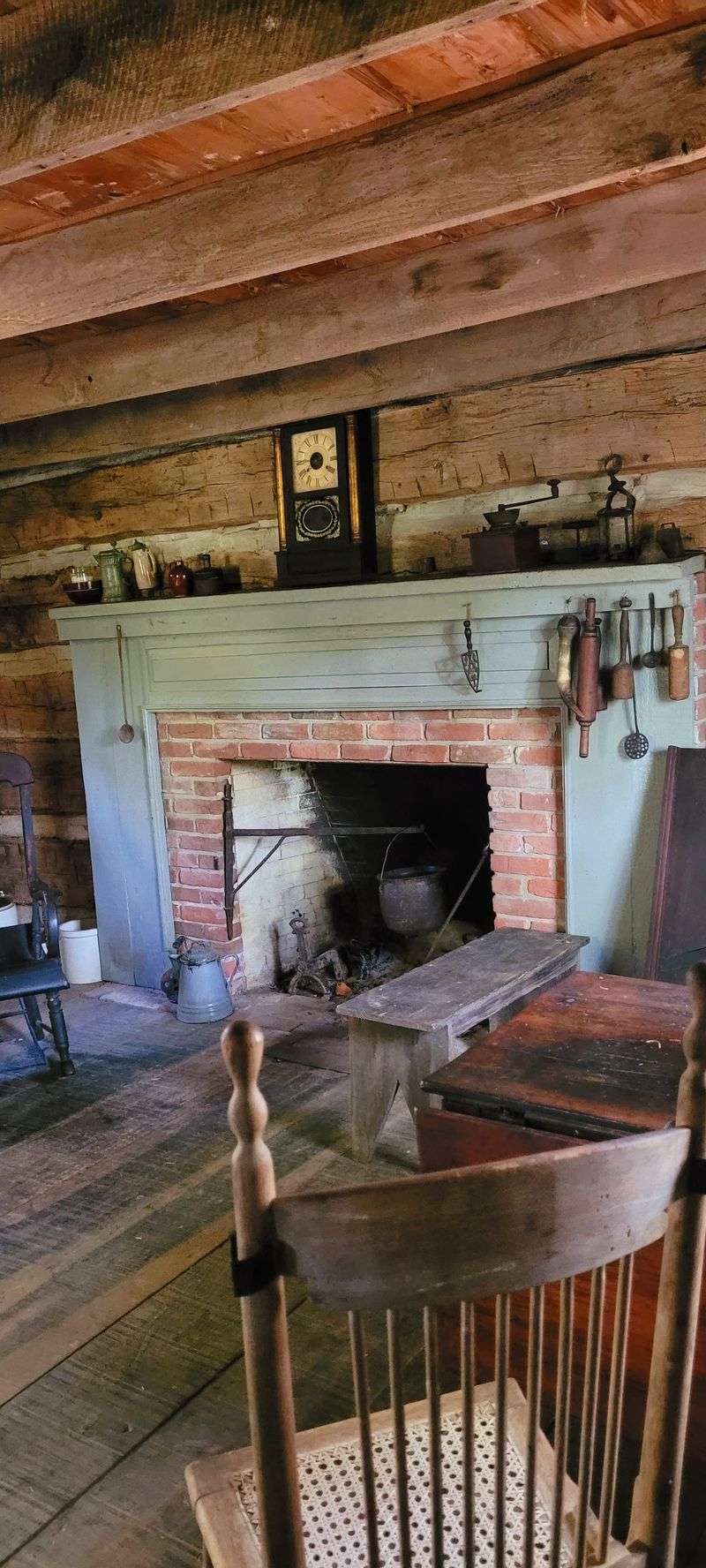
The best part is how physical everything is. You feel the rasp of twine when you try rope making.
The anvil rings in your chest when a smith’s hammer lands and throws sparks. A spinning wheel sighs like a cat settling, and your fingers itch to try carding wool.
Inside a cabin, a docent might hand you a wooden mallet or let you smell a bundle of herbs hanging from a beam. These are simple moments, but they pull you straight across centuries.
You stand where real families measured days by chores and seasons, not screens and pings.
Photography is welcome from public areas, and windows frame excellent interior shots when buildings are closed. Ask before touching antiques and follow guidance from staff.
Everyone treats the place with care, because that is how the village survives. The more you engage, the more it gives back.
Stories Saved By Volunteers
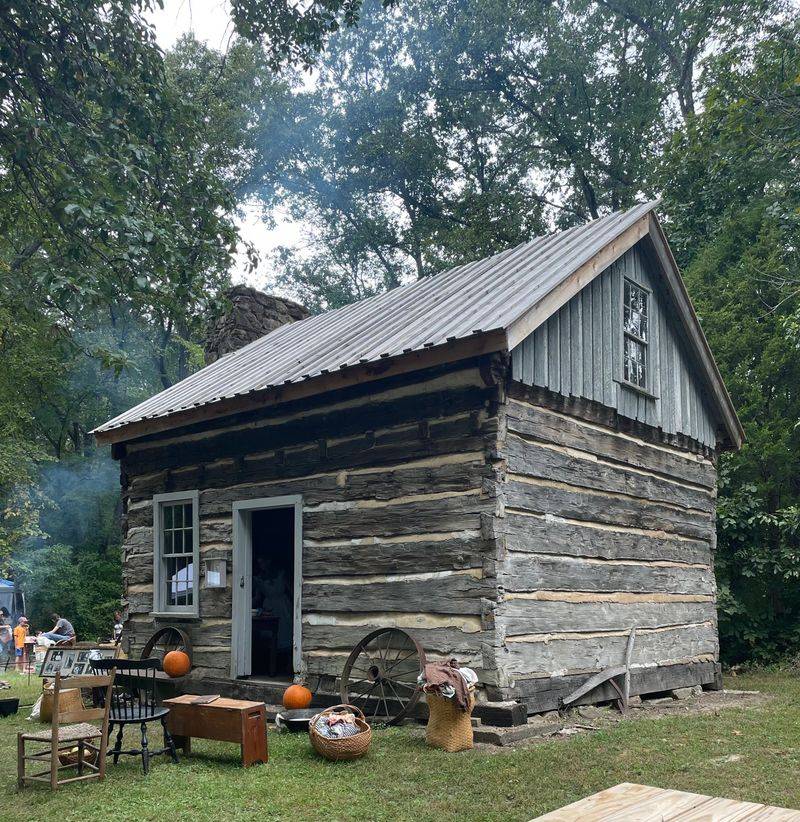
This entire village exists because locals refused to let cabins vanish. Volunteers and caretakers rescue buildings slated for demolition, disassemble them, tag each log, then rebuild here with patience and grit.
You can hear that pride in conversations along the path. Someone will point at a notch and tell you which weekend they set that beam.
It is a nonprofit effort, fueled by donations, festival tickets, and a lot of sweat. The work is painstaking.
Weather ages wood. Foundations need shoring.
Chinking cracks and must be renewed. Every winter, lists of repairs grow, and every spring, people show up to tackle them together.
That community heartbeat is contagious. You feel it when a caretaker takes time to answer a child’s hundredth question.
You feel it when someone thanks you for visiting because your ticket helps keep lights on and tools sharp. Gratitude lives here, right beside stubborn hope and a stack of replacement shingles.
Tips For Visiting Smoothly
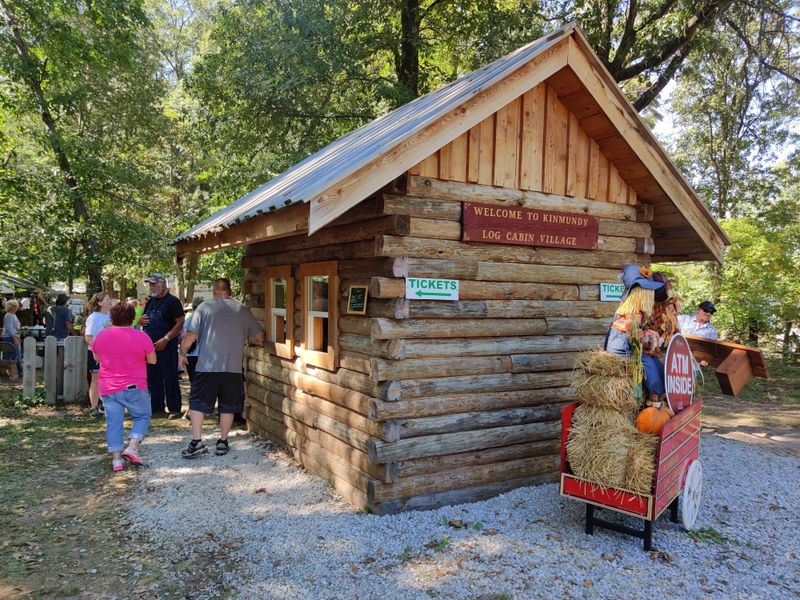
Hours vary by season and events, so check the official website or call ahead before you drive. The fall festival is the sure bet for open buildings and demonstrations.
Outside of big weekends, tours may be by arrangement, and some cabins might be viewable only from outside. Flexibility is your friend here.
Parking is on site near the entrance with overflow during events. Paths are mostly packed gravel and dirt with a few gentle inclines.
Strollers handle it, though narrow thresholds and steps into cabins can be tricky. Wear comfortable shoes you do not mind dusting off afterward.
Admission during festivals has been reported around a few dollars, cited by one reviewer at five dollars for a past year. Expect approximate prices and bring cash just in case.
Restrooms are available and described by visitors as notably clean. Plan extra time to wander and read signs.
This is not a sprint. Let the place set the pace, and you will see more.
Architecture In The Details
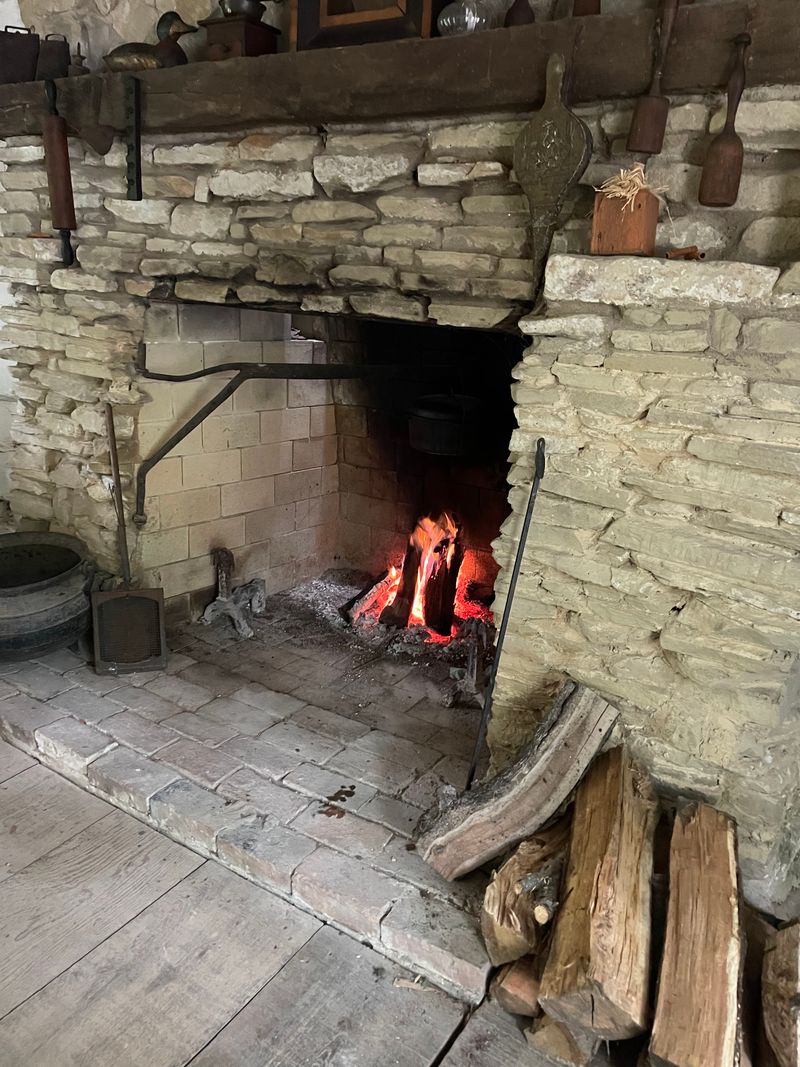
The architecture here rewards slow looking. Dovetail corners fit with puzzle piece precision.
Chinking lines are thick, mixed from materials that once included clay, lime, straw, or modern substitutes. Door latches show blacksmith muscle in every curve.
Wavy window glass bends sunlight into ripples across plank floors.
Roofs wear weather like a badge, some with wood shingles silvered by time. Stone chimneys rise broad and sturdy, built from fieldrock that kept families warm.
Floors creak with honest age. You notice how low the ceilings feel and realize winter heat was precious and had to be trapped.
Interpretive signs help, but your eyes do most of the learning. Compare the log profiles from cabin to cabin and imagine the trees that became them.
The rooms are small, which makes conversations feel close and personal. A bench, a hearth, a single candle stand sharpens your sense of what mattered.
Kid Friendly Without Feeling Kiddish
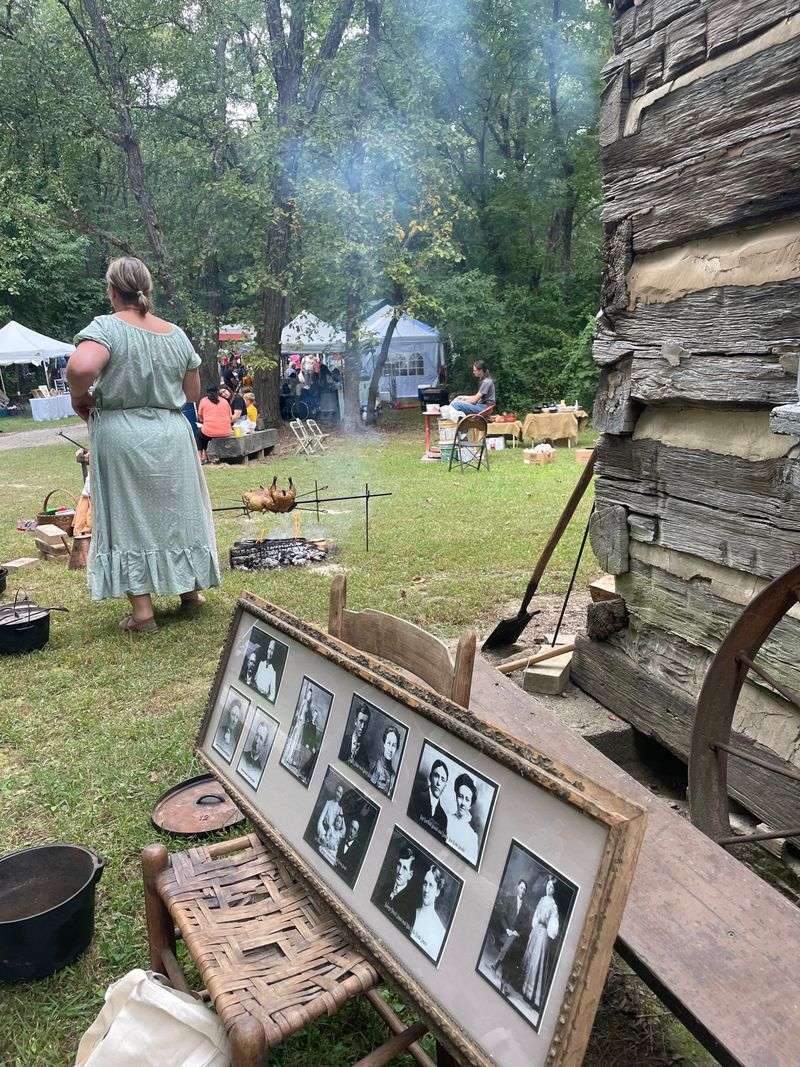
Bringing kids is a good idea. The scale of the cabins puts history at eye level, and activities during events earn real attention.
Pony rides, face painting, and rope making crop up in reviews, but the biggest win is how approachable the interpreters are. They answer questions straight and keep it lively.
There is space to run, but it is contained and safe with clear paths. You can set simple goals like count the chimneys or find the biggest stone hearth.
Snacks and water help on warm days, and shade makes breaks easy. Kettle corn becomes a minor tradition fast.
Some cabins can be tight for strollers, and thresholds or steps need a hand. If your crew moves better in the morning, arrive early before the festival crowds thicken.
Let kids take photos through windows and make their own scavenger lists. History sticks better when they discover it themselves.
Seasonal Surprises And Special Events
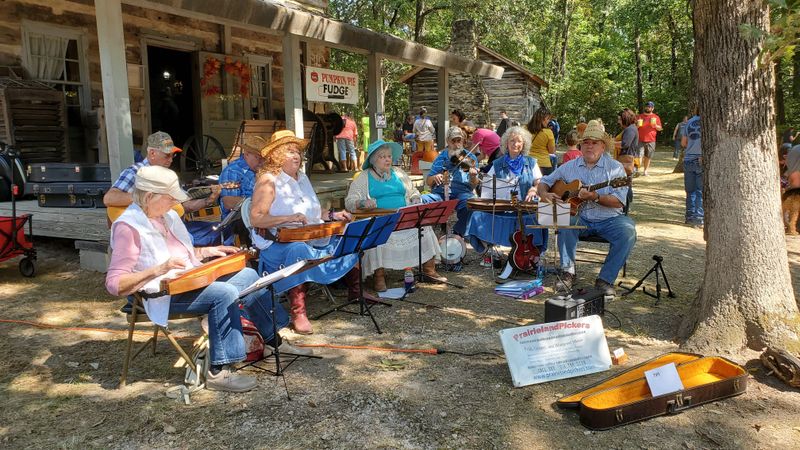
Beyond the September festival, the village occasionally hosts special events that change the mood completely. One reviewer loved the haunted village experience, noting it was fun and well done but advised caution for uneven footing in the dark.
That sums it up: thrilling, atmospheric, and still grounded in care for visitors.
Even when events are not running, school groups and private tours sometimes bring the site to life on weekdays. Calling ahead is smart if you are traveling out of season.
The calendar shifts with volunteer availability and weather, so stay flexible and check the website or phone number before planning a long drive.
Each season paints the cabins differently. Spring smells new and damp.
Summer buzzes with cicadas. Fall owns the show with color and campfire air.
Winter can be stark and lovely when snow dusts the rails. No matter when you come, the village gives you a different story.