
This Mysterious 1-Mile Trail Leads To A Haunting 19th-Century Ghost Town In Michigan
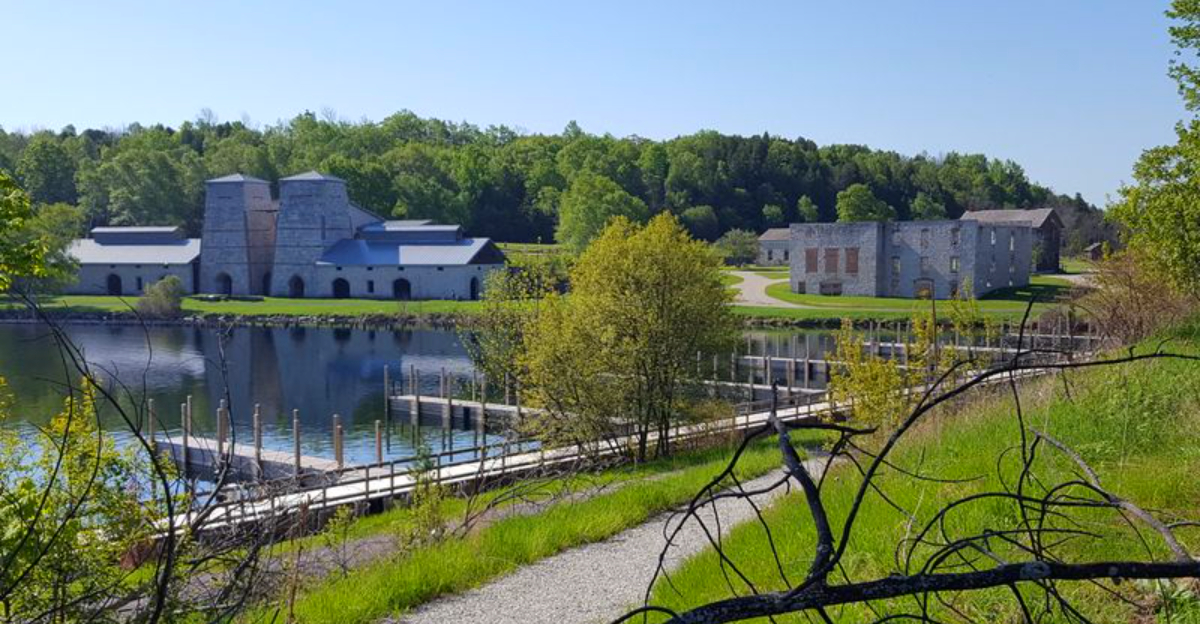
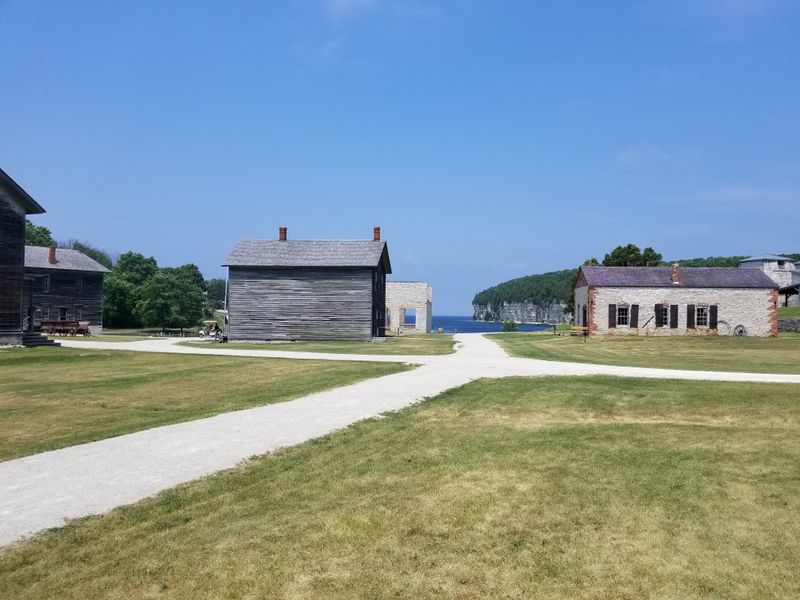
There is a moment on that narrow mile of trail where the cedar shade swallows the light, and for a second, the world goes silent. Then, the trees part, and the harbor opens up like a beautiful, bone-white stage set against a Lake Michigan so turquoise it looks like a bruise.
Walking the boardwalks feels like a trespass, the buildings, with their hollowed-out windows and sun-bleached stones, stare back at you with a heavy, gaze. This hauntingly preserved ghost town is Michigan’s most poetic historic site, offering the best limestone cliffs and eerie ruins for those seeking a deep connection to the past.
I’ve always been drawn to places that feel like they’re holding their breath, and here, it feels as if the entire town just stepped around a corner a hundred years ago. There is a shiver of recognition in the silence, a reminder of how quickly nature reclaims our iron-rich ambitions. If you’re ready to see what the stillness is hiding, keep walking with me.
Start At The Visitor Center Scale Model
The best orientation sits right inside the visitor center, where a meticulous scale model maps out the 1880s street grid and working harbor. Seeing blast furnaces, charcoal kilns, and company housing in miniature makes distances click. You can imagine footfalls between the hotel and the machine shop.
Staff answer questions with clarity, and placards summarize the smelting process without jargon. I like noting sightlines on the model, then matching them outdoors minutes later. Arrive near opening hours to avoid crowds and to secure trail maps.
Parking may be under improvement seasonally, so give yourself extra minutes. A Michigan Recreation Passport or day pass is required. Restrooms are spotless, and the gift shop stocks simple snacks and helpful books.
A Glimpse Into The Past On The Garden Peninsula
To reach the Fayette Historic Townsite at 4785 II Rd, Garden, MI 49835, you will travel deep into the scenic Garden Peninsula in the Upper Peninsula. From US-2, turn south onto M-183 near the town of Garden. You will follow M-183 for roughly 16 miles as it winds through rolling farmland and coastal scenery.
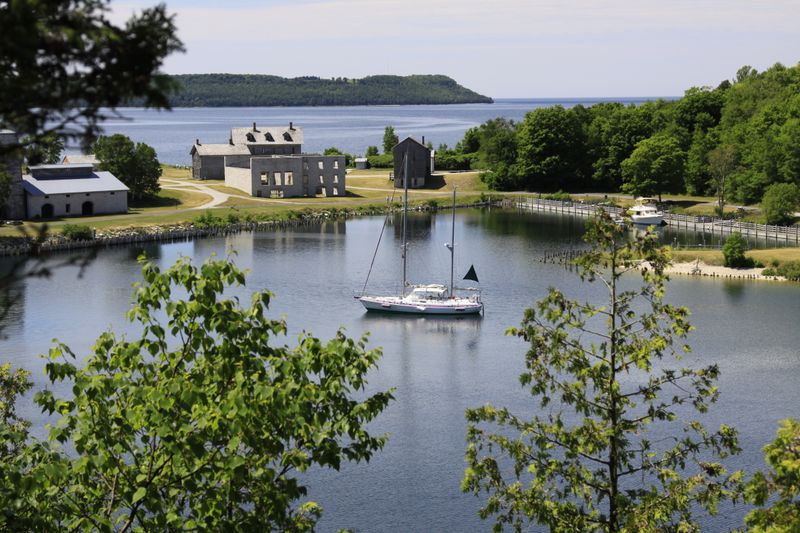
Upon reaching the small community of Fayette, follow the signs directing you toward the state park entrance. This site is situated on the limestone cliffs of Snail Shell Harbor on Lake Michigan. The drive terminates at a large, designated parking area that serves both the historic village and the surrounding park trails.
If you are arriving from the west, such as from Escanaba, the turnoff from US-2 is approximately 30 miles east of the city. Once you park, a short walk leads you directly into the preserved 19th-century iron-smelting town.
Read The Harbor From The Boardwalk
Waves slap against pilings with a hollow rhythm, and the boardwalk flexes slightly as you move. The harbor’s impossible color shifts from bottle green to clear blue, revealing rounded slag pebbles near shore. Do not rush this vantage.
In the 1867 to 1891 boom, this protected cove shipped pig iron while kilns devoured hardwood. The limestone cliffs worked double duty as windbreak and quarry. Ships arrived with ore and departed with stacked ingots bound for steelworks.
Watch for signage describing loading methods and water depths. Photos help you map where the dock cranes once stood. Early or late light is finest for photography, and a breeze jacket helps when the lake chills even on warm afternoons.
Stand Before The Blast Furnace Ruins
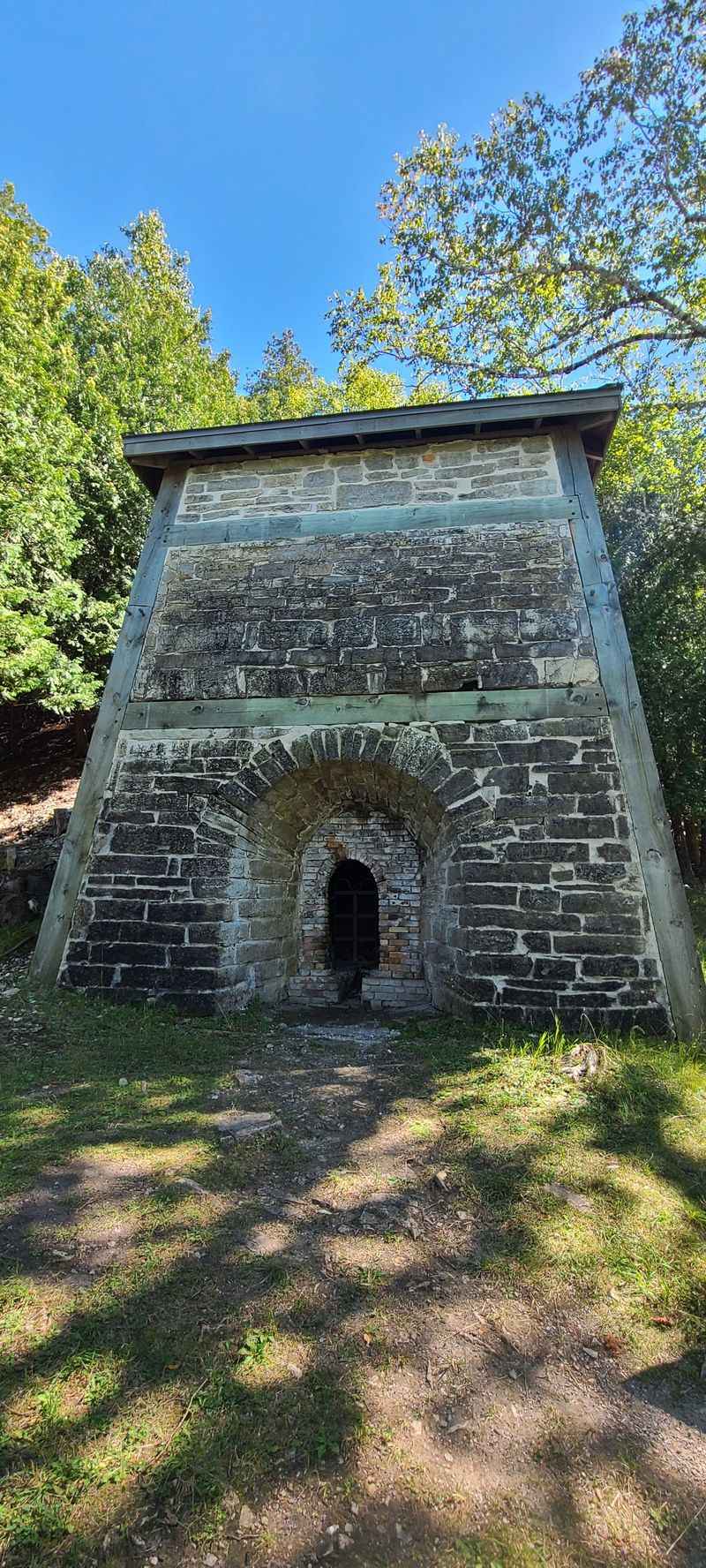
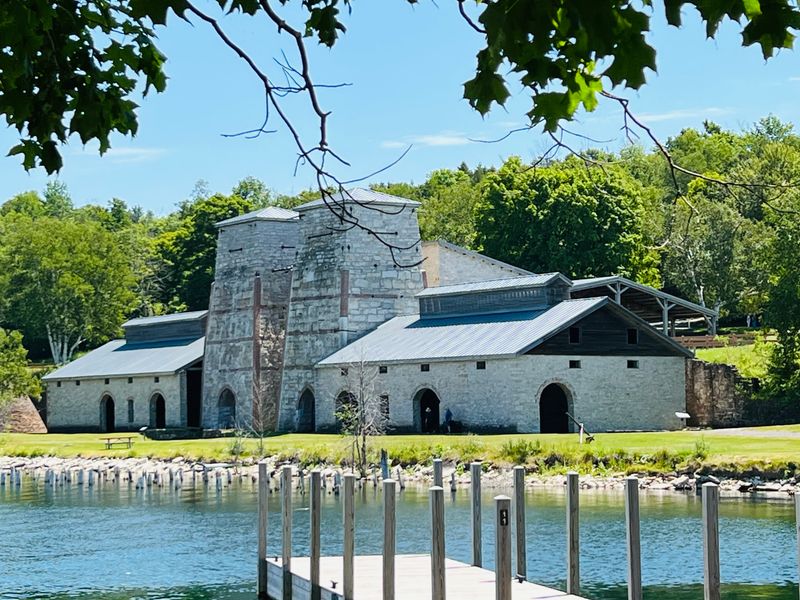
Stone stacks rise like weathered organs, pitted and cool, with iron stains bleeding orange at seams. The furnace yard smells faintly mineral after rain, and swallows slip in and out of voids. Your footsteps feel small here.
These furnaces turned ore, charcoal, and limestone into pig iron, a process detailed on crisp interpretive panels. Workers labored in heat and soot while managers balanced fuel and ore shipments. The site’s preservation emphasizes structure over spectacle.
Mind railings and posted boundaries, since stability matters more than curiosity. Read the diagram before circling, then revisit it after a slow lap. Photos are best angled low, catching tool marks in block faces, and avoiding modern elements at the frame’s edge.
Hotel And Company Store Perspectives
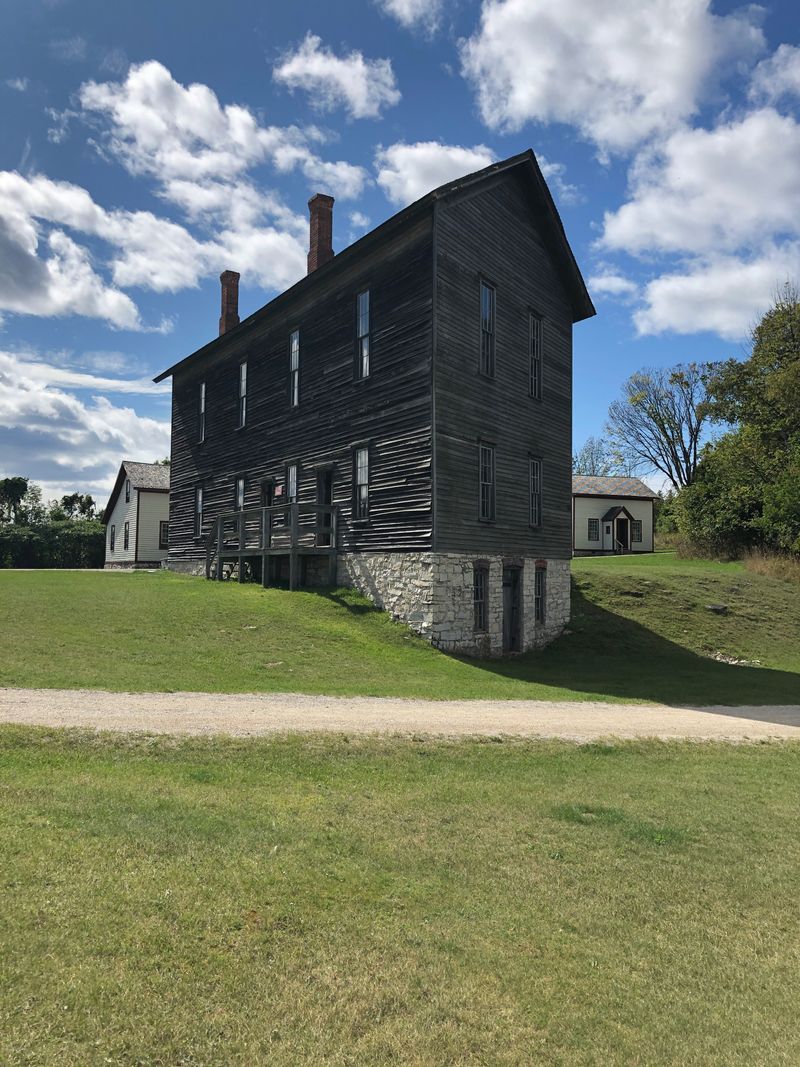
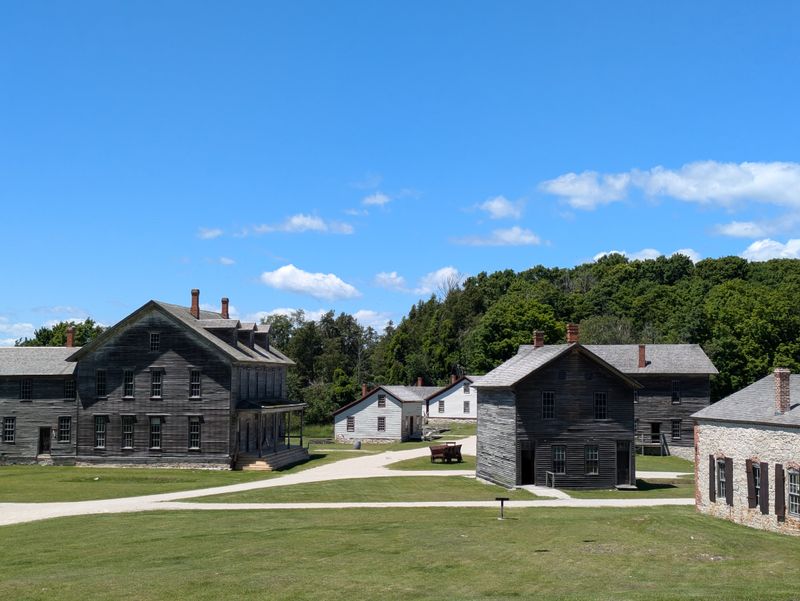
First impressions start with porches and regular windows that look plain until you notice careful proportions. Floorboards speak in soft knocks when a group crosses at once. The air inside carries that clean museum dryness.
Company towns centralized purchases and gathering, shaping social life along the store’s counters and the hotel’s dining room. Wages often cycled back to the employer through goods and rent. These rooms anchor the narrative beyond machinery.
Check posted room access, as some upper levels may be closed for conservation. Read the store’s price lists to calibrate your 19th century imagination. For photos without crowds, pause between tour groups, then step quickly to a side hall and shoot diagonally across.
Workers’ Row And Domestic Details
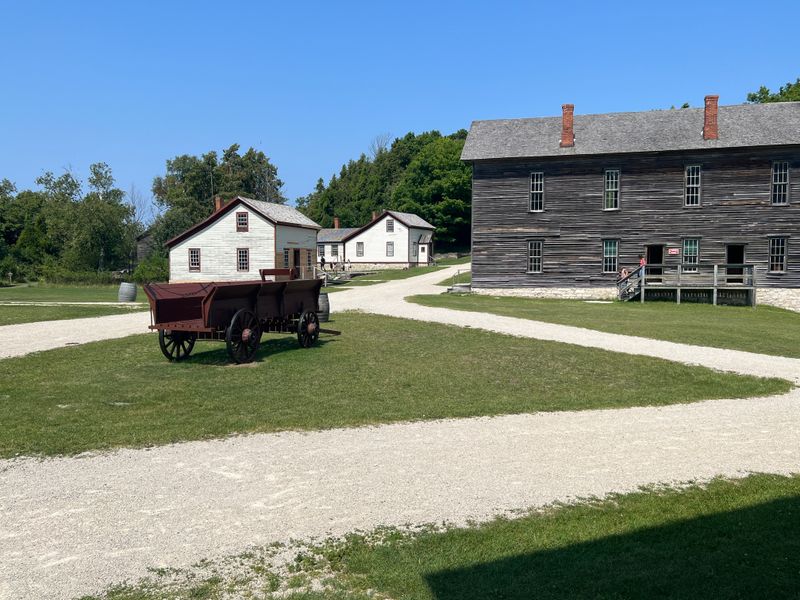
A line of modest cottages keeps its chin up against the wind, each with small yards and tidy steps. Curtain lace filters the light, and scuffed thresholds tell of countless entries. The scale invites slower walking.
Housing reflected rank, with skilled workers and supervisors getting larger rooms or better locations. Furnishings are sparse by design to illustrate movement, maintenance, and cost. The DNR’s preservation strategy favors authenticity over pastiche.
Peer respectfully through windows before entering, if open hours allow. Note stove placement and storage, then think about winter drafts across the floor. Photograph details like latch hardware or shoe scuffs instead of whole rooms, and you will come away with more honest images.
The Machine Shop’s Quiet Geometry
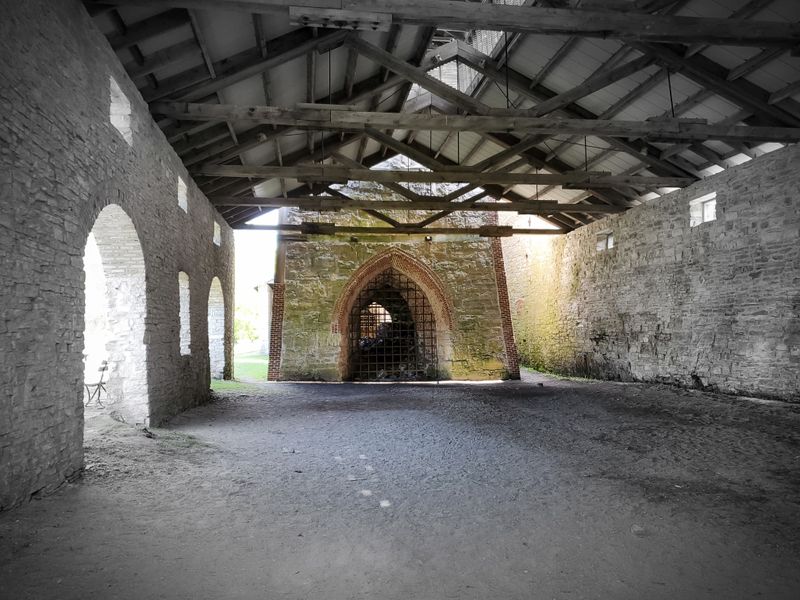
Light pours through tall panes and catches dust like a slow snowfall. Benches align with patient logic, and pulleys rest as if waiting for a belt to bite. The geometry is unshowy, almost soothing.
Machine shops kept the whole operation turning, repairing carts, tools, and furnace parts. Exhibits explain belt power and machining tolerances that made smelting viable at scale. Here, the ghost of precision feels more intimate than the big stacks.
Lean close to read safety notes from the period, then step back for a window-to-workbench composition. Ask staff about demonstration days if scheduled. Keep fingers off metal surfaces to reduce oils on artifacts, and consider a small notebook for quick sketches of arrangements.
Cliffs, Kayaks, And Perspective
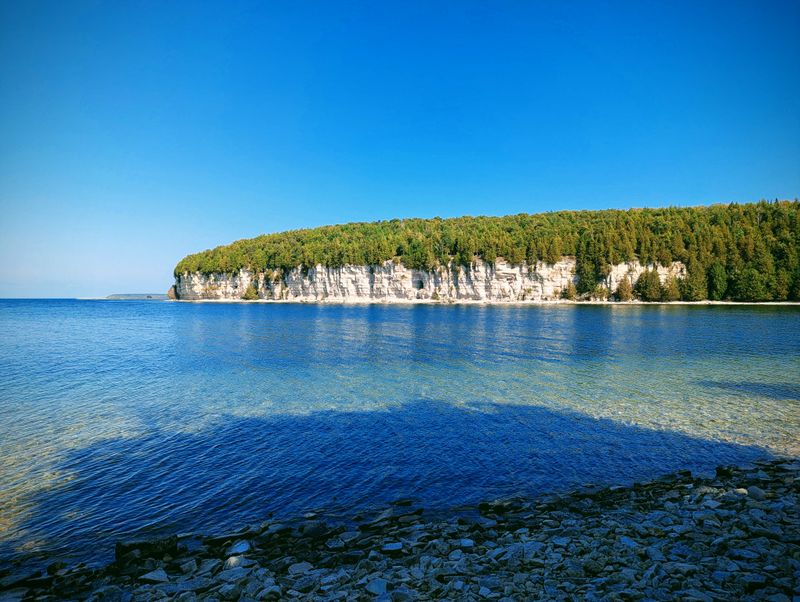
Sunlight paints the limestone a quiet silver, and water turns to glass near the cliff base. Kayaks move like commas, pausing the sentence of the shoreline. The echo off stone is soft and polite.
These bluffs shaped the harbor’s calm, and their limestone fed the furnaces as flux. Today they frame a preserved industrial stage with natural grandeur. Park literature notes kayak rentals available nearby at reasonable day rates.
Ask at the entrance about current rental details and safety conditions. Stay clear of cliff faces if waves pick up, and carry a dry bag for your phone. From shore, a polarizing filter tames glare and reveals submerged textures you might miss otherwise.
Seasonal Quiet And Winter Trace
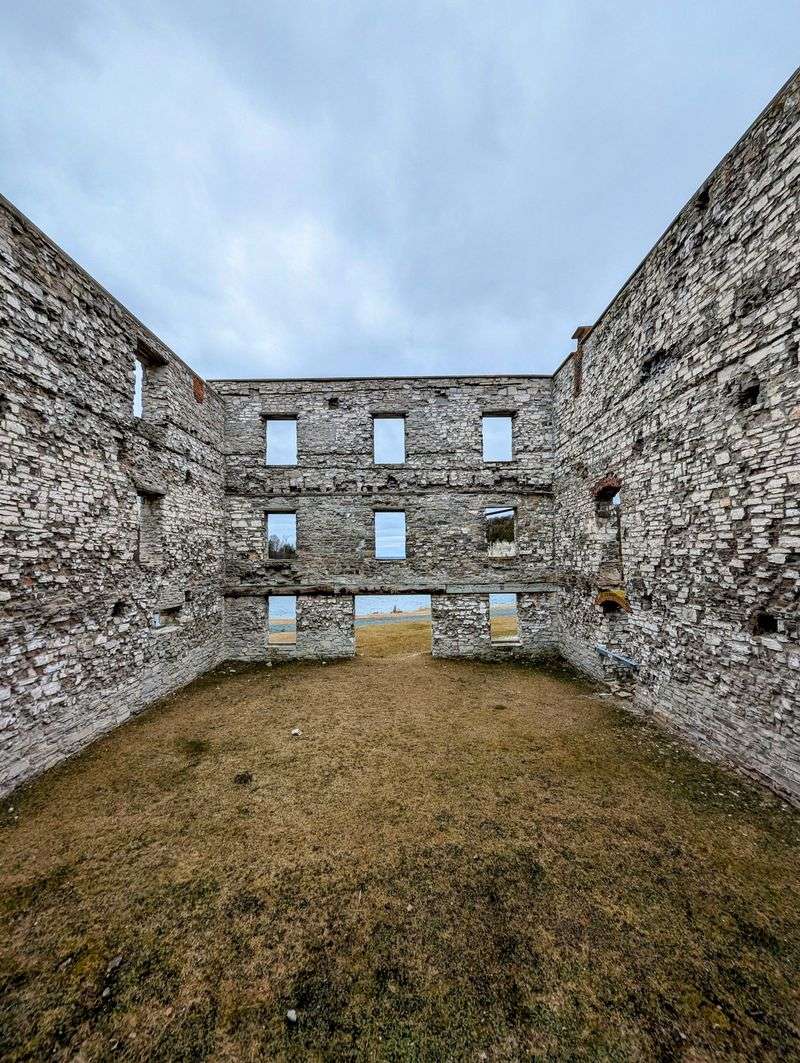
Frost clings to windowpanes like delicate handwriting, and the boardwalk stiffens under a skim of snow. Sound carries farther in the cold, so your steps ring ahead of you. The town loses color and gains clarity.
Off-season reveals structure without leaf cover, aligning streets and sightlines exactly. Historic interpretation remains, but the experience leans contemplative rather than social. You read fewer signs yet somehow remember more.
Verify winter access and hours, since operations can shift. Layer up, protect camera batteries, and watch for hidden ice near the harbor edge. When a gull crosses the pale sky, hold still and let the whole 19th century grid reassemble itself around that single white wing.
Preservation Techniques In Plain Sight
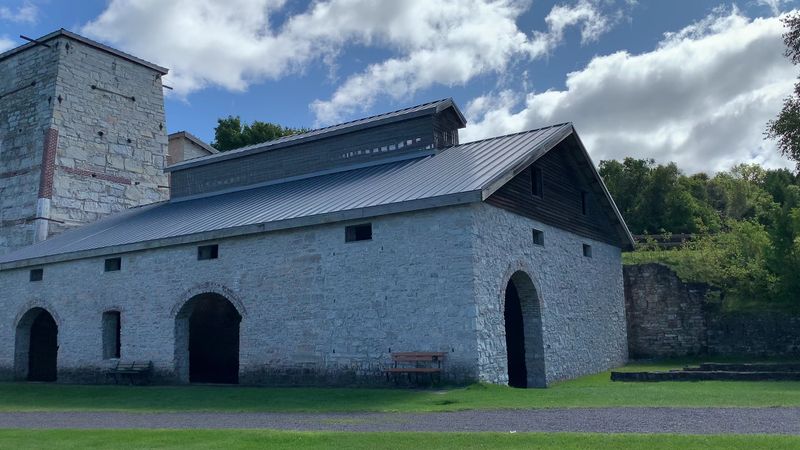
A fresh nail head among weathered boards is a quiet confession, not a mistake. Mortar lines step neatly where stone needed help, and gutters disappear into painted trim. Repairs announce themselves with humility.
Fayette’s caretakers emphasize stabilization over re-creation, favoring reversible methods and clear documentation. Panels explain when a sill was sistered or a roof re-shingled. The result is honest, legible history rather than staged nostalgia.
Look low along foundations for flashing and vent details that keep moisture moving. Ask volunteers how they decide between patch and replacement. Photograph junctions of old and new materials to remember how restraint looks, and you might bring that ethic to home projects later.
Sunset Ritual At The Shore
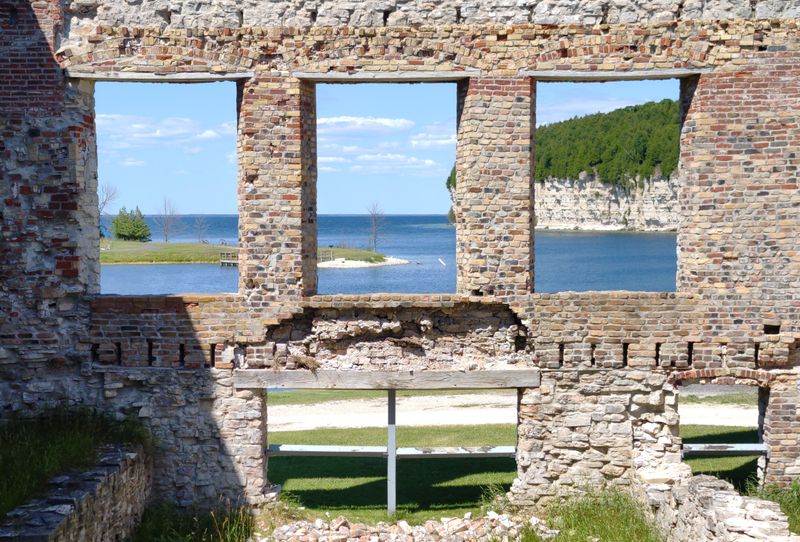
As evening lowers, cliffs trade their silver for honeyed light, and windows glow like held breath. The harbor smooths itself into a mirror that keeps secrets. Conversations soften without anyone asking.
Workers once timed shifts to furnace demands rather than sunsets, yet this view would have closed many days. The industrial grid becomes a silhouette, and the park’s interpretive signs recede into quiet outlines. History feels gentler at the golden edge.
Plan for the return walk with a headlamp or bright phone flashlight. Bug spray helps on still nights. Sit a few minutes after the last photo to let the scene outlast your screen, and you will carry the color farther than pixels ever manage.
Practicalities That Keep The Mood
Small comforts matter when chasing atmosphere. Clean restrooms, water stations, and a sensible map let you focus on nuance rather than logistics. The park’s calm carries best when needs are handled early.
Fayette operates daily 9 AM to 9 PM, with a Recreation Passport or day pass required. Expect easy grades but real distance if you wander every spur. Displays in the visitor center update periodically as research refines stories.
Arrive on weekdays or early morning to sidestep busier hours. Pack a simple picnic and carry out every crumb, since gulls learn fast. Keep voices low near interiors, letting floors, hinges, and the lake do most of the talking while you listen and look longer.