
This Arizona Mining Town Is So Perfectly Preserved, It’s Like People Just Walked Away
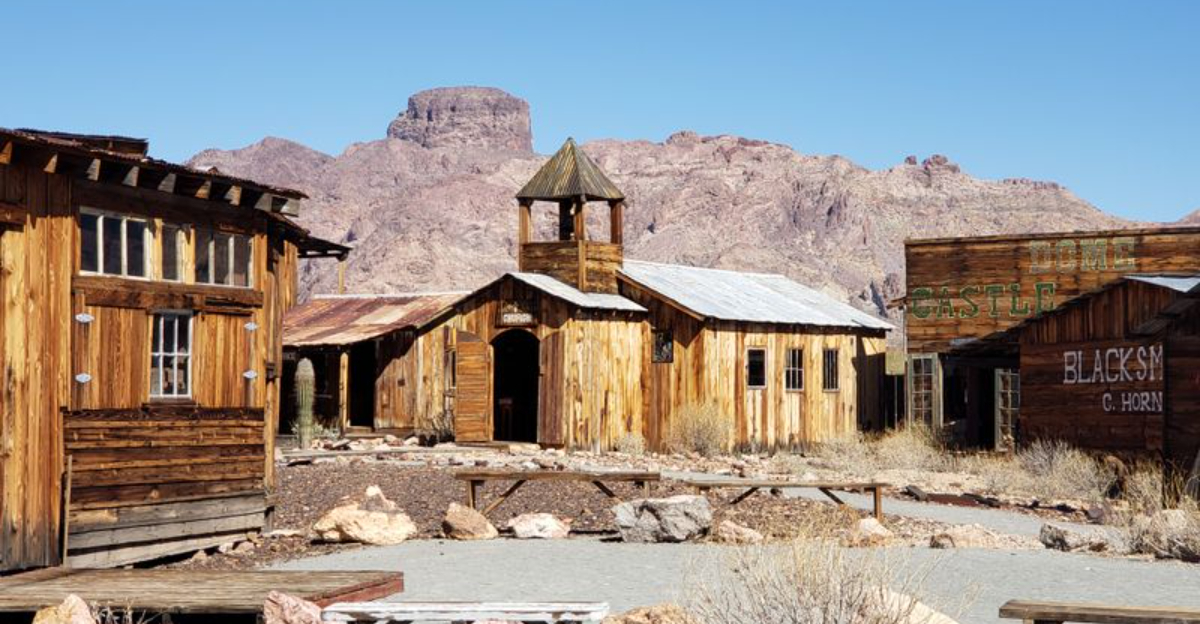
Imagine stepping into a time machine that drops you in the middle of the Arizona desert in 1899. I still remember the first time I pulled off Highway 95 and pointed my truck down that long gravel road toward this place.
The Arizona desert stretched wide and quiet, punctuated by odd metal sculptures that grew stranger with every mile, and I wondered if I’d taken a wrong turn into someone’s eccentric art project.
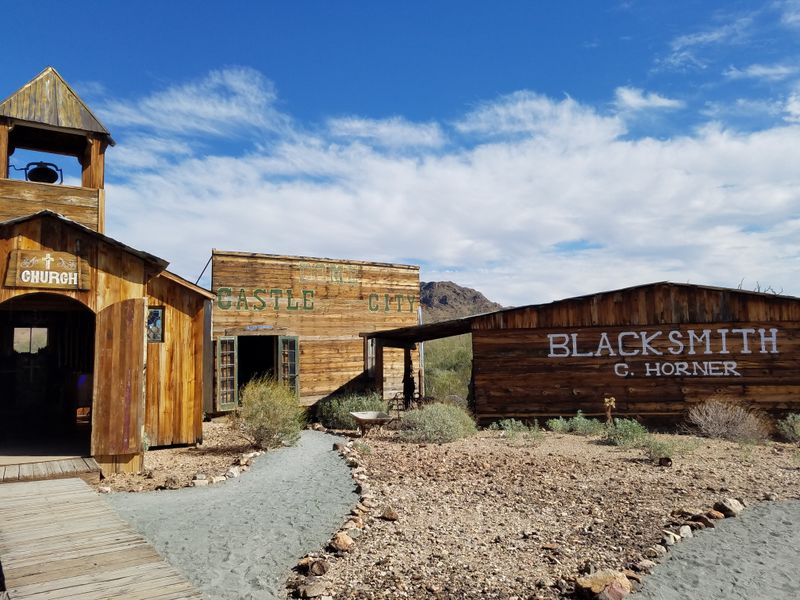
Then the buildings appeared, weathered wood and rusted metal rising from the sand like they’d been waiting decades for me to show up. Walking into that recreated mining town felt like stepping through a rip in time.
Every doorway, tool, and faded photograph whispered stories of miners who once called this harsh landscape home.
A Ghost Town That Invites You Inside
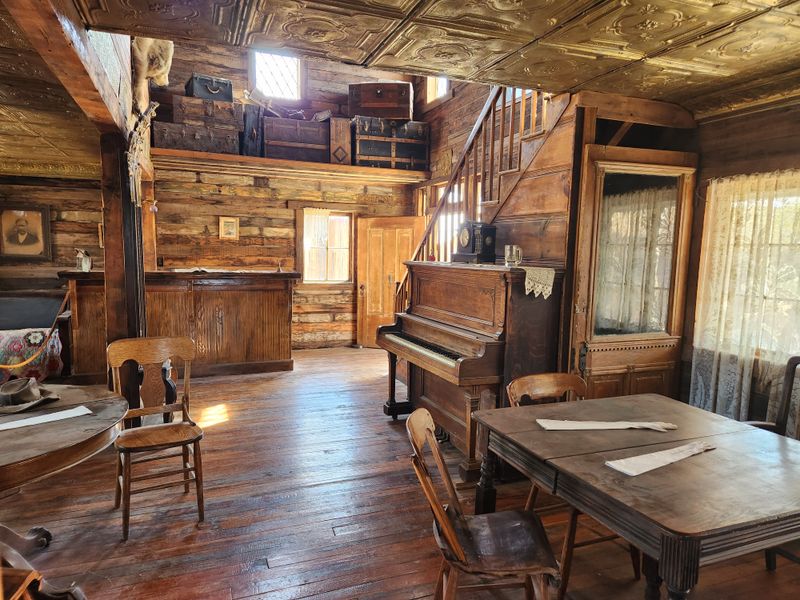
Most ghost towns keep you at arm’s length with ropes and warning signs, but Castle Dome Mine Museum lets you wander right into the past.
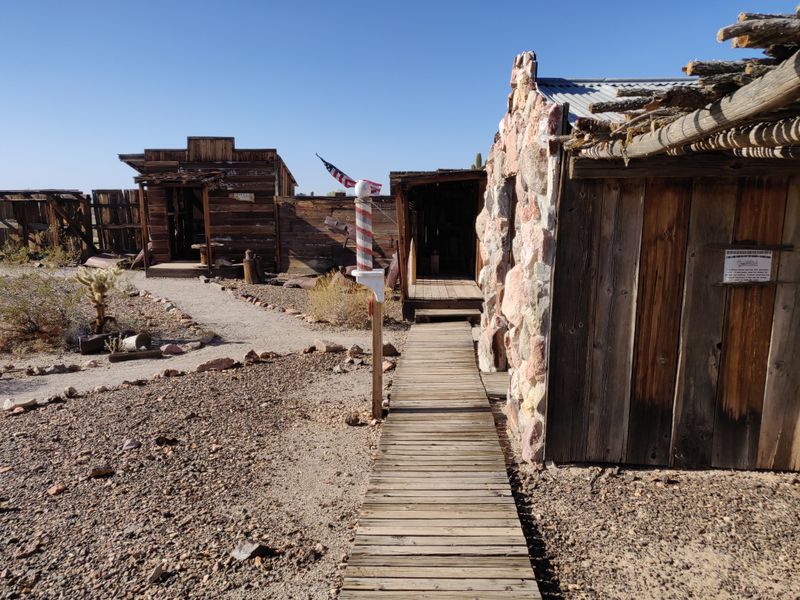
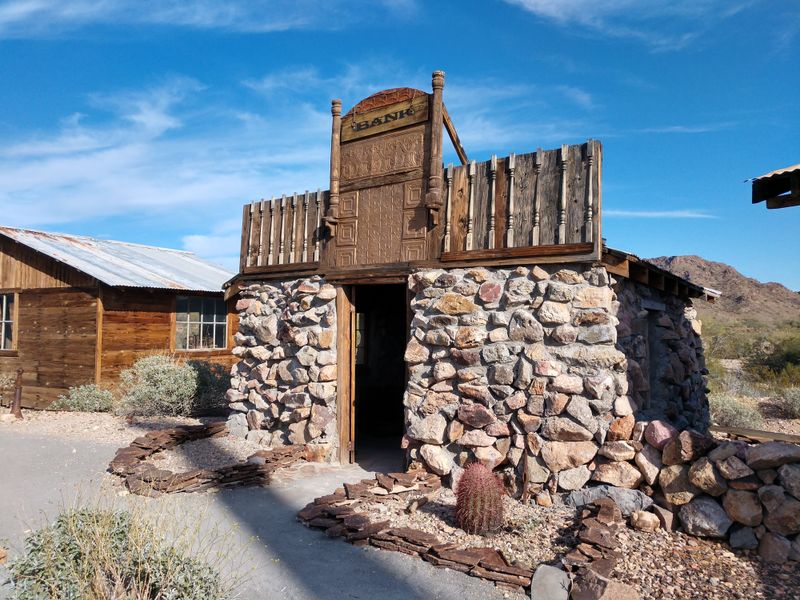
I pushed open creaky doors and found myself standing in old saloons, blacksmith shops, and living quarters filled with authentic artifacts that the owners spent three decades collecting and arranging.
Every building tells a different slice of life in a town that thrived between 1864 and 1979, and the attention to detail makes you feel like the last resident just stepped out for supplies.
The self-guided walking tour stretches over a mile and a half through more than fifty structures, each packed with period-appropriate items you can actually see up close.
I touched mining equipment, examined household goods, and even spotted a 1970s recreational trailer that marked the town’s final era.
The place sits at Castle Dome Mine Rd, Yuma, AZ 85365, about thirty minutes northeast of Yuma, and the ten-mile gravel approach only adds to the sense of discovery.
What struck me most was the freedom to explore at my own pace, no velvet ropes blocking the good stuff.
The Mine Tour That Glows Like Fantasy
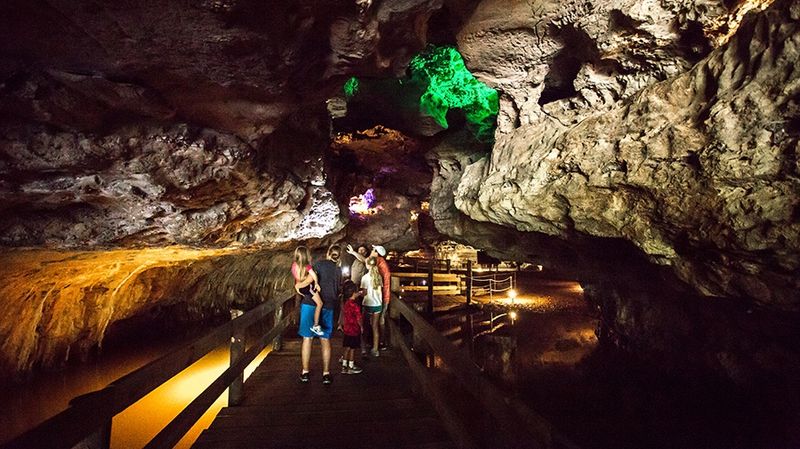
Descending into the Hull Mine on a golf cart felt like entering another planet, especially when the tour guide switched on the UV lights and the walls exploded in neon greens, oranges, and purples.
Fifteen different fluorescent minerals light up the darkness like something out of a fantasy film, and I stood there gaping at nature’s hidden light show that miners never saw while they dug for silver and lead.
The mine stays a comfortable 75 degrees year-round thanks to a thermal vent, which beats the brutal desert heat waiting above.
Our guide shared stories while pointing out preserved mining tools, clothing, and even a pair of authenticated Levi’s 201 jeans from the late 1800s that Levi Strauss themselves photographed for their archives.
Those jeans, found deep in the tunnels, represent the oldest surviving pair in the world and hang as proof that this mine holds treasures beyond minerals.
The tour runs about an hour, offered at specific times, and costs extra beyond the town admission. I left the mine squinting in the sunlight, already planning my return trip to catch details I’d missed.
The Gravel Road Adventure
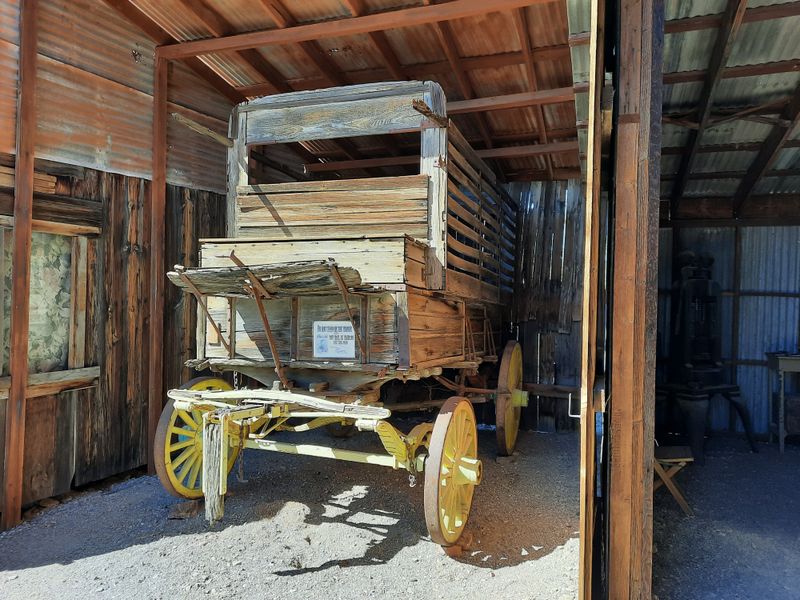
That ten-mile gravel road leading to Castle Dome deserves its own mention because it’s part of the experience, not just an obstacle. I learned quickly to slow down and embrace the bumpy crawl at 25 mph, watching dust plume behind me while bizarre metal sculptures appeared like desert mirages.
Someone with serious welding skills and a wild imagination lined the route with hundreds of metal art pieces, including a whole dinosaur zone that made me laugh out loud in the middle of nowhere.
The road tests your patience and your suspension, but it also filters out the casual tourists who want everything sanitized and easy. By the time I reached the museum, I felt like I’d earned the right to be there, and the isolation made the preserved town feel even more authentic.
Visitors consistently mention the road in reviews, some complaining, others recognizing it as part of the adventure that separates this place from typical roadside attractions.
I recommend taking it slow, checking your spare tire beforehand, and treating those ten miles as the opening act to a show worth the rough ride.
Owners Who Built A Labor Of Love
The owners who’ve poured thirty years into Castle Dome, turned what could have been just another abandoned mine into a living history lesson.
I met them during the mine tour, and passion for accuracy and preservation came through in every story about sourcing authentic artifacts and researching the town’s history.
These aren’t people who slapped together a tourist trap; they’re historians who happen to run a museum, and their dedication shows in every correctly placed tool and period-appropriate detail.
They’ve assembled a team of knowledgeable volunteers who share their enthusiasm, making every tour feel personal rather than scripted. I watched Alan explain the significance of those ancient Levi’s with the same excitement he must have felt when he first discovered them deep in the mine.
The couple’s research ensures that everything in the recreated town reflects actual life during Castle Dome’s mining heyday, from the earliest silver strikes to the final closures.
Their commitment transforms what could be a dusty collection of old buildings into a genuine portal to Arizona’s mining past.
Practical Details for Your Visit
Castle Dome Mine Museum opens at 10 AM daily and stays open until 5 PM, operating Tuesday through Sunday with Monday hours as well.
Admission runs $20 for the self-guided town tour alone, while the combined mine and town package costs $75 per person, which includes the guided underground experience.
They only accept cash, though an ATM sits on-site for the unprepared, and mine tours typically run at 1 PM and 3 PM, so plan accordingly.
I recommend bringing a hat, sunscreen, and plenty of water because you’ll spend hours walking outside in the desert heat. The place welcomes dogs on the walking tour, though they can’t join you underground, and you’re allowed to bring a picnic lunch to enjoy in the shade.
Budget at least four to five hours if you want to see everything properly, and consider visiting during cooler months between October and April when the desert becomes more forgiving.
The museum sits far enough from Yuma that you’ll want to make it a dedicated trip rather than a quick stop, and the bumpy access road means you should avoid rushed schedules.
Why This Place Matters
Castle Dome represents more than just old buildings and mining equipment; it’s a tangible connection to the people who scraped out lives in one of America’s harshest environments.
Walking through those structures, I felt the weight of history in a way that textbooks never convey, seeing the actual spaces where miners slept, ate, and hoped to strike it rich.
The town operated for over a century, witnessing technological changes from pickaxes to modern equipment, and the preserved artifacts span that entire timeline.
What makes this place special is how it resists the urge to sanitize or dramatize the past. The buildings show their age, the artifacts carry dust and wear, and nothing feels staged for Instagram perfection.
I appreciated the honesty in that approach, the way it trusts visitors to appreciate authenticity over polish. The museum also preserves mining techniques and mineral specimens that help explain how this industry shaped Arizona’s development and economy.
Every visit reminds me that history isn’t just dates and names but real people who left traces we can still touch and understand today.
The Authentic Artifacts That Tell Real Stories
Every corner of Castle Dome holds genuine pieces from the mining era that make history feel touchable. You’ll spot hand-forged tools, worn clothing hanging on pegs, and personal letters still resting on dusty desks.
The collection includes items the original miners actually used daily, not replicas purchased for display. Coffee cups sit on tables, boots rest by doorways, and medicine bottles line shelves in the old pharmacy.
What makes these artifacts special is how they’re presented without glass cases or velvet ropes. You walk among them freely, getting close enough to read faded labels and examine craftsmanship from another century, creating connections that museum displays rarely achieve.
The creaking floorboards and weathered walls enhance the sense of stepping back in time. Guides share stories passed down through generations, bringing the miners’ daily lives vividly to life.
Every corner invites curiosity, making each visit a personal journey through Arizona’s rich mining history.
The Desert Landscape That Frames History
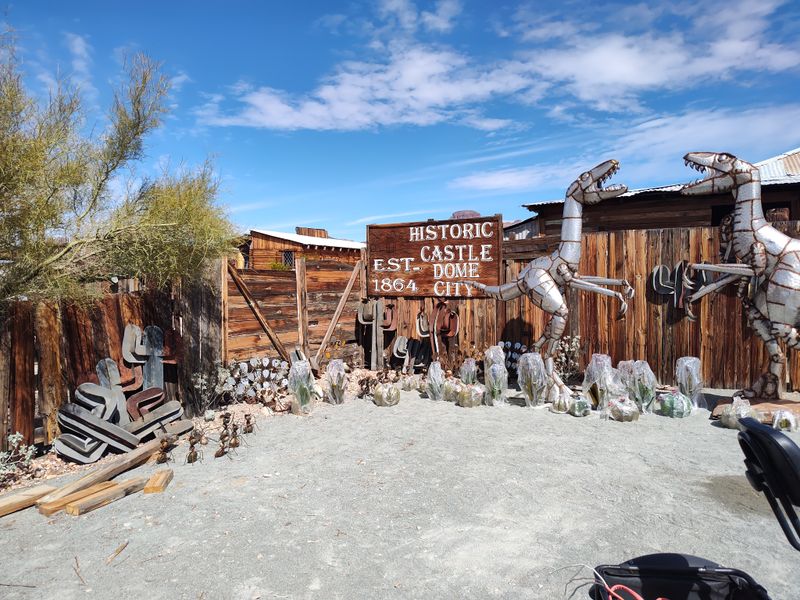
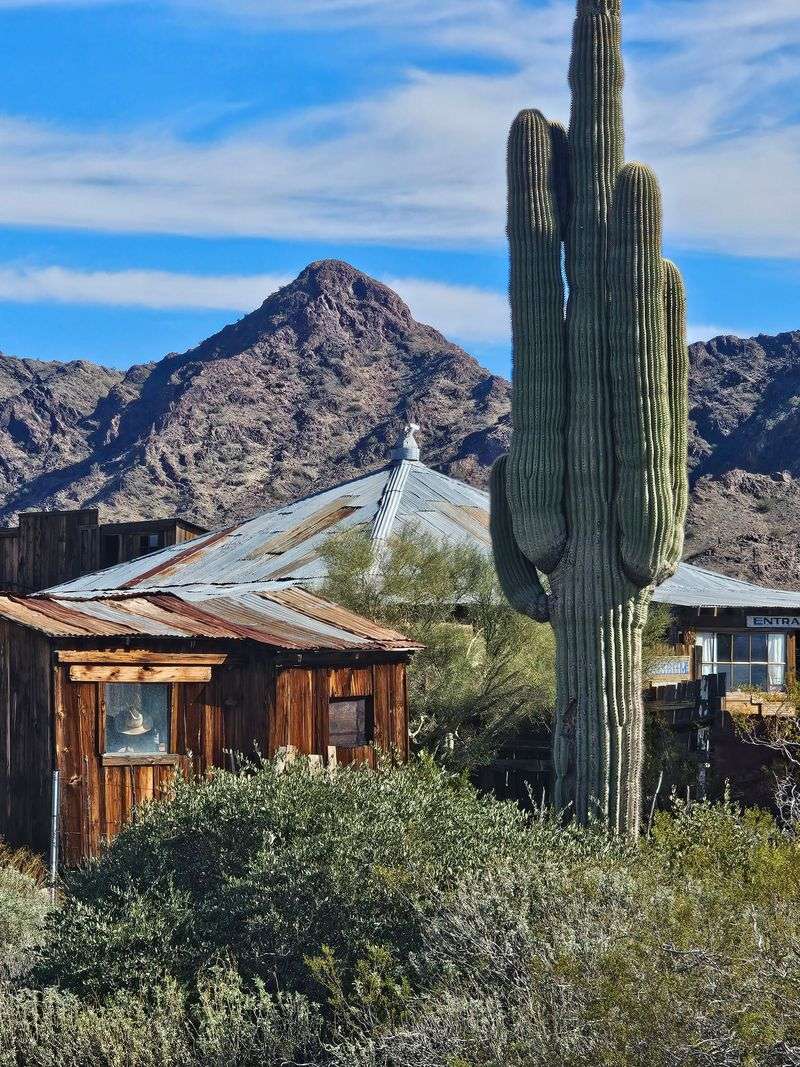
The journey to Castle Dome takes you through stunning Sonoran Desert scenery that hasn’t changed much since mining days. Saguaro cacti stand like sentinels beside the gravel road, and jagged peaks rise dramatically against endless blue skies.
This remote setting adds authenticity to your visit because miners faced these same harsh conditions daily. The isolation helps you understand why communities formed around mines and why leaving meant abandoning everything.
Photographers love capturing weathered buildings against desert backdrops, especially during golden hour when sunlight paints everything warm amber. The landscape itself becomes part of the story, showing how determined people carved lives from unforgiving terrain.
Wildlife occasionally crosses your path, from curious jackrabbits to soaring hawks, adding life to the historic scene. The quiet stillness makes it easy to imagine the sounds of mining drills and bustling activity from over a century ago.
Every turn of the trail offers a new perspective, blending natural beauty with echoes of the past.