
A Colorado Mountain Tunnel That Feels Like Stepping Into Another Era
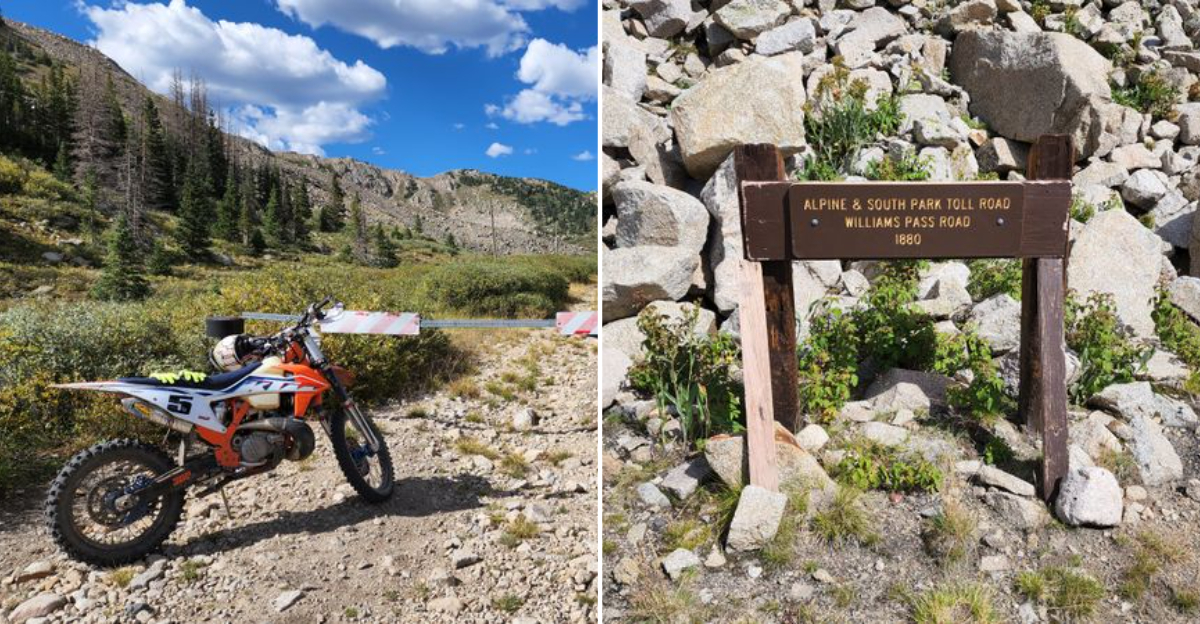
The Colorado Rockies have a way of bending time. High above the tree line, there’s a sealed railroad tunnel that feels less like a landmark and more like a rupture in the present.
One step closer and the modern world thins out, replaced by the weight of ambition, risk, and unfinished plans carved straight into stone. This tunnel once cut through the Continental Divide itself, an audacious move even by railroad standards.
Built in the 1880s, it pushed through unstable rock at an elevation that still steals your breath today. The work was brutal, the conditions unforgiving, and the payoff surprisingly brief.
Trains passed through for only a few decades before nature and economics reclaimed control. What remains now is quiet.
Weathered structures. Closed doors. Walls that feel like they remember voices. Reaching the site demands attention and nerve, but the reward is perspective.
In Colorado, places like this remind you how fragile progress can be. Colorado doesn’t hide its history here, it lets it echo.
At this place, the past isn’t preserved behind glass. It waits, patient and exposed, for anyone willing to climb toward it.
Engineering Ambition at 11,600 Feet
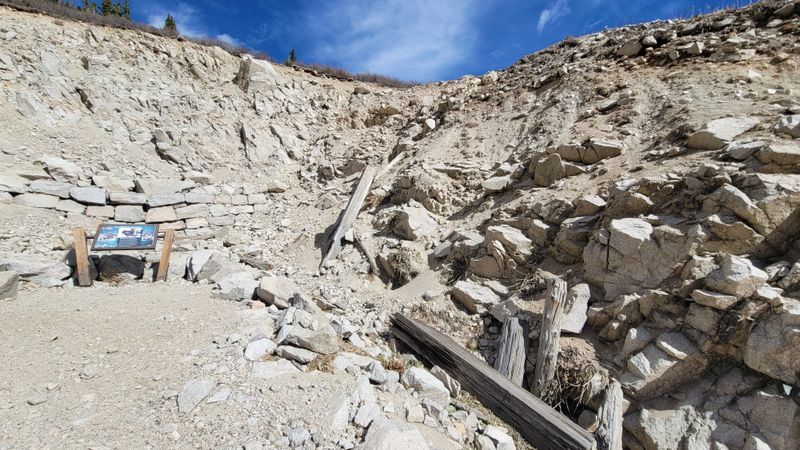
Standing at the tunnel entrance, I could barely wrap my head around what it must have taken to carve through solid mountain at this altitude in 1882. The Cummings & Co Construction company tackled this project with hand tools, explosives, and sheer determination, expecting stable rock but finding loose clay and crumbling stone instead.
Every foot forward became a battle against the mountain itself, with workers shoring up unstable sections and reinforcing passages that threatened to collapse before completion. The narrow gauge design meant trains could navigate tighter curves and steeper grades, making this route theoretically possible where standard gauge would have failed.
I traced my fingers along the weathered timbers still visible near the sealed entrance, imagining the crews working in thin air and brutal cold. The tunnel stretched 1,772 feet through the Continental Divide, a distance that sounds modest until you consider the elevation and conditions.
What strikes me most is how this engineering ambition represented the railroad era’s absolute confidence that no obstacle was insurmountable. The tunnel operated from 1882 until damage in 1910 forced the Colorado and Southern Railway to finally admit defeat.
That sealed entrance now stands as a monument to both human determination and nature’s ultimate authority over even our boldest plans.
The Journey That Outshines the Destination
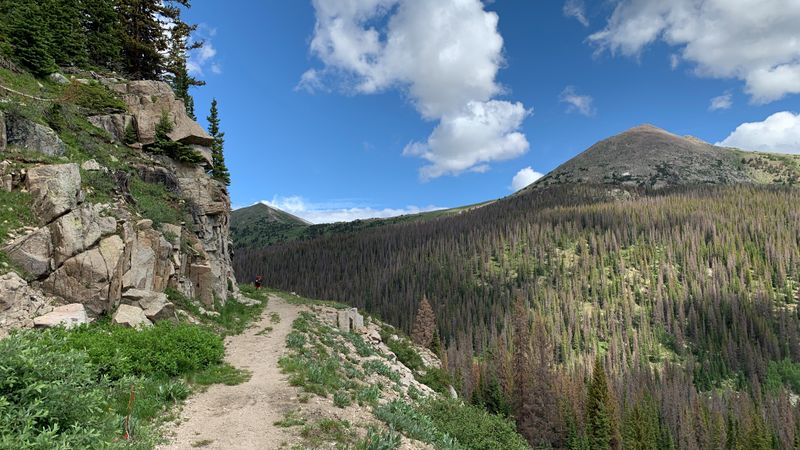
Every review I read before visiting mentioned the road, and now I understand why people remember the drive more vividly than the tunnel itself. The access route climbs through terrain so narrow that meeting another vehicle becomes a logistical puzzle requiring someone to back up until a slightly wider spot appears.
My knuckles went white gripping the steering wheel as I navigated switchbacks where the edge dropped away into nothing but air and distant valleys. The trail demands high clearance, four-wheel drive, and nerves that don’t fray when rocks scrape your undercarriage.
I caught myself holding my breath through sections where the path seemed barely wider than my vehicle, with loose gravel shifting under my tires. One wrong move would send you tumbling down slopes that make you reconsider every life choice that brought you to this moment.
But here’s the thing: that terrifying drive perfectly prepares you for understanding what railroad builders faced. If reaching the tunnel by modern vehicle feels this intense, imagine hauling construction equipment and supplies up here on wagons pulled by horses or mules.
By the time I reached the top, my heart was pounding from adrenaline and altitude, and I felt like I had earned the right to stand where those 1880s workers once labored in conditions I can barely fathom.
When Railroads Conquered the Divide
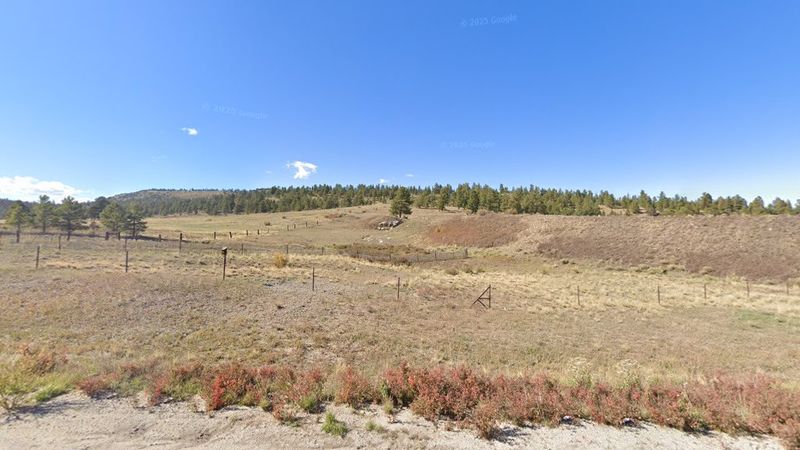
The Alpine Tunnel became the first railroad passage bored through the Continental Divide, a distinction that meant everything in an era when railroads represented progress, prosperity, and connection to the wider world. Towns lived or perished based on whether tracks reached them, and the Denver, South Park, and Pacific Railroad bet heavily on this route linking Colorado’s eastern and western slopes.
I learned that trains carried ore from mining operations, supplies to isolated communities, and passengers willing to endure the slow, cold journey over the roof of North America. The narrow gauge tracks allowed sharper curves and steeper grades than standard railroads could manage, making seemingly impossible routes suddenly viable.
Operations here were never easy, with winter snows sometimes burying the tunnel entrance under drifts that required constant clearing. Summer brought its own challenges as afternoon thunderstorms rolled across the peaks and loose rock continued settling in ways that made engineers nervous.
The railroad maintained snowsheds and section houses near the tunnel, creating a small community of workers who lived at this extreme elevation year-round. I tried imagining winters up here before modern weather forecasting or heated buildings, and my admiration for those workers grew exponentially.
This tunnel represented humanity’s industrial age confidence that technology could overcome any natural barrier, at least until the mountain proved otherwise in 1910.
The Mountain That Refused to Cooperate
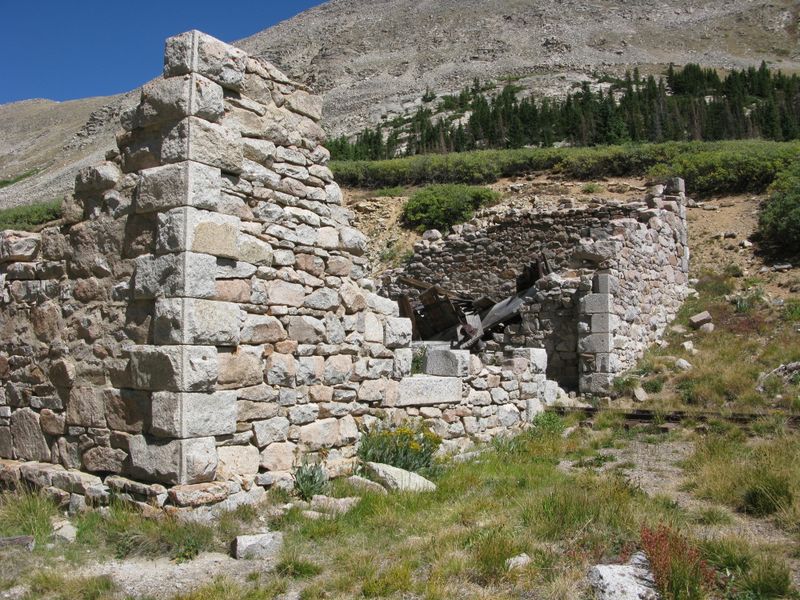
Nobody expected the mountain to fight back quite so fiercely. Engineers anticipated solid granite that would hold its shape once carved, but instead encountered loose rock and clay that shifted, crumbled, and threatened collapse at every turn.
Construction stretched far longer than planned as crews installed additional timber supports and reinforcements to prevent cave-ins. Every blast with explosives risked destabilizing surrounding material, turning what should have been straightforward excavation into a constant battle against geological chaos.
I spoke with a local historian who explained how the unstable composition eventually doomed the tunnel despite all efforts to shore it up. By 1910, damage had accumulated to the point where repair costs exceeded any potential profit from the declining traffic using this high, difficult route.
The Colorado and Southern Railway, which had acquired the line, made the practical decision to abandon rather than pour more money into fighting geology that refused to cooperate. Workers sealed the tunnel, removed salvageable equipment, and left the mountain to reclaim what humans had briefly borrowed.
Standing there now, I could see how nature was slowly winning, with vegetation creeping over abandoned structures and weather eroding what once seemed permanent. The mountain’s patient victory over human ambition felt both humbling and somehow appropriate given the audacity of the original attempt.
Ghosts of a Mountain Community
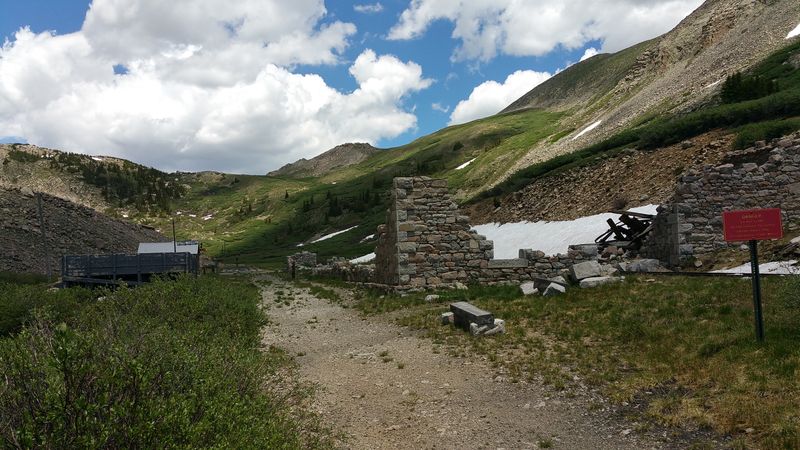
Scattered around the tunnel site, I found remnants of the community that once kept this railroad running through conditions most people would consider uninhabitable. Section houses sheltered workers responsible for clearing snow, maintaining track, and responding to the constant minor emergencies that plagued high-altitude operations.
These weren’t comfortable accommodations by any standard, just basic shelter against wind that screamed across the divide and temperatures that plunged brutally once the sun disappeared behind western peaks. Workers lived here for weeks or months at a stretch, isolated from lower elevation towns by weather and distance.
I walked among foundation stones and collapsed timber frames, trying to picture daily life at 11,600 feet in an era before modern cold weather gear or reliable communication with the outside world. Supplies came up by the same trains these workers maintained, creating a circular dependency that must have felt precarious during winter storms.
The railroad company built snowsheds to protect track approaches to the tunnel, massive wooden structures that funneled snow over the rails rather than letting it accumulate and block passage. Remnants of these sheds still stand, their engineering impressive even in decay.
What moved me most was imagining the camaraderie these isolated workers must have developed, relying on each other for survival, company, and sanity through long winters when the tunnel represented their entire world.
A Hiker’s High-Altitude Reward
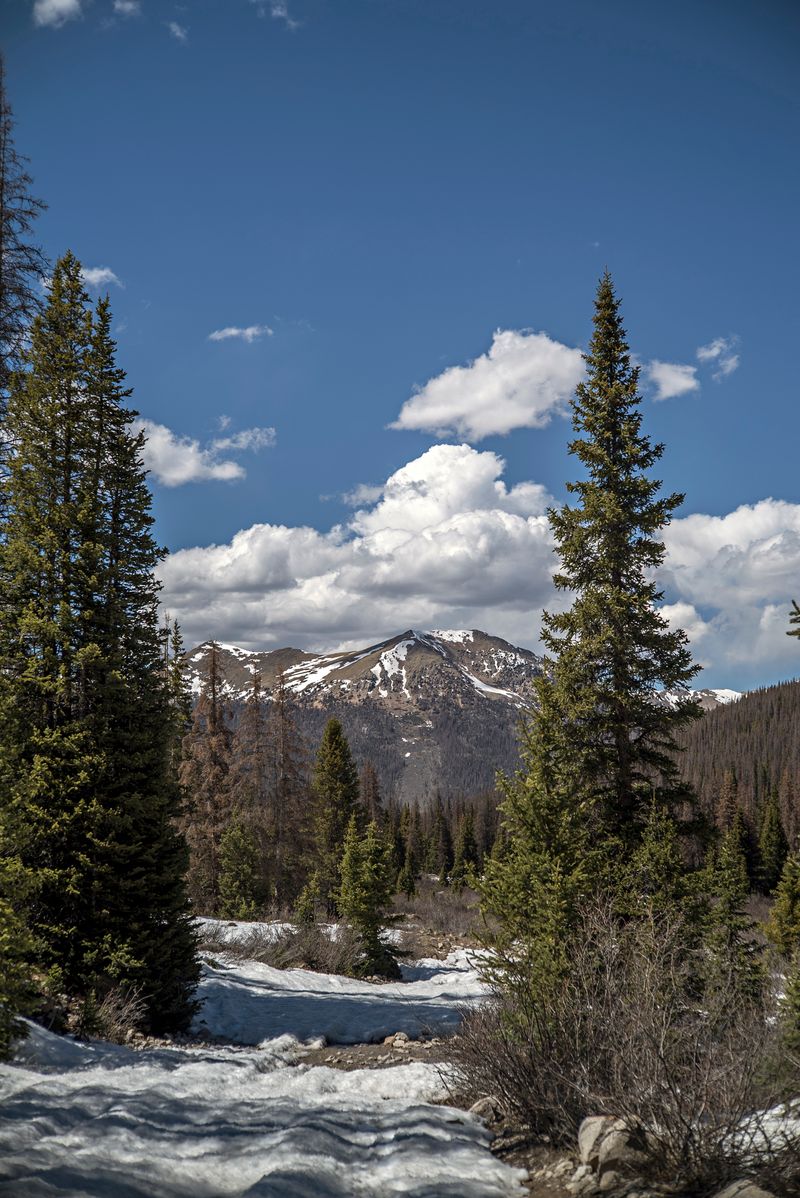
Beyond the tunnel itself, the surrounding area offers hiking that ranks among Colorado’s most spectacular, with trails crossing terrain that looks more like the top of the world than any place humans should reasonably walk. I followed paths that railroad workers once used, now reclaimed by nature but still traceable through the alpine landscape.
The elevation hits you immediately, making every uphill step feel like you’re breathing through a straw while your heart pounds loud enough to echo off the surrounding peaks. I had to stop frequently, not just to catch my breath but to take in views that stretched across valleys and ranges in every direction.
Wildflowers carpet the high meadows in July and August, creating color displays that seem impossibly vibrant against gray rock and blue sky. I spotted marmots sunning on boulders and heard the distinctive whistle they use to warn each other about potential threats, which apparently included me.
The trails connect to the Colorado Trail and Continental Divide Trail systems, making this area a destination for serious through-hikers tackling routes that span hundreds of miles. I met several backpackers who had been walking for weeks, their weather-beaten faces and trail-worn gear testament to the challenging terrain.
Even a short hike here feels like an accomplishment, with the thin air and steep grades reminding you that this environment doesn’t care about your sea-level fitness level or ambitious plans.
Preserving What Time Cannot Erase
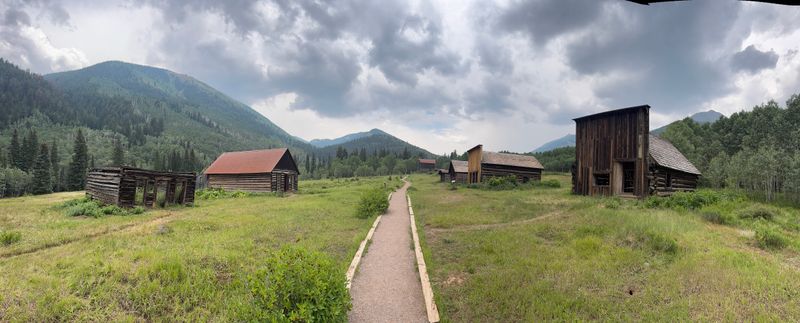
The designation as a historic district means these ruins receive protection and interpretation that help visitors understand what they’re seeing beyond just old buildings and a sealed tunnel. I appreciated the informational signs explaining construction methods, daily operations, and the economic forces that made this difficult route seem worthwhile.
The U.S. Forest Service manages the site, balancing preservation with allowing nature to continue its slow reclamation.
They don’t try to restore structures to original condition but rather stabilize them enough to prevent complete collapse while letting time and weather add their own layers to the story.
I noticed how thoughtfully they’ve approached interpretation, providing enough information to spark imagination without overwhelming the site with modern intrusions. The focus remains on the place itself, with signs and markers staying subtle enough not to dominate the experience.
Visiting requires effort, which naturally limits crowds and helps preserve the site’s contemplative atmosphere. You won’t find tour buses or paved parking lots here, just a rough trailhead and the understanding that reaching this place demands commitment.
That barrier to access feels appropriate for a location that has always demanded commitment from everyone who came here. The railroad builders, workers, and passengers all invested significant effort to make this route function, and modern visitors continue that tradition by accepting the challenging journey as part of the experience rather than an obstacle to overcome.