
This Scenic Illinois Canyon Hike Rewards You With A Stunning Waterfall
I wasn’t expecting my jaw to drop that fast. One minute I was clomping down Illinois stairway carved into sandstone, half distracted, half wondering if the hike would really live up to the photos.
The next, I heard it… that low, steady rush that doesn’t sound like wind or traffic or anything man-made. Water.
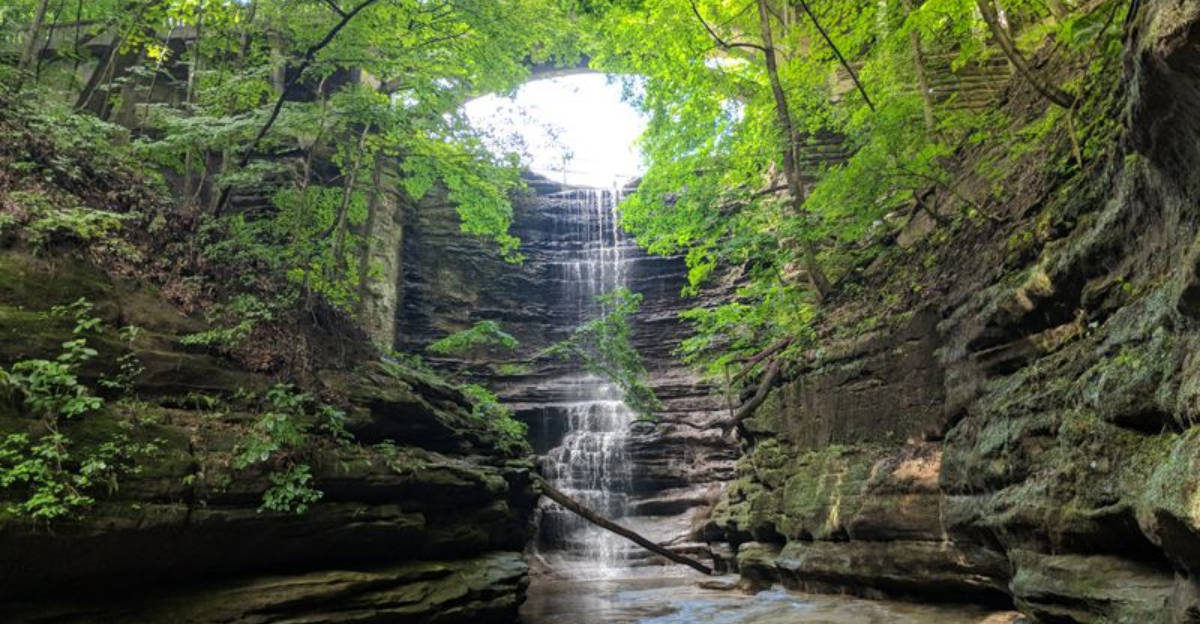
I kept walking, the canyon walls pulling tighter, the air turning cool and damp against my face. Then the trail dipped under a stone bridge, and suddenly there it was, a waterfall pouring into the canyon like it had been waiting all day for someone to notice.
I remember stopping mid-trail, not to take a photo right away, just to listen for a second. Because the real surprise isn’t only the waterfall, it’s the hike you take to get there.
The First Descent: Into The Upper Dells
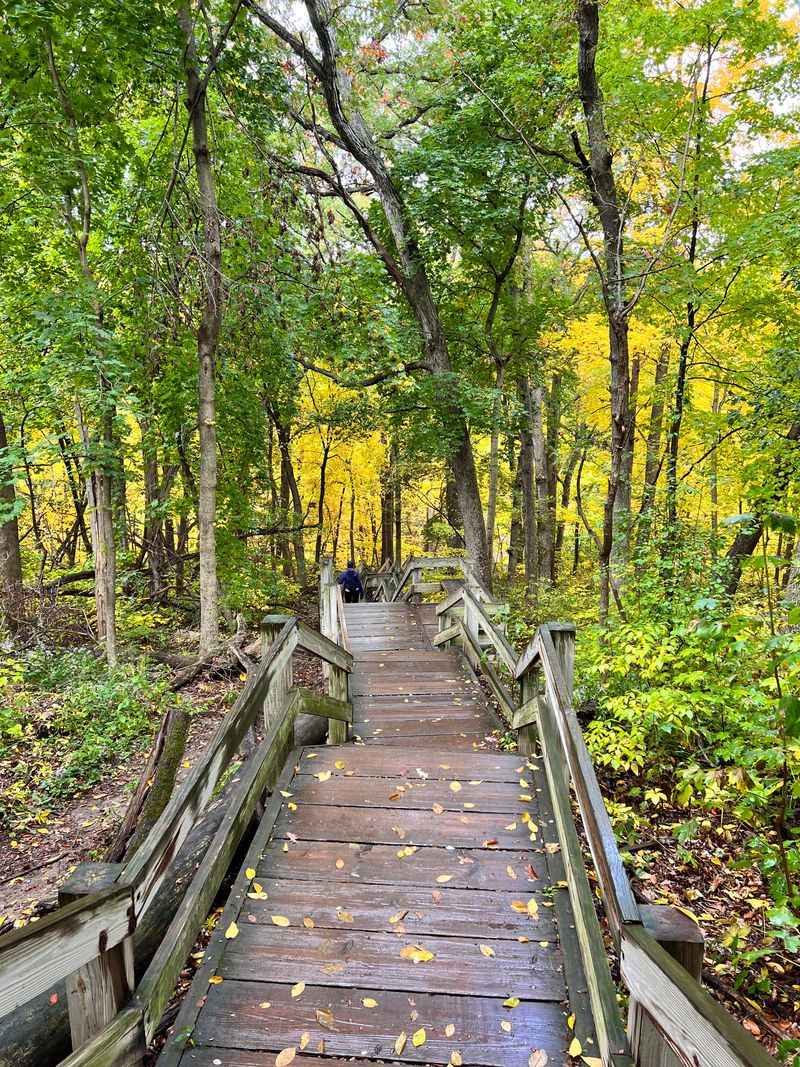
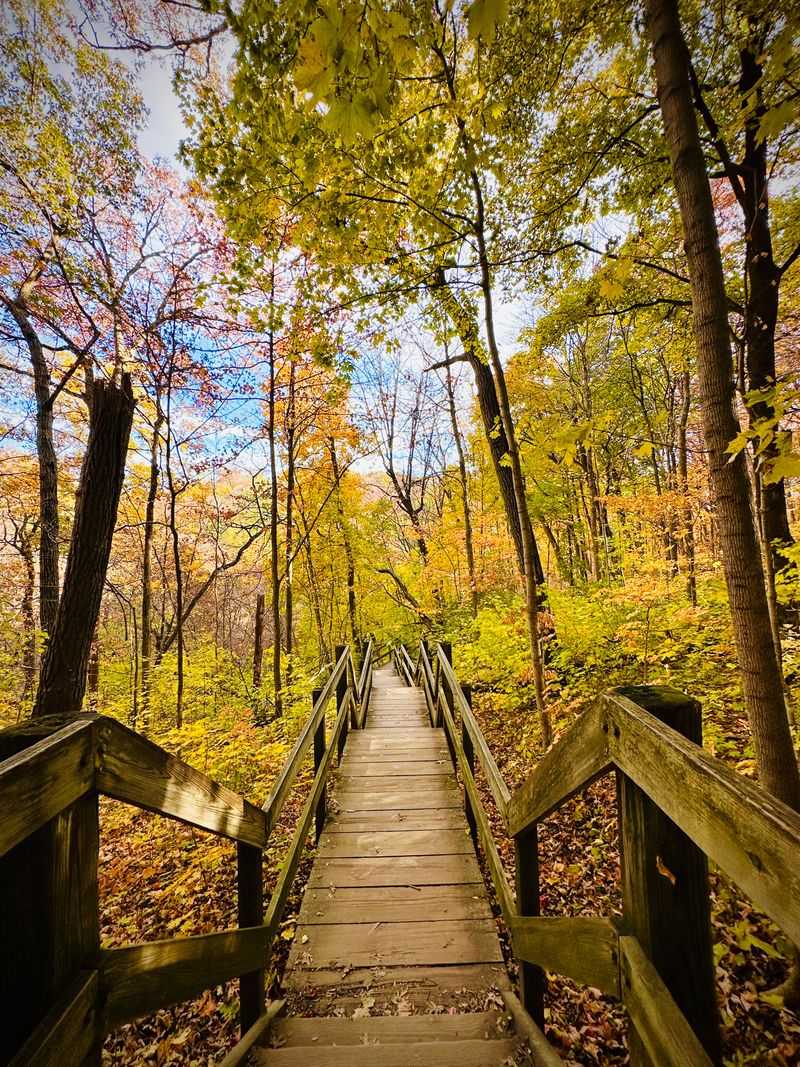
You start at the Dell Area lot at Matthiessen State Park and step onto wooden stairs that creak softly, the kind of sound that makes the forest feel awake. Leaves filter the light in little coins, and the first cool gust rising out of the canyon brushes your cheeks.
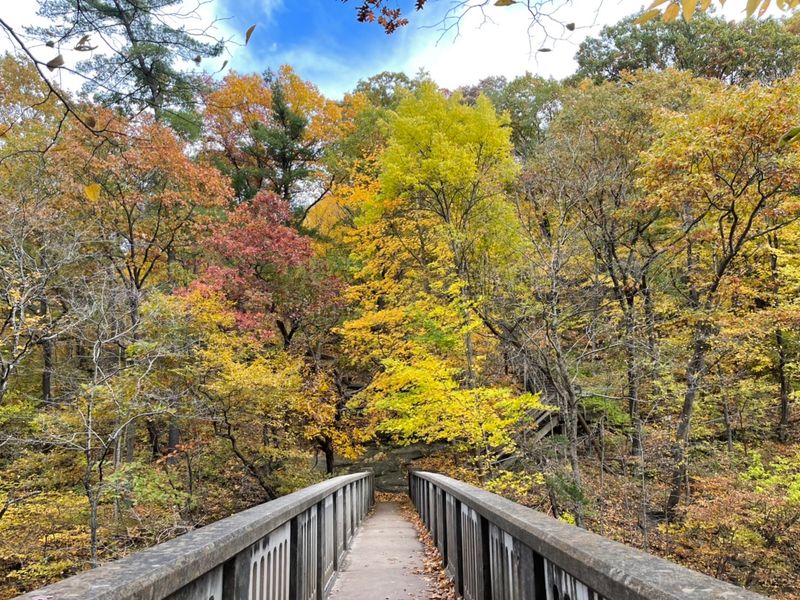
You pass a weathered cabin and a stone shelter, then the path bends toward a bridge that looks older than it really is. From the middle, a tributary of the Vermilion glints below, and something about that view makes the day settle into focus.
The staircases stack like paragraphs, each one shifting the story slightly. Railings show up on some, but not all, which nudges your attention into every step.
Shoes with grip help, and keeping one hand free for balance isn’t a bad idea.
Even in dry weather, shaded treads can hold a slick sheen of dust or thin algae. When water is running strong, you can hear the lower chasm murmuring.
This descent is where the park starts teaching you its landscape language: sandstone ledges, tight switchbacks, cool shaded corridors.
Dogs tug gently on leashes, and the occasional jogger breathes past. Everyone slows under the bridge to look down canyon.
It isn’t dramatic yet, but it hints at the waterfalls waiting deeper in the Dells.
Crossing The Stone Bridge To The Canyon Reveal
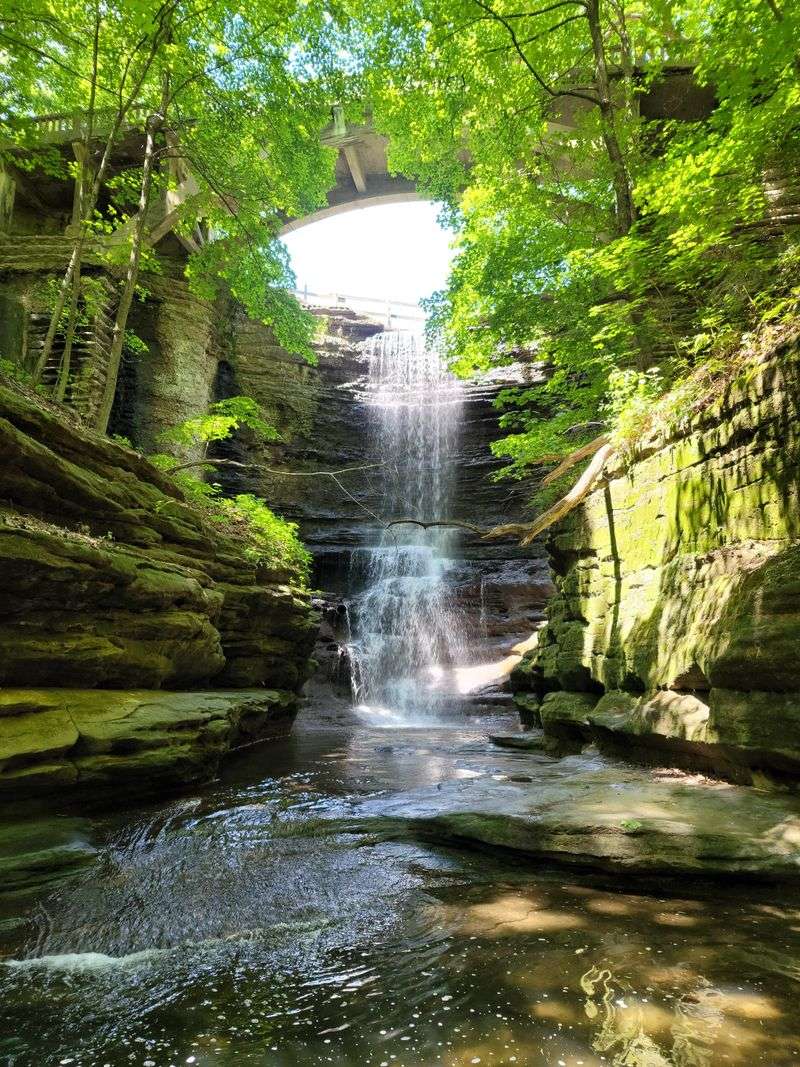
The stone bridge is the first wow, arched and solid with a view that frames the canyon like a keyhole. Stand at the center and lean a bit over the low wall.
The creek threads through bedrock and the sound pools upward, echoing off walls banded with orange iron and soft greens. Even if you know the waterfall waits downstream, the bridge slows you down for a breath.
The approach from here slides into forest mood. Towering oaks and hickories knit overhead, and you may catch the tick of a woodpecker working on a snag.
On busy days, the bridge becomes a rhythm point where hikers pass and nod. On quiet mornings, mist holds close like a secret.
Down the next run of stairs, the path steepens. This is where many switch to canyon floor trails, bracing on roots and stepping stones.
Keep your map handy or snap the kiosk board at the lot, because junction signs appear but not always where you expect. The stone beneath your boots is beautiful and uneven.
Every step prepares you for the canyon’s water sounds growing louder as you near the falls.
The Canyon Waterfall After Rain
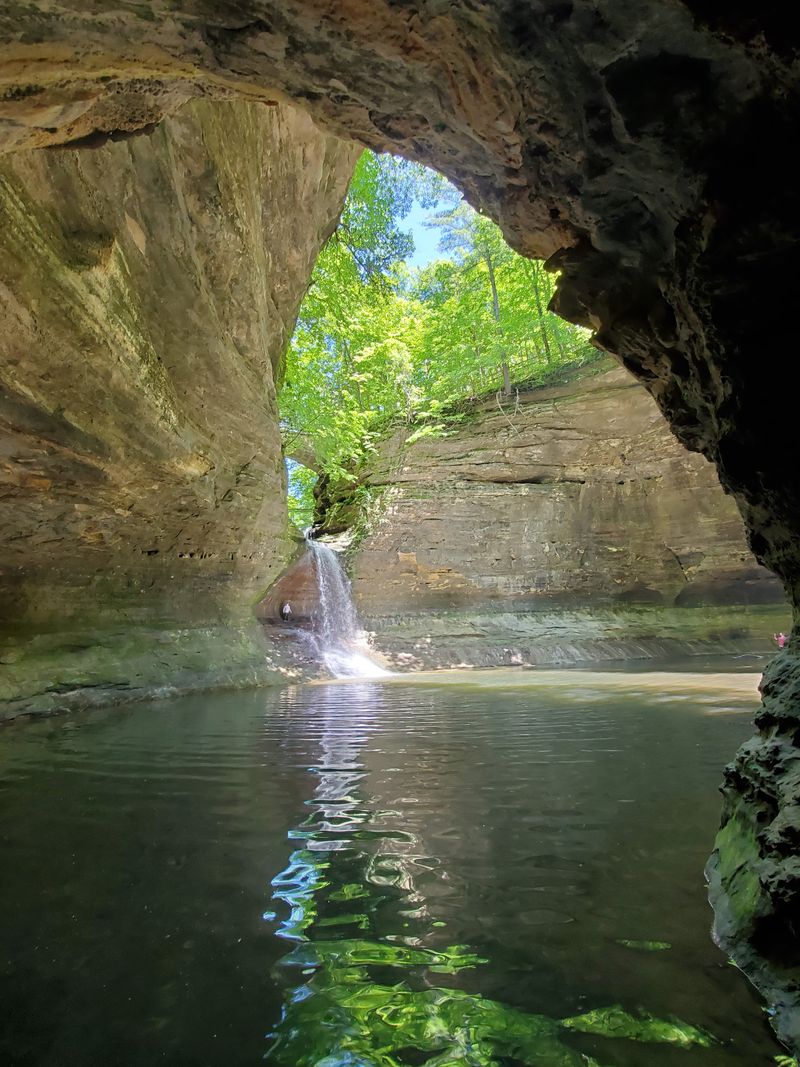
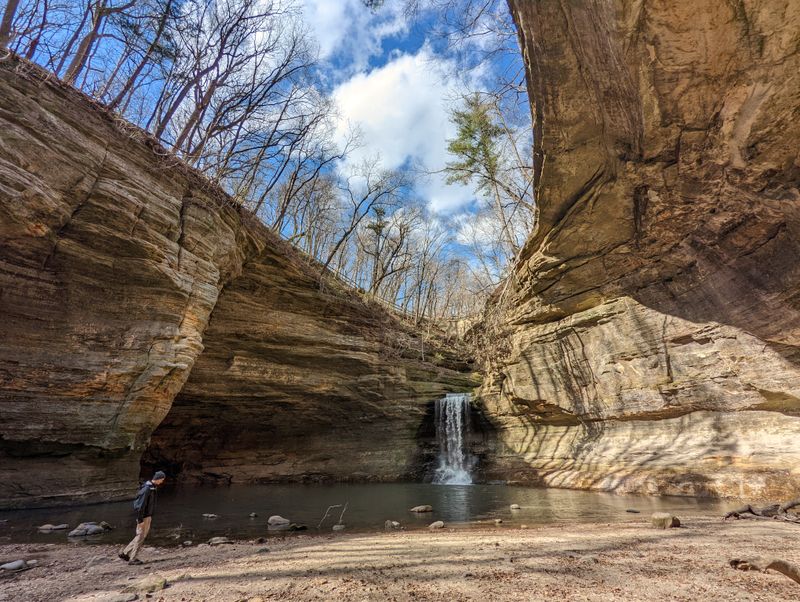
When rain has done its work, the waterfall becomes a lively curtain, dropping about 40 to 50 feet into a round basin below. The canyon amplifies it so your chest hums a little.
Spray catches light, and the sandstone glows like bread crust, warm and layered. Some days it is a silvery ribbon instead, especially in drier months, but the falls still provide a scenic canyon focal point.
There is no railing at the base, just natural rock benches and a few flat shelves to perch on. Keep a respectful distance when flow is strong.
Water shoes or sturdy waterproof hikers make this stop much more comfortable, especially if you want a better angle. On higher-flow days, light spray may reach viewing areas.
A bandana or microfiber cloth earns its pocket space.
The falls can be lovely in winter too, when freezing conditions sometimes form icicles along the canyon rim. In summer, foliage tucks the scene in a deep green frame and birds riff off the canyon acoustics.
Early morning or late afternoon light lends more shape to spray. Stand quietly and you may notice the fall’s pulse change with wind or upstream trickles.
It feels alive.
Lower Dells: Stepping Stones And Secret Pools
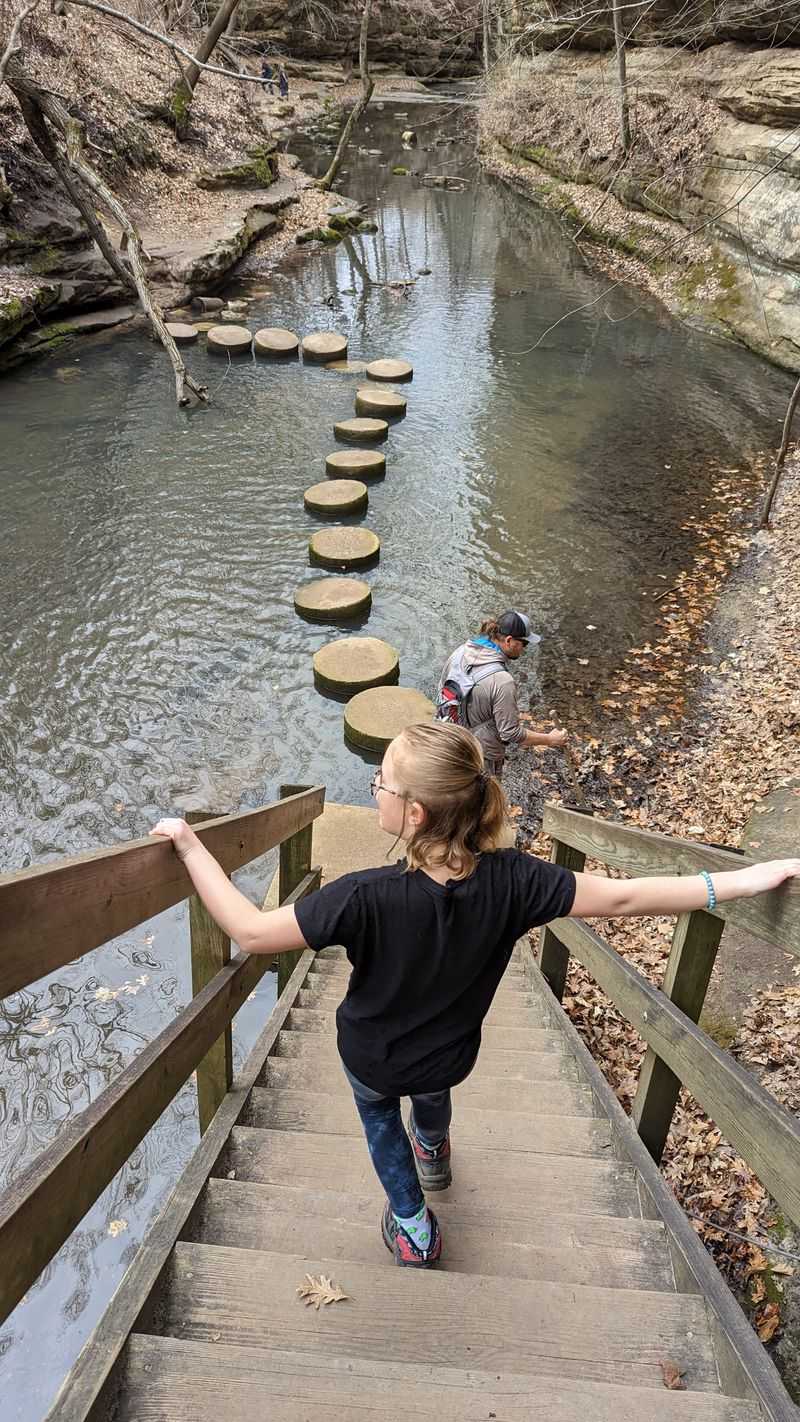
The Lower Dells are where playfulness sneaks in. The trail ducks to water level and asks you to solve little puzzles with each crossing.
Rocks offer hopscotch routes, logs make unexpected bridges, and sometimes the best move is simply walking straight through if the water is warm and low. Kids love it here, but adults grin just as wide.
When levels drop, pools rimmed with sand and leaf litter turn mirror calm. Dragonflies skate the surface and tiny minnows flick shadows along the bottom.
After storms, that same stretch becomes a braided current whispering around knees and ankles. Expect mud.
It is part of the charm and also part of the reason waterproof shoes earn applause in reviews.
The canyon narrows in places, and light pours in like a stage spotlight. Iron stains paint the rock in rusty fans.
You may notice quiet side grottos, shallow caves where cool air lingers. Stay on marked routes and watch your step, because slick algae can disguise itself as friendly green.
Give yourself time here to move slowly and enjoy how the park encourages you to tune your balance and laugh at the wobbles.
Devil’s Paint Box And The Sandstone Story
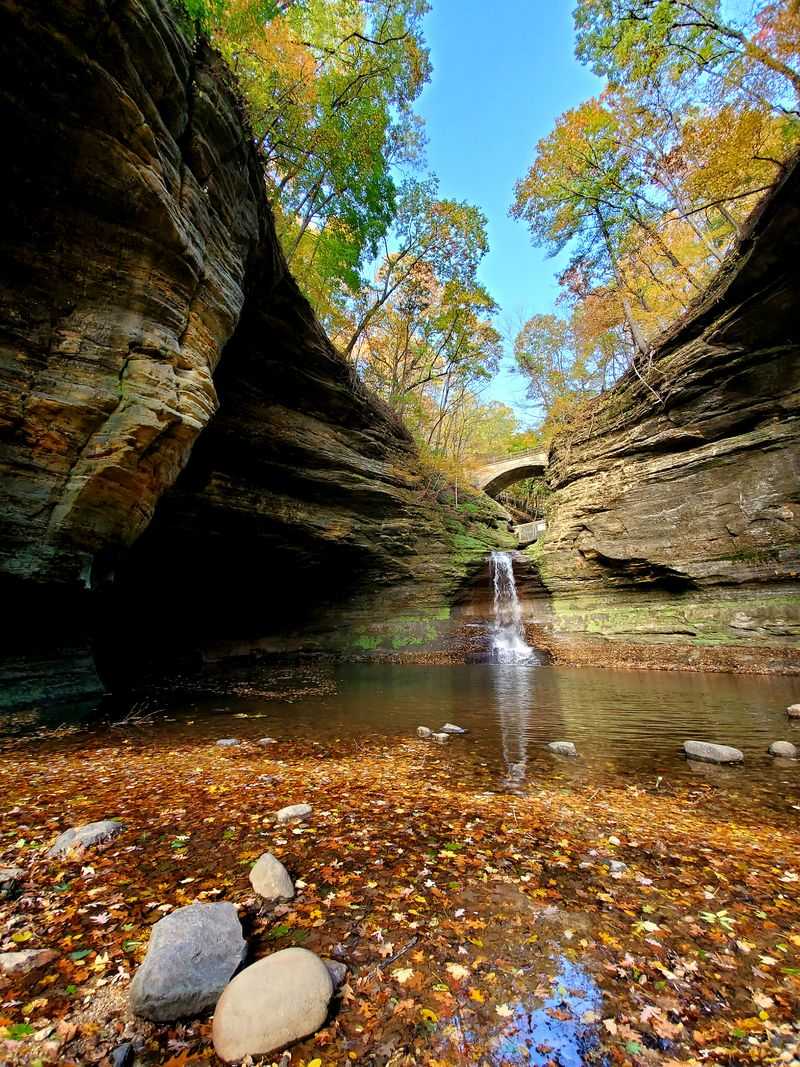
Along the canyon you will spot iron rich streaks fanning down the sandstone, colorful mineral staining often referred to by visitors as the Devil’s Paint Box. It is chemistry made visible.
Groundwater seeps carry minerals that oxidize in contact with air, stamping the walls with oranges, reds, and browns. On wet days the colors burn brighter and drip lines trace fresh paths.
Sandstone here formed from ancient river deposits, pressed and patient. Those layers weather into ledges, shelves, and the ribs you feel underfoot.
It is soft rock by geologic standards, which makes the canyons look freshly carved after each heavy rain. Please resist scraping initials into it.
Even a small nick can scar for decades.
Stand close and you can spot grains sparkling like sugar. Step back and the walls become tapestries in warm earth tones.
The science does not steal the mystery. If anything, it adds to the sense that time is performing just inches from your face.
Keep your hands free to steady on dry surfaces only, and consider a quick pause here. The paint box seems to change every time the light shifts, a living exhibit built by water and patience.
Finding The Trailhead
Plug 2500 IL-178, Oglesby into your map and watch the farmland give way to forested bluffs. Parking is free, and lots serve both the Dells and the River Area.
On busy weekends they fill by mid morning, so earlier arrivals get the easiest starts. The park’s official site lists hours that generally align with daylight, with seasonal adjustments.
Always check before you roll, especially in winter.
At the kiosk, snap a photo of the trail map. Markings exist, but junctions can surprise you, and cell signal is decent yet not guaranteed in dips.
Bathrooms are present at lots, with varying maintenance, and water fountains are not a sure bet. Pack your own water and a snack.
Admission is free, which feels like a gift the moment your shoes hit the first stair.
From the main lot, choose your adventure: Upper Dells for bridge and waterfall, or loop toward the Lower Dells for stepping stone fun. The River Area leads to Vermilion River views and quieter paths.
If you need to avoid big stair climbs, consider top level rim trails and ask a ranger for the gentlest grades. Matthiessen makes room for different energy levels.
Seasons Of Surprise
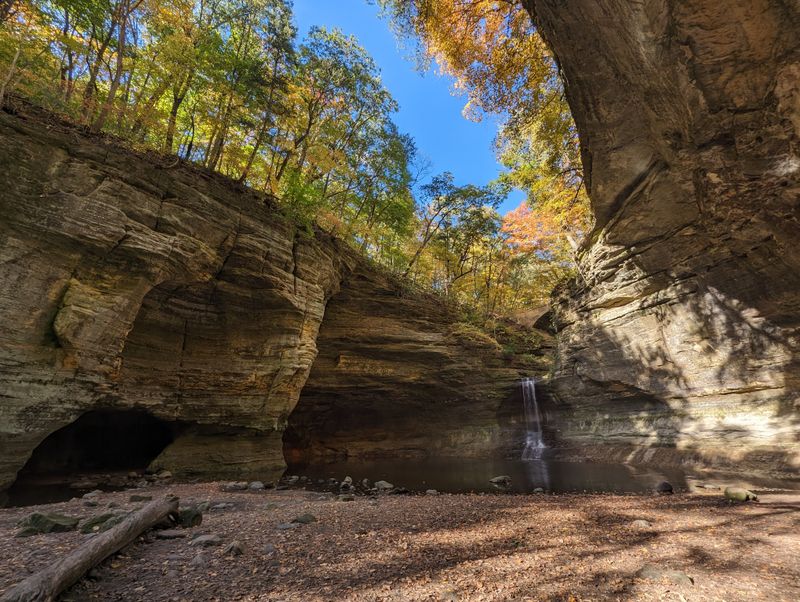
Spring is the waterfall’s favorite drum. Late March through May, snowmelt and rain feed strong flow, and the canyon smells like clean stone.
Trails can be muddy, so waterproof shoes and trekking poles help. Wildflowers sprinkle the rim trails, and frogs pulse in the quieter pools.
If your schedule is flexible, aim for a day or two after steady rain for that big splashy reveal.
Summer turns the park into a green amphitheater. Shade cools most of the canyon, and water crossings feel refreshing.
Crowds rise on weekends, so arrive early or come late afternoon. Mosquitoes appreciate the same conditions you do.
A small spray bottle earns loyalty.
Fall sets the walls ablaze with color around mid to late October, depending on weather. Cooler air sharpens sound, and leaf showers drift through the Dells like slow confetti.
Winter is the quiet season. Stairs can ice over, making traction devices a smart call, and flows may freeze into blue glass.
The park remains open when conditions allow, but hours can shift. Always check the site or call before a cold weather trip.
Stairs, Elevation, And Accessibility Tips
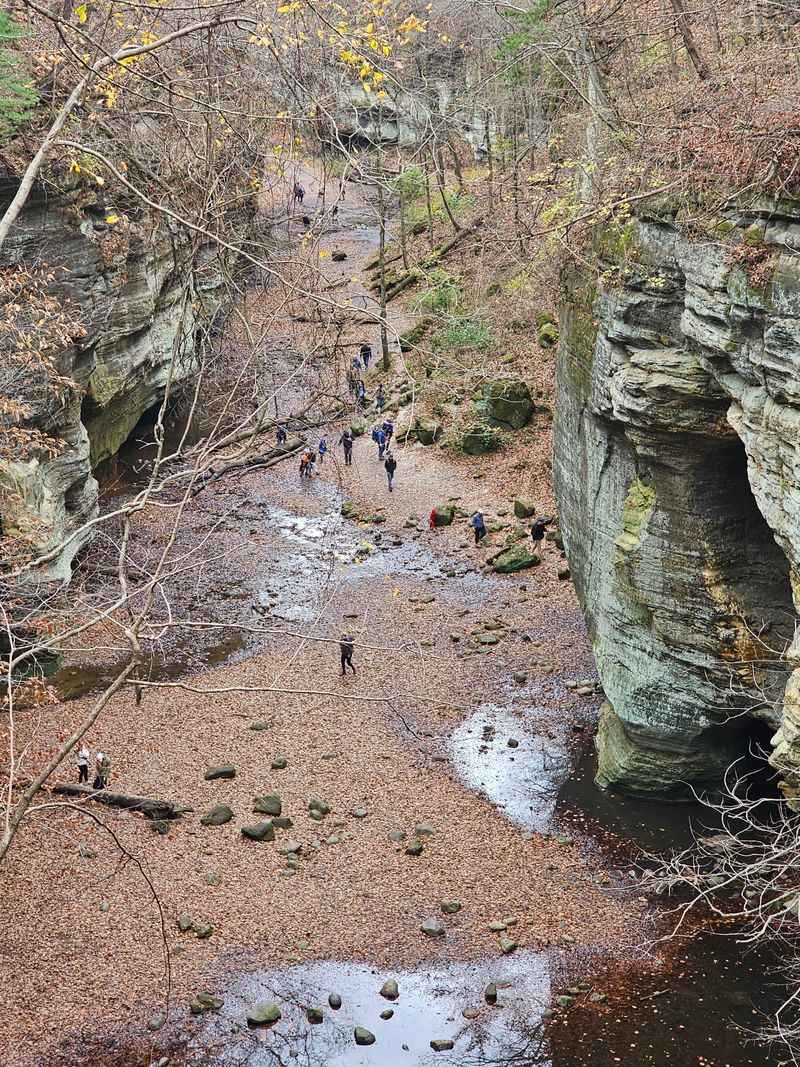
Matthiessen is famous for its stair workouts. Expect multiple flights down from the Upper Dells lot, then the same returning up when legs are tired.
Some steps tilt slightly with age, and a few stretches lack handrails. Move deliberately and keep eyes on footing.
If mobility is limited, consider enjoying rim views, picnic areas, and short approaches that avoid deep descents.
Wheelchair access to the canyon floor is not practical due to stairs and uneven ground. That said, upper paths and overlooks near parking areas can offer satisfying glances into the gorge.
Call the park office at the posted number for current conditions and suggestions. Winter requires extra caution.
Ice turns boards and stone into surprise slides, so traction cleats are worth packing.
If you are hiking with young kids, set clear rules near drop offs. The canyon’s beauty comes with edges that deserve respect.
Keep dogs leashed and paws protected from sharp gravel. Trekking poles help on the way back up when quads start to whine.
Rest spots exist along the stairs, and no one will judge a mid climb snack break. Slow and steady keeps the day fun.
History In The Trees
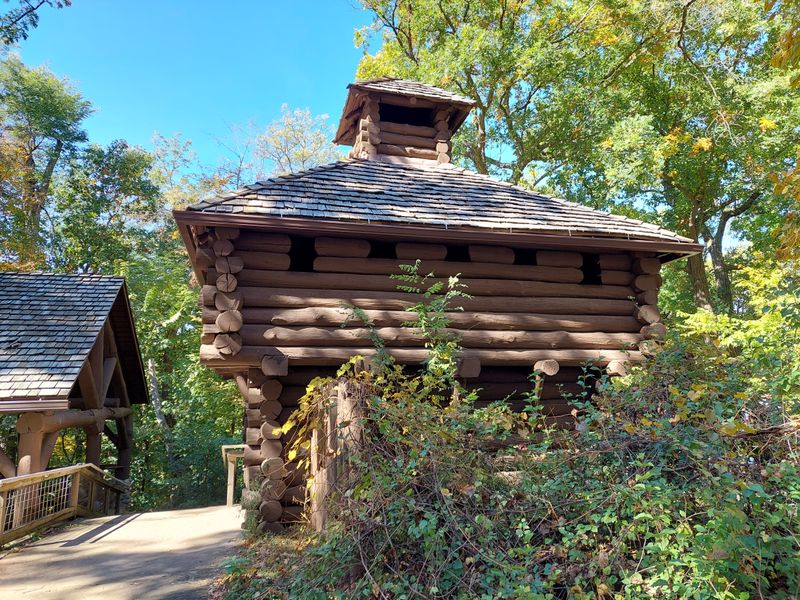
The land carries a human story alongside its geologic one. Frederick Matthiessen, an industrialist and philanthropist from LaSalle, once owned an estate here.
His family encouraged conservation minded recreation and donated land that became the park. That generosity seeded today’s trail network, the bridges, and the balance between access and wildness you feel on every staircase.
Some early structures survive or are echoed in later park architecture. The stonework by overlooks feels purposely sturdy and a little romantic.
The cabins by the Dells lot hint at earlier visitor days, when travel to the canyons felt more expedition than weekend plan. Interpretive signs appear in a few spots, though not everywhere.
When in doubt, the official site and local visitor centers fill in gaps.
Knowing the backstory changes how the creek’s music lands. You are standing in a place deliberately preserved and widely enjoyed by hikers today.
The park is popular, especially on weekends, though it often feels quieter than nearby Starved Rock State Park. The park features several seasonal waterfalls, including Cascade Falls and Lake Falls, which are most impressive after rain or snowmelt.
That balance requires care from all of us. Pack out every wrapper, step carefully, and treat the canyon like someone’s generous gift, because it is.
Quiet Trails To The Vermilion
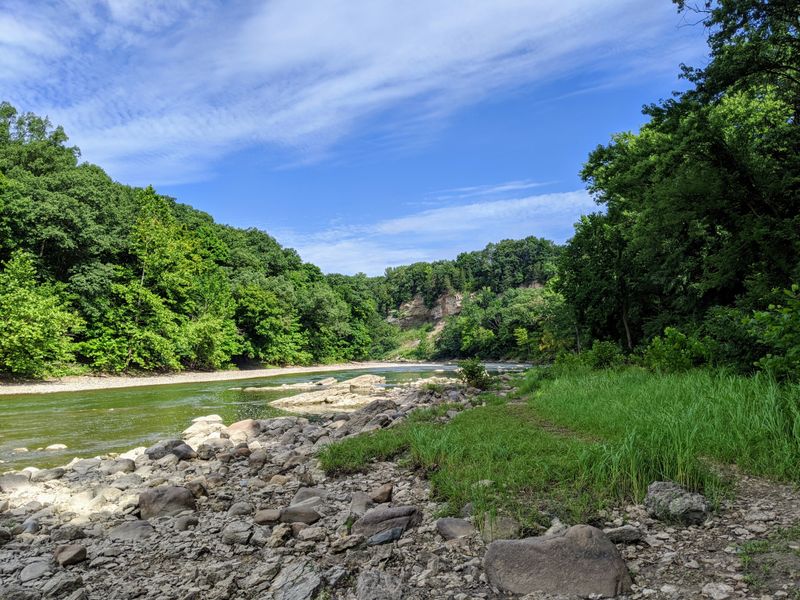
When the Dells feel lively, head to the River Area for a softer volume. Trails roll through oak and maple down to the Vermilion River, opening into breezy views and sandy edges.
Horses share portions of the network when open, so hoof prints may braid with boot tracks. It feels farther from the crowd, even though it is minutes from the main lot.
Expect mild elevation swings and a sense of quiet that sneaks up on you. Birdsong carries well here, and deer sometimes step out near dusk.
Signage can be sparse, so keep a mental note of turns or use a trail app you trust. After rain, sections grow lush and a touch overgrown.
Long pants are a comfort for brambles and seed hitchhikers.
There is no big waterfall finale in this zone, just a calm river conversation and a sense of space. Bring water since fountains are not always available.
Benches pop up at intervals, good for snack breaks or river watching. If the sun is hot, this area often feels cooler.
It is the exhale after the canyons’ drama and a lovely way to round out the day.
Photography Playbook: Light, Angles, And Water
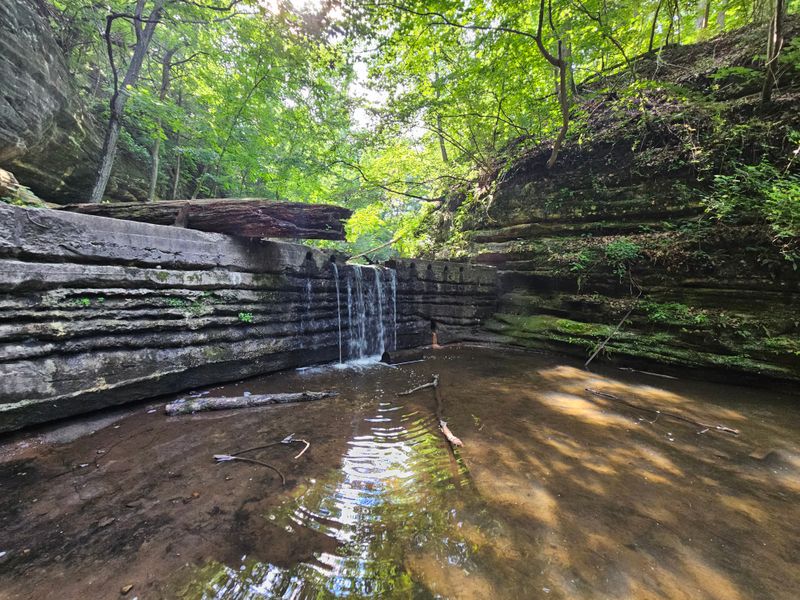
For photos that really pop, try to arrive early or later in the day when the light softens. The canyon seems to welcome those gentler rays, and the sandstone takes on a warm glow that feels almost staged.
A lightweight tripod helps if you’re shooting long exposures at the waterfall, but make sure it’s planted on dry, steady rock. Even a cheap microfiber cloth goes a long way when mist starts collecting on your lens.
Neutral density filters can turn rushing water into that smooth, silky look.
Angles make a big difference in tight canyon spaces. Shift a few feet left and the bridge suddenly frames better, or crouch down to lift the waterfall against the sky.
It’s tempting to edge closer for the perfect shot, but don’t, no photo is worth risking your footing. If you want a sense of scale, capturing hikers stepping across the stones works well from a respectful distance.
Cloudy days are secretly great for photography here. Colors deepen, shadows relax, and reflections in shallow pools turn into little abstract scenes scattered with leaves.
In winter, aim for midday light to pull sparkle from the ice.
Phones do surprisingly well too, especially with night mode turned off to keep textures crisp. And if a scene feels underwhelming at first, pause, take a breath, and give the light a minute to change.
It usually does.
Safety, Gear, And Wayfinding
Think simple, sturdy, and dry. Waterproof or water resistant shoes make every step in the Dells more confident, and a spare pair of socks is gold for the drive home.
Trekking poles help on steep stairs and through streambeds. A small first aid kit, headlamp, and a snack bar weigh little and solve a lot.
Take a picture of the trail map at the kiosk. It pays off at confusing junctions.
Stay on marked routes. The top level trails run near drop offs, and the lower canyon benches can lure you just a step too far.
Signboards warn against leaving the path for good reason. If rain is recent, algae and mud create surprise slick spots.
Move with intention, not speed.
Cell coverage varies by dip and canopy, but most visitors report at least occasional bars. Save the park office number from the entrance sign.
Let someone know your route if you hike solo. In summer, pack extra water.
In winter, pack traction spikes and warm layers. Gear does not need to be fancy.
It just needs to be ready.
Perfect Day Plan
Arrive around opening to claim a close spot and a quiet bridge moment. Drop into the Upper Dells first while legs are fresh, pausing mid span to study the creek’s bend.
Continue to the canyon waterfalls, including Cascade Falls, for the day’s headline. Linger long enough to feel the temperature drop on your skin.
Backtrack to the Lower Dells for stepping stones and snack time on a flat slab. Dip a boot if heat rises.
After lunch, shift to the River Area for a calmer loop, listening for birds and watching the Vermilion slide by. If energy fades, return to an upper rim path for gentler footing and a last overlook.
Budget two to four hours for a taste, five if you savor and take photos. Admission and parking are free, but you might treat yourself at a nearby cafe afterward.
Check seasonal hours on the official site before you go. Leave no trace.
On the drive out, the forest thins to fields again, and that sudden openness will make the canyon feel even more magical. You will want to return.