
Feel The Wild Come Alive With Safari Tours & Action-Packed Animal Shows At This Arizona Wildlife Park This February
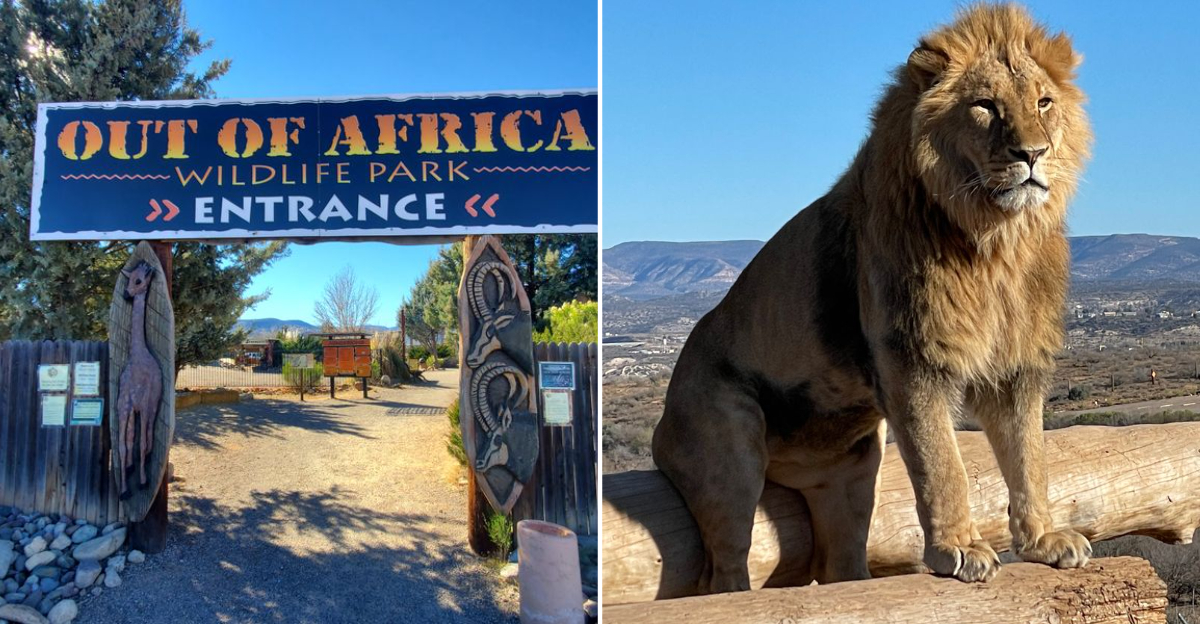
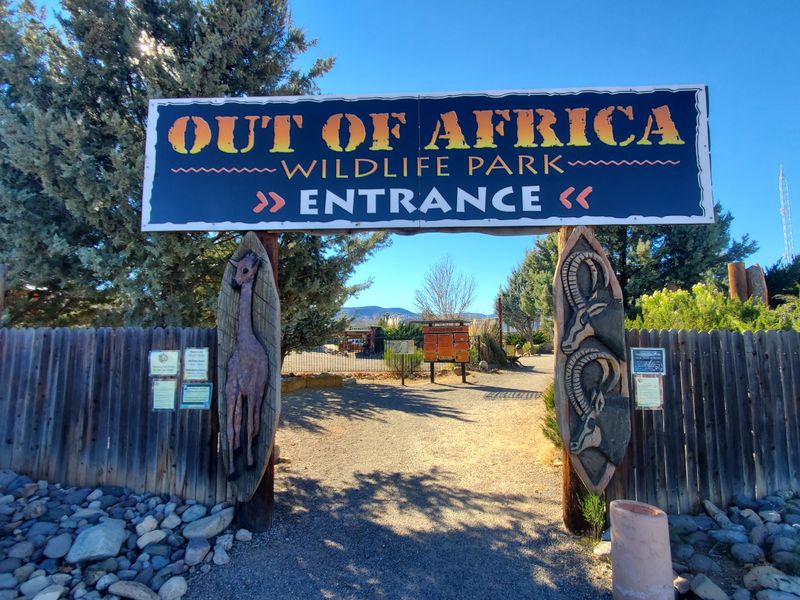
Pulling off Highway 260 in Camp Verde, Arizona I spotted the entrance and felt that familiar flutter of excitement that comes before meeting apex predators face to face.
February brings cooler temperatures to this corner of Arizona, making it the perfect month to spend hours wandering among animals that usually require air conditioning and shade breaks during summer visits.
Out of Africa delivers something most zoos cannot: safari-style encounters where giraffes poke their heads into your tram and tigers demonstrate their hunting instincts just feet away. After visiting countless wildlife facilities across the country, I can honestly say this place earned its spot at the top of my list.
Not just for the close encounters, but for the genuine passion radiating from every staff member who shares stories about the rescue animals in their care.
Safari Tram Adventures That Bring Africa To Arizona
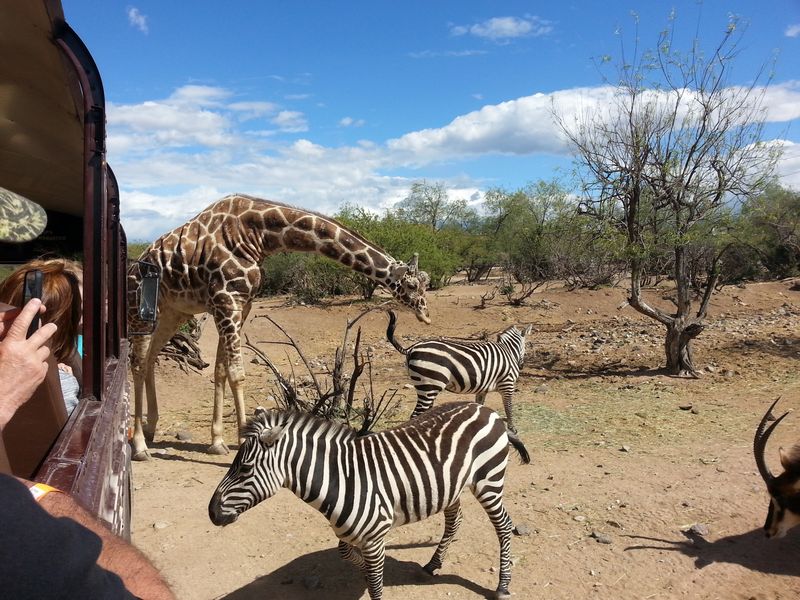
Climbing aboard the safari tram felt like stepping into a nature documentary, except the giraffe that wandered over was about to eat leaves directly from my hand.
Out of Africa built their safari experience around genuine interaction rather than distant viewing, and the difference hits you the moment Timba or one of his giraffe companions strolls right up to your seat.
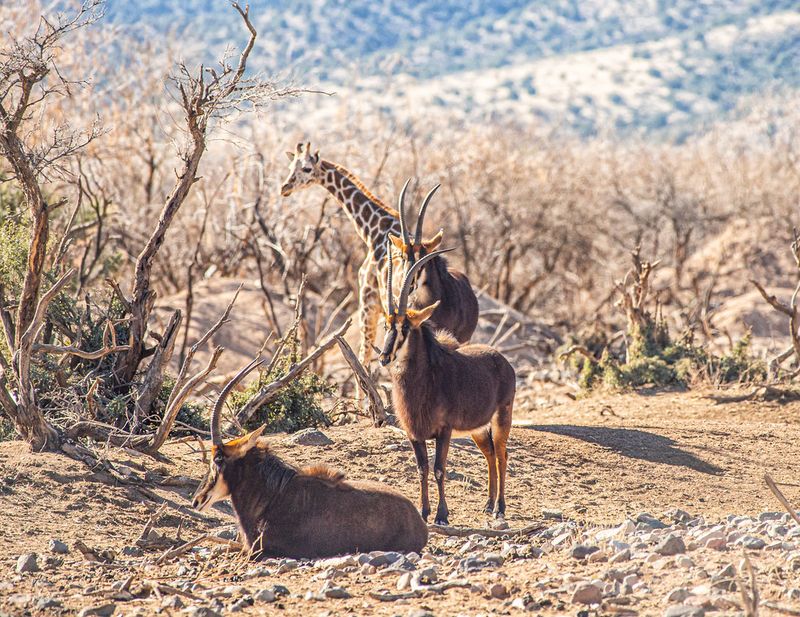
Our guide Armando kept up a steady stream of rescue stories and animal facts while navigating the 104-acre preserve, pointing out zebras, antelope, and massive bulls roaming the terrain.
The tram ride lasted about twenty-five minutes, but every second delivered either a photo opportunity or a moment that made me forget I was still in Arizona. Giraffes have surprisingly long tongues, and watching one wrap around the vegetation you are holding creates a memory that beats any standard zoo visit.
I recommend booking the Super Mog upgrade for extended time and closer encounters that regular admission does not include.
Tiger Splash Show That Redefines Big Cat Entertainment
Watching a four-hundred-pound tiger launch itself into a pool chasing a toy might be the most thrilling ten minutes you will spend at any wildlife park.
The Tiger Splash show runs daily at Out of Africa Wildlife Park at 3505 AZ-260, and I made sure to grab a seat near the front where the splash zone lives up to its name. These massive cats display their natural hunting behaviors, leaping after lures and demonstrating the power that makes them apex predators.
The handlers clearly share deep bonds with these animals, many of which came to the park as rescues from inadequate living situations.
Between splashes, staff members explain each tiger’s personality and background, turning entertainment into education without losing any excitement. I heard bones crunching during feeding time, a visceral reminder of what these animals need to thrive.
The show happens multiple times throughout the day, so you can plan your visit around it and still catch the other experiences the park offers.
Hand-Feeding Experiences That Close The Distance
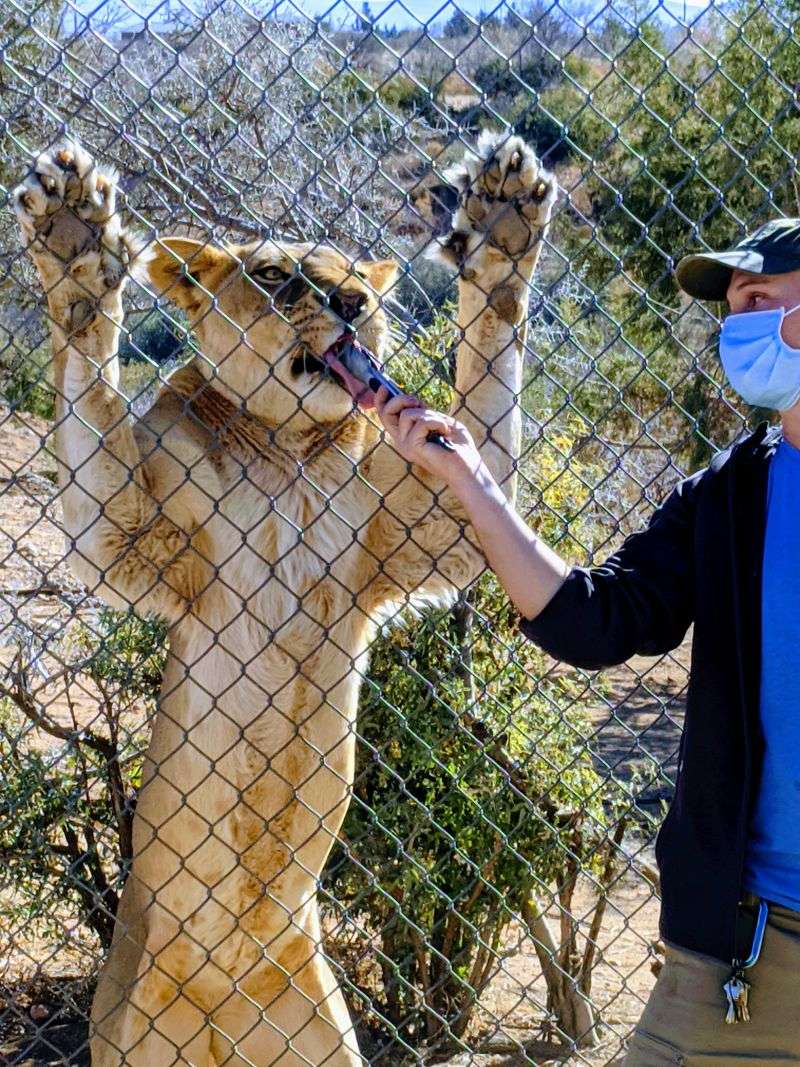
Extending my palm toward a giraffe’s mouth required more courage than I expected, but Timba’s gentle approach made the moment feel magical rather than frightening.
Out of Africa structures their feeding experiences to prioritize animal welfare while giving visitors unforgettable interactions. The giraffes receive their natural diet during these encounters, not processed pellets or unhealthy treats.
Several visitors mentioned feeding tigers as part of VIP packages, getting close enough to see individual whiskers and hear the rumbling sounds these predators make.
The park also offers opportunities to meet their rhino Jericho, whose rough skin and massive presence create a prehistoric vibe that photos cannot quite capture. Each feeding session comes with education about the animal’s natural habitat, diet, and the circumstances that brought them to the park.
These interactions cost extra beyond general admission, but the memories and photos justify every dollar spent on getting this close to creatures most people only see through fences.
VIP Tours That Unlock Behind-The-Scenes Access
Booking the VIP tour transformed my visit from enjoyable to absolutely extraordinary, granting access to areas and animals that standard tickets cannot reach.
The guides bring every animal right to the fence for intimate interactions, sharing rescue stories and behavioral insights while you pet a rhino or watch a tiger demonstrate its strength mere feet away. Prayeri, the park’s owner and founder, sometimes joins lunch with VIP guests, discussing the thirty-seven-year journey of building this sanctuary.
The personal attention and extended time with each animal creates connections that rushed zoo visits never achieve.
VIP packages include feeding experiences, narrated tram rides with stops regular tours skip, and priority seating at shows. Several reviewers insisted the upgrade was worth every penny, and after experiencing it myself, I understand their enthusiasm.
The cost runs higher than basic admission, but the value shows in every exclusive moment and every animal story shared during your private tour.
Predator Feeding Sessions That Showcase Natural Behavior
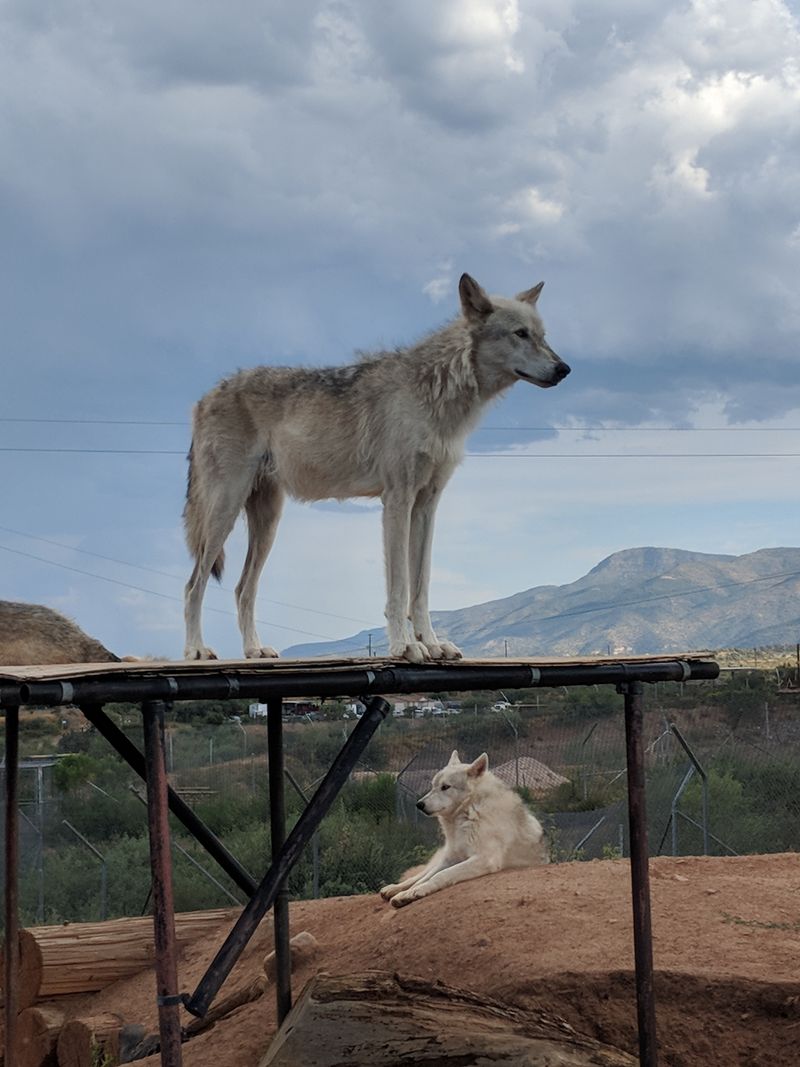
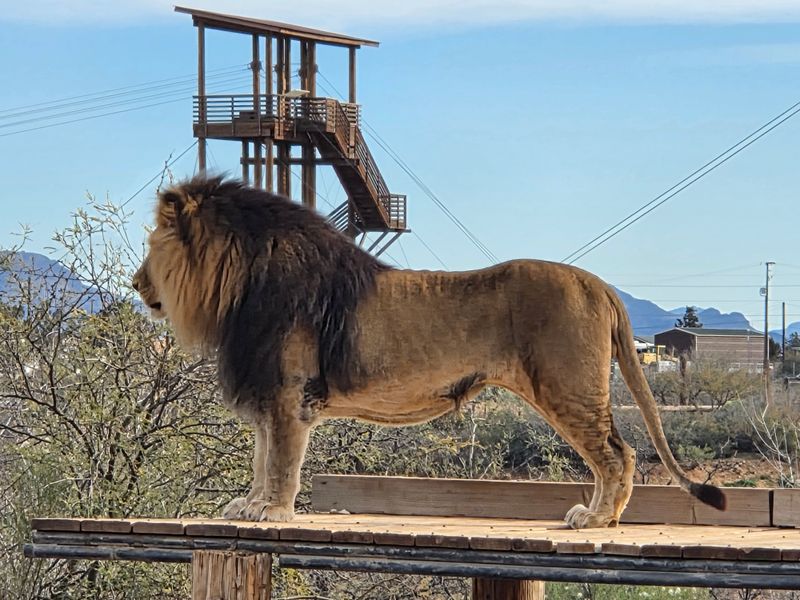
Arriving during predator feeding time means witnessing nature’s raw power as lions and tigers catch and devour their meals with bone-crunching intensity.
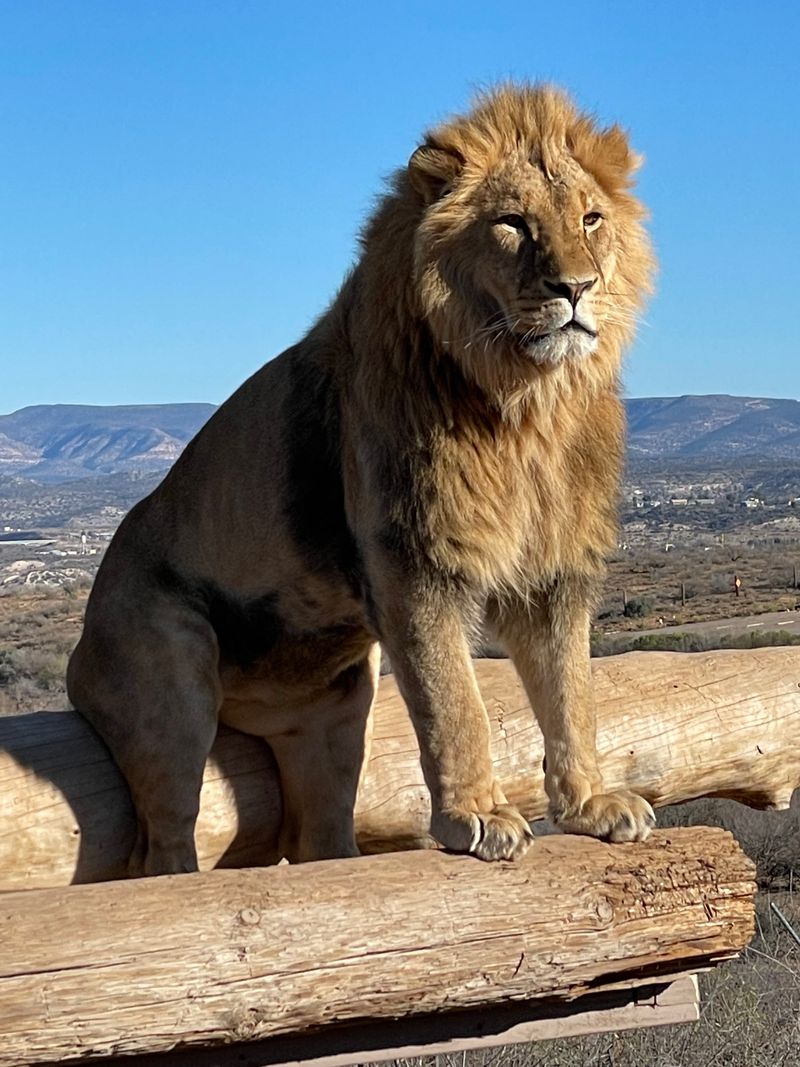
The park schedules these feedings throughout the day, giving visitors multiple chances to observe hunting behaviors that captivity often suppresses. I watched big cats stalk, pounce, and tear into their food with techniques perfected over millions of years of evolution.
The sounds alone make the experience memorable, from low growls to the crack of bones breaking under powerful jaws.
Staff members explain the nutritional needs of apex predators during these sessions, detailing how Out of Africa maintains the health of animals that might have suffered from inadequate care before their rescue.
The educational component never diminishes the visceral thrill of seeing these magnificent creatures behave as nature intended.
Check the daily schedule when you arrive so you can position yourself near the predator habitats before feeding begins and secure the best viewing spots.
Arrive early to avoid crowds, as prime viewing areas fill quickly with eager photographers and wildlife enthusiasts. Safety barriers and staff guidance ensure you witness the action up close without compromising your protection or the animals’ space.
Reptile Encounters And Sloth Visits For Variety
Not every memorable moment at Out of Africa involves massive predators; sometimes a sleepy sloth or impressive snake steals the show with unexpected charm.
The reptile encounters run separately from the big cat shows, featuring snakes, lizards, and other scaled creatures that fascinate visitors who appreciate cold-blooded beauty.
Handlers bring animals close enough for detailed viewing while explaining their natural habitats, defensive behaviors, and conservation status.
One visitor specifically mentioned their kids’ love for snakes, making this show a highlight of their entire trip.
The park’s sloth proved popular with multiple reviewers, offering a completely different energy than the high-octane predator demonstrations.
These slower-paced encounters provide perfect breaks between safari rides and feeding sessions, letting you catch your breath while still learning about remarkable animals.
Spreading your visit across multiple shows and animal types prevents exhaustion while ensuring you experience the full diversity this wildlife park offers beyond its famous cats.
February Weather That Makes Every Outdoor Moment Comfortable
Planning my visit for February proved brilliant, as the cooler temperatures made hours of outdoor walking and standing genuinely pleasant rather than endurance tests.
Arizona’s desert climate turns brutal during summer months, but February delivers sunshine without the scorching heat that sends both visitors and animals seeking shade.
The animals show more activity in these moderate temperatures, increasing your chances of spotting creatures that might hide during hotter periods.
Several reviewers noted that rain occasionally rolls through, but even wet weather created positive experiences as animals emerged and guides adapted tours.
Morning visits offer the best animal activity regardless of season, but February’s mild days mean afternoon exploration remains comfortable too. The park opens at nine-thirty, giving you a full day to cycle through shows, safari rides, and feeding experiences without rushing.
Bring water regardless of the season, as Arizona’s dry air dehydrates quickly, but February visitors can pack lighter and worry less about heat exhaustion than summer crowds face.
Binoculars and a good pair of walking shoes are essential, as some of the most interesting wildlife sightings happen off the main paths. Don’t forget a camera with a zoom lens to capture close-up moments without disturbing the animals.
Photography Workshops That Capture Wildlife Magic
Standing behind the lens watching a jaguar stalk across its territory taught me more about patience than any photography class ever could. Out of Africa partners with professional wildlife photographers throughout February to offer specialized workshops that go beyond basic camera settings.
Participants learn composition techniques while photographing actual animal behaviors, from birds spreading their wings to big cats stretching after naps. The instructors share tricks for capturing motion without blur and finding that perfect angle that makes viewers feel like they’re right there in the habitat.
Small group sizes mean personalized feedback on your shots while animals remain active and engaged throughout the cooler February hours.
The crisp morning air carries the scents and sounds of the savanna, adding an immersive dimension that no studio or classroom can replicate. Sunrise and sunset provide golden-hour lighting that transforms ordinary shots into breathtaking images worthy of a gallery.
By the end of the workshop, participants leave not only with stunning photographs but also a deeper respect for the rhythms and behaviors of the wildlife they’ve observed firsthand.