
This Otherworldly Michigan Tunnel Will Make You Feel Like You’re In Another Dimension
When I stepped out of the Northern Michigan sun and into a brick-lined throat it seemed like it swallowed the 21st century whole. Walking beneath the former asylum grounds, the yellowed brick arches curve over you with a heavy, Victorian grace, lit by a soft glow that makes every shadow feel like a stored memory.
As a hauntingly beautiful remnant of a Victorian asylum, these historic Grand Traverse utility tunnels provide an unparalleled underground experience for travelers seeking Michigan’s hidden history.
I couldn’t help but run my hands over the cool, damp masonry, half-expecting to hear the distant rattle of a medicine cart. There is a staggering, quiet beauty in these passages that most people just walk right over without a second thought.
If you’re the type who finds more magic in a forgotten brick archway than a souvenir shop, this “quiet dare” of a walk is going to stay with you long after you resurface.
Start At Cottageview Drive Entrance
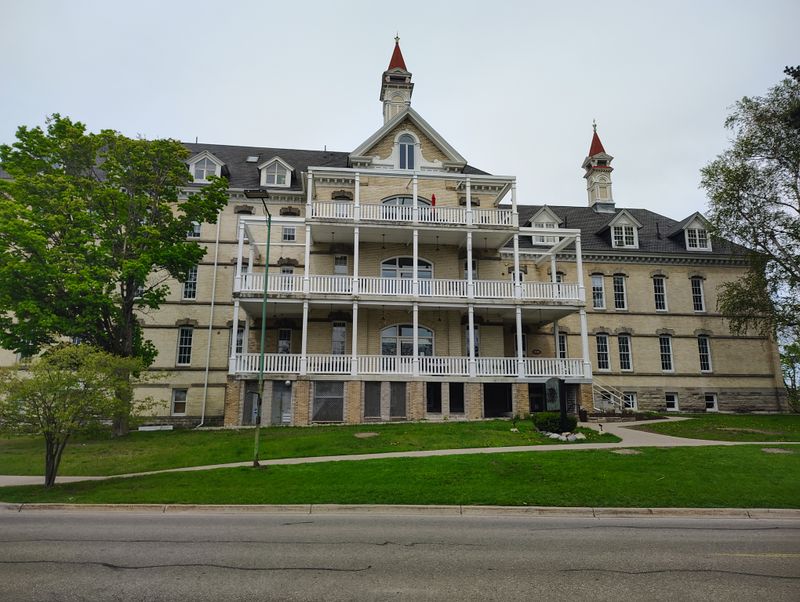
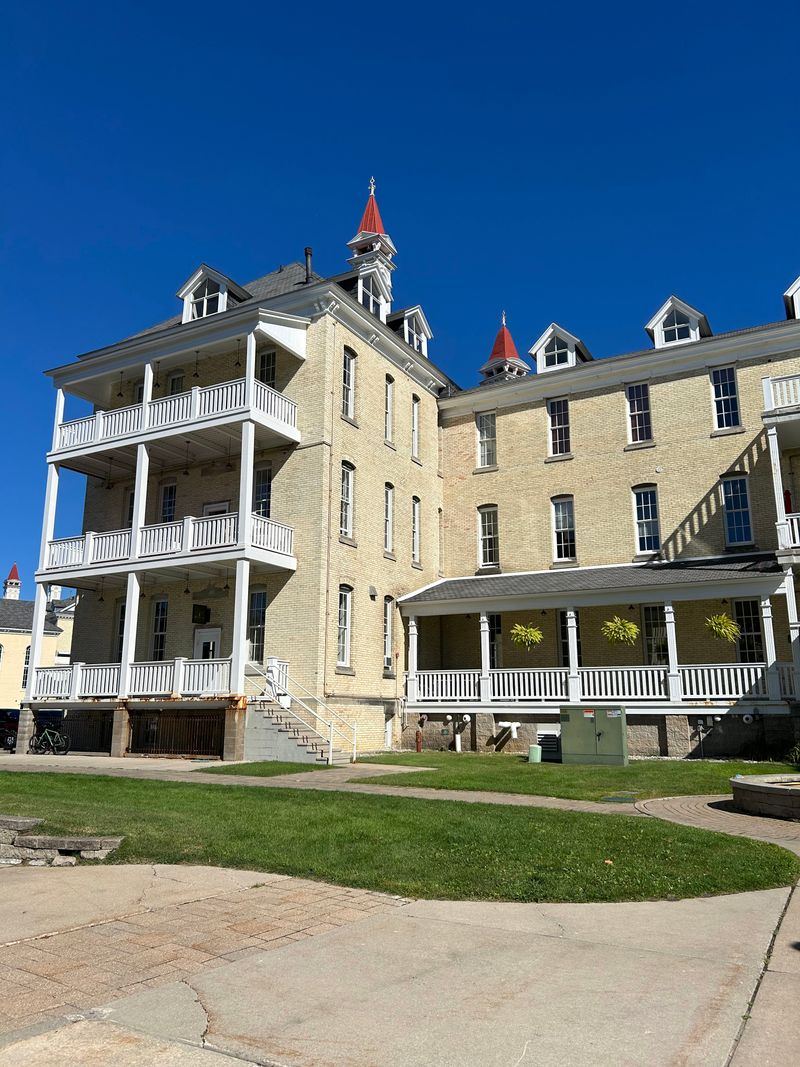
Begin by orienting yourself along Cottageview Drive, where handsome brick wings and arched windows frame the hillside. The buildings sit in calm conversation with the lawn, a softened echo of institutional order. You can feel routine underneath the charm, like a heartbeat that has slowed but refuses to stop.
Wayfinding is straightforward once you step into the Mercado level and ask about tunnel access. Staff keep details current, and tour times vary seasonally. Wear shoes you trust, because the floors below tend to be cool and a little dusty.
Take a breath before heading down. The shift from sun to tunnel light is a small, satisfying jolt.
A Historic Transformation In Traverse City
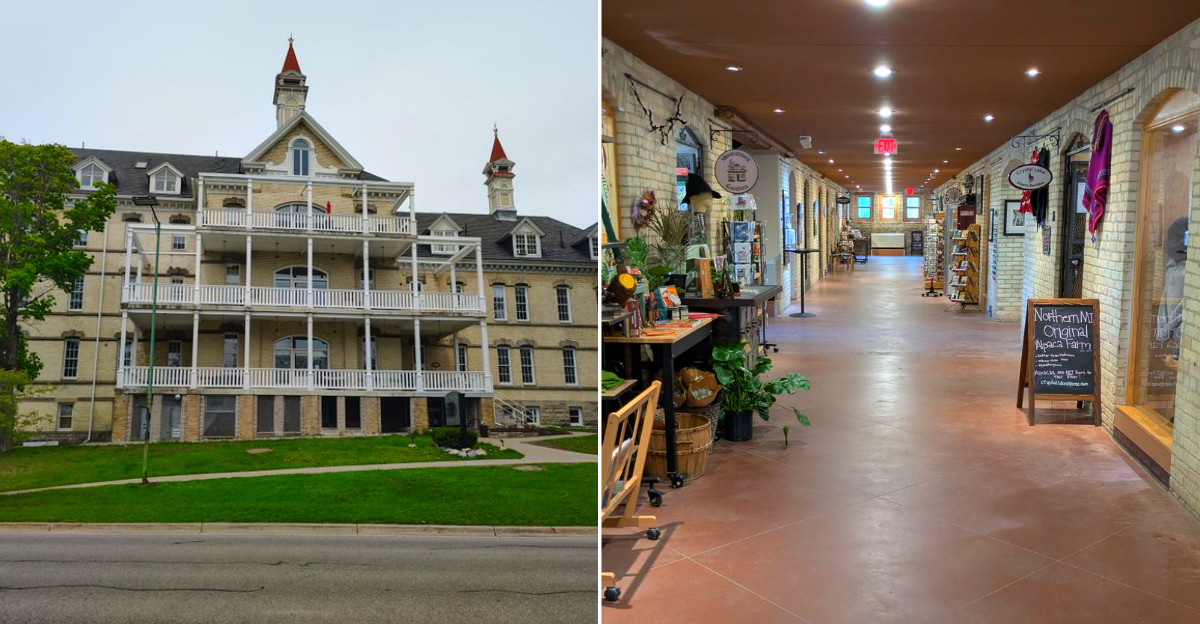
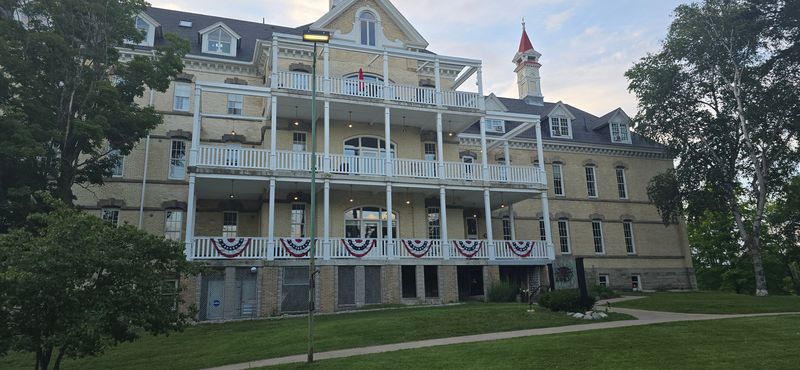
Housed within a beautifully restored 1884 asylum complex at 830 Cottageview Dr, Traverse City, MI 49684, The Village at Grand Traverse Commons is one of the most unique redevelopment projects in the country. To reach this sprawling campus, you’ll head just west of downtown Traverse City.
From the main intersection of Division Street and Eleventh Street, simply follow Eleventh Street westward until it leads you directly into the historic grounds of the former state hospital.
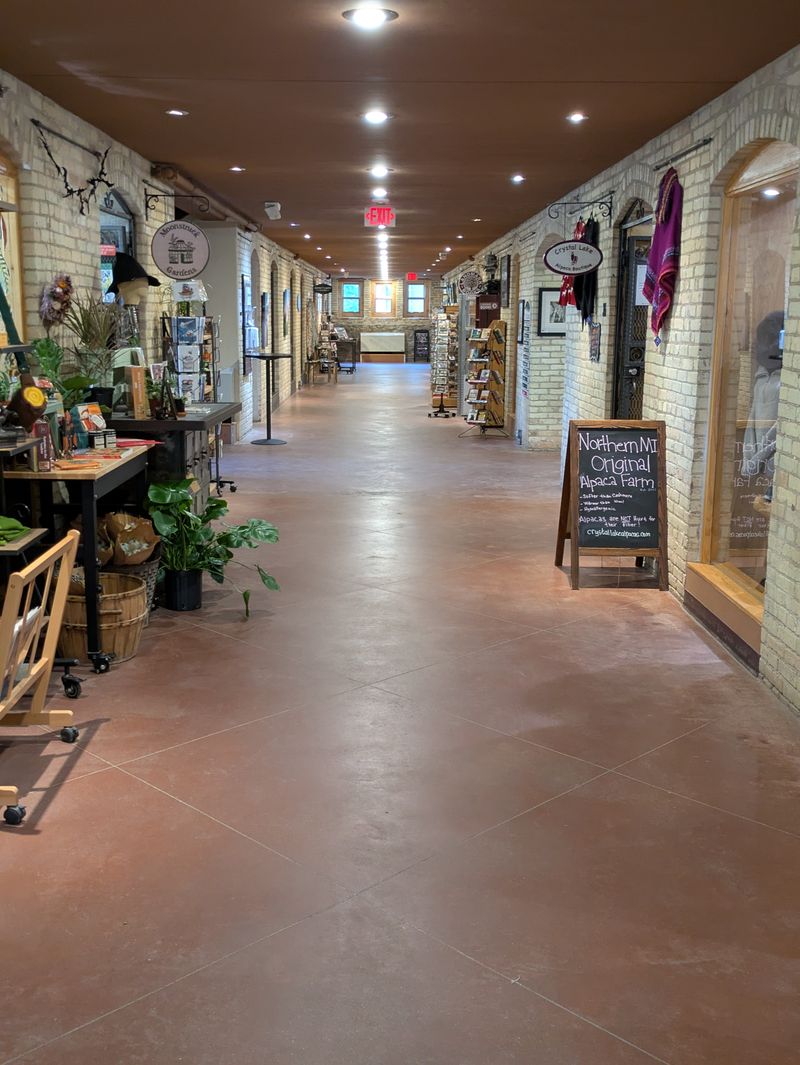
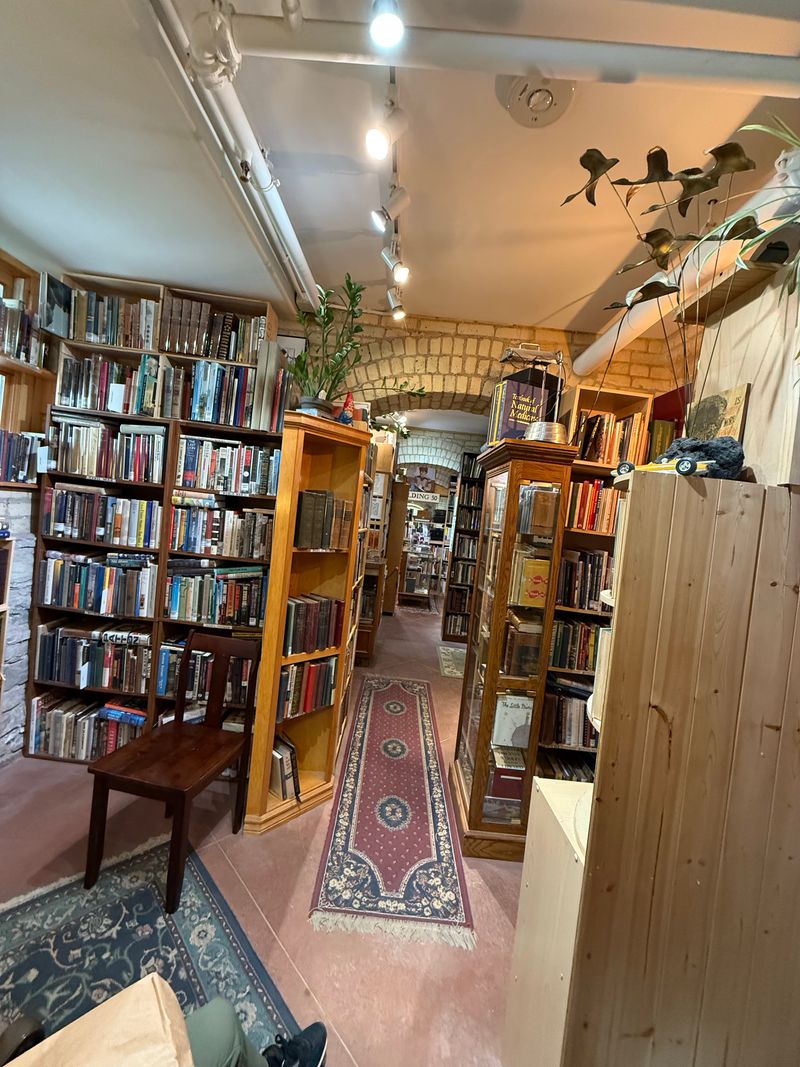
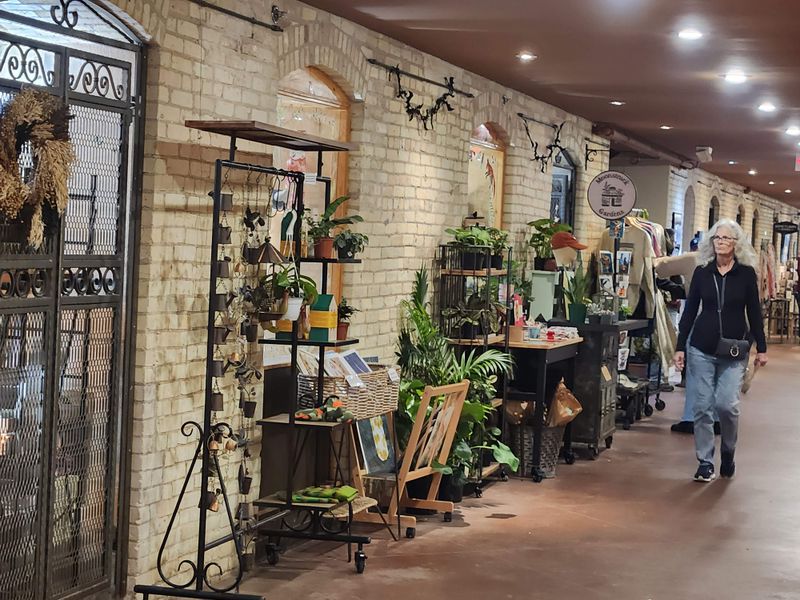
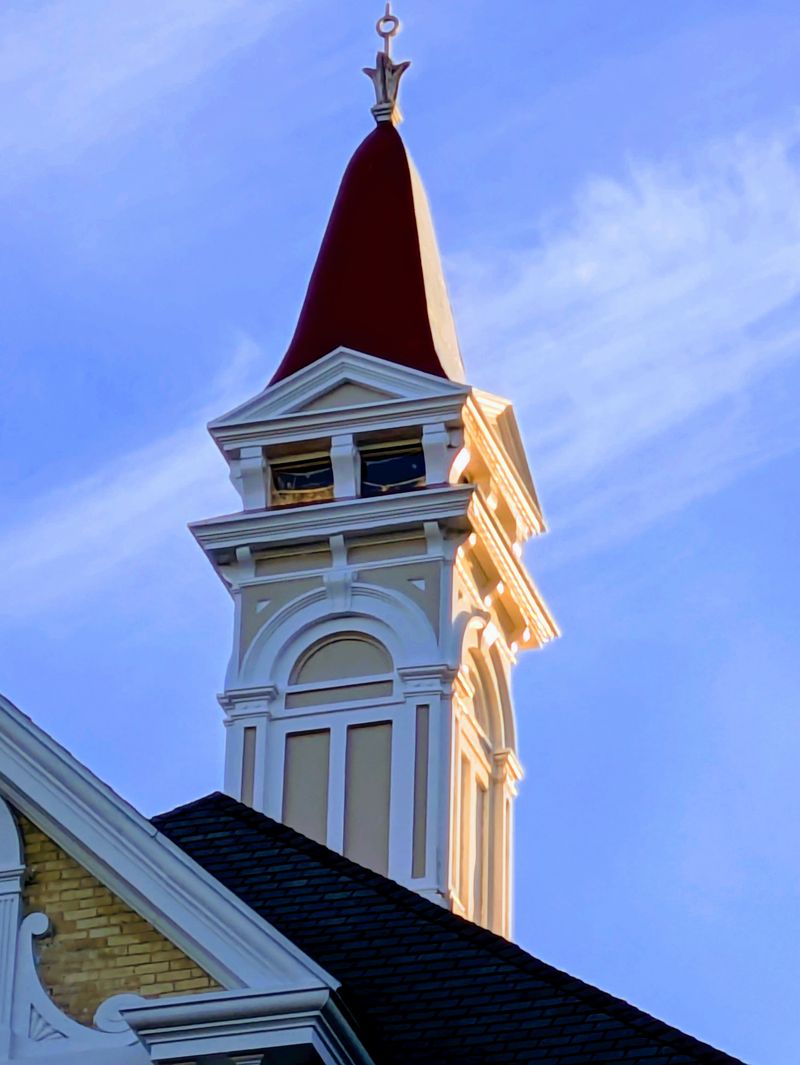
The property is instantly recognizable by its yellow-brick Victorian-Italianate architecture and distinctive red spires. Suite 1011 is located within the Mercato, the vibrant indoor marketplace on the ground floor of Building 50, which features vaulted brick ceilings and a variety of boutique shops and eateries.
Brickwork That Breathes
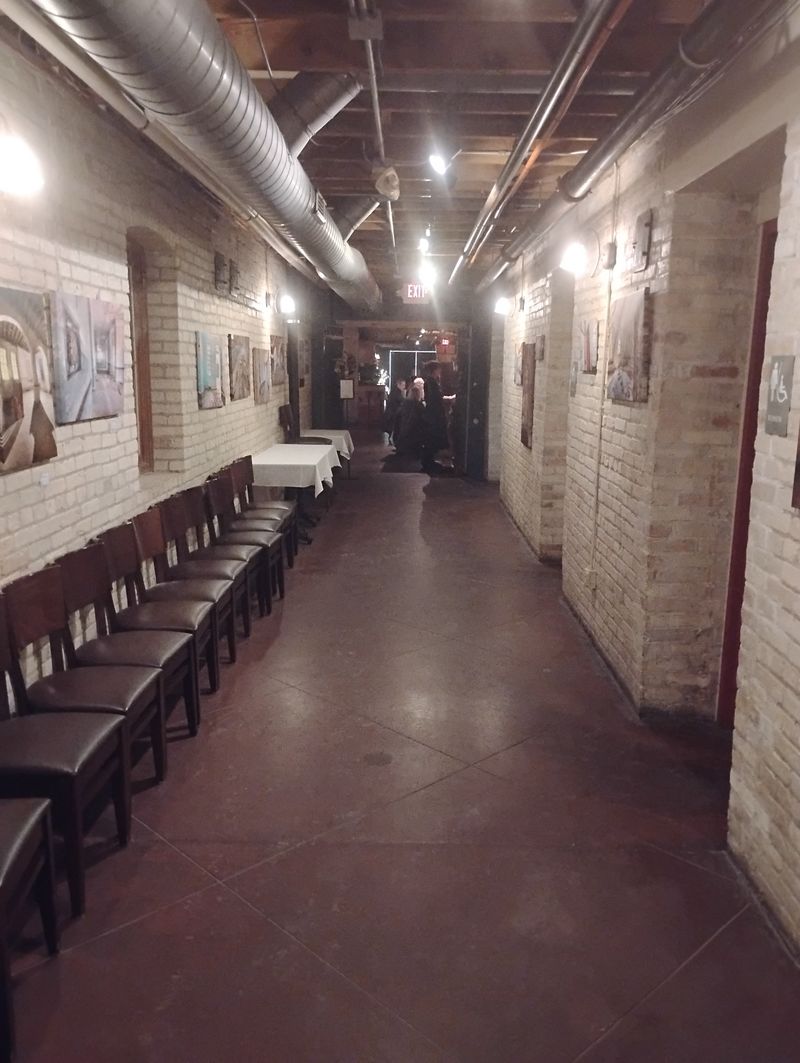
Look closely at the brick arches and you will see craft wearing its history in plain sight. Mortar joints waver where hands worked faster than plans, and subtle color shifts reveal patching across decades. The curve of each arch makes the ceiling feel like a held note.
These were service corridors for a sprawling 1884 hospital complex built under Dr. Thomas Story Kirkbride’s influence, adapted over time. Preservation here favors honesty over gloss, and it suits the tunnels.
Stand back, then step in again. Angle your phone light across the surface rather than straight on. Raked light shows tooling marks, repairs, and tiny salt blooms, evidence of moisture managing itself responsibly behind the scenes.
Temperature Shift As Guide
The temperature drops fast when you leave the Mercado level. Cool, steady air folds over you, an instant reminder that this was built for function more than comfort. It is refreshing in summer and brisk in shoulder seasons.
That stability tells a story about mass, ventilation, and old construction. Thick walls buffer weather swings, and vent runs keep the air moving without drama. Guides often mention how consistent temperatures helped maintenance crews work predictably year round.
Bring a light layer, even if Traverse City is glowing with sun. You will spend enough time underground to miss the warmth. Zippers beat buttons when your hands are full of curiosity and camera.
Reading The Floor
Eyes tend to rise to the arches, but the floor is an annotated map. Faint paint lines drift like old sentences, and divots mark where carts bit the same path for years. The concrete’s polish is accidental, produced by repetition rather than intention.
Historically, these corridors moved supplies between buildings without crossing snow or rain. That logistics DNA still shows in drain placements and subtle slopes. You can literally feel the campus plan underfoot.
Watch your step, not out of fear, but to enjoy it. Walk slightly slower for a few stretches and count the transitions between surface patches. It becomes a quiet little game, like reading margins while everyone else studies headlines.
Light Fixtures As Timekeepers
Lighting changes mood by inches down here. Older housings wear protective cages, while newer LED retrofits cast cleaner pools that flatten shadows. The blend reads like a timeline stitched overhead.
In the hospital era, reliable light equaled safety and efficiency. Preservation teams now balance energy savings with respect for the setting, so you will notice upgrades tucked into familiar shapes. Nothing feels theatrical, which is exactly the point.
If you photograph, meter for the highlights and let the brick fall a stop darker. The grain looks honest that way. Pause where warm and cool fixtures meet, and you can watch color temperature turn the same wall into two different moods.
Quiet Corners And Breath
Not every stretch is a straight shot. Little alcoves open like commas, breaks where utilities once gathered themselves before continuing. The quiet there is a different flavor, softer and more personal.
The hospital complex valued separation of uses, and that logic ripples through these pockets. Maintenance teams would stage carts, tools, and parts out of traffic. Today they read as human scale resting spots.
Give yourself a minute in one alcove. Let your breathing catch the steady rhythm of the place. It helps reset group energy and makes whatever follows feel more intentional.
Small pauses also thin out foot traffic, which your photos and your nerves appreciate equally.
Listening To The Building Above
You might hear a faint shuffle overhead, the village going about its day. Shops, studios, and offices share their footsteps like distant weather. It is oddly comforting, a reminder that the tunnels are the roots of a living campus.
Adaptive reuse keeps the original hospital structures occupied and maintained. Loads, utilities, and patterns align so the old bones do not carry more than they should. That stewardship shows in small ways down here.
When a sound drifts through, try guessing what made it. Rolling bin, chair leg, or a stroller clip clacking on tile. The building becomes a neighbor whose routines you begin to recognize, even without seeing a face.
Guided Tour Etiquette
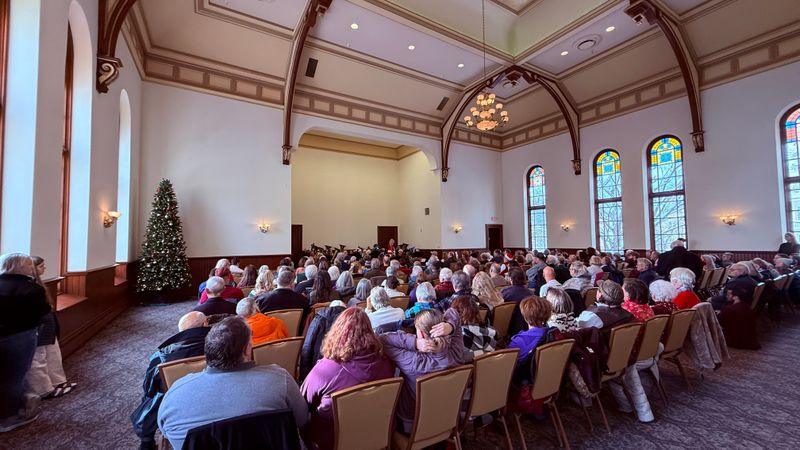
Tours keep these spaces accessible and safe, so group rhythm matters. Guides speak in short bursts to outpace echo, then walk you to the next waypoint. Questions are welcome, but pacing keeps crossings efficient.
Staff here know the campus story cold, from construction phases to preservation choices. Their routes avoid active utility zones and prioritize even footing. Listening closely rewards you with dates, materials, and little maintenance anecdotes.
Practical etiquette helps everyone. Stick close, photograph quickly when paused, and keep backpacks narrow. If a door is marked staff only, trust the sign.
The tunnels feel intimate, and that intimacy depends on boundaries being respected by all of us.
Seasonal Quirks In Winter
Snow changes the approach. Outside, breath puffs and the campus bricks look extra saturated against white walks. Inside the tunnels, temperatures barely flinch, which makes the contrast pleasing.
Historically, underground routes kept staff moving when drifts piled up across the grounds. That logic still pays dividends for visitors. Tour schedules can tighten in the cold season, so checking the website or calling ahead helps.
Wipe your boots before descending. Meltwater turns fine dust into slick film, and traction matters on even floors. The reward is a winter soundtrack that stops at the threshold, replaced by a steady hush that feels almost ceremonial.
Wayfinding Without Hurry

Intersections appear without fanfare, just stenciled arrows and modest placards. The signage tone is friendly rather than bossy, and it suits the space. You are encouraged to notice, then proceed.
That restraint echoes the original institution’s efficiency. Routes were labeled for workers who already knew the map. Today, guides point and nod rather than parade banners, keeping the mood conversational.
When your group pauses, note how arrows stack history in layers. Newer labels float above older ghosts, a palimpsest of decisions. Snap a quick photo if you like remembering breadcrumbs.
It becomes a tiny souvenir of how calmly this place tells you where to go.
Ending In The Mercado
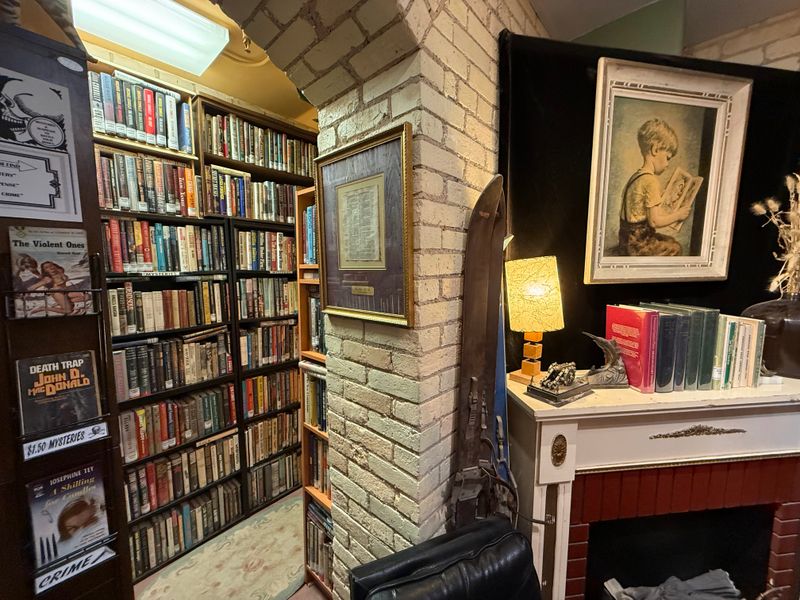
Emerging into the Mercado feels like waking from a thoughtful dream. Brick arcades, shop fronts, and the shuffle of daily life return color to your senses. The shift is gentle, not jarring, like stepping from backstage to a well-run set.
The marketplace occupies renovated hospital space, a tidy example of adaptive reuse done with care. Historic fabric stays visible while the present gets its own voice. Staff can answer follow up questions about tours and hours.
Before leaving, pause to compare temperatures, light, and sound. The contrast explains the tunnels better than any plaque. If time allows, wander slowly and let the campus layout click into place upstairs, piece by satisfying piece.