
Explore This Abandoned Pennsylvania Amusement Park That Time Forgot
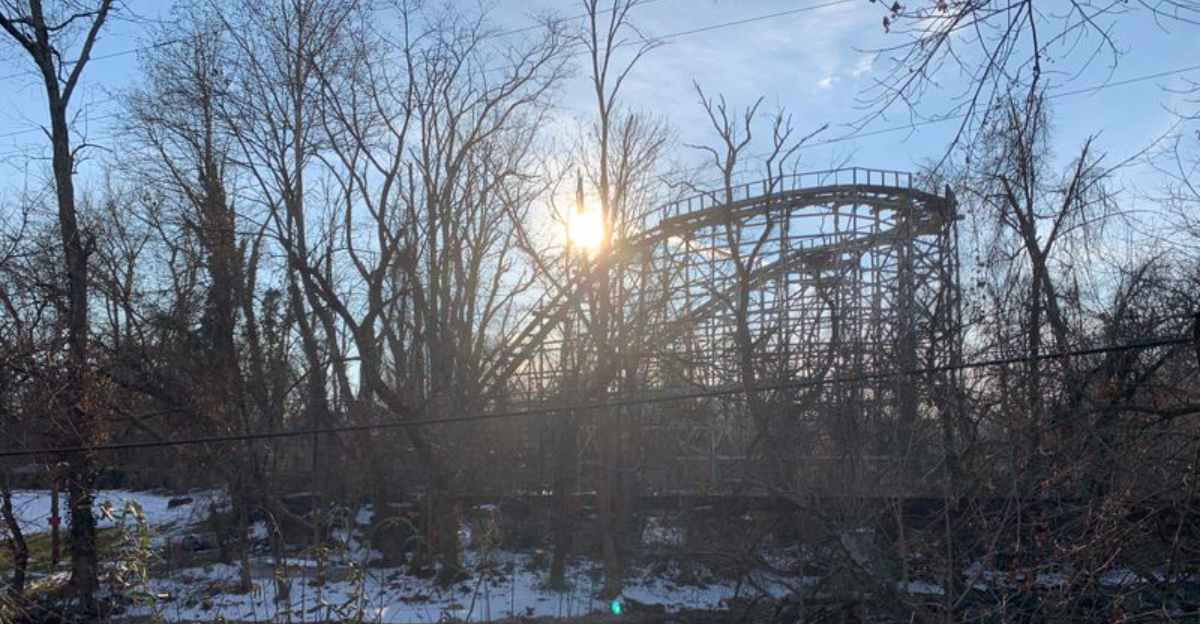
Pennsylvania has its share of bright boardwalk lights and lively amusement parks, but there is something strangely captivating about the ones that went quiet.
An abandoned amusement park feels like stepping into a paused memory, faded paint, silent rides, and pathways that once echoed with laughter.
The Ferris wheel stands still, roller coaster tracks trace the sky without motion, and nature slowly reclaims what used to buzz with energy.
It is eerie, yes, but also deeply nostalgic. This is history left out in the open, a reminder that even the loudest places can fall silent.
Exploring a space like this shifts your perspective. You notice details that would have been drowned out by music and crowds.
Weathered signs, empty ticket booths, and rusted gates tell a different kind of story. Pennsylvania holds onto its past in unexpected ways, and sites like this feel both haunting and fascinating at the same time.
I remember walking through an abandoned fairground once and feeling a mix of curiosity and respect.
The quiet felt heavier than I expected, yet I could almost picture the lights flickering back on. When a place makes me imagine what used to be, I know it carries more than just empty space.
A Century of Family Fun Came to an End
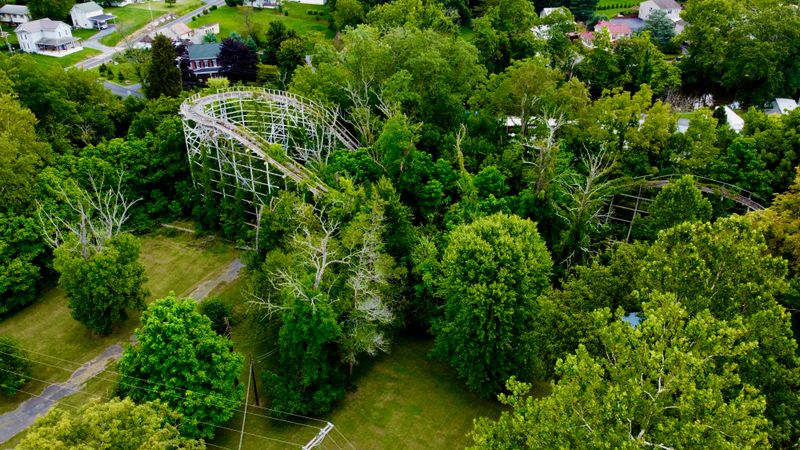
Williams Grove began as a picnic grove in 1850, later growing into an amusement park and becoming one of Pennsylvania’s long-running entertainment destinations.
For generations, families from across the state traveled to this destination to ride the attractions, enjoy picnics under shady trees, and escape the everyday routine.
The park evolved through different eras, adding modern rides while keeping its charming, old-fashioned character intact.
By the early 2000s, however, competition from larger theme parks and rising operational costs made survival increasingly difficult.
The owners struggled to keep up with modern safety regulations and expensive maintenance requirements.
In 2005, the park closed permanently, leaving behind decades of memories and a landscape that would slowly surrender to nature’s reclaiming touch.
Today, you can still sense the magic that once filled this place, even from outside the gates, as rust and vegetation take over.
Located in the Heart of Cumberland County
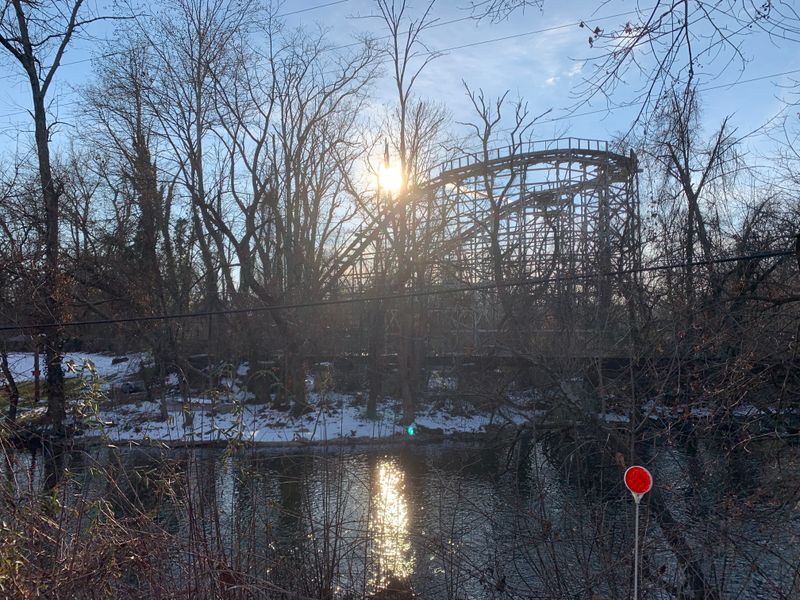
You’ll find this relic at 1 Park Avenue in Mechanicsburg, Pennsylvania, in Cumberland County a short drive from Harrisburg.
The address sits beside the speedway complex, but the amusement park has been closed since 2005 and is still not open to the public.
Getting there was part of the adventure, with country roads winding through farmland before revealing the park’s entrance.
Mechanicsburg itself is a charming small town with a rich history, and the amusement park was once its crown jewel.
The surrounding area features rolling hills and agricultural landscapes typical of this beautiful region.
When I first visited the area, I was struck by how peaceful the countryside felt, making it easy to imagine why families once flocked here for weekend getaways.
The park’s grounds covered roughly 90 acres, providing plenty of space for rides, picnic areas, and natural beauty that visitors cherished throughout the decades.
The Cyclone Roller Coaster Was the Star Attraction
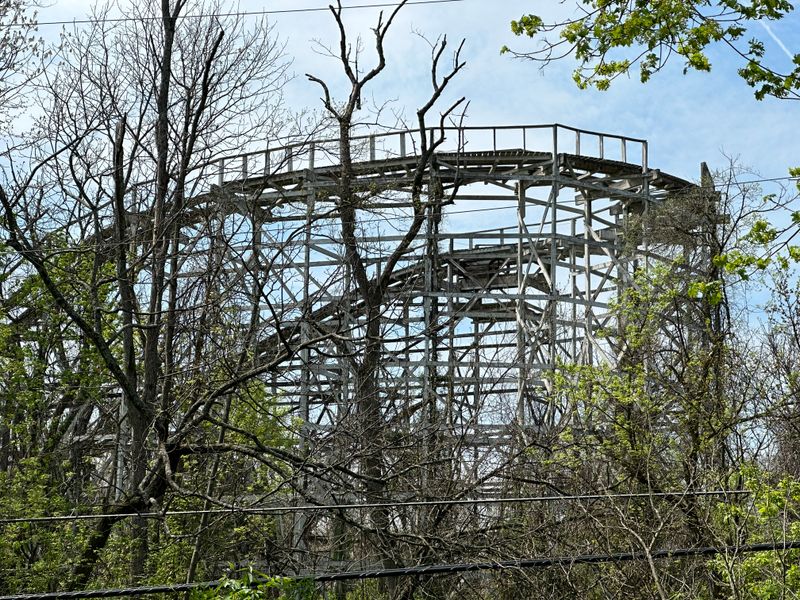
Among all the attractions at Williams Grove, the Cyclone roller coaster held a special place in visitors’ hearts.
This classic wooden coaster delivered thrills with its rattling tracks, steep drops, and sharp turns that had riders screaming with delight.
Built in 1933, the Cyclone represented the golden age of wooden roller coaster design and engineering.
The coaster’s structure stretched impressively across the park, its white-painted wooden framework visible from nearly everywhere on the grounds.
Riders climbed aboard vintage cars that clacked up the lift hill before plunging through a series of heart-pounding curves and dips.
The experience felt both terrifying and exhilarating, exactly what coaster enthusiasts craved.
After the park closed, the Cyclone stood abandoned for years, gradually deteriorating as weather and time took their toll.
Rather than being demolished, the coaster has remained standing, a fragile landmark that still looms over the quiet grounds today.
Steam Trains Once Circled the Entire Property
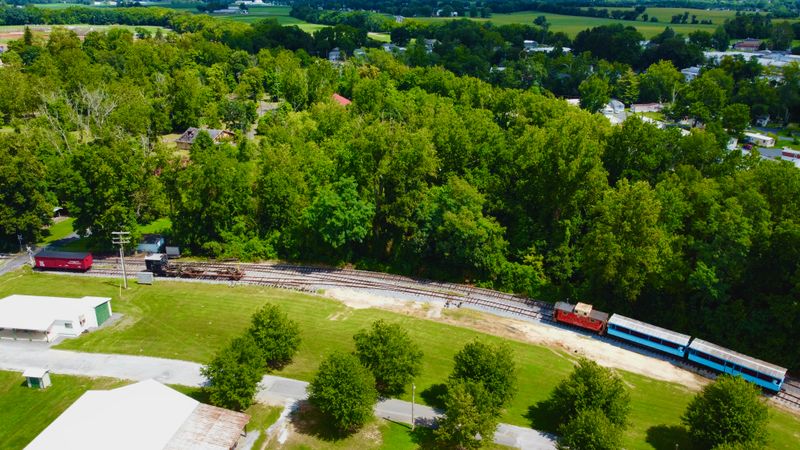
One of my favorite memories from researching this park involves learning about the miniature steam train that once transported guests around the property.
This wasn’t just any kiddie ride but a legitimate scaled-down locomotive that puffed real steam and followed tracks winding through wooded areas and past various attractions.
Children and adults alike loved riding the rails, enjoying scenic views while resting their feet between activities.
The train provided both transportation and entertainment, with its cheerful whistle announcing arrivals at different stations throughout the park.
Conductors dressed in period-appropriate uniforms added authenticity to the experience.
Families often rode the train multiple times during a single visit, making it one of the most popular attractions despite its gentle, relaxing pace.
After closure, portions of the track remained visible for years, slowly disappearing beneath leaves and undergrowth.
The trains themselves were sold off, finding new homes at operating heritage railways and museums where they continue delighting passengers today.
The Carousel Featured Hand-Carved Wooden Horses
Williams Grove’s carousel represented craftsmanship from a bygone era, featuring beautifully hand-carved wooden horses with intricate details and vibrant paint.
Each horse possessed its own unique character, from flowing manes to decorative saddles adorned with jewels and flowers.
The carousel’s ornate center featured mirrors, lights, and decorative panels that created a dazzling display when spinning.
Calliope music filled the air as the platform rotated, creating an atmosphere of pure nostalgia and joy. Generations of children chose their favorite horses, often returning to ride the same one visit after visit.
Parents and grandparents shared stories of riding these exact horses during their own childhoods, creating powerful connections across time.
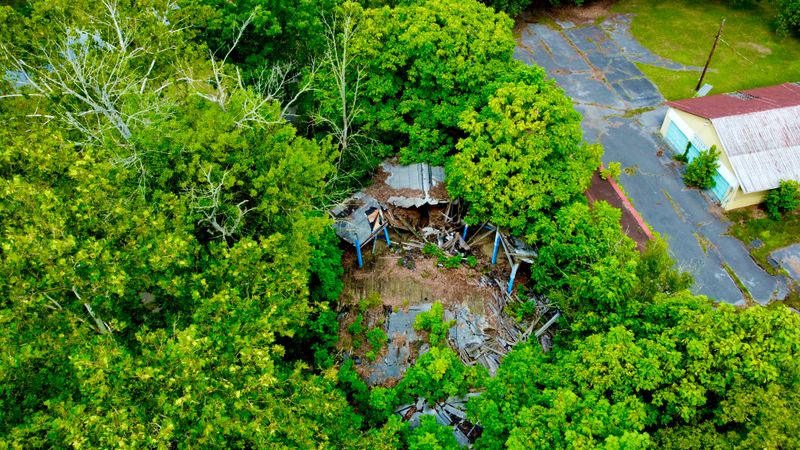
When the park closed, members worked to preserve pieces of its history, including the carousel house, which has been the focus of efforts to protect and relocate it for safekeeping.
Even without music, the carousel represents what Williams Grove once offered to families.
Picnic Groves Drew Thousands for Company Outings
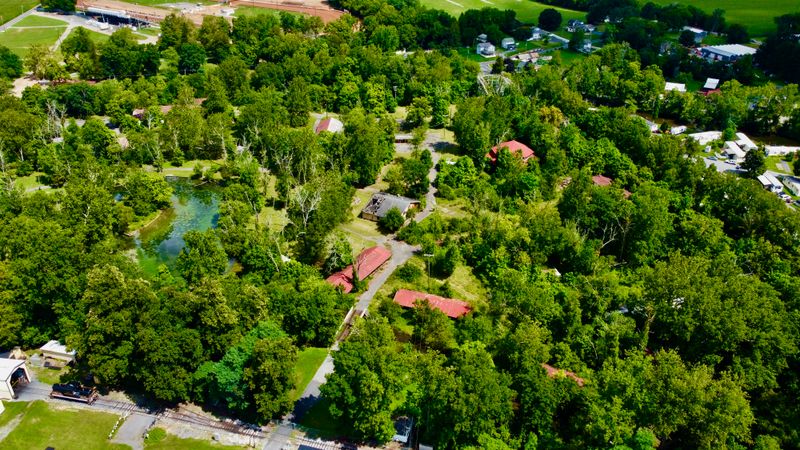
Before Williams Grove became primarily known as an amusement park, it started as a picnic grove where people gathered for outdoor recreation and socializing.
Throughout its operational years, these shaded areas remained incredibly popular, especially for company picnics, church gatherings, and family reunions.
Large pavilions provided shelter from sun and rain, while countless picnic tables accommodated groups of all sizes.
Companies from across Pennsylvania reserved these spaces months in advance, treating employees to days filled with food, games, and camaraderie.
The combination of natural beauty and amusement park attractions made Williams Grove the perfect venue for such events.
Attendees could enjoy both organized activities and free time exploring the rides and entertainment options. The picnic groves featured mature trees that provided wonderful shade during hot summer days.
Walking through these areas today, you can still see remnants of the pavilions and imagine the laughter and conversations that once filled the air during those special gatherings and celebrations.
Speedway Races Brought Roaring Excitement
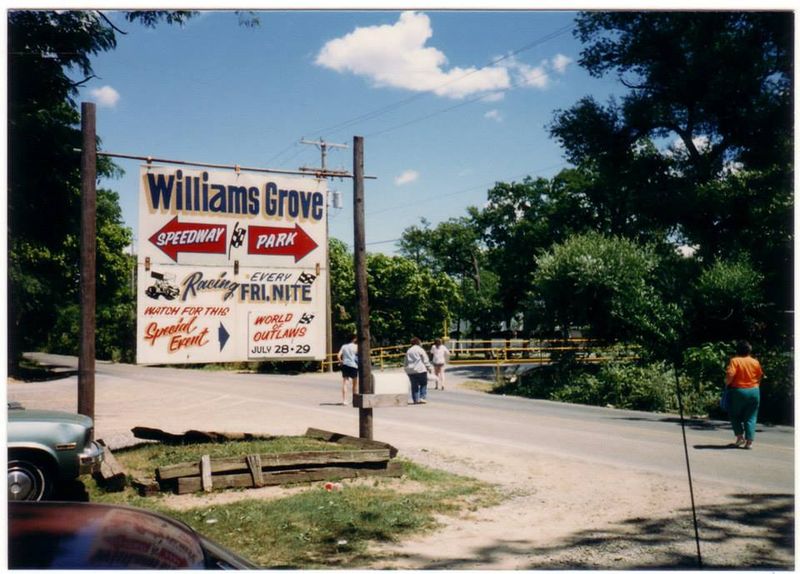
Williams Grove wasn’t just about gentle carousel rides and family picnics. The property also featured a half-mile dirt track speedway that hosted thrilling sprint car races, drawing massive crowds of motorsports enthusiasts.
The thunderous roar of engines and the smell of racing fuel created an entirely different atmosphere from the amusement park’s family-friendly vibe.
Race fans packed the grandstands, cheering wildly as drivers battled for position on the challenging oval.
The speedway gained national recognition in racing circles, attracting top drivers and teams from across the country.
Friday night races became legendary events, with local fans and traveling supporters filling the facility to capacity.
The combination of skilled drivers, powerful cars, and an exciting track layout produced memorable competitions season after season.
Interestingly, the speedway outlasted the amusement park itself, continuing to host races for several years after the rides stopped operating.
Today, Williams Grove Speedway still operates successfully, keeping part of the property’s entertainment legacy alive while the abandoned park sections remain frozen in time.
Ghost Stories Now Haunt the Empty Grounds
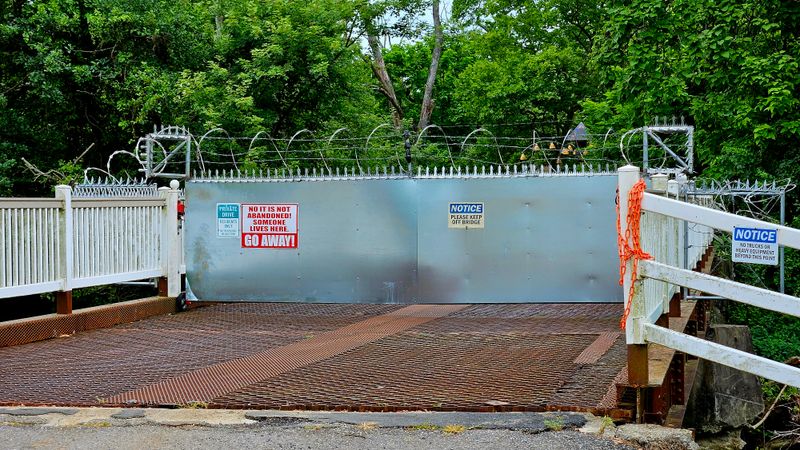
Abandoned places naturally attract ghost stories, and Williams Grove is no exception to that.
Local tales and legends mention odd moments around the closed park, like faint music on the breeze or shadows near ride pads, but none of it is confirmed.
Some visitors claim to hear children’s laughter echoing through the trees despite nobody being present.
Whether you believe in ghosts or not, there’s something undeniably eerie about walking through a place once filled with joy and life now standing completely silent.
The contrast between past vitality and present abandonment creates a melancholy atmosphere that affects even skeptical visitors.
Rusted rides creaking in the wind and overgrown pathways disappearing into shadows certainly set the stage for supernatural speculation.
I personally find the real story more haunting than any ghost tale: a beloved institution that brought happiness to countless families simply couldn’t survive changing times.
That loss of community gathering spaces and shared experiences represents something genuinely worth mourning, no paranormal activity required.
Nature Is Slowly Reclaiming What Humans Built
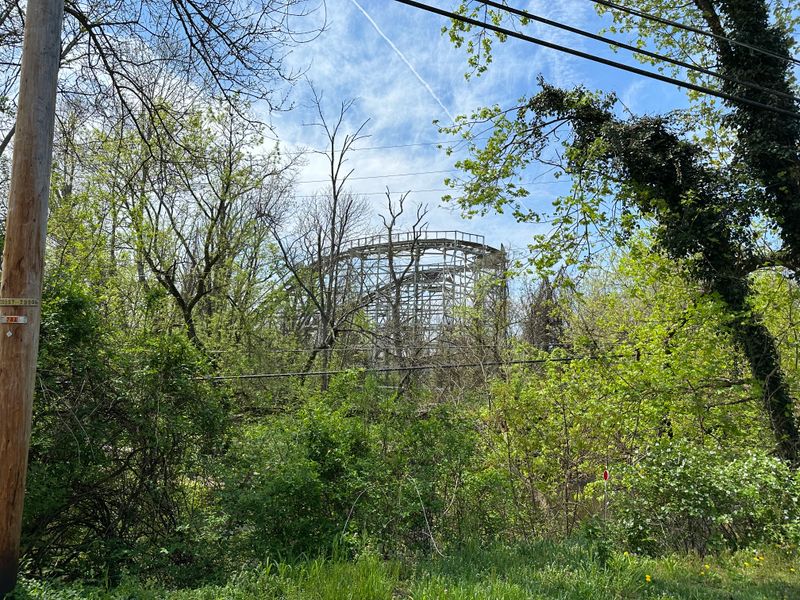
Walking through Williams Grove today reveals nature’s incredible power to reclaim human-created spaces.
Vines climb up ride structures, trees push through cracked pavement, and wildflowers bloom where ticket booths once stood.
The transformation happens gradually but relentlessly, with each passing season bringing more vegetation and less visibility of the original attractions and buildings.
This natural reclamation creates a strangely beautiful landscape that photographers and artists find endlessly fascinating.
The juxtaposition of rusted metal against green leaves, weathered wood surrounded by flowers, and concrete pathways disappearing under moss tells a powerful story about impermanence.
What humans build with such effort and intention can vanish remarkably quickly when maintenance stops.
Abandoned places like Williams Grove can also show how landscapes change when maintenance stops. Vines, saplings, and moss move in season after season, and paths soften into green.
Over time, an entertainment space begins to resemble the woodland that existed before the rides, fences, and buildings reshaped the ground.
Preservation Efforts Face Ongoing Challenges
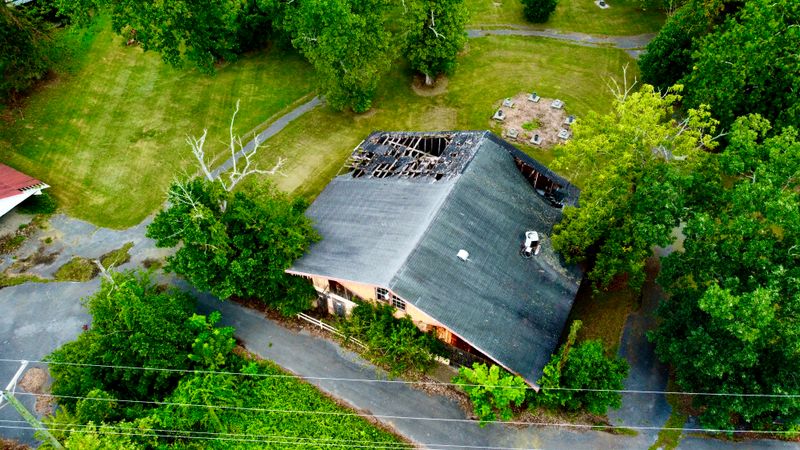
Some community members and history enthusiasts have worked tirelessly to preserve Williams Grove’s memory and remaining structures.
Documentation projects photograph and record what remains before further deterioration erases everything completely.
Historical societies collect stories, photographs, and artifacts from former employees and visitors, creating archives that ensure future generations can learn about this important cultural landmark.
However, preservation faces significant obstacles, including property ownership issues, safety concerns, and the enormous costs associated with stabilizing deteriorating structures.
Unlike historic buildings that might be restored for new uses, amusement park rides present unique challenges.
They were designed for specific purposes that no longer exist, making adaptive reuse nearly impossible in most cases.
Despite these challenges, efforts continue to honor Williams Grove’s legacy through reunions, memorial events, and educational programs.
Former employees and regular visitors gather to share memories and ensure the park’s story isn’t forgotten.
These preservation activities remind us that places matter deeply to communities, and losing them creates genuine grief worth acknowledging and processing together.