
There’s A Park In Ohio That Feels Like An Episode Of The Twilight Zone
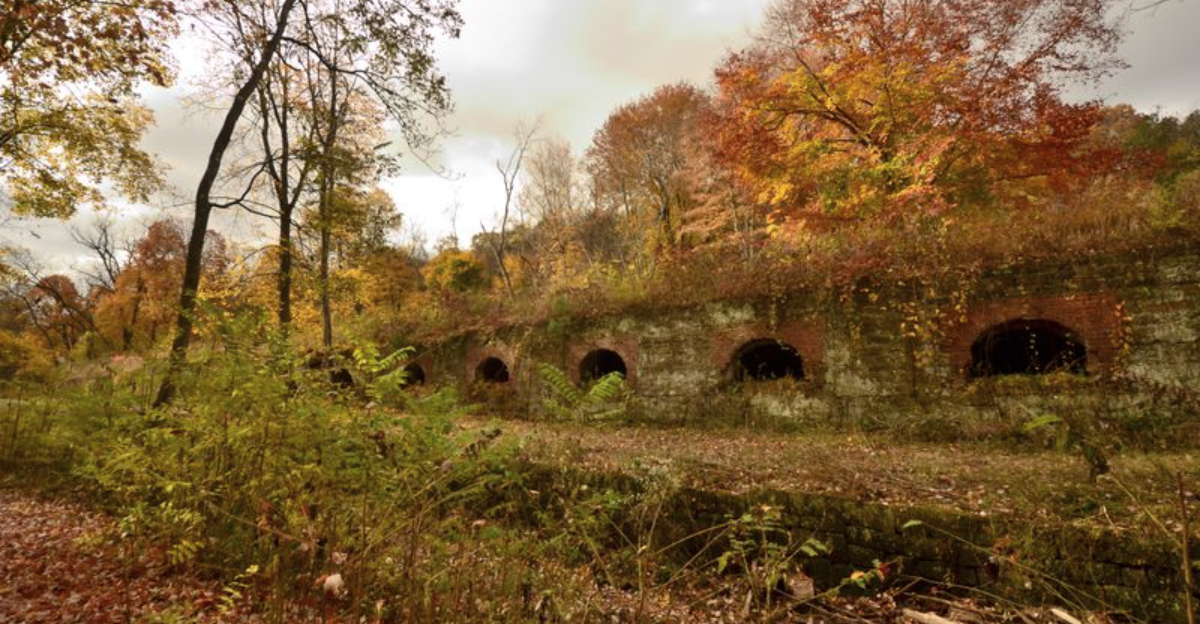
You know that feeling when you stumble onto something that makes you question reality? That exact sensation washed over me the first time I spotted the massive beehive-shaped structures rising from the ground in eastern Ohio.
These aren’t ancient ruins from a forgotten civilization or props from a sci-fi movie set. They’re real industrial relics that look like they belong in another dimension entirely.
The eerie silence surrounding these towering stone domes only adds to the otherworldly atmosphere. I found myself walking through what felt like a portal to another time, where iron and coal ruled the landscape.
The whole experience left me wondering if I’d accidentally wandered into a parallel universe where the past and present collide in the most unexpected ways.
A Portal to Industrial History at 999 Cherry Valley Road
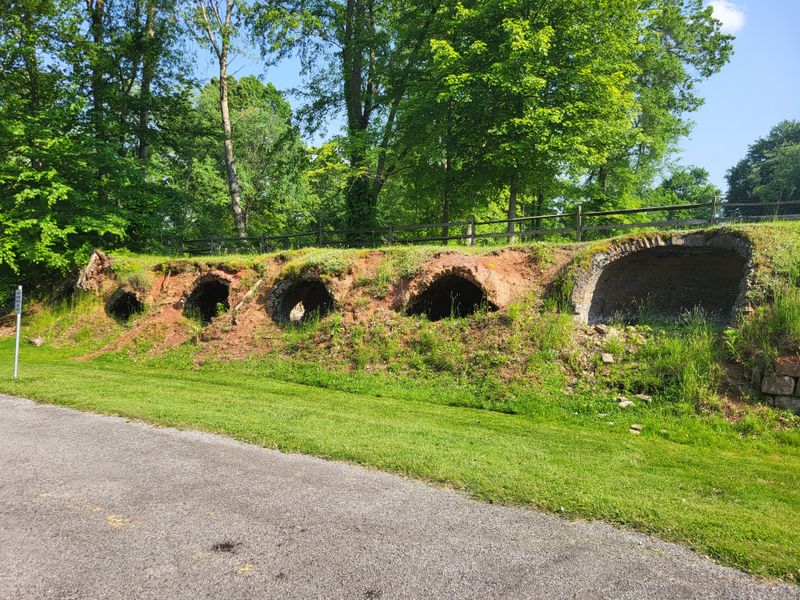
Finding this place wasn’t hard, but believing what I saw took a minute. Right there at 999 Cherry Valley Road in Leetonia, Ohio 44431, stands one of the most unusual historical sites I’ve ever encountered.
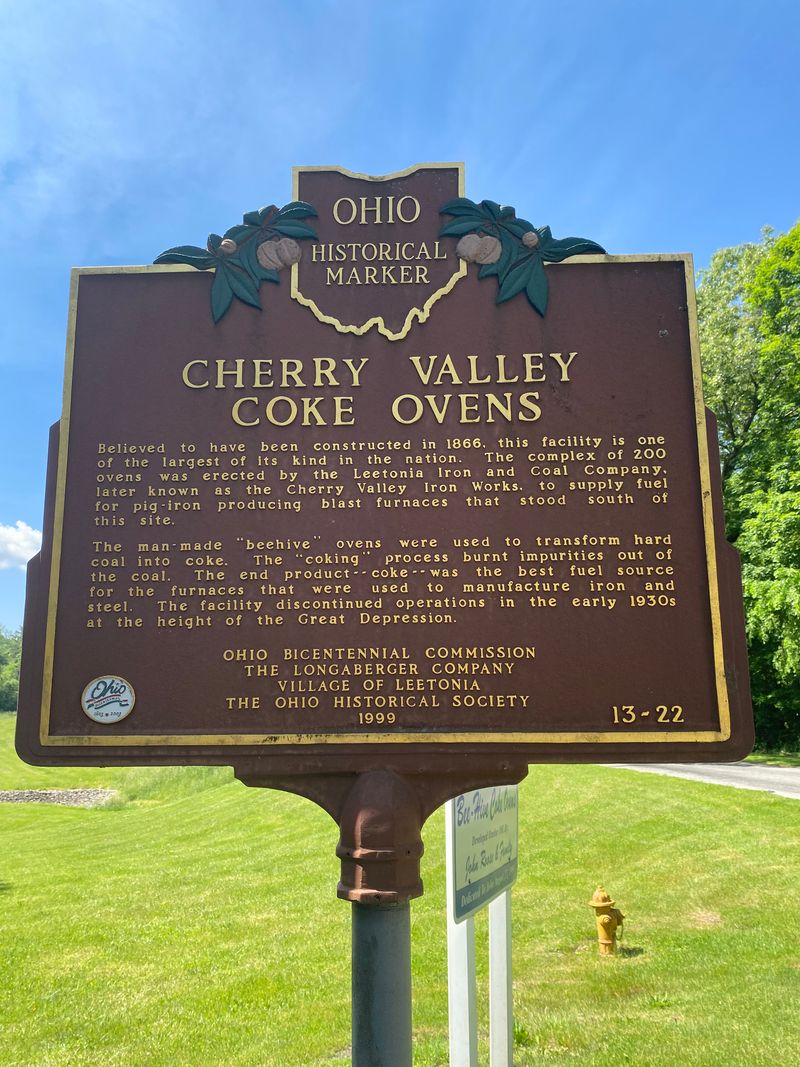
The Leetonia Beehive Coke Ovens Park preserves more than 200 massive stone ovens that once burned day and night, turning coal into coke for the steel industry. Each oven stands about 6 to 7 feet tall and roughly 12 feet across, looking exactly like its namesake, a giant beehive made of brick and stone.
The park opens daily from 7 AM to 8 PM, giving visitors plenty of time to explore this strange landscape. I arrived mid-morning and had the place almost entirely to myself.
The silence felt heavy, broken only by birds and the rustle of leaves. Standing among these industrial giants, I couldn’t shake the feeling that I’d stepped through a tear in time itself, landing somewhere between 1870 and today.
The Twilight Zone Atmosphere That Hits You Immediately
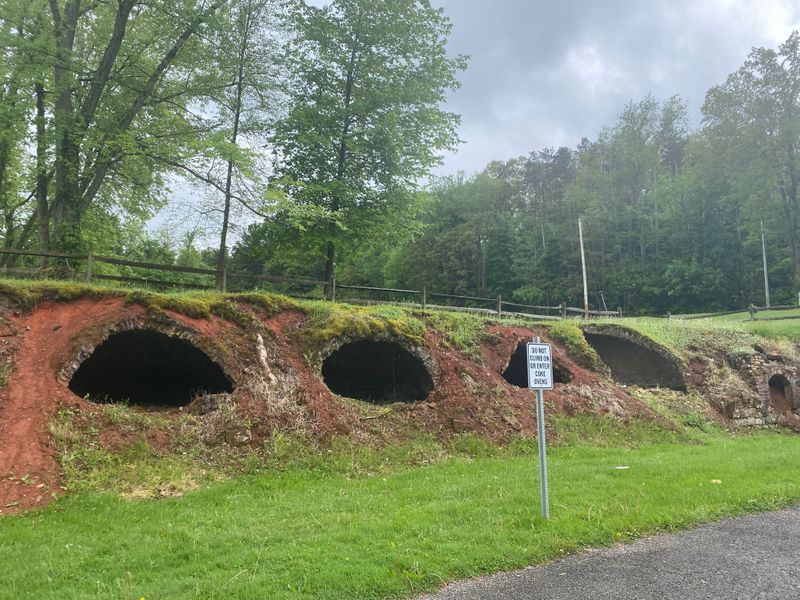
Walking between the rows of ovens creates an immediate sense of disorientation. The repetitive pattern of dome after dome stretches in neat lines, creating an almost hypnotic effect that messes with your depth perception.
Early morning fog rolls through the valley and settles around the ovens, making them appear to float in a gray void. That’s when the Twilight Zone comparison really hits home.
The ovens cast strange shadows that shift throughout the day, creating dark archways and mysterious pockets of blackness. I found myself constantly looking over my shoulder, half-expecting Rod Serling to step out and introduce the scene.
What makes it even more surreal is the contrast between this industrial graveyard and the natural beauty surrounding it. Trees have grown up around and between the structures, reclaiming the land in slow motion.
Nature and industry exist in this strange, frozen dance that feels fundamentally wrong yet somehow beautiful.
The Haunting Silence of Abandoned Industry
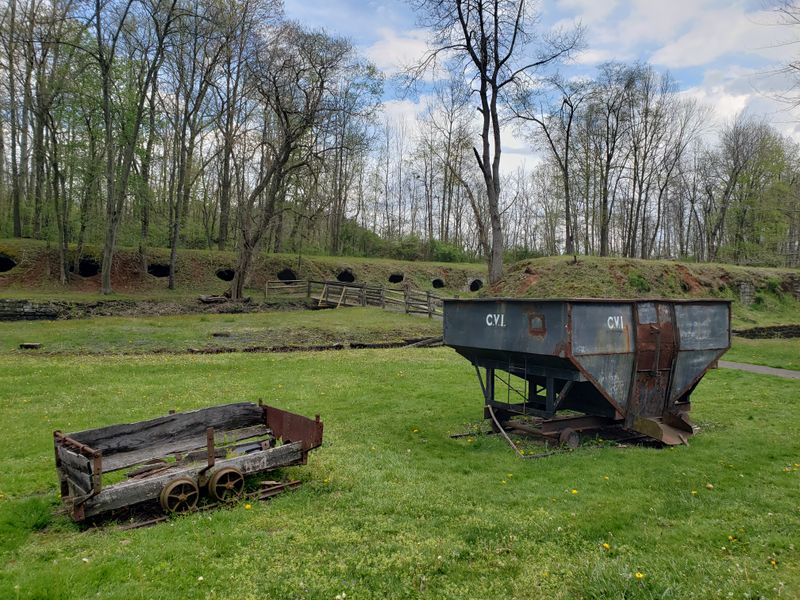
Complete silence greets you here, which feels deeply unnatural for a place that once roared with constant fire and activity. The ovens operated 24 hours a day during their prime, filling the air with smoke, heat, and the sounds of workers tending the flames.
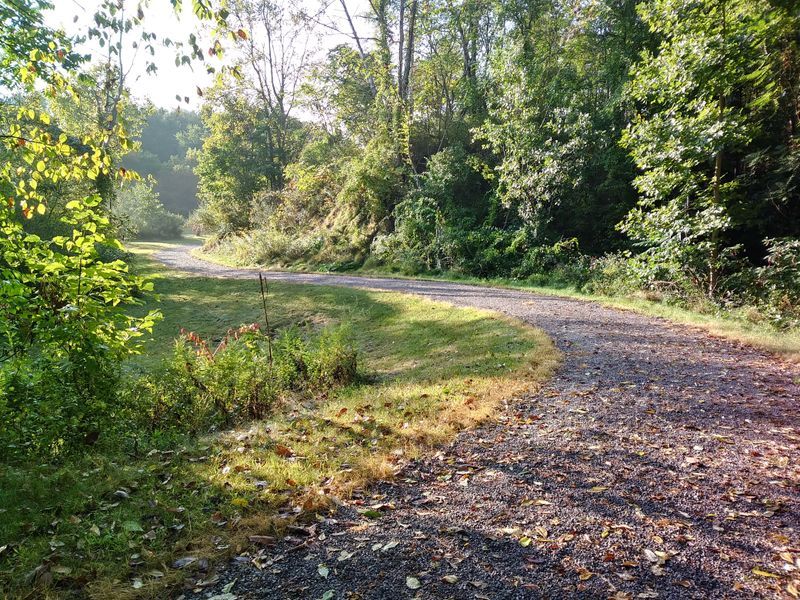
Now you can hear your own footsteps crunching on gravel paths, each sound amplified in the stillness. Birds nest in the oven openings, their chirping the only soundtrack to your exploration.
I sat on a bench near the center of the complex and just listened. The absence of modern noise, no traffic, no machinery, no human voices, created this pocket of quiet that felt almost supernatural.
The ovens themselves seem to absorb sound rather than reflect it. Their thick stone walls and hollow interiors create zones where your voice falls flat.
Shouting into an oven opening produces no echo, just a dull thud that dies immediately.
Architecture From Another World
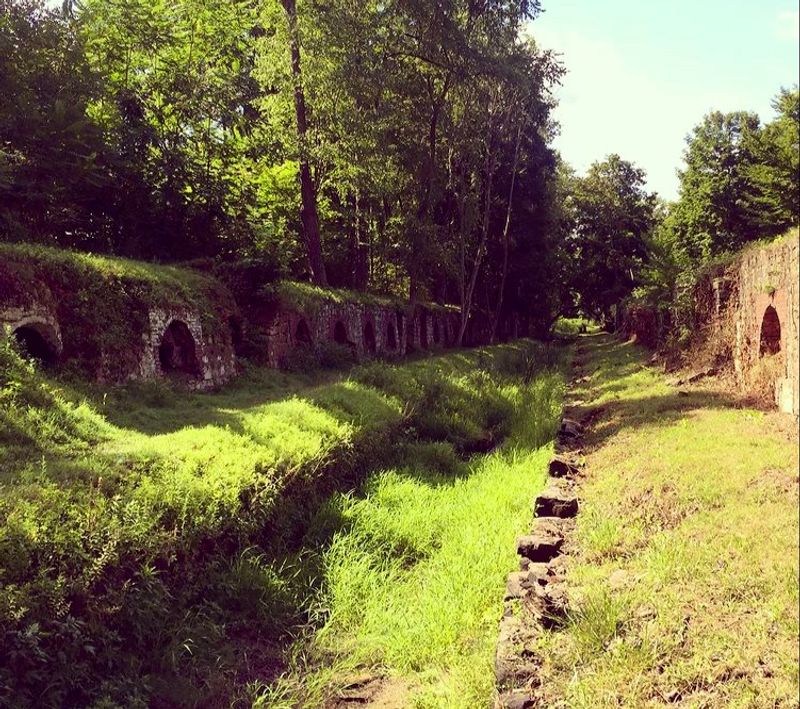
The construction of these ovens defies modern sensibilities. Each dome was built entirely by hand using firebrick and stone, stacked in a precise pattern that allowed them to withstand temperatures exceeding 2000 degrees Fahrenheit.
Looking at the craftsmanship up close reveals something almost alien in its precision. The bricks curve perfectly, creating seamless domes that have survived over 150 years of weather and neglect.
Small openings at the base of each oven served as loading doors, while vents at the top released gases. The simplicity of the design masks its ingenious engineering.
I couldn’t help but think these structures look like they were designed by beings who understood fire and stone in ways we’ve forgotten. The organic shape, the perfect symmetry, the way they seem to grow from the earth rather than being built upon it, all contribute to their otherworldly appearance.
They don’t look like human construction. They look like something discovered.
Walking the Paths Between Dimensions
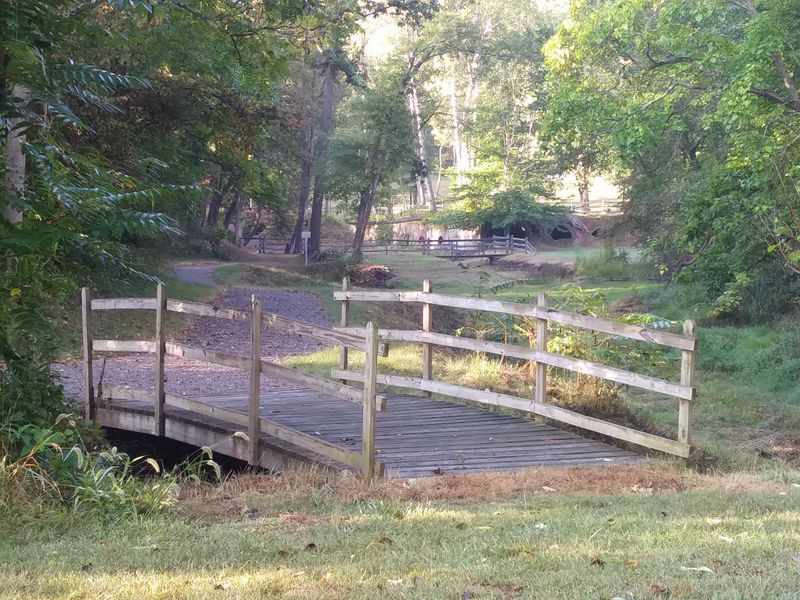
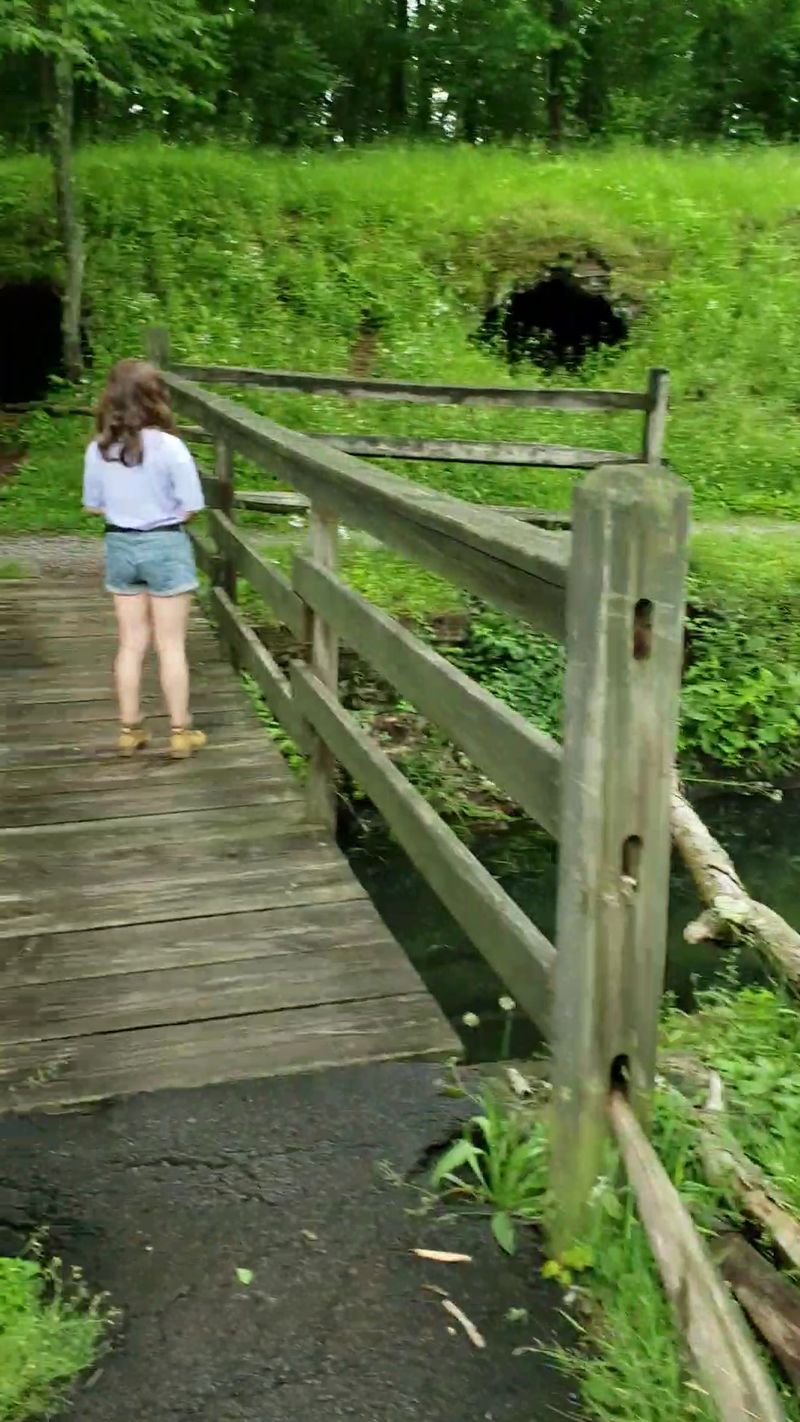
The park maintains clear walking paths that weave between the oven rows, creating a maze-like experience. I followed the main trail, but found myself constantly drawn to explore the spaces between the structures.
Each turn reveals a new perspective, a different arrangement of domes against the sky. The paths seem to multiply as you walk, offering countless routes through the same basic layout.
Interpretive signs dot the landscape, explaining the history and process of coke production. Reading about the intense heat and constant labor while standing in this now-cool, silent place created a cognitive dissonance that enhanced the surreal feeling.
I kept expecting the scene to shift, for the ovens to suddenly glow red-hot, for workers to materialize from thin air. The boundary between past and present feels tissue-thin here.
One moment you’re in 2024, the next you’re imagining 1870, and both timelines seem equally real and equally impossible.
The Stories Trapped in Stone
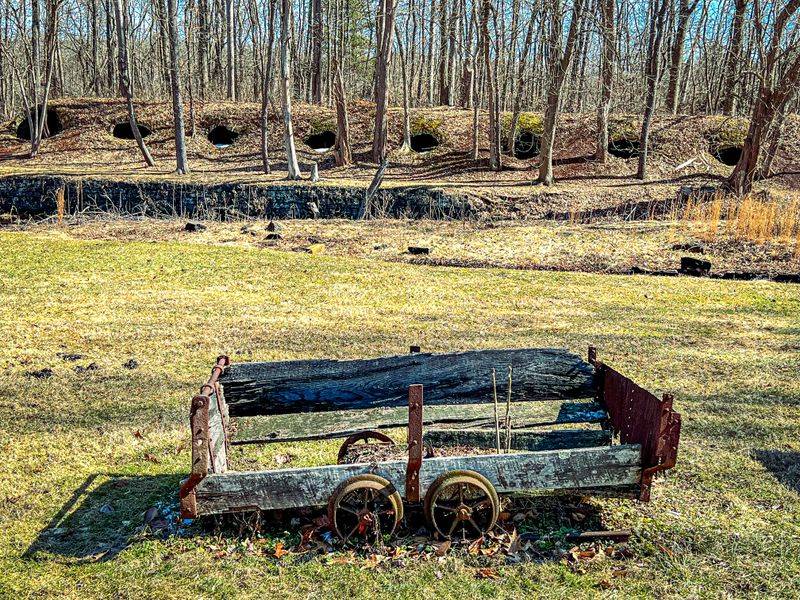
Every oven holds stories of the men who built and operated them. Workers labored in brutal conditions, shoveling coal into the chambers and raking out the finished coke while heat waves distorted the air around them.
The ovens operated from the late 1860s until the early 1930s, processing coal from nearby mines into the coke needed for iron production. At peak operation, they employed dozens of workers and produced tons of coke daily.
Standing at the mouth of an oven, I tried to imagine the work. The constant heat, the choking smoke, the physical demands of the job.
The stone walls seemed to radiate phantom warmth, as if they still remembered the fires they once contained.
Historical photos displayed on park signs show workers posed in front of glowing ovens, their faces barely visible in the harsh light. Comparing those images to the silent structures before me created a temporal vertigo that made my head spin.
Nature’s Slow Reclamation
Trees push up through cracks in the ground where coal once piled. Vines climb the exterior walls of ovens, softening their harsh industrial lines with green tendrils and seasonal flowers.
The juxtaposition of organic growth and geometric stone creates visual tension that your brain struggles to process. Nature doesn’t belong here, yet here it is, thriving in the ruins of industry.
Moss covers the north-facing sides of many ovens, creating a velvet texture on the rough brick. Grass grows thick between the structures, transforming what was once bare, scorched earth into a peaceful meadow.
I watched a deer pick its way between the ovens, completely at ease in this hybrid landscape. Birds nest in the oven openings, raising their young in chambers that once burned hot enough to melt steel.
The transformation from nothing to life, from fire to forest, happens in slow motion but never stops moving forward.
Photography Paradise for the Peculiar

Camera enthusiasts flock here for good reason. The ovens provide endless compositional opportunities, from wide shots capturing the full array to intimate details of weathered brick and rusted metal remnants.
Golden hour transforms the site into something magical. Sunlight streams between the domes, creating dramatic shadows and highlighting textures invisible at midday.
I spent over an hour just photographing the play of light on stone. Each oven catches the sun differently depending on its orientation and the time of day.
The interiors remain dark and mysterious, perfect for high-contrast shots.
The 4.7-star rating from 339 reviewers on Google Maps reflects what many visitors discover: this place photographs like nowhere else in Ohio. The geometric precision of the ovens against organic backgrounds creates images that look manipulated even when they’re completely straight shots.
Every angle reveals something new, something strange, something worth capturing.
Educational Value Hidden in Plain Sight
Teachers bring students here to learn about industrial history, but the lessons extend far beyond textbook facts. The ovens provide tangible connection to Ohio’s role in America’s industrial revolution.
Understanding how coal becomes coke, and why that mattered to steel production, suddenly makes sense when you’re standing inside an actual coking chamber. The abstract becomes concrete.
The park offers self-guided tours with informational panels explaining the chemical processes, the economic impact, and the human cost of this industry. I found myself genuinely interested in technical details I’d normally skip.
What struck me most was realizing how this small town in eastern Ohio contributed to building modern America. The steel made possible by this coke went into railroads, buildings, and bridges across the country.
These weird dome structures weren’t just local oddities. They were crucial nodes in a vast industrial network that shaped our world.
Why This Place Matters Beyond the Weird Factor
Yes, the Twilight Zone vibe draws visitors initially, but the real value lies in preservation of industrial heritage. Few beehive oven sites remain intact anywhere in America.
The Leetonia community recognized the historical importance and fought to save these structures from demolition. Their efforts created one of the best-preserved examples of 19th-century coking technology in the nation.
Visiting reminds us that history isn’t just presidents and wars. It’s also the unglamorous work of turning coal into coke, the innovation of efficient oven design, the lives of workers who never made headlines.
I left with a deeper appreciation for the layers of history beneath our feet. Every town has stories worth preserving, even when those stories involve mundane industrial processes.
The ovens stand as monuments to human ingenuity, hard work, and the complex relationship between progress and cost. That’s worth remembering, Twilight Zone atmosphere or not.
The strangeness just makes the history more memorable.