
This Vintage Steam Ride Is Illinois’ Coolest Throwback Trip
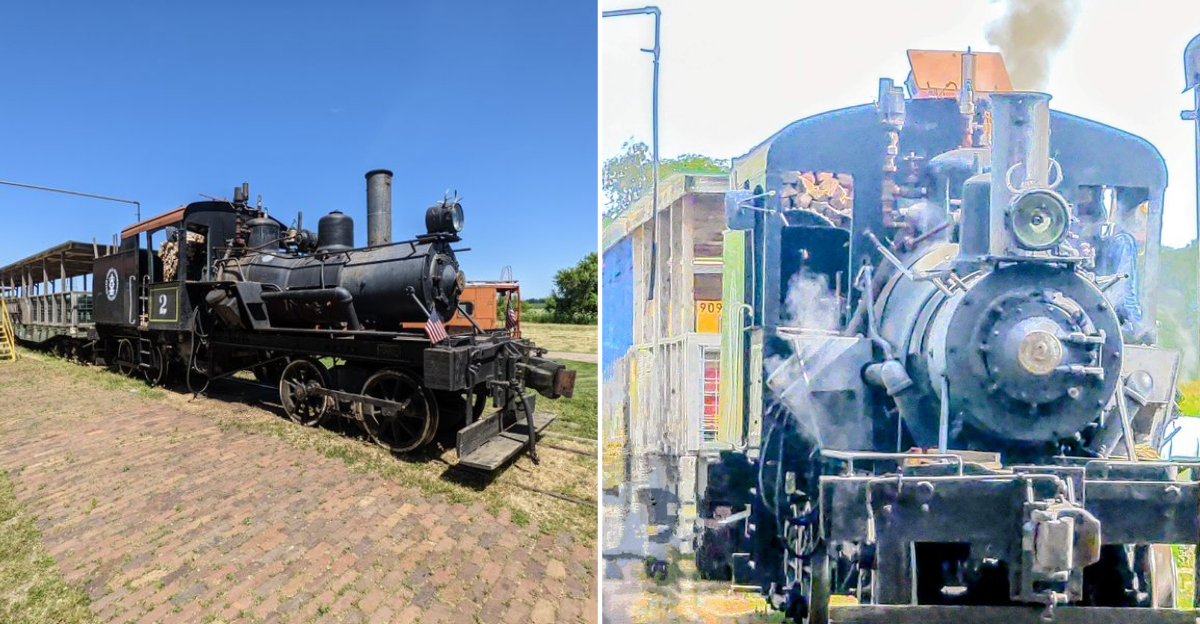
Hear the hiss, feel the heat, and watch a wood-burning steam locomotive wake up the prairie. In Freeport, Illinois, history is not framed behind glass, it breathes, crackles, and pulls you down the track.
Volunteers in work shirts and conductor caps wave you aboard while the whistle rolls across open farmland. The first chuff lands in your chest before the wheels even turn.
Smoke drifts, metal clinks, and the slow surge of motion settles into a steady rhythm that feels older than the landscape itself. This corner of Illinois runs on patience, storytelling, and well-oiled machinery kept alive by people who genuinely love it.
Bring curiosity, a relaxed pace, and time to linger, because you are in for a throwback trip that feels personal, not staged.
The Wood Fired Steam Star
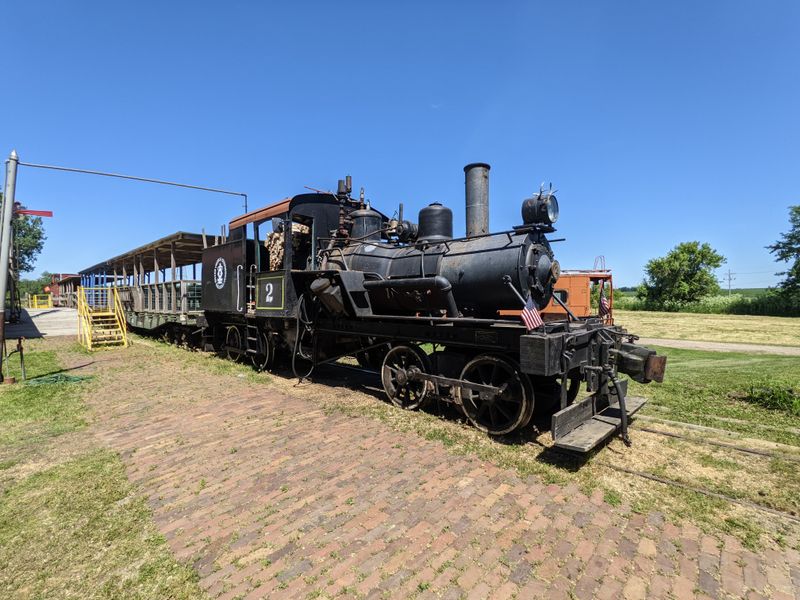
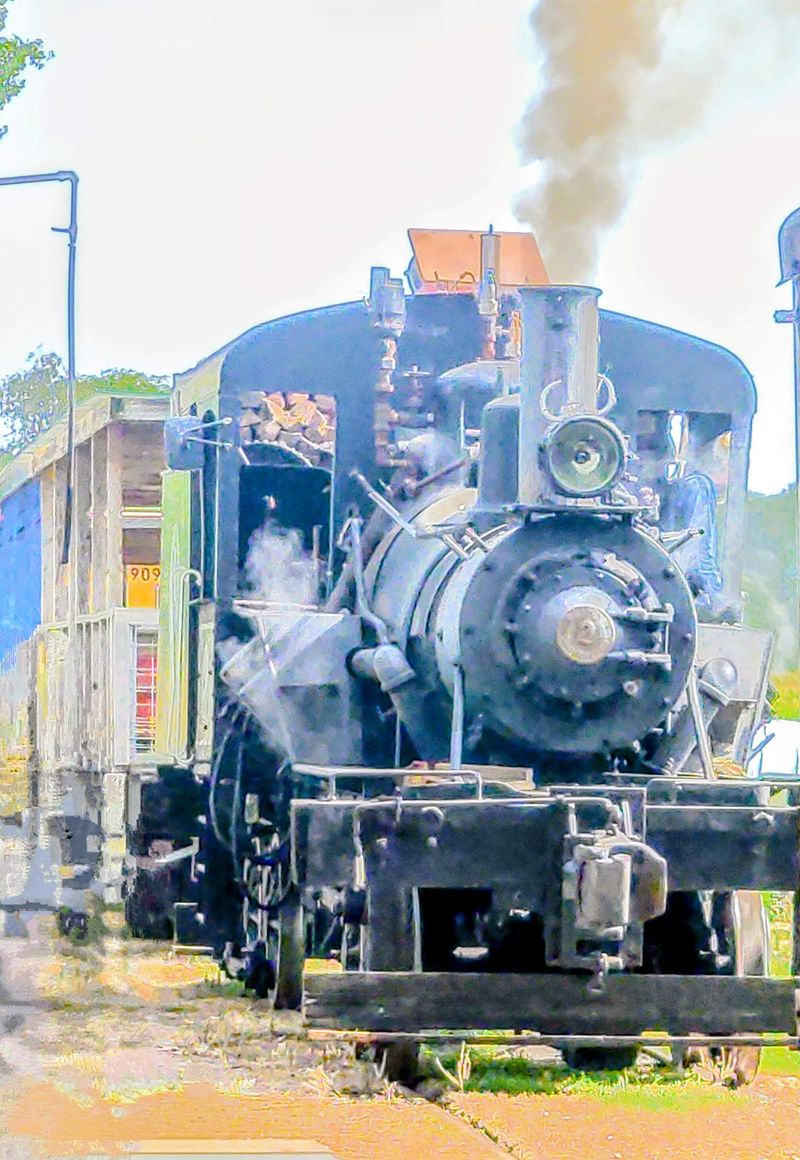
The headliner here is a wood-burning steam locomotive that breathes and crackles like a campfire on wheels. When the crew swings open the firebox door, a wave of heat rolls out, revealing the orange glow that powers the ride.
The scent of resin and char drifts upward as the stack exhales, and the whole train answers with a gentle tug. This is not a display behind ropes.
This is the heartbeat in motion.
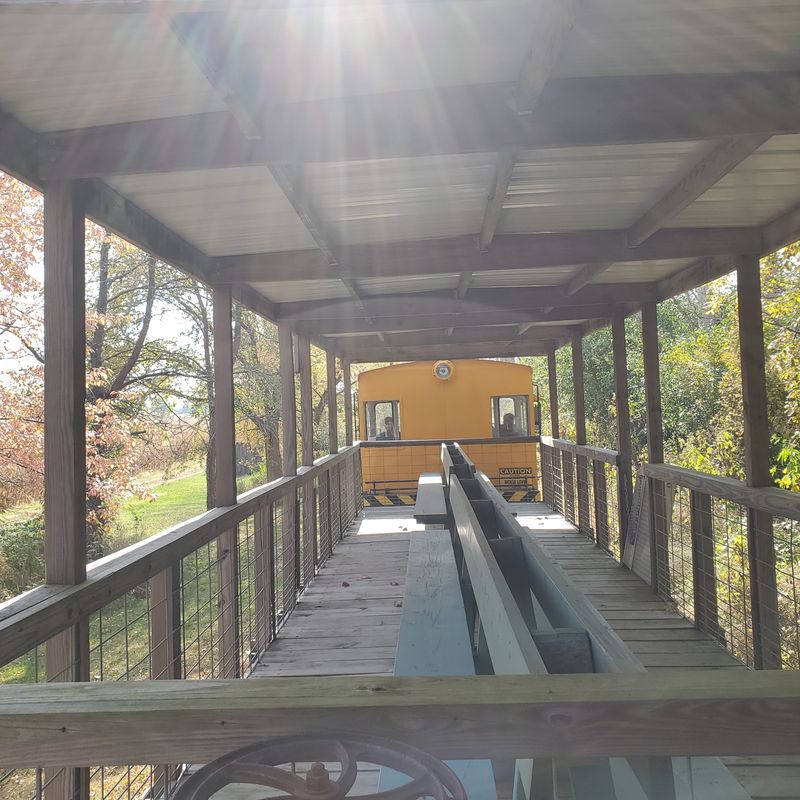
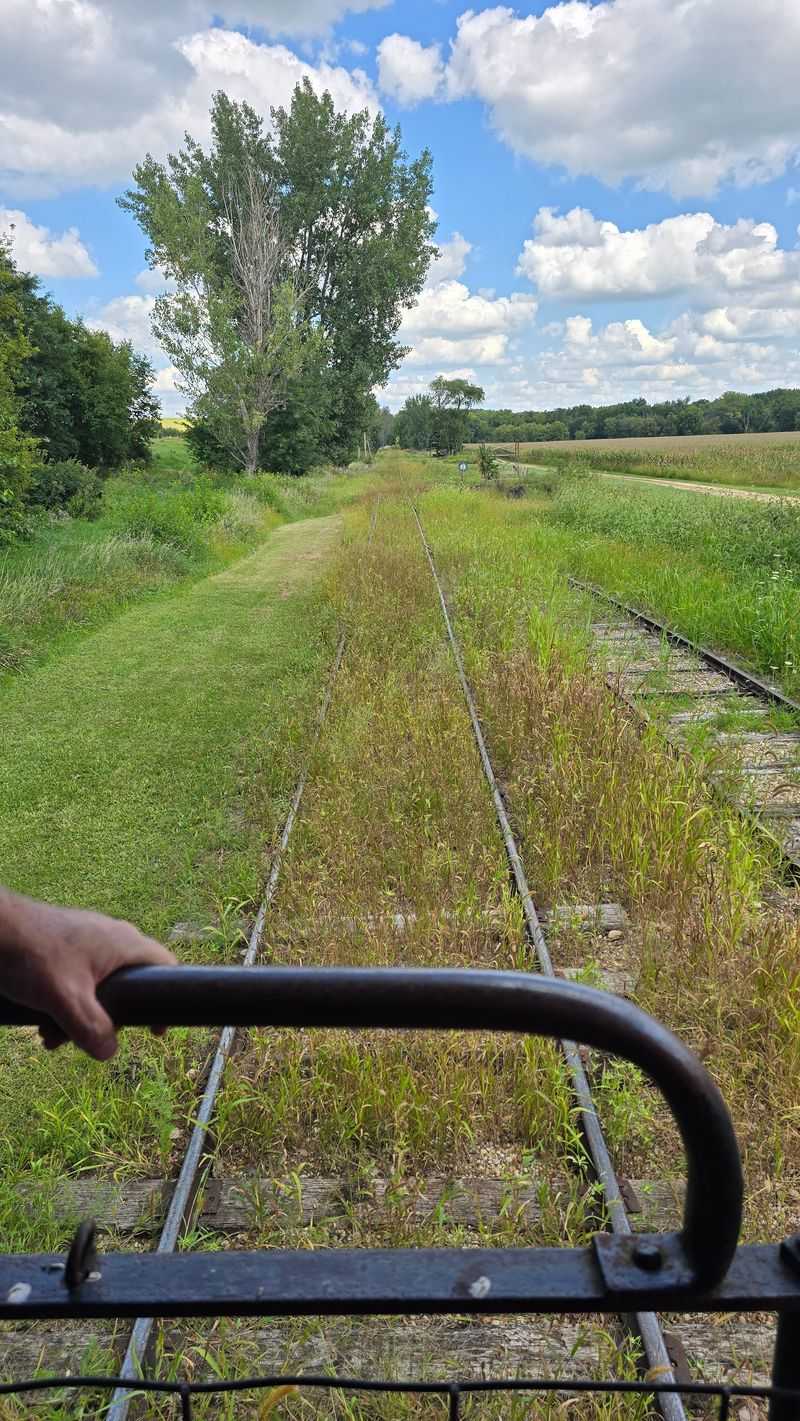
The run itself is a short, roughly four-mile round trip, a slow glide through trees and along fields laid on an old railroad grade. Open-air bench seating lets the breeze wander through the cars, and the caboose feels like a childhood drawing brought to life.
If steam is not running that day, smaller diesel equipment may handle the excursion, still charming and unhurried. Crews narrate what is happening, point out signals, and explain the art of wood firing with easy enthusiasm.
Arrive early and you may catch some of the morning prep work around the engine, the first hiss, careful oiling, the clank of tools forming a kind of mechanical overture. It is simple, authentic, and deeply satisfying at the Silver Creek & Stephenson Railroad & Museum in Freeport, Illinois.
A Short Line With Big Feels
The track is not long, and that is the magic. You get just enough time to settle into the rhythm without kids getting restless.
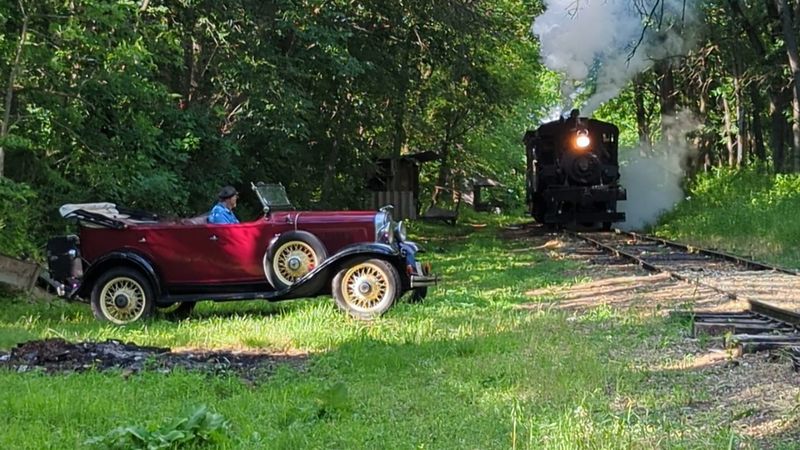
The train rolls straight through a corridor of trees and farmland, pauses, then backs home while you catch new angles on the scenery. It feels like paging through an old photo album where every picture breathes.
You can hear birds, creek water, and the soft talk of volunteers in between chuffs.
Do not expect speed. Expect presence.
The leisurely pace puts details within reach: the grain of the wooden car floor, the sheen on the handrail, the telegraph era station lines. Volunteers sprinkle in light history about the original railroad and the restoration work.
It is calm in the best way. When you return to the depot, the platform bustle feels like a curtain call.
Sit on the side facing the open fields for wide views, then switch on the return leg to watch the woods slip by. If you have a camera, a seat near the rear car gives lovely curve shots.
Either way, it is a postcard in motion.
The Friendly Crew Culture
The people make this place. You will meet engineers, conductors, and docents who light up when you ask questions.
They are volunteers who rebuild, polish, and operate the equipment, and they happily translate technical jargon into real talk. Ask how the injector works or what a caboose stove once did.
You will get a patient answer and likely a story. That hospitality sets a relaxed tone the moment you step onto the platform.
Reviews mention friendly crews, and that lines up with the experience. There is pride but not pretense.
Someone might point out safe spots for great photos, another will chat about the line’s past, and a third may share how a part was sourced or machined. If a cab ride is offered the day you visit, consider it.
Prices vary by event, but the perspective beside the throttle is a memory machine. You feel vibrations you never notice from the cars.
Even when diesel power fills in, the crew energy stays the same. You are not handled like a number.
You are welcomed like a neighbor coming by to see what the shop has been building.
The Station, Cars, And Caboose
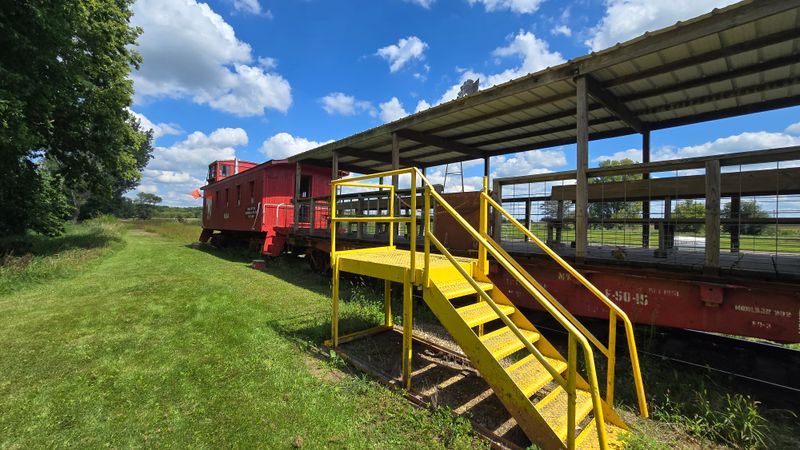
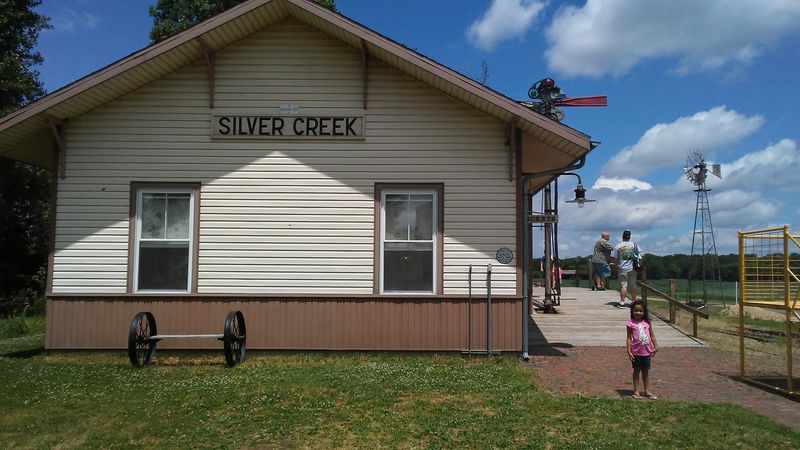
The depot is a turn-of-the-century replica station that frames the whole experience. You step onto wooden boards, hear them flex lightly, and feel transported.
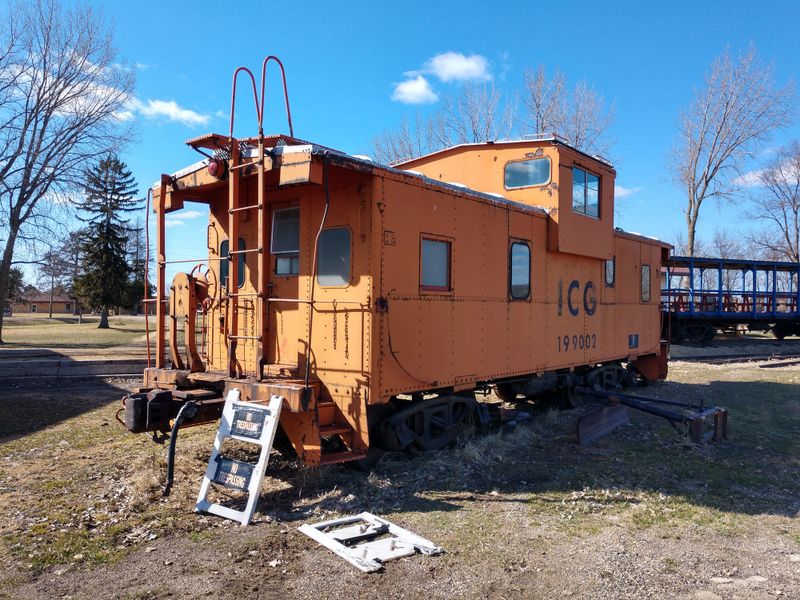
Around you are vintage freight cars, passenger benches, and that photogenic red caboose. The equipment is not roped off like a gallery you tiptoe through.
It is approachable, touchable within reason, and full of texture. Paint, steel, wood, and brass all tell a story.
Inside the caboose, kids spot cupola seats and wonder what it was like to ride high and watch the train. Ask a volunteer, and you will learn how crews used the stove, logged car numbers, and kept watch on the line.
Freight cars nearby show the working side of railroading. You see how rugged the hardware is up close.
When the steam engine couples on, the gentle clank is a soundtrack detail you will want to remember.
Photographers, aim for early or late light. The depot and caboose glow, and the rails catch a strip of sun that frames your shot.
It is a small stage, packed with character, ready for your family album.
Across The Road: The Museum Rooms
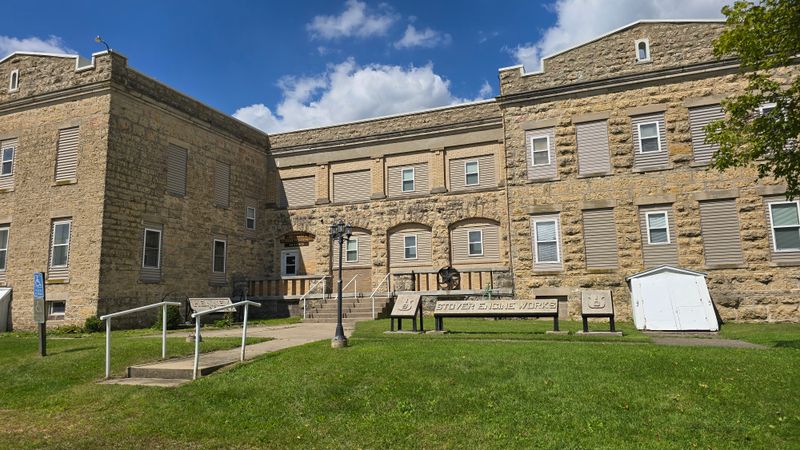
Across from the depot sits the museum with themed rooms that feel like stepping through snapshots of rural life. Each room focuses on a slice of everyday history, from kitchen tools to shop benches, and it is all carefully arranged.
You stroll at your own pace and notice small details that connect to stories volunteers share outside. There is a warmth to the exhibits.
Nothing feels sterile or distant.
Expect to find regional history threads, including nods to local manufacturing and community life. Interpretive notes are straightforward and clear.
You might recognize brand names your grandparents mentioned or see packaging from an era when lettering had flair. One room is often a favorite for fans of model railroading, where intricate layouts mirror the larger ride outside.
It is a satisfying link between miniatures and full size machines.
The museum is tidy, well thought out, and easy to navigate. If mobility is a concern, ask staff about the best routes and any stairs.
They are helpful and honest about access. Plan at least an hour if you enjoy reading displays.
It pairs beautifully with the train, giving context and color to the ride.
The Mighty Corliss Engine Story
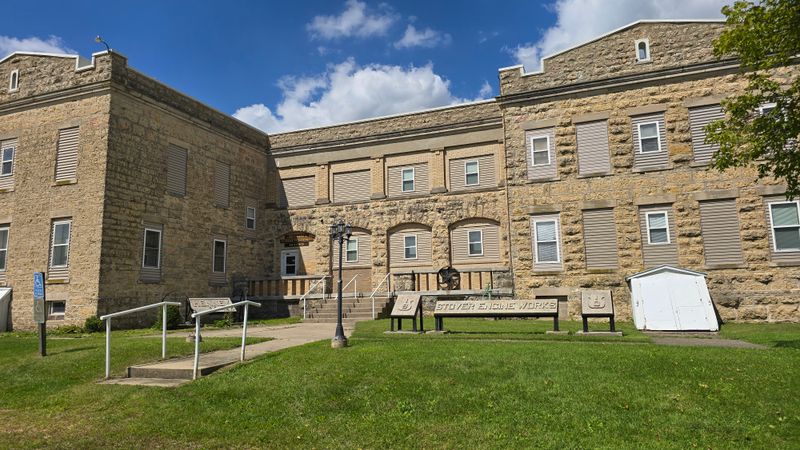
In a separate building adjacent to the railroad, a huge Corliss stationary steam engine sits like a sleeping giant. Its massive flywheel, more than 25 feet across, along with its rods and valves, shows the muscle that once powered factories and mills.
Volunteers can tell you how they acquired, transported, and reassembled it piece by piece, which is a saga of cranes, crates, and dedication. The engine is not always operated during visits, but its scale alone impresses and videos show it in motion.
You understand what steam meant beyond locomotives.
Corliss valves were clever, efficient, and elegant. Hearing how governors and linkages managed speed turns engineering into a story rather than a diagram.
Even kids get it when a docent moves a lever and explains what would happen under steam. You can imagine belts overhead and pulleys chattering alive.
The building carries echoes of industry, sunlight striping the floor.
If you love machinery, bring questions. Volunteers welcome them and may point you to smaller antique engines nearby, some with local manufacturing ties.
It rounds out the visit by showing how communities ran on ingenuity. Stand by the flywheel rim, look up, and feel that quiet wow.
It is history at full scale, patient and powerful.
Seasonal Specials
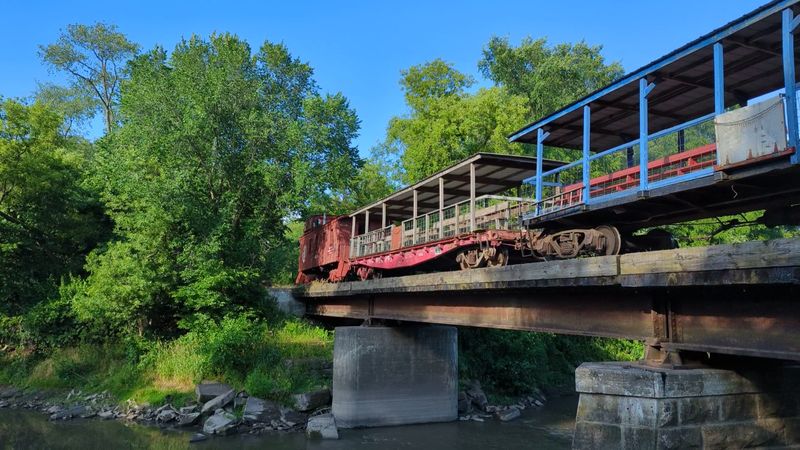
The fall season brings a playful chill with the Train of Terror, a family friendly ride that leans spooky, not intense. It’s designed as a seasonal Halloween ride with spooky touches rather than extreme scares.
Picture lantern glow along the track, costumed characters, and a whistle that feels right at home in October air. It is the same trusty line, dressed for a seasonal wink.
If you want a playful Halloween atmosphere, this ride fits the bill.
Because it is popular, timing matters. Evenings can fill up, and lines grow fast, especially on peak weekends.
Tickets are typically purchased on site at the depot, so check current options before visiting. It’s wise to confirm payment options in advance before you go.
Dress warm, since open air cars collect the night breeze. The pace stays gentle, so nervous riders settle in quickly.
Beyond the ride, the station takes on that festive buzz that makes small town events shine. Photo ops are easy.
Staff keep an eye on safety without stiffening the vibe. If your schedule allows, aim for earlier evenings for shorter waits.
You leave with smiles, not nightmares, and a memory that tucks perfectly into fall.
Hours, Seasons, And When To Go
This is a seasonal destination with hours that can change year to year, so confirm before driving. The official website and phone line are your best sources.
Some visitors have arrived to find off season closures, especially after October, so do a quick check the week you plan to come. Weekend operations are common in the warmer months, with special events sprinkled through the calendar.
If weather looks iffy, call ahead. Schedules shift with volunteers and equipment needs.
For a smooth day, aim for morning or early afternoon. Trains can fill up on peak weekends, but the relaxed pace generally keeps things friendly.
If you want the glow of late light for photos, catch a later run, then wander the museum rooms before or after. Ask staff for that day’s last departure time to avoid missing your ride.
As for prices, expect affordable family friendly fares, with possible variations for steam days, events, and cab rides when available. Bring cash just in case.
A quick pocket plan saves headaches and lets you focus on the fun. The point is simple: check, time it well, and you will have an easy, charming visit.
Tickets, Parking, And Accessibility Tips
Parking is straightforward near the station, with a small lot and overflow along the lane when events get busy. Arrive a little early so boarding feels relaxed.
As for tickets, plan on on site purchase, and carry cash as a fallback. Payment methods and connectivity can vary, so a quick pre-visit check helps avoid surprises.
Keep it simple and bring bills. If lines form, a friendly chat with volunteers makes the wait go faster.
Accessibility is a common question. The open air cars and platform are approachable, and staff are helpful about finding the easiest boarding options.
Boarding access varies by equipment in service, so it’s best to call ahead about specific needs. If you have specific needs, call ahead and ask.
They will be honest about what is practical.
For comfort, bring layers, sun protection, and water. Open cars mean direct breeze and sun, which feels great but can sneak up.
Secure small items before the train lurches at startup. That first nudge is part of the charm, and being ready keeps it comfortable for everyone.
Best Seats, Photos, And Soundtrack
If you are chasing photos, grab the rear bench. You can frame the curve and watch the engine pull away with steam curling over cars.
On the return, you flip the scene and get woods sweeping by in long lines. For sound, the forward cars deliver the richest chuff and whistle echo.
It is not deafening, just present and musical. The caboose offers nostalgia with cupola charm in view.
Golden hour flatters everything. Metal warms up, wood glows, and fields go painterly.
Overcast days work too, softening shadows so faces look great. Ask a volunteer where the best whistle shots happen along the line.
They know the echo spots. Keep elbows tight and camera straps secure as the train starts and stops.
You can stand briefly for a quick snap, but sit before movement.
Video fans, record the firebox door opening if steam is on. The color and whoosh make a great clip.
And if you only take one photo, make it the station facade with cars ready to roll. That image sums up the day: simple, bright, and full of promise.
Why It Sticks With You
Some places wow with size; however, this one wins with sincerity. The ride is short, the station is small, but the feeling lasts.
You hear honest machinery and meet people who care. You smell wood smoke and oil, see countryside that breathes, and step aboard a car that hums with easy motion.
It sinks in slowly, like a good story told on a porch.
The surprises are modest and perfect. A caboose ladder waiting for a photo.
A docent pointing out a tiny casting mark on a brake wheel. A Corliss giant across the way reminding you steam powered more than trains.
Even the return move, backing toward the depot, feels like a bow before the credits. You leave relaxed, informed, and oddly proud of the folks who keep it alive.
If you love railroads, you will get your fix. If you do not, you may convert on the spot.
Either way, you carry home the cadence of chuff and whistle. It is Illinois in motion, in miniature, in memory.
And that stays with you long after the last plume fades.