
This Small Town In Arizona Is A Hidden Gem For Anyone Who Wants To Live Simply
I used to think ‘simple living’ meant moving to a remote cabin with no internet (and let’s be real, I’m not that brave). But then, on a recent road trip through Arizona, I took a detour – one of those ‘let’s see where this road goes’ detours – and found myself in the most unassuming, utterly charming small town.
It wasn’t on any ‘must-see’ list, and that’s precisely its magic. There were no flashing billboards or bustling crowds, just a quiet authenticity that instantly whispered, “This is it.” This isn’t just a place; it’s a feeling.
A feeling of calm, community, and genuinely, a simpler way to be. And trust me, you’re going to want to hear about it.
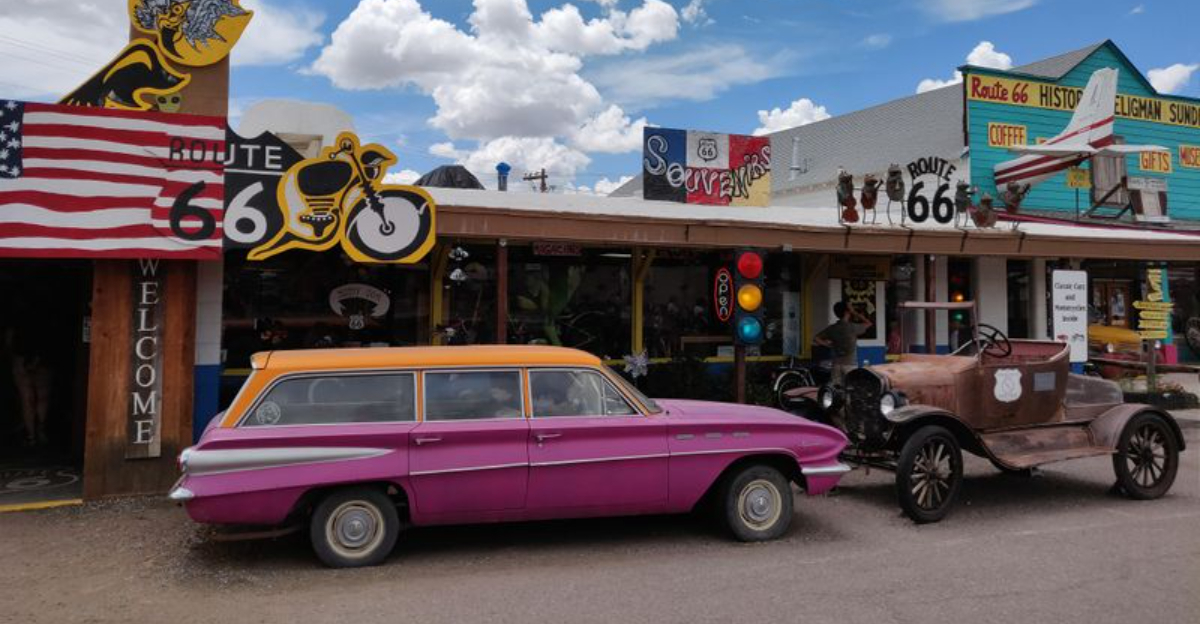
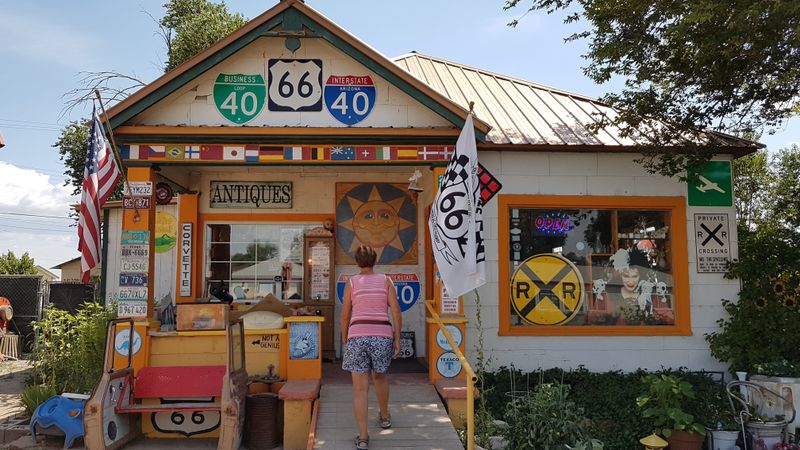
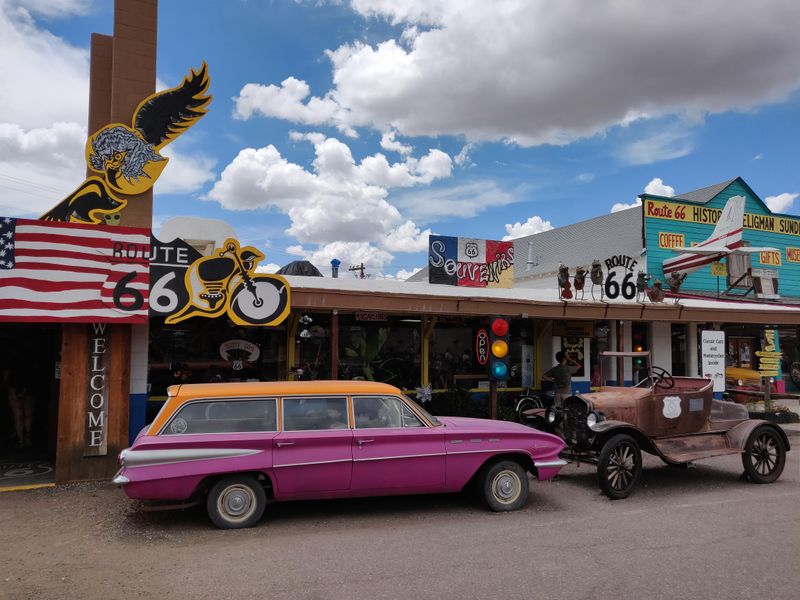
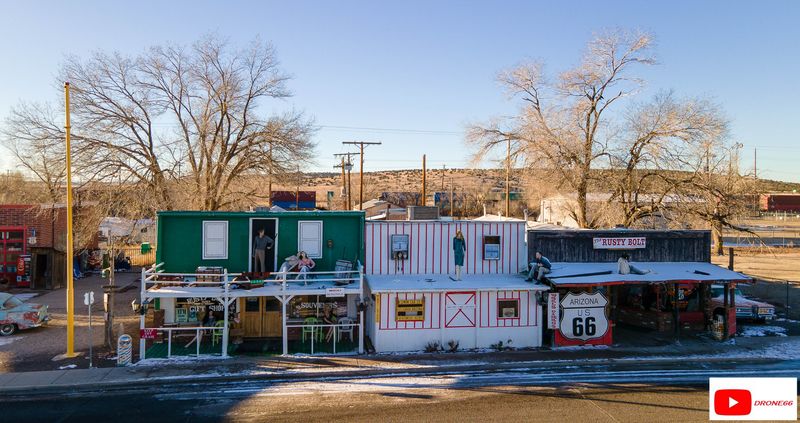
Route 66 runs straight through town like a time machine set to the 1950s, complete with vintage signage, classic diners, and roadside attractions that refuse to fade into memory.
This Arizona town offers something rare in our frantic modern world: permission to slow down, breathe deep, and remember what matters when the noise finally stops.
A Living Snapshot Of Route 66 History
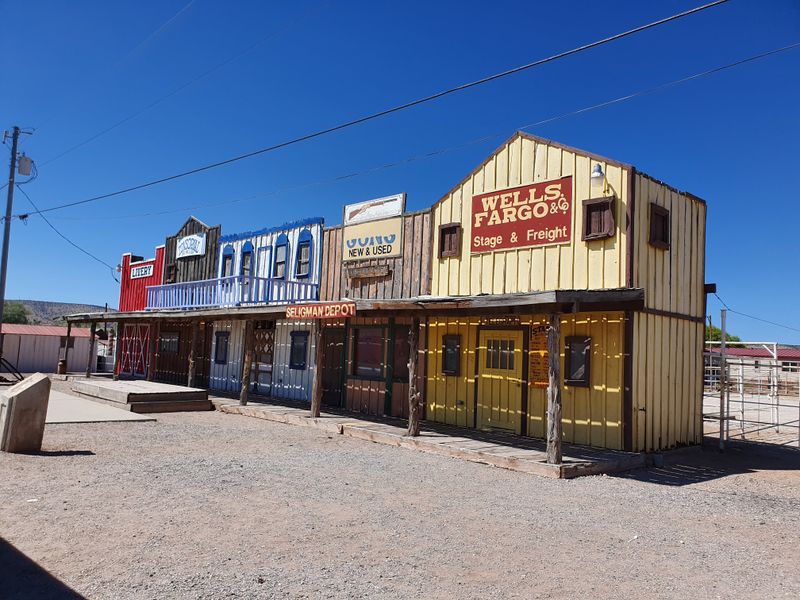
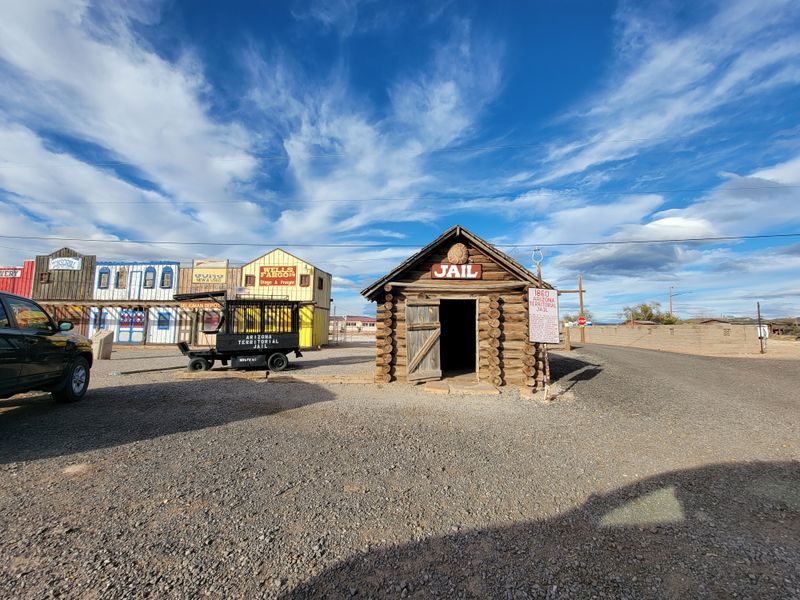
Walking down the main drag feels like stepping onto a movie set where the 1950s never packed up and left.
Seligman earned its reputation as the birthplace of the Historic Route 66 movement when local barber Angel Delgadillo fought to preserve the Mother Road after Interstate 40 threatened to erase it from the map.
His barbershop still stands as a living museum where stories outnumber haircuts, and every faded photograph on the wall whispers tales of cross-country adventurers who passed through when the highway meant freedom.
The town wears its history like a favorite jacket, with turquoise-trimmed buildings, hand-painted murals, and neon signs that flicker to life each evening.
Classic cars occasionally cruise past, their chrome catching light like moving sculptures, while visitors snap photos beside rusty gas pumps that once fueled journeys to California.
I rolled into Seligman, Arizona on a Tuesday afternoon when the sun painted everything gold and the highway stretched quiet in both directions.
I spent an entire afternoon just wandering, discovering new details with each pass: a vintage Coca-Cola sign here, an old Burma-Shave advertisement there. Time moves differently when your surroundings refuse to rush forward, and Seligman proves that some places improve with age rather than renovation.
Population That Knows Your Name
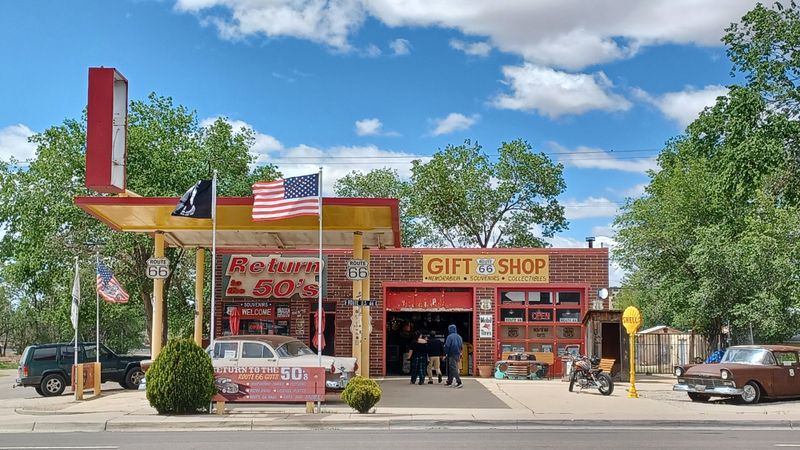
With fewer than 500 residents calling Seligman home, anonymity becomes impossible, and frankly, that feels refreshing.
I noticed it immediately when I stopped for supplies at the local market: the cashier asked where I was headed, then recommended a scenic overlook I would have missed otherwise.
The mechanic two doors down waved as I passed, and the woman sweeping her porch offered directions before I even realized I needed them.
This intimacy creates a safety net that cities abandoned generations ago, where neighbors check on each other during summer heat waves and everyone contributes to the annual community events. Kids still ride bikes without helicopter parents hovering, and folks leave their doors unlocked because trust hasn’t become a luxury here.
The trade-off for this closeness means your business becomes everyone’s conversation topic by Thursday, but most residents consider that a feature rather than a flaw. Privacy exists, just in smaller doses, balanced against the comfort of knowing someone will notice if you need help.
I watched this dynamic play out at the post office, where a simple mail pickup turned into a fifteen-minute exchange about weather patterns, grandchildren, and the best month to plant tomatoes.
Desert Landscape That Demands Nothing
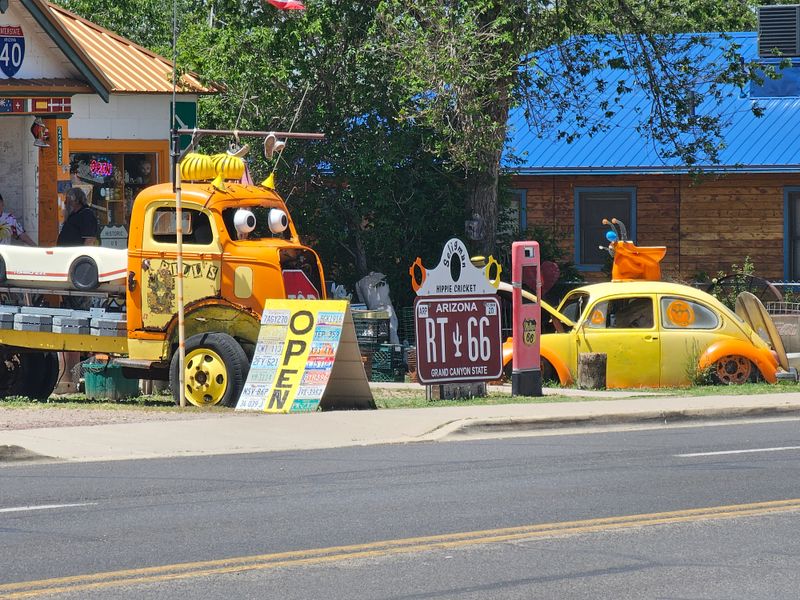
Seligman sits at 5,242 feet elevation where the high desert spreads in every direction like an invitation to exhale.
The landscape here doesn’t try to impress with dramatic canyons or towering forests; instead, it offers something subtler and ultimately more sustaining.
Juniper trees dot the terrain in scattered patterns, their twisted trunks speaking to decades of wind and survival, while the sky stretches so vast that weather systems become entertainment.
I found myself watching clouds build over distant mesas one afternoon, tracking their shadows as they drifted across miles of open country. The silence out here isn’t empty but full of small sounds: wind through sage, a raven’s call, the rustle of something unseen moving through brush.
This environment teaches you to appreciate negative space, to find beauty in what isn’t there rather than what is. No billboards compete for attention, no light pollution steals the stars, and the horizon remains uninterrupted by development.
Hiking trails wind through nearby hills where petroglyphs remind you that people have found peace in this landscape for thousands of years, long before simplicity became a lifestyle choice rather than simply life.
Cost of Living That Makes Sense
Housing prices in Seligman remain stubbornly reasonable, refusing to follow the insanity gripping Phoenix or Flagstaff.
I talked with a resident who bought a three-bedroom house for less than what a studio apartment costs in Scottsdale, and she wasn’t bragging, just stating facts.
Property taxes stay low, utility bills remain manageable even during summer’s heat, and the absence of trendy restaurants or boutique shopping means your paycheck stretches further than you remember money stretching.
The trade involves accepting limited services: no Amazon same-day delivery, fewer dining options, and a forty-mile drive for major shopping. But residents counter that they spend less because temptation stays distant, and what they sacrifice in convenience they gain in financial breathing room.
I met a retired couple who calculated they needed half their previous income to maintain a comfortable lifestyle here, freeing them to pursue hobbies rather than second jobs.
A young family explained how single-income living became possible again, something their parents’ generation took for granted but theirs assumed extinct.
The math works differently when rent doesn’t consume sixty percent of earnings, and Seligman proves that affordable living still exists if you’re willing to redefine accessible.
Slower Pace That Resets Your Clock
Nothing in Seligman, Arizona operates on urgency, and that absence of rush becomes the town’s greatest luxury.
I watched a postal worker stop mid-route to help an elderly man carry groceries to his truck, then stay for a ten-minute conversation about fishing spots.
The hardware store doesn’t open exactly at nine because the owner knows his customers will wait, and besides, everyone understands that his daughter had a school concert last night.
This flexibility would drive type-A personalities absolutely mad, but it creates space for humanity that schedules usually eliminate. Meetings happen when people arrive rather than at appointed times, and deadlines bend around life instead of the reverse.
I found myself unconsciously slowing down after just two days, no longer checking my phone every twelve minutes or feeling that phantom urgency that modern life injects into everything.
My shoulders dropped, my jaw unclenched, and I remembered what it felt like to finish one task before starting three others.
The pace here isn’t laziness but intentionality, a collective agreement that efficiency matters less than presence. Productivity still happens; it just doesn’t steamroll everything else in its path, and honestly, that feels revolutionary.
Self-Sufficiency That Builds Character
Living in Seligman requires developing skills that urban dwellers outsource to apps and service professionals.
When the nearest plumber works forty miles away and charges travel time, you learn to fix that leaky faucet yourself. When restaurants close by eight and grocery selection runs thin, you discover cooking abilities you didn’t know existed, and your garden becomes less hobby than necessity.
I spoke with a woman who taught herself basic carpentry through YouTube videos and neighbor advice after moving here, and she now builds furniture that would cost triple at any store.
Another resident explained how mechanical aptitude stops being optional when the nearest dealership sits an hour away and your truck needs attention.
This self-reliance creates confidence that convenience culture erodes, reminding people they’re more capable than modern life allows them to believe. Kids here learn to change tires before they learn to order takeout, and teenagers understand basic home repair before they understand Uber.
The learning curve feels steep initially, but residents insist the competence gained outweighs the initial frustration. Problems become puzzles rather than catastrophes, and solving them yourself builds satisfaction that paying someone else never quite delivers.
Connection to What Actually Matters
Seligman strips away the distractions that modern life mistakes for living, leaving only what genuinely matters.
Without constant entertainment options competing for attention, people here invest time in relationships rather than activities.
I watched neighbors gather for impromptu potlucks where conversation lasted hours, not because anyone brought anything particularly exciting but because talking to each other hadn’t become a lost art.
Kids play outside until dark, inventing games with sticks and rocks instead of staring at screens, and parents actually know their children’s friends rather than just their usernames. Evenings unfold without frantic schedules dictating every moment, and families eat dinner together not as an event but as a given.
The night sky reveals stars that light pollution hides elsewhere, and people actually stop to watch them instead of rushing toward the next obligation. Sunrises become worth witnessing, and the changing seasons matter again because you’re outside enough to notice them.
I realized during my stay that simplicity isn’t about having less but about making room for more of what you kept meaning to prioritize once life calmed down, except life never calms down unless you move somewhere that refuses to speed up.