
This Hidden Illinois State Park Lets You See Buffalo Up Close
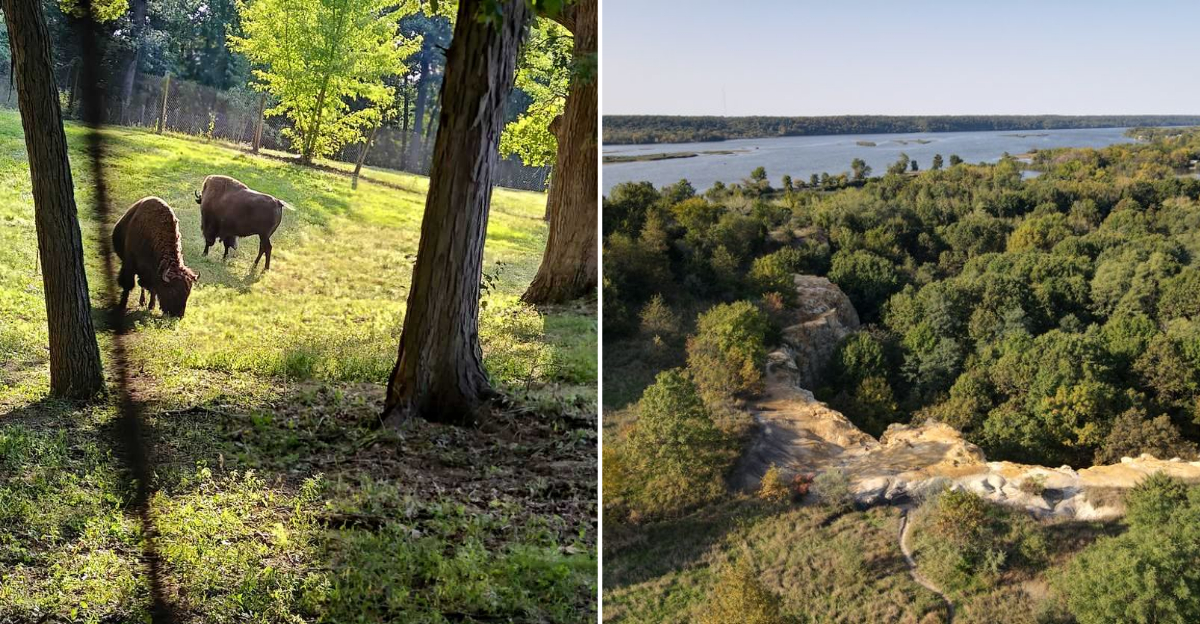
I heard them before I saw anything. A dull thud, steady and heavy, like something large moving just out of sight.
Then a snort drifted over on the wind, enough to make me look up and pay attention. And there they were. Bison, and they were huge.
Sunlight caught on the rough edges of their coats as they moved slowly, completely at ease. It felt strange seeing animals that old in spirit standing on a bluff above the Illinois River, with roads and cornfields not far off.
The air smelled like warm grass and dust. I stayed longer than I meant to, just watching them graze.
It’s an easy drive in Illinois, nothing complicated about getting there. But the feeling of it stuck with me.
Where The Buffalo Actually Roam
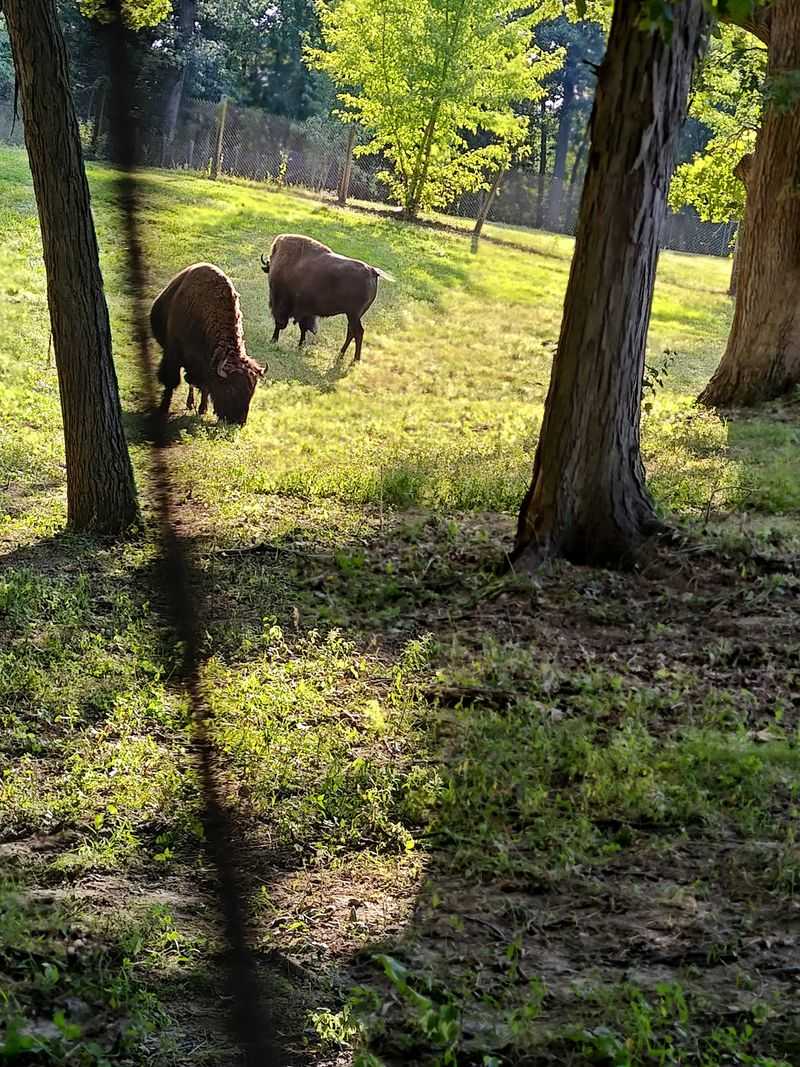
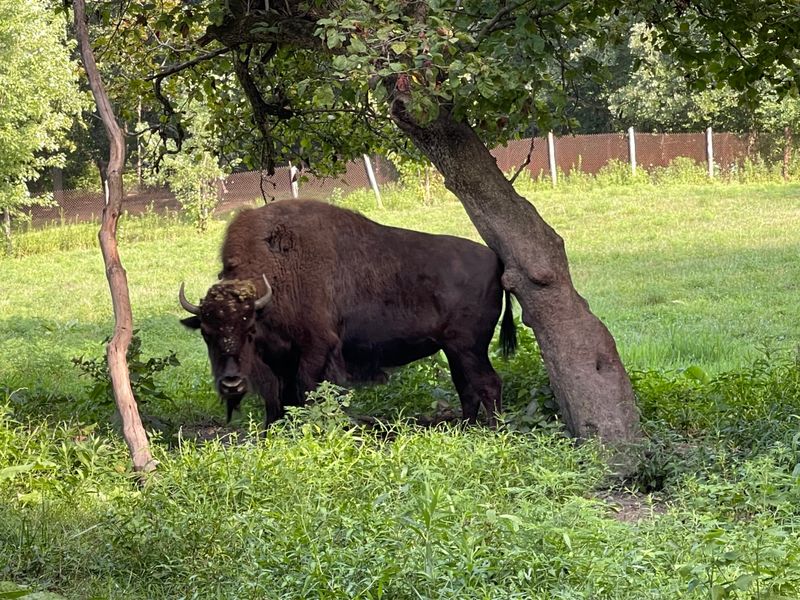
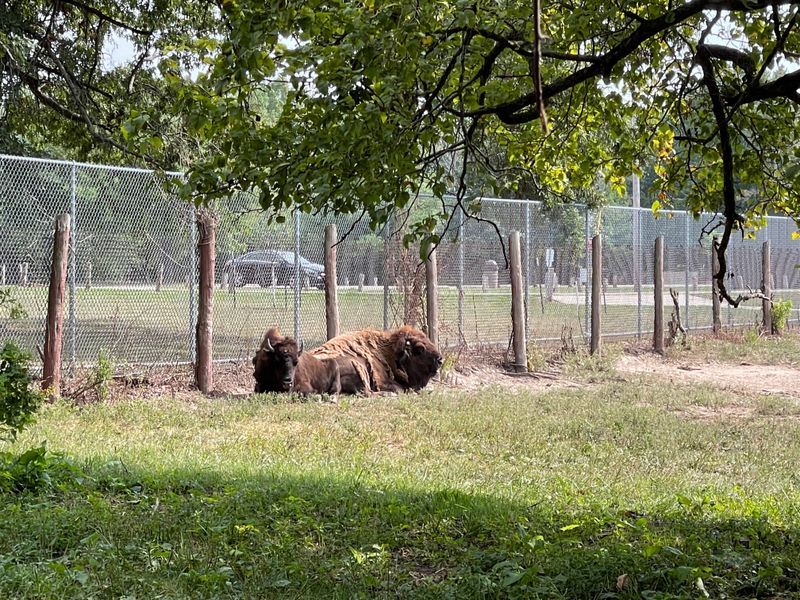
The buffalo are not a rumor, two American bison live here, visible from a managed viewing area. You can stand at the fence line near the bison enclosure and watch them graze, shoulders rolling beneath thick coats, tails flicking like metronomes.
Hooves shuffle through dust while meadowlarks throw tiny songs into the wind. It is both wild and managed, a viewing area designed so you feel close without crossing a line.
When they lift their heads, the moment freezes, and the landscape suddenly remembers its old heartbeat.
Interpretive signs explain how bison shaped prairie ecosystems. Kids press faces to the rail, and you will too, because that ancient profile is impossible to ignore.
Bring a camera with a zoom lens and move quietly to keep the bison relaxed, following posted rules on drones and aircraft.
Morning light makes their coats glow while cool air sharpens the grassy smell around you. If the bison wander out of view, wait.
Patience pays off here.
Park staff manage the animals carefully, and viewing access can vary with conditions. You are on their schedule, not yours, which feels right.
Read posted guidance, give space, and resist handouts or calls. The gift is presence.
You get to watch two American bison being bison on a Midwestern bluff.
Bluffs Above A Bending River
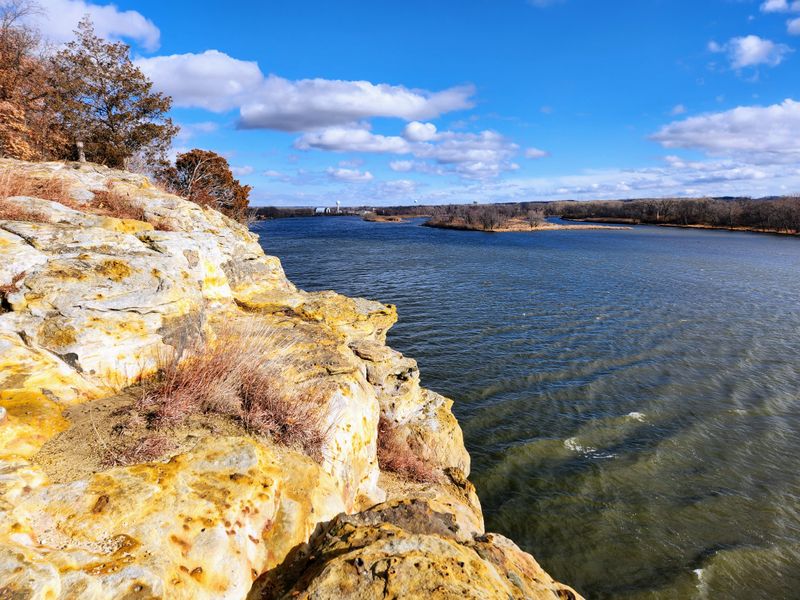
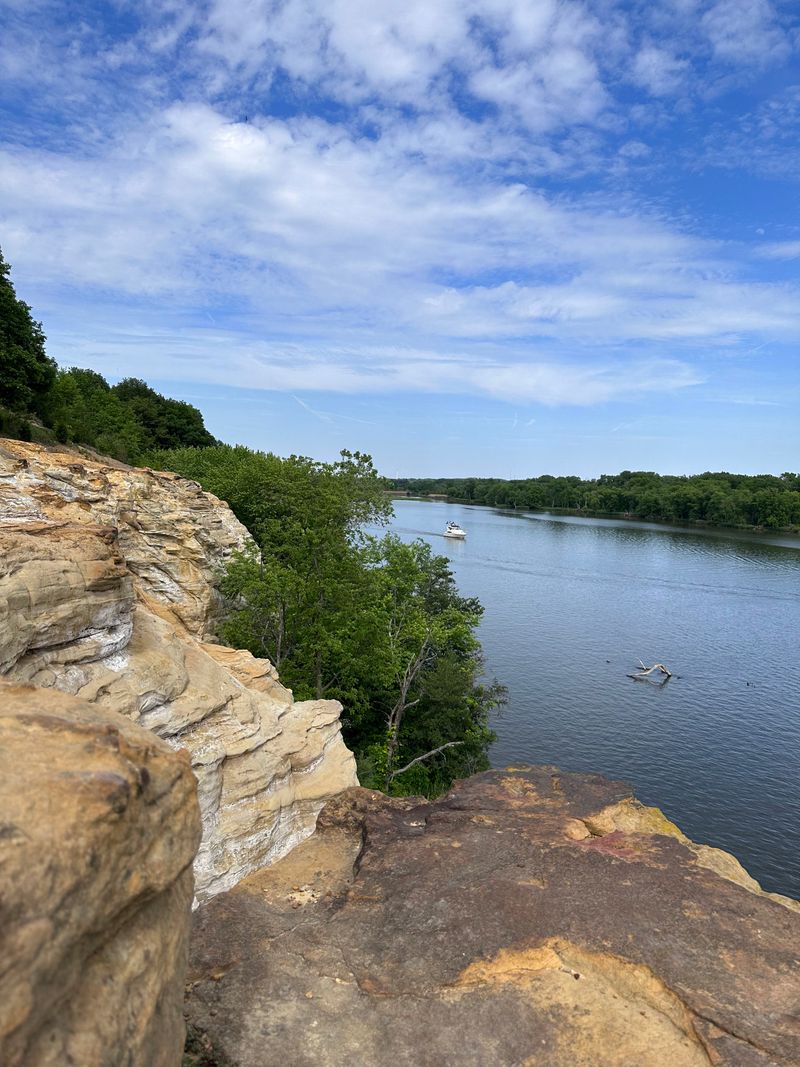
The park sits on a high bluff carved by the Illinois River, a long curve of water that moves like a slow idea. From the overlooks, you see islands, backwaters, and the broad sweep where barges look like toys.
The wind rides up the cliff and catches your hat, so hang on.
Look down and you will spot sandbars that shift with each season, a quiet reminder that the river edits its own story.
Paths along the rim offer different angles. One overlook frames the channel with cottonwoods, leaves flashing like coins.
On bright days, the water turns silver and the sky feels twice as big. You might hear train horns or the low purr of engines on the river, a soundscape that anchors the view in real time.
It is not wilderness, but it is real, and it is gorgeous.
Keep to marked trails, especially near edges where sandstone crumbles. After rain, the bluffs can be slick, so shoes with grip are a smart call.
If you want photos without glare, visit early or wait for thin clouds. Watch for vultures circling, riding thermals that skim along the cliff face.
A Walk Through Prairie And Woods
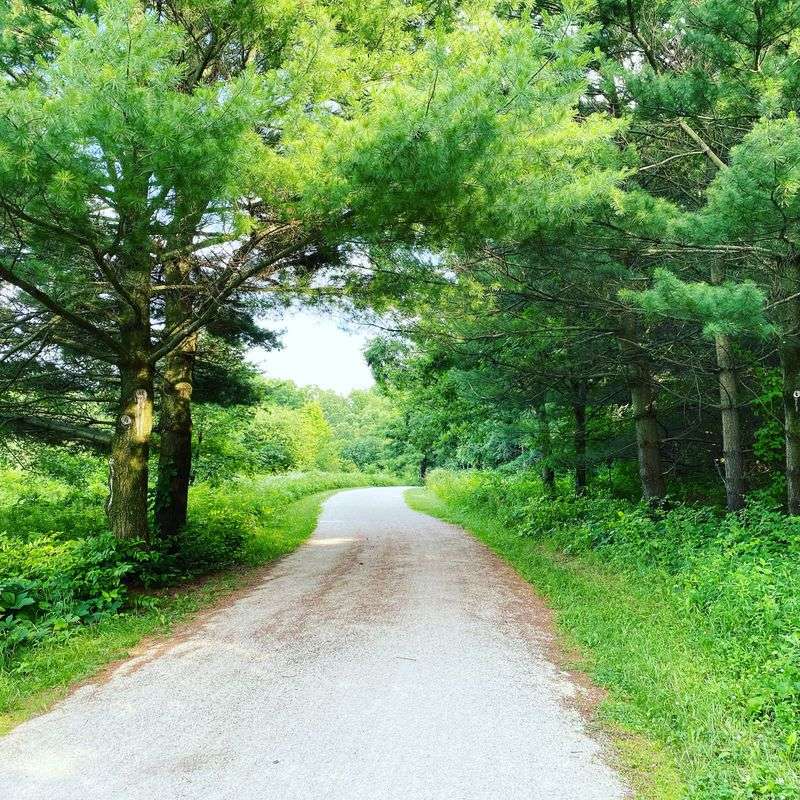
Trails weave through prairie openings and shaded woods, giving you a sampler of northern Illinois habitats in an easy loop. Expect generally easy grades with dirt and natural-surface paths, plus some uneven ground in wooded sections.
Birds chatter from hedgerows while grasshoppers spring away like tiny popcorn. The prairie smells warm and toasty in summer, then earthy as the season tilts toward fall.
Oaks lean over a few sections, throwing cool shade that feels earned.
Trail maps are posted near parking areas. Cell service can dip in pockets, so snap a photo of the map before you go.
Distances are friendly enough for families, with spur paths that invite curiosity.
You will pass limestone outcrops and pockets of wildflowers when timing lines up, especially late spring into early summer. Monarchs tag along over milkweed and bluestem.
Wear closed shoes and bring water. Ticks and mosquitoes show up when weather invites them, so use repellent and do a quick check after the hike.
Stay on marked routes to protect plants and your ankles. If a path feels muddy, tiptoe the edges or turn back.
The goal is easygoing exploration, not a messy slog.
Sandstone Bluffs And Layered Stone
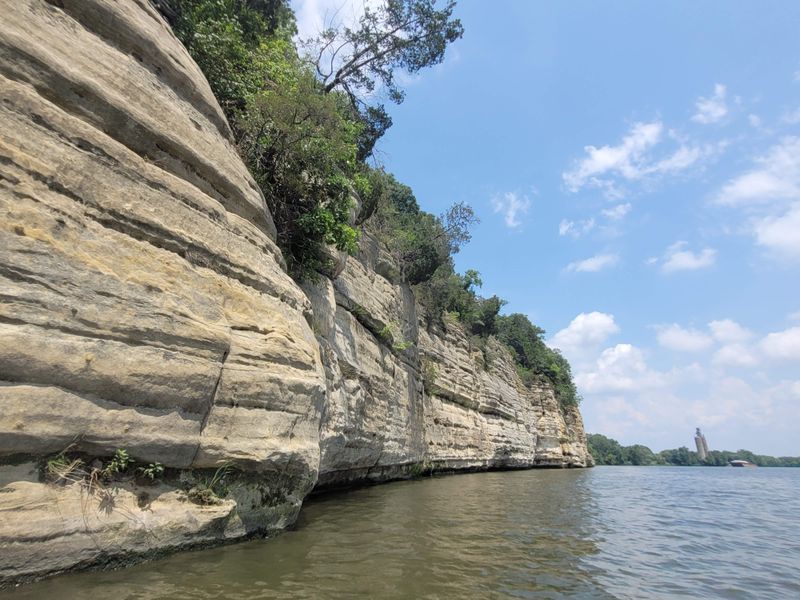
Sandstone here tells time in stripes. Look closely at the overhangs and you will see layers like pages, each one pressed by ancient seas and rivers.
Sandstone formations along the bluff tell time in stripes, their layers shaped by ancient seas and rivers.
Wind and water sculpt the edges, and fallen leaves pile up in auburn drifts. The air under the rock stays cool even on a hot day, a pocket of relief with a faint mineral smell.
These bluffs are part of the St. Peter Sandstone story that runs through the region. Erosion does the artwork.
Notice how ferns and moss find anchors in crevices, tiny gardens tucked into stone.
You can hear your voice bounce in soft echoes if you speak gently, a rock-bowl whisper that children love to test. Here, geology goes from textbook to touchable, written directly into the bluff face.
Respect the formation by keeping a safe distance and following posted guidance. Do not carve initials or scramble where footing crumbles.
After rain, drips bead along edges and make the ground slick. Bring a camera, but watch your step first.
The best memory is leaving it exactly as you found it.
Effigy Tumuli
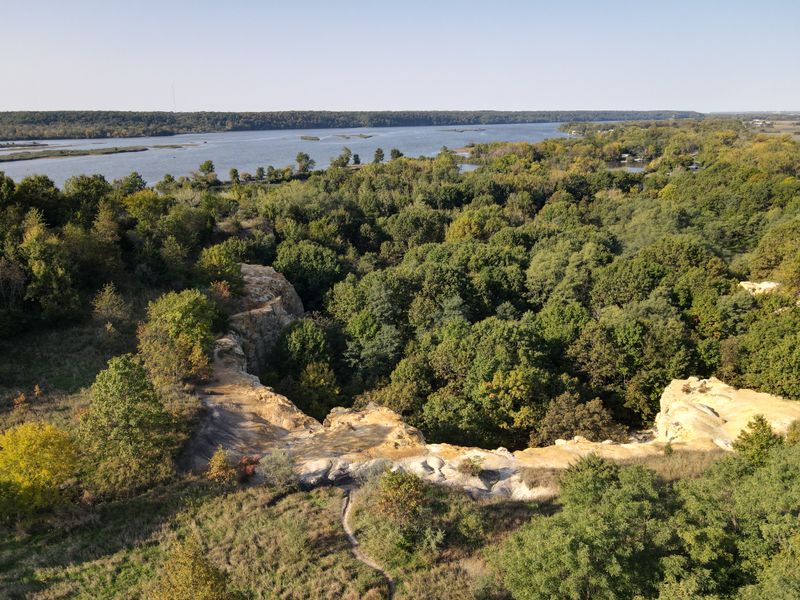
Effigy Tumuli is not what you expect in a state park. It is land art, monumental earth sculptures formed into animal shapes across the bluff top.
You walk along gentle mounds and realize you are tracing outlines of a turtle, snake, catfish, frog, and water strider, depending on the section.
The forms rise so gradually that the art reveals itself as you move. It is playful and thoughtful at once, merging imagination with the landscape.
Interpretive signs help you visualize each creature. Stand at the right angle, and the curves line up against the horizon.
Kids love the treasure hunt feel. Adults enjoy the way the project bends scale and time.
The art nods to ancient effigy mounds of the Midwest without replicating them, standing as a modern land-art installation shaped into animal forms.
Paths are grassy and mostly open, so a hat and water help on sunny days. Stay off sensitive slopes if signs ask, since erosion can flatten details.
The reward is a new way to see the prairie, where sculpture is not a single object but a sweep of land. It feels quietly brilliant and very Illinois.
Picnic Shelters And A Fireplace You Will Remember
Buffalo Rock takes picnicking seriously, with broad lawns, mature trees, and shelters that make lunchtime feel like an event. One shelter includes a big stone fireplace that looks straight out of a classic park postcard.
On a cool day, that hearth turns a simple sandwich into a cozy memory. Tables are spaced well, grills stand ready, and the view swings between river glints and prairie swells.
Weekends fill fast in warm weather. If you want shade and proximity to restrooms, arrive early or aim for late afternoon.
Restrooms are basic but useful, and water fountains may be seasonal, so bring a jug just in case.
You will hear laughter drifting from nearby lawns, frisbees sailing, and maybe the distant rumble of a train along the river corridor. It feels communal without feeling crowded.
Pack out what you bring in. A plastic bag for recyclables and trash saves you a walk later.
If weather turns, shelters offer cover without dampening the day. Double check posted rules for grills and fires, which can change with conditions.
That fireplace makes a great backdrop for photos, especially when sunlight brushes the stone.
When To Go And How Long To Stay
The park is typically open daily with hours that shift by season, often around morning to early evening. Hours vary by season, often running from morning through early evening, commonly around 8 AM to 7 PM, but check current listings before you go.
A two to four hour visit fits most plans. That gives you bison viewing, a bluff loop, a picnic, and a wander through Effigy Tumuli without rushing.
Spring brings wildflowers and lively birdsong. Summer fills the trees and turns the prairie lush.
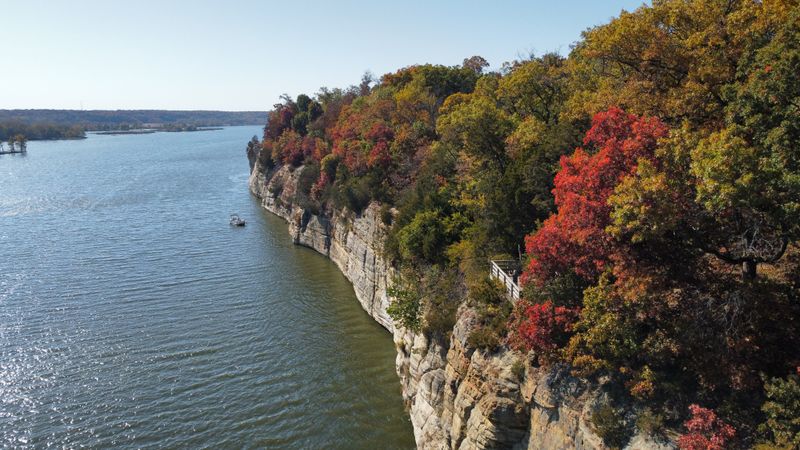
Fall paints the bluffs in copper and flame, a camera-friendly moment that is worth timing. Winter can be stark and beautiful, with river steam on very cold mornings, though some facilities may be limited.
Weather can flip the script fast near the river, so layer up and carry a light jacket in shoulder seasons.
Weekdays feel quieter. Mornings are best for wildlife and soft light, while late afternoons cast long shadows that flatter the bluffs.
If rain moved through, watch for muddy patches and be ready to pivot. The park rewards patience and flexibility.
You will leave with more than you planned to find.
Getting There, Parking, And Easy Logistics
Buffalo Rock sits at 1300 N 27th Rd, Ottawa, Illinois, a short hop from town and close to Interstate corridors. Your map app will get you there without drama.
As you approach, the bluff rises and trees thicken, and then the entrance sign swings into view.
Parking lots are straightforward, with overflow options near picnic areas when weekends buzz. Look for accessible spaces near main facilities.
Day use is typically free, though fees may apply for shelter reservations or special programs. Restrooms sit near picnic zones and trailheads.
If you need supplies, Ottawa has grocery stores and gas a few minutes back the road. Cell service is decent in open spaces and spotty under the bluff line.
Dogs are welcome on leashes. Pack water and a simple first aid kit, and you are set.
The park is popular but rarely overwhelming, even on sunny Saturdays. If lots look full, give it ten minutes and something usually opens.
Patience, once again, is the local currency.
Accessibility With Dignity And Detail
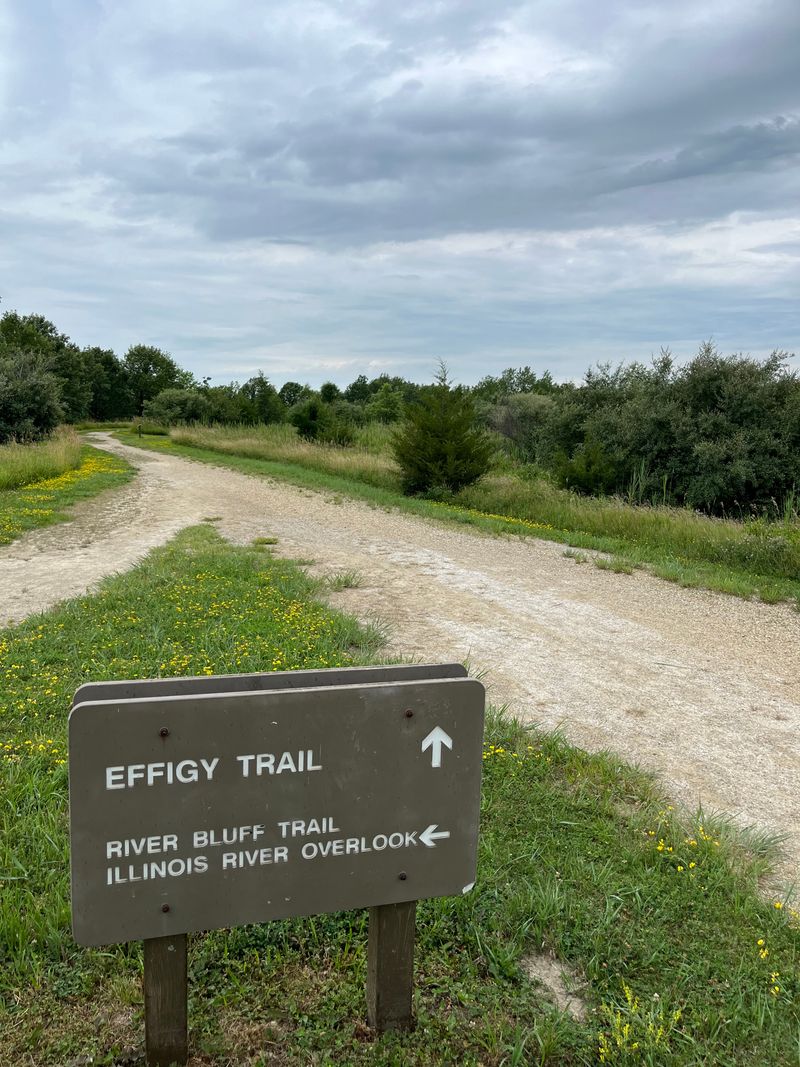
Accessibility at Buffalo Rock reflects steady improvements layered onto an older landscape. Some main paths near picnic and viewing areas are compacted and relatively smooth, though terrain varies near the bluffs.
Grades can vary near the bluffs, so a buddy helps on steeper stretches. Accessible parking spaces and restrooms are near central facilities, and signage is clear.
Benches are available in key areas, especially near shelters and scenic stops.
Viewing the bison is possible from a fence line reached by a short path. Terrain and weather can nudge difficulty, so call the park office if you have specific needs.
Staff are helpful and will share current conditions. Service animals are welcomed under standard guidelines.
Bring a spare wheelchair tire sleeve if you are rolling on gravel, since fine stones can be persistent. If a route looks questionable, there is usually an alternative with a gentler grade.
Maps at kiosks highlight main routes, but on-the-ground judgment matters more.
Rest when you want, skip what does not serve you, and savor the distances that feel good. Accessibility lives in both infrastructure and attitude.
Here, the landscape mostly meets you halfway.
Wildlife Beyond The Big Herd
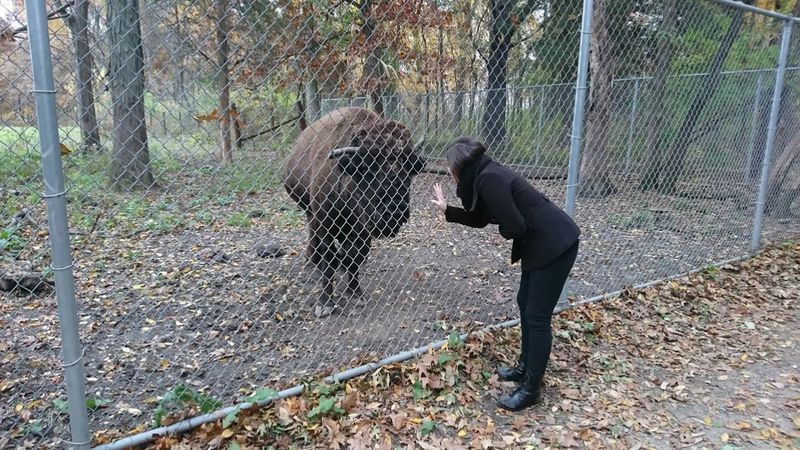
The bison steal the show, but the supporting cast is strong. White-tailed deer flash through the trees at dusk.
Turkeys mutter from the understory. Along the river edge, herons fold and unfold like blue origami.
If you pause on the prairie, you will hear meadowlarks, savannah sparrows, and the dry click of grasshoppers. Butterflies surf thermals above seedheads, and garter snakes vanish with a whisper.
Bring binoculars if birding calls to you.
The river corridor is a migration highway in spring and fall, which makes ordinary days feel special. Look for eagles when temperatures drop and ice concentrates fish.
You might also spot turtles sunning on logs in backwaters visible from the bluffs.
Wildlife keeps a schedule that is not yours, so the trick is to slow down. Stay respectful.
Keep pets leashed and give nests, dens, and burrows wide berth. If an animal changes behavior because of you, step back.
Food belongs to the creatures that live here, not visitors, so skip handouts.
The real magic is witnessing routine, not forcing a scene. You become part of the landscape by moving lightly.
Weather, Safety, And Smart Packing
River bluffs write their own forecasts. Wind climbs the slope and can turn a warm day surprisingly brisk.
Summer storms roll in fast, so a light rain shell earns its space in your bag. Trails handle typical rain well, but sandstone near the edge gets slick.
A small first aid kit, sunscreen, and bug spray handle most surprises. Good shoes and a brimmed hat finish the list.
Heat builds on open prairie, so pace yourself and take shade breaks. In winter, icy patches linger where the sun ducks behind bluffs.
If thunder speaks, head to your car or a shelter and wait it out. Hydration is easy to forget when the air feels cool, so sip often.
A printed map or photo of the kiosk helps when service drops.
Tell someone your plan if you are solo. Keep to signed trails, avoid cliff edges, and resist shortcuts that carve new lines into fragile ground.
Wildlife wants distance and quiet. With those basics, the park becomes a friendly place that gives more than it asks.
You will leave comfortable and content, with energy to spare.
A Little History In The Wind
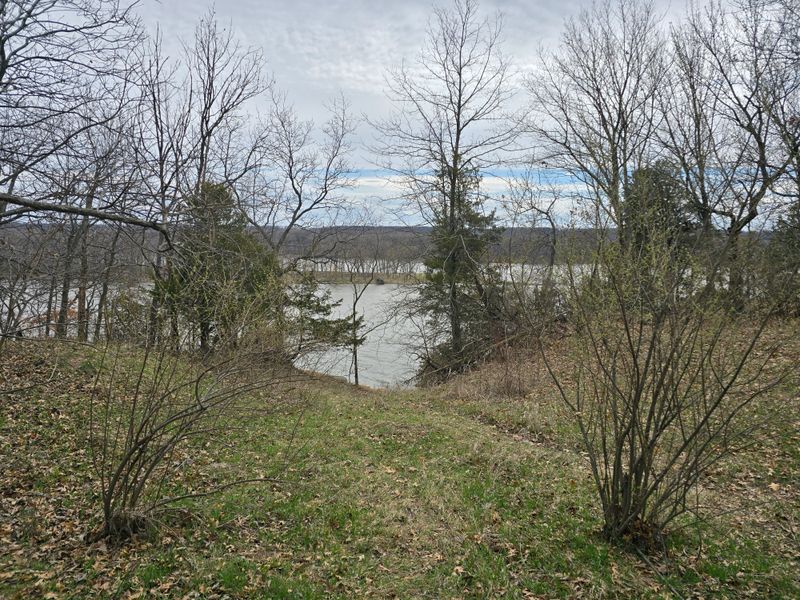
The Illinois River valley has carried people for thousands of years. Indigenous nations shaped lifeways here long before towns formed along the banks.
The bluff offered views, resources, and a place to read the sky. Later, canals and river traffic stitched the region to broader trade.
You can feel that layered story when barges slip past below and wind tugs across the ridge. Buffalo Rock was established as a state park in the early twentieth century, preserving its blufftop views and prairie landscape.
Signage on site shares pieces of that arc without pretending to tell every chapter.
The Effigy Tumuli artwork adds another layer, a modern voice in conversation with older landscapes. It turns walking into interpretation, which fits the place.
When you visit, you are part of the continuity. Pick up a brochure at the kiosk or visit the park website for deeper reading.
If exact dates or names are missing from signs, that is an honest gap, not a mystery to solve today.
The point is to stand still for a minute, listen to the wind, and recognize how many footsteps came before yours.
Plan Like A Pro
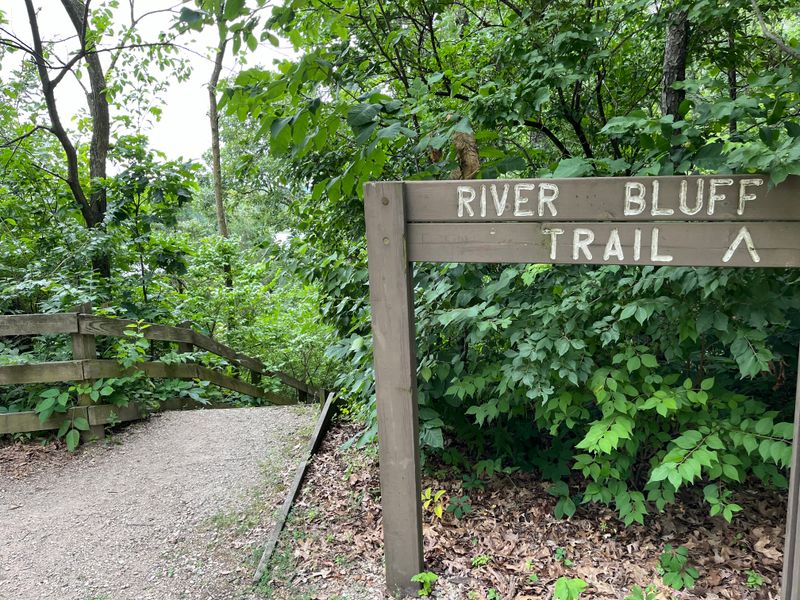
You will not need a complex budget for Buffalo Rock. Entry is generally free, and there are no turnstiles waiting to eat your morning.
A few costs might pop up for shelter reservations or special programs if offered, so call ahead for current details.
If you want a souvenir, Ottawa’s shops are close, but the park itself keeps things simple. Bathrooms are functional, water access can be seasonal, and picnic shelters feel like a bonus.
Hours usually start in the morning and wrap by early evening, with seasonal shifts. Seasonal hours apply, so confirm the current closing time before visiting.
Plan food and snacks around that window, and finish hikes with daylight left.
Parking is free and close to main areas. Trash cans are placed where you need them, but packing out is still the cleanest move.
If you want a quieter visit, aim for weekdays outside of holidays. If you want a lively crowd energy, Saturdays with good weather deliver.
The park phone number and website are good reality checks before you roll. Think flexible, travel light, and say yes to the view.
That is the whole strategy.