
This Dazzling Art Museum In Pennsylvania Looks Like It’s From Another Planet
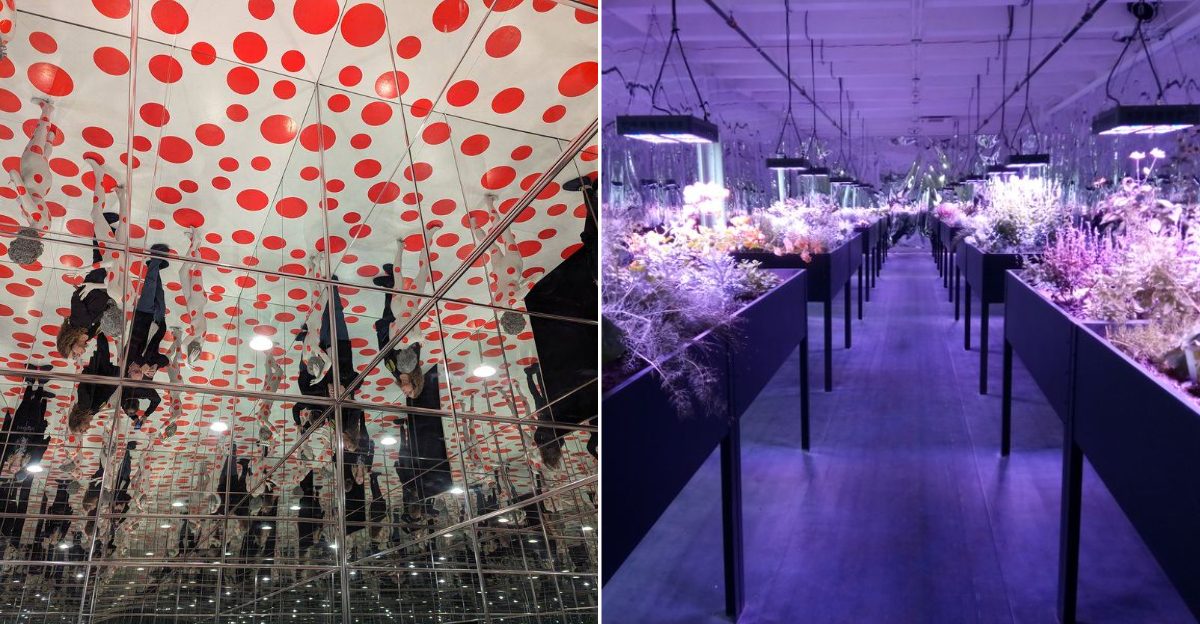
Pennsylvania has no shortage of traditional galleries, but every now and then you step into a museum that feels like it was dropped in from another universe.
In Pittsburgh, art spills beyond frames and walls, turning entire rooms into immersive worlds. Light bends, color pulses, and scale shifts in ways that make you question what you are looking at. This is not quiet hallway art.
It is full sensory exploration, playful, experimental, and occasionally mind bending. Installations invite you to walk through them, around them, and sometimes straight into them.
The experience feels less like viewing art and more like entering it. Spaces like this prove that Pennsylvania embraces bold creativity alongside its historic roots.
Each exhibit transforms the building into something new, encouraging curiosity rather than caution. It is the kind of place where every corner holds a surprise and every visit feels slightly different from the last.
I knew I was hooked when I caught myself circling back to a room just to experience it again.
When a museum makes me linger instead of rush, and leaves me thinking about it long after I step outside, I know I have found something that truly stands out.
Three Buildings of Pure Artistic Chaos
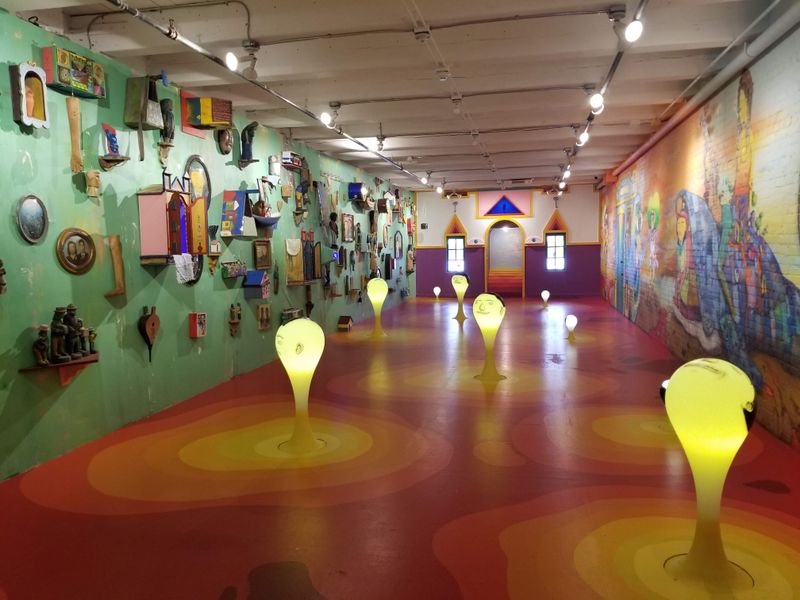
The museum sprawls across three separate buildings connected by short outdoor walks through a charming Pittsburgh neighborhood.
Located at 509 Jacksonia Street in Pittsburgh, Pennsylvania 15212, this unconventional setup means your art adventure includes fresh air breaks between mind-bending exhibits.
Each building has its own personality and collection of installations. One might house darker, moodier pieces while another bursts with color and light.
The main building rises six floors high, each level offering completely different artistic experiences that range from playful to profound.
Dress for the weather because you’ll be heading outside to explore everything the museum offers.
This scattered layout actually adds to the adventure, giving your brain time to reset between intense sensory experiences.
It’s like a treasure hunt where every building holds surprises you couldn’t predict even if you tried your hardest to imagine them beforehand.
Room-Sized Installations That Swallow You Whole
Walking into the Mattress Factory feels like entering a series of portals to different universes. Artists here don’t just hang their work on walls.
They take over entire rooms, floors, and sometimes whole buildings to create experiences that surround you completely. Each installation invites you to step inside the artist’s imagination.
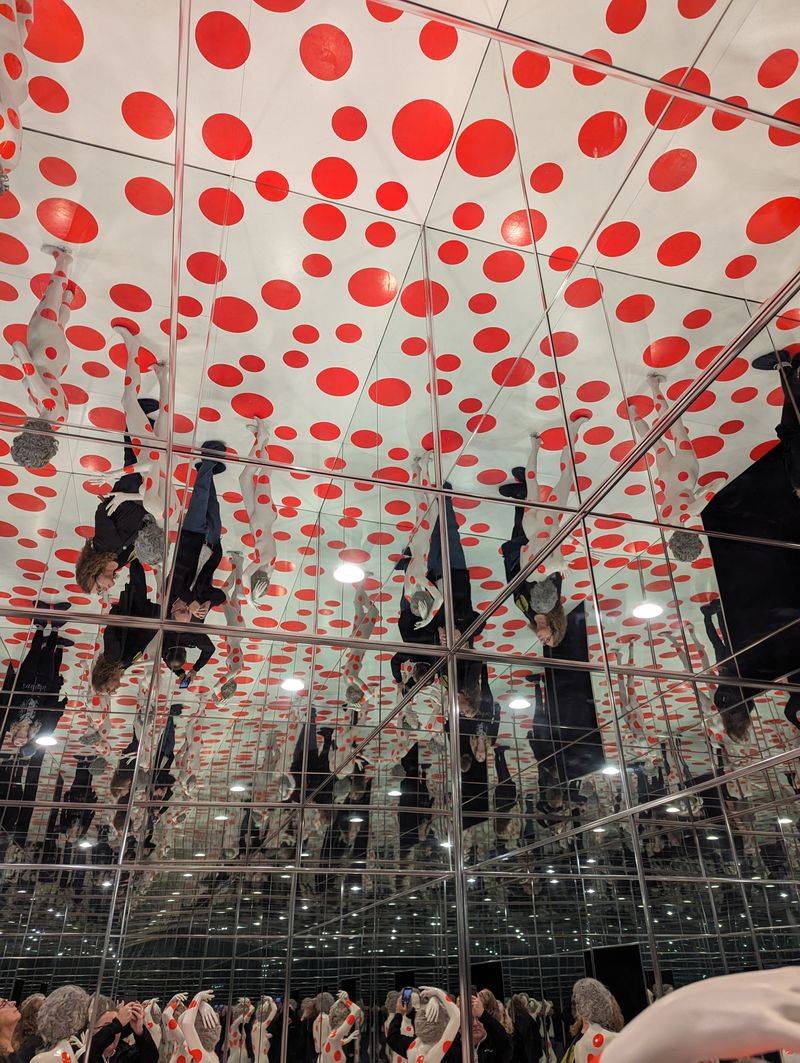
You might find yourself in a room covered floor to ceiling in polka dots, or navigating through pitch-black spaces where light becomes the artwork itself.
These aren’t things you look at from a distance; you become part of them.
I remember my first visit, standing in what looked like an endless void of twinkling lights. My brain couldn’t figure out where the room ended and the illusion began.
That’s the magic Pennsylvania’s most otherworldly museum delivers every single day to curious visitors willing to embrace the strange and wonderful.
Yayoi Kusama’s Infinity Dots Take Over
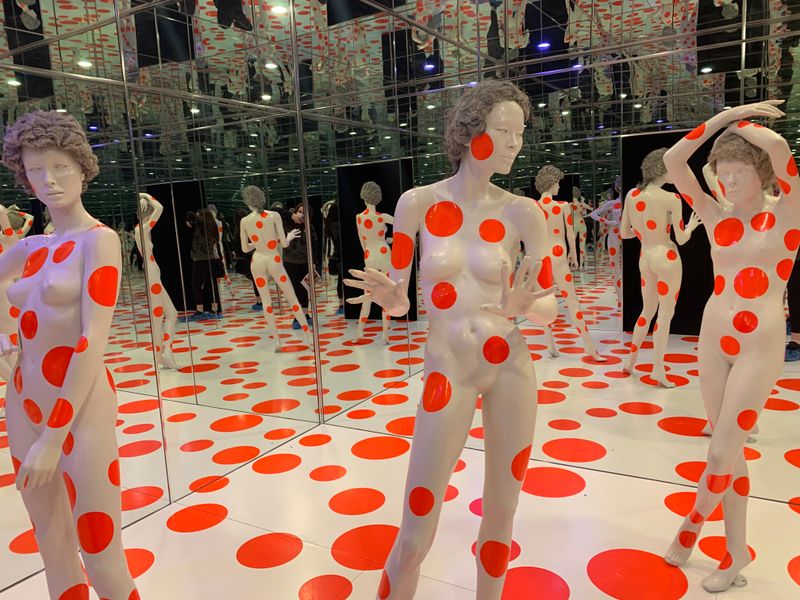
Yayoi Kusama’s influence practically vibrates through the museum’s most popular spaces.
Her signature polka dot patterns transform ordinary rooms into extraordinary experiences where dots multiply infinitely across mirrors and surfaces.
Visitors get mentioned in reviews constantly when describing their favorite moments.
The mirror rooms create illusions that trick your eyes and delight your senses. Stand in the center and watch yourself multiply into countless reflections, surrounded by dots that seem to float in endless space.
It’s surreal, it’s fun, and it’s absolutely Instagram-worthy if photography is allowed in that particular installation.
These immersive environments prove why Kusama remains one of contemporary art’s biggest names. Her work doesn’t require an art history degree to appreciate.
You just step inside, let your jaw drop, and enjoy feeling like you’ve been transported to a dimension where dots rule everything and reality takes a coffee break for a few magical minutes.
James Turrell’s Light Installations Bend Reality
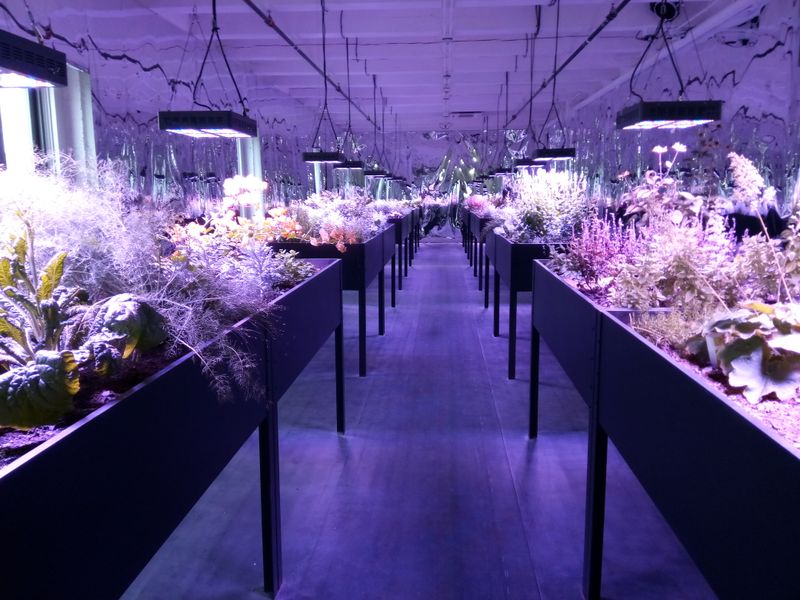
James Turrell works with light the way sculptors work with clay. His installations at the museum use carefully controlled illumination to create spaces that feel almost spiritual.
Visitors frequently mention his pieces as standout experiences that stick in memory long after leaving.
You might enter a room bathed entirely in red light, or discover a glowing rectangle that looks like a screen but turns out to be an actual opening into another space.
Turrell plays with perception, making you question what’s real and what’s illusion. Your eyes adjust, readjust, and sometimes give up trying to make sense of what they’re seeing.
These light works require patience and quiet observation. Rush through and you’ll miss the subtle shifts and surprising revelations.
Take your time, let your vision adapt, and prepare for moments where you’re genuinely unsure whether you’re looking at a projection, a painting, or an actual three-dimensional space glowing with mysterious energy that defies easy explanation.
Dark Rooms and Creepy Vibes Embrace the Eerie
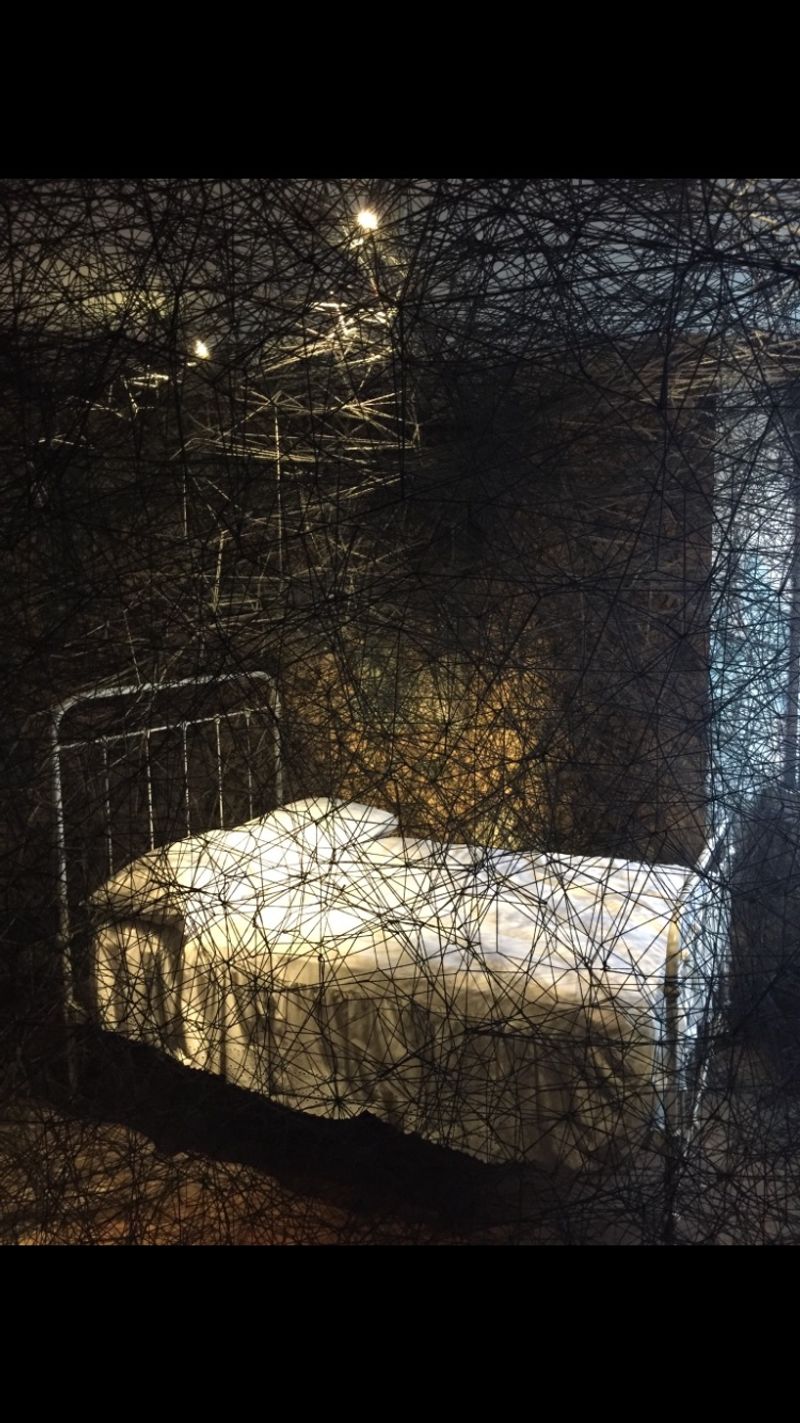
Not all art needs bright lights and cheerful colors. Several installations embrace darkness, creating atmospheres that range from contemplative to deeply dramatic.
Multiple visitors describe feeling like they wandered into a moody maze rather than an art museum, and honestly, that’s part of the charm.
Second-floor spaces plunge you into near-total darkness where you navigate by feel and faint light sources. Red-lit rooms create intense moods perfect for thought-provoking pieces.
Some folks find it thrilling; others prefer the brighter exhibits, and both reactions are completely valid.
I’ll admit the first time I encountered a pitch-black hallway with only vague instructions to turn left or right, my heart raced a bit.
But pushing through that discomfort led to discovering some of the most memorable installations.
The darkness forces you to experience art differently, using senses beyond sight and embracing vulnerability that makes the eventual reveal even more powerful and unforgettable in the best possible way.
Artists Get Entire Floors as Their Canvas
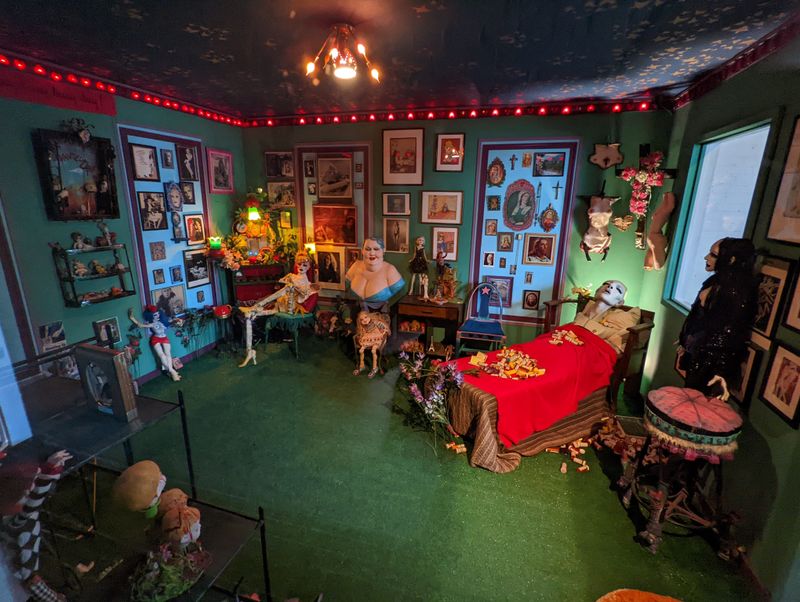
The museum operates on a brilliantly simple concept: give talented artists an entire room, floor, or building and tell them to create whatever their imagination demands.
No constraints, no traditional gallery limitations, just pure creative freedom to build something extraordinary.
This approach results in installations that feel personal and ambitious. Artists can experiment with scale, materials, and concepts impossible in conventional gallery spaces.
One might fill a room with found objects and video projections; another constructs elaborate environments you physically enter and explore. Each visit brings different artists and completely fresh experiences.
The temporary nature means installations come and go, replaced by new visions from different creative minds. What you see today might be gone next year, replaced by something entirely different.
This keeps the museum feeling alive and constantly evolving, giving repeat visitors new reasons to return and discover what wild, wonderful, or wonderfully weird creations have taken over those transformed spaces this time around.
Eclectic Mix From Quirky to Profound
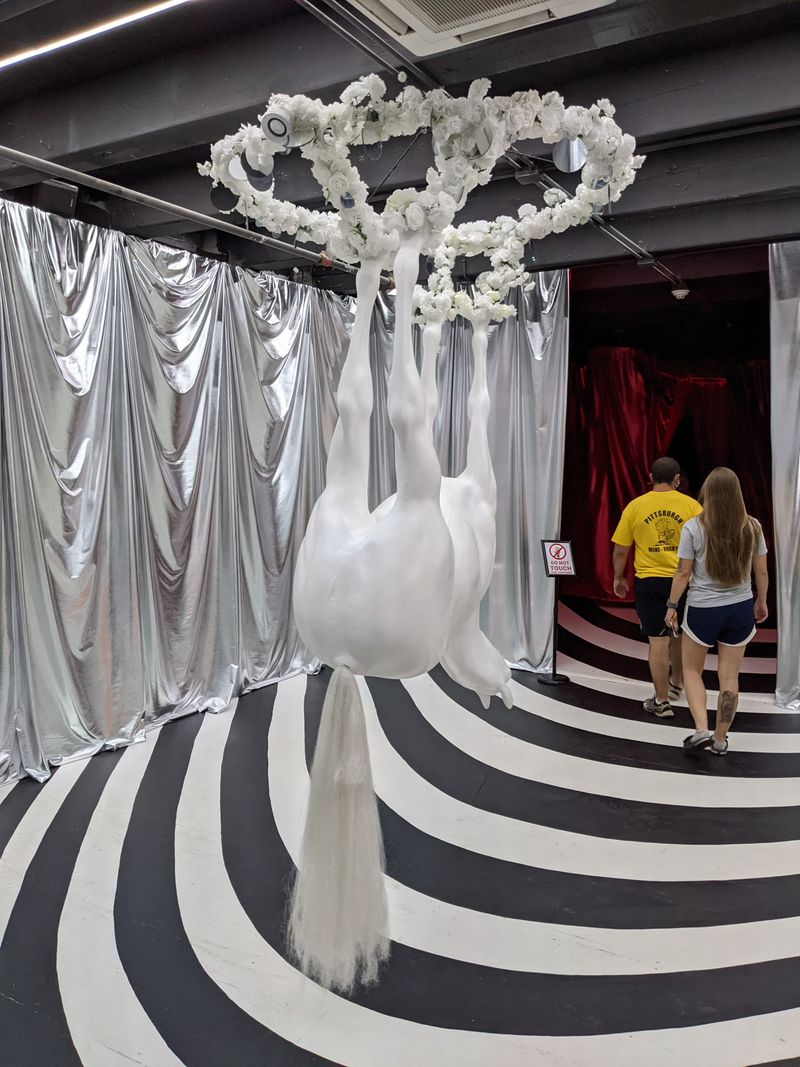
Forget matching aesthetics or cohesive themes. The Mattress Factory celebrates variety, throwing together installations that range from laugh-out-loud quirky to deeply philosophical.
One room might feature playful elements that make you giggle; the next tackles heavy themes about industry, history, or human nature.
This eclectic approach means something appeals to virtually everyone, though not every piece will resonate with every visitor.
You might love the whimsical installations while your friend connects more with the serious conceptual works.
Art’s subjective nature shines brightest here, where wildly different styles coexist under one roof without apology.
Reviews reflect this diversity, with people praising specific pieces while admitting others didn’t click for them. That’s perfectly fine and actually part of what makes the museum special.
You’re encouraged to form your own opinions, spend extra time with installations that speak to you, and simply move past ones that don’t capture your interest without feeling bad about it at all.
Interactive Elements Invite Hands-On Exploration
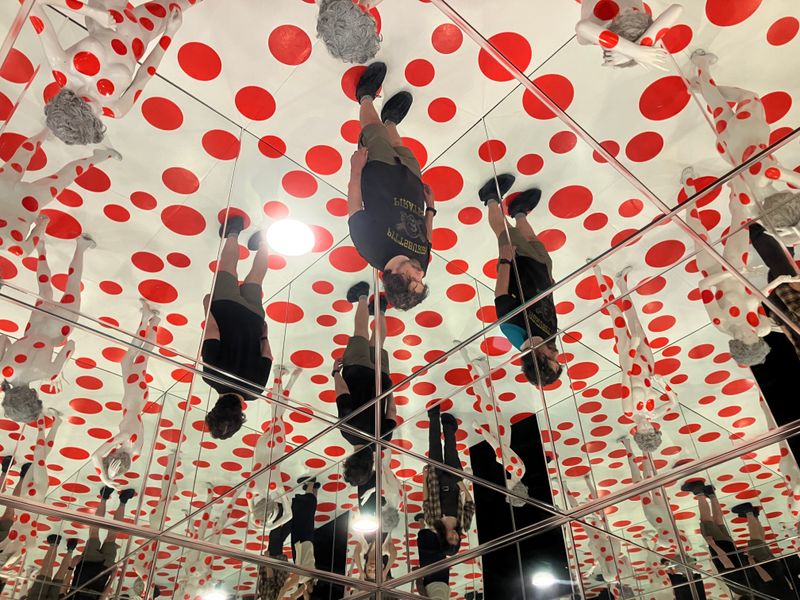
Some installations beg you to touch, enter, or otherwise interact with them. Video, sound, and light transport you into art worlds.
Rooms invite you to walk through, sit down, or change your perspective to see hidden elements. This isn’t a “look but don’t touch” kind of place for many exhibits.
Families particularly appreciate the interactive aspects that keep kids engaged.
An eight-year-old mentioned in reviews especially loved the hands-on moments and the famous Kusama room where participation feels encouraged.
These hands-on elements make contemporary art accessible to younger visitors who might zone out in traditional museums.
The tactile nature of certain installations creates memorable experiences that stick with you.
Reading about art in books or seeing photos online can’t compare to actually standing inside an installation, feeling the space around you, and becoming part of the artwork itself.
That physical engagement transforms passive viewing into active participation that makes you feel like a collaborator rather than just an audience member observing from the sidelines.
Historic Buildings Add Character and Challenges
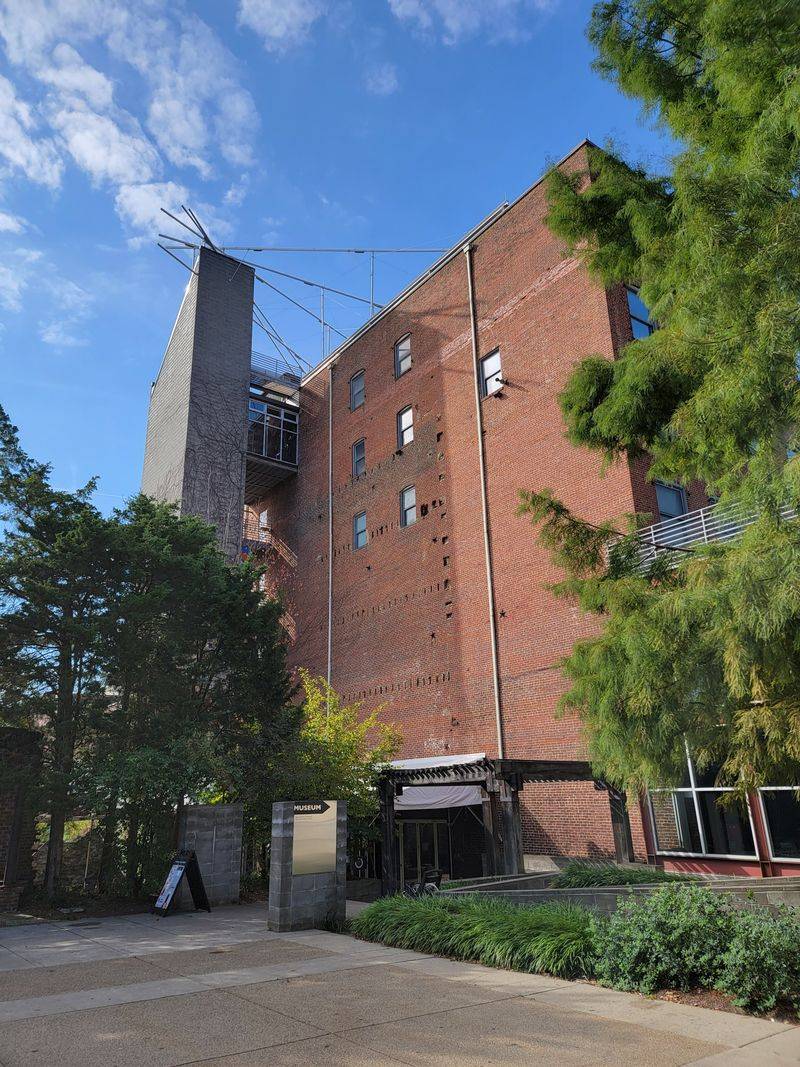
The museum occupies former industrial buildings that retain their historic character.
Exposed brick, old staircases, and vintage architectural details provide atmospheric backdrops for cutting-edge contemporary art. This contrast between old structures and new ideas creates fascinating tension.
However, these buildings present accessibility challenges. One building has elevator access, but others limit exhibits to ground floors, so routes may include stairs.
Low ceilings, uneven floors, and dim lighting that serves artistic purposes can make movement tricky for some visitors. The museum does what it can, but the buildings’ age limits certain modifications.
If you have mobility or access needs, check ahead for the latest information and staff guidance on routes and accommodations available today.
These aren’t pristine white-cube galleries; they’re converted spaces with personality, quirks, and occasional rough edges. For many, that authenticity adds charm.
For others, it’s a drawback worth considering before visiting this uniquely Pennsylvania treasure.
Gift Shop and Neighborhood Art Discoveries
After your brain-bending journey through installations, the gift shop offers tangible treasures to take home.
Local artisans sell their work alongside art books, quirky trinkets, and unique items you won’t find elsewhere.
Grab a postcard or small keepsake at checkout, which delights the inner kid in everyone.
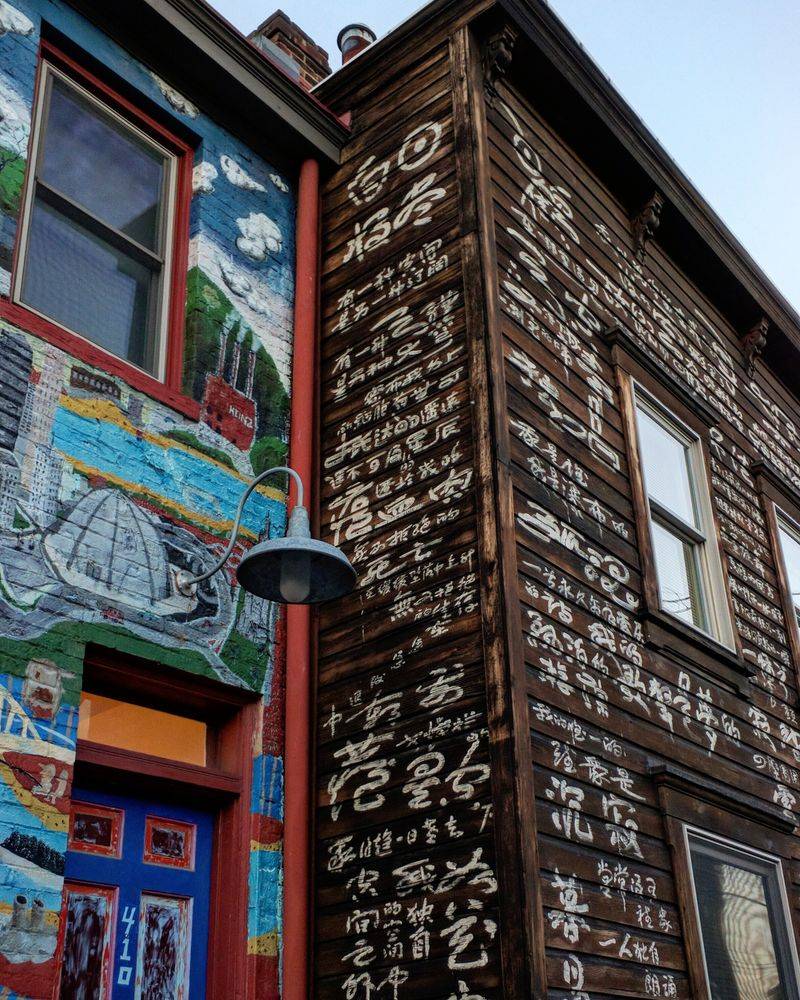
The surrounding neighborhood holds its own artistic surprises. Randyland, a wildly colorful house covered in found-object art, sits just around the corner.
Walk down the alley and discover murals painted on houses, turning the entire area into an outdoor gallery that extends your museum experience beyond official walls.
This artistic neighborhood vibe makes the whole visit feel special. You’re not just going to a museum; you’re exploring a community that celebrates creativity in all forms.
Take time to wander the streets, appreciate the street art, and soak in the bohemian atmosphere that makes this Pittsburgh corner feel like a little artistic universe all its own, separate from the rest of Pennsylvania’s more conventional cultural attractions.