
America’s Oldest Botanic Garden Thrives As A Lush Escape In Pennsylvania
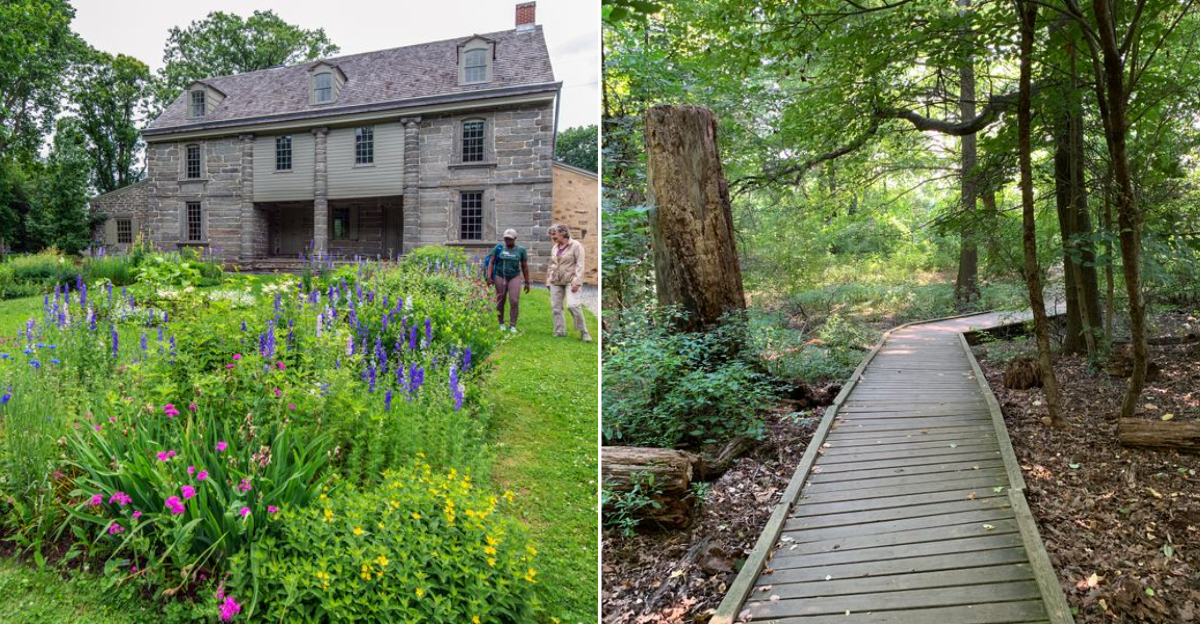
Pennsylvania holds a rare treasure in Philadelphia, a living landscape that traces its roots back to the earliest days of American gardening.
America’s oldest botanic garden feels less like a park and more like a quiet time capsule in bloom.
Ancient trees stretch wide, winding paths invite slow wandering, and river views add a gentle backdrop to the greenery.
This is history growing in real time, layered beds of flowers, medicinal plants, and heritage species thriving in the same soil that has nurtured them for generations.
It feels peaceful yet purposeful, lush yet grounded in story. Walking through a place like this shifts your pace almost instantly.
The city noise softens, the air feels fresher, and every step reveals another detail worth noticing. Natural beauty often shares space with a rich past, and here the two blend seamlessly in Pennsylvania. You do not just admire the garden.
You feel connected to it. I always notice the moment my shoulders drop and my breathing steadies in spaces like this.
When I find myself lingering beside an old tree, reading plaques instead of checking the time, I know I have stepped into something far more meaningful than an ordinary stroll.
Easy Access from Downtown Philadelphia
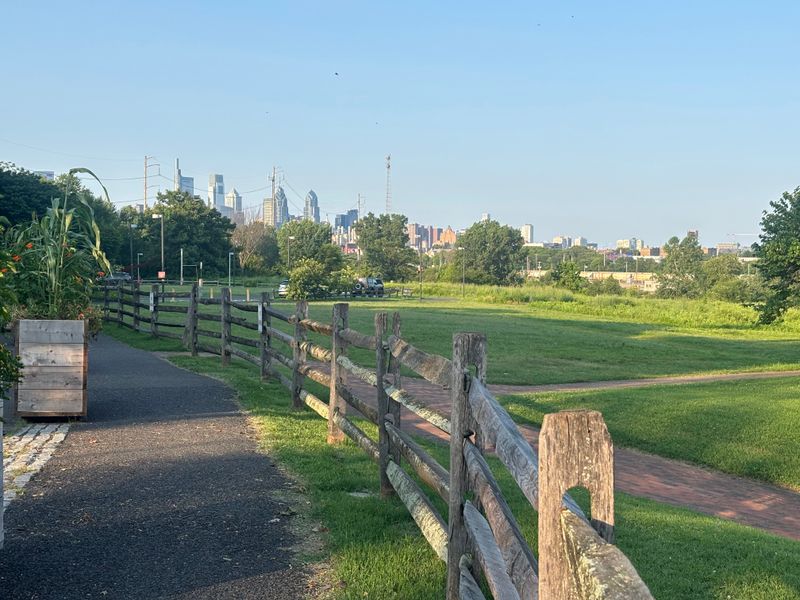
Getting to this green oasis couldn’t be simpler, even without a car. Located at 5400 Lindbergh Boulevard in Philadelphia, Pennsylvania, Bartram’s Garden sits within reach from Center City via the Route 36 trolley.
I remember my first visit when I hopped off the trolley and immediately felt the urban tension melt away. The location also makes it incredibly convenient for travelers passing through town.
Positioned only four miles from Philadelphia International Airport, it’s become a favorite decompression spot for folks with layovers or early flights.
Many visitors stop by to breathe fresh air and stretch their legs between connections.
Free admission sweetens the deal even more. The garden welcomes everyone without charging entry fees, making it accessible to all communities.
Ample parking is available for those who prefer to drive, free most days, and the grounds open daily from sunrise to sunset.
Rooted in Revolutionary History
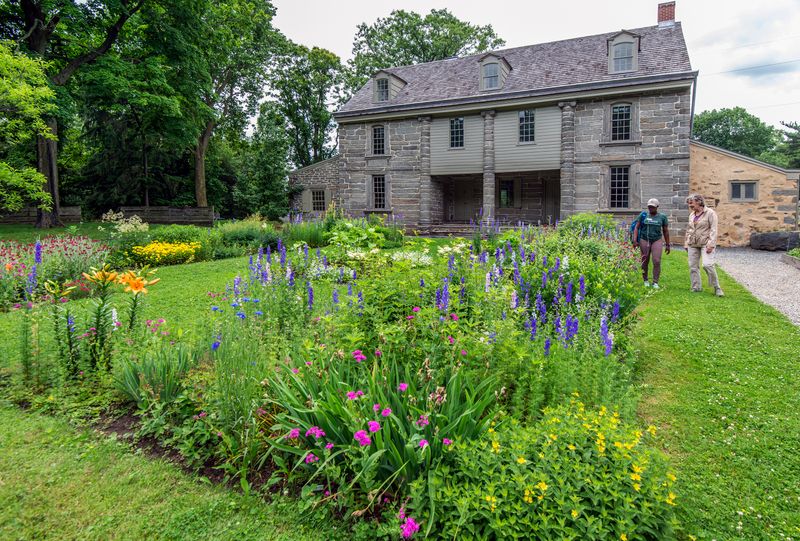
Founded in 1728 by John Bartram, the garden predates the Declaration of Independence by nearly five decades.
Bartram, often called the father of American botany, transformed his farm into a living laboratory where he cultivated plants from across the continent.
King George III even appointed him Royal Botanist in 1765, recognizing his groundbreaking work in plant exploration.
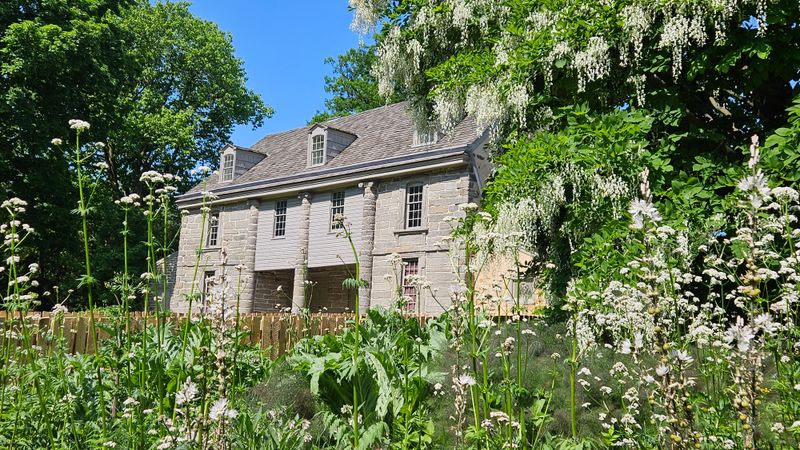
The property remains remarkably intact today. Visitors can explore the same grounds where Bartram once walked, and view the original stone house, open only for special events today.
His legacy lives on through every path and planting bed.
The garden’s historical significance extends beyond botany into American cultural heritage.
Bartram’s correspondence with Benjamin Franklin and other leaders of his era fed early scientific conversations in the young nation, making this Pennsylvania treasure a witness to America’s intellectual birth.
America’s Oldest Ginkgo Tree Stands Tall
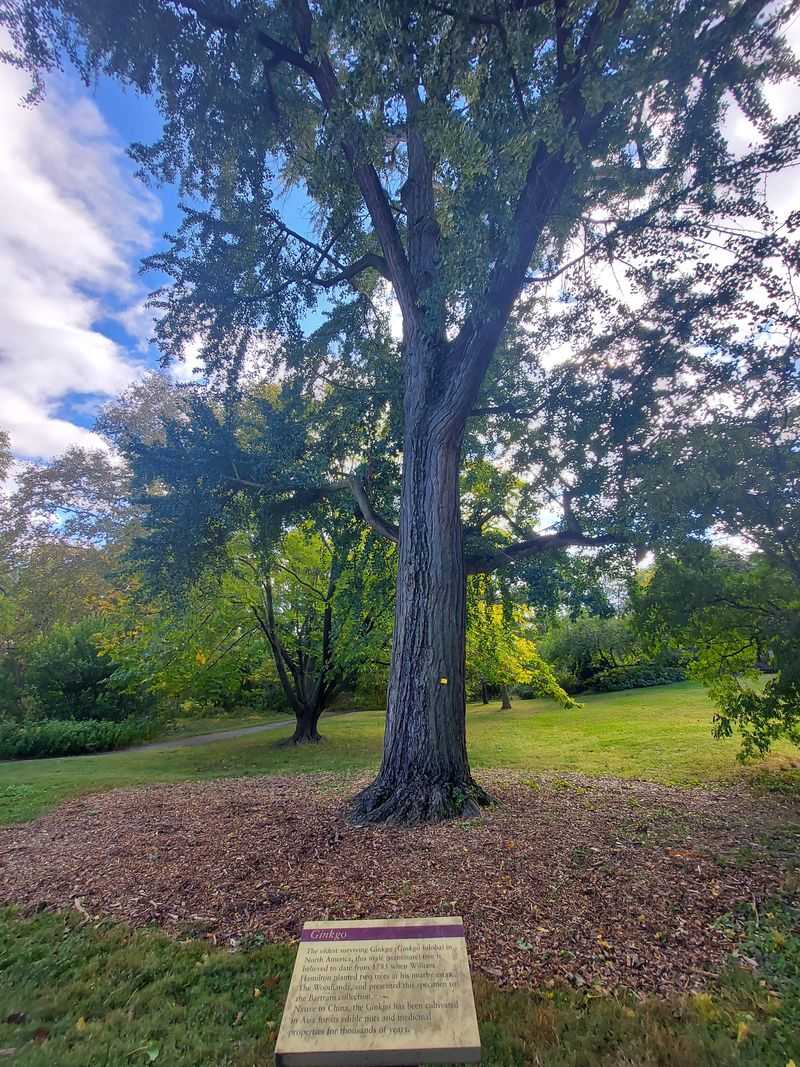
One tree commands special attention among the garden’s botanical treasures. The oldest documented ginkgo tree in North America grows here, introduced in 1785 and tended by William Bartram.
This magnificent specimen stands as a living connection to the early Bartram family and an era when such trees were exotic rarities in America.
The tree’s male gender means it produces no smelly fruit, unlike female ginkgos that drop notoriously pungent seeds.
During autumn, its fan-shaped leaves transform into brilliant gold, creating one of the garden’s most photographed moments.
Visitors often gather beneath its massive canopy, marveling at the centuries of history it represents. Plant enthusiasts travel from across the country specifically to see this arboreal elder.
Its survival through storms, floods, and urban development speaks to both the tree’s resilience and the garden’s dedication to preservation.
Standing beneath those ancient branches feels like touching history itself.
River Access for Kayaking Adventures
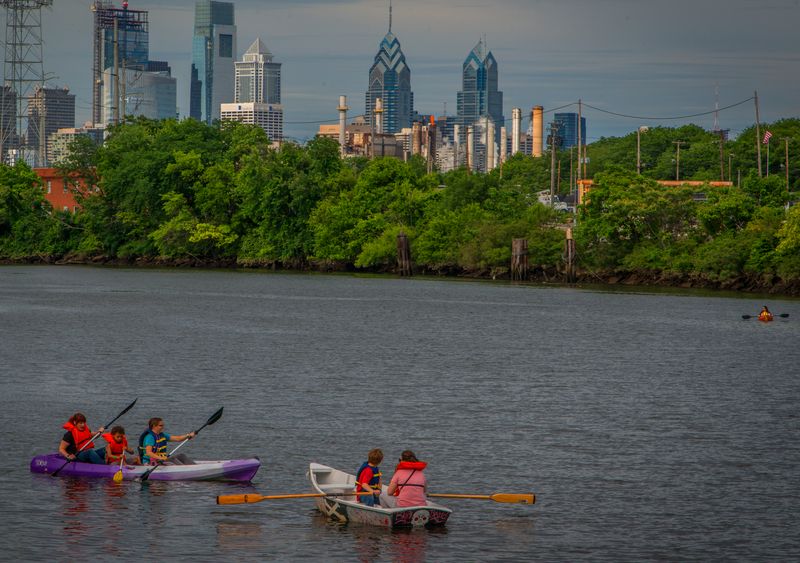
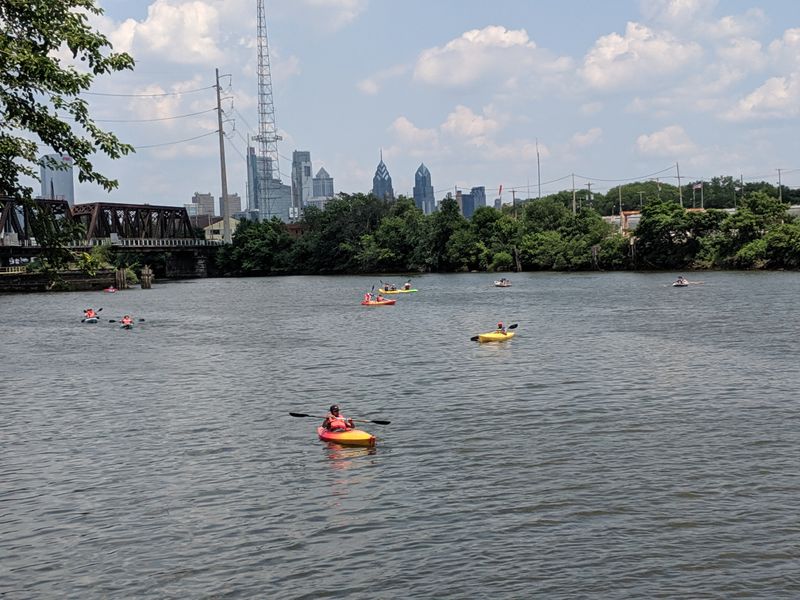
The Schuylkill River forms the garden’s western boundary, offering water-based recreation alongside botanical exploration.
Free kayaking programs run during warmer months, allowing visitors to paddle along the river while enjoying unique perspectives of both nature and the Philadelphia skyline.
The contrast between wild riverbanks and distant urban towers creates surprisingly beautiful views.
Fishing enthusiasts also frequent the riverside docks and piers. The garden maintains several accessible spots where anglers can cast lines while surrounded by historic plantings and native vegetation.
It’s peaceful enough that you might forget you’re still within city limits.
Boating activities connect visitors to the property’s maritime history. Colonial-era trade once flowed past these banks, and Bartram himself used the river to transport his botanical discoveries.
Today’s recreational paddlers follow the same waterway, though now the journey focuses on relaxation rather than commerce. The river truly brings another dimension to the garden experience.
Sankofa Community Farm Grows Fresh Connections
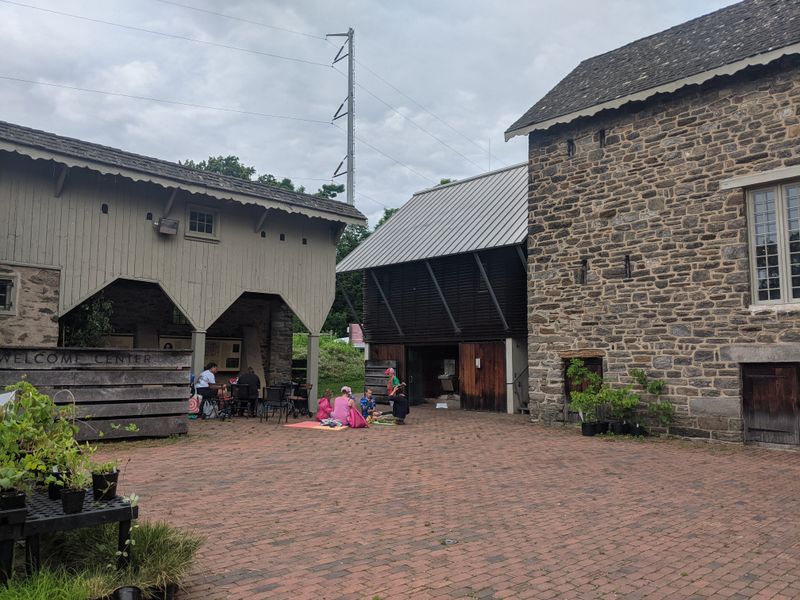
Within the historic garden grounds, a thriving community farm cultivates more than just vegetables.
Sankofa Community Farm operates as a vital neighborhood resource, growing fresh produce while building connections between people and the land.
Volunteers work together in organized groups, creating both food and friendships through shared labor.
The farm’s mission extends beyond agriculture into community empowerment. Local residents gain access to fresh, healthy food while learning sustainable growing practices they can apply in their own yards.
The farm name itself carries meaning, derived from a West African word emphasizing the importance of learning from the past.
Visitors often comment on the farm’s welcoming atmosphere. Staff and volunteers alike share knowledge generously, whether someone wants to learn composting techniques or simply understand where their food comes from.
The farm proves that historic gardens can serve contemporary needs while honoring their heritage and creating spaces where everyone feels valued.
Peaceful Trails Wind Through Native Landscapes
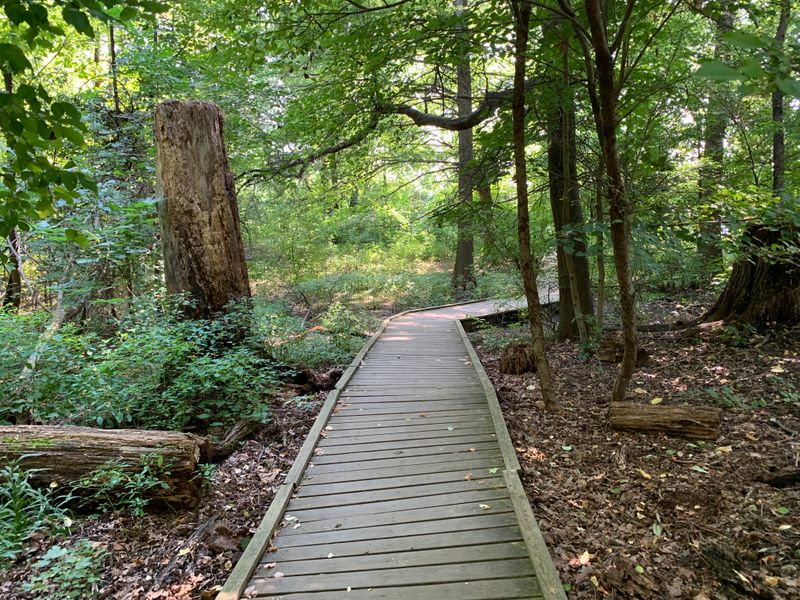
Miles of walking paths crisscross the property, leading visitors through diverse ecosystems and carefully curated plant collections.
The trails range from easy riverside strolls to slightly more challenging routes that climb toward higher ground. Maps are readily available, though many people enjoy wandering without strict plans.
Trail maintenance stays consistent throughout the year. Even during winter months when flowering interest wanes, the paths remain clear and accessible for joggers, dog walkers, and nature seekers.
One visitor perfectly described discovering something new with each visit, and that sentiment rings true regardless of season.
Strategically placed benches and carved seating areas invite lingering. I’ve spent countless afternoon hours on one particular riverside bench, gazing up through tree canopy at passing clouds.
The trails don’t just provide exercise; they offer genuine escape from urban stress. Traffic noise fades as birdsong and rustling leaves take over the soundscape in this Pennsylvania sanctuary.
Historic House and Seed House Stand Preserved
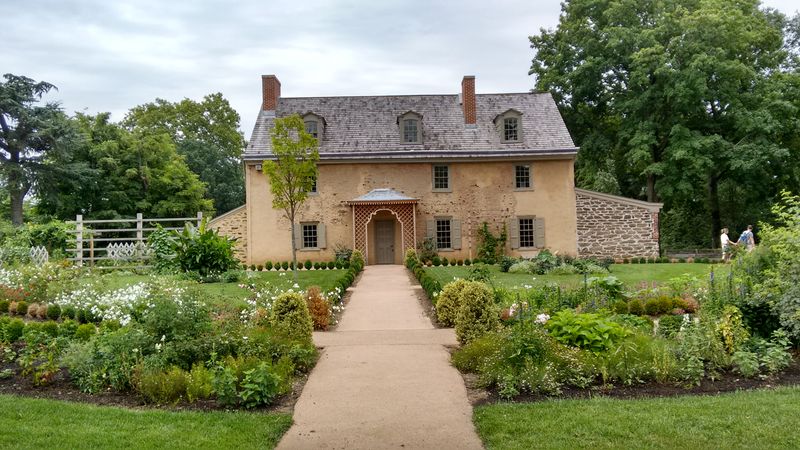
Two remarkable buildings anchor the garden’s historical narrative. The Bartram House, constructed in 1731, remains one of the finest examples of colonial architecture in Pennsylvania.
John Bartram designed and built the structure himself, incorporating his botanical interests into decorative stone carvings around windows and doorways.
Special event openings offer furnishings and glimpses into 18th-century life. The Seed House served as Bartram’s working space where he processed, packaged, and shipped seeds to collectors worldwide.
This smaller structure played a crucial role in spreading American plant species across Europe and establishing international botanical networks.
Both buildings underwent careful restoration to preserve their authentic character.
Seasonal schedules affect building access, with events opening doors on select dates. Winter visitors might find doors closed, but the exteriors alone tell powerful stories.
These structures aren’t just museum pieces; they’re tangible connections to the birth of American science and the individuals who shaped botanical understanding.
Free Activities Make Nature Accessible to Everyone
Perhaps the garden’s most remarkable feature is its commitment to free access. No admission fees, parking stays free most days, with a festival fee.
This philosophy ensures that economic barriers never prevent anyone from experiencing this natural and historical treasure. Families can spend entire days exploring without spending a dollar.
Beyond free entry, the garden offers complimentary programming throughout the year.
Free biking lessons through partnerships with the Bicycle Coalition of Greater Philadelphia help people gain confidence on two wheels.
Free kayaking sessions introduce water sports to those who might never otherwise try them. Free guided walks share expert knowledge with curious learners.
This accessibility creates genuine community impact. Children from all neighborhoods can run through meadows and learn plant names.
Adults facing financial stress can find peaceful refuge along river trails.
The garden’s founders believed in sharing knowledge broadly, and today’s leadership honors that vision by keeping gates open and welcoming everyone who seeks connection with nature.
Wedding and Event Venue with Natural Beauty
Couples seeking memorable wedding locations discover magic within these historic grounds. The garden rents facilities for private events, offering stunning natural backdrops that change with seasons.
Spring ceremonies happen beneath flowering trees, while autumn celebrations glow with golden foliage. One recent bride praised both the venue’s beauty and the seamless coordination with catering partners.
Event spaces accommodate various gathering sizes and styles. Intimate ceremonies fit perfectly in secluded garden corners, while larger celebrations spread across open lawns with river views.
The historic house provides architectural interest and photo opportunities that generic venues simply cannot match.
Rental fees support the garden’s ongoing conservation and educational missions.
Choosing this venue means your celebration directly contributes to preserving America’s oldest botanic garden for future generations.
Guests leave with memories of natural beauty and historical significance, making weddings here truly meaningful occasions.
The combination of romance, history, and ecological splendor creates events that resonate long after the last dance ends.