
This Hidden Ohio Car Museum Has Over 140 Vintage Vehicles You Need To See
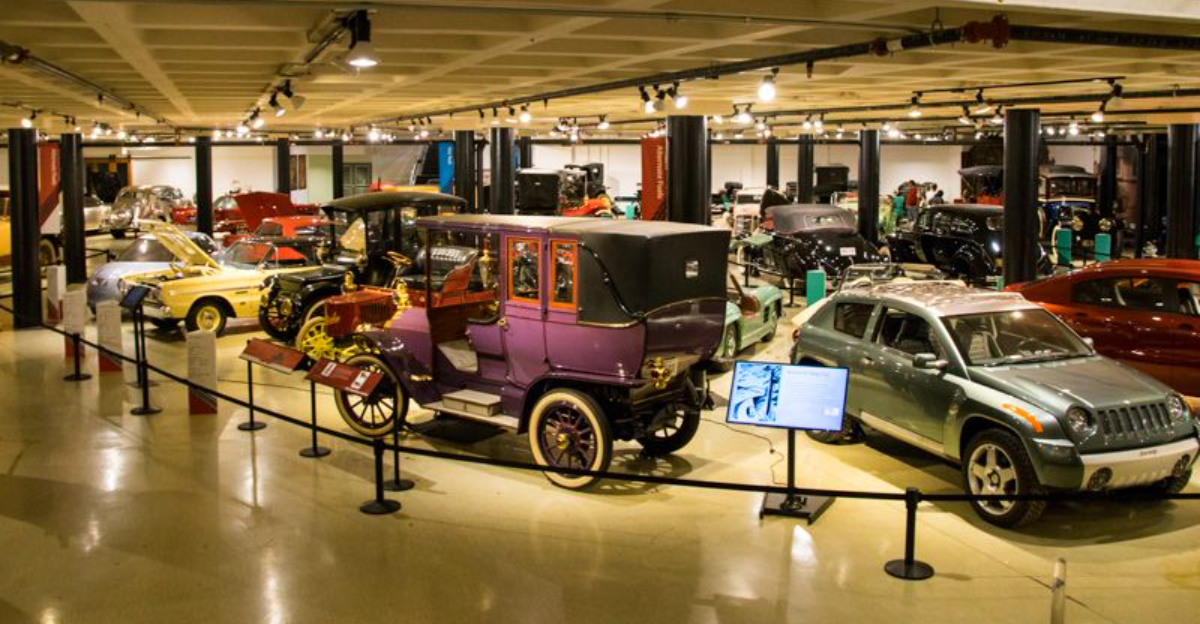
I never expected to find one of the country’s most impressive automotive collections tucked away in a corner of Cleveland, Ohio. While most people rush past University Circle on their way to more famous attractions, a treasure trove of transportation history waits quietly.
Inside this unassuming building, over 140 vintage vehicles tell stories spanning more than a century of American innovation. From gleaming brass-era automobiles to sleek mid-century machines, each vehicle represents a chapter in how we learned to move faster, farther, and with more style.
I spent an entire afternoon wandering through the galleries, and I still felt like I barely scratched the surface of what this place has to offer.
The Collection That Started It All
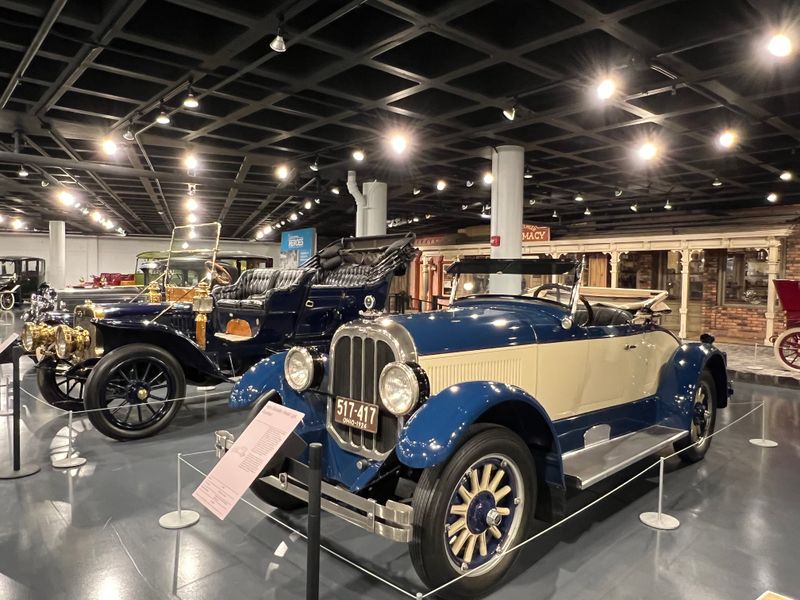
Frederick C. Crawford began collecting vehicles in 1937, long before anyone thought old cars were worth preserving.
His passion for mechanical innovation drove him to rescue automobiles that most people considered junk.
The museum bearing his name (Crawford Auto-Aviation Museum at 10825 East Blvd in Cleveland, Ohio) opened in 1965, making it one of the earliest institutions dedicated to automotive preservation in the United States.
Crawford understood that these machines represented more than transportation; they captured the spirit of American ingenuity during a transformative era.
Today, the collection reflects his vision perfectly. Walking through the galleries feels like stepping into different decades, each vehicle meticulously maintained to show how technology evolved.
The museum sits within the Western Reserve Historical Society complex, which adds layers of regional history to the automotive narrative.
I found myself drawn to the oldest vehicles first, marveling at how anyone brave enough drove these contraptions on dirt roads. The brass fittings alone must have required constant polishing.
Brass Era Beauties From Another Time
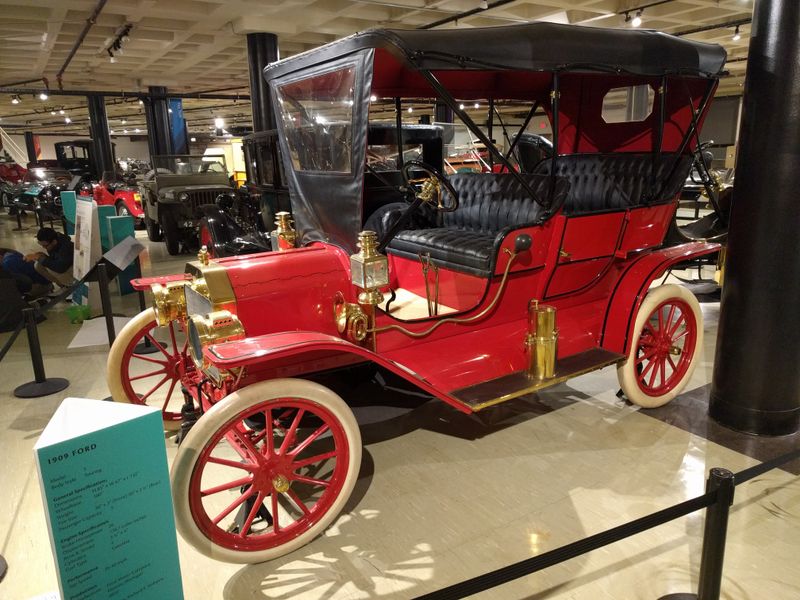
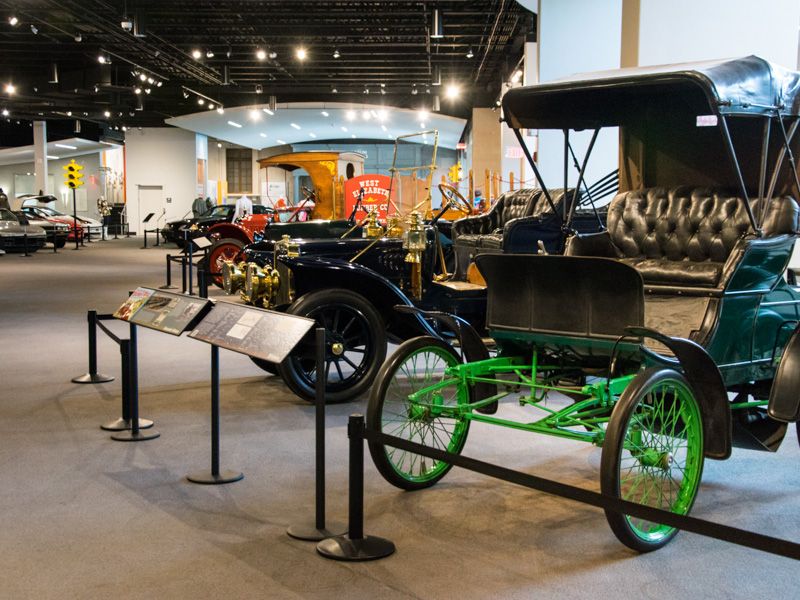
Several vehicles from the brass era command attention immediately upon entering the main gallery. These automobiles from roughly 1896 to 1915 feature exposed engines, acetylene headlamps, and enough brass fixtures to keep a polish manufacturer in business for years.
What strikes me most about these early machines is their sheer audacity. Engineers were essentially making up the rules as they went, trying different engine configurations and steering mechanisms.
Some brass-era cars here have tillers instead of steering wheels, which must have made turning an adventure.
The leather upholstery on many of these vehicles remains in remarkable condition. I noticed how high the seats sit, giving drivers a commanding view of the road ahead.
Of course, with maximum speeds around 30 miles per hour, you had plenty of time to see what was coming.
These machines represent the moment when America fell in love with the automobile, before anyone imagined the profound changes they would bring.
The Aviation Connection Takes Flight
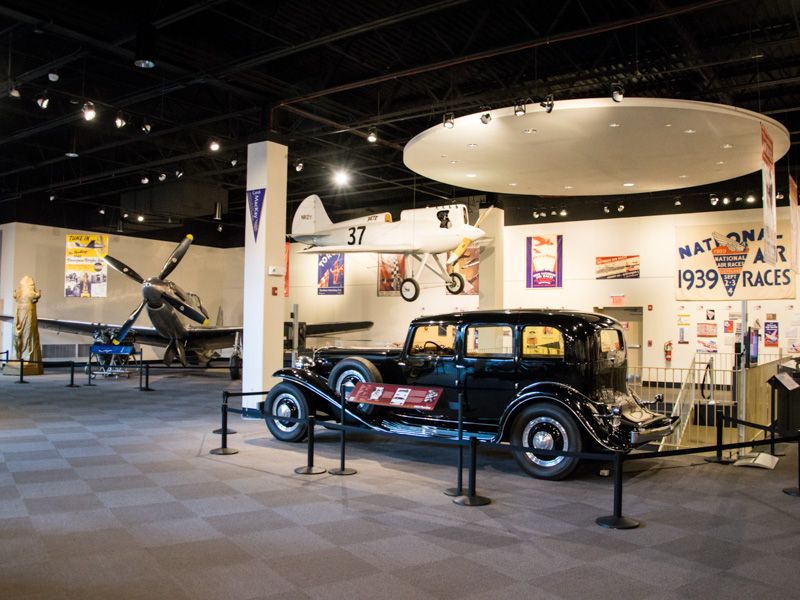
Aviation enthusiasts will find plenty to admire in the dedicated aircraft section. Several historic planes hang from the ceiling, creating a dramatic overhead display that captures the romance of early flight.
The museum’s aviation collection spans from fragile early biplanes to more robust mid-century aircraft. Each plane tells a story about how humans conquered the skies, often through trial and error.
I spent considerable time examining the construction of these aircraft, amazed by the combination of wood, fabric, and wire that somehow achieved flight.
Ohio played a crucial role in aviation history, being home to the Wright Brothers. The museum honors this heritage with carefully selected aircraft that represent different eras of flight technology.
Some planes here actually flew from Cleveland’s historic airports, connecting local history to the broader narrative of aviation development.
Standing beneath a suspended aircraft gives you a unique perspective on its engineering. You can see the control surfaces, the engine mounting, and the delicate framework that kept pilots aloft.
Luxury Automobiles That Defined Status
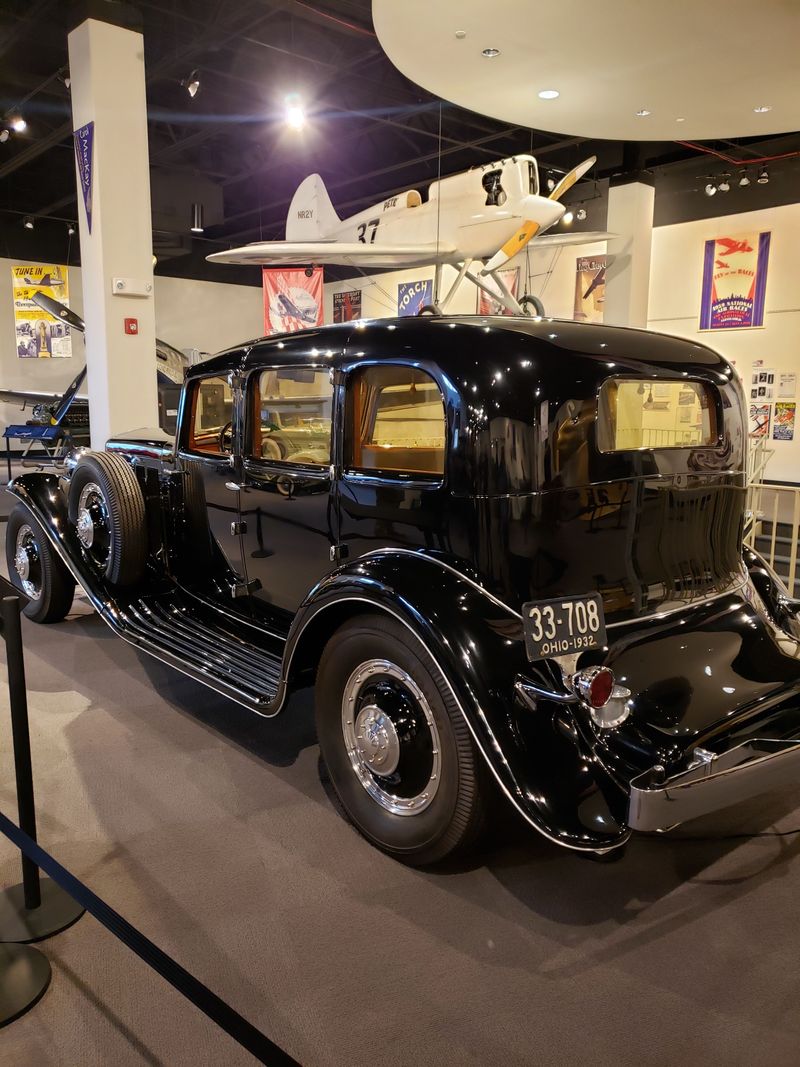
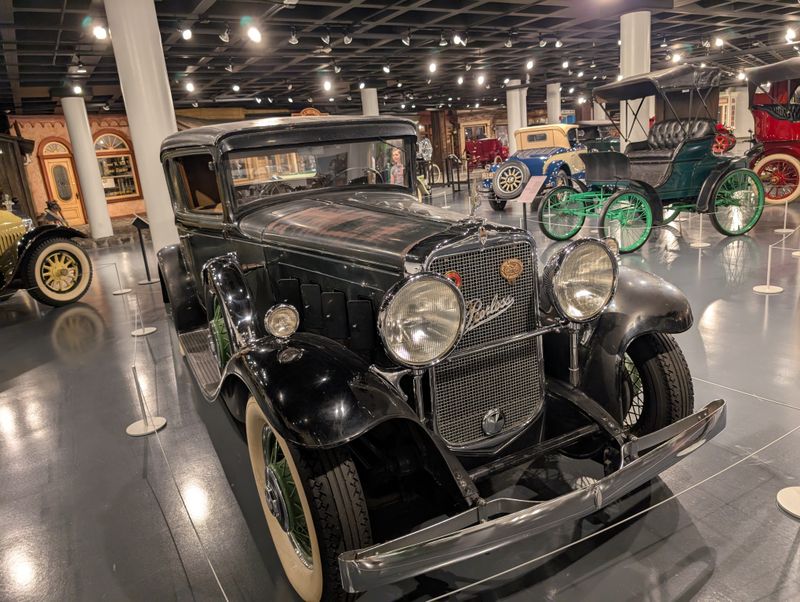
The luxury car section showcases vehicles that once cost more than most houses. Brands like Packard, Pierce-Arrow, and Cadillac represented the pinnacle of automotive achievement during the 1920s and 1930s.
These automobiles feature coach-built bodies, meaning craftsmen hand-formed the metal panels over wooden frames. The attention to detail is extraordinary, from inlaid wood dashboards to hand-stitched leather interiors.
I found myself examining the door handles and window cranks, each one a small masterpiece of industrial design.
Many luxury cars here have fascinating provenance stories. Some belonged to prominent Cleveland families, while others traveled from distant cities to join the collection.
The museum staff has researched the history of each vehicle, providing context about the original owners and the social world they inhabited.
What impresses me most is how these cars blend engineering excellence with artistic vision. They prove that automobiles can be functional sculpture, moving art that served a practical purpose while making a bold statement.
Racing Machines That Pushed The Limits
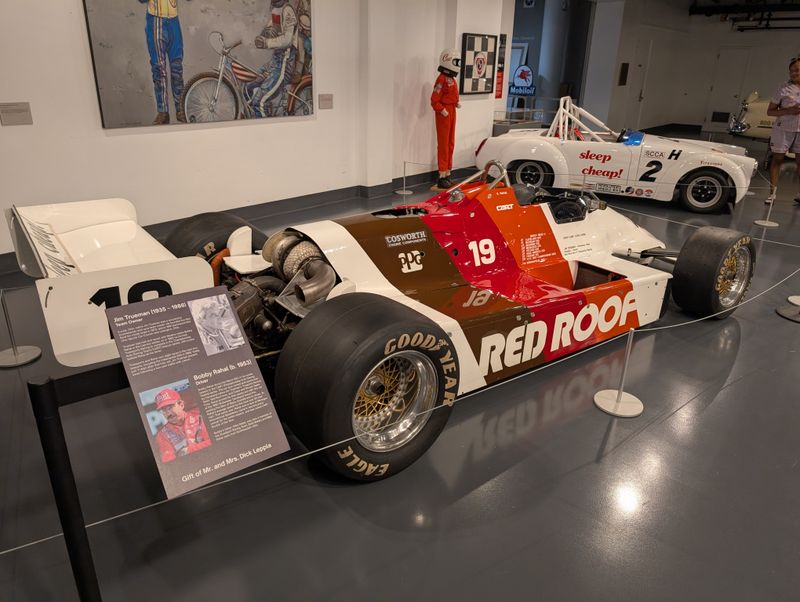
Speed demons will appreciate the racing vehicles scattered throughout the collection. These machines were built for one purpose: going faster than anything else on the track.
Several Indianapolis 500 race cars occupy a special place in the museum. These stripped-down speed machines show how racing technology often preceded innovations in passenger cars.
Lightweight materials, aerodynamic designs, and powerful engines all appeared on race tracks before making their way to showroom floors.
I noticed how different racing cars look compared to their street-legal cousins. Everything unnecessary has been removed, leaving only the essential components needed to achieve maximum velocity.
The exposed engines reveal the mechanical complexity required to generate hundreds of horsepower from relatively small displacement.
The museum provides context about famous races and legendary drivers who piloted similar machines. Reading these stories while examining the actual cars creates a visceral connection to motorsports history.
You can almost hear the roar of engines and smell the burning rubber.
Carriages And The Pre-Automobile Era
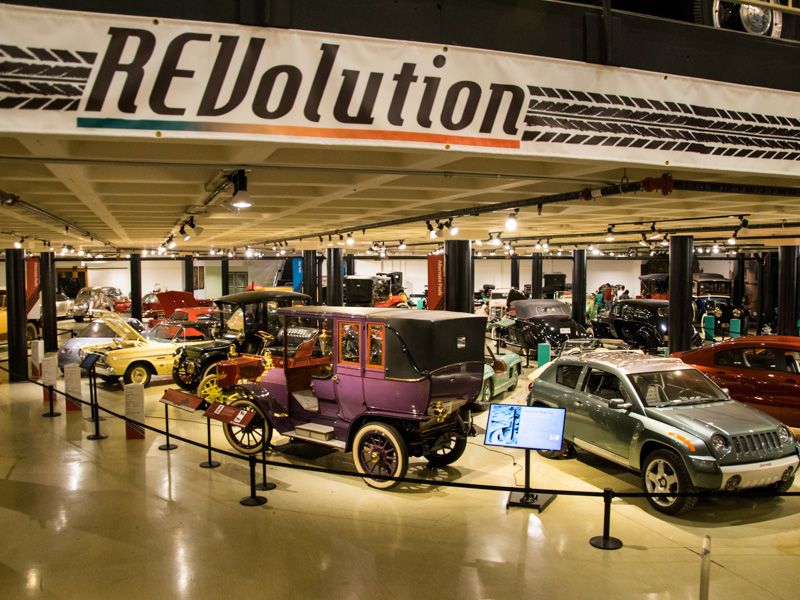
Before gasoline engines changed everything, people relied on horse-drawn carriages for transportation. The museum maintains an impressive collection of these pre-automotive vehicles, providing essential context for understanding how revolutionary automobiles truly were.
The craftsmanship in these carriages rivals anything found in luxury automobiles. Intricate metalwork, fine upholstery, and decorative painting show that people invested considerable resources in their transportation long before the first Model T rolled off the assembly line.
I spent time examining the suspension systems on various carriages, impressed by the ingenious solutions craftsmen developed to smooth out rough roads. Leather straps, metal springs, and carefully balanced weight distribution all contributed to a more comfortable ride.
These same principles later influenced early automobile design.
The transition from horse-drawn vehicles to motorized transportation happened remarkably quickly. By comparing carriages to early automobiles, you can see how designers initially just replaced horses with engines, maintaining familiar body styles before developing truly automotive designs.
Mid-Century Modern Automotive Design
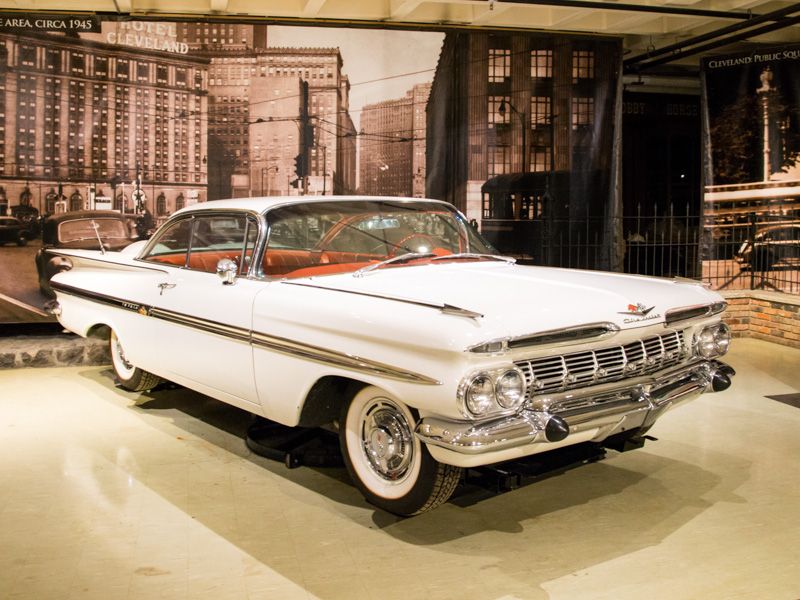
The 1950s section explodes with chrome, tailfins, and optimistic design that captured America’s postwar confidence. These vehicles represent the moment when cars became rolling sculptures, prioritizing style alongside performance.
Automotive designers in this era drew inspiration from aviation, adding jet-age styling cues to family sedans. Tailfins grew taller each year, chrome trim covered every available surface, and two-tone paint schemes became standard.
I find these designs simultaneously excessive and charming, products of an era that believed bigger was always better.
The museum’s mid-century collection includes several concept cars and limited-production models that pushed design boundaries even further. These experimental vehicles show what might have been if practical considerations hadn’t eventually reined in the wildest styling impulses.
Walking around a pristine 1959 Cadillac, I counted more than a dozen separate chrome trim pieces on just one fender. The attention to decorative detail seems almost unimaginable today, when minimalist design dominates automotive styling.
The Hands-On Learning Experience
Education forms a core part of the museum’s mission. Several interactive exhibits allow visitors to understand how various automotive systems function, from internal combustion engines to braking mechanisms.
Cutaway engines reveal the internal components that most people never see. Pistons, valves, crankshafts, and camshafts become visible, showing how controlled explosions translate into rotational motion.
I watched several children turn cranks that demonstrated gear ratios and transmission principles, their faces lighting up with understanding.
The museum offers programs for school groups throughout the year, introducing young people to mechanical engineering concepts through the lens of automotive history. This approach makes abstract principles concrete, showing how theory translates into machines that changed the world.
I appreciate how the museum balances preservation with accessibility. While most vehicles remain behind barriers, the interactive exhibits provide tactile learning opportunities.
You leave understanding not just what these machines looked like, but how they actually worked.
Special Exhibits Keep Things Fresh
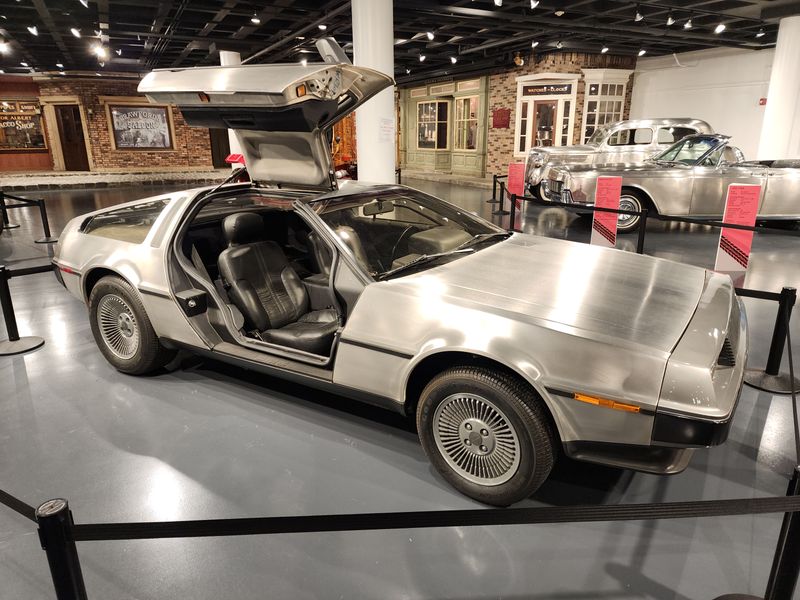
The museum regularly rotates special exhibitions, ensuring that repeat visitors always find something new. These themed displays might focus on a particular manufacturer, a specific era, or a unique aspect of transportation history.
During my visit, a special exhibit explored the role of women in automotive history, featuring vehicles owned by notable female drivers and highlighting women who worked in auto manufacturing during World War II. These stories rarely get told, making the exhibition both enlightening and overdue.
Special exhibits draw from the museum’s extensive storage collection, which contains far more vehicles than can be displayed simultaneously. This deep reserve means curators can create diverse exhibitions without borrowing from other institutions.
I learned that the museum owns more than 200 vehicles total, with only a portion of them on display at any given time.
Checking the museum’s website before visiting makes sense, as special exhibitions change several times per year. You might catch something perfectly aligned with your particular interests if you time your visit right.
The Building Itself Tells A Story
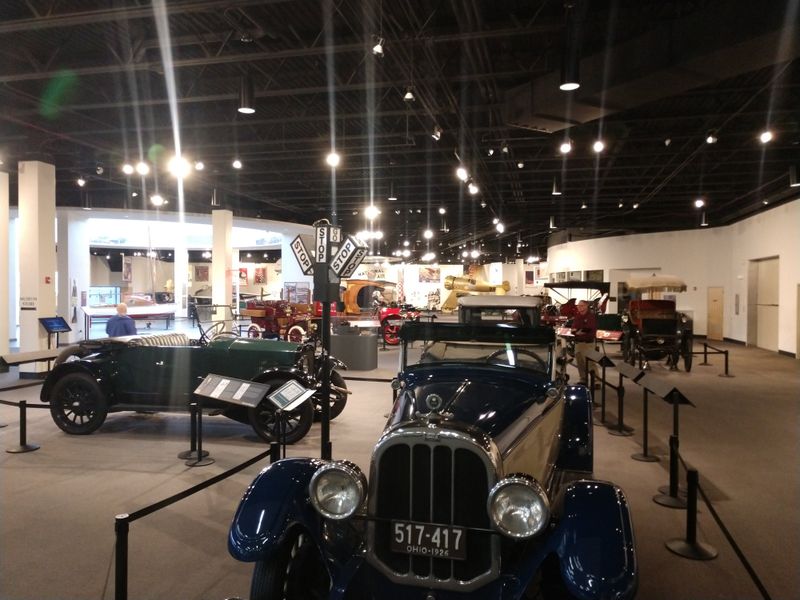
This incredible place occupies a purpose-built structure designed specifically to house the collection. Its architecture reflects mid-century institutional design, with high ceilings that accommodate large vehicles and aircraft suspended overhead.
Natural light filters through carefully positioned windows, illuminating the vehicles without causing damaging UV exposure. The climate control system maintains stable temperature and humidity levels, essential for preserving everything from leather upholstery to fabric-covered aircraft wings.
I noticed how the gallery layout creates a logical flow through transportation history. You progress chronologically in most sections, though thematic groupings occasionally interrupt the timeline to compare similar vehicles from different eras.
This thoughtful arrangement enhances understanding without feeling rigid or overly academic.
The building shares space with other Western Reserve Historical Society facilities, including a research library and additional exhibition galleries.
This integration allows the automotive collection to exist within a broader historical context, connecting transportation history to regional development and cultural change in northeast Ohio.
Planning Your Visit Makes A Difference
The museum is open to the public Thursday from 12 PM to 8 PM and Friday, Saturday, and Sunday from 10 AM to 4 PM, so I recommend arriving close to opening time on those days to beat any crowds.
Those early hours offer some of the quietest experiences, allowing you to examine vehicles without navigating around large tour groups or school field trips.
Admission prices remain reasonable, especially considering the collection’s size and quality. Memberships provide unlimited visits plus special event access, worthwhile for anyone living in the Cleveland area or planning multiple trips.
The museum participates in reciprocal membership programs with other institutions, potentially saving you money if you already belong to a participating organization.
Photography is permitted throughout the galleries, though flash photography is discouraged to protect sensitive materials. I filled my phone’s memory with images, though nothing quite captures the experience of seeing these magnificent machines in person.
The scale and presence of a 1930s luxury car or vintage aircraft simply doesn’t translate to a small screen.
Allow at least two hours for a thorough visit, longer if you want to read every placard and examine each vehicle carefully. The museum also features a small gift shop with automotive-themed books and memorabilia worth browsing before you leave.