
These Secret Ohio Waterfalls Feel Like A Fairytale Escape
Most people think you need to travel to exotic mountains or tropical rainforests to find magical waterfalls, but Ohio holds its own collection of cascading wonders right in your backyard. These waterfalls create scenes straight out of storybooks with their moss-covered rocks, misty spray, and surrounding forests.
Some require short hikes while others sit just steps from parking areas, making them accessible for everyone from families with young kids to experienced hikers seeking solitude.
I’ve spent years exploring Ohio’s hidden natural treasures, and these 12 waterfalls never fail to transport me to what feels like another world entirely.
Whether you’re looking for a peaceful afternoon escape or planning a full day of waterfall hopping, this guide will help you discover the most enchanting cascades the state has to offer.
1. Brandywine Falls, Sagamore Hills
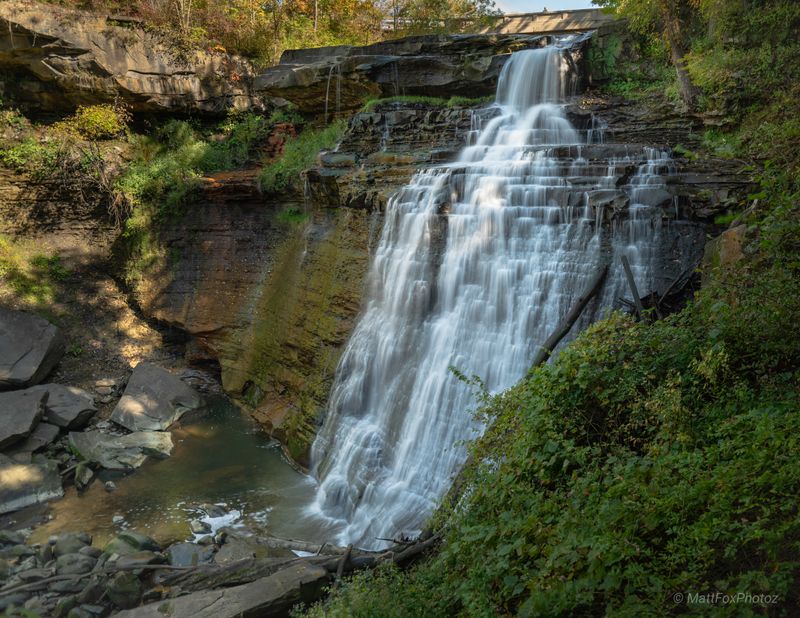
Standing 65 feet tall, this stunning cascade ranks among the most impressive waterfalls in northeastern Ohio. Brandywine Falls plunges over layers of Berea Sandstone, creating a mesmerizing display that changes with every season.
The boardwalk trail makes viewing incredibly easy, with accessible paths leading to multiple overlooks where you can watch the water tumble into the gorge below. Spring brings the most dramatic flow when snowmelt swells Brandywine Creek, while winter transforms the falls into a frozen sculpture garden.
Located within Cuyahoga Valley National Park, the falls sit just off Brandywine Road in Sagamore Hills. The short quarter-mile trail from the parking area takes you through beautiful hemlock forest before reaching the main viewing platform.
Early morning visits offer the best lighting for photography, with soft rays filtering through the trees and creating rainbow effects in the mist. The surrounding woods come alive with wildflowers in spring and brilliant foliage in autumn.
Plan to spend about an hour here exploring the upper and lower overlooks, and bring your camera because this waterfall practically begs to be photographed from every possible angle.
2. Blue Hen Falls, Peninsula
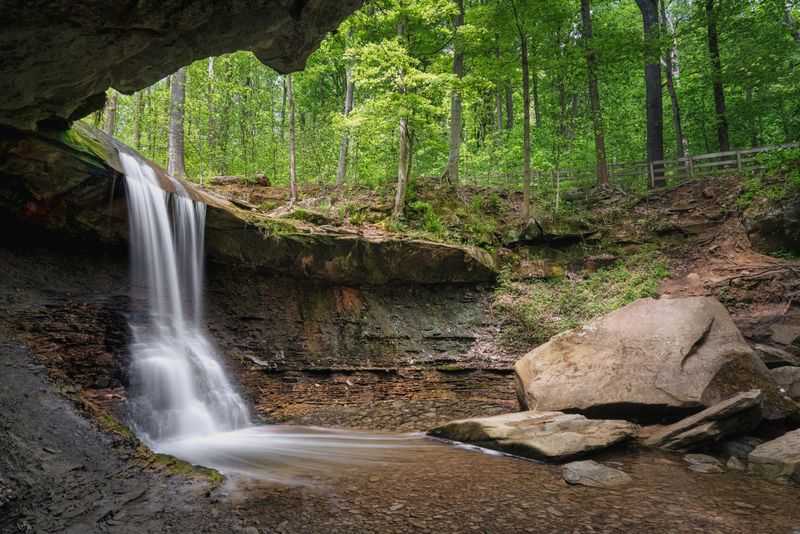
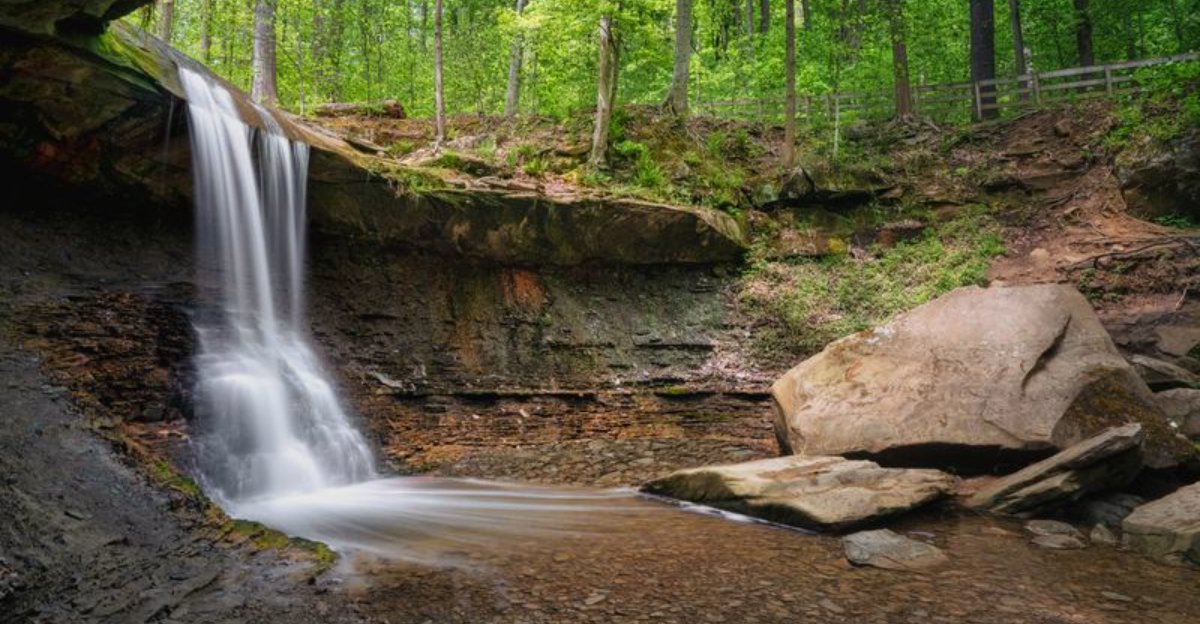
Tucked away along Spring Creek in Cuyahoga Valley National Park, this charming 15-foot waterfall rewards hikers with a peaceful forest retreat. The falls get their quirky name from the blue hens that once roamed the area’s farms.
Access begins at the Boston Mill Visitor Center Trailhead on Riverview Road in Peninsula. The moderate 3-mile round-trip hike follows the Buckeye Trail through beautiful woodland, crossing streams on wooden bridges.
Unlike some of Ohio’s more dramatic cascades, Blue Hen Falls offers an intimate experience where you can sit on rocks just feet from the flowing water. The surrounding ravine creates a natural amphitheater that amplifies the soothing sounds.
Spring and early summer provide the best flow, though the falls maintain water year-round thanks to consistent creek flow. The trail can get muddy after rain, so waterproof hiking boots make good sense.
Combine this hike with nearby Buttermilk Falls for a full day of waterfall exploration. The secluded location means fewer crowds than Brandywine Falls, giving you a better chance at having the falls all to yourself for quiet contemplation.
3. Great Falls of Tinkers Creek, Bedford
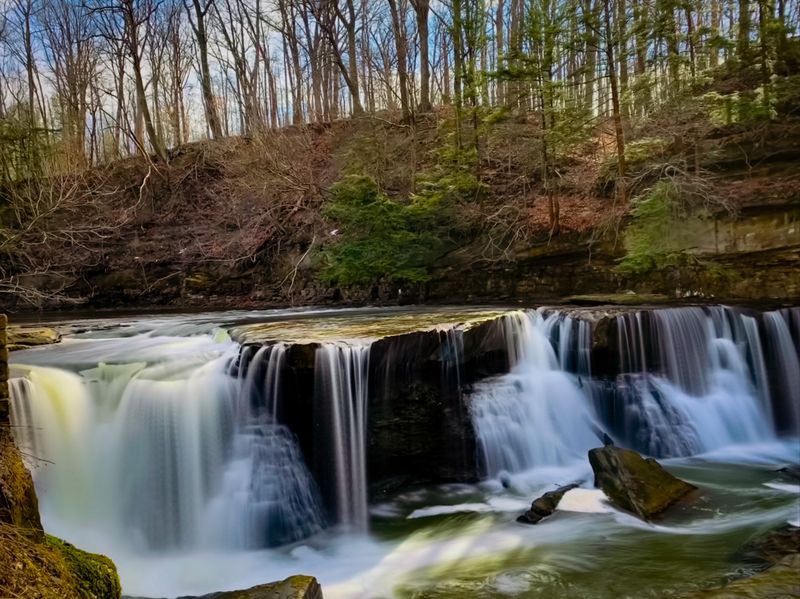
Few Ohio waterfalls come with such dramatic architecture overhead. The historic Baltimore & Ohio Railroad viaduct towers above this 25-foot cascade, creating one of the most photographed scenes in the Cleveland area.
Located in Viaduct Park at 205 Willis Street in Bedford, the falls tumble through a narrow gorge carved by Tinkers Creek. The combination of natural beauty and man-made structure creates an almost surreal landscape that feels transported from another era.
The viewing area requires a short walk down stone steps to reach the base of the falls. Spring runoff creates the most powerful flow, when the water roars through the gorge with impressive force.
The surrounding park includes picnic areas and additional trails for exploring the creek valley. Fall brings spectacular color to the trees lining the gorge, while winter ice transforms the falls into a frozen wonderland.
Photography enthusiasts should visit during golden hour when warm light illuminates the viaduct’s stone arches. The unique composition of waterfall and bridge makes this spot instantly recognizable, and locals consider it one of Bedford’s greatest natural treasures worth protecting.
4. Berea Falls Scenic Overlook, Berea
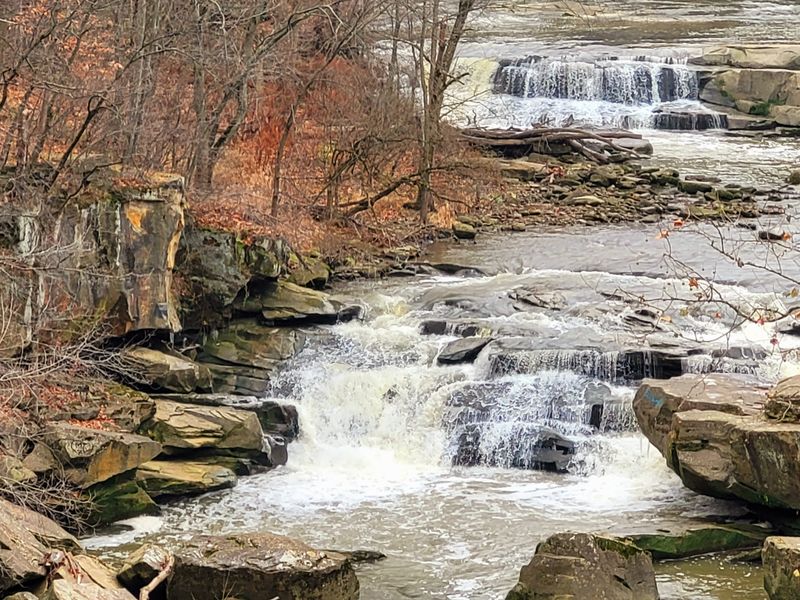
Perched high above the Rocky River valley, this overlook provides stunning views of a hidden waterfall most people drive past without noticing. The Barret Overlook on East Bagley Road offers one of the most convenient waterfall viewing experiences in Ohio.
You can literally pull up, walk a few steps to the wooden deck, and enjoy the sight of water cascading down the rocky cliff. The elevated perspective gives you a bird’s-eye view of the falls and surrounding forest canopy.
The falls flow strongest after heavy rains and during spring snowmelt, sometimes reducing to a trickle in summer’s dry months. Even when water flow is minimal, the overlook itself provides beautiful views of the Rocky River valley.
Berea residents consider this their secret natural treasure, a quick escape from suburban life. The overlook includes informational signs about the area’s geology and the river valley’s role in shaping the landscape.
Visit during fall for the best combination of decent water flow and spectacular foliage colors. The short visit time makes this perfect for squeezing waterfall beauty into a busy day, and the easy access welcomes visitors of all mobility levels.
5. Charleston Falls Preserve, Tipp City
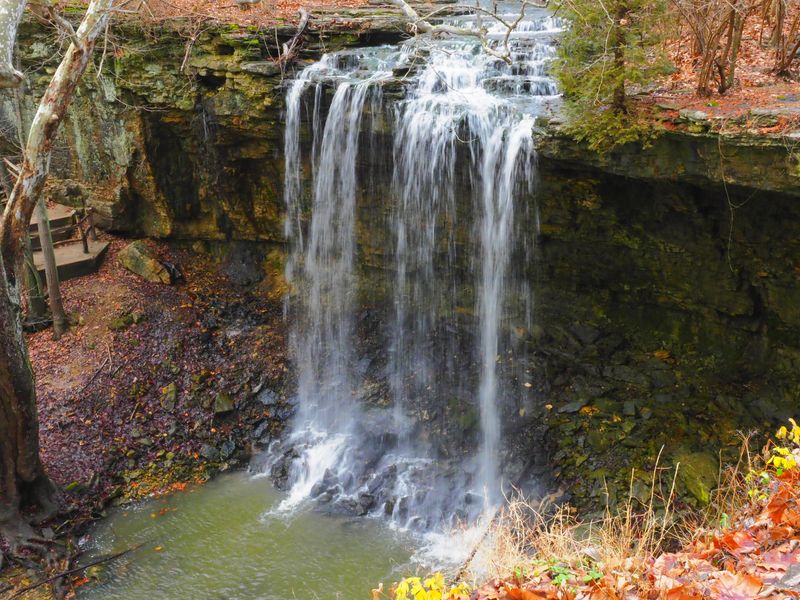
The crown jewel of Miami County’s park system drops 37 feet over an ancient limestone cliff into a crystal-clear pool below. Charleston Falls combines dramatic vertical drop with a beautifully maintained preserve that showcases Ohio’s native prairie and woodland ecosystems.
Located at 2535 Ross Road in Tipp City, the preserve features well-maintained boardwalk trails that wind through restored prairie before reaching the falls overlook. The boardwalks keep your feet dry while protecting sensitive plant communities.
Spring wildflowers carpet the prairie areas surrounding the trails, creating a colorful approach to the main attraction. The falls themselves flow year-round, fed by Charleston Creek, though spring brings the most impressive volume.
The preserve includes multiple viewing platforms offering different perspectives of the falls. One platform sits at the top of the cliff, while another provides a lower view where you can feel the mist on warm days.
Educational signs throughout the preserve teach visitors about the geology that created these falls and the native species that call this habitat home.
The combination of prairie, woodland, and waterfall ecosystems makes this one of the most diverse natural areas in western Ohio worth spending several hours exploring.
6. Cedar Falls, Logan
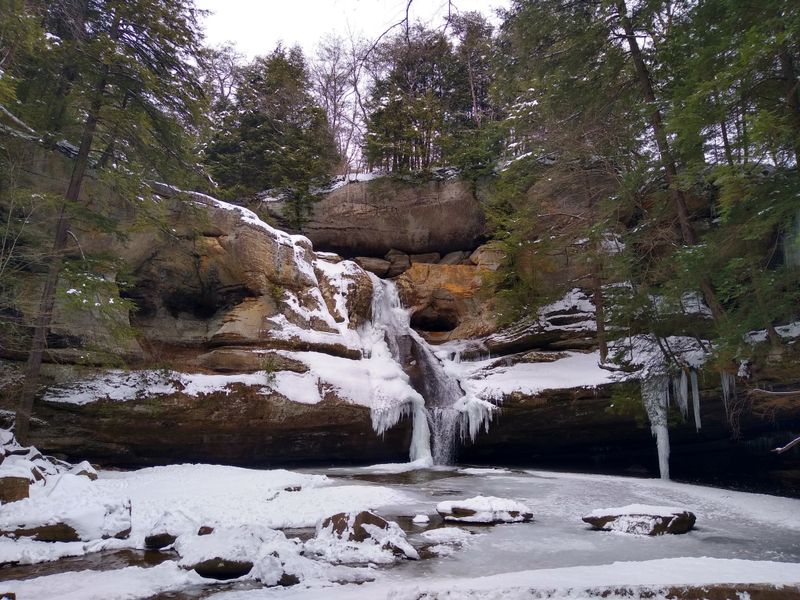
Perhaps the most famous waterfall in all of Ohio, Cedar Falls in Hocking Hills State Park still manages to feel magical despite its popularity. The falls plunge through a narrow gorge carved into Black Hand Sandstone, creating one of the most photographed natural scenes in the state.
The trailhead at 21560 State Route 374 in Logan provides access to a moderate half-mile hike through hemlock forest. The trail descends into the gorge, where the temperature drops noticeably and the sound of falling water echoes off stone walls.
What makes Cedar Falls special is the way the gorge frames the water, focusing your attention on the cascade while towering cliffs create a natural cathedral. Mist rises from the pool at the base, coating surrounding rocks with moisture that supports lush moss gardens.
Visit on weekdays or early mornings to avoid crowds, as this popular spot can get packed on summer weekends. The falls maintain impressive flow year-round thanks to consistent creek drainage from the surrounding hills.
Combine Cedar Falls with other Hocking Hills attractions like Old Man’s Cave and Ash Cave for a full day of natural wonders that showcase why this region draws visitors from across the Midwest.
7. Ash Cave, South Bloomingville
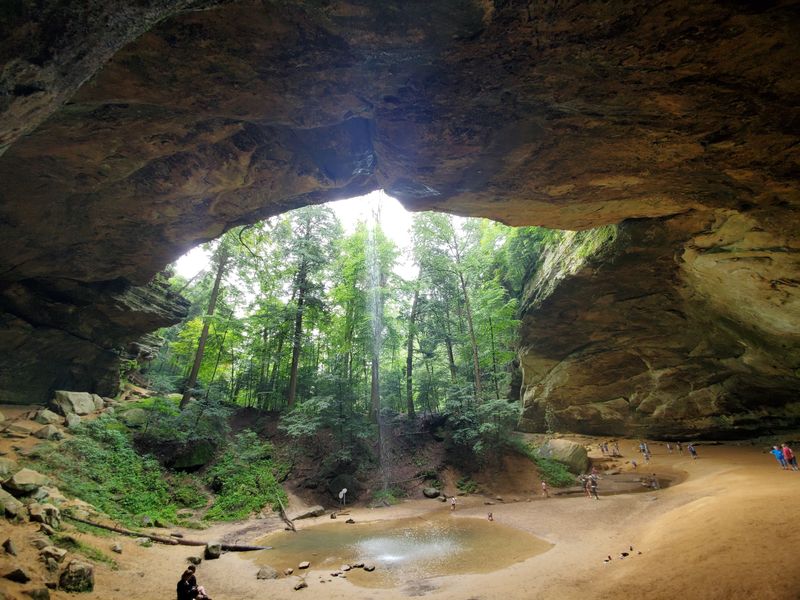
Technically more of a recess cave than a traditional waterfall, Ash Cave features water cascading 90 feet over a massive horseshoe-shaped cliff. The sheer scale of this natural amphitheater takes your breath away when you first round the corner and see it.
The paved quarter-mile trail from the parking area at 27291 State Route 56 in South Bloomingville makes this Hocking Hills treasure accessible to everyone. The easy, flat path follows a creek before opening into the dramatic recess.
The cave itself spans 700 feet from end to end and reaches back 100 feet into the cliff, creating one of the largest recess caves east of the Mississippi River. When water flows over the rim, it creates a curtain of falling water that seems to appear from nowhere.
Winter freezes the falls into a massive ice formation that attracts ice climbers from around the region. Spring and after heavy rains bring the most dramatic water flow, when the falls roar with power.
The enormous overhang provides natural shelter, and people have used this space for thousands of years. The name comes from huge piles of ash found here by early settlers, evidence of extensive Native American use of this protected space.
8. Hayden Falls Nature Preserve, Columbus
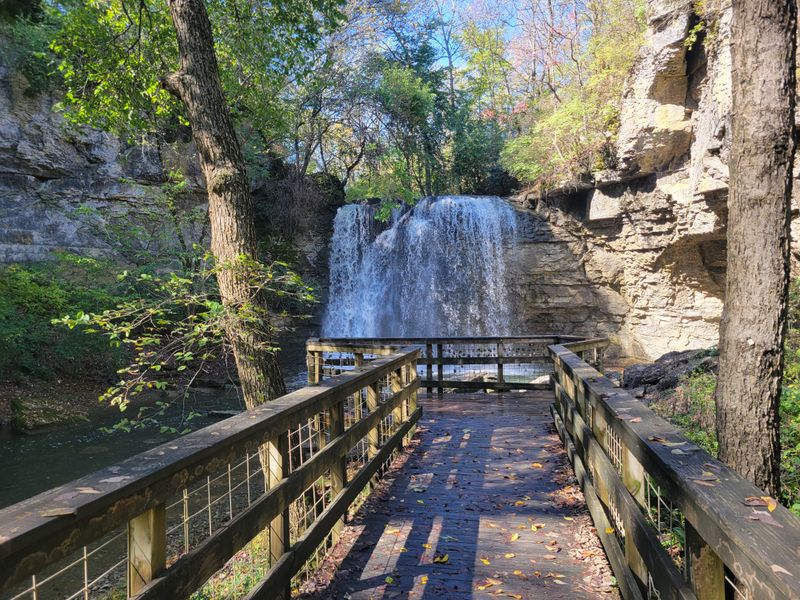
Right in the middle of Columbus suburbia, this surprising 35-foot waterfall flows through a small but beautiful nature preserve. Hayden Falls proves you don’t need to escape to rural areas to find legitimate waterfall beauty.
The preserve at 4325 Hayden Run Road features a short boardwalk trail that winds down to viewing platforms near the base of the falls. The convenient location makes this a popular lunch-break destination for Columbus workers seeking a quick nature fix.
Hayden Run Creek carved this small gorge through limestone bedrock, creating layered ledges that give the falls its distinctive stepped appearance. The surrounding preserve includes native plantings and informational signs about urban ecology.
Spring brings the best flow, while summer can reduce the falls to a trickle during dry spells. Even with minimal water, the cool gorge and shade provide a pleasant escape from city heat.
The small size of the preserve means you can experience everything in 20-30 minutes, making it perfect for a quick outing.
Local photographers love the challenge of capturing waterfall beauty despite the suburban setting, and the preserve serves as an important reminder that nature persists even in urban environments.
9. Cascade Park, Elyria
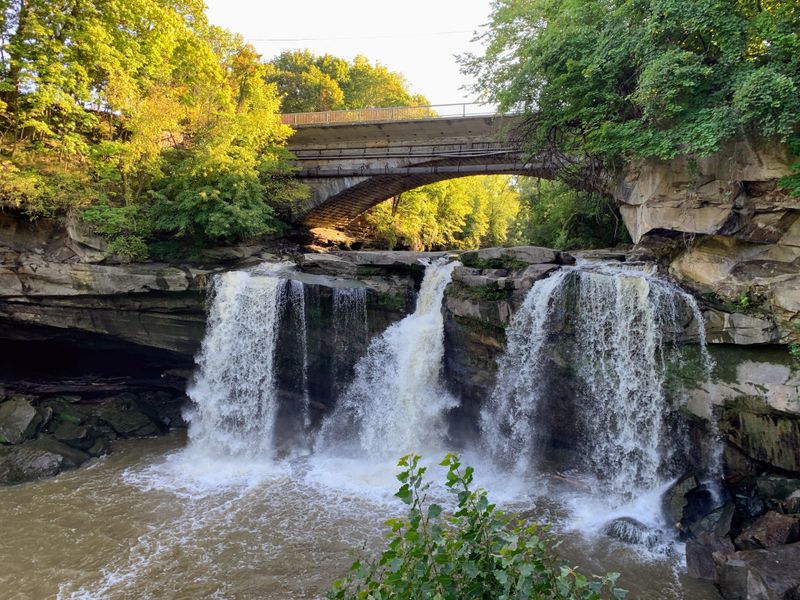
This historic Elyria park has been enchanting visitors since the 1890s with its beautiful Black River gorge and multiple cascades. Cascade Park at 387 Furnace Street combines natural beauty with vintage park infrastructure that creates a nostalgic atmosphere.
The park features several small waterfalls and rapids as the Black River drops through the gorge. Stone bridges and walkways from the park’s early days still provide access to various viewpoints, adding historic charm to the natural scenery.
Spring brings the most dramatic water flow when the river swells with snowmelt, creating impressive rapids and powerful cascades. The wooded ravine provides welcome shade during summer visits, and fall foliage creates stunning color displays.
The park includes picnic areas, playgrounds, and additional trails for exploring the river valley. Local families have been coming here for generations, creating a sense of community connection to this natural space.
The waterfalls aren’t as tall or dramatic as some others on this list, but the combination of multiple cascades, historic features, and accessible trails makes Cascade Park a worthwhile destination.
The park represents an earlier era when communities built infrastructure to help residents connect with local natural beauty.
10. Fallsville Falls, New Vienna
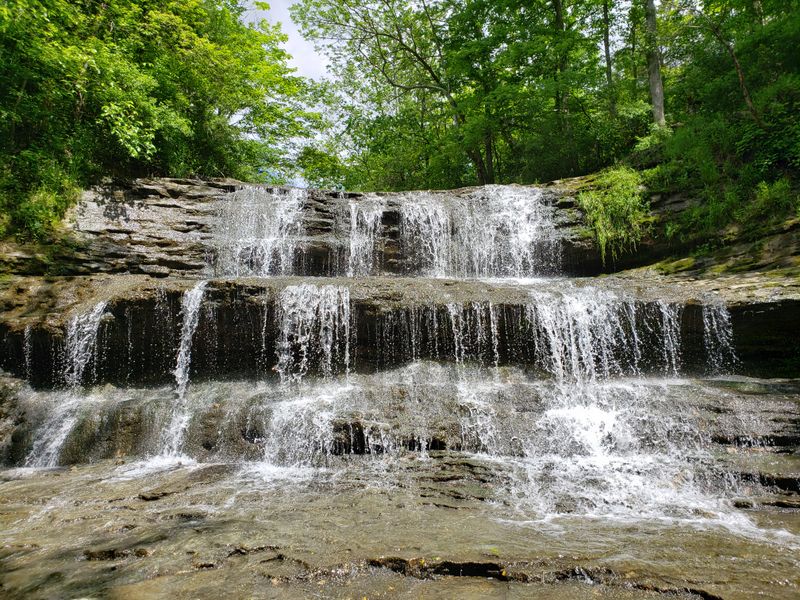
Hidden away in the Fallsville Wildlife Area near New Vienna, this remote cascade rewards adventurous visitors with genuine solitude. The falls tumble down a series of rock ledges in a wild, unmanicured setting that feels worlds away from civilization.
Access from 10211 Careytown Road in New Vienna requires following informal trails through the wildlife area. This isn’t a developed park with clear signage, so come prepared with good directions and a sense of adventure.
The falls flow best in spring and after heavy rains, sometimes disappearing entirely during dry summer months. The seasonal nature means timing your visit right makes all the difference between seeing a dramatic cascade or just damp rocks.
The wildlife area attracts hunters during fall and winter seasons, so spring and summer offer the best times for waterfall exploration. The remote location and lack of facilities mean you should bring everything you need and be prepared for primitive conditions.
Local outdoor enthusiasts guard this spot as their secret treasure, a place where you can still find solitude and genuine wilderness feeling. The effort required to reach Fallsville Falls filters out casual visitors, leaving the falls for those who truly appreciate wild, unmanicured nature at its finest.
11. The Cascades at Glen Helen Nature Preserve, Yellow Springs
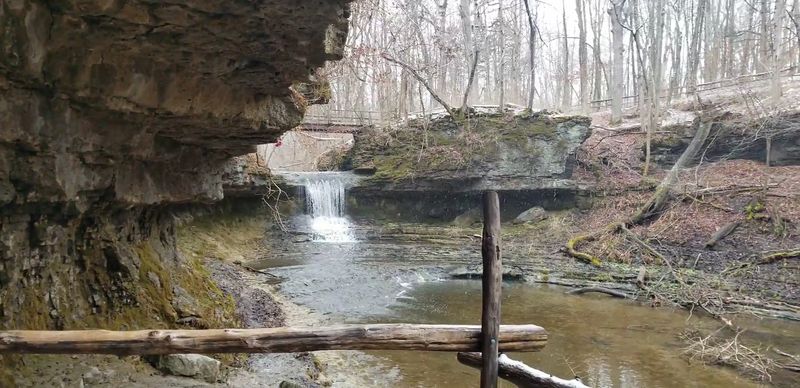
Glen Helen Nature Preserve in Yellow Springs protects over 1,000 acres of forests, streams, and natural features including these lovely cascades. The falls flow over limestone ledges in a peaceful woodland setting that showcases southwestern Ohio’s natural beauty.
The preserve entrance at 405 Corry Street provides access to miles of trails winding through diverse habitats. The Cascades sit along the Yellow Spring, the natural spring that gave the town its name and flows with distinctive yellow-tinted water.
Multiple small cascades create a series of drops rather than one dramatic plunge, with water tumbling over layered rock formations. The surrounding forest includes massive old-growth trees, some of the largest remaining in this part of Ohio.
Spring wildflowers carpet the forest floor, while fall brings spectacular color to the preserve’s mixed hardwood forests. The trails can be challenging with steep sections and rocky footing, so proper hiking shoes make sense here.
Glen Helen operates as an outdoor education center, and you’ll often encounter school groups learning about ecology and natural history. The preserve asks for small donations to support conservation work, and the quality of the trails and habitat protection makes it money well spent for nature lovers.
12. Chagrin Falls, Chagrin Falls
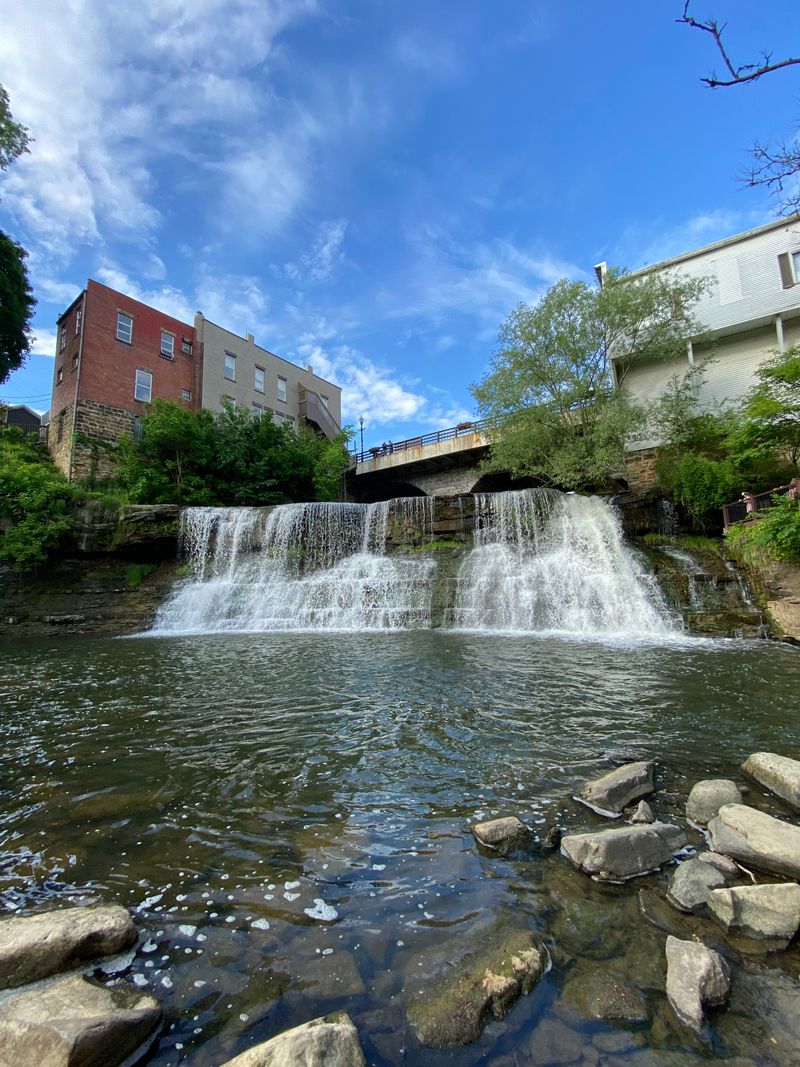
Right in the heart of this charming village, the Chagrin River plunges over a series of falls that give the town its name. The falls drop about 20 feet through the center of downtown, creating one of the most accessible and picturesque waterfall experiences in Ohio.
Riverside Park at 82 North Main Street provides perfect viewing areas with benches where you can sit and watch the water tumble past historic buildings. The combination of natural beauty and small-town charm makes this a popular destination for day trips from Cleveland.
The falls maintain year-round flow, though spring brings the most impressive volume when the river swells. Winter creates spectacular ice formations, and the village celebrates with special events that draw photographers from across the region.
Downtown shops and restaurants surround the falls, making it easy to combine waterfall viewing with browsing boutiques and grabbing lunch. The village has preserved its historic character while embracing tourism, creating a welcoming atmosphere for visitors.
The falls serve as the centerpiece for community life here, with locals gathering at the park for everything from casual meetups to formal celebrations.
This integration of natural feature and town identity creates something special that makes Chagrin Falls more than just another waterfall destination.