
This Legendary Italian Bread At This Eastpointe Bakery Is So Good That It’s Practically A Form Of Currency In Michigan
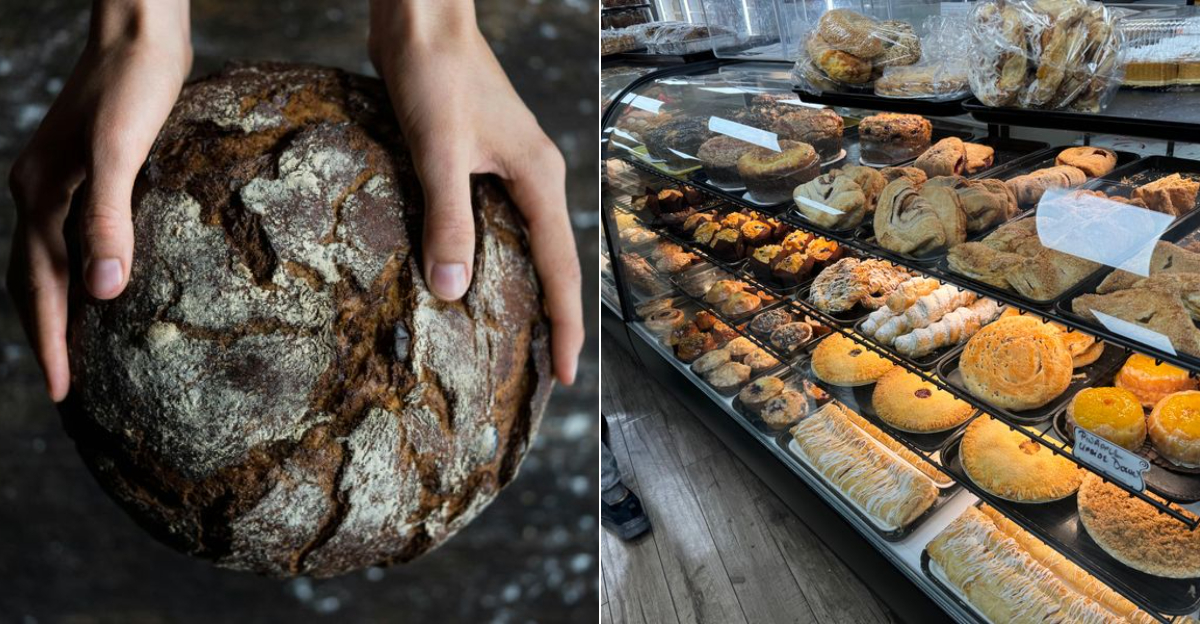
I’ll be honest, my relationship with carbs is bordering on a full-blown obsession, but walking up to this Eastpointe gem, I realized I’m at least in good company. The loaves here are like local gold, traded between neighbors and snatched up so fast they’re usually gone by the afternoon.
When I finally got my hands on one, I did that weird thing where you tap the crust just to hear it “sing”, and let me tell you, it’s a masterpiece.
The crumb is that perfect, chewy texture that keeps a sandwich honest, but honestly? I usually end up tearing half the loaf apart in the car before I even get home. Michigan’s legendary bakery invites you to indulge in the finest traditional Italian bread and authentic pastries, a must-visit for any true carb-lover.
Because I’ve learned the hard way what happens when you show up ten minutes too late, I’ve put together the ultimate guide to timing your visit and the little rituals the regulars swear by.
Choosing Whole Or Sliced
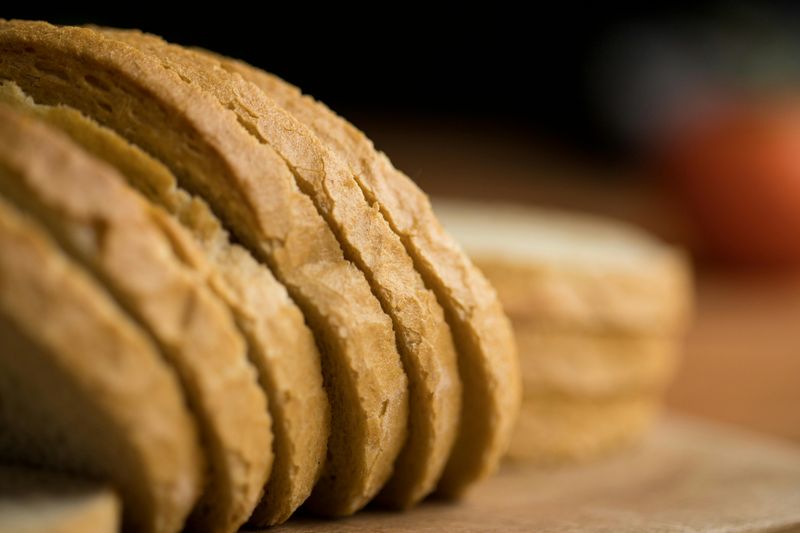
Stepping up to the counter brings you to the first great debate of the morning, how to take your prize home. Fresh from the cooling rack, a beautiful loaf can be mechanically sliced to a perfect deli thickness, or handed over whole and heavy in a paper bag.
Opting for the slicing machine releases a concentrated cloud of heat and yeast-scented fragrance that turns heads in line. While the crust keeps its tawny sheen, the interior crumb shows tiny, even bubbles built to soak up juices.
This neighborhood institution earned multi-generational loyalty by paying attention to how people actually eat throughout the day. You’ll often see families grabbing one loaf sliced for immediate lunch duty, and a second left whole for the dinner table.
Timing The Line Like A Local
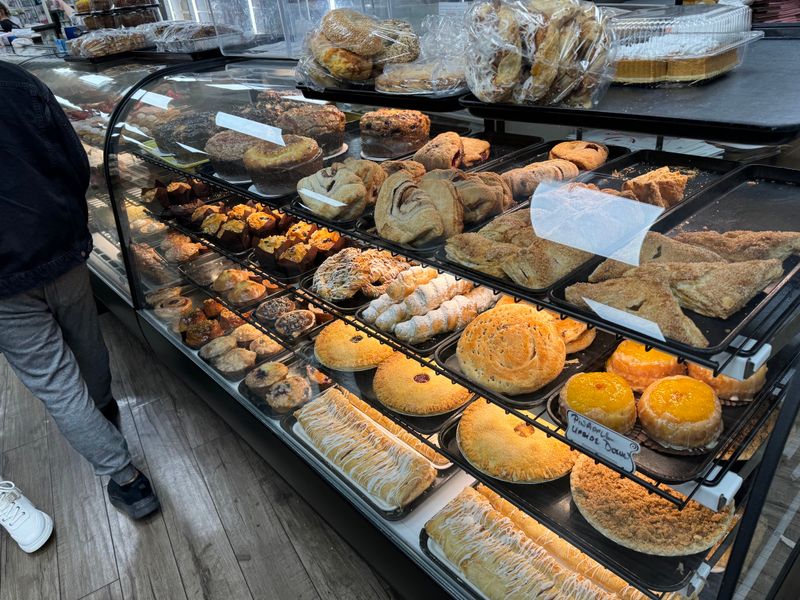
The morning rush at 17530 E 9 Mile Road kicks off with the scent of crust finishing its bake. Doors at East Detroit Bakery & Deli open at 7 AM on Sundays, and earlier on weekdays, and the dedicated regulars show up fast.
There is something satisfying about heavy paper bags crinkling, it’s a promise you arrived before the daily sell-out.
Italian bread is the heavyweight here, moving faster than anything else because so many traditions and school lunches depend on it. The shop’s rhythm is steady, order your count, watch the slice, wait for the wrap, and exchange a knowing nod.
To leave with a loaf that’s still warm, try to pull into the lot before noon. If you’re traveling far, ask for an unsliced loaf so it cools slowly in the bag and keeps that hearty crackle.
Pairing With The Deli Case
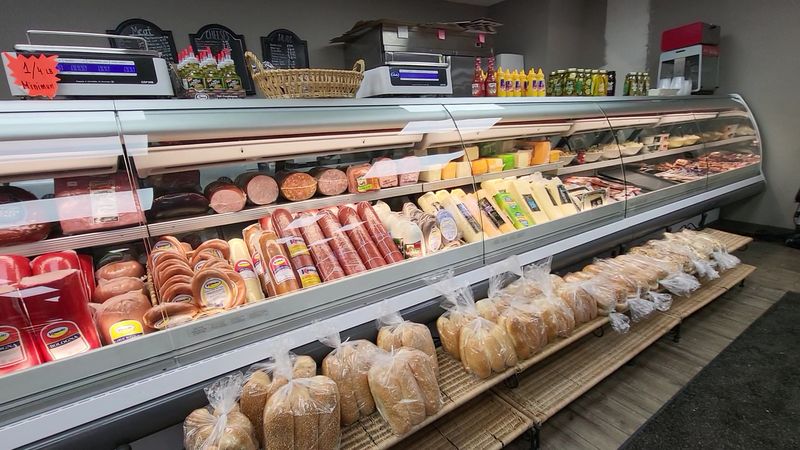
It is no accident that the deli counter sits just a few short steps away from the bread racks. Watching salami, turkey, and provolone meet that fresh crust is a local art form, and the crumb is sturdy enough to help greens stay crisp.
When you finally get these ingredients home, you can almost hear the kitchen knife click through the layers with a clean, professional sound.
These old-school combinations nod to the neighborhood’s history. For decades, families have relied on this bread for Sunday spreads, graduation trays, and quick lunches that still feel like a proper meal.
Ask for a half pound of your favorite cold cut with a single loaf for a clean ratio, and keep condiments light to taste the wheat and salt. If you have a long drive, keep meats wrapped separately and slice the bread only when you’re ready to serve.
Reading The Crust Like A Pro
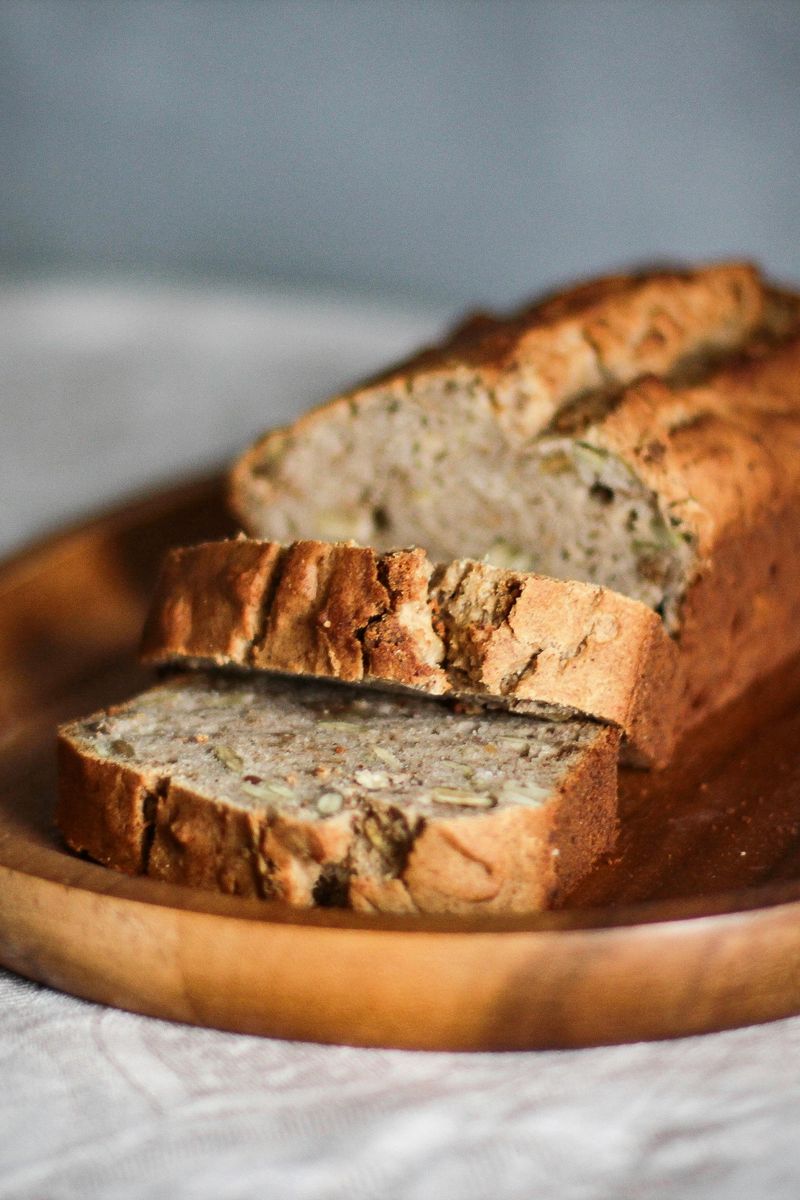
When you first hold a loaf, the most important thing you can do is listen. A gentle tap on the bottom should return a hollow knock, a sign the bake drove moisture inward the way it should.
Look for a crust with tiny heat blisters and a deep golden color, with a hint of chestnut at the edges.
Decades of practice live inside that finish, and the consistency is why neighbors trust this place for holidays. The look isn’t flashy, it’s confident, and you can read that confidence right on the dough.
Choose even browning and a faint kiss of flour, and avoid loaves that look soft or dull if you want true crackle. Slice the heel first to test the internal structure, then map your sandwich plan from there.
Saving The Heel For Snacks

The heel is the ultimate afternoon snack for the person who did the shopping. It’s dense, wheat-forward, and built for dipping into quality oil with a bit of salt and pepper.
You’ll notice the flavor finishes clean and savory, without the lingering sweetness that shows up in many grocery store loaves.
Most people raised in Eastpointe know the unspoken rule, reserve that piece for yourself. Because the crumb is reliable, the heel stays satisfyingly chewy even hours after it leaves the oven.
Slice it off as soon as you get home so steam can escape, then save it for later. A quick pan toast revives crunch, and a swipe of soft cheese or a slice of tomato turns a scrap into a real treat.
Freezer Strategy For Busy Weeks
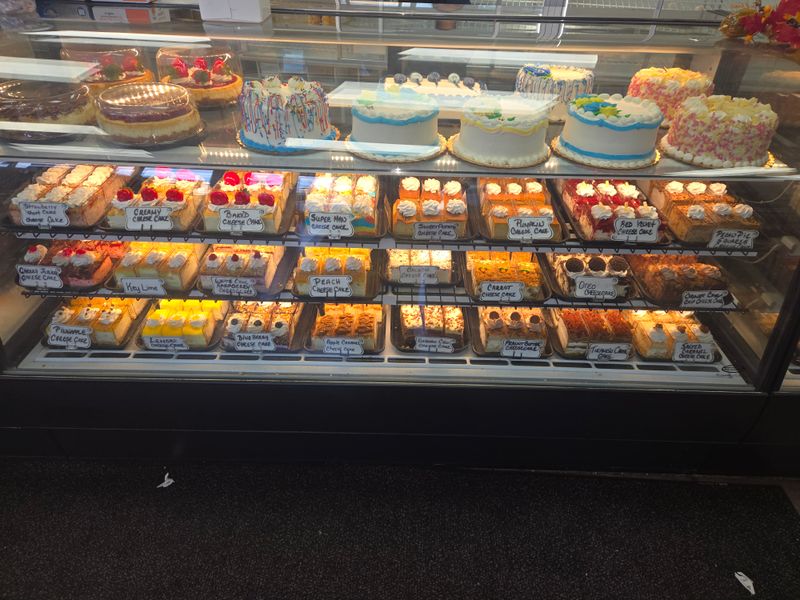
On weeks when the calendar fights you, a horizontal split and a quick wrap can save future meals. This bread handles the cold well, as long as you protect it from air.
A tight double-wrap in parchment paper, followed by a heavy-duty freezer bag, keeps frost from creeping into the crumb.
Local families learned this trick during hectic school seasons and holiday rushes. Since the bake is predictable day to day, the thaw-and-revive routine works with reliability you can count on.
Let the loaf thaw at room temperature, then warm it briefly in a 350-degree oven to bring back crisp edges. If you want extra snap, mist the exterior lightly with water before heating, then split the loaf across the week.
Using Stale Loaves Smartly
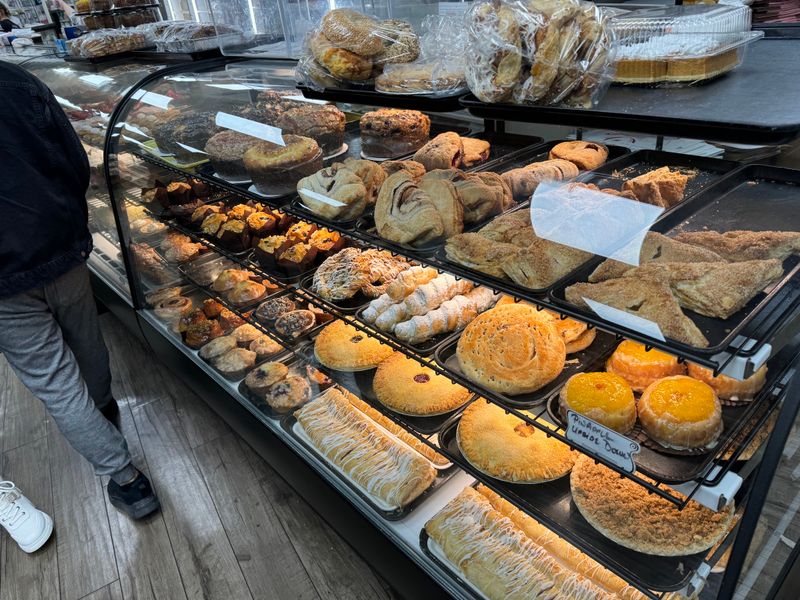
f a loaf survives long enough to lose its bounce, it still has a job. Dry cubes make croutons that resist sogginess and carry seasoning well.
As the bread ages, the interior tightens into a crunch that’s satisfying without turning sharp.
Neighborhood cooks have turned remnants into stuffings and bread puddings for as long as the bakery has been around. Because the salt balance is calibrated, your seasonings won’t have to fight to be noticed.
Cube what’s left, toss with oil, garlic, and herbs, then bake until deep amber. For breadcrumbs, pulse gently instead of grinding hard, and keep texture for cutlets and casseroles.
Requesting A Lightly Baked Loaf
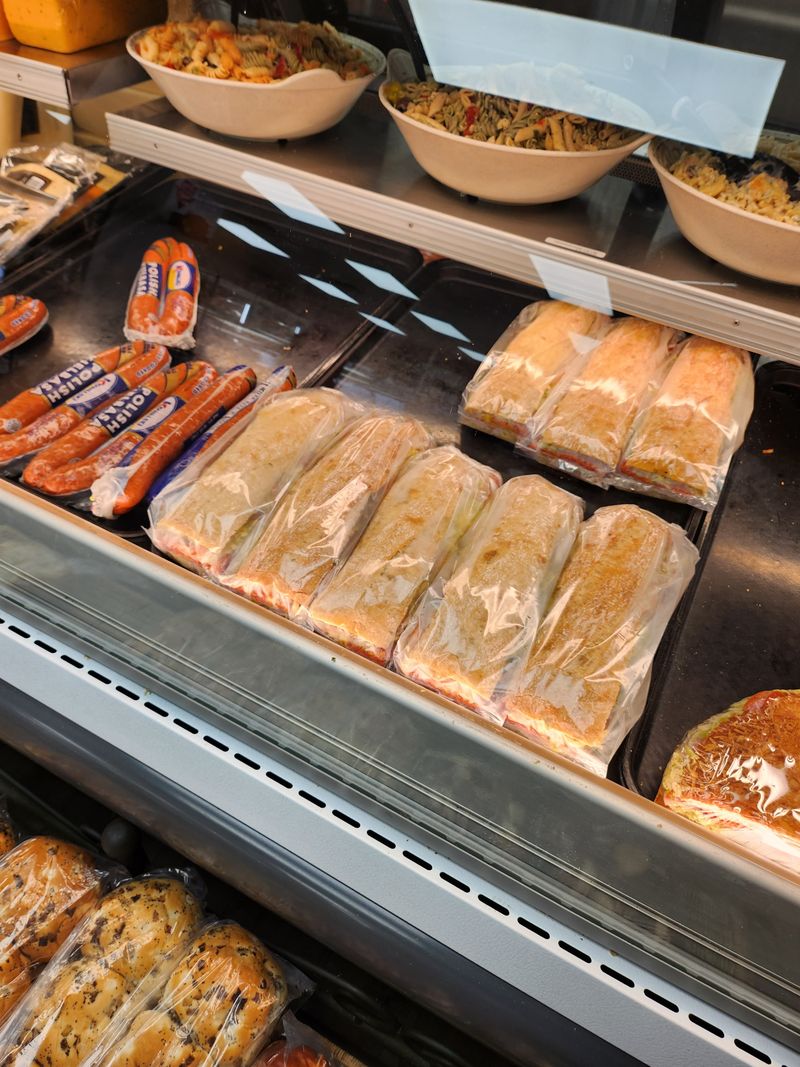
Not every loaf is meant to be deeply bronzed. If you prefer a thinner crust snap and a softer chew, ask for a lightly baked loaf.
The staff knows this preference well and can point out gentler, paler bakes resting on the racks.
That customization reflects long relationships with regulars who tailor bread to the meal they’re planning. It’s a small detail, but it signals the service culture that keeps people coming back.
Lighter bakes shine for delicate breakfast toast and soft fillings, while deeper bakes hold up better for bruschetta. Tell the counter what you’re cooking and they’ll guide you with honesty.
Making Soup Nights Better
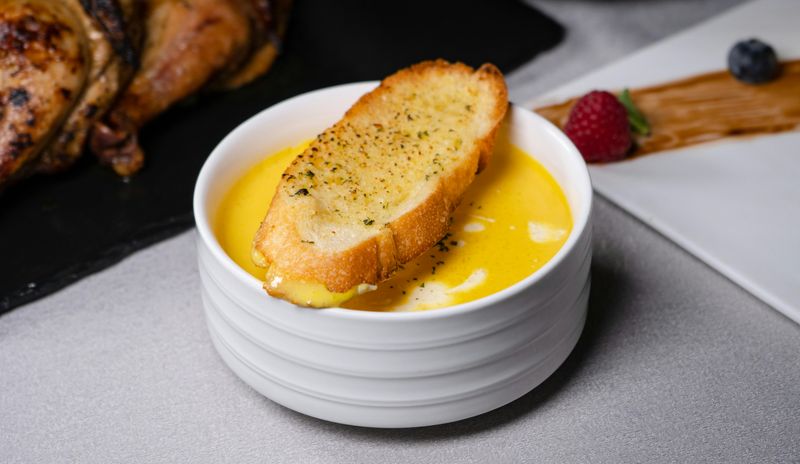
A cold Michigan evening pairs perfectly with a pot of soup and thick slices of this bread. It soaks up broth without collapsing right away, and it anchors the bowl like a proper side should.
The crust softens at the edges in a pleasant way, while the center stays springy and alive.
Households near East 9 Mile have built weeknight comfort rituals around this combination. Because the bakery keeps steady hours, it’s easy to make a last-minute pickup before they close at 4 PM.
Slice on a sharp bias for more dipping surface, and warm it briefly so butter melts on contact. Keep a spare loaf in the freezer so you’re ready when the craving hits.
Respecting The Last Loaf Rule
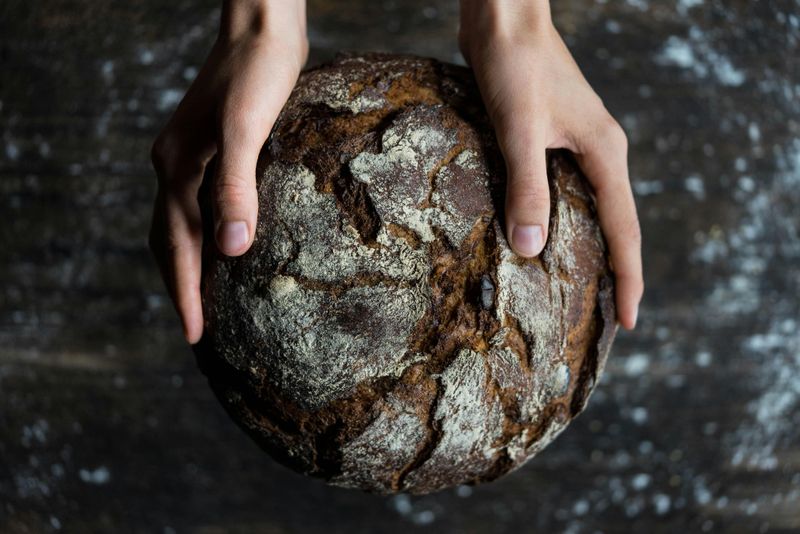
As the clock ticks toward closing time, you might occasionally spot a lone, solitary survivor resting on the wooden rack. This scarcity isn’t a failure of production; rather, it’s a sign of a thriving community where regulars often buy an extra loaf for a neighbor or a friend.
There is a palpable sense of quiet pride in seeing that near-empty shelf at the end of a long day.
Years of dependable, high-quality baking have fostered a small local economy built on simple favors. It isn’t uncommon to hear of people trading a few thick slices for a borrowed tool or a ride from school.
That final loaf of the day feels almost symbolic, a gentle reminder from the bakery to set your alarm a little bit earlier next time.
If you happen to be the one to see that last loaf, make your move quickly before someone else does. If you’re driving from a distance, a quick phone call to check availability can save you some heartbreak.