
10 Texas Food Phrases That Make Perfect Sense If You Grew Up Here
Texas had its own way of speaking, and food was right at the center of it. Conversations often started with a warm “howdy” and ended with a gentle “bless your heart,” wrapped somewhere in between with phrases that only made sense if you grew up hearing them at the table.
Food wasn’t just something you ate. It shaped how things were described, explained, and remembered.
A good meal carried weight. Comfort came in familiar words passed down as easily as recipes. To anyone new, these expressions sounded curious, maybe even poetic.
To Texans, it was just how things were said. Because in Texas, food wasn’t only eaten. It was exaggerated, celebrated, and turned into a full-blown personality.
And somehow, every single phrase made perfect sense.
1. “I’m Fixin’ To…”
“I’m fixin’ to…” is the unofficial countdown clock of Texas, the pre-sizzle before the skillet sings. When you hear it at a breakfast spot, it means action is loading, like a progress bar for eggs and taters.
It is not hesitation, it is intention stretching its legs in boots.
You’ll hear it before someone orders a Texas-sized chicken fried steak, before a pitmaster pulls a brisket, or before a baker slides kolaches into heat.
The phrase signals courtesy, too. It gives space, like tapping the brakes to let flavor merge.
In a crowded taqueria, “I’m fixin’ to…” tells the cashier you’re seconds from committing to barbacoa, not wasting time.
It keeps things friendly: you get prepared, they get ready, and everyone keeps the line flowing. Food moves fast here, but manners still set the pace.
You can try it on for size the next time you stand under a menu board the length of a pickup. Say it and watch doors open.
The rhythm calms the moment and lets you measure the hunger. If anyone asks, “Do what now?” just smile and point at the combo plate.
I use it when planning road snacks, mapping kolache stops like constellation dots. “The stars at night are big and bright,” and so is the appetite that follows highways home. Bless your heart if you mistake it for delay.
It is a promise, not a pause, a spark that tells your crew to get ready because the good stuff is next.
2. “Bless Your Heart”
“Bless your heart” lives two lives in Texas kitchens: kindness and commentary. At a potluck, the phrase can land gentle as powdered sugar on pecan pie.
Maybe your cornbread crumbles like desert soil. Maybe your chili forgot salt.
Someone will smile, slice you a plate, and say it with soft vowels that wrap the edges.
But tone is the secret seasoning. Sometimes it means “Nice try, partner,” and sometimes it means true care.
In line at the barbecue joint, if a visitor orders lean brisket only, you might hear a diplomatic “Bless your heart,” accompanied by a sideways nod toward fatty slices. It is a coaching phrase disguised as comfort, a way to offer help without bruising pride.
Use it wisely and you’ll navigate church basements, Friday fish fries, and neighborhood cookouts like a local.
The best approach is to listen first, taste second. If someone says it while handing you extra salsa, they are saving your palate, not judging your choices.
If they pair it with a recipe card, you just got grandmothered into the circle.
3. “All Hat, No Cattle”

In food talk, “All hat, no cattle” calls out flash without follow-through. It is the barbecue trailer with neon branding but no smoke ring, the chili that shouts and never simmers.
You’ll hear it when a spot brags about secret rubs yet slices brisket dry as a handbook. Big swagger, tiny flavor.
The hat is loud, the plate is quiet.
Texas rewards substance. A true pit shows patience: steady fire, clean smoke, and quiet confidence in butcher paper.
At a taqueria, the tortillas whisper quality before any salsa arrives.
The phrase is a compass that points past hype to the places where craft rides shotgun. When someone mutters it in line, they have eaten enough to know better.
How to avoid the trap? Follow your nose, watch the cutter’s board, and count the regulars.
If the brisket bends and juices glisten, you are safe.
If the staff is answering “Do what now?” every minute because nobody knows the menu, the hat may be bigger than the herd. Ask for a sample if they offer it, then trust your mouth.
4. “That Dog Won’t Hunt”
“That dog won’t hunt” is the culinary veto button. It is what you say when someone suggests cinnamon in brisket rub or ice-cold queso.
In practice, it might surface at a tailgate when a shortcut threatens flavor. Powdered onion instead of fresh?
That dog won’t hunt. Swapping lard from tortillas for something skinny and sad?
Same verdict. It is the community’s quality control, keeping traditions strong without making them crusty.
Good food evolves, but it never abandons the basics that work.
Use it to steer friends better, not to belittle. Offer a fix right after the verdict: try rendered fat for refried beans, or give chili more time to whisper.
If someone blinks and says, “Do what now?” you repeat the lesson and add a spoonful to prove it. Solutions matter more than snark.
It comes from care, not arrogance. When a recipe refuses to behave, call it early, pivot fast, and let the meal find its stride another way.
5. “Come And Take It”
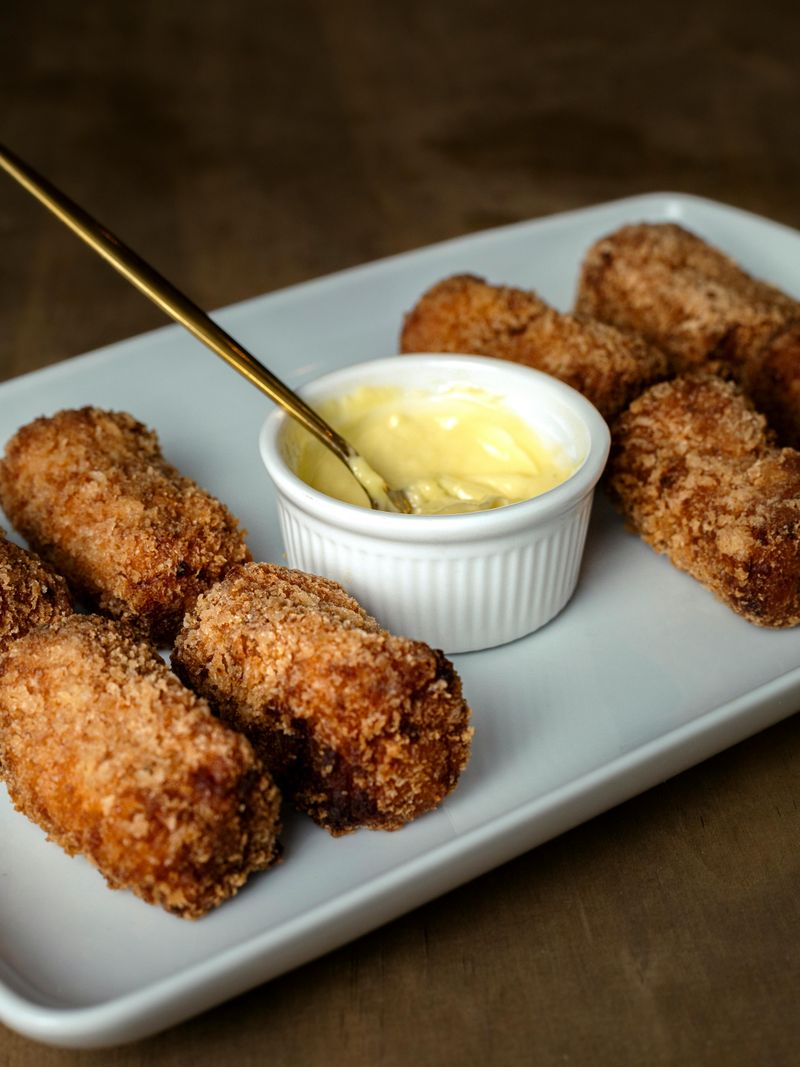
“Come and take it” began in Gonzales, a bold banner over a borrowed cannon. At the table, the phrase becomes playful bravado guarding the last jalapeño sausage or the crispiest fajita edges.
It is a dare, a wink, and a neighborly tug of war with tongs.
You are invited to try, because sharing is half the show.
During backyard cookouts, it turns serving into sport. Someone hovers near the skillet queso.
Another circles the Dutch oven peach cobbler like a hawk. When the host says it, they are advertising the best bite while pretending to protect it.
The ritual keeps energy high and plates loaded. No one leaves hungry because the game never stops.
If a newcomer asks, “Do what now?” point to the prize and explain the theater. You reach, they feint, everyone laughs, then you split it down the middle.
It celebrates abundance, not scarcity. The bravest move is always to share first, because generosity multiplies flavor faster than heat.
It is a friendly challenge stamped with Texas humor, a reminder that food tastes better when earned with a grin. Stand your ground on the good slices, then pass the plate like a legend.
6. “Do What Now?”
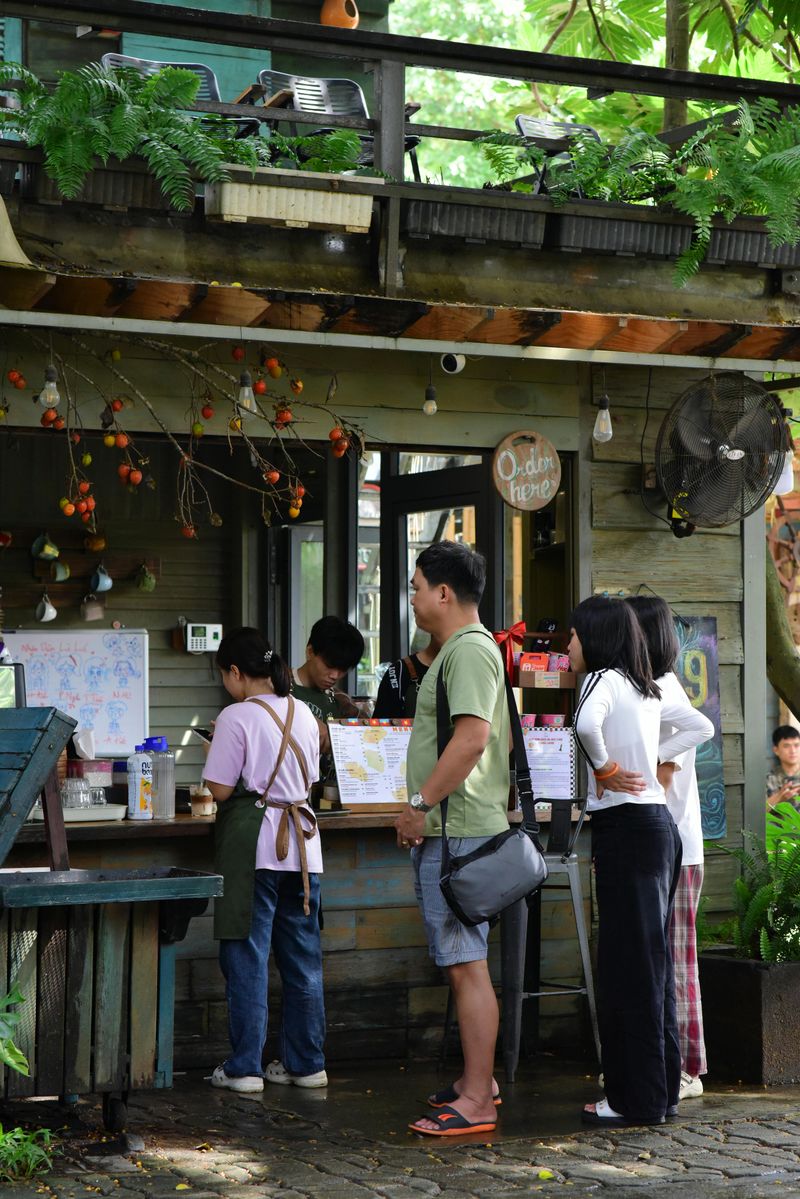
“Do what now?” is the speed bump that saves you from ordering wrong in a fast-moving line. It is not rude, it is calibration, a request for a second pass when the menu hits like a rodeo gate.
In a taqueria where choices sprint by, this phrase buys clarity without breaking rhythm.
You hear, you check, you nail the order.
Use it when a clerk asks hot or mild and you need temperature, not poetry. Use it when the special sounds like a rumor.
The beauty is how it keeps pride intact. No one minds, because precision keeps plates proper.
By the time the salsa lands, you’ll be fluent.
When the cashier smiles and answers, you learn the secret code: lengua, tripas, campechano.
If they counter with their own, “Do what now?” you probably mumbled through your hunger. Say it clean, point with purpose, and let the tortillas ferry your victory.
Misunderstanding ends, flavor begins.
Ask twice and eat right. Clarity is kindness, and this phrase is the friend who taps the brakes just enough to keep your taste buds pointed true.
7. “Texas-Sized”
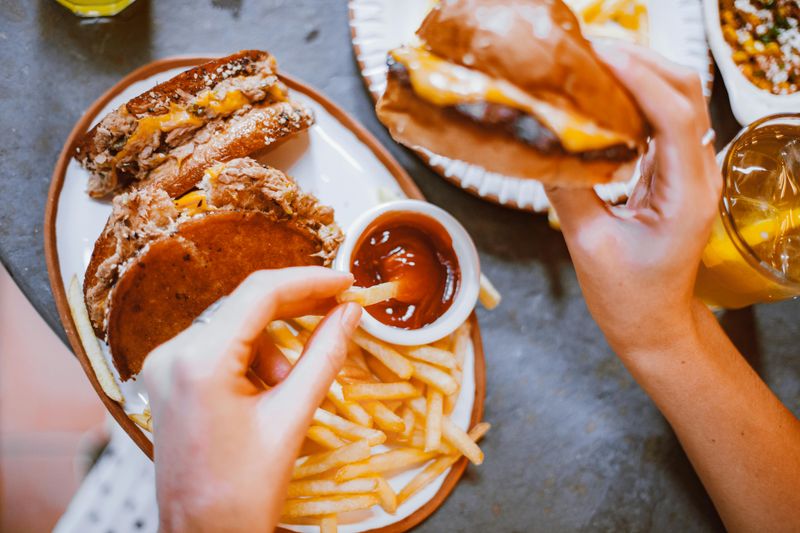
“Texas-sized” is less a measurement and more a mood. It means the plate needs an extra wrist to carry.
Think chicken fried steak spilling over the rim, cinnamon rolls like steering wheels, and baked potatoes that could anchor a boat. It is big, yes, but it is also generous, a promise that you will not leave wishing for more.
At diners and fairs, the phrase pulls you like a carnival barker.
You might be tempted to doubt the hype. Then the platter lands and the utensils look like toys.
The lesson is not excess alone. It is hospitality made visible, a way of saying your appetite deserves elbow room.
Manage it with strategy.
Share if you must, pace if you can, and box the rest like tomorrow’s trophy. If someone at the counter mutters, “All hat, no cattle,” give the meal a fair shot first.
The best Texas-sized dishes balance crunch with comfort and seasoning with soul. Quantity meets quality, or it does not count.
This is an event, not a snack. Order bold, bring friends, and tell the story later with both hands.
8. “Howdy”

“Howdy” is the grease that keeps conversations sliding easy across a counter. In Texas cafes, it arrives before water, before menus, before anyone asks where you are from.
The greeting is a porch swing in one word. It lowers the guardrails so the day can roll on buttered toast.
Say it to the server and watch the air warm. Good service in Texas is often reciprocal.
You offer respect, they offer refills, and everything tastes better in the exchange. “Howdy” makes you a participant, not a passenger. It is the simplest spice on the table.
Practical perks come with the mood. Locals may steer you toward the hidden pie of the day or the off menu breakfast taco that cures afternoons.
If you get a “Do what now?” after your greeting, speak up and lean in. The clatter fades, and the small-town rhythm wraps you like a quilt.
It is currency that always spends. Use it like salt, often and with care, and every bite will feel more yours.
9. “The Stars At Night Are Big And Bright”

Say the line and watch Texans clap mid bite, like muscle memory synced with the sky. “The stars at night are big and bright,” and somehow so is the appetite that grows under them. Road food tastes different when the horizon stretches like a tablecloth.
Kolaches vanish faster, jerky snaps louder, and the thermos coffee turns heroic.
The phrase is a location stamp as much as a lyric. It cues tailgate grills to wake and roadside stands to glow.
You feel it at high school games when nachos steam and at state parks where cast iron ticks beside mesquite. The night gives flavors space to echo.
Shadows make sauce taste deeper.
If someone answers, “Do what now?” invite them outside and let silence translate.
The constellations do the explaining, no menu required. Under that ceiling, even simple snacks get promoted.
Tortillas turn into warm envelopes for memory.
On the nights like this, you realize why we pack extra napkins and stories. Texas eats better when the sky is the sign.
10. “Y’all”
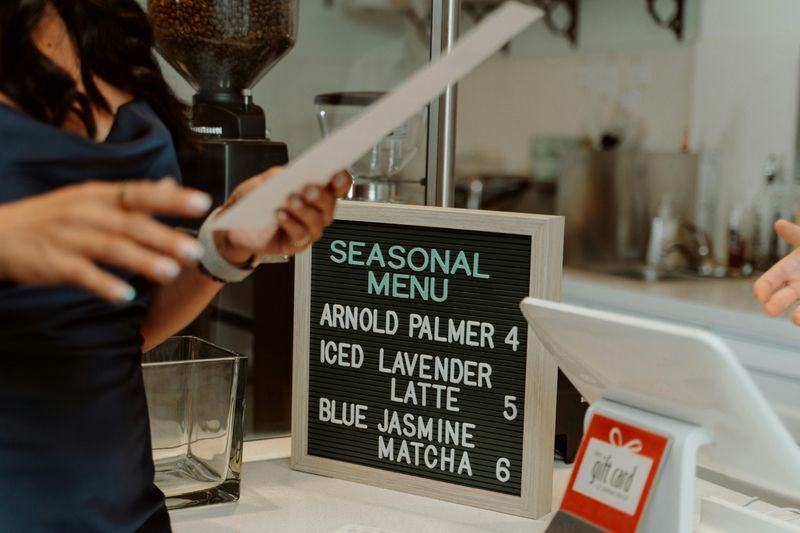
“Y’all” is more than plural. It is an open table policy, a built in invitation that makes room for seconds and stories.
In lines and drive thrus, it shortens the distance between strangers.
When the cashier says, “What can I get y’all?” the menu suddenly feels like a group project with extra salsa.
Culinarily, it encourages plates to migrate. One order of brisket becomes samples for the whole bench.
A tray of tacos gets subdivided by curiosity.
The word keeps food communal, which is how Texas prefers to eat. Forks travel, napkins pile, and nobody guards borders too hard.
Use it and watch service get smoother. It signals patience and camaraderie.
If someone replies, “Do what now?” repeat slower and smile. The room aligns.
Shared phrases create shared meals, and shared meals build trust faster than recipes.
Around here, y’all is a strategy as much as a sound. Say it, mean it, and your table will never run out of good bites.