
This Tiny Ohio Town Feels Like A Deep Breath You Didn’t Know You Needed
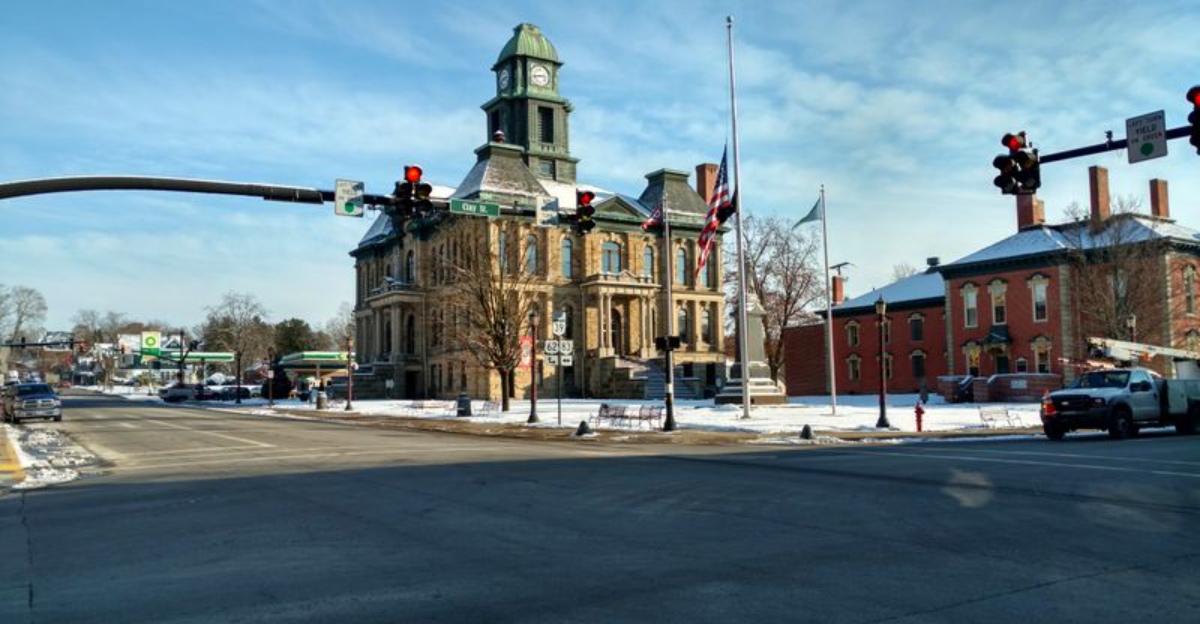
Tucked into the rolling hills of Holmes County sits a village where time seems to move at a different pace. This Ohio town doesn’t shout for your attention with flashy attractions or crowded tourist traps.
Instead, it whispers an invitation to slow down, breathe deeply, and remember what it feels like to simply exist without rushing. I discovered this quiet corner of the Buckeye State quite by accident during a road trip, expecting nothing more than a quick gas station stop.
What I found was something far more valuable: a place that reminded me how restorative simplicity can be. The charm here isn’t manufactured or packaged for social media.
It’s woven into the fabric of daily life, from the clip-clop of horse-drawn buggies to the unhurried conversations on Main Street. This is a town that gives you permission to exhale.
The Heart of Amish Country
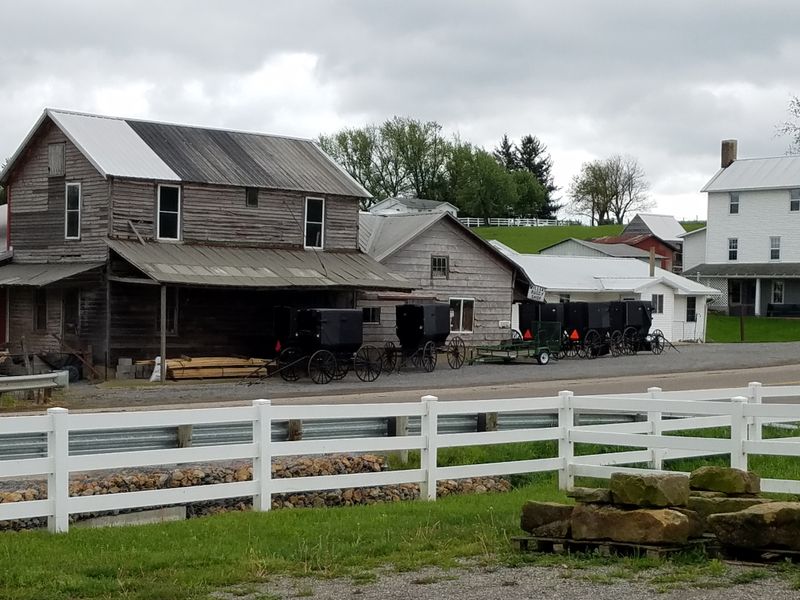
Millersburg serves as the county seat of Holmes County and the geographic center of one of the largest Amish settlements in the world. The moment I arrived, I understood why this place matters so much.
Traditional horse-drawn buggies share the roads with modern vehicles in a dance that somehow works perfectly. The Amish community isn’t just a tourist attraction here.
They’re neighbors, business owners, and craftspeople who’ve maintained their way of life for generations.
Walking through town, I noticed hitching posts outside storefronts where Amish families secure their horses while shopping. Farmland stretches in every direction, quilted with crops that change with the seasons.
The population of 3,151 means you’ll likely see familiar faces if you stay more than a day. This intimate scale creates a welcoming atmosphere that larger destinations simply cannot replicate, no matter how hard they try.
Main Street’s Timeless Appeal
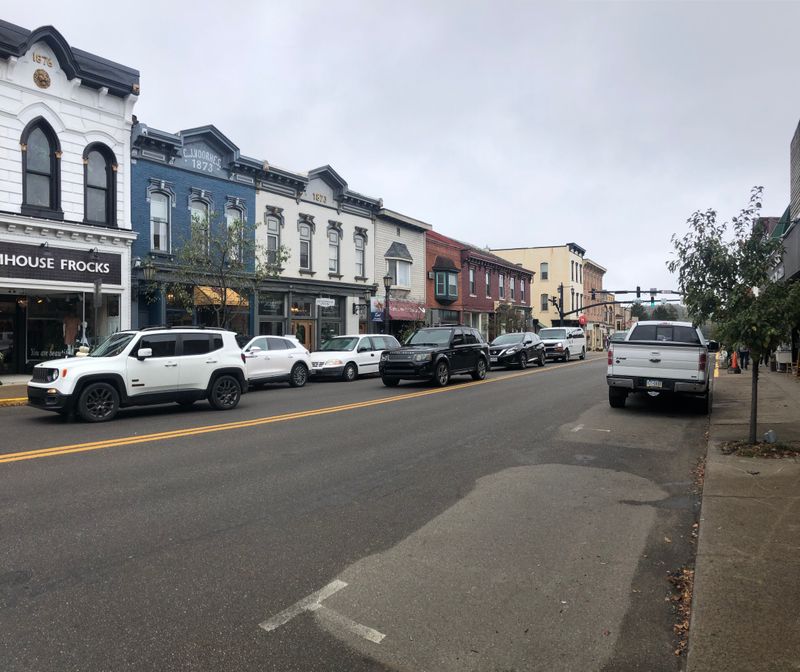
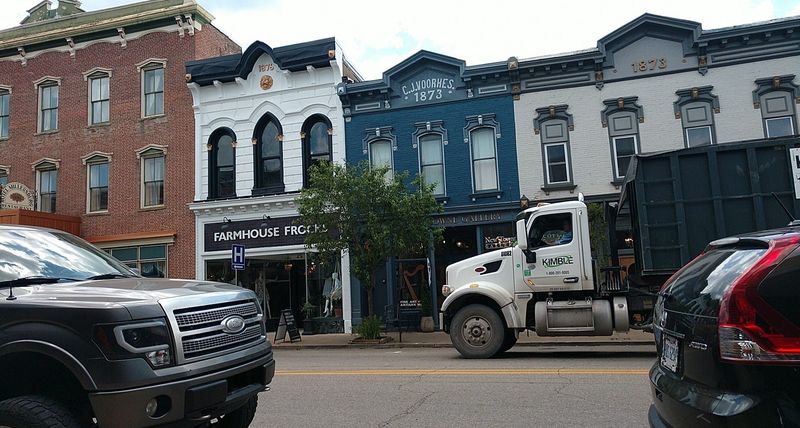
Main Street in Millersburg feels like stepping onto a movie set, except everything here is authentically functional. Brick storefronts house locally owned businesses that have served the community for decades.
I spent an entire morning just window shopping and chatting with shopkeepers who actually remembered my name by the second visit. The hardware store still uses wooden floors that creak with character.
The pharmacy maintains an old-fashioned soda fountain that serves hand-dipped ice cream.
What struck me most was the absence of chain stores and corporate branding. Every business reflects the personality of its owner, from the hand-painted signs to the carefully curated merchandise inside.
Benches line the sidewalks, and people actually use them for conversation rather than just phone scrolling. The pace here encourages lingering, browsing, and genuine human connection.
By afternoon, I’d collected three shopping bags and at least a dozen friendly recommendations for dinner spots.
Victorian House Museum Adventures

History comes alive at the Victorian House Museum, where twenty-eight rooms showcase life in the late 1800s. I’m not typically a museum person, but this place captured my attention immediately.
The mansion itself is an architectural marvel, with original woodwork, stained glass windows, and period furnishings that transport you backward in time. Each room tells a different story about how families lived, worked, and entertained during the Victorian era.
Knowledgeable guides share fascinating details about the home’s original owners and the broader context of life in Ohio during that period. I learned about everything from fashion trends to food preservation techniques that people relied on before refrigeration existed.
The attention to detail is remarkable. Even the wallpaper patterns and light fixtures are historically accurate reproductions or carefully preserved originals.
Spending an afternoon here gave me a deeper appreciation for modern conveniences while also highlighting the craftsmanship and beauty that defined earlier generations.
Farm-to-Table Dining Experiences
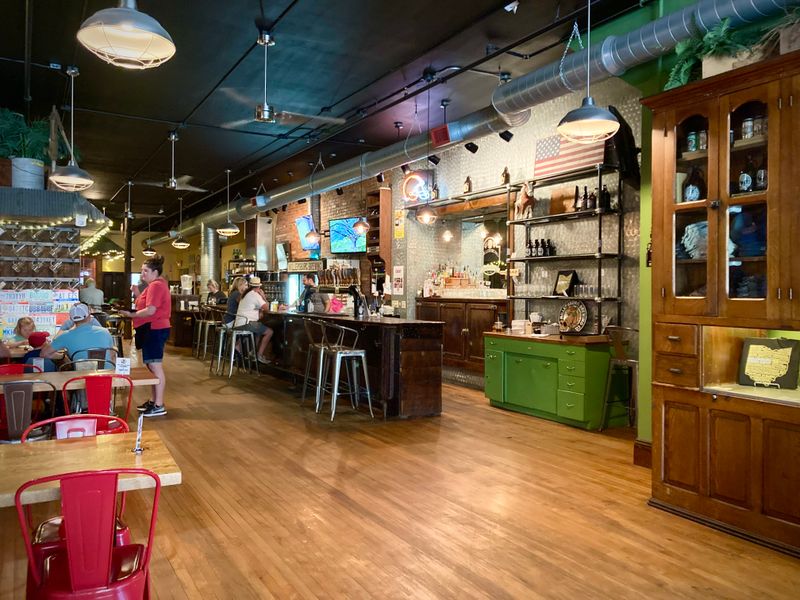
Restaurants in Millersburg serve food that actually tastes like food, not laboratory experiments. The farm-to-table concept isn’t a trendy marketing gimmick here.
It’s simply how things have always been done.
Local establishments source ingredients from surrounding farms, many of them Amish-owned operations that practice sustainable agriculture. The produce arrives fresh, often harvested that same morning.
I tried homemade noodles that melted on my tongue, mashed potatoes made from actual potatoes (not flakes), and pies with crusts so flaky they should be illegal. The portions are generous without being wasteful, and the prices remain surprisingly reasonable.
Many restaurants operate on a family-style service model, where large bowls and platters arrive at your table for sharing. This communal approach to dining encourages conversation and creates a welcoming atmosphere for solo travelers and large groups alike.
The servers genuinely care about your experience rather than just rushing you through to increase table turnover.
Handcrafted Furniture Shopping
Furniture shopping becomes an art form in Millersburg, where Amish craftsmen create pieces built to outlast their owners. Multiple showrooms throughout town display tables, chairs, beds, and cabinets constructed using traditional joinery techniques.
I watched a craftsman hand-plane a tabletop, creating curls of wood shavings that fell like ribbons. His movements were practiced and efficient, the result of decades perfecting his trade.
These aren’t mass-produced items stamped out in factories overseas. Each piece receives individual attention, from wood selection through final finishing.
The quality is immediately apparent when you run your hand across the smooth surfaces and test the sturdy construction.
Customization options are nearly limitless. You can choose wood types, stain colors, dimensions, and design details to create furniture perfectly suited to your space and style preferences.
Yes, quality craftsmanship costs more upfront, but these pieces become family heirlooms rather than disposable furniture that ends up in landfills after a few years of use.
Seasonal Festival Celebrations
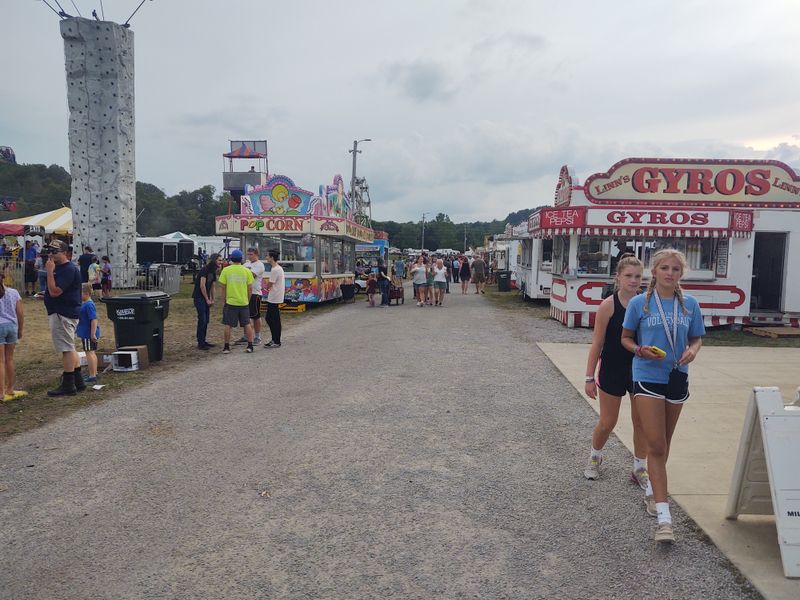
Throughout the year, Millersburg hosts festivals that bring the community together in celebration of seasons, harvests, and local culture. These aren’t corporate-sponsored events with inflatable mascots and aggressive vendors.
The festivals here feel authentic and community-focused, organized by residents who genuinely want to share their town’s character with visitors. I attended a fall festival where local artisans displayed their crafts, farmers sold produce, and families enjoyed live music performed by talented local musicians.
Children played old-fashioned games like sack races and three-legged races rather than staring at screens. Parents actually talked to each other instead of hovering over their offspring with paranoid intensity.
Food vendors served homemade specialties rather than the same tired carnival fare you find everywhere. I tried apple butter made from a recipe passed down through four generations.
The atmosphere felt inclusive and welcoming, with strangers striking up conversations as naturally as old friends catching up after time apart.
Countryside Scenic Drives
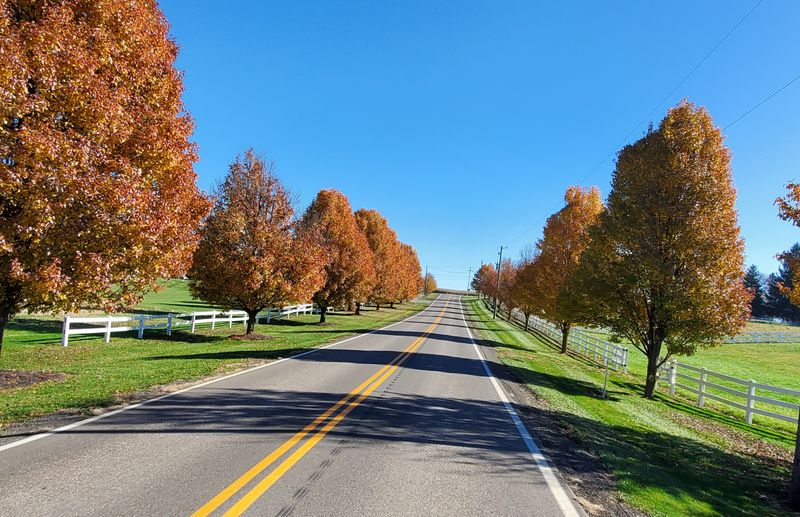
Roads surrounding Millersburg wind through some of the most picturesque countryside in Ohio, offering views that change dramatically with each season. I spent several afternoons just driving with no particular destination in mind.
Spring brings fields of bright green crops pushing through dark soil. Summer transforms the landscape into a patchwork of corn, soybeans, and hay fields that wave in the breeze.
Fall explodes with color as maple trees compete for attention with brilliant reds, oranges, and yellows.
Even winter has its charm, with snow-covered fields creating a peaceful monochrome landscape interrupted only by red barns and white farmhouses. Amish farms dot the hillsides, their simple architecture and absence of power lines creating scenes that could have been captured a century ago.
I encountered more horse-drawn buggies than traffic lights during my drives. The slower pace forced me to actually look at my surroundings rather than rushing past them in a blur.
These drives cost nothing but gasoline and time, yet they provided some of my most memorable moments.
Local Bakery Treasures
Bakeries in Millersburg produce goods that make you question every grocery store pastry you’ve ever purchased. The difference between industrial baking and traditional methods becomes crystal clear with your first bite.
I visited a bakery where everything is made from scratch daily using recipes that have remained unchanged for generations. The aroma alone nearly knocked me over when I opened the door.
Fresh bread still warm from the oven, pies with fruit fillings that actually taste like fruit, cookies with crispy edges and soft centers. These aren’t Instagram-worthy creations designed primarily for photographs.
They’re designed for eating and enjoying.
Prices remain remarkably affordable considering the quality and labor involved. The bakers arrive before dawn to start their work, ensuring everything is fresh when customers arrive.
I bought far more than I needed because I couldn’t resist trying different items. Everything I purchased disappeared within two days, consumed with an enthusiasm that bordered on embarrassing.
Quilting and Craft Traditions
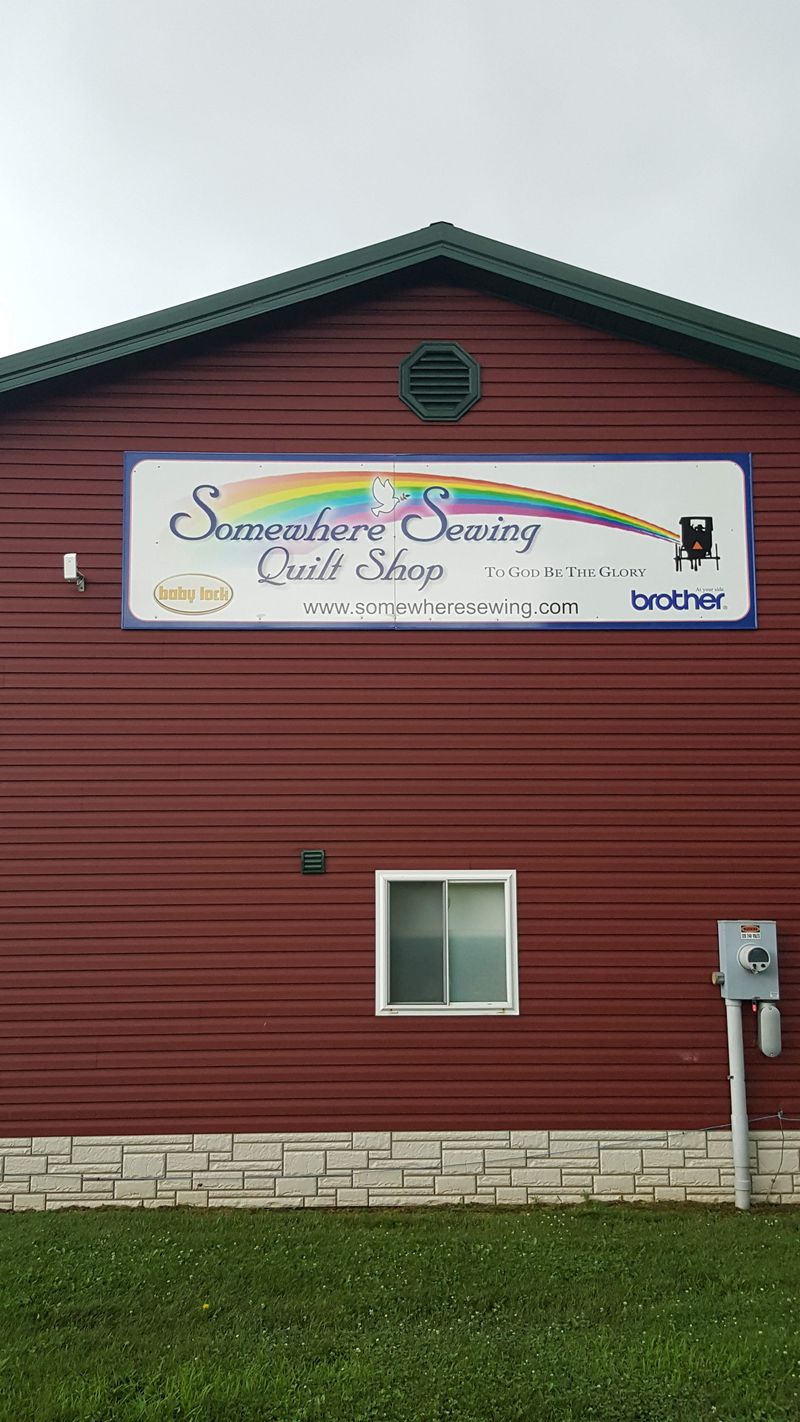
Quilting shops throughout Millersburg showcase an art form that combines mathematical precision with creative expression. These aren’t just blankets.
They’re textile masterpieces created through hundreds of hours of careful handiwork.
I watched quilters working on intricate patterns, their needles moving with practiced efficiency as they joined tiny pieces of fabric into complex designs. The patience required for this craft is extraordinary.
Traditional patterns carry names like Wedding Ring, Log Cabin, and Lone Star, each with its own history and symbolic meaning. Modern quilters also create contemporary designs while maintaining traditional construction techniques.
Beyond quilts, shops sell handcrafted baskets, pottery, woven rugs, and other items that represent skills passed down through generations. Each piece carries the mark of its maker’s individual style and expertise.
Purchasing these crafts means supporting artisans who dedicate their lives to preserving traditional skills in an increasingly automated world. The items you buy here tell stories and carry character that mass-produced alternatives simply cannot match.