
This Short And Easy Ohio Hike Ends With A Surprise You Won’t Forget
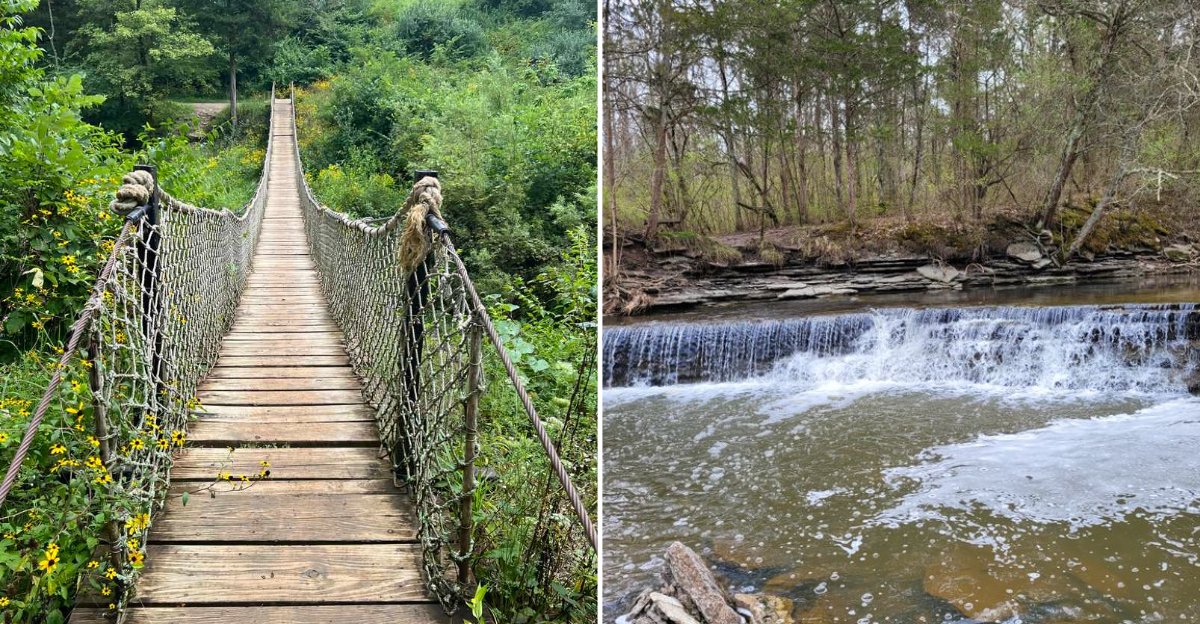
Most people think you need to travel hours to find a spectacular waterfall, but tucked away near Waynesville, Ohio, sits a natural wonder that proves them wrong. The trail is short enough for a quick morning adventure yet rewarding enough to make you want to return again and again.
I discovered this spot on a whim, and what started as a casual walk turned into one of my favorite outdoor experiences in the region. The path winds through peaceful woods, follows a babbling creek, and delivers an unexpected finale that makes every step worthwhile.
Whether you’re looking to escape the daily grind or introduce someone to the joys of hiking, this destination checks all the boxes without demanding an entire day or advanced fitness levels.
Finding Your Way to the Trailhead
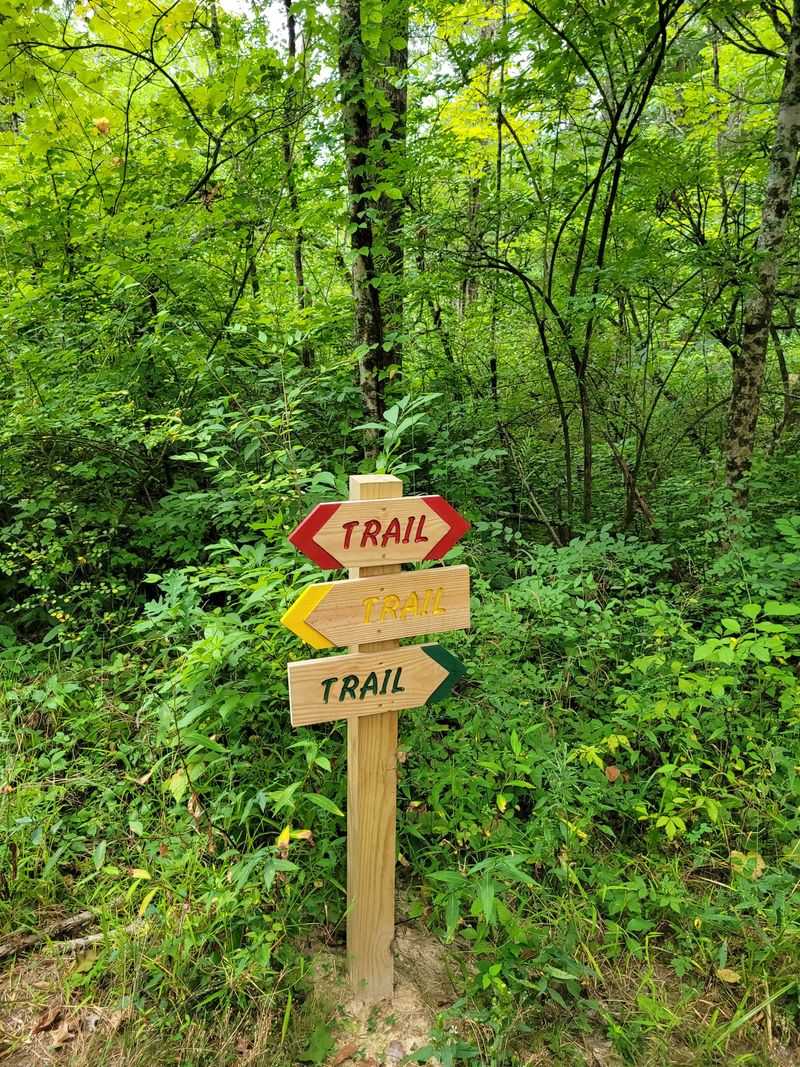
The adventure begins at Horseshoe Falls trailhead near Waynesville, Ohio. Getting there requires a bit of local knowledge since the road lacks a formal name, but your GPS will guide you directly to the parking area.
I arrived on a Saturday morning expecting crowds, but the lot had plenty of space. The trailhead itself features clear signage that immediately puts first-time visitors at ease.
Park officials have done an excellent job marking the paths with color-coded blazes on trees, so you won’t spend your hike second-guessing your route. The blue trail is your main artery to the falls.
One thing to note is the absence of trash cans, so pack out whatever you bring in. Bathrooms at the trailhead can be closed depending on the season, so plan accordingly before you start walking.
The parking area connects to several trail systems, making this a popular starting point for longer adventures too.
The Blue Trail Journey
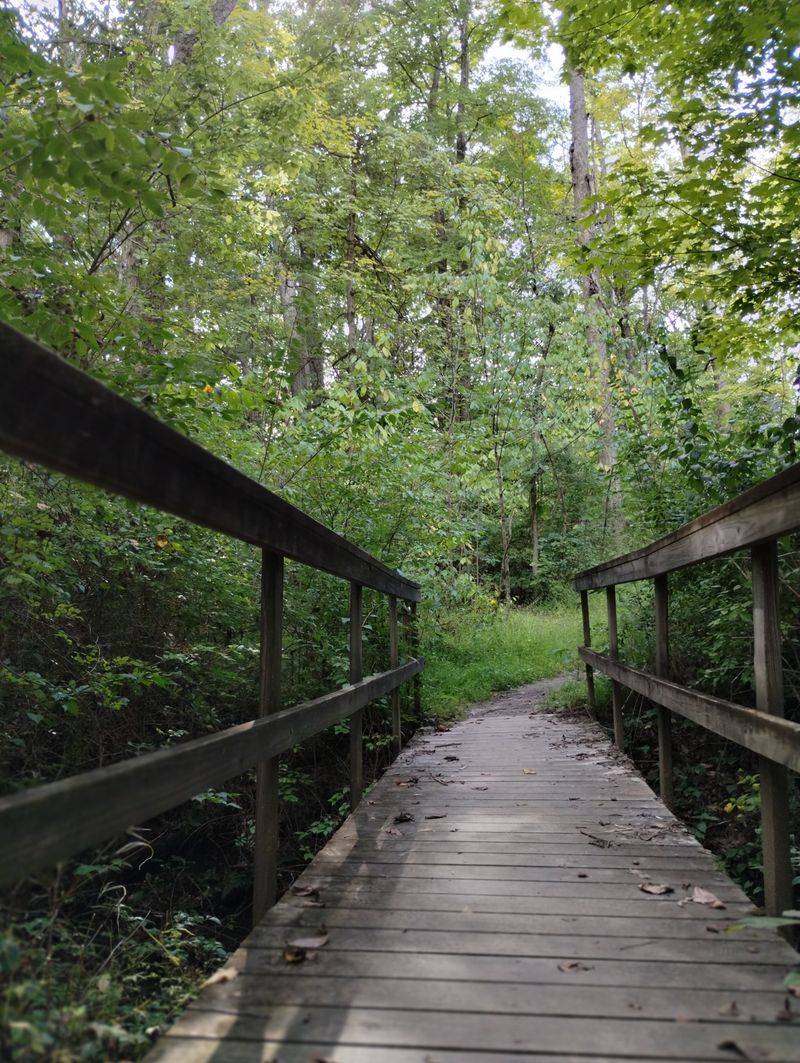
Following the blue-blazed trail is like reading a story that gets better with each chapter. The path stretches roughly seven-tenths of a mile from the trailhead to the falls, making it manageable for most fitness levels.
What I loved most was how the trail gradually builds anticipation. You start in open woodland, then descend gently toward the creek valley where the real magic happens.
The terrain varies from packed earth to occasional muddy patches, especially after rain. I wore regular hiking shoes and felt confident, though I noticed others in boots navigating the wetter sections with ease.
Tree coverage provides welcome shade during summer months, and the well-maintained path never feels overgrown or neglected. Elevation changes exist but nothing too steep or challenging.
The trail forms a short loop around the creek and falls, so you can either complete the full circuit or simply retrace your steps on the way back. That return journey offers a completely different perspective and feels shorter than the initial walk.
Creek-Side Companions
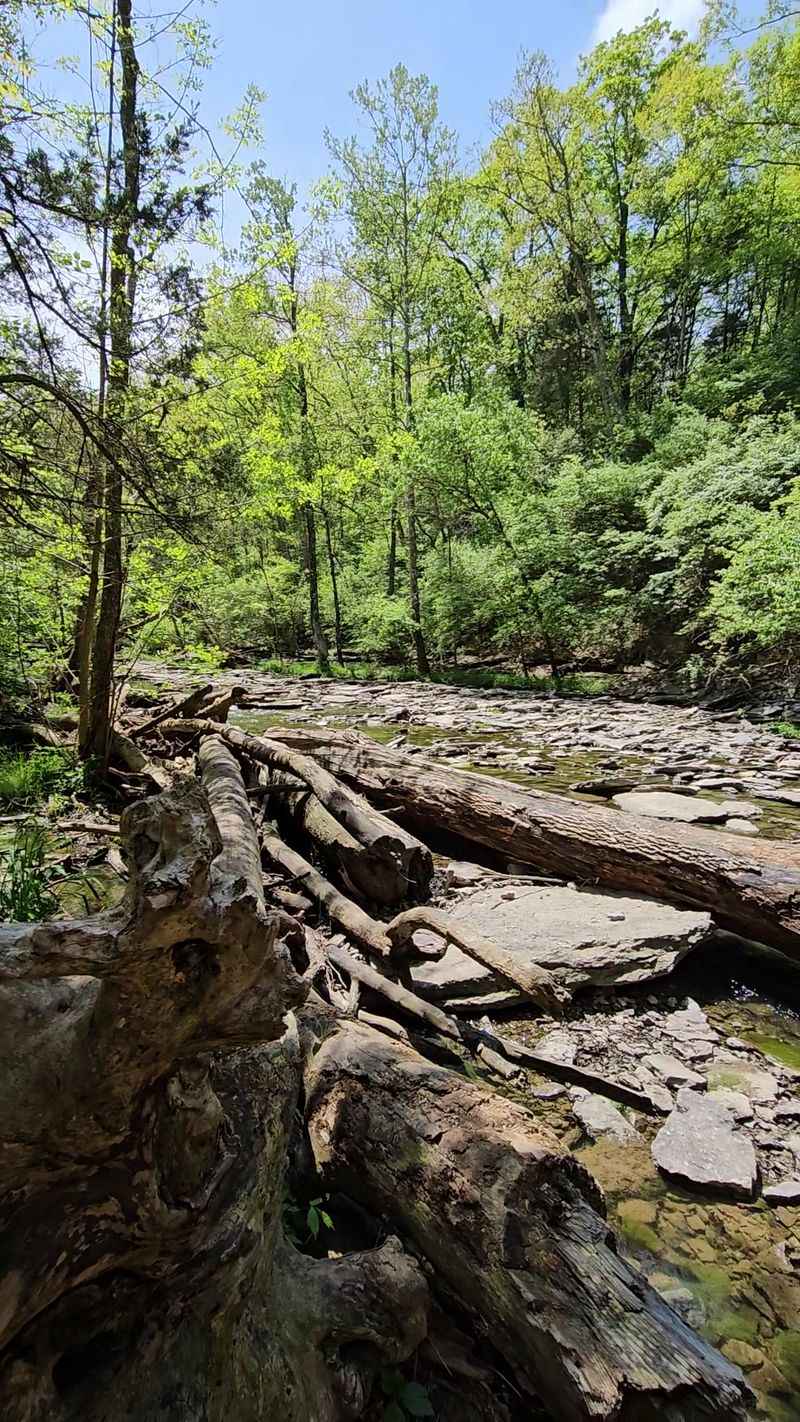
About halfway through your hike, the creek becomes your constant companion. The sound of moving water creates a natural soundtrack that drowns out any lingering worries from daily life.
I found myself stopping multiple times just to watch the water tumble over smooth stones. The creek bed is accessible in several spots, perfect for those who want to dip their toes or let kids splash around safely.
During drier months, water levels drop significantly, which means less dramatic flow but easier exploration of the creek bed itself. After heavy rain, the creek transforms into a rushing ribbon that adds energy to the entire experience.
Wildflowers bloom along the banks in spring and early summer, adding splashes of color to the green landscape. Local birds flit between trees, and if you’re quiet, you might spot deer coming down for a drink.
The creek essentially guides you toward your destination, so following it feels intuitive and natural.
The Waterfall Reveal
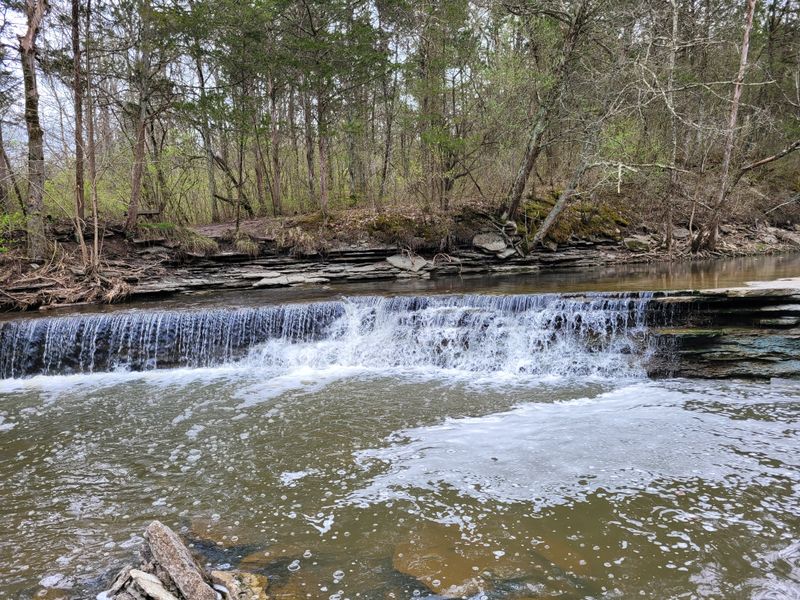
Rounding the final bend, the waterfall appears like a reward for your patience. Horseshoe Falls isn’t Niagara, but its intimate scale makes it feel personal rather than overwhelming.
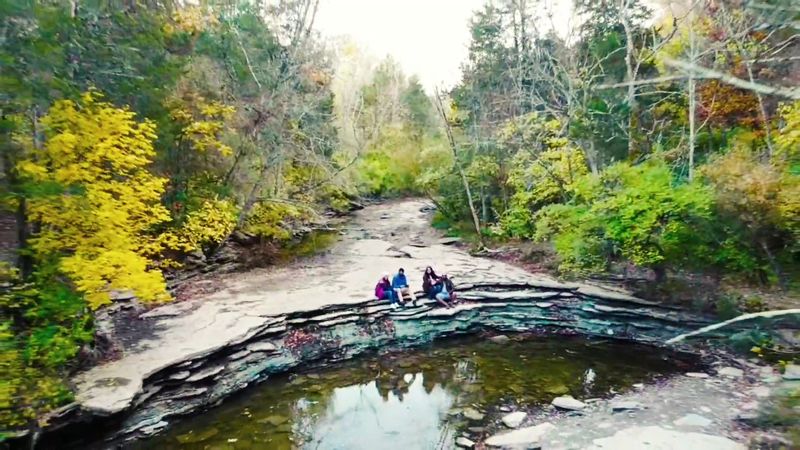
Water spills over a curved rock face that gives the falls its name, creating a horseshoe shape that’s most pronounced during high-water seasons. I visited in late spring when the flow was strong, and the sight stopped me in my tracks.
The layered rock wall behind the falls tells a geological story millions of years in the making. Each stratum represents a different era, and you can see where water has carved its patient path through stone.
During autumn, reviewers mention the falls can reduce to a trickle, but the exposed rock wall becomes easier to examine up close. The trade-off between water volume and accessibility changes throughout the year.
I spent a good twenty minutes just sitting on a nearby rock, listening to the water and feeling genuinely grateful for the easy access to such beauty.
Rock Wall Exploration
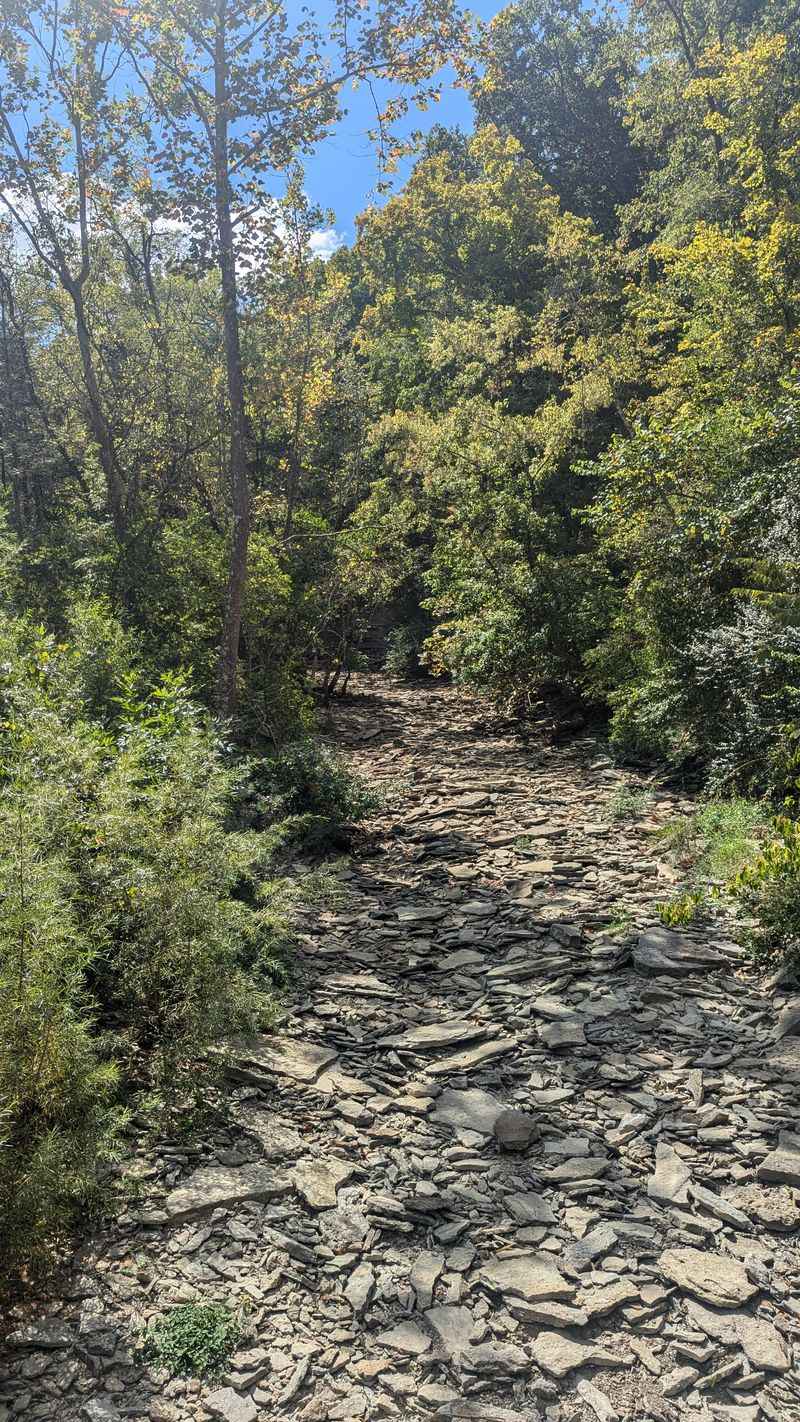
The rock wall surrounding the falls deserves its own spotlight. Towering layers of sedimentary rock create a natural amphitheater that amplifies the sound of falling water.
Geologists would have a field day examining the distinct bands of stone, each layer representing ancient deposits from when this area sat beneath a prehistoric sea. You don’t need a geology degree to appreciate the visual impact.
During dry spells when the waterfall reduces to a trickle, the exposed creek bed lets you walk right up to the wall. I carefully navigated the stones to get a closer look at the textures and patterns.
Moss and ferns cling to shaded sections, adding living decoration to the ancient rock. The wall curves around the falls area, creating a protected pocket that feels like a secret room in nature’s mansion.
Photographers love this spot because the rock provides dramatic framing for waterfall shots. Late afternoon light creates interesting shadows across the layered surfaces.
Seasonal Transformations
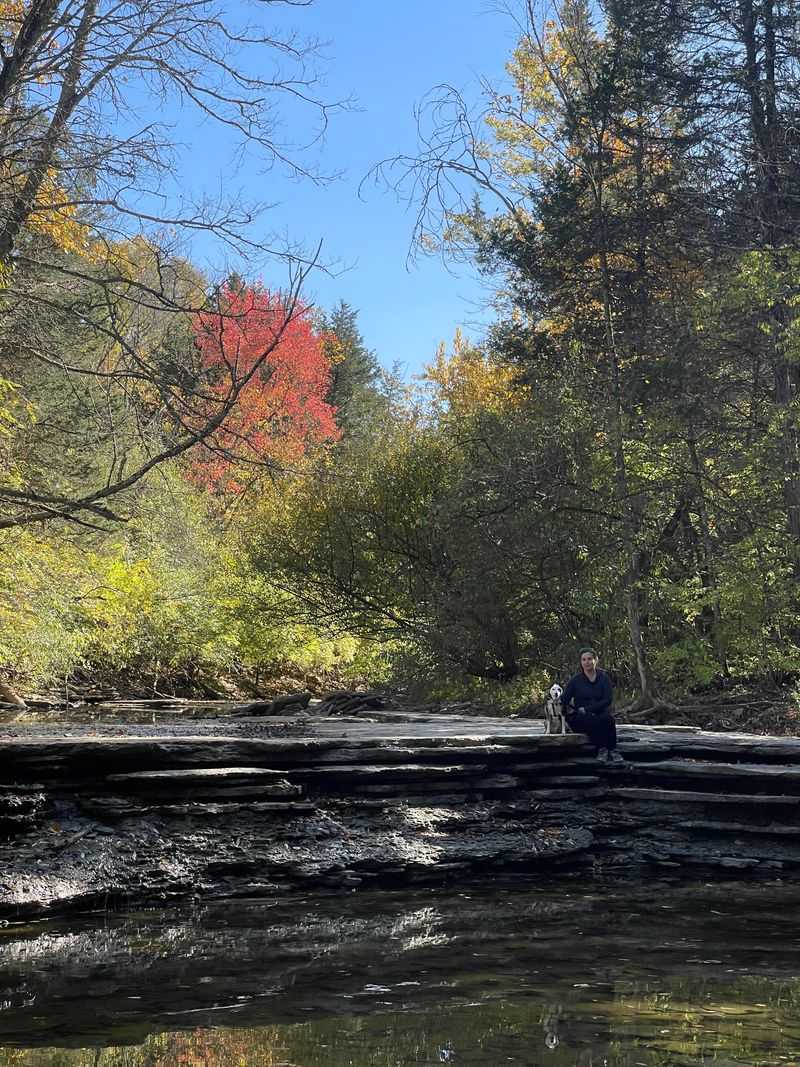
Each season rewrites the script at Horseshoe Falls. October brings the show-stopping performance when maples and oaks explode in reds, oranges, and yellows that rival any postcard.
I’ve heard from locals that autumn offers the best colors but the weakest waterfall flow. The creek bed dries up enough to let you explore areas that would be underwater during spring.
Spring delivers maximum water drama with snowmelt and seasonal rains pushing the falls to their fullest volume. The surrounding forest bursts with new growth, and wildflowers carpet the forest floor.
Summer brings deep shade and the chance to cool off in the creek, though be prepared for occasional muddy sections if afternoon storms roll through. The canopy thickness keeps temperatures comfortable even on hot days.
Winter transforms everything into a quiet, stark beauty. Ice formations can create temporary sculptures around the falls, though trail conditions require extra caution.
Family-Friendly Features
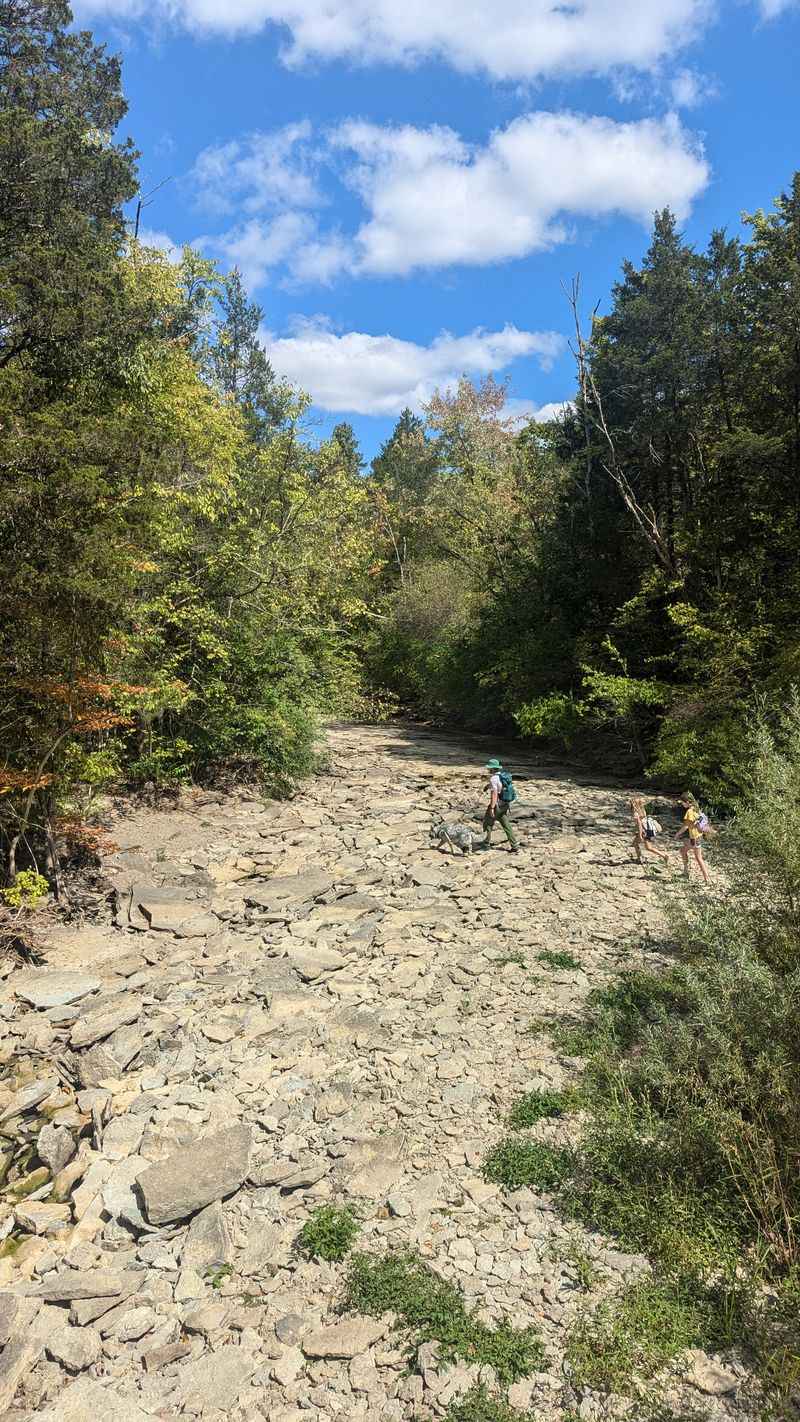
One reviewer mentioned hiking with ages ranging from eight to sixty-seven, which perfectly captures the trail’s accessibility. The distance and terrain strike a sweet spot for multigenerational outings.
Kids seem to love the destination-focused nature of the hike. Having a specific goal like reaching a waterfall keeps young hikers motivated better than aimless wandering.
The creek provides natural entertainment where children can safely play under supervision. Smooth stones, shallow pools, and small cascades create endless exploration opportunities for curious minds.
That said, strollers won’t work here. The uneven terrain, occasional steps, and narrow sections make this a hiking-shoes-required adventure.
Baby backpack carriers work great for little ones who can’t walk the distance yet.
Pack snacks and water since there are no facilities beyond the trailhead. The relatively short distance means you won’t need a full day’s provisions, just enough to keep energy levels up for the return walk.
The Swinging Bridge Option
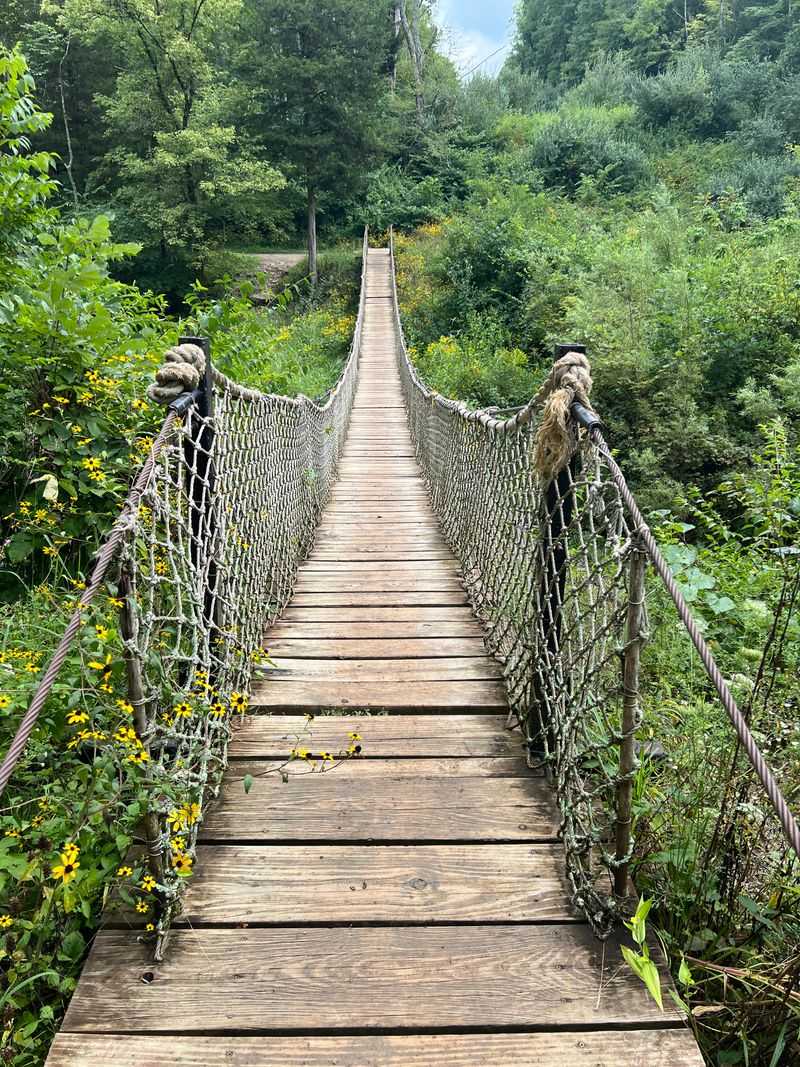
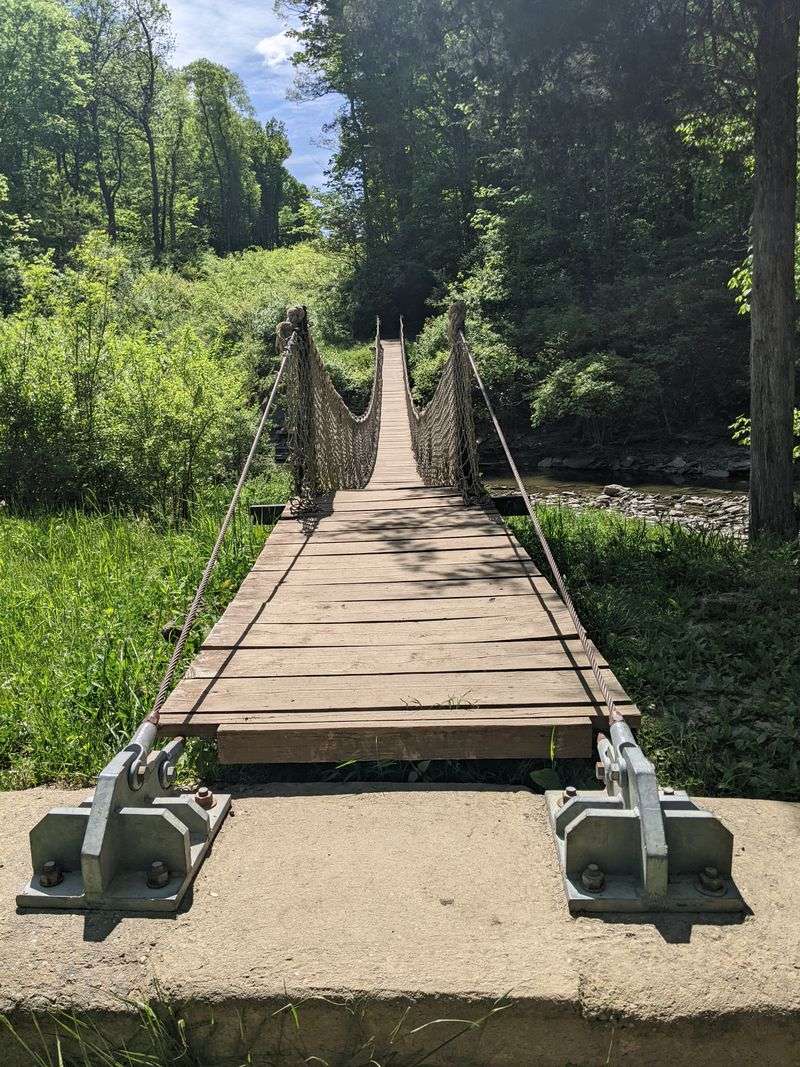
Just beyond the falls, a swinging bridge crosses the creek and connects to the yellow perimeter trail. The bridge itself adds a touch of adventure to your hike.
I crossed it on my visit and enjoyed the gentle sway beneath my feet. It’s sturdy and safe, but the movement adds just enough excitement to make kids giggle and adults smile.
From the bridge, you get a different vantage point of the creek and surrounding forest. Some hikers recommend crossing it and following the trail along the opposite bank for alternative views of the falls.
The yellow trail is significantly longer and loops back to different trailhead areas. Unless you’re planning an extended hike, most visitors turn around after the falls and bridge rather than committing to the full perimeter.
The bridge serves as a nice turnaround landmark. You can cross it, explore a bit further, then head back the way you came without getting lost or overextending your adventure.
Best Visiting Times
Timing your visit can dramatically affect your experience. Early morning offers the best chance for solitude, cooler temperatures, and soft light that photographers adore.
I arrived around nine in the morning and had the falls almost entirely to myself for the first fifteen minutes. By late morning, more visitors arrived but never enough to feel crowded.
Weekdays naturally see fewer hikers than weekends, though this trail never reaches the congestion levels of more famous Ohio destinations. Even on busy days, the forest absorbs people well.
After rainfall is when the waterfall truly shines with maximum flow and drama. Check recent weather and plan your visit for a day or two after storms if you want to see the falls at their most impressive.
Avoid visiting during temperature extremes. Summer afternoons can get humid despite tree cover, and winter ice makes the trail treacherous.
Spring and fall offer the most comfortable conditions overall.
Trail Connections and Extended Hiking
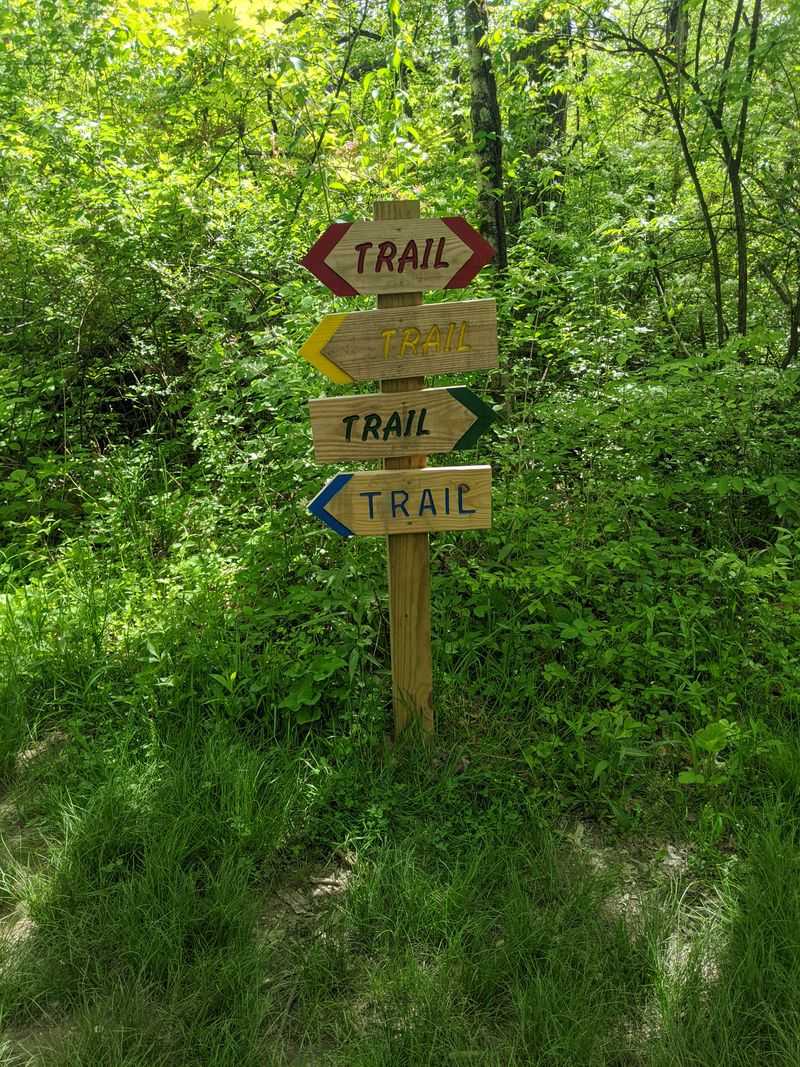
Horseshoe Falls serves as just one destination within a larger trail network. The red Cove trail and green Peninsula trail branch off from the main system, offering extended hiking options.
I stuck to the blue trail during my first visit, but I’ve since learned that the Peninsula trail provides excellent views of Caesar Creek Lake. That route showcases different terrain and ecosystems.
The entire trail system is well-marked with color-coded blazes that prevent confusion at intersections. New signage installed in recent years has improved navigation significantly.
If you’re an experienced hiker looking for more challenge, combining multiple trails can create a longer loop. Just be aware that extending your hike means committing to several more miles.
The Wellman Trailhead serves as another access point to this trail network. Some hikers prefer starting there and approaching the falls from a different direction, though most reviews suggest the Horseshoe Falls trailhead for the most direct route.
Making the Most of Your Visit
A few simple preparations will enhance your Horseshoe Falls experience. Wear real hiking shoes rather than sneakers, especially if recent rain has left the trail muddy.
Bring water and light snacks even though the hike is short. Having refreshments at the falls lets you linger and truly soak in the atmosphere rather than rushing back.
A small towel comes in handy if you plan to wade in the creek. The water is refreshing on warm days, and drying off before the return hike prevents uncomfortable squishing in your shoes.
Hiking poles aren’t necessary for most people, but those with balance concerns or knee issues might appreciate the extra stability on uneven sections. Several reviewers mentioned using poles successfully.
Finally, silence your phone and practice some digital detox. The falls create a peaceful sanctuary where the only soundtrack should be water, birds, and rustling leaves.
This short escape from screens and schedules offers something increasingly rare in our connected world.