
This Illinois Zoo Is A Hidden Family Adventure Full Of Wild Surprises
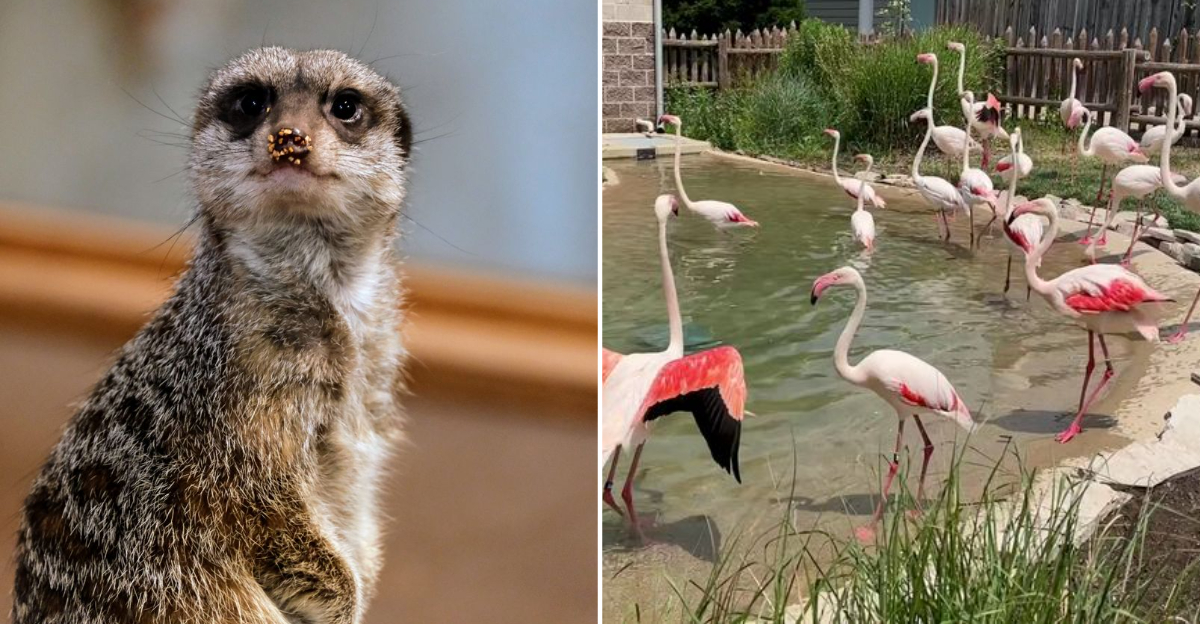
I wasn’t planning to spend the afternoon at a zoo when I turned into the park road in Bloomington, Illinois, but curiosity won. What I found surprised me.
The grounds felt calm, easy to navigate, and refreshingly unpretentious, yet the animal lineup carried real weight. I didn’t need a map or a game plan; the paths naturally pulled me along at a comfortable pace.
Within minutes, I was face-to-face with species I usually associate with far larger institutions. The smaller footprint changed everything.
It meant clearer views, shorter walks, and more time actually watching animals instead of searching for them. The whole place delivered substance without exhaustion, offering a wildlife experience that felt personal, approachable, and unexpectedly memorable in the middle of Illinois.
Interactive Animal Encounters

Walking into this zoo’s interactive areas, like the Children’s Zoo and Wallaby WalkAbout, felt like stepping through a portal where the barrier between observer and participant dissolves.
The goat enclosure invites you to get your hands dusty while these curious creatures investigate your pockets and shoelaces with the determination of tiny detectives.
I spent a solid twenty minutes watching kids giggle as goats eagerly investigated visitors along the enclosure fence, creating some of the zoo’s most hands-on moments.
The Wallaby WalkAbout habitat takes things up a notch, featuring both wallabies and wallaroos in an immersive exhibit setting. These marsupials hop around with such casual grace that you forget you’re in Illinois and not the Australian Outback.
They’re surprisingly approachable, and watching them lounge in the grass while kids observe their oversized feet never gets old. Indoor exhibits like the Tropical America Rainforest add a completely different vibe, surrounding visitors with birds, reptiles, and lush greenery.
Colorful birds flit overhead while you walk through their domain, and the sounds create this tropical atmosphere that transports you miles away. These hands-on experiences transform a simple zoo visit into something memorable, giving families stories they’ll retell long after they’ve left.
These interactive exhibits prove that bigger isn’t always better when it comes to creating meaningful connections with wildlife.
Intimate Wildlife Experience
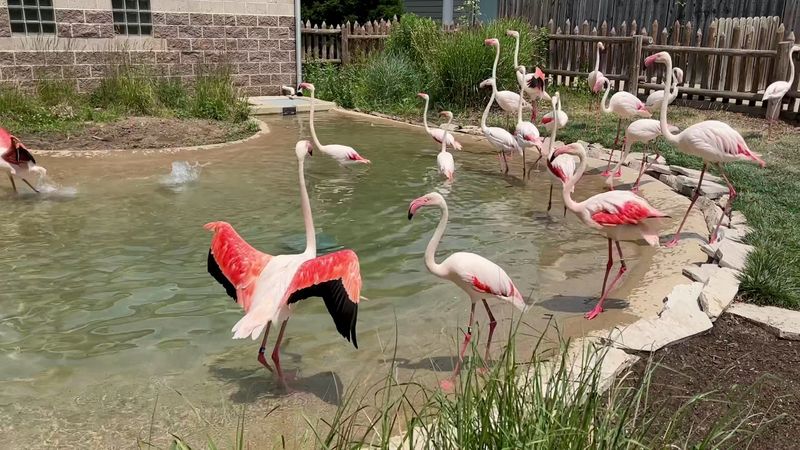
Measuring your zoo visit in hours instead of days changes everything about the experience. I completed two full loops of Miller Park Zoo in about two hours, and that included stopping to read every sign and watch a red panda nap for fifteen minutes straight.
The manageable size means toddlers won’t melt down halfway through, and parents won’t need to carry exhausted kids back to the car.
Every habitat sits close enough to the next that you maintain momentum without feeling rushed. The layout flows naturally, guiding you from one animal to the next without confusing maps or backtracking.
I noticed families with strollers navigating easily, and grandparents keeping pace without looking winded.
This intimacy also means the animals feel more present and visible. There’s no squinting across football-field-sized enclosures trying to spot a distant speck that might be a lion.
The exhibits bring you right up to the glass or fence, creating genuine eye contact moments with creatures you’d normally only see as tiny dots.
The compact design also makes field trips practical, which explains why I saw several school groups moving through efficiently. Sometimes the best adventures come in smaller packages that deliver bigger impact.
Impressive Big Cats Prowl Just Steps Away
Nothing prepares you for standing face-to-face with a tiger, separated only by thick glass that suddenly feels very thin. Miller Park Zoo houses a Sumatran tiger whose presence fills the entire viewing area with raw power and beauty.
I watched this magnificent cat pace along the glass, muscles rippling under that iconic striped coat, and felt my heart rate spike despite knowing I was perfectly safe.
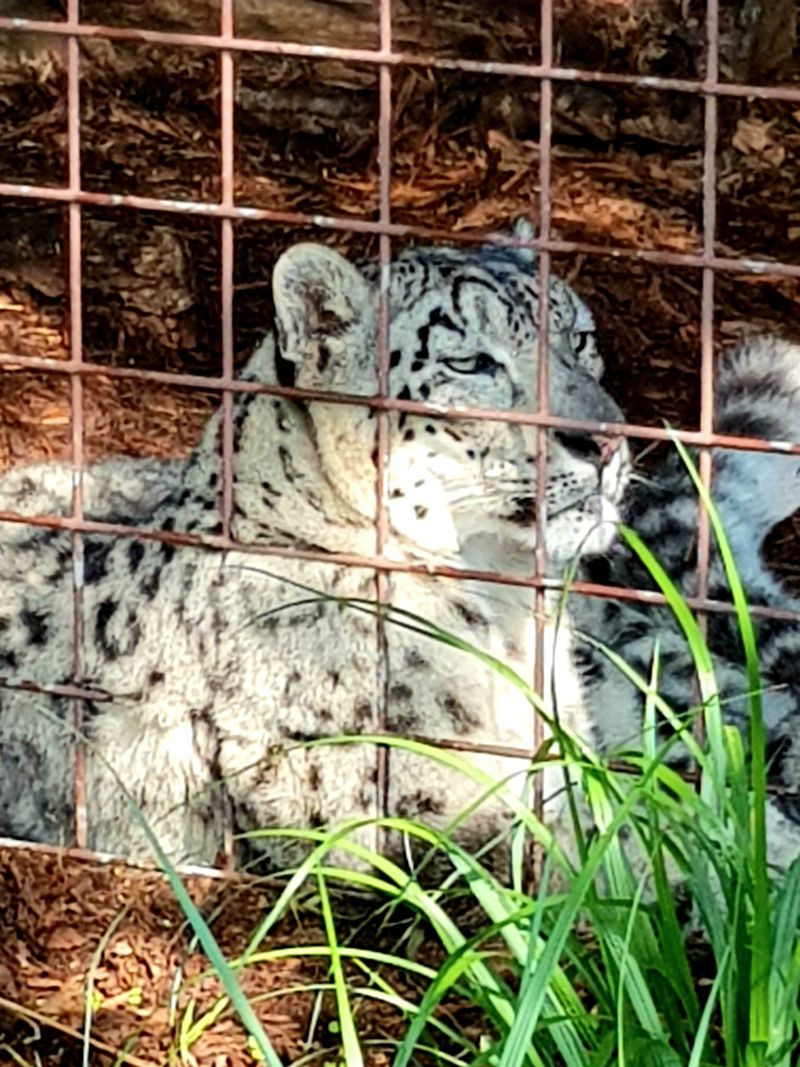
The snow leopards offer a completely different energy but equal wow factor. These elusive mountain cats rarely sit still in the wild, but I caught them lounging on elevated platforms, their thick spotted fur looking impossibly soft.
Their pale blue eyes tracked movements with laser focus, reminding everyone that these fluffy-looking cats are apex predators.
Having such impressive big cats at a smaller zoo feels like discovering a secret. These aren’t animals you expect to see outside major metropolitan zoos, yet here they are in Bloomington, Illinois.
The exhibits give these cats enough space to move naturally while keeping them visible to visitors.
Watching a tiger yawn reveals teeth the size of your thumb, and suddenly you understand why these animals command such respect and fascination across cultures.
Red Pandas Steal Hearts with Every Move
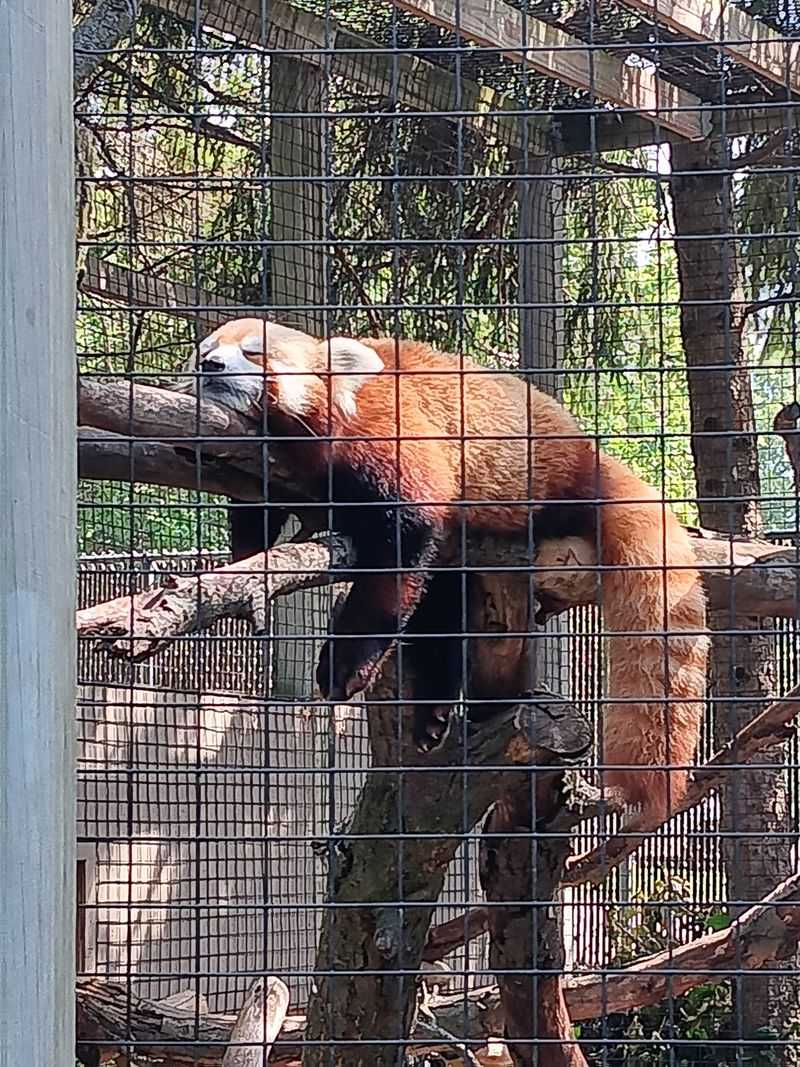
Red pandas operate on a different wavelength than other zoo animals, moving with this deliberate slowness that makes you want to protect them from the entire world.
The one I observed at Miller Park Zoo spent most of my visit methodically eating bamboo, holding each piece with tiny hand-like paws that could melt the coldest heart. These tree-dwelling mammals look like someone combined a raccoon, a teddy bear, and a house cat, then added extra cuteness.
Their reddish-brown fur catches sunlight in ways that make them glow, and that ridiculously fluffy tail serves as both blanket and balancing tool.
I watched families crowd around the exhibit, kids pressing their noses to the glass while parents snapped photo after photo. Red pandas have this magnetic quality that transcends age groups.
What makes them special beyond their appearance is their endangered status. Seeing one in person drives home the importance of conservation efforts in a way that reading statistics never could.
These animals face habitat loss in their native Himalayan regions, making every zoo population crucial for species survival. Miller Park Zoo’s red panda serves as both ambassador and reminder that small actions toward conservation matter.
Plus, watching one scratch its ear with a back foot while clinging to a branch provides pure joy.
Affordable Admission Makes Wildlife Accessible

Sticker shock hits hard at many attractions these days, but Miller Park Zoo keeps prices refreshingly reasonable. I paid less for admission than I’d spend on a mediocre lunch, which immediately set a positive tone for the entire visit.
This pricing philosophy removes financial barriers that prevent families from experiencing wildlife education and outdoor recreation.
The affordability extends beyond just getting through the gate. The gift shop offers souvenirs at prices that won’t make parents cringe, and the overall experience delivers serious value for the cost.
I’ve paid triple the price at larger zoos only to feel more rushed and less connected to the animals.
Budget-friendly admission also means families can visit multiple times throughout the year without breaking the bank. Repeat visits let kids watch animals through different seasons, noticing how behaviors change with weather and time.
The zoo’s commitment to accessibility through pricing reflects a community-focused mission rather than pure profit motivation. Concessions are available on select days and seasons, giving visitors another way to support the zoo during their visit.
Fair pricing paired with quality experiences builds loyalty and ensures that wildlife education reaches beyond privileged zip codes.
Friendly Staff Enhance Every Visitor Interaction
Staff attitudes can make or break any outing, and Miller Park Zoo’s team clearly received the memo about hospitality. Multiple visitors mentioned helpful and friendly encounters, which might sound basic but becomes noteworthy when so many places employ people who act like customers are interruptions.
I asked for directions to the restrooms and got not just clear instructions but also a tip about the best viewing time for the otters.
The staff’s knowledge extends beyond simple directions. They answer questions about animal behaviors, feeding schedules, and conservation efforts with genuine enthusiasm rather than rehearsed scripts.
This engagement transforms a casual visit into an educational experience where learning happens naturally through conversation.
I noticed staff members actively monitoring exhibits, ensuring both animal welfare and visitor safety without being overbearing. They strike this balance between being present and letting people explore independently.
The cleanliness of the grounds also reflects well on the entire team, showing pride in their workplace. When employees care about their zoo, that energy radiates outward and elevates everyone’s experience.
Good staff can’t fix a bad zoo, but great staff absolutely enhance an already solid one, creating those small positive moments that stick in memory long after you’ve forgotten specific animal names.
RV-Friendly Parking Welcomes Road Trippers
Road trippers driving recreational vehicles know the special anxiety of approaching attractions and wondering if their rig will fit anywhere.
Miller Park Zoo offers free on-site parking, and the surrounding Miller Park lots provide ample space for larger vehicles. I watched a family in a thirty-foot motorhome pull in with zero drama, no tight squeezes or nervous backing up required.
This accommodation matters more than non-RV owners might realize. Many families use their recreational vehicles for extended trips through the Midwest, and finding RV-friendly stops that offer more than just parking lots makes the difference between a memorable journey and a stressful slog.
The zoo becomes a perfect break point on longer drives through Illinois. The parking situation also signals thoughtful planning by zoo management.
Its location in Bloomington makes it a convenient stop for travelers exploring central Illinois or driving along historic Route 66 corridors nearby.
Adequate parking means families don’t waste time circling lots or walking exhausting distances from overflow areas. RV travelers often share recommendations within their community, so word spreads quickly about welcoming stops.
Miller Park Zoo’s RV-friendly approach likely brings in visitors who might otherwise bypass Bloomington entirely, proving that small accommodations create big impacts on visitor numbers and community exposure.
Full Accessibility Ensures Everyone Can Explore

True accessibility goes beyond legal minimums and becomes baked into design philosophy. Miller Park Zoo achieves this with pathways smooth enough for wheelchairs, walkers, and strollers to navigate without constant jarring or obstacles.
I observed an elderly couple using a walker moving through exhibits at their own pace without struggling or needing assistance.
The viewing areas at animal habitats sit at multiple heights, ensuring wheelchair users and children can see clearly without straining or missing out.
This thoughtful design means everyone in a group shares the same experience rather than some people getting inferior views. Ramps replace stairs wherever possible, and when elevation changes occur, the transitions flow naturally.
Accessible restrooms and facilities complete the picture, removing those small frustrations that accumulate during outings. The compact size actually works in accessibility’s favor here because shorter distances between exhibits reduce fatigue for people with mobility challenges.
I noticed the zoo’s commitment to accessibility extends to its manageable layout and accessible pathways, making it easier for visitors of all mobility levels to explore comfortably.
When venues prioritize accessibility, they signal that all visitors matter equally. This inclusivity transforms the zoo from a place some people can visit into a space where everyone belongs, which fundamentally changes the community’s relationship with the institution.
Bonus Amenities Create a Full Day Experience

Miller Park Zoo sits within Miller Park itself, which means you can easily pair your zoo visit with a variety of nearby park attractions. Nearby within Miller Park, a seasonal splash pad offers relief during hot Illinois summers when humidity makes you feel like you’re breathing soup.
Kids can cool off after walking through the zoo, extending your visit without anyone overheating or getting cranky.
The playground equipment provides another outlet for energy that builds up during the zoo’s more observational moments. Young kids especially need these physical activity breaks between exhibits, and having play structures nearby means you don’t need to drive somewhere else to let them burn off steam.
The park setting also includes picnic areas perfect for packed lunches.
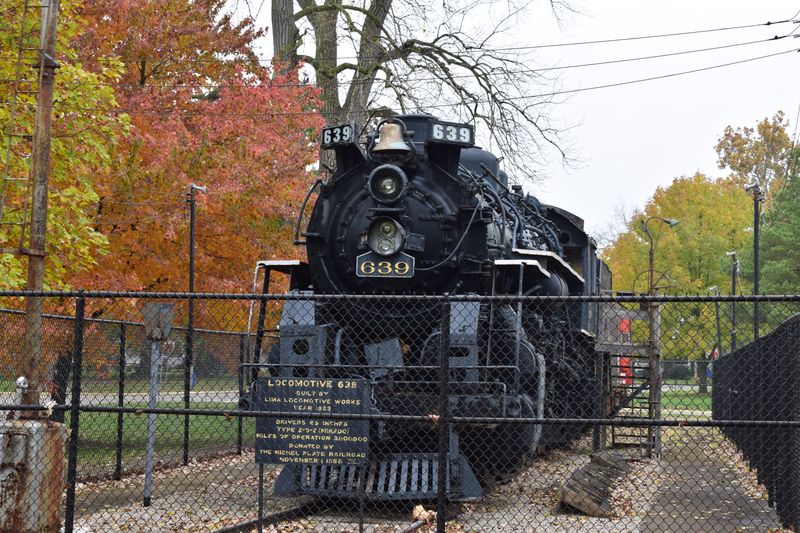
A seasonal mini-golf course near the zoo entrance adds yet another activity option for families visiting during warmer months. Historic railroad displays, including a preserved locomotive, appeal to train enthusiasts and add historical context to the park.
This clustering of activities transforms a simple zoo visit into a full day of varied entertainment. Parents can gauge their kids’ moods and pivot between activities as needed, preventing meltdowns and boredom.
The variety also means different family members find something they enjoy, making the trip feel worthwhile for everyone rather than just the animal lovers in your group.
Seasonal Visits

One reviewer mentioned visiting during cold weather when most animals stayed indoors, which actually offers unique viewing opportunities rather than disappointments. Indoor habitats concentrate animals in smaller spaces, often bringing them closer to viewing windows than outdoor exhibits allow.
I’ve found winter zoo visits surprisingly rewarding because animals often show more activity in climate-controlled environments versus summer heat that makes everyone sluggish.
The changing seasons also affect which animals you’ll see most active. Cold-weather species like snow leopards become more energetic when temperatures drop, while tropical animals retreat to heated spaces where you can observe them without weather interference.
Spring brings baby animals, summer offers lush greenery, fall provides comfortable temperatures, and winter creates this quiet intimacy with fewer crowds.
Understanding seasonal patterns helps you plan visits around what you most want to see.
If you’re determined to watch outdoor animals, summer visits make sense. But if you want close encounters with big cats and other indoor species, colder months deliver better experiences.
The zoo remains open year-round, with daily operating hours and only select holiday closures.
Multiple visits across seasons reveal how dynamic the zoo actually is, with the same exhibits offering completely different experiences depending on when you arrive. This seasonal variation adds replay value that justifies membership or repeat visits throughout the year.