
There’s A One Of A Kind Collection Of 100 Plus Restored Fire Trucks At This Museum In Arizona
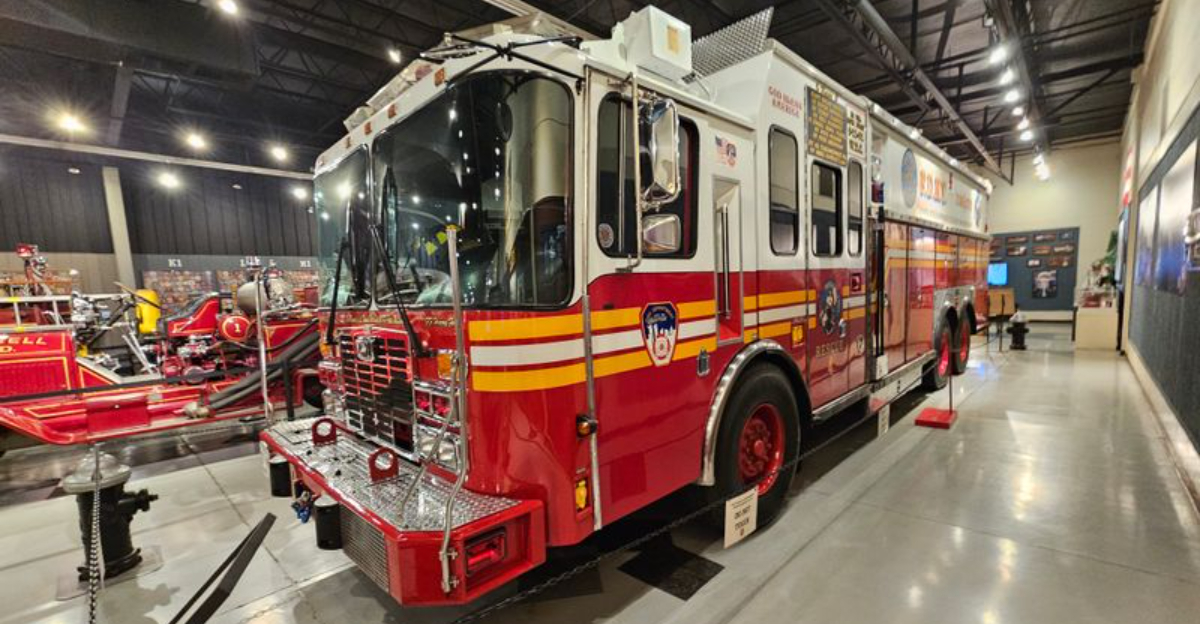
I had no idea how much firefighting history could fit under one roof until I started wandering through gallery after gallery, each one packed with apparatus dating back to 1725.
This collection holds more than 100 restored fire trucks, and every single one seems to whisper tales of smoke, courage, and the clever engineering that kept communities safe long before modern technology arrived.
What started as a casual museum stop turned into hours of fascination as I discovered hand-pumped engines, steam-powered giants, and gleaming mid-century trucks that still look ready to roll out on a call.
Arizona somehow makes history feel close enough to touch, even when it is centuries old. I left with a new respect for every bolt, bell, and polished panel that once raced toward trouble.
The Sheer Scale Of The Collection
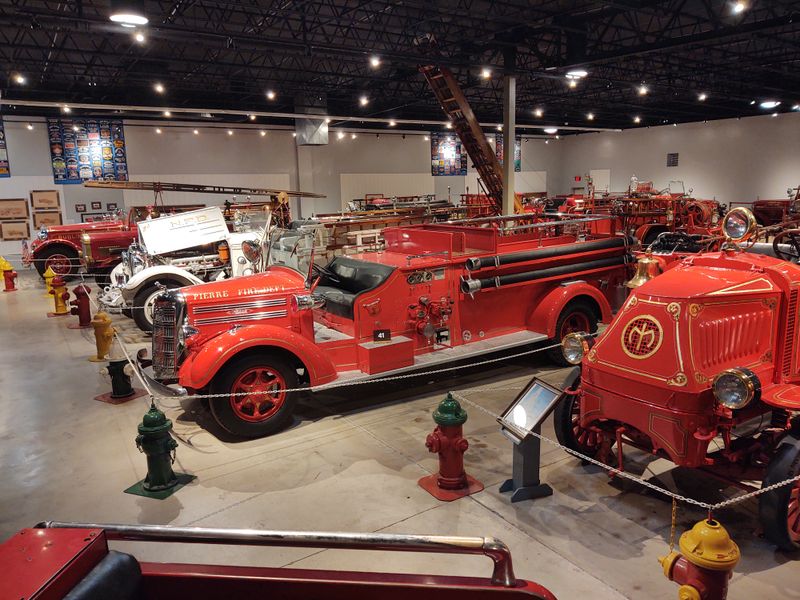
Standing in the first gallery, I quickly realized this museum does not mess around when it comes to firefighting history.
More than 100 restored fire trucks fill the space, ranging from hand-drawn carts that volunteers pulled through colonial streets to motorized beasts from the 1960s that could pump thousands of gallons per minute.
Each truck sits polished to mirror-bright perfection, and the chronological layout lets you watch firefighting technology evolve right before your eyes. I spent at least two hours just in the opening sections, marveling at how much ingenuity went into every hose connection, ladder mount, and bell.
The museum sprawls across multiple rooms, and every turn reveals another era of apparatus I had never seen before. Staff members told me some visitors budget three to four hours to truly appreciate the depth of what is on display, and I believe them.
By the time I reached the modern equipment sections, my brain was swimming with pump capacities, hose diameters, and the sheer bravery required to operate these machines in actual emergencies.
Walking into the Hall of Flame Fire Museum feels like stepping into a century-spanning garage where every corner hides another polished red machine with its own battle-tested story
Apparatus Spanning Three Centuries
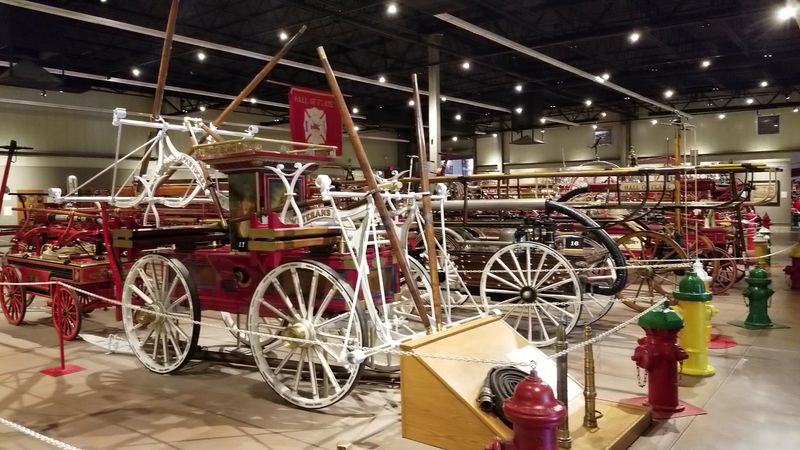
One of the oldest pieces in the collection dates back to 1725, and seeing it up close made me appreciate just how physically demanding early firefighting was. This hand-pumped engine required a team of volunteers to haul it to the fire, then more volunteers to work the pump handles while others aimed the nozzle.
The craftsmanship is stunning, with brass fittings and wooden components that somehow survived centuries. Moving through the galleries,
I watched the technology shift from human power to horse-drawn steam pumpers, then to motorized trucks that could race to emergencies at speeds unimaginable to earlier generations.
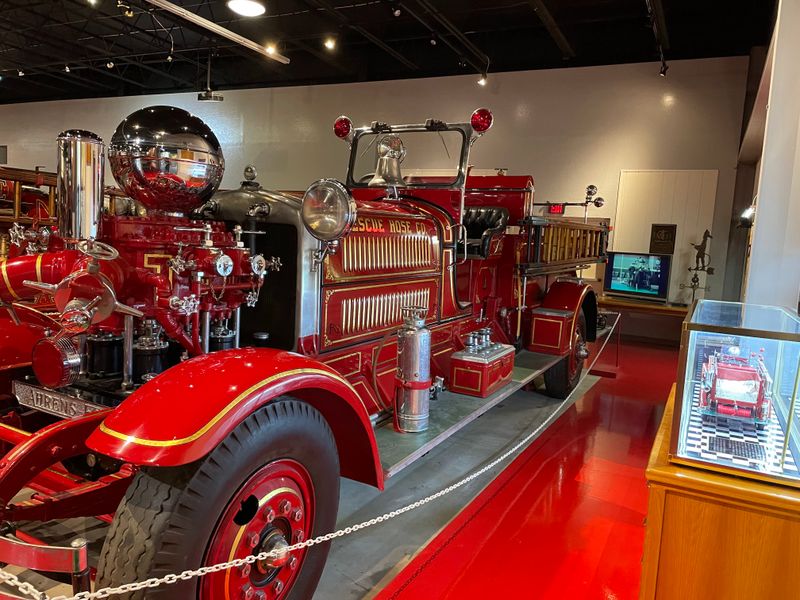
Each era brought new challenges and solutions, and the museum does an excellent job explaining why certain designs succeeded or failed. I found myself lingering over a beautifully restored 1920s pumper, imagining the crew that once rode it through Phoenix streets.
The progression from simple leather buckets to complex hydraulic systems tells a story of innovation driven by necessity, and every truck represents lives saved and communities protected.
Restoration Work And Attention To Detail
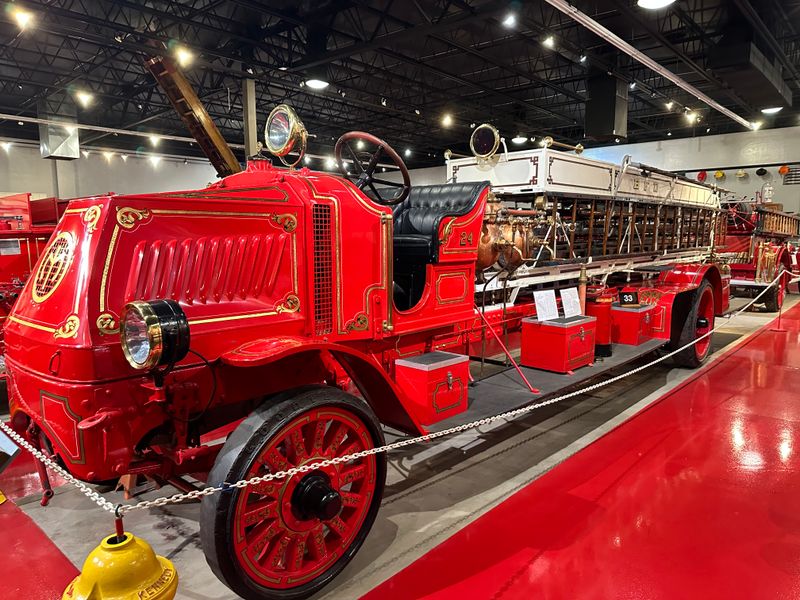
The level of restoration on these trucks is absolutely mind-blowing. I could see my reflection in the paint of a 1950s pumper, and the chrome details gleamed like they had just rolled off the factory floor.
Museum staff and volunteers spend countless hours bringing these apparatus back to their original glory, tracking down authentic parts and matching paint colors to historical records.
Every gauge, hose coupling, and ladder bracket gets attention, ensuring that each truck looks exactly as it did when it served its community.
I noticed small placards explaining the restoration process for certain pieces, describing the detective work required to identify correct components or recreate missing elements.
Some trucks arrived at the museum in rough shape, with decades of weather damage or modifications that obscured their original design.
The dedication to authenticity means visitors see these machines as firefighters once knew them, complete with period-appropriate equipment and markings. Walking around a fully restored 1940s ladder truck, I could almost hear the crew shouting commands and smell the smoke they once battled.
Educational Exhibits Beyond The Trucks
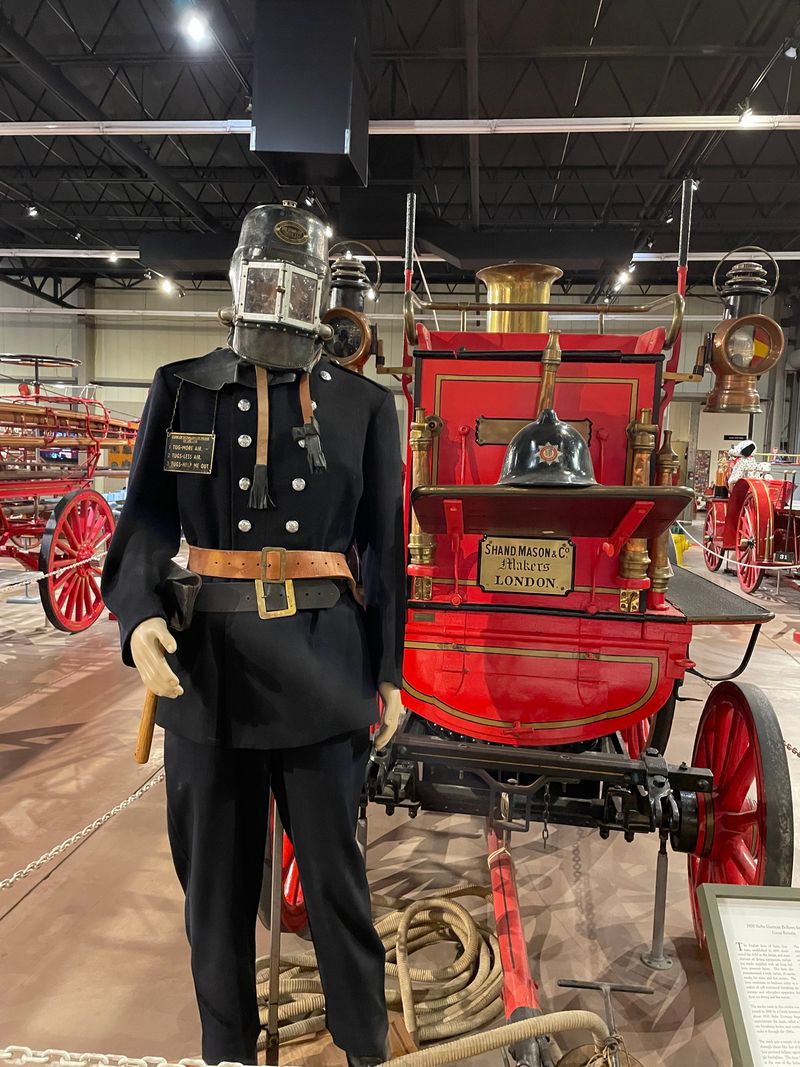
While the trucks steal the show, the museum offers so much more than shiny apparatus. Detailed exhibits explain how firefighting tactics evolved, how communities organized their fire brigades, and what daily life looked like for firefighters across different eras.
I spent time reading about the bucket brigades that protected colonial towns, where every able-bodied person formed human chains to pass water from wells to burning buildings.
Later displays showed how steam technology revolutionized pumping capacity, allowing crews to fight larger fires more effectively.
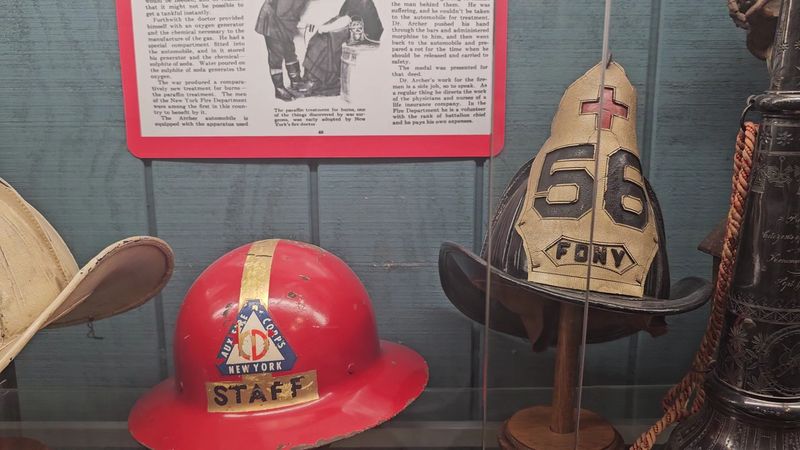
The museum also houses collections of helmets, uniforms, badges, and tools that firefighters carried into danger. I found myself fascinated by the communication equipment, watching how fire alarms progressed from church bells to telegraph systems to modern radio networks.
Interactive elements let younger visitors try on kid-sized gear or learn fire safety principles through hands-on activities. The educational depth ensures that every age group leaves with new knowledge about this essential public service and the people who risk everything to protect others.
Memorials To Fallen Heroes
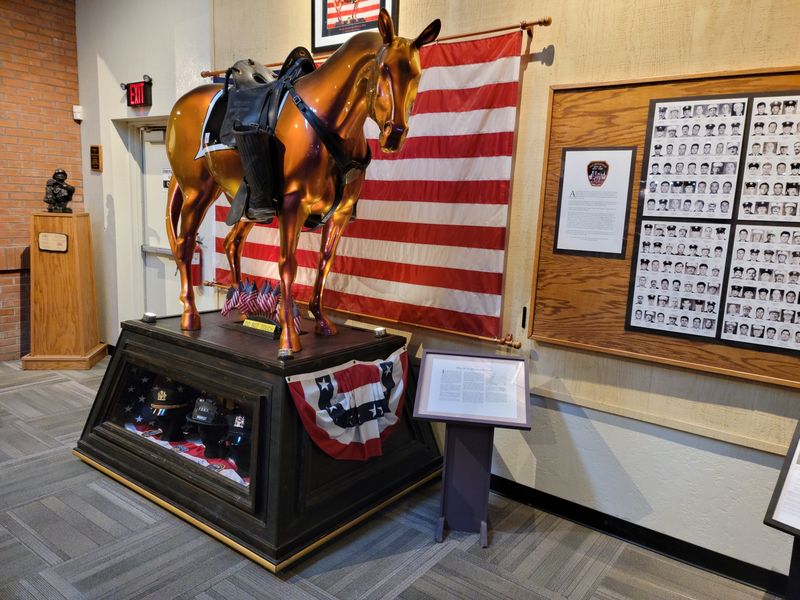
The museum includes a National Firefighting Hall of Heroes that honors those who made the ultimate sacrifice while serving their communities. Walking through this section felt different from the rest of the museum, quieter and more reflective.
Plaques and displays remember firefighters from across the country, including those lost on September 11, 2001, and the Arizona Hotshots who perished fighting wildland fires.
I saw a truck that responded to Ground Zero, its scarred paint and dusty panels left unrestored as a powerful reminder of that terrible day.
These memorials provide important context for all the gleaming apparatus in the other galleries, reminding visitors that every truck represents real people who faced real danger.
The museum treats these tributes with appropriate reverence, creating spaces where families can remember loved ones and visitors can reflect on the cost of public service.
I left this section with a deeper appreciation for the courage required to climb onto those trucks and race toward emergencies while everyone else runs away.
Family-Friendly Features And Activities
Parents will appreciate how well the museum accommodates younger visitors without dumbing down the content. A dedicated play area lets kids climb on a real fire truck, ring bells, and pretend to fight fires while learning safety principles.
My friend brought her toddler along, and he absolutely lost his mind over the bright red trucks and flashing lights. The staff members were incredibly patient and friendly, answering his endless questions and even showing him special features on certain apparatus.
Interactive exhibits teach fire safety through games and hands-on activities, ensuring that entertainment comes with practical knowledge kids can use at home. The museum strikes a nice balance between serious historical preservation and accessible family fun.
I watched several families spending hours exploring together, with parents reading placards while children marveled at the size and details of the trucks.
The spacious layout means strollers can navigate easily, and the staff clearly enjoys engaging with younger visitors who might grow up to become the next generation of firefighters or fire safety advocates.
Knowledgeable Staff And Volunteer Tours
Several reviews mentioned Bob, a volunteer who apparently delivers legendary tours on Fridays, and I completely understand the enthusiasm.
The staff and volunteers at this museum are not just friendly; they are genuinely passionate experts who can talk for hours about pump capacities, ladder mechanics, and the history of specific departments.
I opted for a self-guided visit, but I overheard portions of a tour and found myself eavesdropping shamelessly because the guide shared fascinating details I would have completely missed otherwise. These volunteers often have firefighting backgrounds themselves or have spent years researching the collection.
They can explain why certain design features appeared, how departments chose their apparatus, and what challenges crews faced with different equipment. If you have time, I strongly recommend taking advantage of the guided tour option.
The depth of knowledge these folks possess transforms the experience from looking at old trucks to understanding the evolution of an entire profession and the communities it served.
Practical Visitor Information
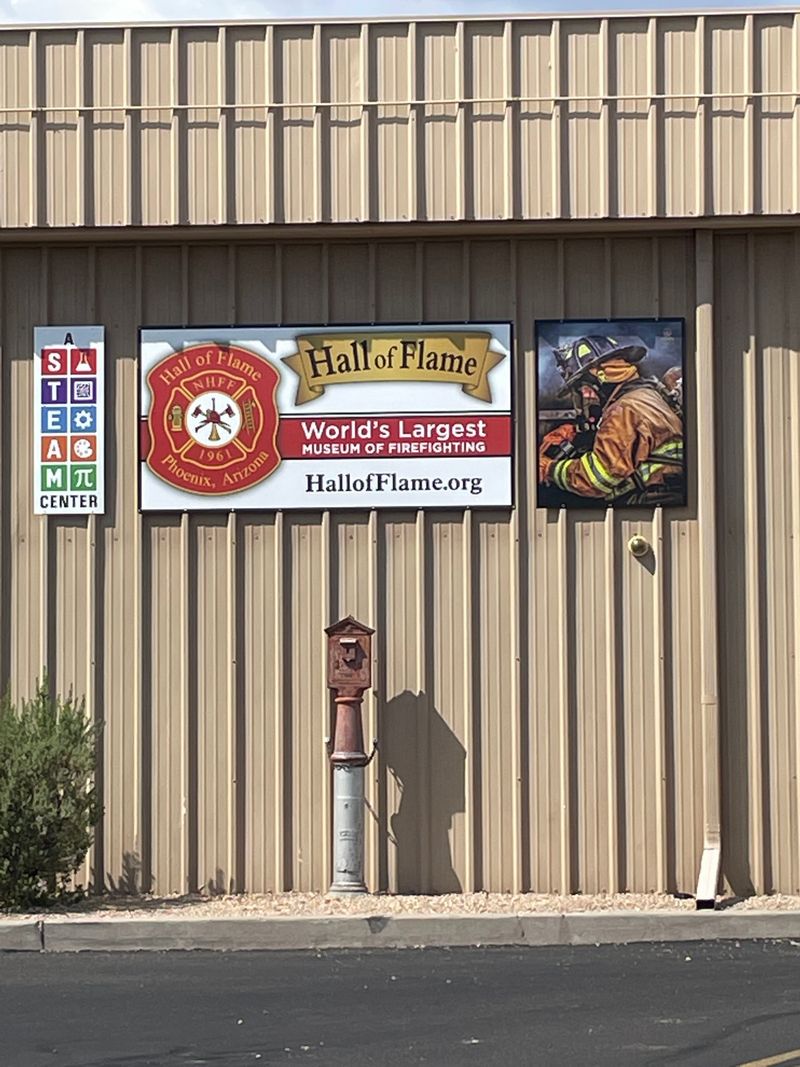
The museum sits at 6101 E Van Buren St, Phoenix, and opens Tuesday through Saturday from 10 AM to 6 PM. It stays closed on Sundays and Mondays, so plan accordingly if you are visiting from out of town.
I recommend budgeting at least two hours for a quick overview, though three to four hours works better if you want to read exhibits thoroughly and really appreciate the collection. Admission prices are reasonable, and annual passes are available if you live locally and want to return multiple times.
The facility is massive, so wear comfortable shoes and be prepared for lots of walking. I found the staff incredibly helpful when I had questions about specific trucks or needed directions to particular exhibits.
With a 4.8-star rating from over 1,300 reviews, this museum clearly delivers a quality experience that satisfies everyone from serious fire service professionals to families looking for an educational afternoon.
The combination of spectacular apparatus, rich history, and passionate staff makes it a standout attraction that deserves far more attention than it typically receives.