
This Grand Rapids Michigan Lantern Festival Will Light Up Spring Nights In 2026
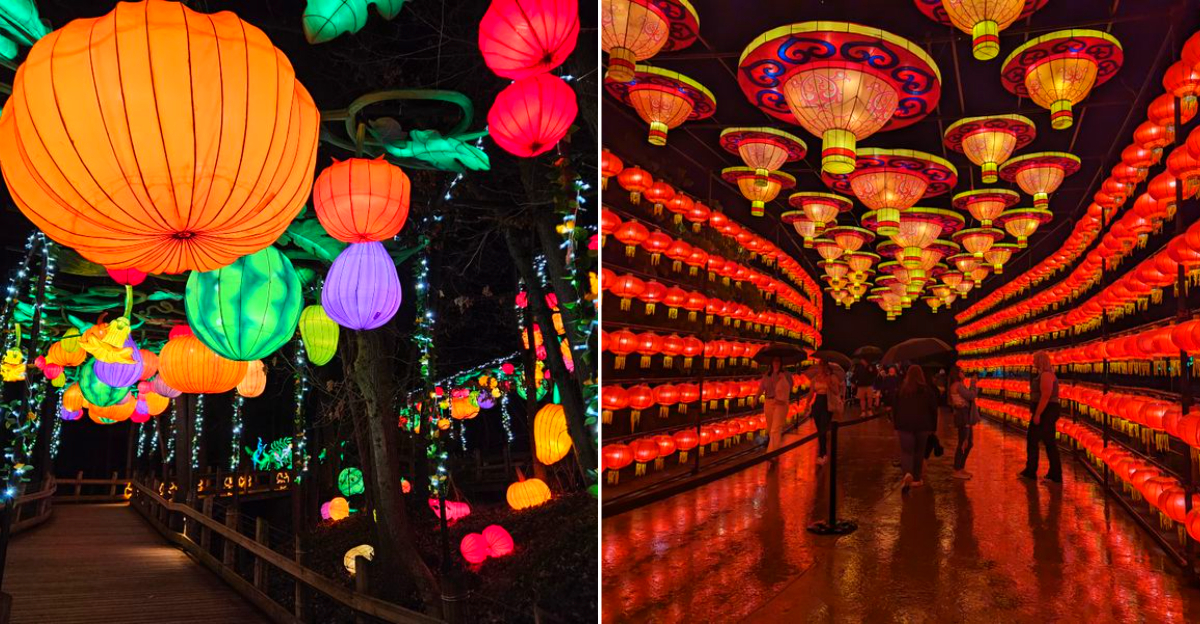
Truth be told, the world is often a little too loud and far too gray, which is why there’s a desperate need for the kind of unadulterated magic. Walking through this luminous maze last year felt like a total homecoming for the imagination.
Seeing the familiar hillside draped in glowing silk transforms a standard zoo visit into a high-budget dreamscape.
There is something profoundly moving about towering, handcrafted creatures rising from the darkness, their light reflecting off the soft spring mist. It’s a cinematic gallery that demands you slow down and actually notice the beauty we so often sprint past in our daily rush.
Experience the breathtaking Grand Rapids Lantern Festival for an unforgettable display of illuminated sculptures and nighttime wonder. To help you navigate the neon glow, I’ve pulled together eleven on-the-ground tips to make your next pilgrimage effortless.
Grab a light jacket, leave your cynicism at the gate, and prepare to be genuinely enchanted.
Arrive Right At Dusk
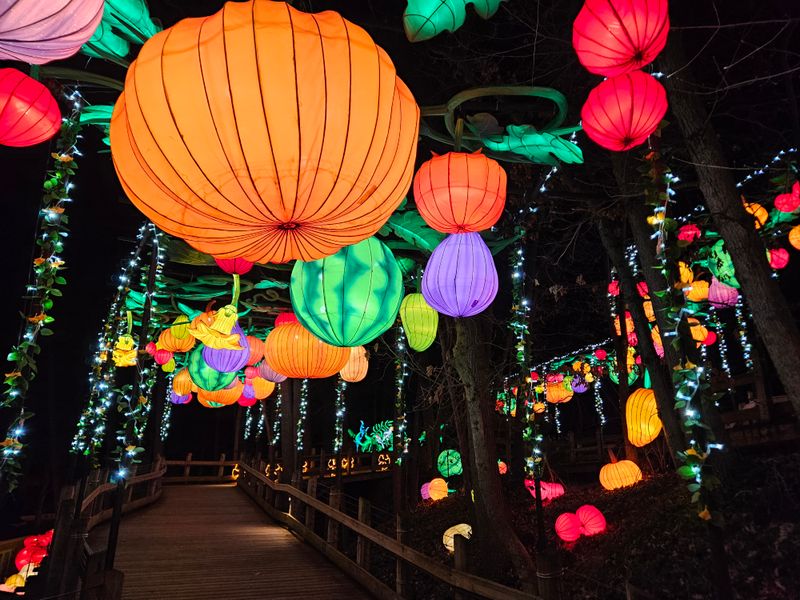
The color shift of dusk does half the storytelling for this festival. Arriving as the sun slides behind the hill lets your eyes adapt gradually, so every first lantern feels brighter without straining. It is also when lines are kinder, strollers move easier, and parking feels human scale.
Historically, the zoo’s sloped grounds shaped its traffic patterns, and staff have learned to meter entries thoughtfully. That thoughtful pacing at the gate keeps lantern encounters spacious and calm. Plan buffer time for walking uphill sections, and wear shoes with grippy tread.
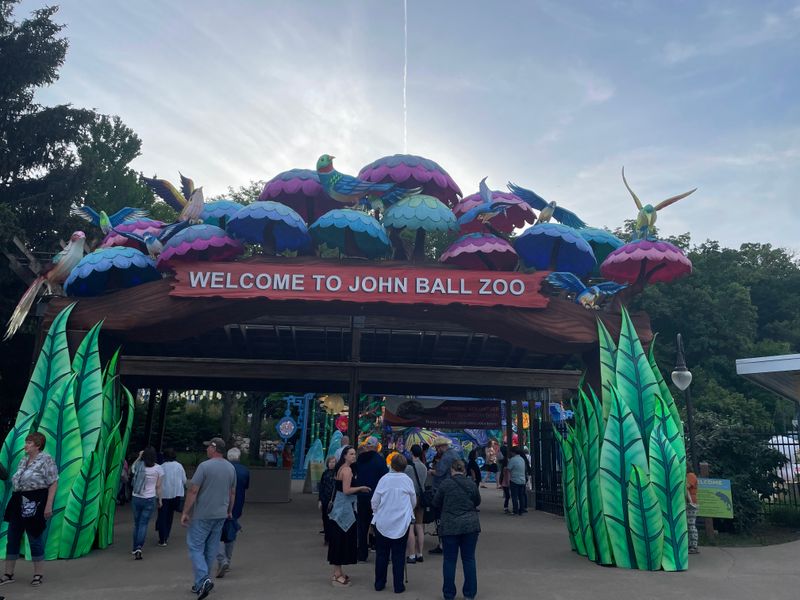
Buy timed-entry tickets in advance, then aim to scan in 10 to 15 minutes before your slot. You will start slow, then settle into the glow, and the whole experience takes place at John Ball Zoo.
Follow The Gentle Hill
The zoo’s hillside is not steep, but it is steady, and lanterns perch along its curves like mile markers. You sense the grade most on longer switchbacks where light pools widen, then narrow. That rhythm becomes part of the experience, slowing your steps and your expectations.
Before the festival era, these paths served daytime exhibits, anchored by railings, stone edging, and old trees. The lantern team works with that architecture, spacing scenes to match natural pauses. You notice benches at smart intervals.
Take breaks where the view opens across the valley of lights. Keep hands free for railings when crowds thicken. The festival runs from April 8 through June 14, 2026, so plan for spring evenings that can still turn cool.
If mobility is a concern, check accessibility notes on the zoo’s site and request routes with gentler grades.
Let Your Eyes Adjust Slowly
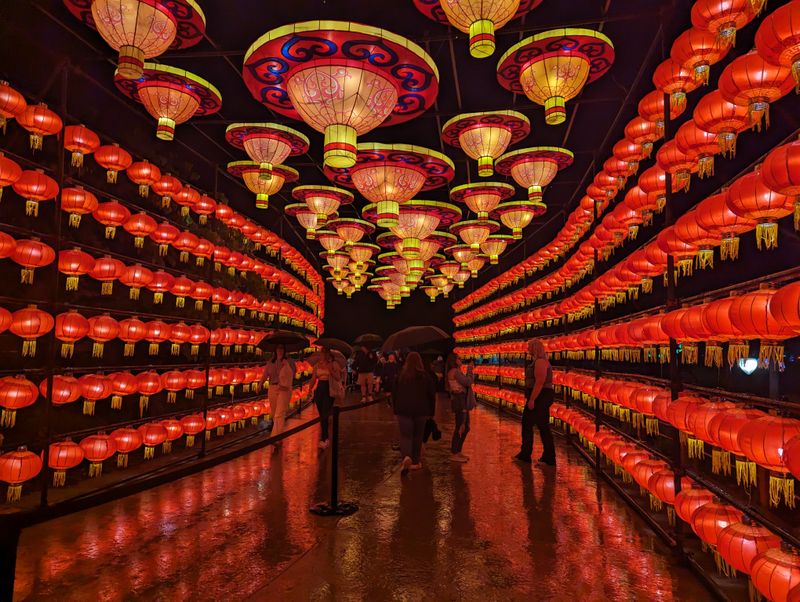
Bright phone screens can bulldoze your night vision, turning the first sets into flat shapes. Give yourself five calm minutes screen-down after entry. Shadows sharpen, colors deepen, and the silk translucence starts to show stitching and brushwork.
These lanterns are built with layered fabric, paint, and internal LEDs, so edges soften as pupils open. That design choice has roots in traditional Chinese lantern craft adapted for American zoos. The detail reads better once your eyes settle into the darker palette.
Toggle your camera to low-brightness and avoid flash. Capture a few frames, then pocket the device so your senses can recalibrate. You will notice tiny seams, wire ribs, and painterly gradients you would otherwise miss.
Read The Quiet Signage
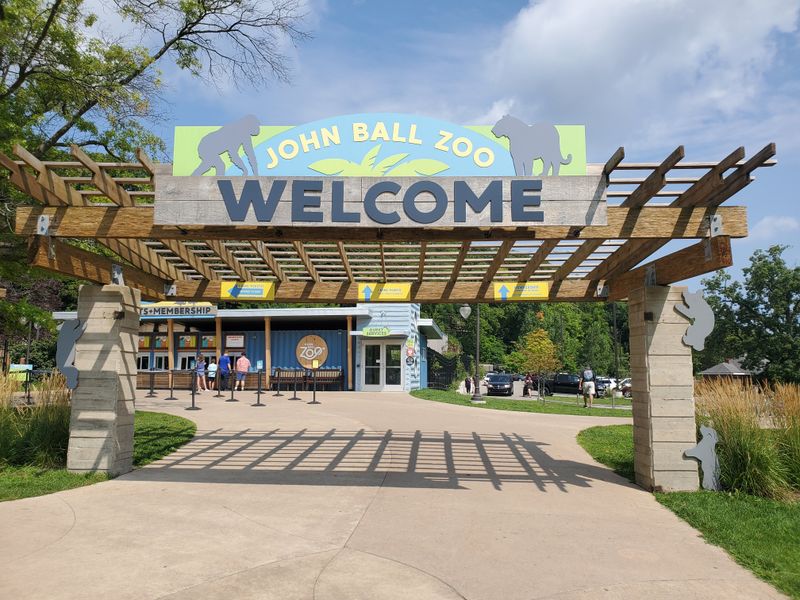
Small placards sit low and out of the spotlight, a courtesy to both the creatures and your photos. They carry species notes, design credits, or conservation prompts. The tone is brief and practical, almost whispering alongside the spectacle.
That restraint fits the zoo’s education style, long practiced during daytime programs. Exhibits have always balanced family readability with accuracy. During the festival, the same approach slips into the margins without hijacking the mood.
Pause for the plaques that mention native habitats or migration. Those add context to the illuminated storytelling. Snap a quick photo of signs if you want to look up details later, then step aside so others can linger without crowding.
Mind The Weather’s Trick
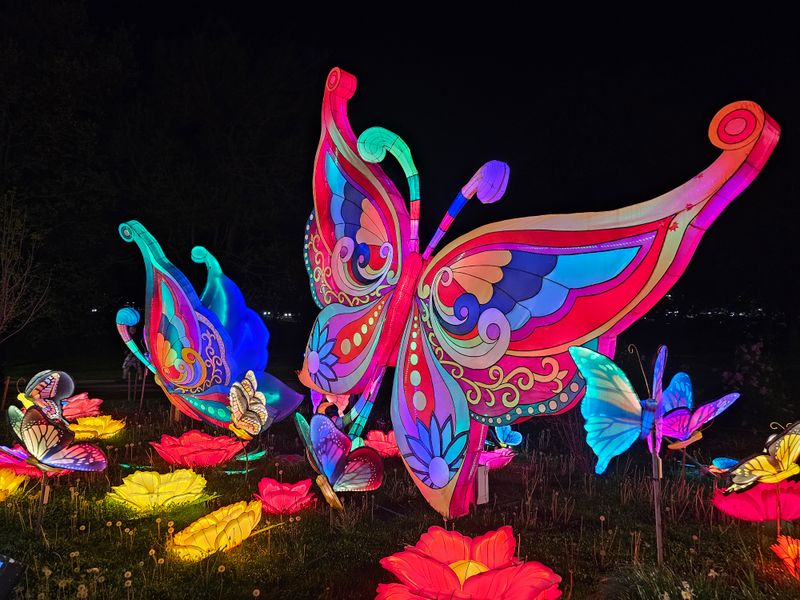
Early spring in Grand Rapids reads warmer under lantern light than it feels on skin. The slope catches breezes, and temperatures slide after sunset. Layers solve everything, especially a neck warmer or light beanie tucked in a pocket.
Add thin gloves, because phones and ticket scans get awkward when fingers go numb.
Local tradition says the first truly mild nights arrive later than you want. The festival leans into that with hot snacks and steady walking. When clouds hang low, the glow bounces back, brightening paths while air turns damp.
Check radar in the afternoon and bring a compact rain shell just in case. Shoes with decent tread handle dew on wood and packed gravel. A small thermos of cocoa for kids is smart and keeps lines shorter.
Pace The Photo Stops
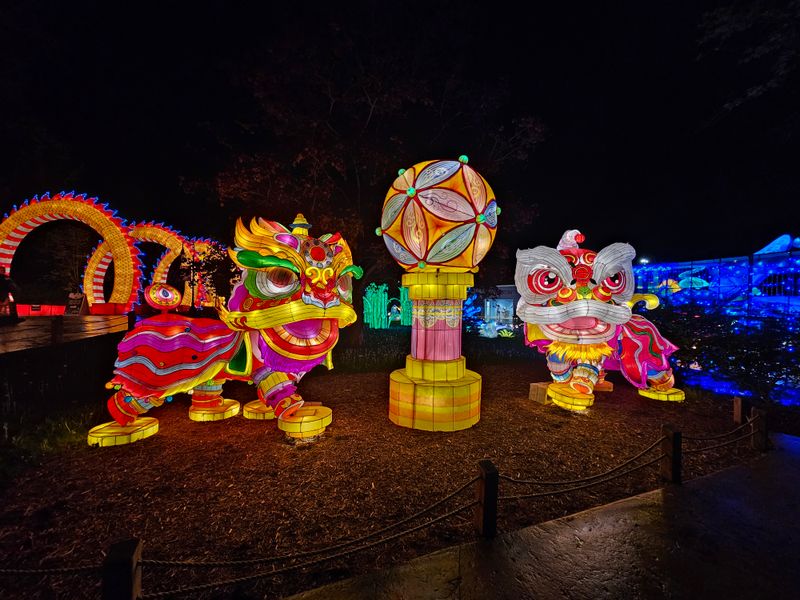
The most photogenic pieces cluster near natural clearings, which means everyone pauses at once. Night mode works wonders here, but it adds seconds to every shot. If you stagger your stops, you avoid traffic knots and step into cleaner angles.
Exhibit planners anticipate this and set backdrops with negative space, a quiet nod to crowd flow. Older railings and planters double as gentle lane markers. You start to feel the choreography, even if it seems casual.
Switch to wide angle only when you can brace against a railing. Tuck elbows for stability, breathe out, then tap. If a line forms, take one clean frame, step aside, and review later to keep the path moving.
Listen For The Soft Soundtrack
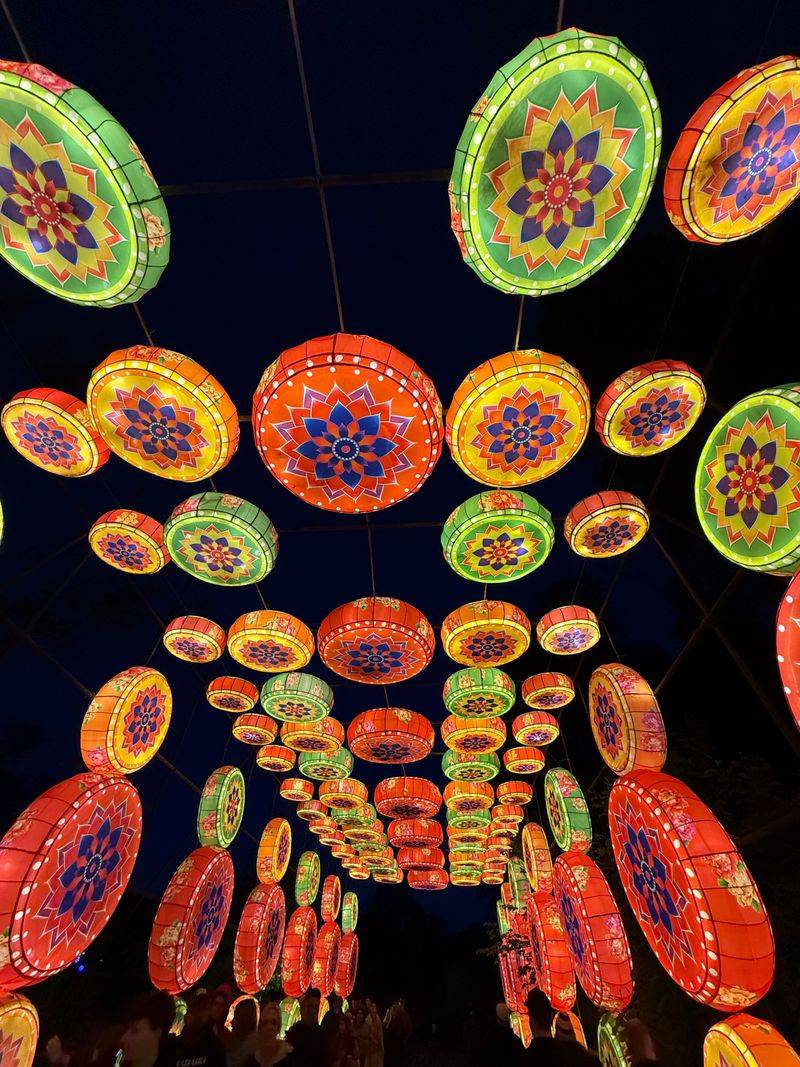
Between lantern clusters, you might hear a thin ribbon of music or ambient forest sounds. It is mixed lightly to keep conversation natural and the animals calm. The quiet audio bridges sections and makes the hills feel stitched together.
John Ball Zoo has long tuned sound levels for animal welfare, especially after-hours programs. That history shows up here in restraint. The soundtrack complements rather than commands your attention, leaving space for footfalls and winter-thin leaves.
When you catch a speaker, do not linger right beside it for long. Step a few paces forward to let the sound settle. It is surprising how much richer the lanterns feel when the audio sits at the edge.
Find The Wide Overlook
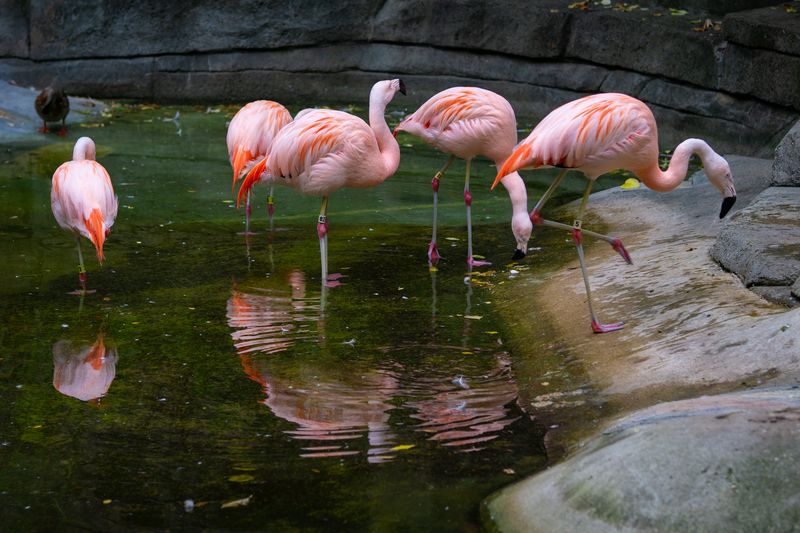
There is a moment when the path crests and the hillside opens into a layered view of light. Lanterns read like constellations draped over the zoo’s contours. Standing there resets your sense of scale and helps you plan the next loop.
Historically, these overlooks were designed to orient daytime guests between exhibits. The festival reuses that wayfinding logic with color families and spacing. You can almost trace the designers’ lines from above.
Step to the far side of the railing for the widest angle, leaving room for families to pass. Scan for the quieter side trails that reconnect below. If crowds thicken, circle back later when the last hour thins out.
Snack With Intention
Food trucks park where paths naturally widen, which keeps momentum gentle. Menus skew family friendly, warm, and easy to carry on a slope. Eating near the trucks is lively, but quieter benches appear just beyond the buzz.
The zoo’s event team places bins and staff nearby to keep walkways tidy, continuing a long habit from daytime operations. Lines ebb after the mid-evening rush. If you time your snack then, you will be back on the trail before a lantern favorite gets crowded.
Check posted wait times and scan for the shortest line rather than the closest. Carry napkins in a pocket. Choose foods you can pause and set down safely when a photo moment appears suddenly.
Respect The Animal Areas
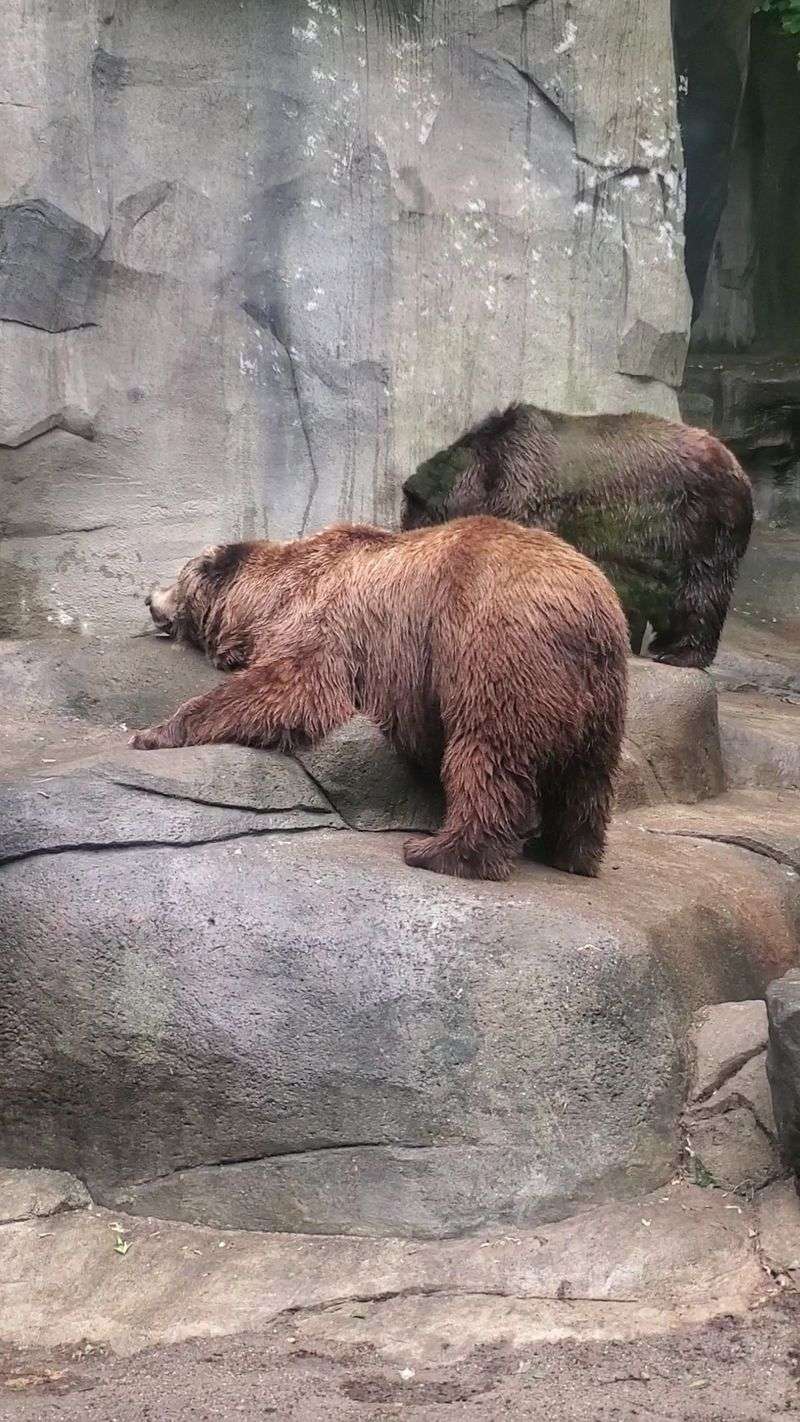
Some habitats stay dark or softly lit for the animals’ comfort, and that is the point. The festival routes you around these zones with intention, so the glow never presses too close. It feels considerate rather than restrictive.
John Ball Zoo has experience running evening programs that prioritize welfare. Barriers, gradients, and light angles are chosen to minimize stress. You can read that care in the way lanterns face away from glass and mesh.
Keep voices low in marked areas and avoid leaning over railings. Skip flash entirely. If kids get excited, redirect them to the next bright cluster where energy belongs.
That shared etiquette protects the quiet balance the event relies on.
End With A Second Walk-Through
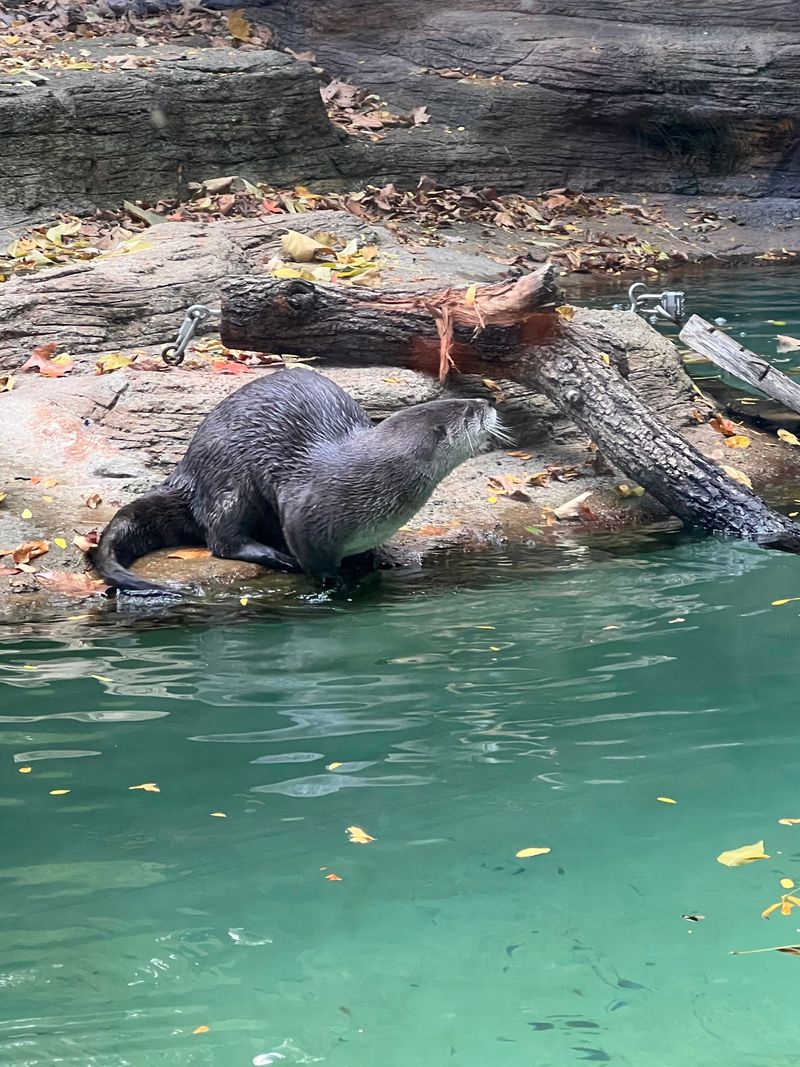
The last hour changes the math on everything. Crowds thin, colors intensify, and the soundtrack feels closer to a heartbeat than a playlist. A short second loop lets you revisit pieces that were mobbed earlier.
The zoo’s closing routine is gentle, with staff cueing routes toward the exit without rushing people. That hospitality has roots in years of managing after-hours events. It leaves room for one more quiet scene before you head downhill.
Check the posted closing time, then budget fifteen extra minutes for a final pass. Move with intention so you do not miss the exit cues. You will notice details that escaped you the first time through.