
10 Hidden Gardens And Conservatories In Illinois To Visit In 2026
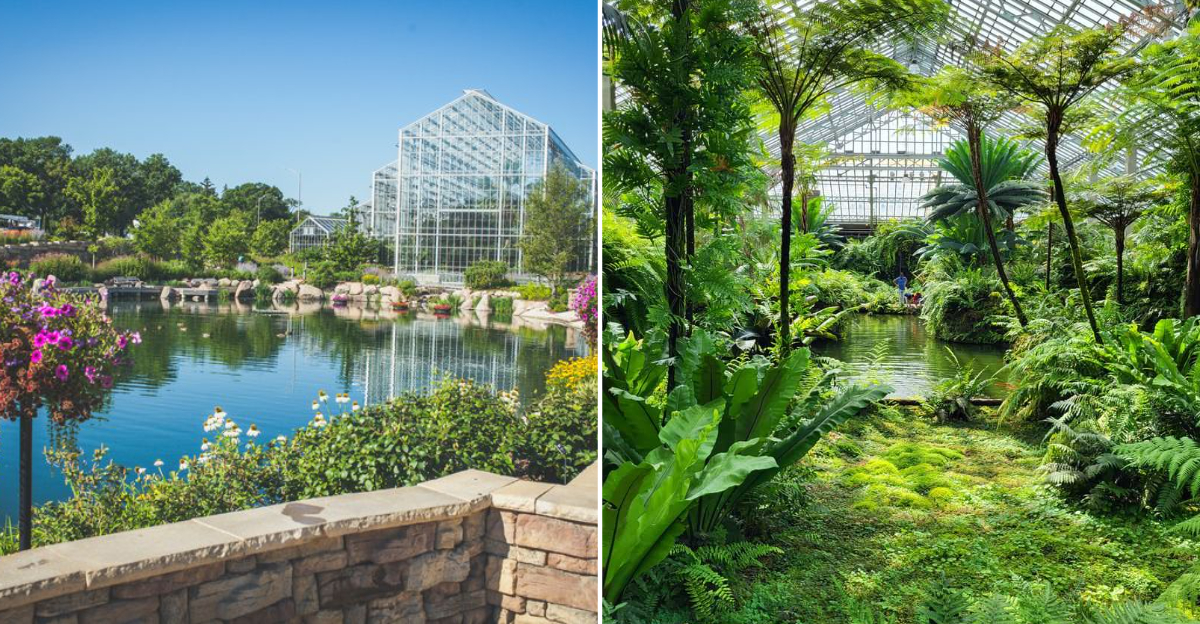
I didn’t expect Illinois to feel this lush the first time I started seeking out its botanical spaces. Between road trips and quiet afternoon drives, I kept finding gardens and conservatories that felt like entire climates preserved under glass or carefully shaped across open land.
Some were warm and humid in the middle of winter, others built around still ponds, stone paths, and seasonal blooms that changed the mood completely depending on when I arrived.
I began to notice how each place carried its own rhythm, butterflies drifting through filtered light, the scent of soil and orchids in enclosed air, the sound of water moving through landscaped streams.
These aren’t just scenic stops. They’re immersive environments that show how diverse plant life can thrive across Illinois, offering calm, color, and perspective in ways that feel both grounding and quietly transportive.
Nicholas Conservatory & Gardens, Rockford
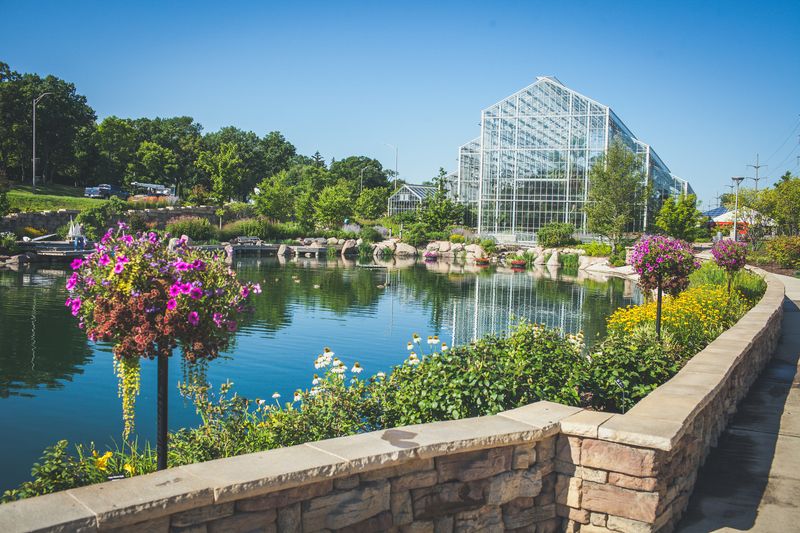
Walking into this riverside oasis feels like stepping into another climate zone entirely. Nicholas Conservatory spreads across 11,000 square feet of glass-enclosed space where tropical and subtropical plants flourish year-round, even when snow blankets the ground outside.
The building sits right along the Rock River, giving you gorgeous water views as you explore paths lined with orchids, palms, and exotic flowering plants that rarely survive Illinois winters outdoors.
Inside, the conservatory maintains different climate zones, so you’ll move from humid tropical areas to drier desert sections within minutes.
Seasonal flower shows transform the space throughout the year, with spring bulb displays and holiday poinsettia arrangements drawing repeat visitors. The outdoor gardens extend your visit during warmer months, featuring native prairie plants and formal flower beds that complement the indoor collections.
Located at 1354 N 2nd St in Rockford, this conservatory offers educational programs for all ages and hosts special events like seasonal butterfly exhibits.
The combination of indoor tropical warmth and outdoor river views makes this spot especially magical during winter months when you need a reminder that green growing things still exist.
Anderson Japanese Gardens, Rockford
Ranked among the top Japanese gardens in North America, this 12-acre sanctuary in Rockford transports visitors straight to Kyoto without the international flight.
Anderson Japanese Gardens follows authentic design principles developed over centuries in Japan, where every rock placement, water feature, and plant selection serves a specific purpose in creating harmony and balance. The result is a space that feels both carefully planned and completely natural.
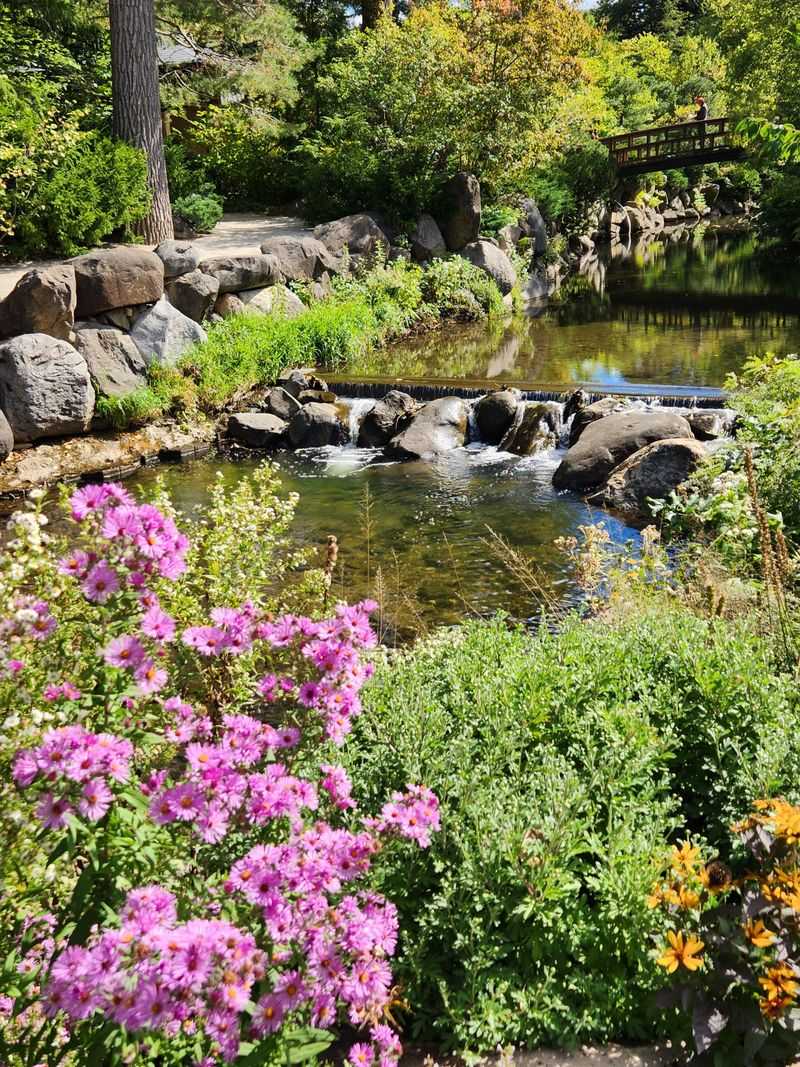
Winding paths lead you past still ponds where massive koi fish glide beneath lily pads, over arched wooden bridges that offer perfect reflection views, and through gates that frame distant garden scenes like living paintings.
Stone lanterns dot the landscape, while precisely pruned pines and maples create layers of texture and color that shift dramatically with the seasons. Spring brings cherry blossoms, summer offers lush green canopies, autumn explodes with fiery foliage, and winter reveals the garden’s elegant bones.
The garden at 318 Spring Creek Rd hosts tea ceremonies, cultural events, and photography workshops throughout the year. Visiting during early morning hours lets you experience the space in peaceful quiet before crowds arrive.
Klehm Arboretum & Botanic Garden, Rockford
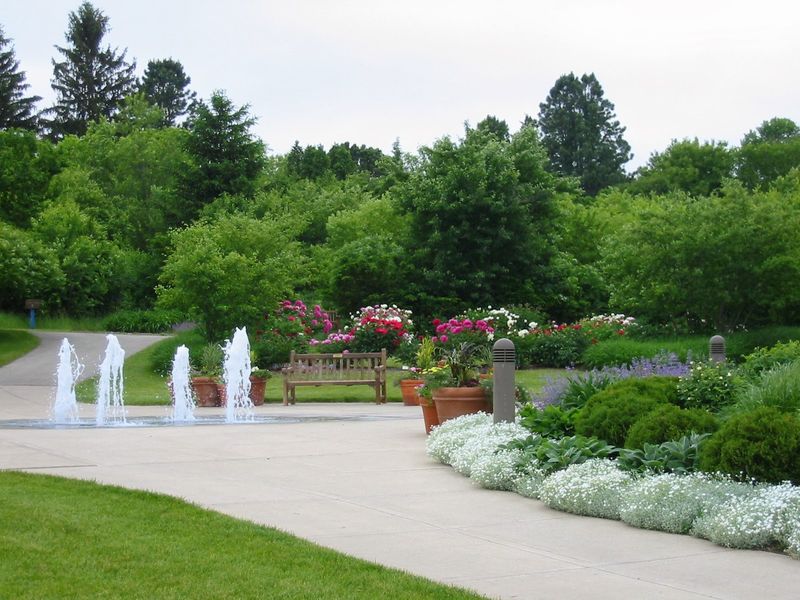
Spreading across 155 acres, Klehm Arboretum proves that Rockford takes its green spaces seriously. This massive botanical garden combines formal display gardens with natural woodland areas, giving you multiple environments to explore in a single visit.
The property includes everything from manicured rose gardens to wild prairie restorations, with enough variety to satisfy both casual walkers and serious plant enthusiasts.
More than 2,000 types of trees, shrubs, and flowers grow throughout the grounds, organized into specialty gardens that highlight different plant families and landscape styles.
The butterfly garden buzzes with pollinators during summer months, while the conifer collection stays green even when winter strips leaves from deciduous trees. Miles of paved and natural trails wind through the property, making it easy to spend hours discovering new corners and favorite spots.
Located at 2715 S Main St, the arboretum charges admission and stays open year-round, though seasonal changes dramatically alter the experience.
Educational programs teach visitors about sustainable gardening, native plants, and wildlife habitat creation. The combination of formal gardens and natural areas makes this spot perfect for both learning and simple outdoor relaxation.
Luthy Botanical Garden, Peoria
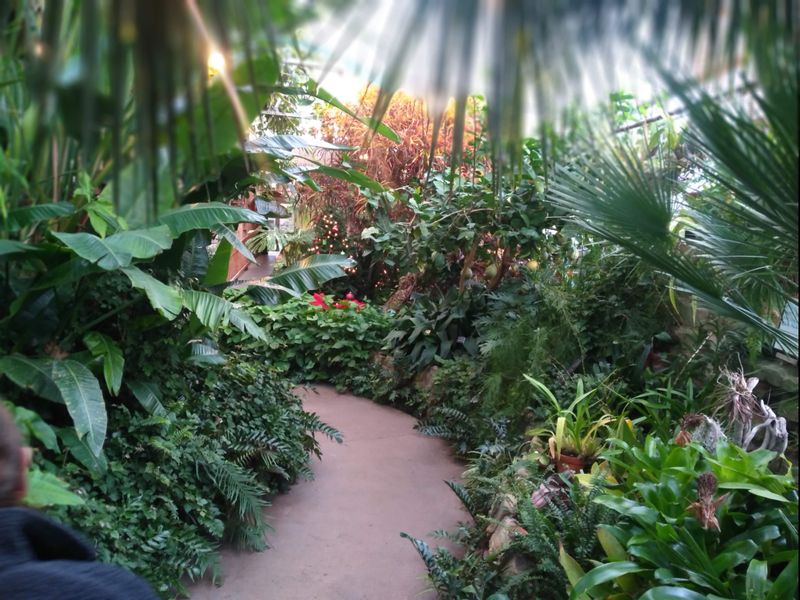
Peoria’s botanical gem packs an impressive variety of gardens into its five-acre footprint. Luthy Botanical Garden divides its space into distinct themed areas, each offering different plants, atmospheres, and seasonal highlights.
The tropical conservatory provides year-round warmth and humidity for plants that would never survive outdoors in central Illinois, while outdoor gardens change completely with the seasons.
The rose garden becomes a fragrant paradise during summer months, with hundreds of varieties blooming in waves from June through fall. Herb and vegetable gardens demonstrate practical growing techniques you can use at home, while the shade garden shows how to work with difficult low-light areas.
A reflecting pool adds tranquility to the formal gardens, and the children’s garden engages young visitors with interactive plantings and educational displays.
At 2520 N Prospect Rd, the garden hosts seasonal events including spring plant sales, summer concerts, and fall harvest celebrations.
The conservatory’s tropical environment makes winter visits especially rewarding when you need to escape cold weather and surround yourself with lush greenery. Educational programs cover topics like container gardening, composting, and attracting beneficial insects to your yard.
Quad City Botanical Center, Rock Island
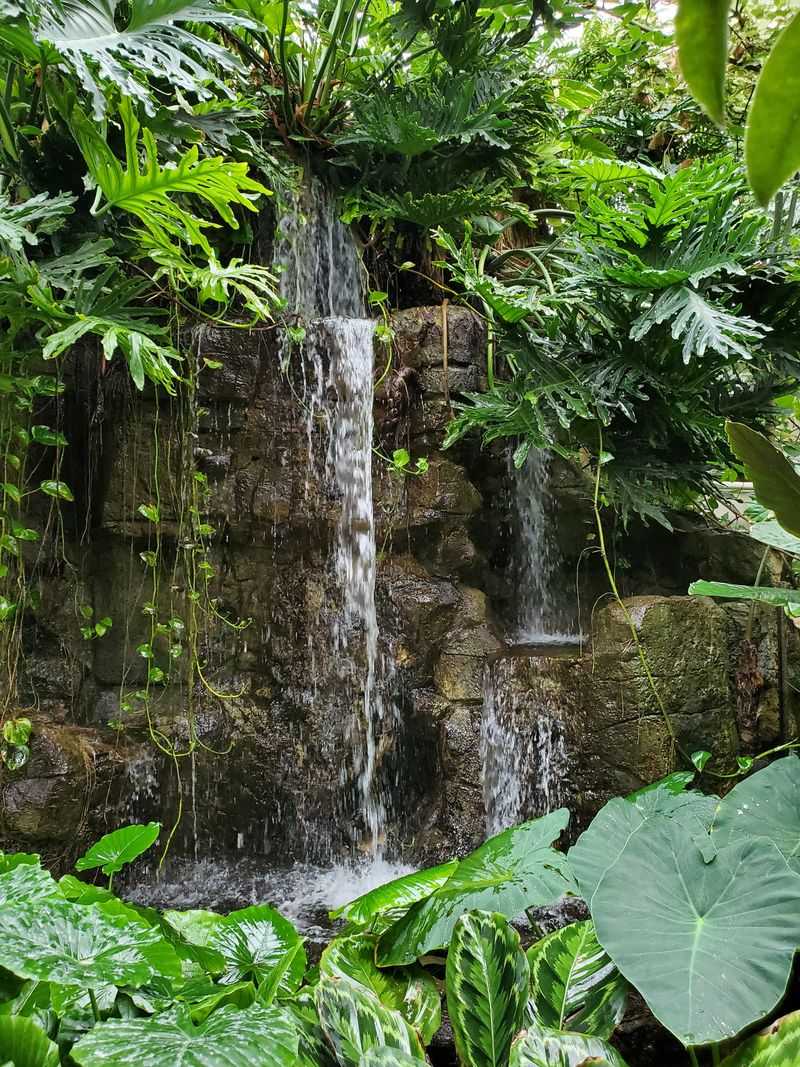
Perched along the Mississippi River, this contemporary conservatory brings tropical paradise to the Quad Cities region.
The glass structure rises dramatically from its riverside location, housing a 14-foot indoor waterfall that creates a constant soothing soundtrack as you explore winding paths through dense tropical plantings. Orchids dangle from trees, bromeliads cluster on branches, and exotic flowers bloom in impossible colors throughout the climate-controlled space.
The conservatory maintains environments ranging from tropical rainforest to arid desert, letting you experience multiple ecosystems without leaving the building.
Outdoor gardens extend the experience during warmer months, with native plantings that attract local butterflies and birds. The sun garden showcases drought-tolerant plants that thrive in full Illinois sun, offering ideas for low-maintenance home landscapes.
Located at 2525 4th Ave, the botanical center regularly rotates special exhibits and seasonal displays that give repeat visitors new things to discover.
The combination of dramatic indoor waterfall, diverse plant collections, and river views creates an unexpectedly grand experience in this often-overlooked Illinois region. Educational programs and workshops help gardeners of all skill levels improve their growing techniques.
Japan House & Gardens, Urbana
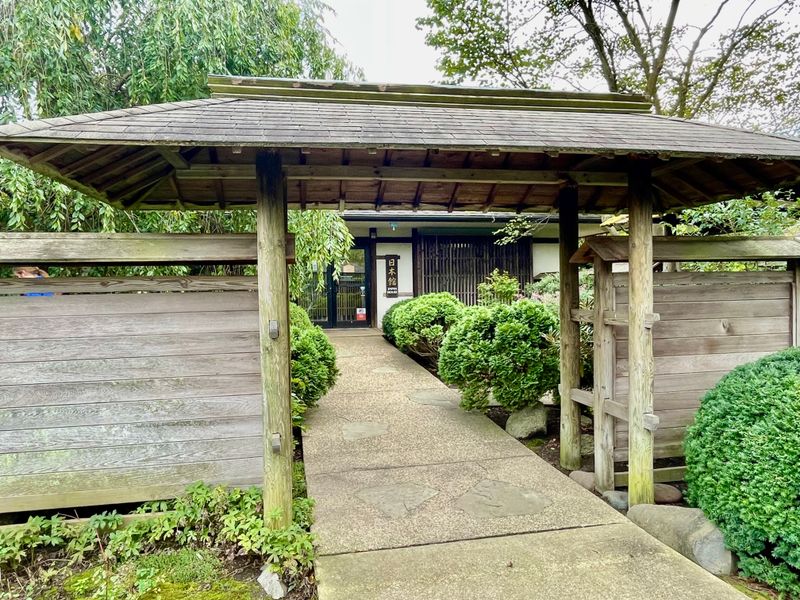
Built as part of the University of Illinois campus, Japan House serves as both cultural center and authentic Japanese garden.
The traditional tea house sits surrounded by carefully designed landscapes that follow centuries-old Japanese gardening principles, creating spaces meant for meditation, contemplation, and appreciation of seasonal changes.
Unlike gardens designed purely for visual impact, this space emphasizes the philosophical and spiritual aspects of Japanese landscape design.
Stone paths lead visitors through different garden areas, each designed to evoke specific moods and responses. Bamboo groves rustle in the breeze, stone arrangements suggest mountain landscapes, and precisely placed plants frame views and create focal points.
The garden changes dramatically with seasons, from spring’s delicate cherry blossoms to autumn’s burning maples, teaching visitors to notice and appreciate natural cycles.
At 2000 S Lincoln Ave, Japan House offers traditional tea ceremonies, cultural programs, and educational events that explore Japanese arts, philosophy, and gardening traditions. The authentic design and cultural programming set this garden apart from purely decorative landscapes.
Visiting during scheduled tea ceremonies provides deeper understanding of how the garden and building function together as integrated cultural spaces.
ISU Horticulture Center, Normal
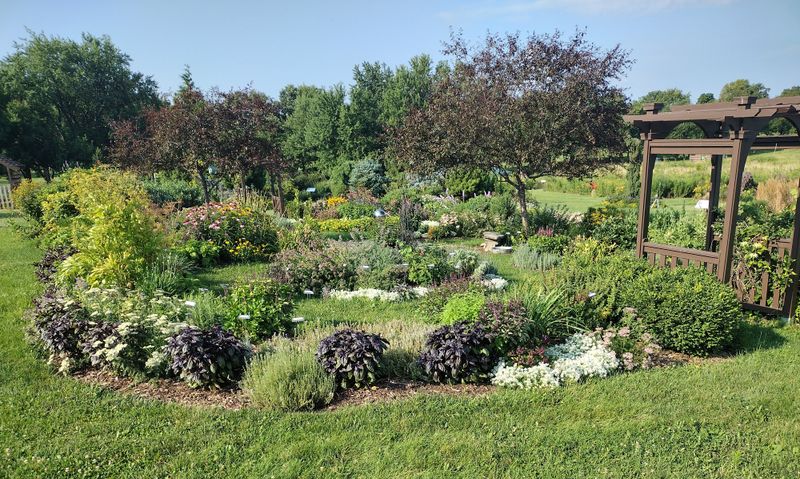
Illinois State University’s Horticulture Center functions as both teaching facility and public garden, giving visitors access to experimental plantings and demonstration gardens that showcase the latest in sustainable growing techniques.
The center’s dual purpose means you’ll see not just pretty displays but also comparison trials, research plots, and educational demonstrations that reveal how professional horticulturists test new plant varieties and growing methods.
Multiple greenhouses allow year-round plant production and provide warm spaces for winter visits when outdoor gardens sleep under snow. Display beds showcase annual flowers, perennials, vegetables, and ornamental grasses in combinations designed to inspire home gardeners.
Native plant areas demonstrate how to incorporate Illinois wildflowers and grasses into residential landscapes while supporting local pollinators and wildlife.
Located at 1000 W Raab Rd, the center welcomes visitors during regular hours and hosts seasonal plant sales where you can purchase varieties tested and proven in Illinois growing conditions.
The educational focus means signage explains not just what plants are but why they’re planted together and how they function in the landscape. This behind-the-scenes look at professional horticulture makes visits both beautiful and educational.
The Morton Arboretum, Lisle

Covering 1,700 acres, Morton Arboretum ranks as one of the world’s premier tree collections and conservation research centers. The sheer scale of this living museum overwhelms first-time visitors who expect a simple garden but discover an entire landscape dedicated to woody plants from around the globe.
More than 100,000 individual plants representing over 4,000 kinds of trees and woody plants grow throughout the property, organized by geographic origin, plant family, and landscape use.
Miles of paved and natural trails wind through the collections, passing through forests, meadows, and formal gardens.
The Schulenberg Prairie showcases native Illinois grassland plants that once covered much of the state, while geographic collections group trees from similar regions to show how different climates produce different forest types.
Seasonal changes transform the arboretum completely, from spring’s flowering magnolias to fall’s spectacular foliage displays.
At 4100 IL-53 in Lisle, the arboretum offers tram tours, guided walks, and educational programs year-round. The visitor center features interactive exhibits about trees, conservation, and climate change.
Plan for multiple visits to fully explore this massive property, or focus on specific collections that interest you most during single trips.
Garfield Park Conservatory, Chicago
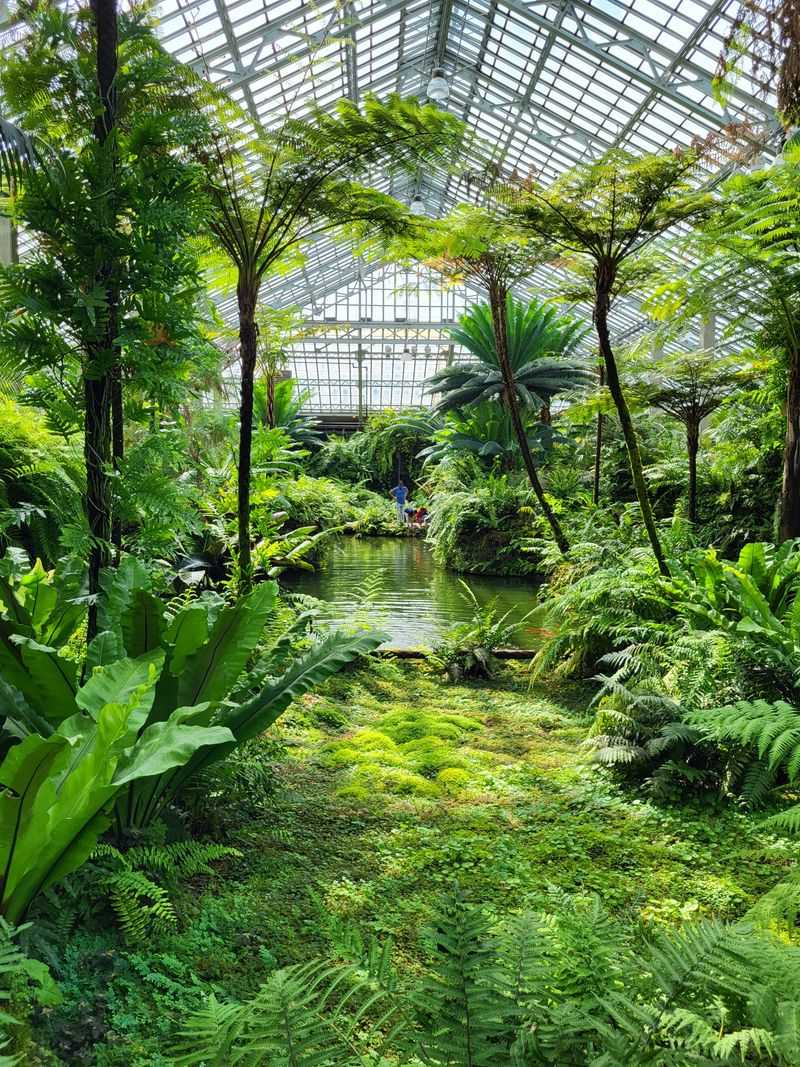
Chicago’s west side holds one of the nation’s largest and most impressive conservatories under glass. Garfield Park Conservatory spreads across two acres of indoor growing space, where massive palms stretch toward glass ceilings, ferns cascade from elevated beds, and tropical plants create jungle-like environments that make you forget you’re in the middle of a major city.
The building itself qualifies as architectural treasure, with distinctive early 1900s design that maximizes natural light while creating dramatic interior spaces.
Different rooms house distinct plant collections, from the steamy Palm House filled with towering tropical trees to the Desert House showcasing cacti and succulents adapted to extreme drought. The Fern Room creates a cool, moist environment where ancient plant families thrive beneath filtered light.
Seasonal flower shows transform the Show House throughout the year, with spring bulb displays and holiday poinsettia arrangements drawing crowds.
Located at 300 N Central Park Ave, the conservatory offers free admission with timed reservations required and hosts educational programs, art installations, and community events.
The combination of historic architecture, world-class plant collections, and urban location makes this Chicago’s most accessible tropical escape during harsh winter months.
Lincoln Park Conservatory, Chicago
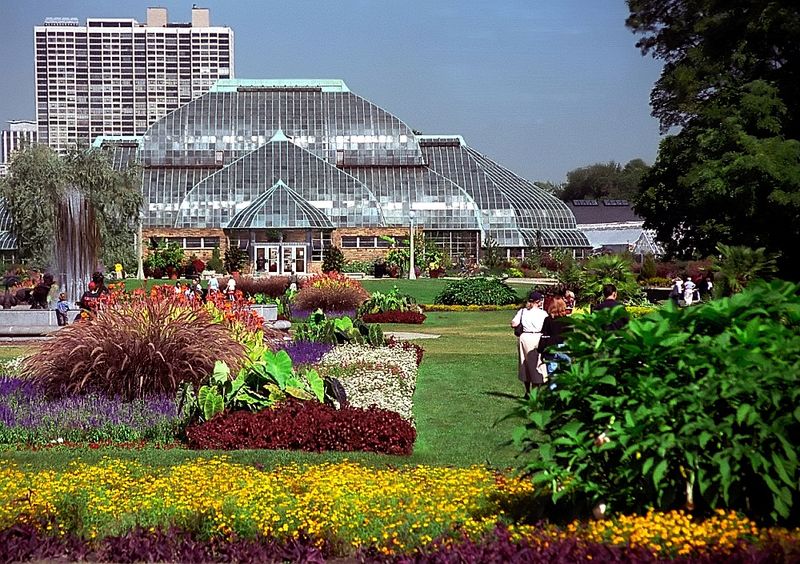
Built between 1890 and 1895, this Victorian-era conservatory brings historic elegance to Chicago’s lakefront.
Lincoln Park Conservatory’s ornate glass architecture and carefully maintained plant collections transport visitors to an earlier era when conservatories represented the height of horticultural sophistication and public education.
The building’s distinctive design features decorative ironwork, curved glass panels, and architectural details that make the structure itself as impressive as the plants growing inside.
Four main rooms house different plant collections, each maintained at specific temperatures and humidity levels. The Palm House showcases towering tropical palms and cycads, some over a century old.
The Fern Room creates a misty grotto atmosphere where delicate ferns thrive in filtered light.
The Orchid House rotates seasonal displays of exotic flowering orchids, while the Show House changes themes throughout the year with seasonal plantings and holiday displays.
At 2391 N Stockton Dr, right in Lincoln Park near the zoo, the conservatory offers free admission, though timed entry reservations may be required depending on the season, and easy access via public transportation.
The compact size compared to Garfield Park makes this spot perfect for shorter visits when you want a quick tropical escape without committing several hours. Historic character and prime location make this conservatory a Chicago treasure.