
One March Holiday Will Shut Down Phoenix, Arizona, And Locals Are Already Planning Around It

Phoenix takes a collective pause every March 31 to honor the civil rights icon who fought tirelessly for farmworkers and their families. This annual observance means city offices lock their doors, libraries adjust their hours, and residents rearrange their routines to accommodate the holiday.
I have watched Phoenix embrace this day year after year, with locals treating it as both a moment of reflection and a practical puzzle to solve.
Planning ahead becomes essential when you realize your usual Monday or Tuesday rhythm will hit a few unexpected roadblocks, so knowing what stays open and what closes can save you from driving across town only to find a locked door.
Arizona residents quickly learn that March 31 can turn simple errands into a detour-filled day if you do not check closures before heading out.
City Offices Close Their Doors
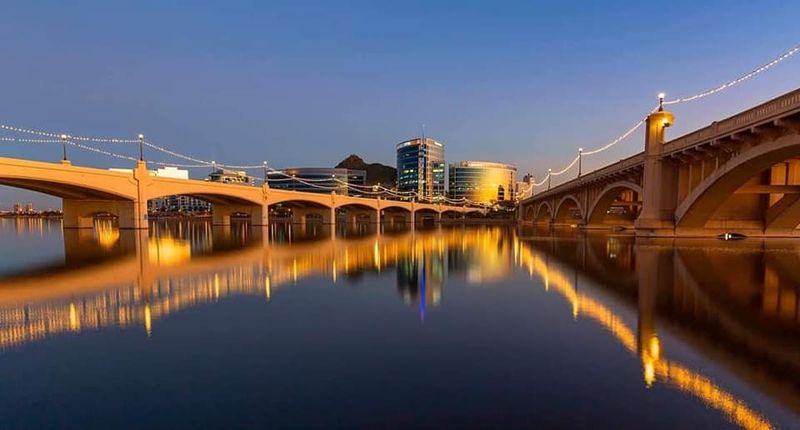
City Hall and all municipal offices across Phoenix shut down completely on March 31, giving city employees a paid day off to recognize Cesar Chavez’s contributions to labor rights and social justice.
I learned this the hard way one year when I needed to file paperwork and arrived to find the parking lot nearly empty and the front doors locked tight.
The closure affects everything from permit offices to administrative departments, so any business requiring face-to-face interaction with city staff will need to wait until April 1.
Planning your errands around this closure saves frustration and wasted trips. If you have documents to submit or questions about city services, mark your calendar for the day before or after the holiday.
Most city employees appreciate this recognition of Chavez’s legacy, and the closure reflects Phoenix’s commitment to honoring his fight for workers’ rights. The quiet halls on March 31 speak volumes about how seriously the city takes this observance.
Trash Collection Rolls On Schedule

Your garbage and recycling pickup continues without interruption on March 31, which honestly surprised me the first time I experienced this holiday in Phoenix.
While city offices close and workers get the day off, sanitation crews keep working their regular routes to ensure neighborhoods stay clean and bins get emptied on time. I always make sure to roll my containers to the curb the night before, just like any other collection day.
This decision to maintain service reflects the essential nature of waste management and the city’s commitment to public health and cleanliness. Missing even one day of collection could create problems in Phoenix’s warm climate, where trash sitting in the sun becomes unpleasant quickly.
Residents appreciate this consistency, especially those who might forget about the holiday and worry their bins will sit full for an extra week. The sanitation department deserves recognition for keeping this service running smoothly while others take the day to honor Chavez’s legacy.
Valley Metro Keeps Moving Forward

Public transportation operates on its regular weekday schedule throughout the Phoenix metro area, keeping buses and light rail trains running for commuters who still need to get around.
I have ridden Valley Metro on Cesar Chavez Day before, and the trains felt less crowded than usual since many offices close and workers stay home. Customer service centers might reduce their hours or close entirely, so checking the ValleyMetro.org website before you travel saves potential headaches.
Transit centers could lock their doors even while buses and trains continue their routes, meaning you can still catch your ride but might not be able to access restrooms or speak with staff in person.
The system prioritizes keeping people moving over providing full customer service amenities on this particular holiday.
Riders who depend on public transit for work or medical appointments can breathe easier knowing their usual routes will run without changes. This reliability matters tremendously for Phoenix residents without cars who structure their lives around bus and rail schedules.
Parks And Recreation Centers Mix Schedules
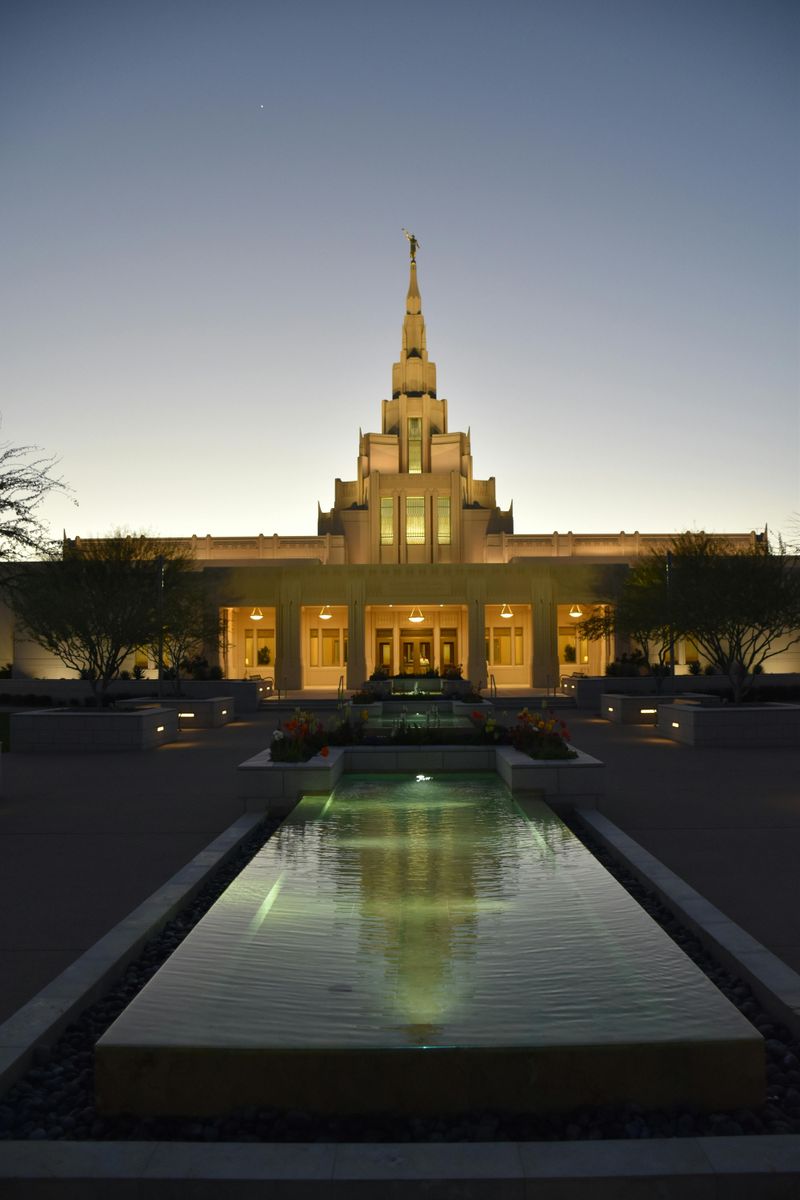
Community centers and recreational facilities across Phoenix follow a patchwork schedule on March 31, with some closing completely while others maintain limited hours.
I learned to call ahead after showing up to my usual basketball court one year only to find the gates locked and the parking lot empty. Each facility makes its own decision about holiday hours based on staffing availability and expected visitor numbers.
Swimming pools, fitness centers, and sports courts might open later or close earlier than usual, so checking the specific location you plan to visit prevents disappointment.
The city’s parks department website lists individual facility schedules, though information sometimes gets updated close to the actual holiday.
Outdoor parks generally remain accessible since they lack gates or staffing requirements, making them reliable backup options for families wanting to spend time outside. This inconsistency across different recreation locations reflects the challenge of balancing holiday observance with community needs for exercise and leisure spaces.
Statewide Recognition Creates Ripple Effects

Arizona recognizes Cesar Chavez Day at the state level, though not every city or county follows Phoenix’s lead in closing government offices completely.
Tucson also shuts down city operations on March 31, while smaller municipalities across Arizona make individual choices about observance. I have noticed this creates confusion for residents who live in one city but work in another, leading to situations where someone has the day off but their partner still heads to work.
State offices follow their own calendar, which may or may not include closure for this holiday depending on the specific department and its essential functions. This patchwork approach reflects Arizona’s diverse political landscape and varying levels of commitment to honoring Chavez’s legacy.
Businesses in the private sector almost universally stay open, treating March 31 as a regular workday unless they have specific policies honoring the holiday. Understanding these differences helps residents plan their schedules and avoid assuming everyone operates on the same timeline.
Schools Follow Their Own Calendars

School districts in the Phoenix area make independent decisions about whether to close on March 31, with some giving students the day off while others hold regular classes.
I have talked to parents who find this particularly challenging when coordinating childcare, especially if they work for employers who do not recognize the holiday.
Some districts incorporate Cesar Chavez Day into their spring break schedule, while others ignore it entirely and follow their predetermined academic calendar.
Charter schools and private institutions add another layer of complexity since they set their own schedules without coordinating with traditional public schools. Families with children in different schools sometimes juggle multiple schedules on the same day.
Checking your specific school district’s calendar well in advance prevents last-minute scrambling for childcare arrangements.
Teachers in districts that remain open often use the day as an opportunity to educate students about Chavez’s life and contributions to civil rights, turning the observance into a learning moment rather than just another day off.
Private Businesses Largely Ignore The Holiday

Walk into any grocery store, restaurant, or retail shop on March 31 and you will find business proceeding as usual, with employees working their regular shifts and customers browsing the aisles.
Banks follow federal holiday schedules rather than state or local observances, so they stay open for regular banking hours unless March 31 happens to fall on a weekend. I appreciate this consistency since I can still run essential errands even when city services shut down.
Medical offices, dental practices, and other healthcare providers maintain their appointment schedules, treating the day like any other Tuesday or Monday. Gas stations, convenience stores, and pharmacies all remain accessible for residents who need to pick up prescriptions or grab supplies.
Some employers in the private sector give workers the option to take the day off using vacation time or personal days, but mandatory closure remains rare outside government entities.
This split between public and private sector observance means Phoenix never feels completely shut down, just operating at a slightly reduced capacity with certain services temporarily unavailable.
Locals Plan Long Weekend Getaways

Many Phoenix residents treat Cesar Chavez Day as an opportunity to extend their weekend and escape the city for short trips to nearby destinations like Sedona, Flagstaff, or Rocky Point.
I have joined friends on these quick getaways, taking advantage of the day off to explore Arizona’s diverse landscapes without using vacation time. Hotels and vacation rentals in popular Arizona destinations often see booking spikes for the nights surrounding March 31.
Families pack up their cars on Friday afternoon and head north to cooler temperatures or south to Mexican beaches, returning Tuesday evening refreshed and ready for the rest of the work week.
This mini-migration affects traffic patterns on major highways leading out of Phoenix, with I-17 north and I-10 south seeing heavier than usual volumes.
Smart travelers book accommodations months in advance to secure the best rates and availability. The long weekend atmosphere transforms Cesar Chavez Day from a solemn observance into a practical opportunity for rest and recreation, though many travelers still take time to reflect on the holiday’s deeper meaning.
Community Events Honor Chavez’s Legacy
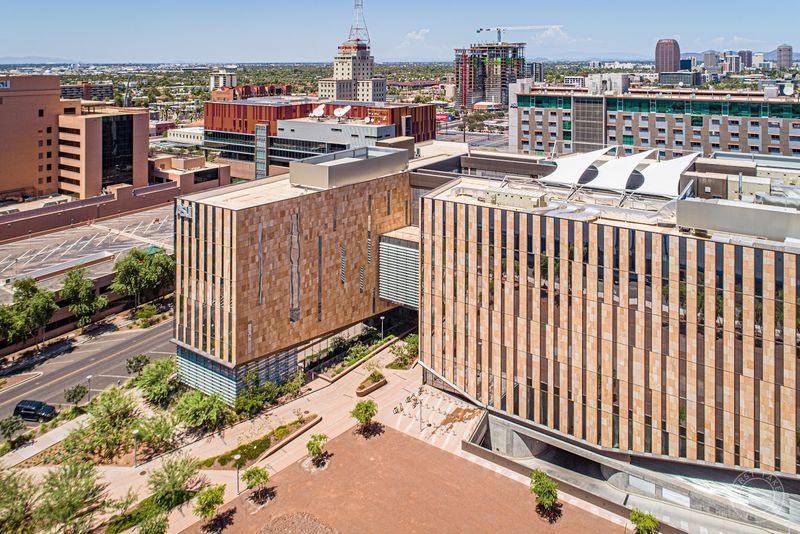
Various organizations across Phoenix host educational programs, volunteer activities, and commemorative events on March 31 to celebrate Cesar Chavez’s life and work.
I have attended several of these gatherings over the years, listening to speakers discuss farmworkers’ rights and participating in community service projects that reflect Chavez’s values.
Schools that remain open often incorporate lessons about the labor movement and civil rights struggles into their curriculum for the day.
Cultural centers and nonprofit organizations plan marches, art exhibitions, and film screenings that highlight Chavez’s impact on American society. These events attract people who want to move beyond simply enjoying a day off and engage meaningfully with the holiday’s purpose.
Food banks and community gardens sometimes organize special volunteer opportunities on March 31, connecting service work to Chavez’s legacy of helping agricultural workers and their families.
Participating in these events transforms the holiday from an abstract concept into concrete action, giving residents a chance to honor Chavez through deeds rather than just words.