
Arizona Has A 215-Acre Wildlife Park Nearby Where You Can Get Up Close To Exotic Animals
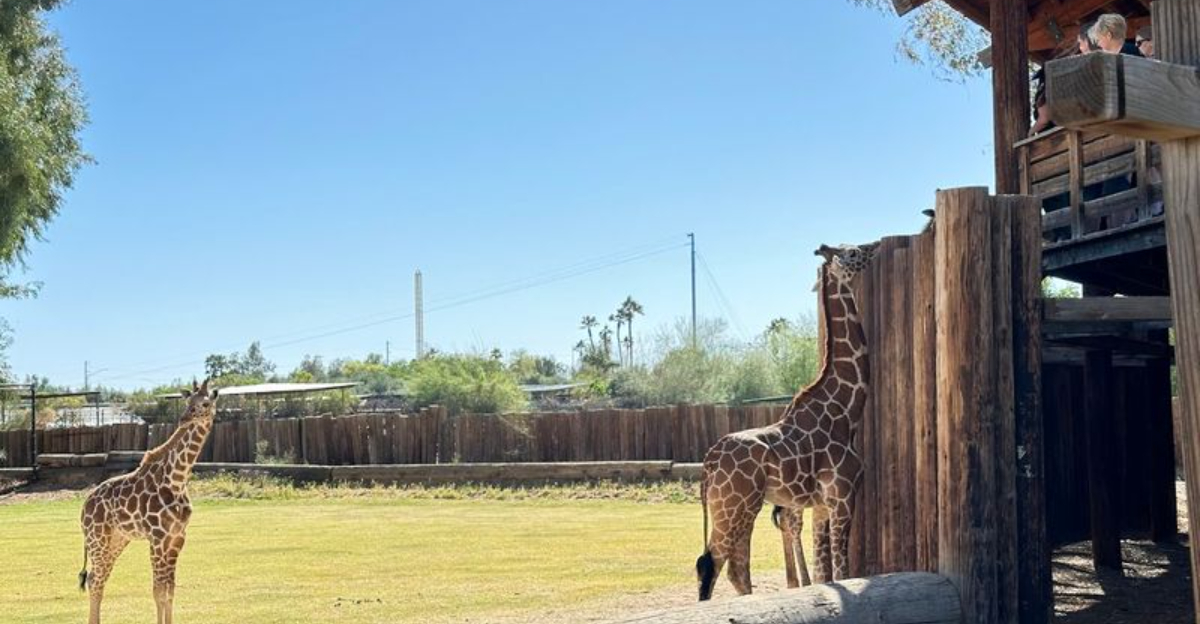
This place sprawls across the desert landscape with enough animals, exhibits, and interactive experiences to fill an entire day and then some.
What started as a small private collection in 1984 has grown into one of the most impressive privately owned zoos in Arizona, home to hundreds of species that you can see up close in ways most traditional zoos simply do not allow.
The combination of land animals, an expansive aquarium, safari rides, and hands-on encounters creates an experience that feels more like an adventure than a typical zoo visit, and I found myself planning my return trip before I even made it back to the parking lot.
Getting Your Hands Wet With Stingrays
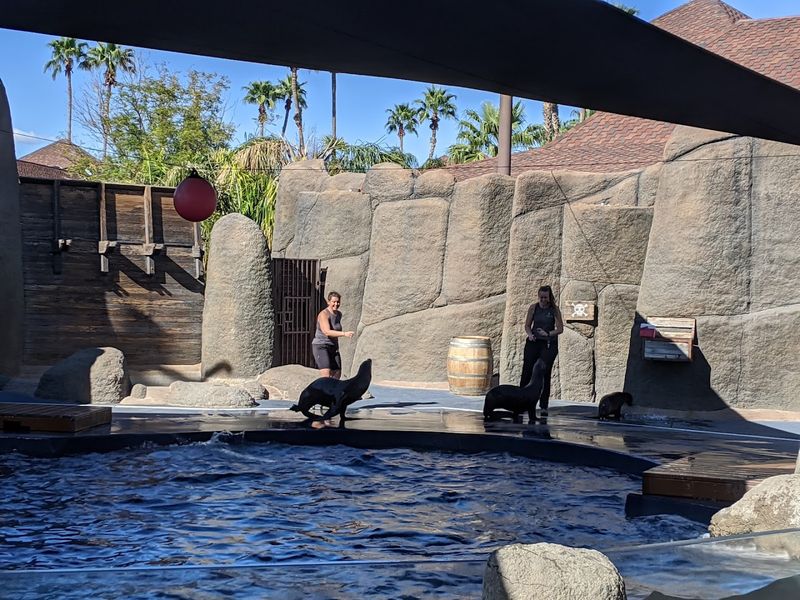
Reaching into the stingray touch pool felt like breaking some unspoken rule about keeping distance from wild creatures, but the staff encouraged me to flatten my palm and wait for the velvety glide of a ray passing underneath.
The aquarium section at Wildlife World houses one of the largest stingray pools I have encountered, with dozens of these graceful swimmers circling in shallow water that lets you make direct contact.
Kids squealed around me as rays brushed their fingers, and I watched one toddler giggle so hard his parents had to hold him steady at the edge.
What surprised me most was how gentle and curious these animals seemed, almost seeking out human interaction rather than shying away from it. The pool sits in a well-lit area where you can watch their wing-like fins ripple through the water before they surface for a quick pass under your hand.
I spent nearly twenty minutes there on my first visit, mesmerized by the repetitive motion and the strange texture that felt nothing like fish scales. This single exhibit captures what makes Wildlife World different: access that turns observation into participation.
Safari Tram Rides Through Open Habitats
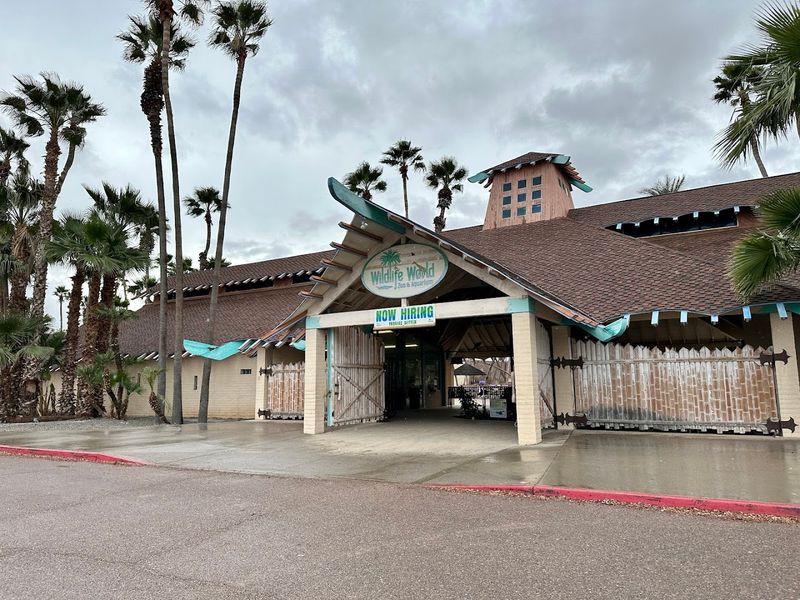
I still remember the first time I rolled up to Wildlife World Zoo, Aquarium & Safari Park at 16501 W Northern Ave in Litchfield Park, Arizona, and realized I had underestimated just how much ground 215 acres really covers.
Climbing aboard the safari tram reminded me why my feet were already complaining after just an hour of walking the regular zoo paths.
This guided ride covers sections of the park that would take forever to explore on foot, bringing you within arm’s reach of zebras, ostriches, and other animals that roam in larger, more naturalistic enclosures.
The driver narrated our journey with facts and stories that added context I would have missed wandering solo, pointing out behaviors and characteristics that helped me appreciate what I was seeing.
One zebra walked so close to our slow-moving tram that I could have touched its striped flank if the rules had allowed it, and a curious ostrich followed us for several yards as if hoping for a handout.
The open-air design means nothing blocks your view or your photos, though I recommend bringing a hat because the Arizona sun does not take breaks.
Watching a family of warthogs trot across the path ahead made me forget I was in a zoo at all. The tram runs regularly throughout the day, and I found the twenty-minute ride to be one of the best values for the energy it saved and the perspectives it offered.
Face To Face With Giraffes At Feeding Stations
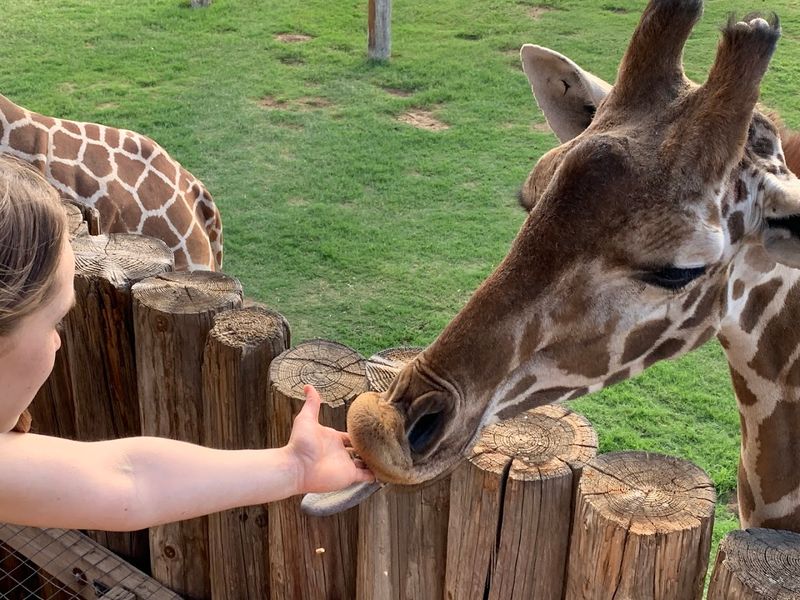
Standing on the elevated giraffe feeding platform put me at eye level with one of nature’s most improbable designs, and I could not stop grinning as a massive head lowered toward the lettuce in my outstretched hand.
The giraffe feeding experience at Wildlife World costs a few extra dollars, but watching that impossibly long purple tongue wrap around vegetation and pull it from my palm made it worth every cent.
These gentle giants moved with a grace that seemed to defy their towering height, and their eyelashes were so long and dramatic that I felt a twinge of envy.
A baby giraffe wobbled near its mother during my visit, all gangly legs and curious eyes, still learning how to coordinate its neck movements. The staff stationed at the platform shared facts about giraffe behavior and diet while helping younger kids hold the food safely, creating a controlled environment that felt surprisingly intimate.
I watched one girl, maybe seven years old, freeze in delighted terror as a giraffe’s face came within inches of hers, then burst into laughter the moment the lettuce disappeared. This kind of direct interaction transforms abstract knowledge into tactile memory that sticks with you long after you leave.
Aquarium Tunnels Beneath The Waves
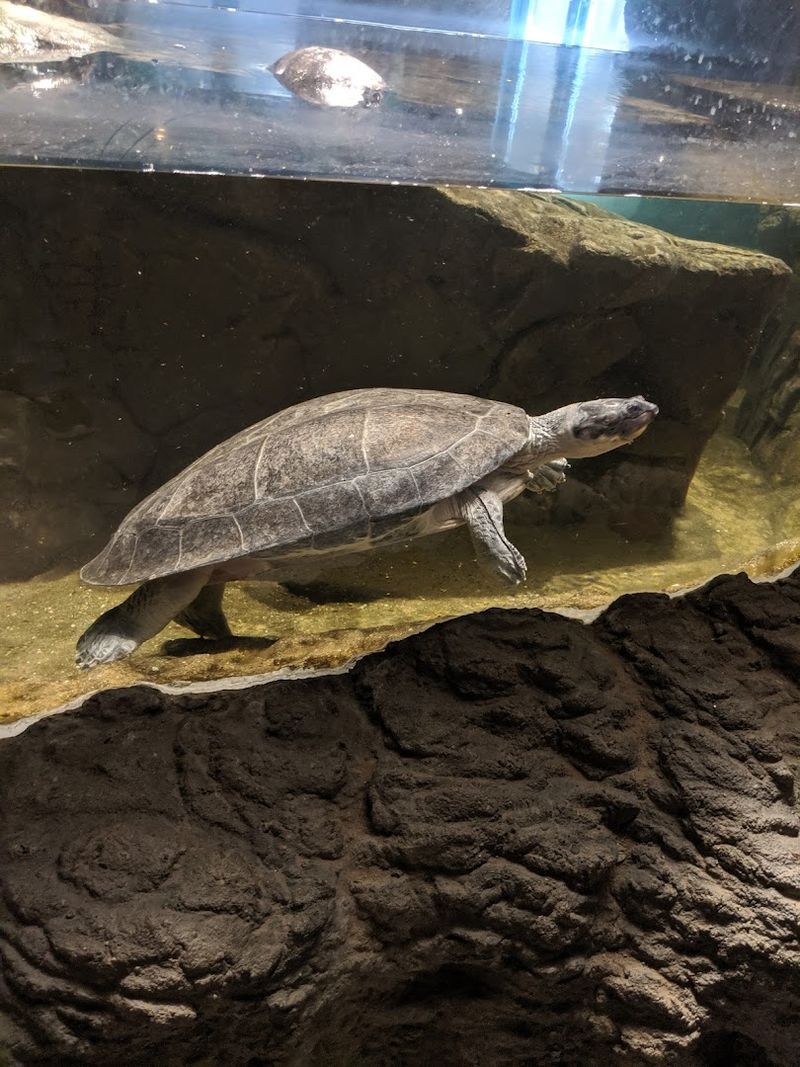
Walking through the aquarium tunnel felt like stepping into a nature documentary where the camera crew forgot to tell me I was not supposed to be there.
Massive fish glided overhead through thousands of gallons of water, their scales catching light in ways that made them look almost metallic. Sharks cruised past at eye level, close enough that I could count their teeth if I had been brave enough to stare that long, while sea turtles paddled with unhurried strokes that made the whole scene feel dreamlike.
The tunnel curves through the center of the main tank, giving you a 360-degree view that eliminates the typical aquarium experience of pressing your face against flat glass.
Kids ran back and forth beneath the swimming creatures, pointing and shouting with excitement that echoed through the enclosed space.
I found myself slowing down each time a particularly large grouper or ray passed directly overhead, tracking its movement until it disappeared from view.
The lighting stays dim to protect the animals and enhance the underwater atmosphere, which makes it feel like you have descended into an ocean realm that exists outside normal time and space.
Even the adults around me pulled out their phones for photos, though I noticed most eventually just stood still and watched.
Adventure Land And Ride Add-Ons
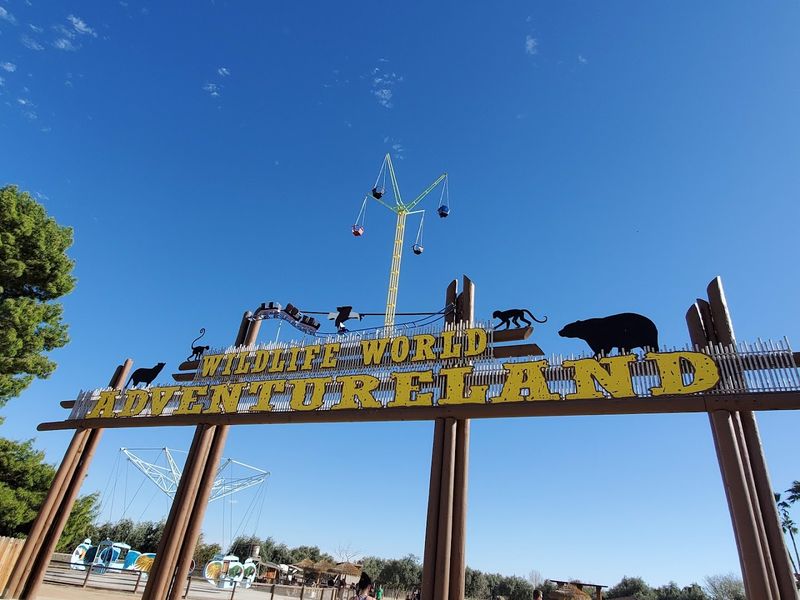
Adventure Land sits tucked into one corner of the property, and I almost missed it entirely until I heard the distant screams of kids on the small roller coaster.
This section combines traditional zoo exhibits with carnival-style rides that give younger visitors a break from pure animal observation. The attractions include a Ferris wheel, a swinging ship, and a few other modest rides that would not intimidate even the most cautious children, though they cost extra beyond your admission ticket.
I watched families use this area as a strategic reset point when their kids started showing signs of zoo fatigue, the rides providing just enough novelty to recharge enthusiasm for more walking.
The blend of entertainment styles might seem odd at first, but it actually extends how long families can comfortably stay without anyone melting down from overstimulation or boredom.
A small petting zoo operates within Adventure Land as well, offering hands-on time with goats and other domesticated animals that provide a gentler experience than some of the more exotic exhibits.
The rides run throughout the day whenever the park is open, and I noticed the lines stayed manageable even during busier afternoon hours. This hybrid approach makes Wildlife World more than just a zoo; it becomes a full-day destination.
Penguin Encounters And Aquatic Bird Exhibits
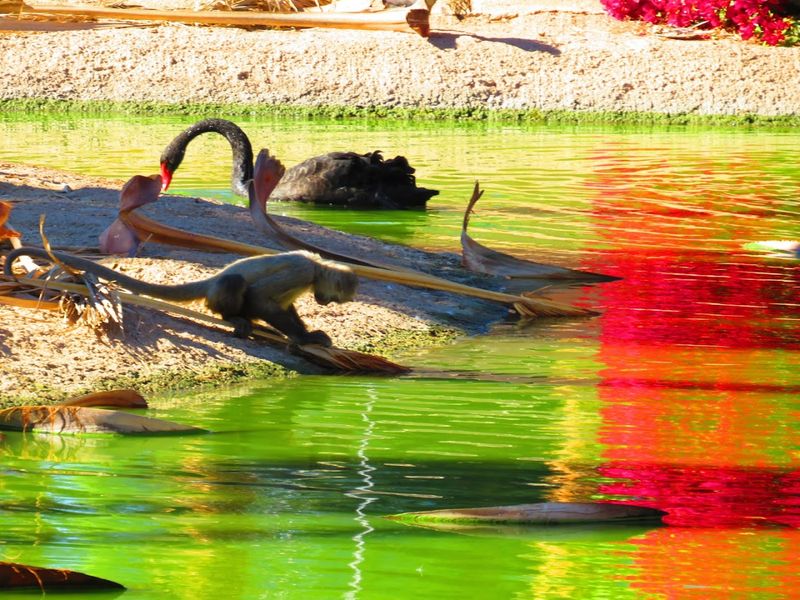
Penguins waddle with such confident purpose that I could not help laughing as I watched them navigate their rocky enclosure like tiny tuxedoed businesspeople late for a meeting.
The penguin exhibit at Wildlife World keeps these cold-climate birds comfortable even in the Arizona heat through climate-controlled environments that maintain temperatures their bodies need.
Large viewing windows let you watch them both on land and underwater, where their awkward waddle transforms into graceful torpedo-like swimming that seems to belong to an entirely different creature.
I timed my visit to coincide with feeding time, which the staff announces throughout the day, and the energy level among the penguins shifted immediately when their keeper appeared with buckets of fish. They jostled and called to each other with sounds that ranged from honks to brays, creating a cacophony that somehow remained charming rather than annoying.
Several other aquatic bird species share nearby exhibits, including flamingos that stood on one leg in shallow pools and pelicans with beaks that looked comically oversized for their heads.
The contrast between the penguin’s formal appearance and their goofy behavior creates an endearing combination that kept me watching far longer than I had planned.
Big Cats And Predator Viewing Areas
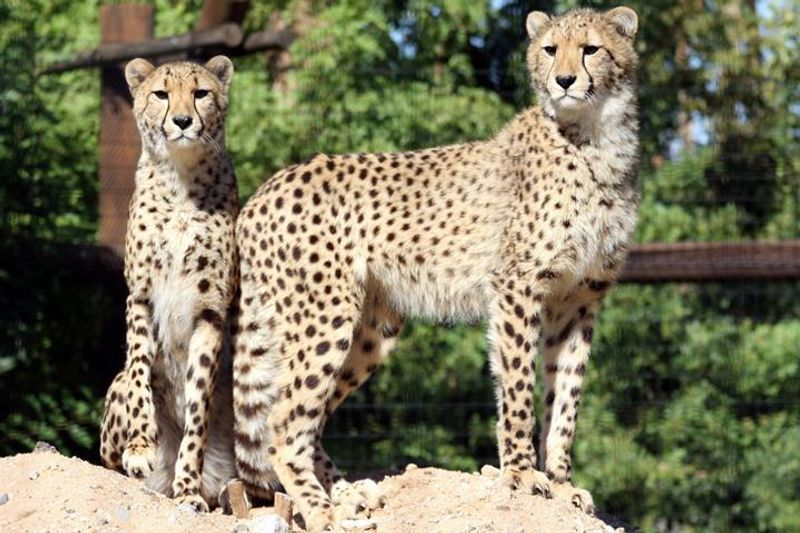
Lions lounged in afternoon shade when I approached their enclosure, looking every bit as regal and unbothered as you would expect from animals that know they sit at the top of the food chain.
Wildlife World maintains several big cat exhibits featuring lions, tigers, and other predators in spaces designed to give them room to move while keeping sightlines clear for visitors.
The male lion’s mane caught the light as he shifted positions, and I heard a collective gasp from the small crowd when he yawned to reveal teeth that could easily crush bone.
What struck me most was how the barriers felt substantial enough to provide security without creating such distance that the animals became tiny dots in the landscape.
Glass panels at some viewing spots let you get surprisingly close, close enough to see whiskers and individual hairs in their coats, while elevated platforms at others provide overhead perspectives that show how these cats use their entire habitat.
A white tiger paced near the front of its enclosure during my visit, its unusual coloring making it look almost mythical in the desert setting. The predator section tends to draw crowds, especially when the cats are active, so I found early morning or late afternoon to be the best times for unobstructed viewing and more animated animal behavior.