
This Picturesque Pennsylvania Town Is Ideal For Spotting Wild Elk
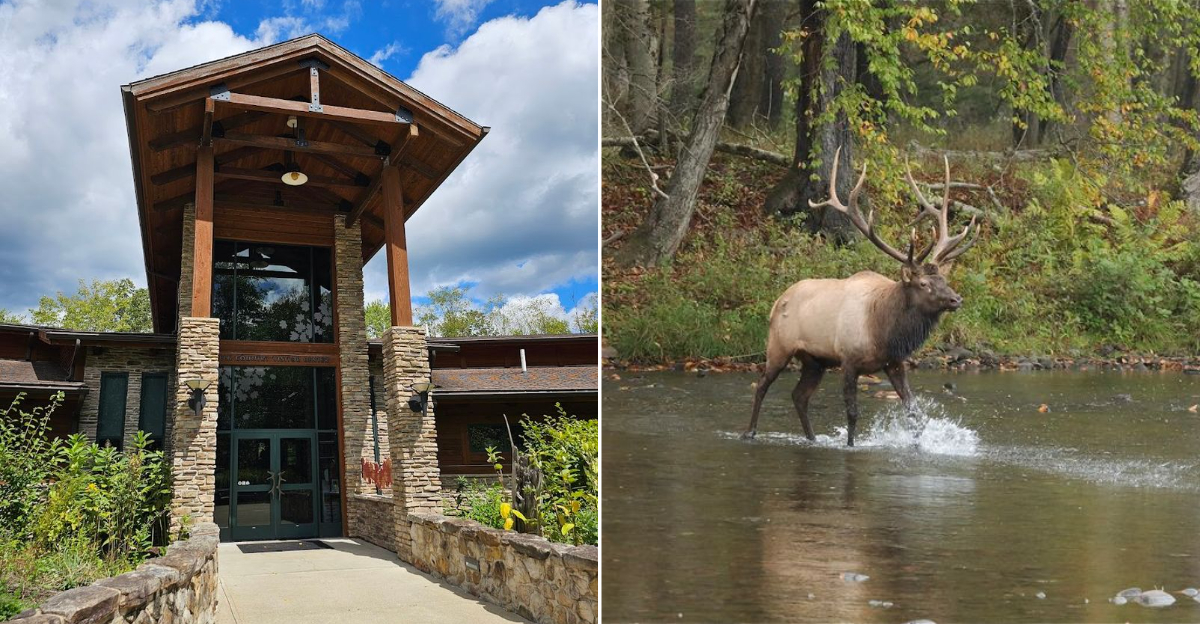
There is a wild side that feels almost cinematic, and one picturesque town puts you right in the middle of it in Pennsylvania.
Rolling hills stretch toward the horizon, morning mist drifts across open fields, and the distant bugle of elk echoes through the crisp air.
Call it nature’s front row seat, a wildlife wonderland, a place where quiet moments turn into unforgettable sightings.
Cameras stay ready, binoculars hang close, and every rustle in the grass sparks a little thrill. Autumn brings golden light and active herds, while winter paints the landscape in soft white silence.
Pennsylvania is known for history and hearty food, yet here the real show is happening outdoors. Visitors gather along viewing areas, whispering with anticipation as majestic animals step into view.
First time I spotted a bull elk against the hillside, I froze mid breath, completely awed by the size and grace of it. That single moment had me planning my return before I even left town.
Pennsylvania’s Largest Free-Roaming Elk Herd Lives Here
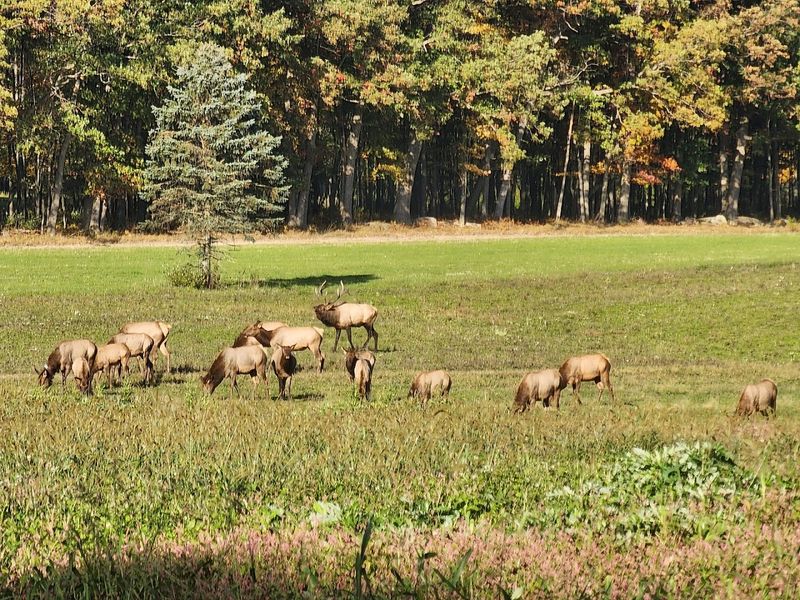
Walking the trails around the visitor center, I quickly realized why wildlife enthusiasts travel from Ohio and beyond to reach this remote corner of Pennsylvania.
The state’s elk herd numbers nearly 1,400 animals, making it the largest wild elk herd in the Northeast today.
These magnificent creatures disappeared from Pennsylvania in the 1800s due to overhunting and habitat loss. Through careful reintroduction efforts beginning in 1913, the herd has rebounded spectacularly.
Today, elk thrive across several counties in the Pennsylvania Wilds region, with Benezette sitting right in the heart of their territory.
During my visits, I’ve spotted herds ranging from small family groups to gatherings of thirty or more animals.
The elk move freely across public and private lands, creating unpredictable but thrilling viewing opportunities.
Some days they graze within yards of the visitor center viewing platforms, while other times you’ll need patience and binoculars to spot them along distant tree lines.
September Rutting Season Offers Peak Wildlife Drama

Nothing prepared me for the haunting sound of a bull elk’s bugle echoing across the valley at dawn.
September through mid-October brings the annual rut, when mature bulls compete for breeding rights with cows. This period transforms quiet meadows into theaters of natural drama.
Bull elk become incredibly active during the rut, bugling to challenge rivals and attract females.
I’ve watched bulls sparring with their massive antlers, circling each other with surprising agility for animals weighing 700 pounds or more.
The testosterone-fueled displays create unforgettable photo opportunities and wildlife memories.
Visitors from Ohio and neighboring states flood Benezette during rutting season, filling parking areas at dawn and dusk when elk activity peaks.
The visitor center staff recommends arriving early to secure good viewing positions.
I learned that patience pays off during this season, as the elk’s preoccupation with breeding makes them less wary of human observers watching from respectful distances.
The Visitor Center Provides Educational Exhibits and Resources
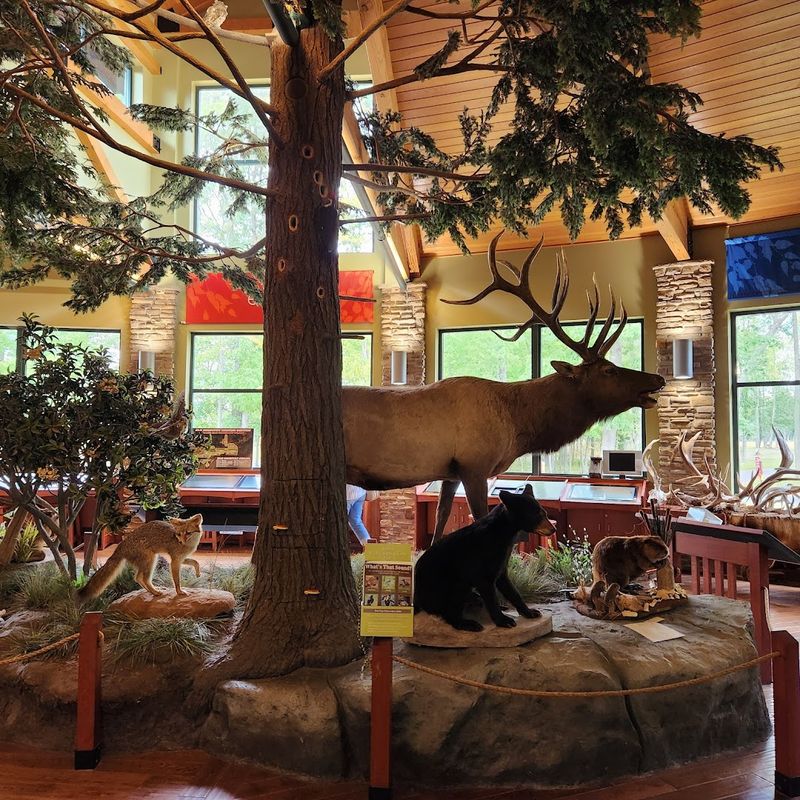
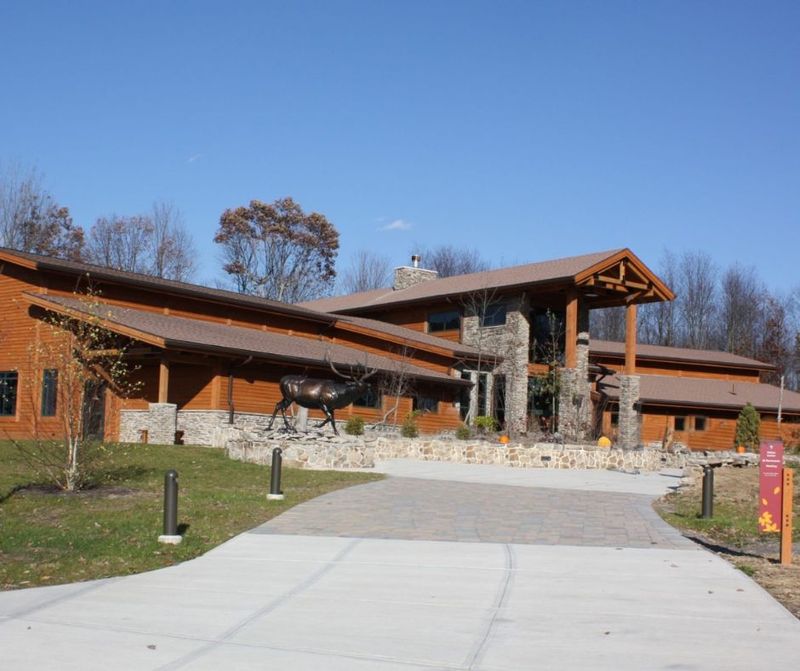
Before heading into the fields, I always stop inside the Elk Country Visitor Center to check current elk locations with the knowledgeable staff.
The building itself impresses with thoughtfully designed exhibits explaining elk biology, behavior, and conservation history.
Interactive displays engage kids while teaching everyone about these remarkable animals. The center houses a small theater showing educational films about Pennsylvania’s elk restoration.
Though adults pay three dollars for the 4D theater, I found the standard exhibits worth the visit even without that add-on too.
Mounted specimens let you appreciate the true size of elk antlers up close.
Staff members and volunteers prove incredibly helpful, sharing recent elk sightings and offering tips for successful viewing.
During my visits, they’ve directed me to specific fields where herds were spotted that morning.
The gift shop stocks field guides, binoculars, and elk-themed souvenirs, with proceeds supporting conservation efforts.
Clean restrooms and plenty of parking make this an ideal base for your elk-watching adventure.
Guided Wagon Rides Take You Directly Into Elk Territory
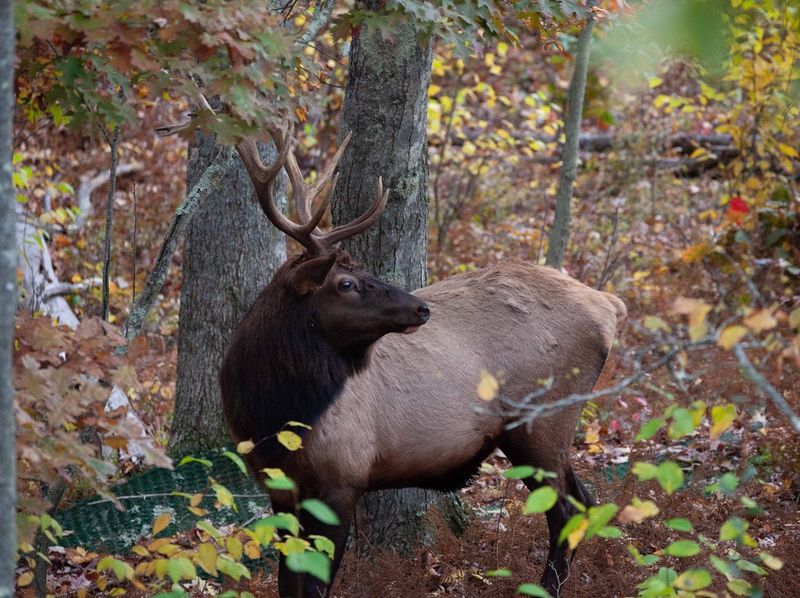
Climbing aboard the horse-drawn wagon for my first guided tour, I felt like I’d stepped into a frontier adventure.
These popular wagon rides transport visitors directly through prime elk habitat, offering perspectives impossible to achieve from roadside viewing areas.
The gentle pace allows for photography and extended observation as knowledgeable guides share fascinating elk facts.
Departing from the visitor center, the wagons roll past fields where elk often appear.
During my evening ride, we encountered a herd of twenty elk grazing peacefully as our guide explained their social structure and seasonal patterns.
The horses seem completely unfazed by elk presence, maintaining calm even when bulls bugle nearby.
These rides run summer through fall and book quickly. I recommend arriving early, since tickets are sold day-of and spots go fast when demand spikes.
The sunset tours prove particularly magical, as elk become most active in fading light. Visitors from Ohio and other states consistently rate these wagon experiences as trip highlights.
Multiple Viewing Areas Surround the Visitor Center
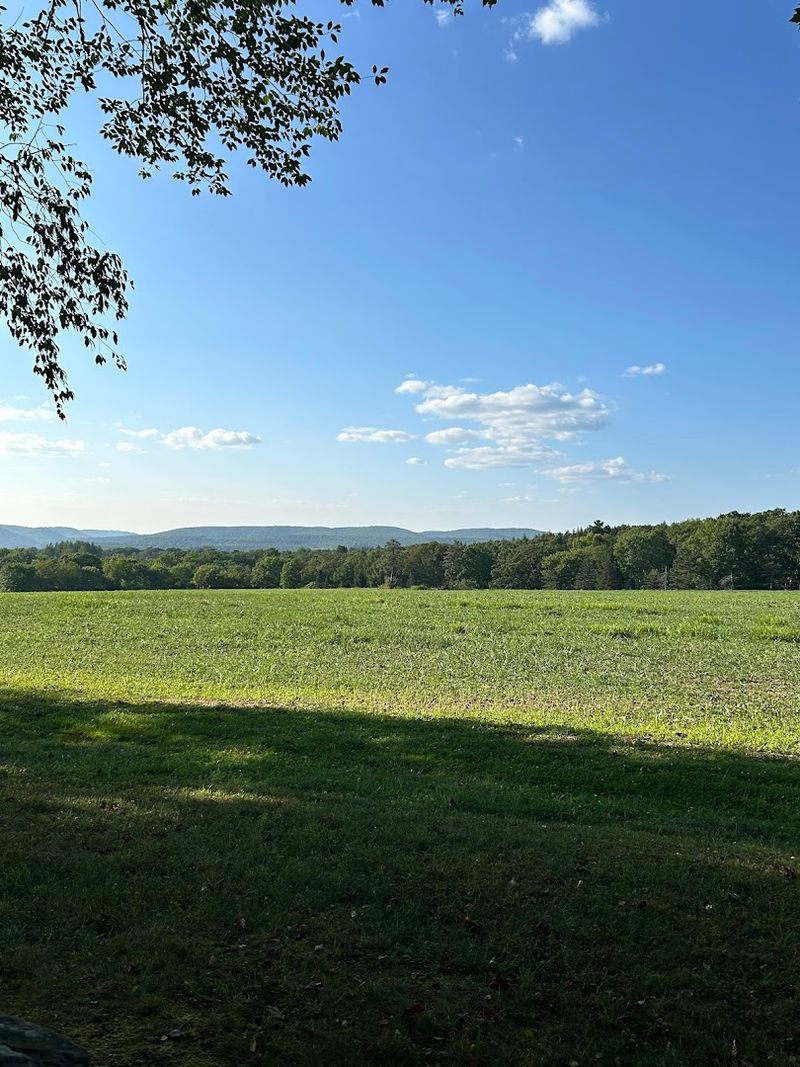
Accessibility matters when wildlife watching, and Benezette delivers with multiple viewing platforms and trails radiating from the visitor center.
I’ve explored the handicap-accessible boardwalk leading to elevated viewing decks that provide unobstructed sightlines across expansive meadows where elk frequently graze.
Short walking trails wind through the property, each offering different vantage points. The paths remain well-maintained and easy to navigate, suitable for families with young children.
Benches positioned at strategic locations let you settle in for extended observation sessions. I’ve spent hours on these platforms, watching elk behaviors unfold naturally.
The main viewing area sits adjacent to the center, where open fields attract elk during morning and evening feeding times. Additional viewing spots lie within a five-minute drive, marked on maps available inside.
During my visits, staff members have directed me to alternative locations when elk weren’t visible from the primary area.
This network of viewing sites significantly increases your chances of successful elk encounters throughout your stay in Pennsylvania’s elk country.
Dawn and Dusk Offer the Best Viewing Opportunities
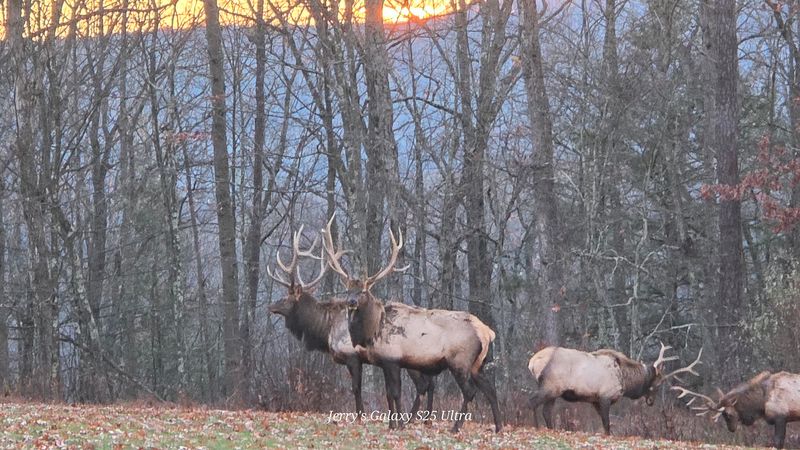
My alarm chimed at 5:30 AM, and despite the early hour, I eagerly headed to the viewing areas. Elk follow predictable patterns, feeding most actively during the cooler hours around sunrise and sunset.
These crepuscular habits mean serious wildlife watchers must adjust their schedules accordingly. During morning visits, I’ve watched elk emerge from wooded areas as mist rises from the valleys.
The soft light creates stunning photographic conditions while the animals graze peacefully before retreating to shade as temperatures rise.
Evening sessions often prove equally productive, with herds returning to open meadows as shadows lengthen.
Midday viewing can disappoint, as elk typically rest in forested areas during hot afternoons. I learned this lesson after a fruitless noon visit in August.
The visitor center staff confirms that patience and proper timing dramatically increase encounter success.
Visitors traveling from Ohio or other distant locations should plan overnight stays to experience both prime viewing windows.
Bringing portable chairs and snacks lets you settle in comfortably during these extended observation sessions.
The Remote Location Requires Planning and Preparation
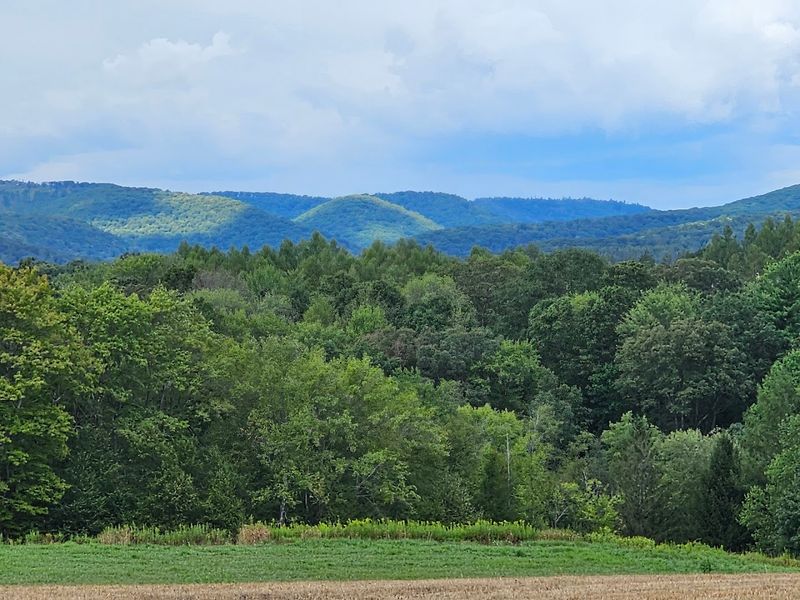
Benezette sits in one of Pennsylvania’s most remote regions, and that isolation contributes to its appeal as elk habitat. However, the location at 950 Winslow Hill Rd means you’ll need to plan ahead.
Cell phone service proves spotty throughout the area, so I always download maps and directions before leaving urban areas.
The nearest significant towns lie 30-45 minutes away, with limited dining options in Benezette itself. I pack snacks, water, and meals for full-day visits.
Gas stations become scarce in this rural region, so fuel up before entering the Pennsylvania Wilds. The winding mountain roads require careful driving, especially after dark when elk may cross unexpectedly.
Despite these logistical considerations, the remoteness enhances the wilderness experience. Visitors from Ohio and other states should embrace the journey as part of the adventure.
The visitor center stocks some snacks and drinks, though options remain limited compared to urban areas.
I’ve learned to treat each trip as a backcountry excursion, bringing everything I might need for a full day of wildlife observation.
Year-Round Viewing Opportunities Beyond Rutting Season
While September steals the spotlight, I’ve enjoyed memorable elk encounters during every season in Benezette.
Winter viewing offers unique advantages, as elk become more visible against snowy landscapes and congregate in valleys where food remains accessible.
The bare trees provide clearer sightlines, though you’ll need warm clothing for extended observation.
Spring brings newborn calves, typically appearing in late May and June. Watching spotted calves interact with protective mothers provides heartwarming wildlife moments.
Summer’s lush vegetation sometimes obscures elk, but the comfortable weather makes for pleasant viewing sessions.
I’ve spotted bulls growing their impressive antlers during summer visits, covered in velvet that they’ll shed before fall.
Each season presents different elk behaviors and photographic opportunities. Winter visitors from Ohio and beyond discover they often have viewing areas nearly to themselves, compared to autumn’s crowds.
The visitor center maintains regular hours throughout most of the year, though winter schedules may vary.
Regardless of when you visit, patience and proper timing remain keys to successful elk viewing in Pennsylvania’s wilderness.
Respectful Wildlife Viewing Protects Both Visitors and Elk
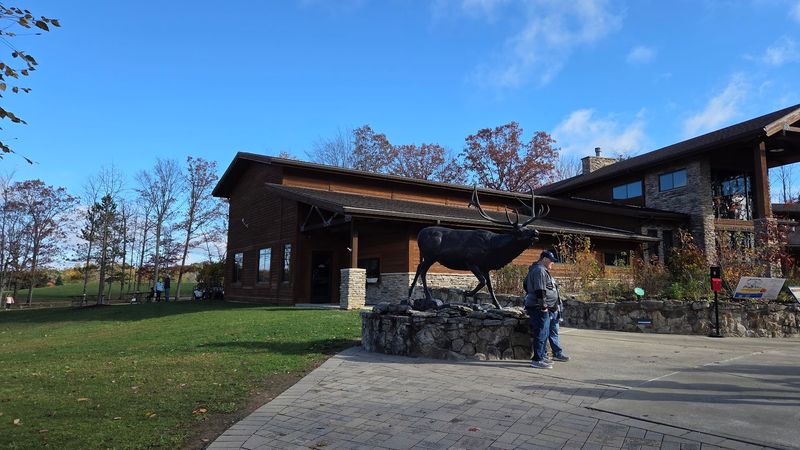
During my first visit, a visitor center volunteer emphasized the importance of maintaining safe distances from elk.
These wild animals, despite their often-calm demeanor, remain unpredictable and potentially dangerous.
Bulls become especially aggressive during rutting season, and cows fiercely protect their calves. I always keep at least 50 yards between myself and any elk.
The center provides clear guidelines about ethical wildlife observation. Never approach, feed, or attempt to attract elk attention.
I use telephoto lenses and binoculars to observe details without disturbing natural behaviors. Staying on designated trails and viewing platforms protects both fragile habitat and personal safety.
Elk in Pennsylvania have grown somewhat accustomed to human presence, but they remain wild animals deserving respect.
I’ve watched irresponsible visitors approach too closely, causing elk to flee and disrupting viewing opportunities for everyone.
The conservation success story here depends on maintaining this balance between accessibility and protection.
Following posted guidelines ensures future generations of visitors from Ohio and beyond can enjoy these magnificent creatures in their natural Pennsylvania habitat.
Supporting Conservation Through Visits and Donations
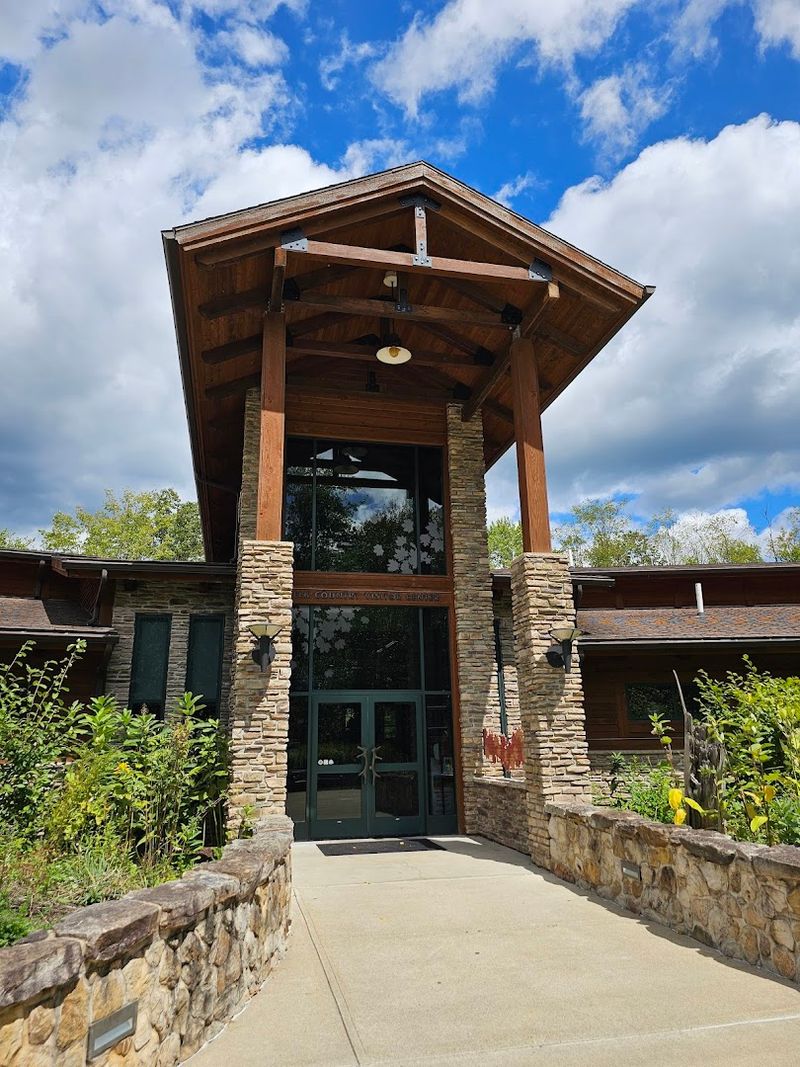
The Elk Country Visitor Center is run by a nonprofit alliance, relying on visitor support and donations.
Every dollar contributed directly supports elk conservation, habitat management, and educational programming.
I always drop bills in the donation boxes, knowing my contribution helps maintain this incredible resource.
The gift shop offers another way to support conservation while taking home meaningful souvenirs. I’ve purchased field guides, pressed pennies featuring elk designs, and locally-made crafts.
Staff members explained that merchandise proceeds fund wildlife research and visitor center operations. Even small purchases make a difference in sustaining these programs.
Volunteer opportunities exist for those wanting deeper involvement in elk conservation. During visits, I’ve met passionate volunteers who donate time educating visitors and monitoring elk populations.
The center welcomes support from residents and regular visitors alike. Whether you’re traveling from Ohio for a weekend or live nearby, your engagement helps ensure Pennsylvania’s elk herd continues thriving.
This conservation success story belongs to everyone who values wildlife and wilderness, making each visit both an adventure and an investment in nature’s future.