
This Illinois Spillway Hides A Waterfall That Looks Like An Ancient Lost Ruin
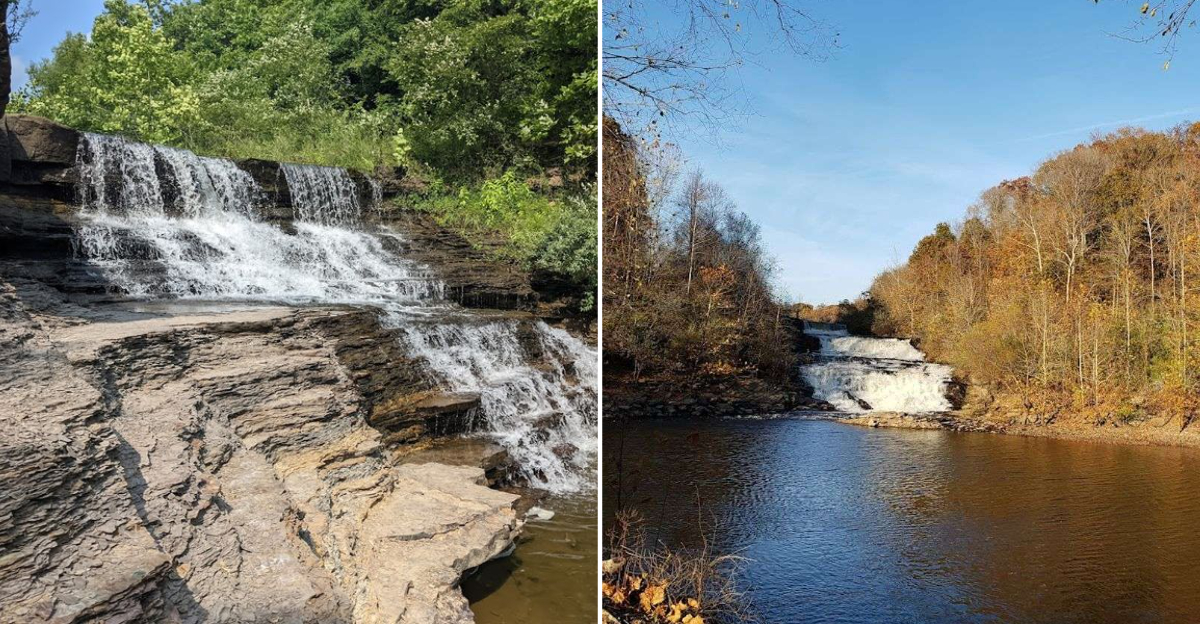
I still remember the first time someone mentioned a waterfall in southern Illinois that looked like something pulled straight out of an Indiana Jones film. The claim sounded exaggerated.
Illinois, in my mind, meant quiet lakes, farm roads, and low rolling woods, not cascading water pouring over something that resembled ancient ruins. Curiosity eventually won and one Saturday morning, I headed down toward the Gorham area, unsure what I would actually find at the end of the road.
The sound reached me first, a steady rush echoing through the trees before the structure even came into view. Then the landscape opened up, revealing tier after tier of weathered spillway steps with water sliding over them in wide, glassy sheets.
The surfaces looked aged beyond their years, softened by moss, streaked with mineral stains, and broken up by shallow pools. For a moment, it felt less like standing beside infrastructure and more like stumbling onto the remains of something far older, half reclaimed by nature.
Built By Design, Aged By Nature
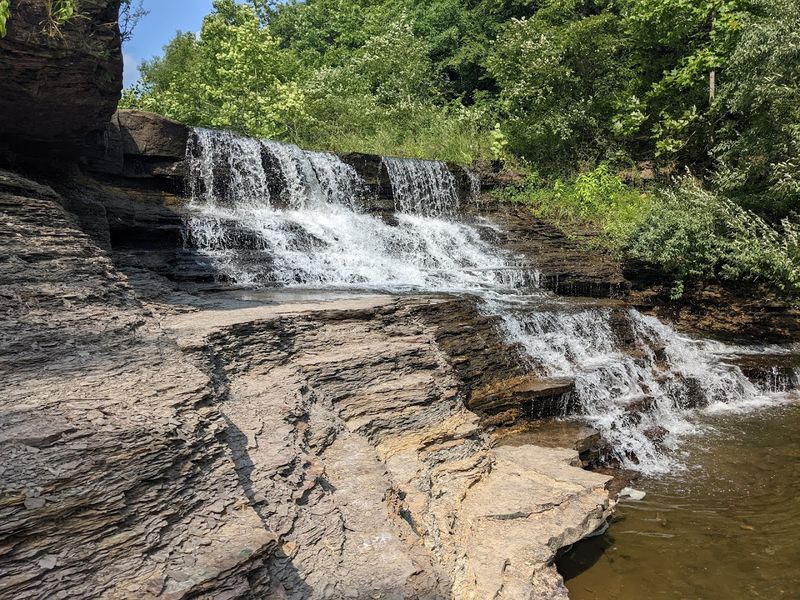
When engineers constructed this spillway decades ago, they probably had no idea they were creating what would become one of southern Illinois’s most photographed spots. The engineered spillway structure was designed purely for function, controlling water overflow, but time had other plans.
Years of water flow, weather exposure, and natural growth transformed the stark concrete into something that genuinely resembles ancient ruins. Moss clings to the edges, algae creates natural patterns, and the erosion gives each tier a unique character.
Standing at the bottom looking up, you’d swear you were gazing at Mayan temple steps rather than a mid-century dam structure.
What makes this transformation so remarkable is how completely nature has claimed the human-made structure. The concrete has taken on textures and colors that mimic natural stone formations.
Cracks and crevices have become homes for small plants, and the constant water flow has smoothed edges into organic curves.
I’ve visited many spillways across the Midwest, but none capture this perfect balance between human engineering and natural reclamation quite like this one does.
Four Distinct Tiers To Explore
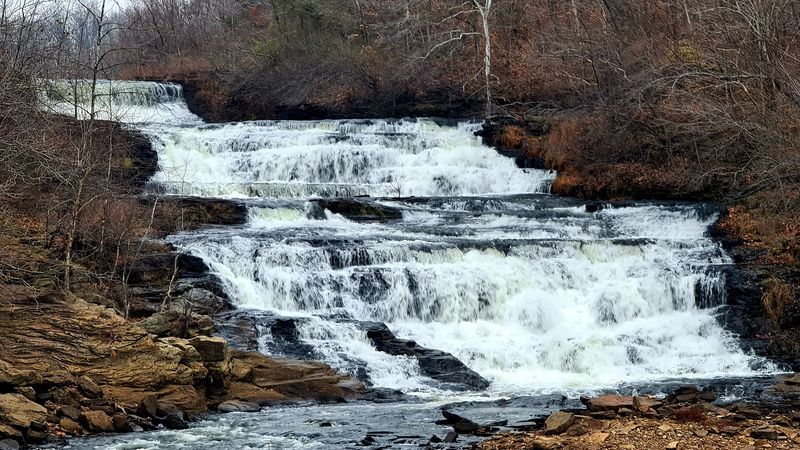
Most visitors don’t realize the Kinkaid Lake Spillway is multi-level, with several distinct sections that each offer their own experience depending on water flow.
The bottom tier creates a large pool perfect for wading and fishing, while water tumbles down from above creating that signature waterfall sound that draws people here.
Climbing to the second tier requires some careful footwork over slick rocks, but the reward is worth the effort. This middle section tends to have the most dramatic water flow when the lake is full.
The third tier offers slightly calmer waters and interesting rock formations to explore.
Reaching the highest accessible section brings you close to the top of the spillway, where you can see Kinkaid Lake stretching out before you. The view from up here puts the entire structure into perspective and shows you just how much elevation you’ve climbed.
Each tier has its own personality depending on water levels and seasons. During dry spells, you can walk between them easily.
After heavy rains, the entire spillway becomes a roaring cascade that’s both beautiful and slightly intimidating to approach.
Practical Details For Planning Your Trip
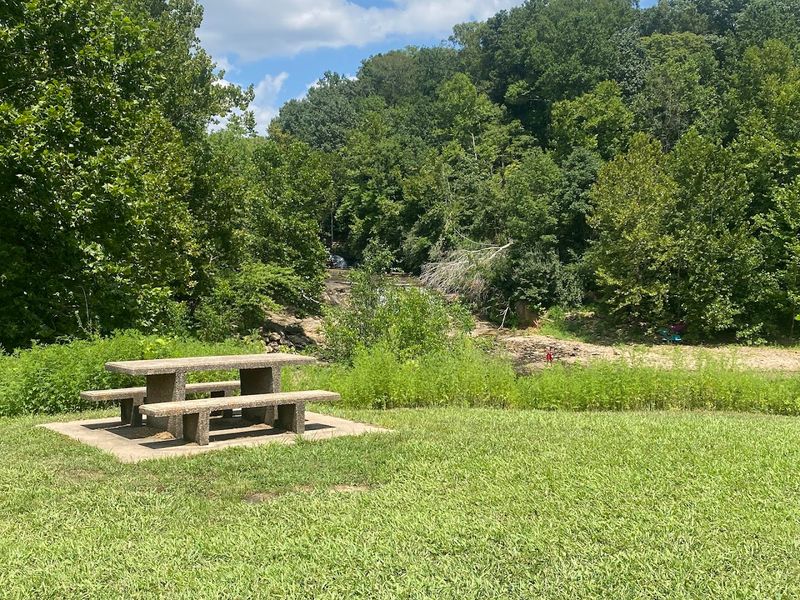
The spillway sits at 432 N Spillway Rd in Gorham, Illinois, easily accessible via well-maintained roads suitable for regular passenger vehicles. The parking area accommodates dozens of vehicles, though it can still fill up on beautiful summer Saturdays by mid-morning.
Basic facilities include picnic tables and restroom buildings, though several reviews mention the bathrooms are often locked. Plan accordingly and consider stopping in Gorham or nearby Murphysboro for restroom breaks before arriving.
The parking area itself is free, as is access to the spillway and surrounding trails. Most visitors spend between one and three hours here depending on how much climbing and exploring they do.
Pack drinking water since there are no concession facilities, and bring snacks if you’re planning an extended visit. The picnic tables provide nice spots for lunch with a view of the spillway below.
Contact the Illinois Department of Natural Resources or the Kinkaid Lake area park office for current conditions before visiting, especially after storms or during spring flooding season.
The Illinois Department of Natural Resources closures and alerts page provides updates on access roads and water levels that can significantly impact your experience at this unique Illinois destination.
Water Levels Change Everything
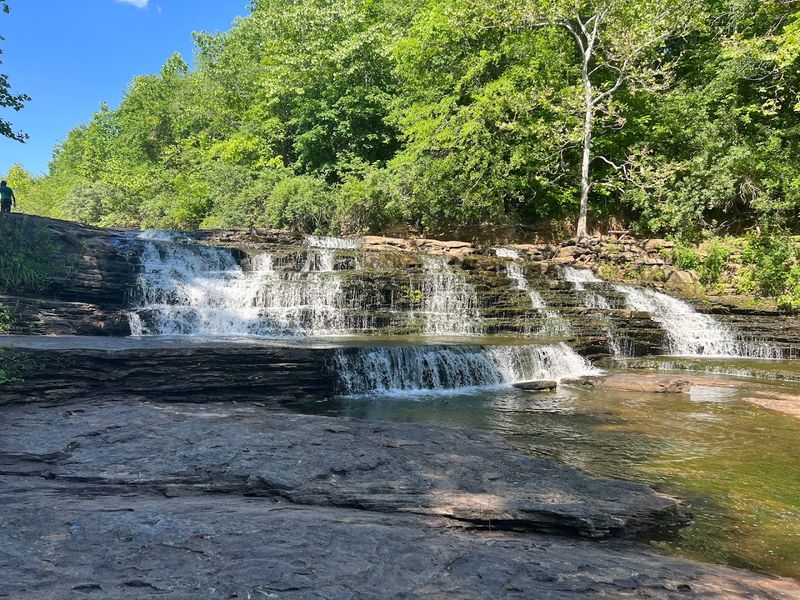
Here’s something that surprised me during my second visit: the spillway I remembered from three months earlier looked completely different. Water levels at Kinkaid Lake fluctuate based on rainfall, season, and dam management, which means the spillway constantly transforms.
After heavy spring rains, the entire structure roars with water rushing down all four tiers simultaneously. The pools at each level deepen, and the sound becomes almost deafening.
This is when the spillway looks most dramatic for photos, though climbing becomes much more challenging and potentially dangerous.
During summer dry spells, the flow might reduce to a trickle or stop entirely on some tiers. This reveals the full architectural detail of the concrete structure and makes climbing much safer.
You can walk right up the center where water usually flows, examining every crack and corner.
Fall typically brings moderate flows that many visitors consider ideal. There’s enough water to create beautiful cascades and fill the pools, but not so much that navigation becomes treacherous.
Winter visits can reveal ice formations that add another layer of beauty to the scene.
The Climb Requires Proper Footwear
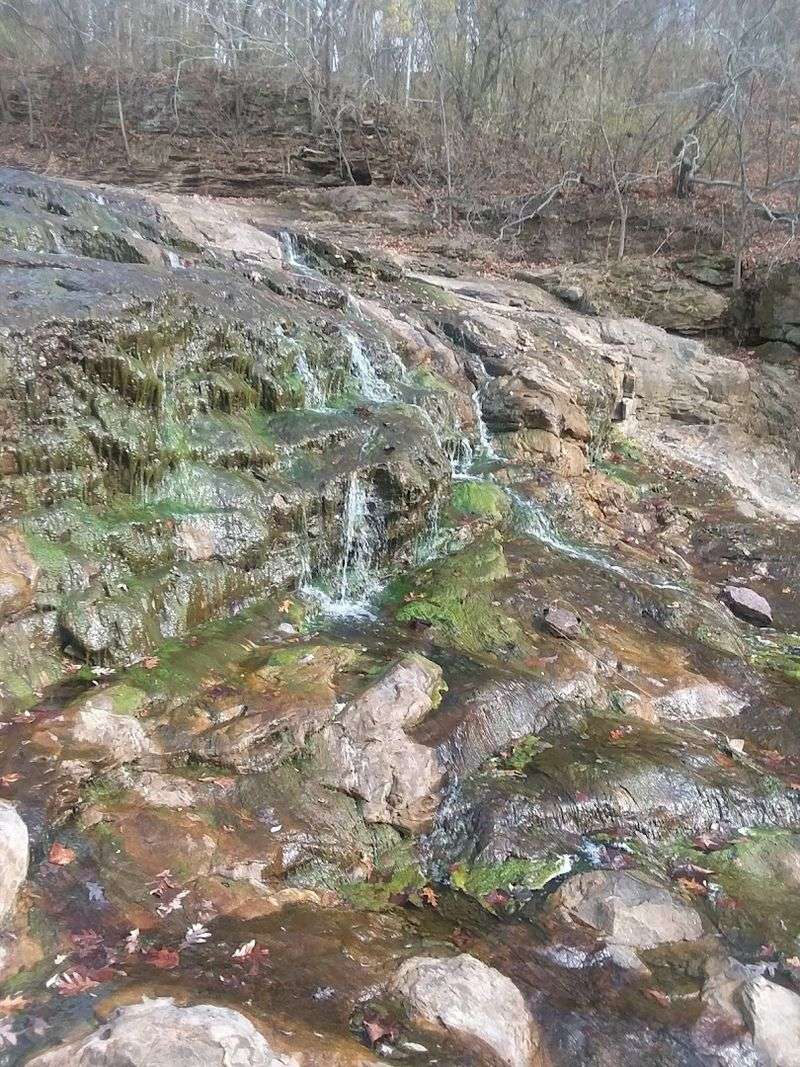
I learned this lesson the hard way during my first visit when I showed up wearing regular sneakers. Within five minutes of attempting to climb the first tier, I’d slipped twice and decided to retreat.
The concrete surfaces stay perpetually wet and slick, covered with algae and moss that create an incredibly slippery coating.
Water shoes with good grip have become my essential gear for this location. The kind with rubber soles designed for river walking work perfectly here.
Some visitors wear hiking boots, but I find those too heavy and slow to dry. Others prefer going barefoot, which works if you have tough feet and don’t mind the rough concrete texture.
The slipperiness isn’t just annoying; it’s genuinely hazardous. Multiple reviews mention near-falls, and I’ve watched plenty of people struggle to maintain their footing.
The rocks between tiers can be even more treacherous than the concrete surfaces themselves.
During peak summer weekends, you’ll notice experienced locals practically dancing up the tiers in their well-worn water shoes while tourists in flip-flops cling nervously to any handhold they can find. Proper footwear transforms the experience completely.
Swimming Spots At Multiple Levels
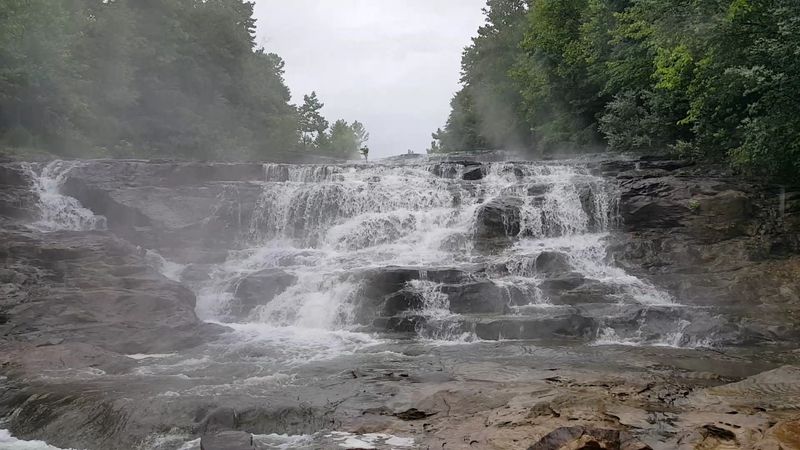
One of the spillway’s best-kept secrets is that you’re not limited to the main pool at the bottom. Each level creates its own informal wading or swimming spot with different depths and characteristics, though all use is at your own risk.
The bottom pool tends to be the largest and most popular, especially with families who have young children. Water temperatures stay surprisingly comfortable during summer months since the lake water has time to warm before flowing over the spillway.
Unlike mountain streams that stay frigid year-round, these pools can actually feel pleasant on hot July afternoons. The water clarity varies depending on recent rains but generally stays clean enough for swimming.
The second tier pool offers a more adventurous swimming experience for those willing to make the climb. It’s shallower than the bottom pool but provides a unique perspective being surrounded by cascading water on multiple sides.
Some visitors prefer the relative privacy up here compared to the sometimes-crowded bottom area. At the very top near the dam, visitors often wade or swim in the lake itself, though there are no lifeguards and conditions vary.
This spot combines traditional lake swimming with easy access to begin the spillway descent, making it popular with groups who want variety during their visit.
Photography Paradise Year-Round
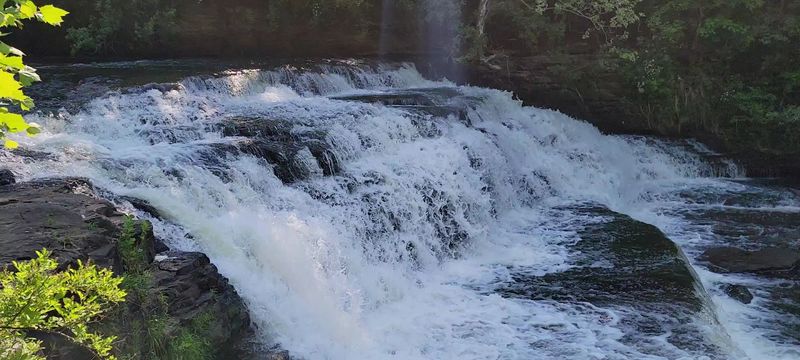
Scroll through Instagram using the Kinkaid Spillway location tag and you’ll find thousands of photos, each capturing the location’s unique character differently.
The combination of flowing water, weathered concrete, and surrounding forest creates endless composition possibilities. I’ve returned here specifically for photography at least six times, and I still haven’t exhausted the creative angles.
Golden hour lighting transforms the spillway into something magical. Morning sun hits the eastern-facing structure beautifully, while late afternoon creates dramatic shadows between the tiers.
Overcast days work wonderfully too, providing soft lighting that makes the water’s movement easier to capture without harsh reflections.
Long-exposure photography enthusiasts love this location because the flowing water creates those dreamy, silky effects that look professional even with basic camera equipment. The multiple tiers mean you can capture several different waterfall compositions without moving to a new location.
Spring brings fresh green growth that frames the spillway perfectly, while fall foliage adds warm colors to the background. Even winter visits can yield stunning images when ice formations develop along the edges.
The only real challenge is avoiding crowds during peak times when other people inevitably end up in your shots.
Not Recommended For Small Children
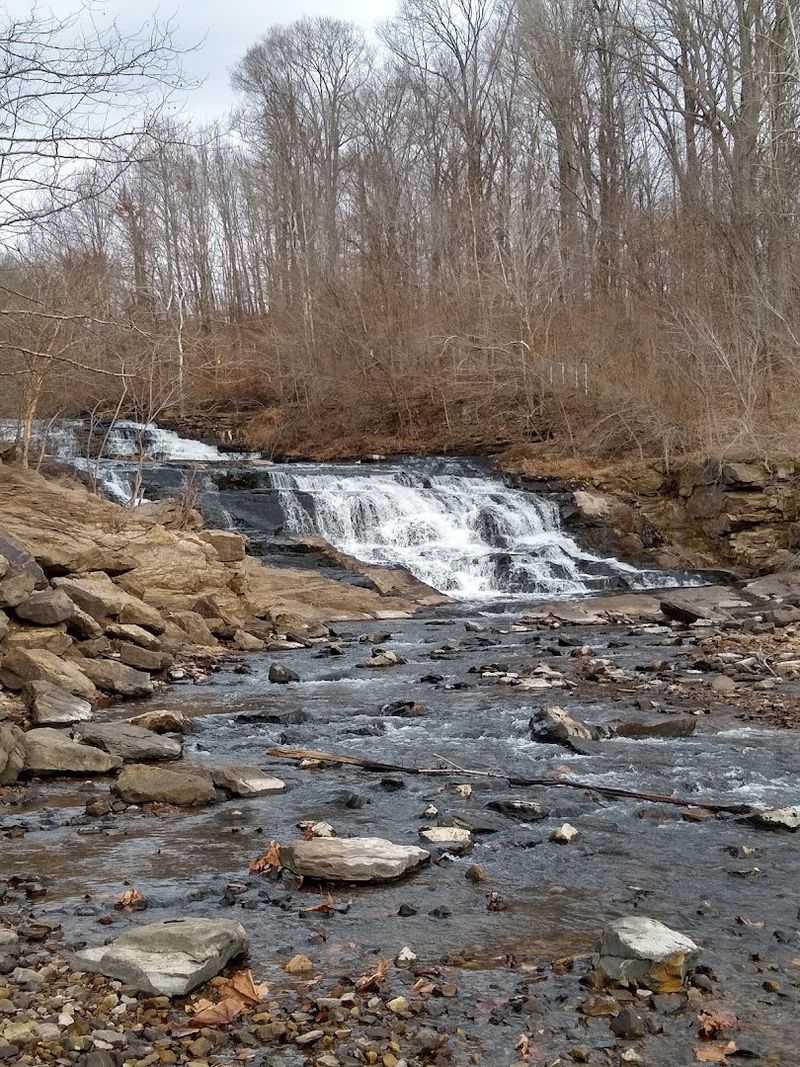
Several online reviews emphasize this point, and after watching families navigate the spillway, I completely understand why.
The slippery surfaces, uneven footing, and proximity to deep water create multiple hazards that require constant vigilance. Young children simply don’t have the coordination or judgment needed to safely explore beyond the bottom pool area.
Parents with toddlers or preschoolers can certainly enjoy the spillway, but they should plan to stay at the bottom level where the large pool offers safer wading opportunities.
Even here, supervision is critical because the pool deepens quickly in certain spots, and the current from incoming water can be stronger than it appears.
Older elementary-aged kids with good swimming skills and body awareness can handle the climb with close adult supervision.
I’ve seen plenty of families successfully explore the upper tiers together, but it requires going slowly, maintaining physical contact on the slickest sections, and being prepared to turn back if conditions seem too challenging.
The parking area includes picnic tables where one adult can comfortably watch younger children while older family members explore the spillway itself. This arrangement works well for multi-generational groups with varying ability levels and comfort zones around water.
Part Of Shawnee National Forest
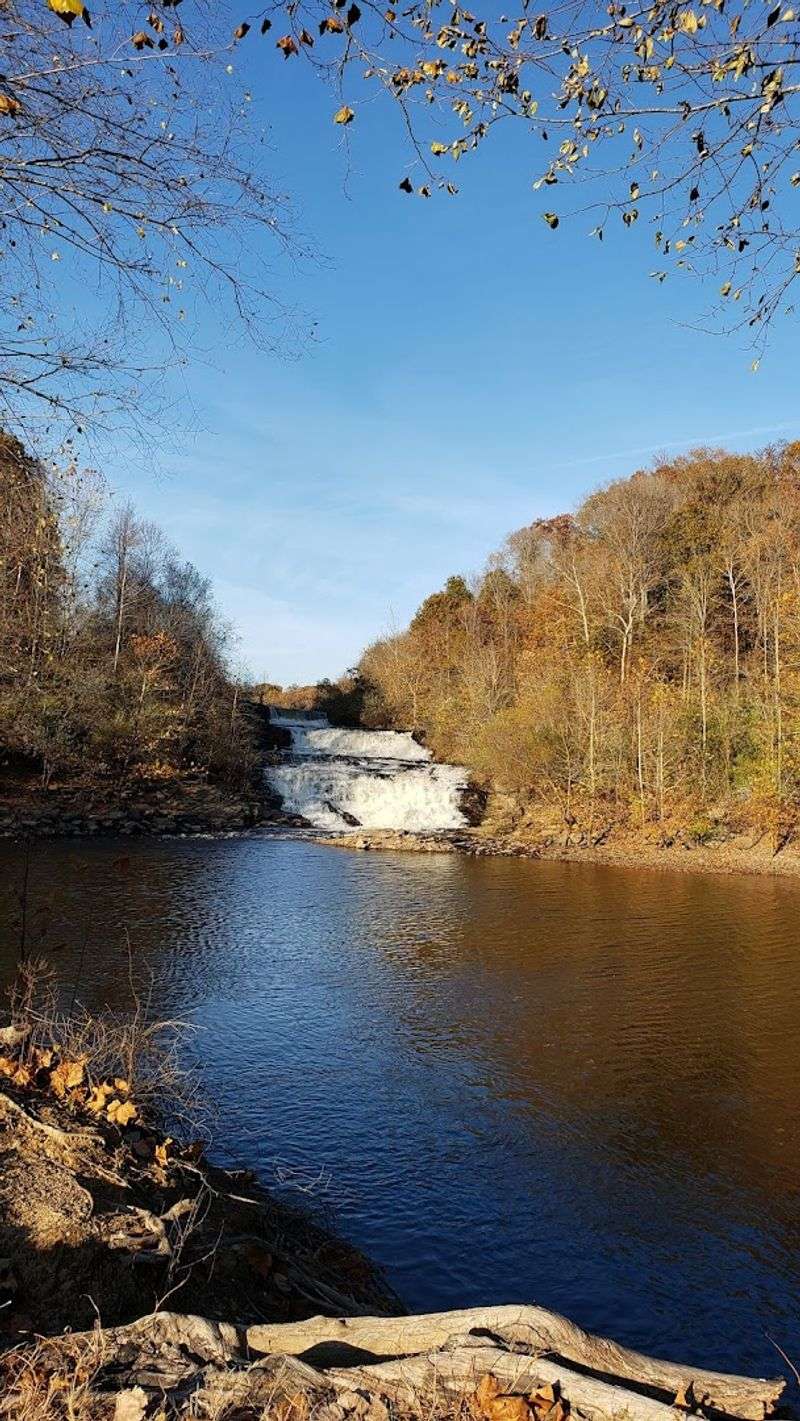
What many visitors don’t realize is that the spillway sits near the edge of the much larger Shawnee National Forest, which spans roughly 280,000 acres across southern Illinois.
This context matters because it means your spillway visit can easily expand into a full day or weekend of outdoor recreation. The forest offers dozens of hiking trails, camping areas, and other natural attractions within a short drive.
Kinkaid Lake itself covers over 2,750 acres and provides excellent fishing opportunities for bass, crappie, and catfish.
The lake’s marina sits just a few miles from the spillway and offers boat rentals if you want to explore the water from a different perspective. Camping facilities near the lake range from primitive sites to RV-friendly campgrounds with full hookups.
The forest management allows various activities including horseback riding on designated trails, mountain biking, and seasonal hunting in specific zones. This multi-use approach means you might encounter diverse groups of outdoor enthusiasts during your visit, from serious anglers to casual picnickers.
Being part of a national forest also means the area follows federal recreation guidelines and receives regular maintenance, though facilities remain relatively basic. Don’t expect resort amenities, but do count on clean, well-maintained natural spaces.
Seasonal Considerations For Your Visit
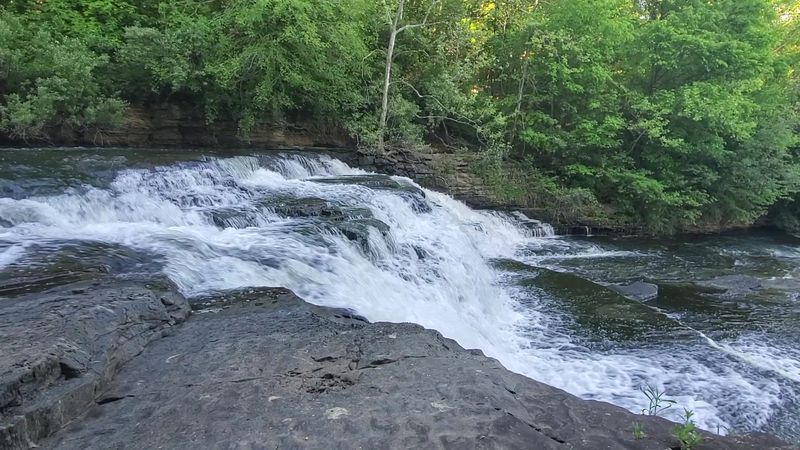
Spring visits coincide with peak water flow as snowmelt and spring rains keep the lake full and the spillway active.
This season offers the most dramatic water displays but also means muddier trails, higher mosquito populations, and potentially flooded access roads. The forest comes alive with wildflowers and migrating birds, adding extra natural beauty to complement the main attraction.
Summer brings warm water temperatures perfect for swimming and wading, plus longer daylight hours that allow for extended visits.
However, this is also peak tourist season, meaning parking lots fill quickly on weekends and the spillway itself can become crowded. Weekday visits during summer offer the best balance of good conditions and manageable crowds.
Fall transforms the surrounding forest into a showcase of autumn colors while water levels typically moderate to ideal exploring conditions.
Temperatures cool enough to make hiking comfortable but stay warm enough for quick dips in the pools. This is my personal favorite season for visiting, though I’m clearly not alone in that preference.
Winter visits require the most caution due to ice formation on already-slippery surfaces, but the dramatic icicles and frozen cascades create otherworldly scenery. Snow-covered forest surroundings add to the ancient ruins atmosphere that gives this spillway its unique character.