
These Easy Illinois Hikes Reward You With Waterfalls And Canyon Views
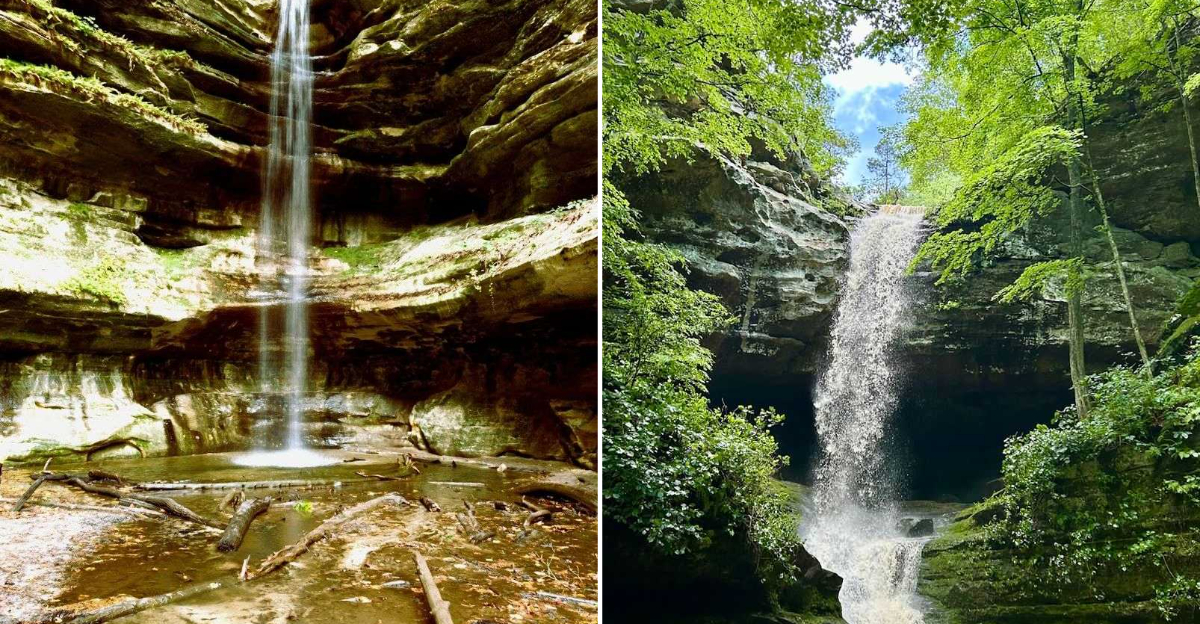
Illinois might not be the first state that comes to mind when dramatic landscapes are mentioned, but that assumption fades quickly on the trail. I remember the first time I stood beneath a sandstone canyon wall here and heard water echo off the rock, it didn’t feel like prairie country at all.
Illinois has carved-out gorges, seasonal waterfalls that surge after rain, and cliffs that rise high above quiet river valleys. These hikes show that striking scenery isn’t limited to distant mountain states.
Many of these routes are short, well-marked, and manageable for beginners, which makes them ideal for a relaxed weekend outing or a spontaneous day trip. I’ve found that the real surprise isn’t just the views, it’s how accessible they are.
Lace up a pair of sturdy shoes and bring a camera; these nine trails reveal a side of Illinois that rarely makes the postcards but absolutely deserves the spotlight.
1. Starved Rock State Park, St. Louis Canyon
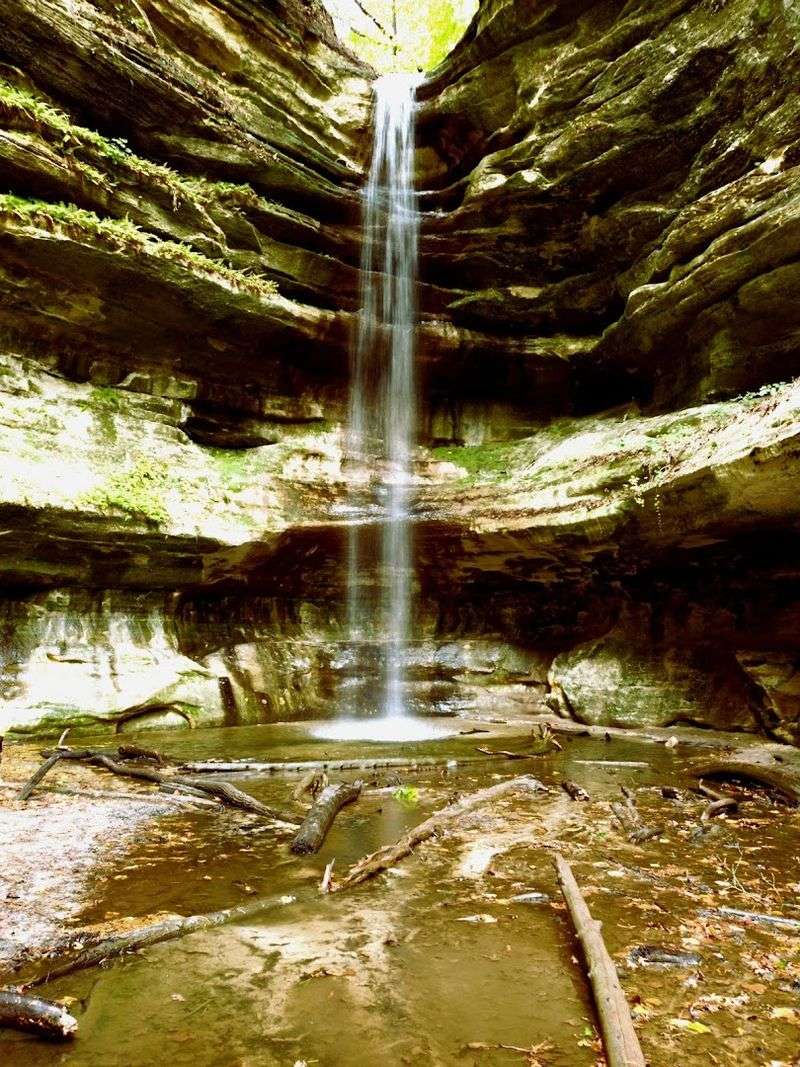
St. Louis Canyon at Starved Rock State Park near Oglesby delivers one of the most photogenic waterfall scenes in the entire Midwest.
The out-and-back trail winds through hardwood forests before descending into a narrow sandstone canyon where a seasonal waterfall tumbles down moss-covered walls, with total distance varying from about 1 to 2 miles depending on route.
Spring brings the most dramatic water flow, but even during dry summer months, the cool canyon walls and lush ferns create a magical atmosphere.
The trail is well-maintained with clear signage, making it perfect for families and beginner hikers. You’ll cross wooden bridges and climb a few staircases, but nothing too strenuous.
The canyon itself feels like stepping into another world, with walls rising high on both sides and creating perfect acoustics for the echoing water sounds.
Plan to arrive early on weekends because this popular spot fills up fast. The park sits along the Illinois River about 90 miles southwest of Chicago, making it an easy day trip.
Winter transforms the waterfall into stunning ice formations, though trails can be slippery.
Address: 2668 East 875th Road, Oglesby, IL 61348.
2. Matthiessen State Park, Dells Area
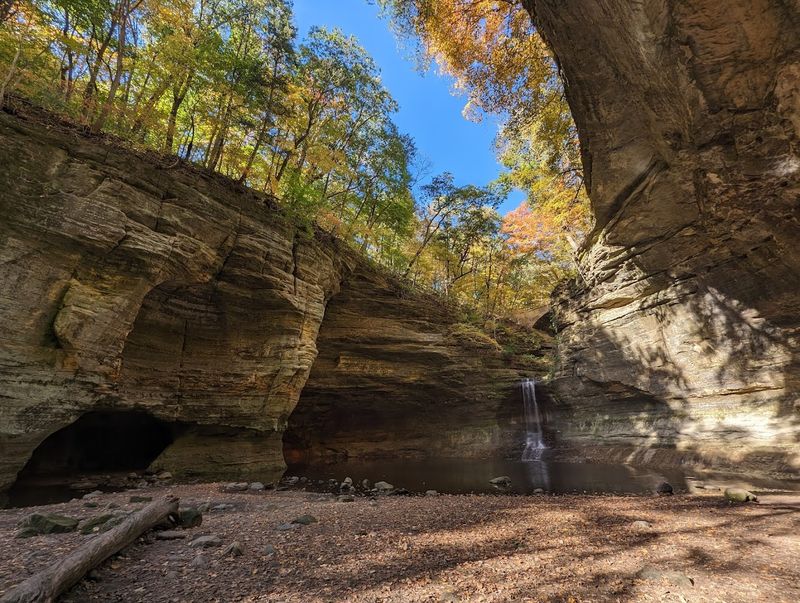
Just five miles south of Starved Rock sits Matthiessen State Park, a quieter alternative that packs equally impressive scenery into its trails.
The Dells Area features a stunning canyon system carved by Matthiessen Lake’s outflow, creating waterfalls, pools, and dramatic rock formations along a relatively easy 1.7-mile loop. The lower dells trail follows the creek bed itself during dry seasons, letting you walk right through the canyon bottom.
Massive sandstone bluffs tower overhead as you navigate through narrow passages and around cascading water. The upper dells section offers overlook views where you can peer down into the canyon from above.
Wooden staircases and bridges help you navigate the elevation changes, though some sections can be muddy after rain.
This park sees fewer crowds than its famous neighbor, giving you more space to enjoy nature’s artistry. The address is 2500 Illinois Route 178 North, Oglesby, IL 61348.
Visit after heavy spring rains for the most impressive waterfall displays, or come in fall when the surrounding forest explodes with color.
The contrast between the rust-colored canyon walls and autumn leaves creates photography magic.
3. Ferne Clyffe Waterfall Trail
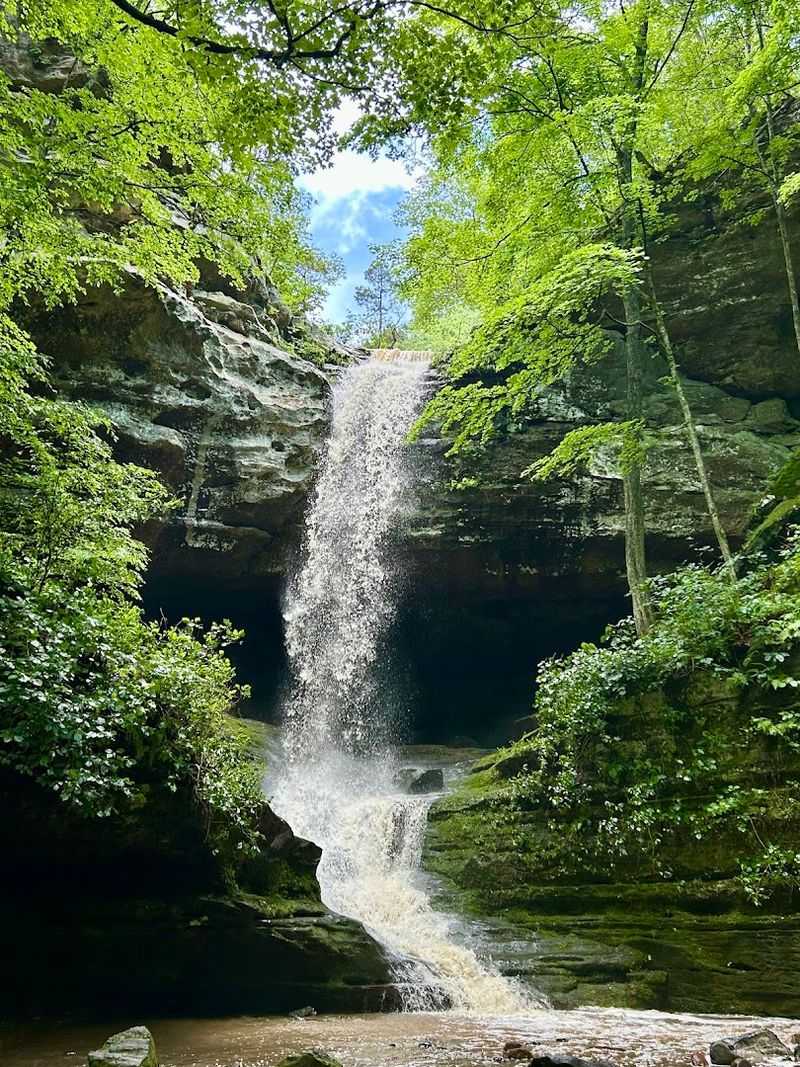
Down in southern Illinois near Goreville, Ferne Clyffe State Park offers a short but rewarding 1.1-mile round trip to a beautiful waterfall tucked into a shaded grotto. The trail follows a creek through a lush forest before reaching the main attraction: a 100-foot seasonal waterfall that flows over a rocky overhang.
The name “Ferne Clyffe” means “ferny cliff,” and you’ll understand why when you see the abundant ferns covering every surface.
The hike is gentle enough for young children, with mostly level terrain and just a few rocky sections near the waterfall. Designated viewing areas offer excellent waterfall views, though reaching certain vantage points may involve uneven or rocky terrain depending on conditions.
The surrounding rock shelter creates a natural amphitheater where the sound of falling water echoes beautifully.
Beyond the main waterfall trail, the park contains several other paths exploring rock formations and overlooks worth checking out if you have extra time. Located at 90 Office Drive, Goreville, IL 62939, this park sits about 15 miles south of Marion.
Spring melt and summer thunderstorms produce the best water flow, while winter can create impressive icicle formations when temperatures drop.
4. Little Grand Canyon Trail, Shawnee National Forest
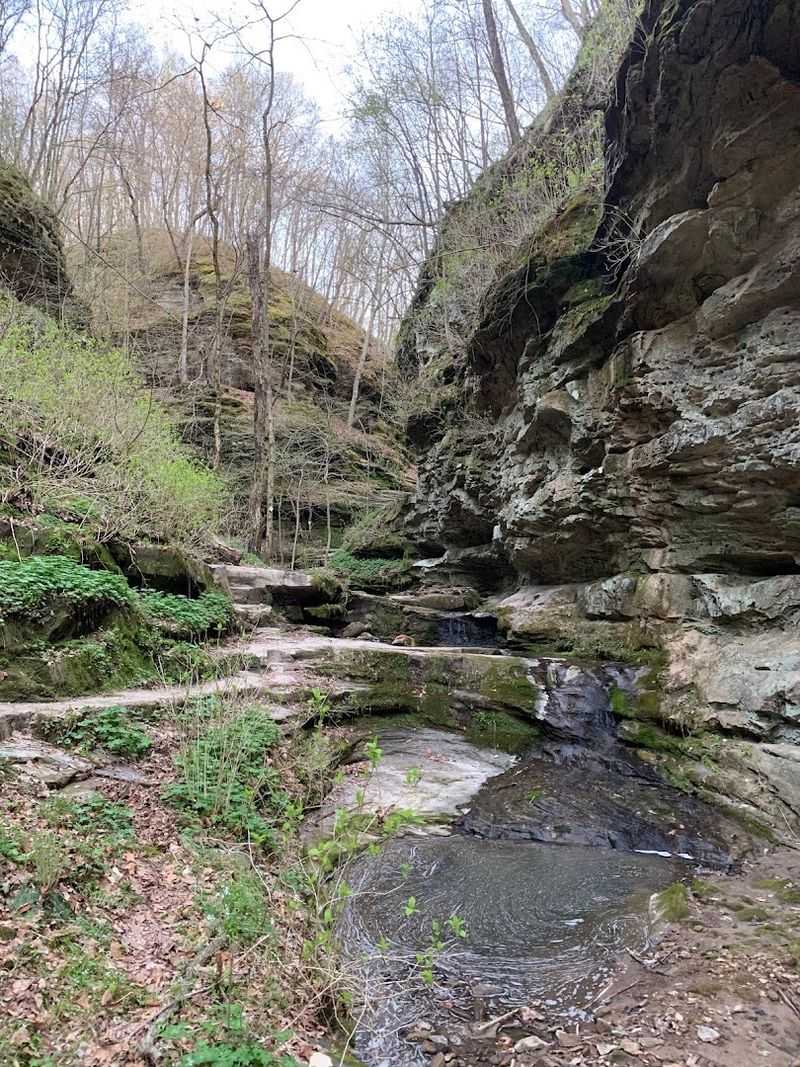
The name sounds like marketing hype, but the Little Grand Canyon Trail truly delivers big western-style views right here in Illinois. This roughly 3-mile loop in Shawnee National Forest near Pomona takes you along towering bluff edges with sweeping vistas across forested valleys and exposed sandstone cliffs.
The trail follows the rim of a horseshoe-shaped canyon carved over millions of years, with dramatic cliffside overlooks and steep drop-offs in places.
You’ll walk through diverse ecosystems, passing from oak-hickory forests into areas where exposed rock creates dry, rugged conditions that support hardy and unusual plant life.
The geological layers visible in the canyon walls tell stories spanning 320 million years. Several spur trails lead to spectacular overlook points perfect for photos and picnics.
The terrain is moderately challenging with some steep sections and uneven footing, so wear sturdy shoes. Fall brings spectacular color to the hardwood forests, while spring wildflowers carpet the forest floor.
The trailhead is located at Forest Service Road 345, Pomona, IL 62975, about 10 miles northwest of Murphysboro. Bring plenty of water since there are no facilities along the trail, and watch children carefully near the unguarded cliff edges.
5. Bell Smith Springs, Shawnee National Forest
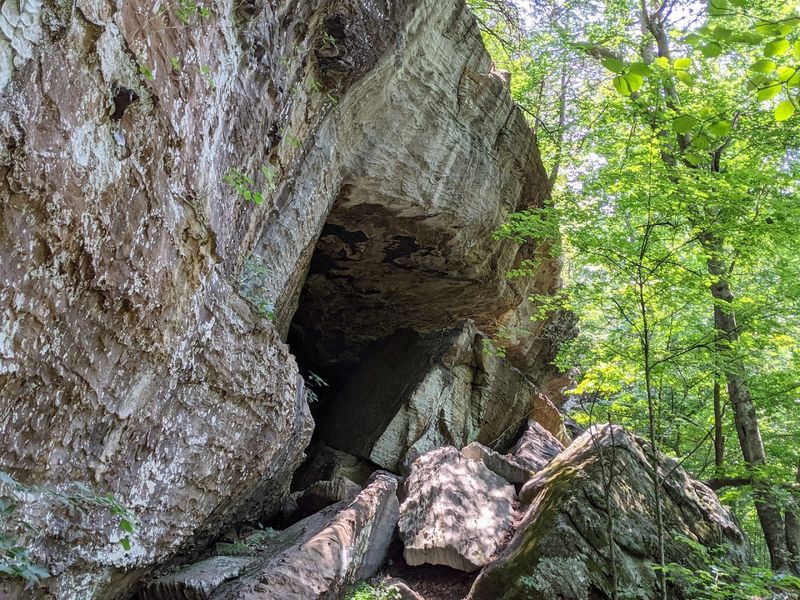
Bell Smith Springs combines waterfalls, natural bridges, and canyon scenery into one spectacular hiking area within Shawnee National Forest.
A network of trails covers several miles of varied terrain, passing through narrow slot canyons, across clear streams, and under impressive rock overhangs, with shorter routes like the Natural Bridge Trail offering easier options.
The highlight is a natural bridge carved by water over thousands of years, creating a stone archway you can walk beneath.
Clear spring-fed streams often flow through the area, creating small cascades and pools that reflect the surrounding sandstone walls, especially after rainfall.
The water stays cool even in summer, and the lush vegetation thrives in the moist canyon environment. You’ll find yourself constantly stopping to admire the intricate rock formations and peaceful water features.
The trail includes some rock scrambling and creek crossings that add adventure without being too difficult for reasonably fit hikers. Water shoes or boots with good traction help navigate the wet sections.
Located near Ozark, Illinois, the trailhead address is Forest Service Road 447, Ozark, IL 62972. Visit during spring for the best water flow and wildflower displays, though the area maintains its beauty throughout all seasons.
The combination of geological features makes this one of southern Illinois’s most diverse hiking experiences.
6. Waterfall Glen Forest Preserve
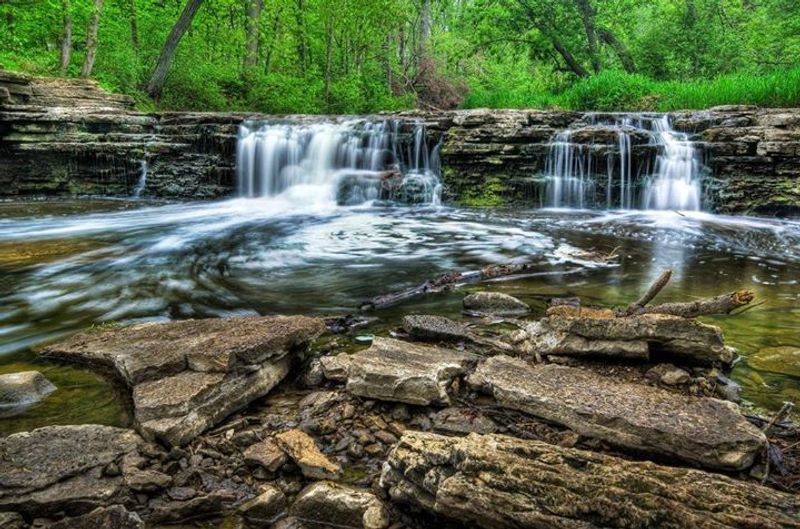
Waterfall Glen Forest Preserve near Darien offers an accessible nature escape just 25 miles southwest of downtown Chicago. The 9.5-mile multi-use trail loops around the entire preserve, but you can take shorter sections to reach the preserve’s well-known Rocky Glen waterfall area and scenic rocky ravines.
Despite the urban proximity, the preserve feels surprisingly wild with dense forests, wetlands, and rocky ravines.
The waterfall feature is modest but charming, flowing over a low limestone ledge into a scenic glen. The real treasure is the varied landscape you’ll encounter along the trails, including exposed rock formations, prairie restorations, and peaceful woodlands.
The well-maintained crushed limestone path accommodates hikers, runners, and cyclists, with clear mile markers throughout.
Waterfall Glen Forest Preserve has multiple access points and parking areas, including entrances along Cass Avenue, Bluff Road, and Northgate Road in Darien and Lemont.
The trail is mostly flat with gentle rolling hills, making it suitable for all fitness levels. Spring brings migrating birds and blooming wildflowers, while fall colors paint the forest in brilliant hues.
The preserve also contains the remains of an old limestone quarry and sections of historic canal, adding historical interest to your nature walk. Several parking areas and trailheads provide multiple access points.
7. Castle Rock State Park
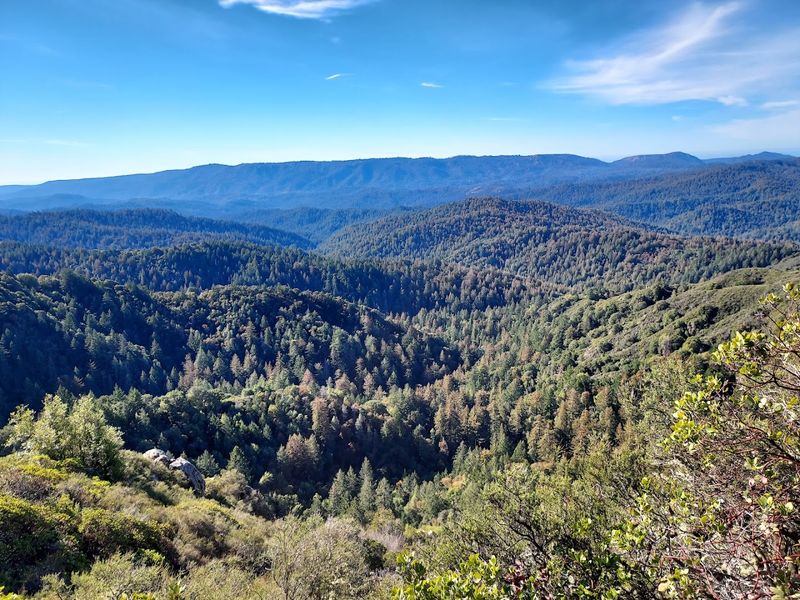
Castle Rock State Park near Oregon protects a dramatic sandstone bluff rising high above the Rock River valley. The 2-mile trail network includes a climb to the top of the namesake rock formation, where panoramic views stretch for miles across the river and surrounding countryside.
The sandstone outcrop resembles a medieval castle when viewed from certain angles, inspiring the park’s name.
The main trail ascends through oak-hickory forest using a series of stairs and switchbacks to reach the summit. Along the way, you’ll pass interesting rock formations and smaller overlooks.
The top platform provides 360-degree views that are especially stunning during fall color season or at sunset. On clear days, you can see for miles in every direction.
The park address is 1365 West Castle Road, Oregon, IL 61061, about 35 miles south of Rockford. The trails are moderately challenging due to the elevation gain, but the distance is short enough for most hikers to manage.
Rock climbers also use the vertical faces for technical climbing with proper permits.
The park sits within a larger natural area that includes additional trails and the scenic Rock River, making it worth exploring beyond just the main castle rock formation.
8. Hennepin Canal State Trail
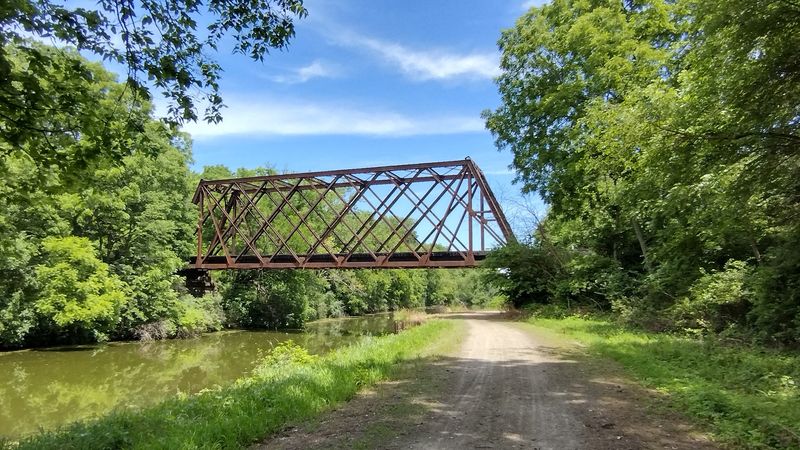
The Hennepin Canal State Trail offers a completely different hiking experience along a historic waterway corridor stretching more than 100 miles across northern Illinois, depending on the sections included.
This flat, easy trail follows the towpath of a canal whose construction began in 1890 and was completed in 1907 to connect the Illinois and Mississippi Rivers.
While not featuring waterfalls or canyons, the trail provides peaceful water views, abundant wildlife, and fascinating historical features like preserved lock structures and aqueducts.
You can hike any section of the trail, from short 2-mile walks to multi-day adventures. The crushed limestone surface is perfect for walking, running, or biking.
The canal itself remains filled with water in many sections, creating habitat for herons, turtles, and fish.
Wildflowers line the banks in spring and summer, while migrating waterfowl stop here during seasonal movements.
Multiple access points exist along the trail, with one popular section starting at the Visitor Center at 16006 875 East Street, Sheffield, IL 61361. The completely flat terrain makes this ideal for families with young children or anyone seeking an easy outdoor experience.
Historic bridges, lock structures, and interpretive signs explain the canal’s engineering and importance to 19th-century transportation. The trail passes through small towns where you can stop for supplies or meals.
9. Tunnel Hill State Trail
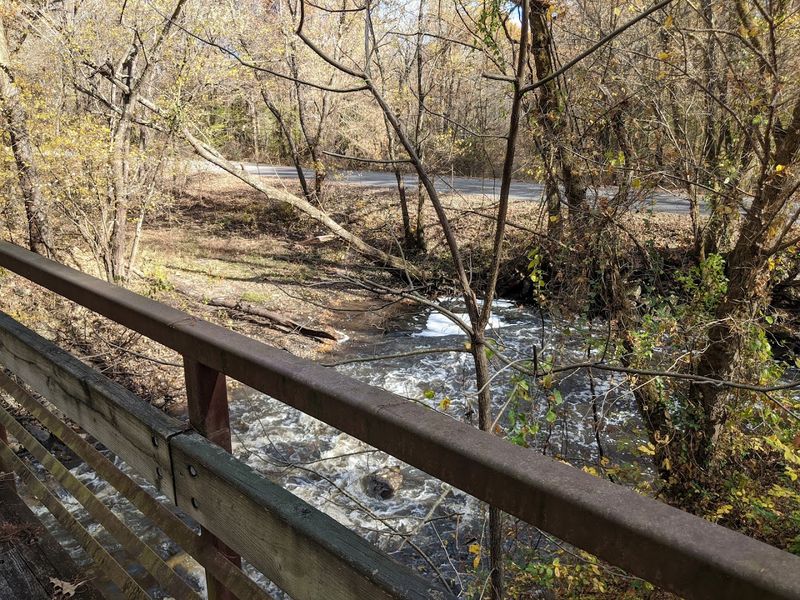
Tunnel Hill State Trail in southern Illinois transforms an abandoned railroad corridor into a 45-mile recreational path featuring the state’s only trail tunnel.
The 543-foot tunnel bored through solid rock in 1872 creates a cool, dark passage that remains the trail’s signature feature and its only tunnel. The crushed limestone trail runs from Harrisburg to Karnak, passing through forests, farmland, and small communities.
The tunnel section near Tunnel Hill makes an excellent short hike destination. The surrounding area includes scenic trestle bridges crossing creeks and ravines, offering views down into wooded valleys.
The trail is completely flat since it follows the old railroad grade, making it accessible for all ability levels. You’ll share the path with cyclists, but there’s plenty of room for everyone.
A popular access point is the Tunnel Hill Trailhead at 870 Tunnel Hill Road, Tunnel Hill, IL 62972. The tunnel stays naturally cool year-round, providing welcome relief on hot summer days.
Bring a flashlight or headlamp since the tunnel is completely dark inside.
The trail passes through the Cache River wetlands area, one of Illinois’s most ecologically important regions, where you might spot bald eagles, herons, or even river otters. Spring and fall offer the most comfortable temperatures for longer hikes.