
This Picturesque Florida State Park Is A Secret Locals Don’t Want To Share
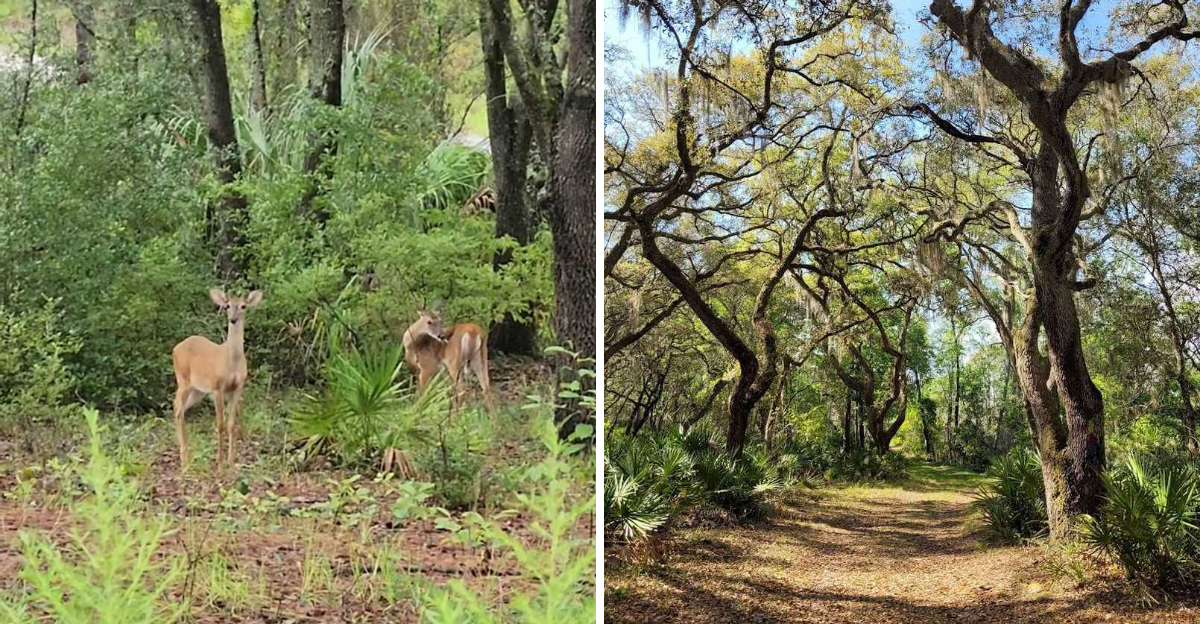
What if the quietest place in Florida is also one of its most unforgettable escapes?
Somewhere beyond the busy highways and crowded beaches, there is a pocket of Old Florida where the world seems to exhale the moment you arrive. Step onto the trail and the shift is immediate.
Footsteps soften against pale sand. Sunlight slips through tall pines in golden ribbons.
Even the breeze moves gently, as if it knows this place prefers whispers to noise.
The path winds through scrub, sandhills, and cool shaded hammocks, drawing you deeper into a landscape that feels suspended outside of time. Then, just when you think the stillness cannot grow any richer, the trees part and a shimmer of blue water appears ahead, glassy and calm like a hidden mirror.
It is not loud. It is not dramatic.
Yet something about it makes you pause, breathe deeper, and realize that sometimes Florida’s greatest magic is simply silence.
The First Glimpse Of Blue Pond
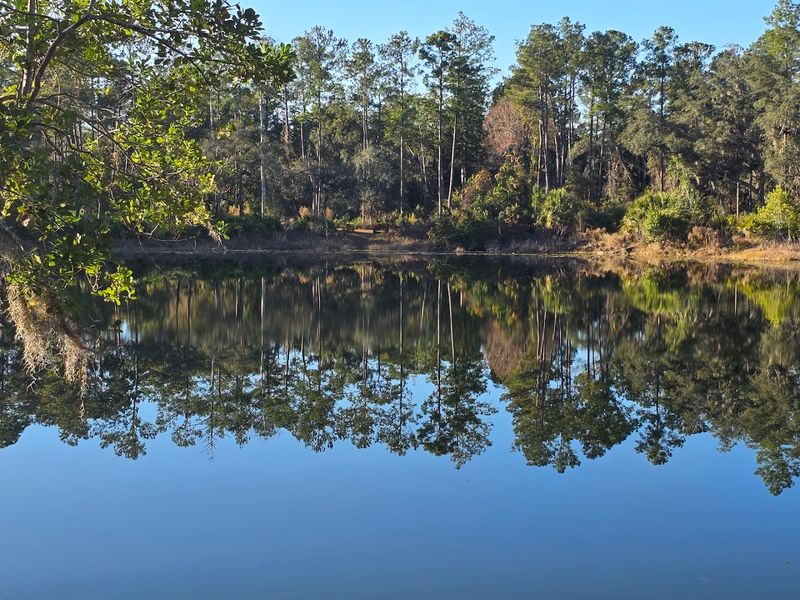
You round a bend of pale sand and wiry scrub, and there it is, a bright coin of water laid into the pines. Blue Pond looks simple at first, but the color pulls you closer, a sapphire under the sky, framed by longleaf and palmetto.
The air smells like sun-warmed resin and clean earth, and you notice how your voice drops without trying.
Footprints pattern the path, shoe treads, dog pads, tiny bird feet like calligraphy on the sand. There is a bench, usually empty, where you can watch damselflies stitch zigzags over the surface.
The pond is not huge, which is exactly why it feels personal, a place you meet quietly, eye to eye.
On still mornings, reflections stack the world twice: pines above and pines below, clouds doubled until you are not sure where sky ends. You might hear a woodpecker drumming or the faint plop of a turtle slipping under.
Stay a while. Let the color reset your day, and you will understand why locals keep this hush close and rarely say more than, turn in there, you will find it.
Sandhill Trails That Whisper Underfoot
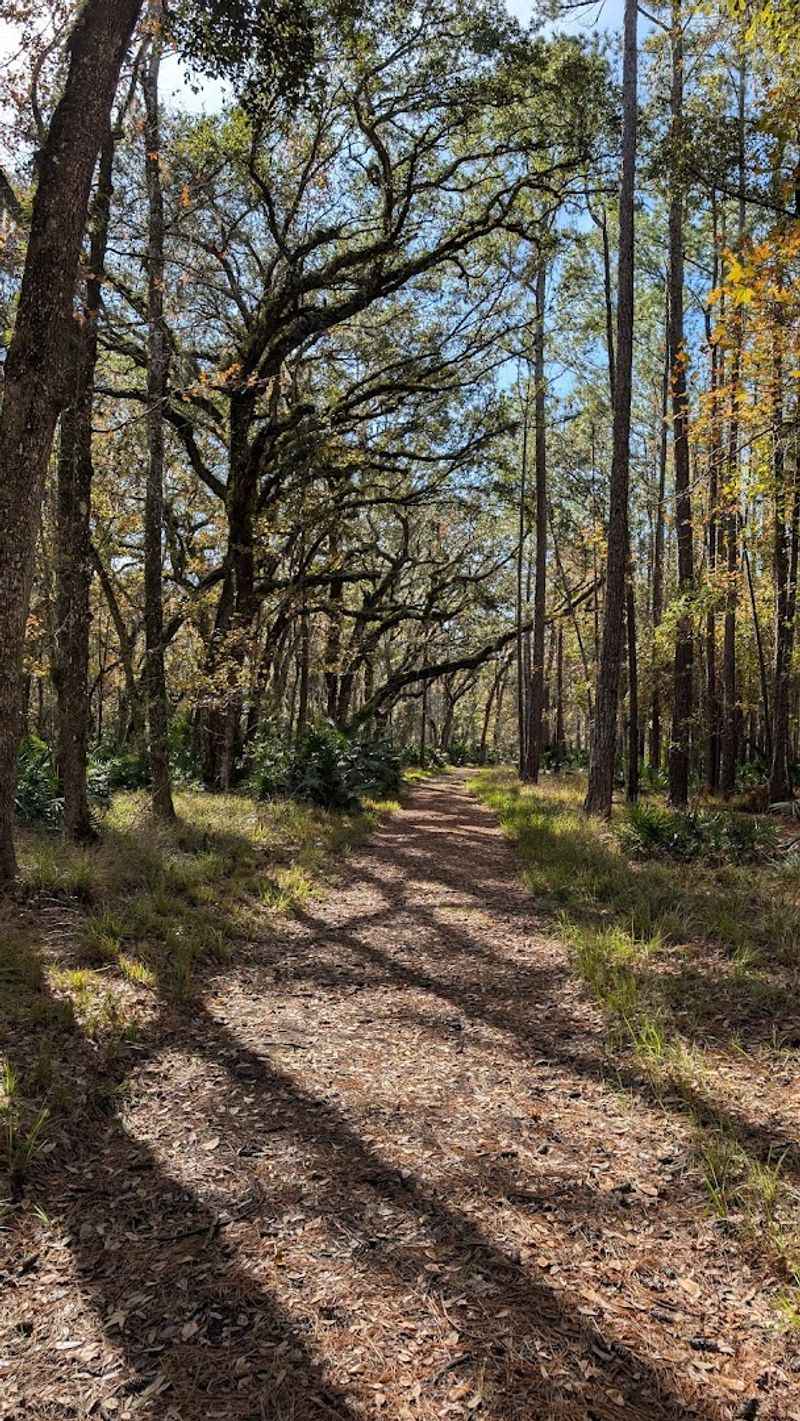
The ground here sounds soft, almost like felt under your steps, as the sand moves and settles. Longleaf pines lift straight, tall, and orderly, while wiregrass nods in any hint of breeze.
The trail threads forward, clean and pale, and the smell of pine duff mixes with sun and a trace of salt carried up the basin from Dunns Creek’s broad waterway.
You will pass blazes on trunks, some faint, some fresh, like breadcrumbs left by hikers who came before. The sand records a day’s cast of characters: deer, raccoon, maybe a bobcat if you are lucky.
Keep eyes open for gopher tortoise burrows, wide like doorways in the soil, the edges scalloped by shovel beaks and busy feet.
This is where pace naturally slows. You do not rush a sandhill because it reveals itself in layers, bird calls at different heights, pinecones dropping, a hawk circling just beyond the glare.
Bring water, because shade comes and goes, and summer heat sits heavy by midday. In cooler months, mornings are gold and generous.
Walk softly, listen often, and the trail will tell you more than any map could.
Quiet Mornings And Solitude You Can Hear
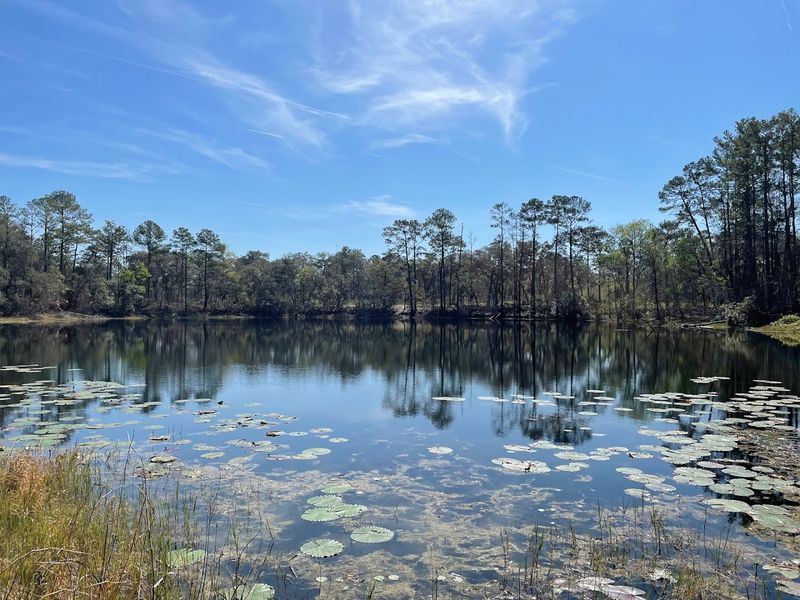
Arrive early, and the world turns down its volume for you. The parking area is gravel, your tires crunch, and then the engine clicks quiet and birds reclaim the air.
You walk the short approach and feel the cool of the day holding on, the kind that brushes your forearms and makes coffee taste better from a travel mug.
Solitude is real here, not the curated kind. Weekdays are best, when even the highway’s hum fades behind the pines and you can count the minutes between other footsteps.
You will catch yourself whispering to say look, because a blue heron is lifting off or because spiderwebs have jeweled the palmettos with dew.
This quiet is not empty. It has texture: the knock of a red-bellied woodpecker, a dragonfly’s paper wings, the tiny fizz of breeze in wiregrass.
Sit at the pond’s edge and let silence settle around your shoulders. If you hike alone, text a friend your plan and carry a map, but you will likely meet only nodding hikers and a ranger’s truck rolling slow.
The morning will feel like yours, and for an hour, it is.
A Walk In Old Florida Ecology
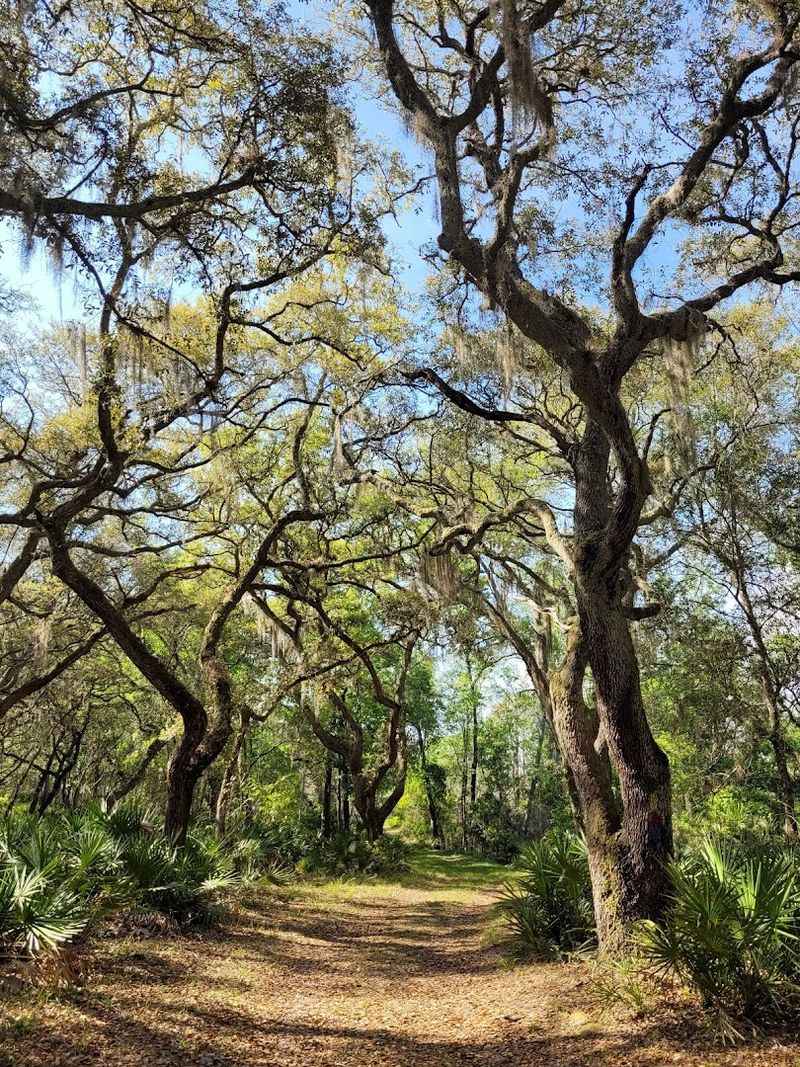
This entrance is a neat little sampler of ecosystems that tell Florida’s older story. You shift from open sandhill into patches of scrub where myrtle and scrub oak bunch together like a friendly crowd.
A bit farther, you slide under hammock shade, live oaks stitched with lichens and resurrection fern, air cooler by a degree you can feel on your cheeks.
Wildlife keeps it unscripted. Look for swallowtail butterflies puddling on damp sand, black racer snakes threading away like quick rope, and songbirds flicking through the midstory.
If you pass a gopher tortoise, give it room and smile at the rattly way it breathes like a tiny steam engine.
Plants are the clues here. Wiregrass indicates healthy fire cycles, even if you do not see recent burn signs along this spur.
Pinecones big as your palm scatter where squirrels worked them over. In rainy stretches, puddles mirror the sky and frogs test their voices.
Stay on trail to protect delicate groundcover and avoid hidden burrows. You are walking through an old conversation between sand, fire, and rain, and every step feels like you have been invited to listen in.
Picnic Nooks And Simple Comforts
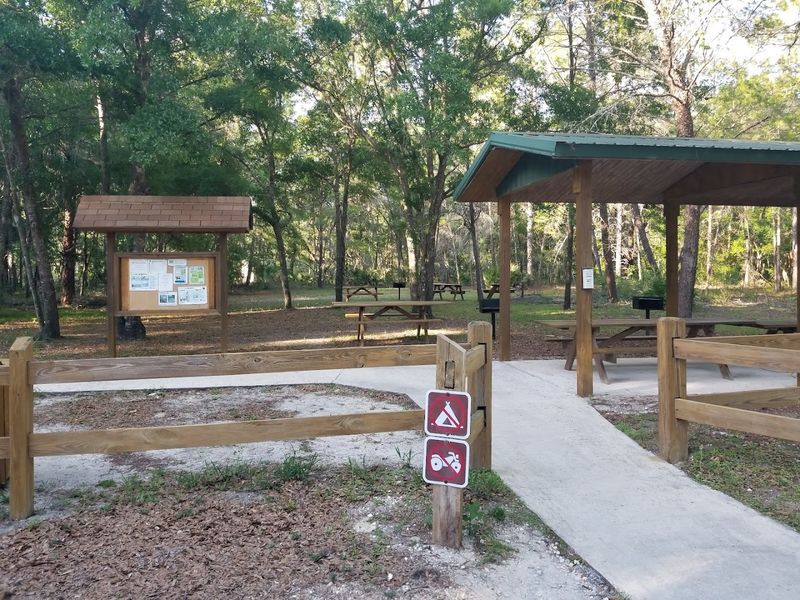
Sometimes the best picnic spreads happen on a plain wooden table with pine needles for confetti. Near the Blue Pond Entrance, you will find simple comforts that get the job done: picnic tables tucked under trees, charcoal grills that practically hum at the first flick of a lighter, and a restroom that is basic but appreciated after a dusty walk.
A portable foot-pump sink appears here sometimes, low-tech and oddly satisfying.
Bring what you need because there is no on-site water fountain at this walk-in area when conditions change. Pack extra ice and an extra bag for trash, since wildlife thanks you for leaving nothing behind.
The breeze carries smoke from someone else’s grill and you will be tempted to stay longer than planned.
Afternoons can be warm and bright. Shade shifts, so scoot the cooler as the sun moves, and consider a tablecloth because sap can be affectionate.
Dogs are welcome on leashes, and you will make fast friends with hikers swapping route ideas. A quick tip: toss a small hand broom into your trunk to brush sand off benches.
It is a tiny move that makes your meal feel special.
Wildlife Moments That Find You First
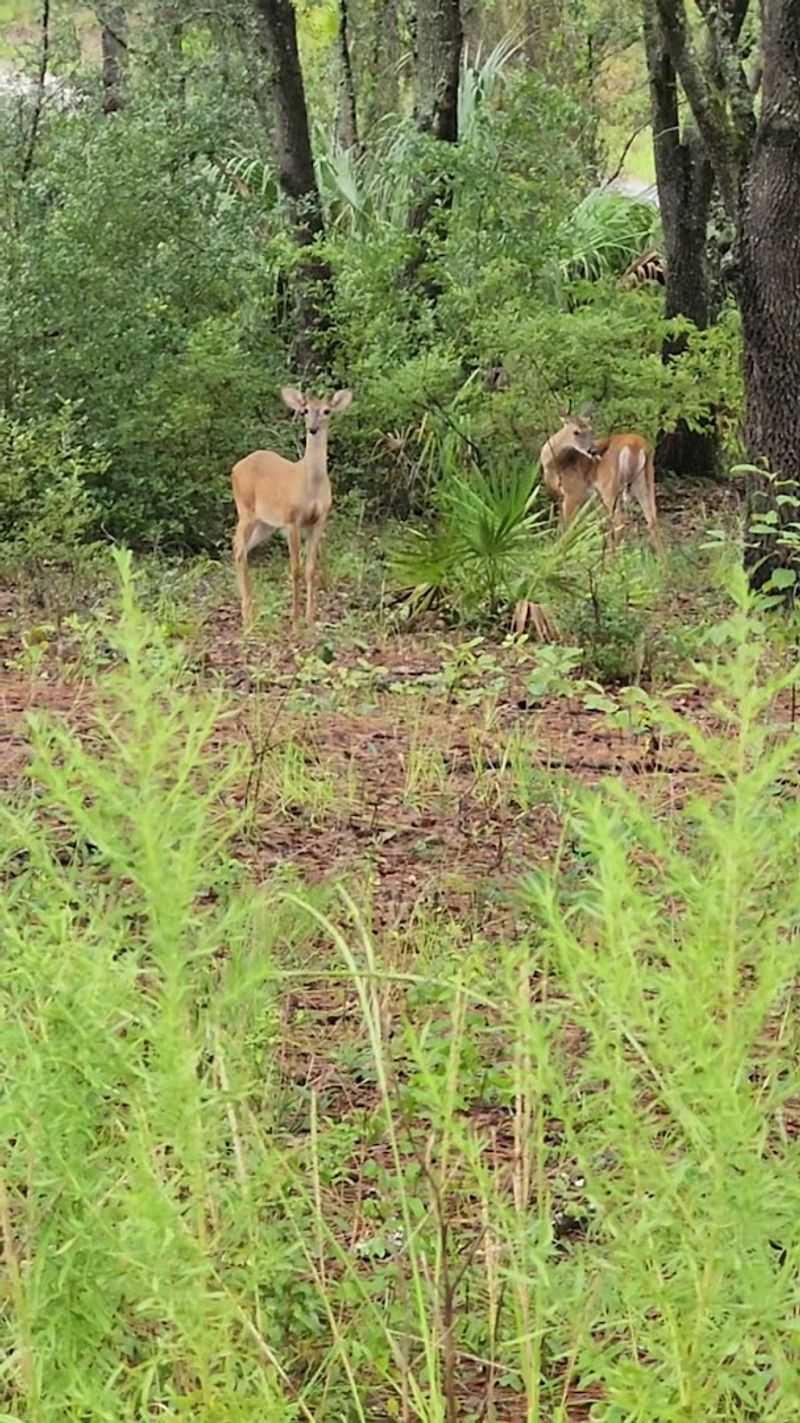
Wildlife here arrives like a soft surprise. A deer flicks its white tail at the tree line and stands statue-still, trusting camouflage while you take it in.
Over at the water, you might see a gator’s eyes bobbing far off, more punctuation than punctuation mark, reminding you that this is wild, not stage-managed.
Birds love the mosaic of habitats around Blue Pond. Expect red-shouldered hawks cruising thermals, tufted titmice scolding from low branches, and great blue herons slipping through like elegant librarians.
In warmer months, dragonflies sew the air with blue and green threads, and zebra longwings add polite flashes along the path.
Stay aware without being worried. Keep a respectful buffer from any wildlife, and never feed anything.
If you are hiking with kids, make it a game to spot tracks in the sand and identify whose trail you are borrowing for the day. Mornings and late afternoons deliver the best cameos.
Sometimes you will think you saw nothing at all, then realize every noise and shadow told a small story you almost missed. That is the magic here.
Trail Strategy: Short Loops, Long Wanders
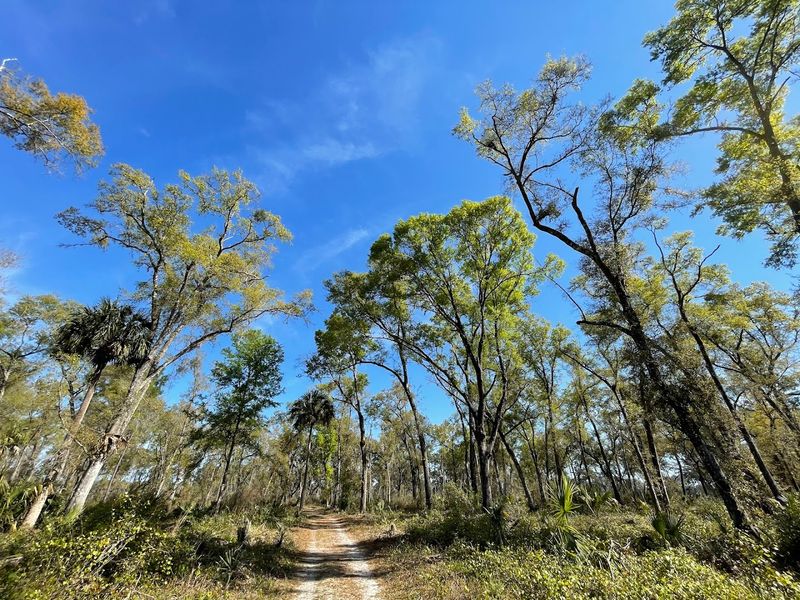
The Blue Pond Entrance makes it easy to scale your day. You can stroll a short loop that skims the pond and circles back to the gravel lot, or push on to longer connectors that meet broader multi-use trails deeper in the park’s web.
Junctions are marked, though some blazes fade, so a quick photo of the map at the kiosk will save guesswork later.
Footing swings between firm sand, scattered roots, and grassy two-track. After rain, sandy spots can be heavier, but drainage is generally kind.
If you like exploring, bring a GPX track or offline map, because secondary paths sometimes soften into the landscape and feel like suggestions instead of orders.
Start early in summer to beat heat and afternoon storms. In winter, light is sharper and air is friendlier for longer hikes.
Shoulder seasons are sweet spots for mileage without melt. Wear breathable shoes that empty sand fast, and toss gaiters in your pack if grit bugs you.
You can be back at the car in 30 minutes or come out grinning two hours later, happily dusty.
Practical Basics: Hours, Fees, And Parking
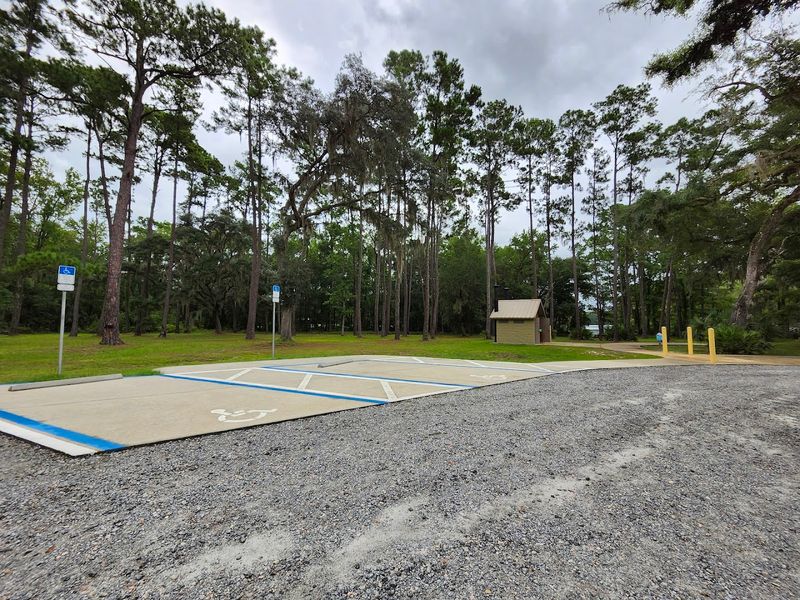
State parks keep it simple, and this entrance is no exception. Expect daytime access consistent with typical Florida State Parks hours, roughly eight in the morning to sunset, though seasonal daylight shifts apply.
If a gate is closed, do not force it, and double-check posted signs since operations can change after storms or maintenance.
Fees at the main entrance on Sisco Road are usually per-vehicle, but this Blue Pond access has been noted as free by visitors at times. Treat that as a bonus, not a promise, and keep small bills handy in case a self-pay station appears.
The parking lot is gravel, with enough space to swing a turnaround without drama, and a few shaded edges that go fast on warm days.
There is no staffed booth here, so you are your own concierge. Pack water, sunscreen, and bug spray, and consider a hat even in winter.
Cell service ranges from decent to spotty depending on your carrier. If you need firm details, call the park office number posted on the website before you roll.
Polite patience goes far when nature sets the schedule.
Accessibility And Going At Your Own Pace
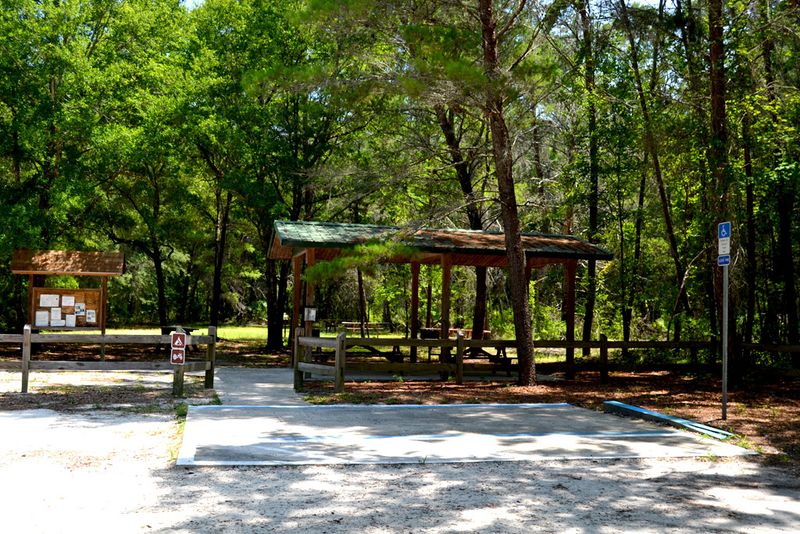
Not every stretch is easy, but parts of this entrance welcome a gentler pace. The parking area is level gravel, and the first bit of path is broad and mostly flat, though sand can be soft after dry spells.
Benches appear near the pond so you can take a breather, listen to wind in the pines, and decide whether to continue or call it a beautiful moment already.
Wheelchairs and strollers may find sections challenging due to loose sand, especially beyond the immediate approach. If you are visiting with mobility concerns, scout the first hundred yards and see how it feels today.
Conditions change with weather and foot traffic. The good news is that you do not have to go far for a real sense of place.
Bring what helps: trekking poles for balance, a lightweight camp stool for flexible rests, and a friend to share the pace. Shade comes and goes, so aim for morning or late day in summer.
If you need fully accessible amenities, the main entrance often offers more infrastructure. Here, the gift is simple: quiet nature within a short walk, adapted to what your body feels like doing.
Seasons, Weather, And The Smart Packing List
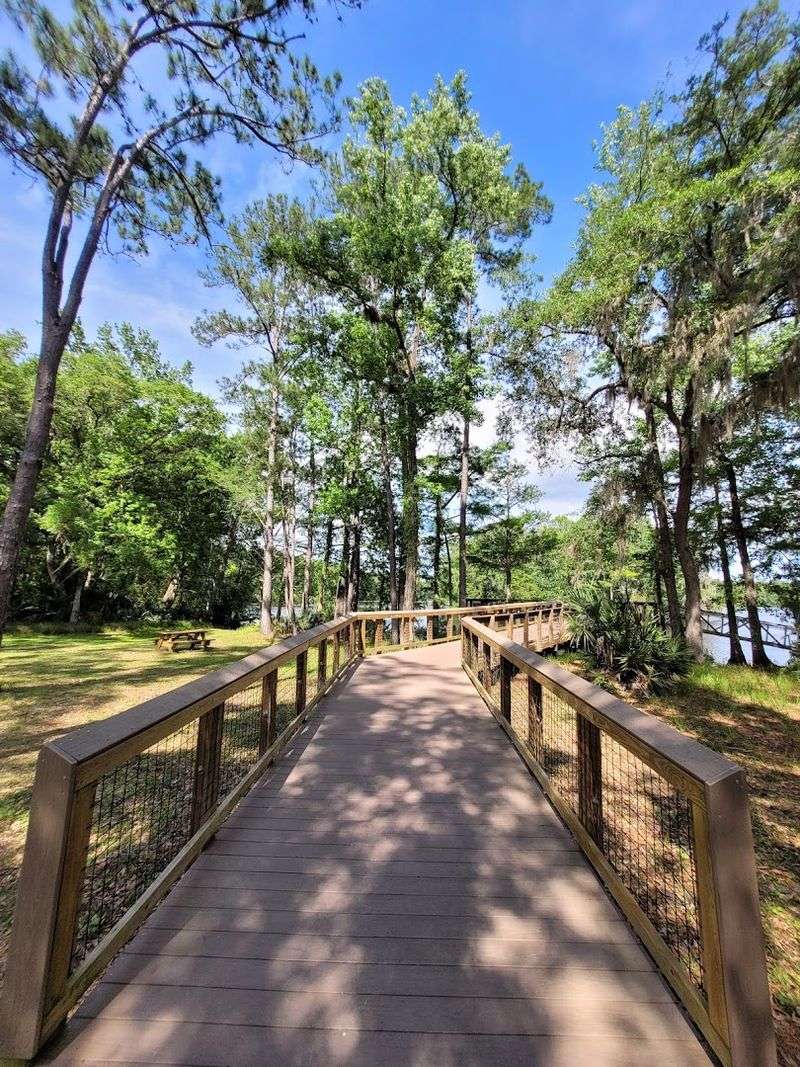
Florida’s calendar is really two bold chapters: cool-dry and warm-wet, with plenty of subplots. Winter and early spring deliver crisp mornings, bright skies, and a breeze that keeps miles easy.
Summer turns up the heat and rolls afternoon storms through like clockwork, along with mosquitoes and a living soundtrack of cicadas buzzing from the trees.
Packing smart keeps every season fun. Carry more water than you think you need, sunscreen that does not sweat away, and a bug spray that means business.
A lightweight rain shell handles surprise showers, and quick-dry layers stop clinging when humidity climbs. Toss in a small first-aid kit and a bandana for wiping glasses and camera lenses.
Trail runners or light hikers do great on sand. A brimmed hat saves the day, and sunglasses make bright pond reflections less squinty.
If algae blooms are noted, enjoy the patterns from shore and skip any contact with the water. In summer, aim for early starts and plan shady breaks.
In cooler months, linger. The air tastes clean, the pines smell sharper, and you will leave feeling like someone loaned you extra daylight.
Why Locals Keep It Quiet
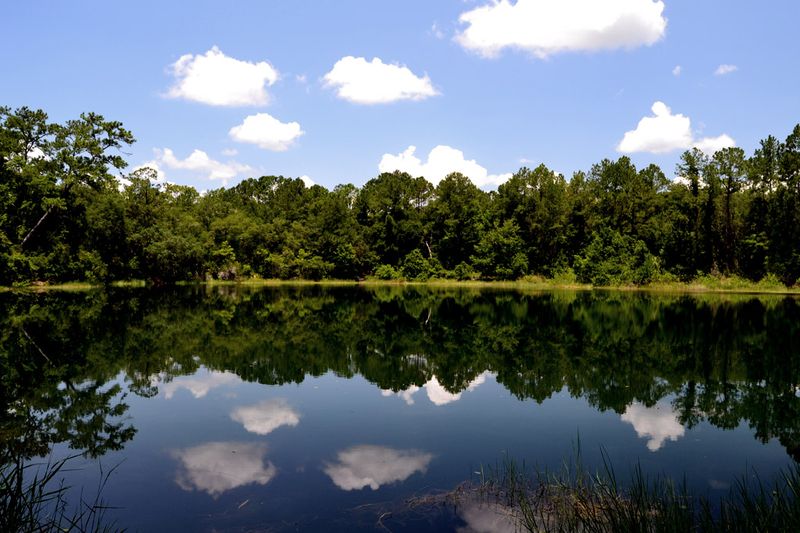
Ask around Pomona Park and you will get a shrug, maybe a smile, and directions said just vaguely enough to make you curious. Blue Pond does not need fanfare.
It thrives on neighborly respect, the kind that keeps crowds small and the parking lot tidy. People come for a mental reset, not an event, and that energy shows in the way voices drop and time loosens.
There is pride here, but it is practical. Locals notice fresh blazes, pick up stray wrappers, and swap trail conditions over grocery checkout lines.
They know mornings can be chilly in February and unreal at sunrise in May, and that a gopher tortoise sighting can turn an ordinary Tuesday into a tiny celebration.
Visit with that same spirit. Keep dogs leashed, step lightly around burrows, wave at the rare ranger truck, and leave the place looking exactly like you found it.
Share photos, not coordinates. Tell friends to come ready for quiet and a pocket of blue under pines.
The secret is not about hiding. It is about holding onto the calm that makes this place feel like a gift every single time.