
11 Underground Railroad Michigan Stops To Discover On The Michigan Freedom Trail
Long before these back roads were paved, they were etched by the footsteps of people who traded everything for a chance at dawn. To walk the Freedom Trail in Michigan is to move through a landscape where the night was once a compass and a flickering lantern in a window was the only GPS that mattered.
I’ve stood on the banks of the Detroit River, known by the high-stakes code name “Midnight”, and felt the weight of the water that served as the final, shimmering threshold between a life in chains and a life in Canada.
This is a map of incredible, bone-deep courage that threads through our quietest towns and most bustling cities, connecting the basements of Second Baptist Church to the rural Quaker sanctuaries of Cass County.
This journey across Michigan’s Underground Railroad explores 24 officially recognized sites where abolitionists and freedom seekers risked their lives to forge a path to liberty.
We are heading to the spots where ordinary neighbors became “stationmasters,” turning their barns and churches into secret depots of defiance.
1. Detroit
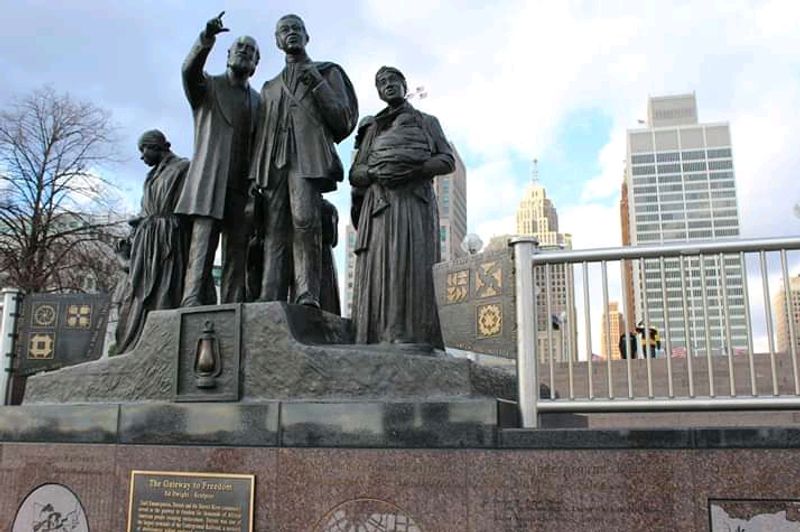
Wind carries the river’s cool breath across Hart Plaza and the old warehouse corridors, where the international border feels almost within arm’s reach. Detroit’s proximity to Windsor made it a final jumping-off point, especially near Second Baptist Church in Greektown, a documented hub for secret meetings and aid.
The city’s scale holds the echo of coded hymns and quiet routes to skiffs slipping across the Detroit River, with shoreline crossings shaped by timing, weather, and trust. The modern skyline frames layered memory, but the streets still reward a slow walk between markers and churches.
Join a guided tour at Second Baptist to understand tactics, fundraising, and court challenges. Parking is straightforward downtown on weekends, and you can tack on a riverfront stroll that turns history into horizon, letting present-day views sharpen the urgency and courage embedded in this crossing point.
2. Ann Arbor
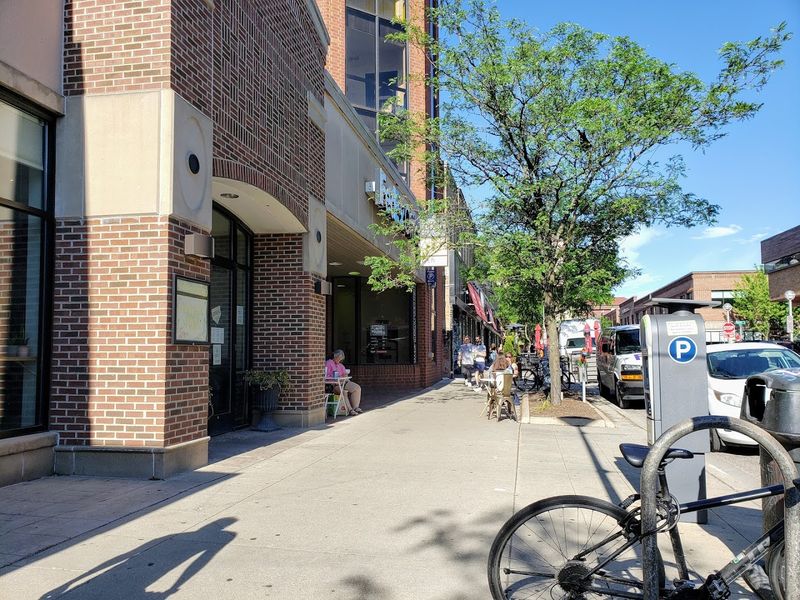
Early morning birdsong threads through tree-lined streets west of downtown, where gables and porches sit with bookish calm. Ann Arbor’s antislavery past gathers around abolitionist networks tied to the University of Michigan and local churches, including documented activity at the William and Mary Hannah house site.
The vibe is understated, research-forward, the kind of place where archives and sidewalks meet. Visit Bentley Historical Library for context, then walk to nearby plaques that anchor the narrative in ordinary-looking corners.
Map stops before you go, since information is pleasantly scattered. Coffee on Washington Street pairs well with route planning, and weekday parking passes help if you linger. The quieter you move, the more details announce themselves.
3. Battle Creek
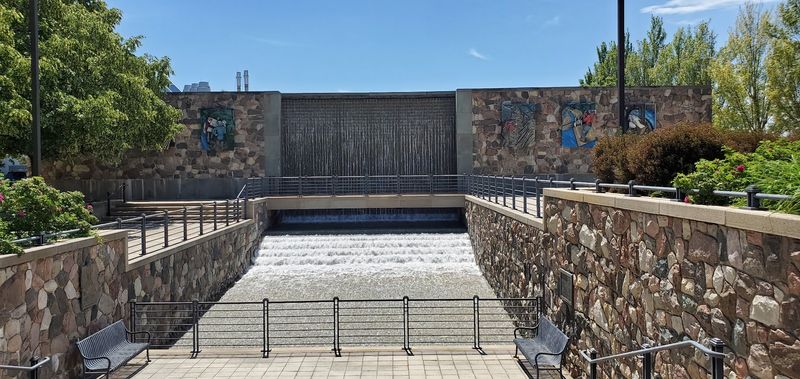
Footsteps sound different near the Sojourner Truth statue in downtown Battle Creek, as if bronze could conduct a heartbeat. This city sheltered abolitionists like the Merritt family and supported Truth after she made Michigan home, with organized networks aiding freedom seekers.
History here is vivid, public, and plainly told by plaques, murals, and the monument’s patient gaze, which gives the whole area a grounded, reflective stillness. Start at Monument Park to orient yourself, then connect to local museum exhibits for deeper timelines and names.
The walking loop is compact, family-friendly, and peppered with good lunch options. Bring a notebook to capture quotes from interpretive panels. Street parking is typically easy; if a festival is on, arrive early and treat the day like a living seminar, with enough time to pause, read carefully, and retrace key stops.
4. Jackson
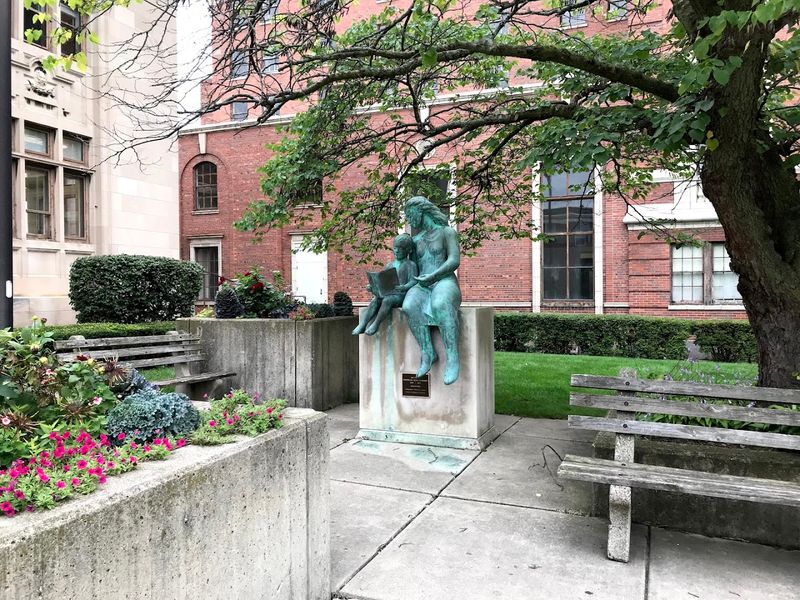
A courthouse clock ticks over Jackson’s downtown blocks, steady as a metronome for research-led wandering. Antislavery societies met here in the 1840s, and local congregations contributed shelter, legal help, and quiet logistics.
The story survives in markers, archives, and preserved streetscapes that lend scale to names you will meet in minutes of old meetings. Drop into the Ella Sharp Museum for regional context, then walk the grid to intersect civic memory with brick-and-limestone textures.
Weekday mornings are calm, ideal for photographing plaques without traffic clutter. Grab a pocket map from the visitor center if available, and budget time for side streets. History tends to reside just past the obvious route, like a helpful whisper.
5. Marshall
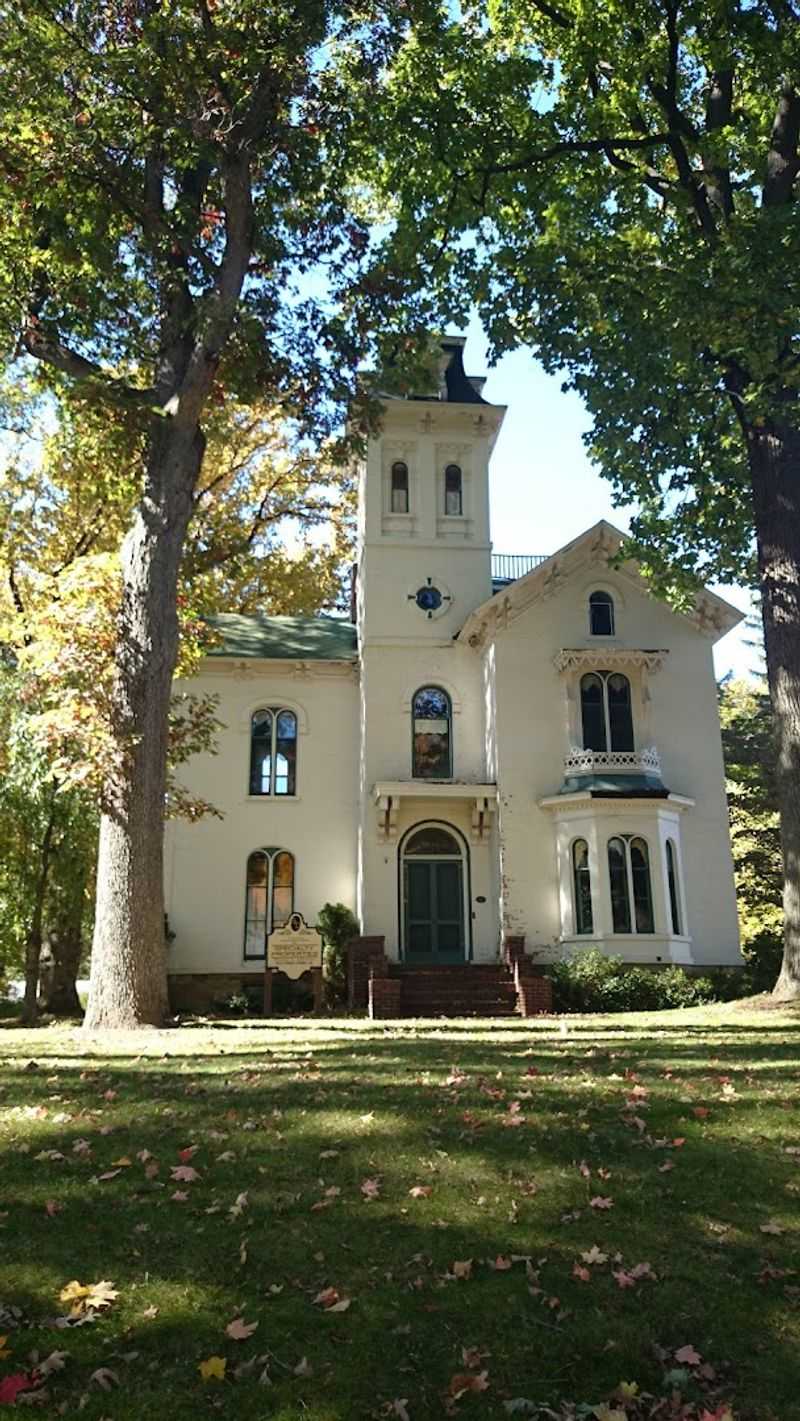
Crickets tune the evening while Italianate cornices glow above trimmed lawns in Marshall’s landmark district. This town safeguards a cornerstone of Michigan freedom history, including the 1847 Crosswhite affair, where townspeople resisted slave catchers and helped Adam Crosswhite reach Canada.
Houses and churches sit close enough that you can trace the episode on foot, connecting preservation to courage, and seeing how ordinary streets once held extraordinary moral risk and collective action.
Start at the Honolulu House Museum for orientation, then follow the local trail map to documented sites. The architecture doubles as lesson and backdrop, with accurate plaques guiding interpretation.
Weekends bring more visitors, so morning light is best for uninterrupted photos. Respect private residences and stay on sidewalks; conversations with locals often add unprinted footnotes, giving the walk a stronger sense of place, memory, and community stewardship across generations.
6. Niles
The river moves like a calm paragraph beside Niles’s historic core, inviting an unhurried read of streets and depots. Proximity to Indiana made this a strategic waypoint, with local Quakers and church groups coordinating shelter and quiet carriage transfers north.
Documentation ties activity to familiar corners, where commerce and conscience overlapped. Begin at the Amtrak depot area to frame the rail narrative, then walk to nearby markers cataloged by regional history groups.
Evenings are gentle here, and shop windows sometimes mirror old photographs displayed inside. Check hours for the Fort St. Joseph Museum to deepen context. If you arrive by train yourself, that rhythmic approach folds your steps into the old timetable.
7. Schoolcraft
A white Greek Revival doorway in Schoolcraft can stop you mid-stride, spare lines framing a story of midnight arrivals. The village’s abolitionist residents, including Dr. Nathan Thomas and his well-documented home, offered shelter and medical care to people in transit.
Preservation here feels practical, almost modest, which fits the hushed nature of the work once done. Tour the Nathan Thomas House museum when open; docents share names, routes, and artifacts that ground the narrative.
The walk from Main Street is short, with parking straightforward on side roads. Bring cash for donations, and patience for details that unfold in small rooms. Quiet conversation suits the space, as if the walls still listen first.
8. Ypsilanti
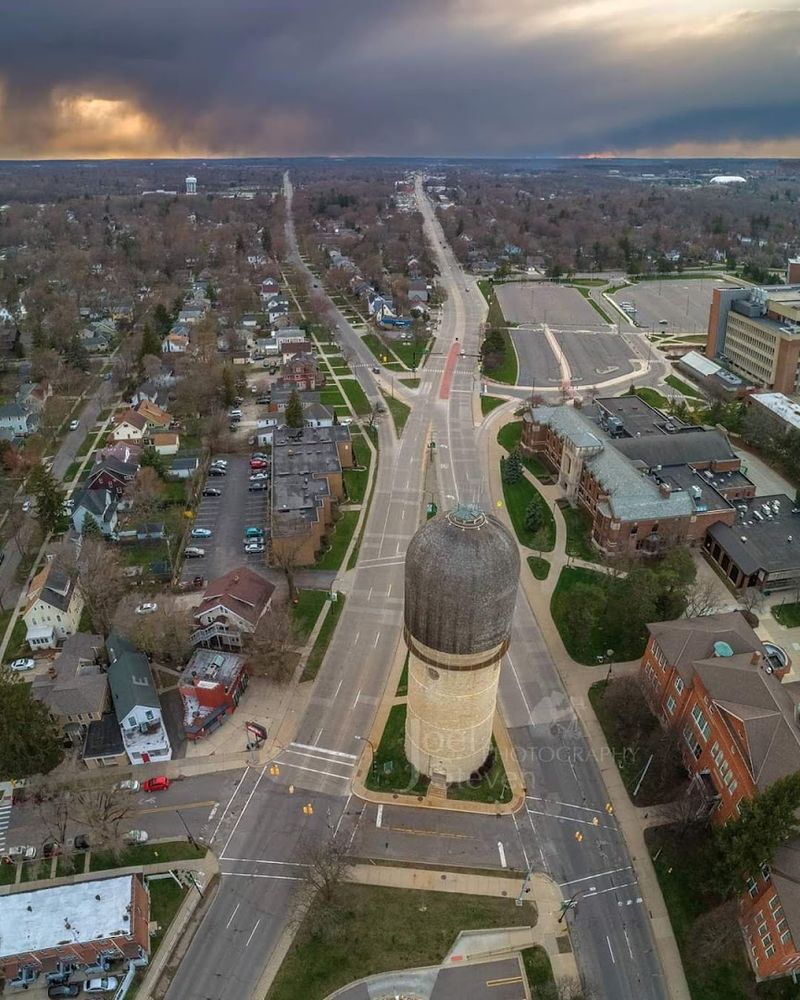
Steam from a nearby cafe curls into Depot Town’s brickwork, a small-weather miracle against iron rails. Ypsilanti’s antislavery history connects to local churches, educators, and rail corridors that quietly forwarded travelers toward Detroit and the river beyond.
The mood is communal, with murals, markets, and weekend bustle framing older stories. Stop at the Ypsilanti Historical Museum for curated exhibits, then drift toward Riverside Park for a contemplative loop. Public parking is simple, and most sites cluster within a pleasant walk.
If you come during a festival, arrive early to read plaques before crowds build. I left with train rhythms in my ear, as if timetables still carried coded hopes.
9. Vandalia
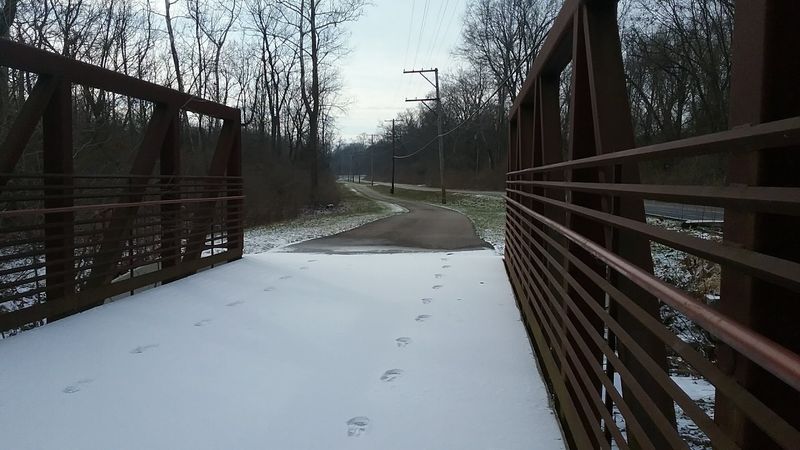
Wind rows the tall grass near Vandalia, where the land itself holds the outline of Ramptown, a freedom seeker settlement. Cass County’s Quaker communities collaborated with free Black residents, and the 1847 Kentucky Raid resistance resonates through local memory and research.
Out here, space is the archive, and silence carries names. Visit the Ramptown historical marker and nearby Cass County Historical Museum exhibits to frame the larger network. Cell service can flicker, so download notes ahead of time and bring water.
Dirt pull-offs handle parking on dry days, but mind shoulders after rain. Let the quiet work on you long enough to measure distance the way travelers once had to.
10. Birmingham
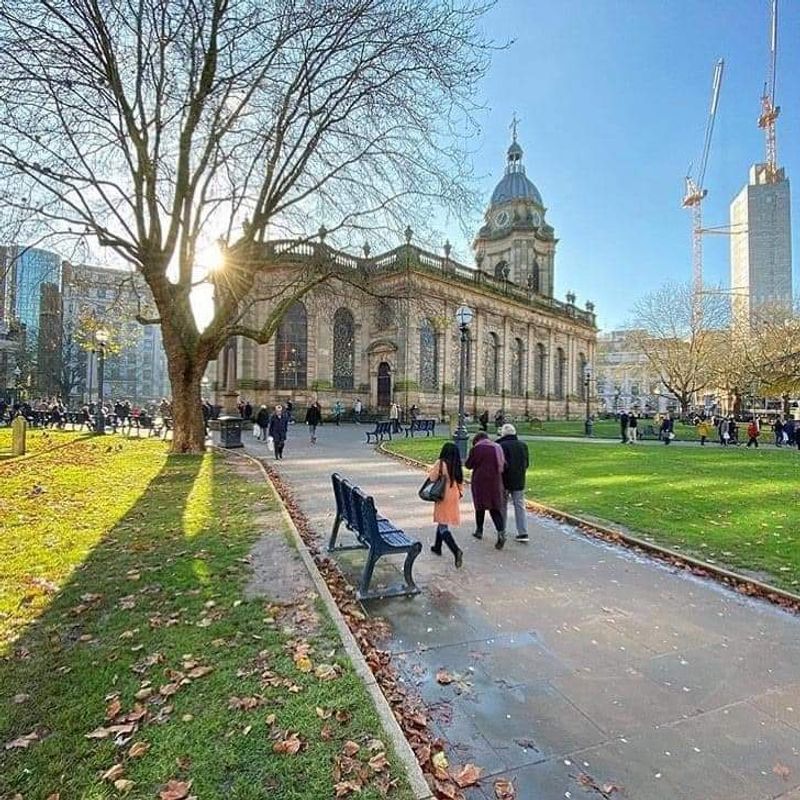
Leafy sidewalks in Birmingham disguise a determined past, where congregations and activists supported routes leading toward Detroit. Documentation points to church-centered organizing, lectures, and fundraising that braided suburban calm with urgent tasks.
The setting now feels neighborly, with good sightlines, as if vigilance learned to relax but not forget. Locate the local historical museum first to gather addresses and context, then loop between church corners and plaques.
Afternoon light photographs well against pale stone and brick. Weekend traffic is mild, though school events can tighten parking. Treat this stop as connective tissue in your itinerary, a reminder that support often looked like ordinary schedules rearranged for extraordinary needs.
11. Grand Rapids

River light throws a broken mirror across downtown Grand Rapids, where mills once drummed and congregations organized. The city’s abolitionist activity centered around churches, lecture circuits, and print culture that amplified Michigan networks westward.
Today, interpretive materials and archives stitch those efforts to familiar streets. Begin at the Grand Rapids Public Museum for exhibits on regional timelines, then step outside to trace river-adjacent routes.
Look for church plaques within walking distance, and plan a stop at the local history center for primary sources. Biking works well along the river trail if you prefer two wheels. I left with pages of names to research, proof that a city’s memory can feel newly awake.