
This Pennsylvania Museum Quietly Preserves The Spirit Of Another Time
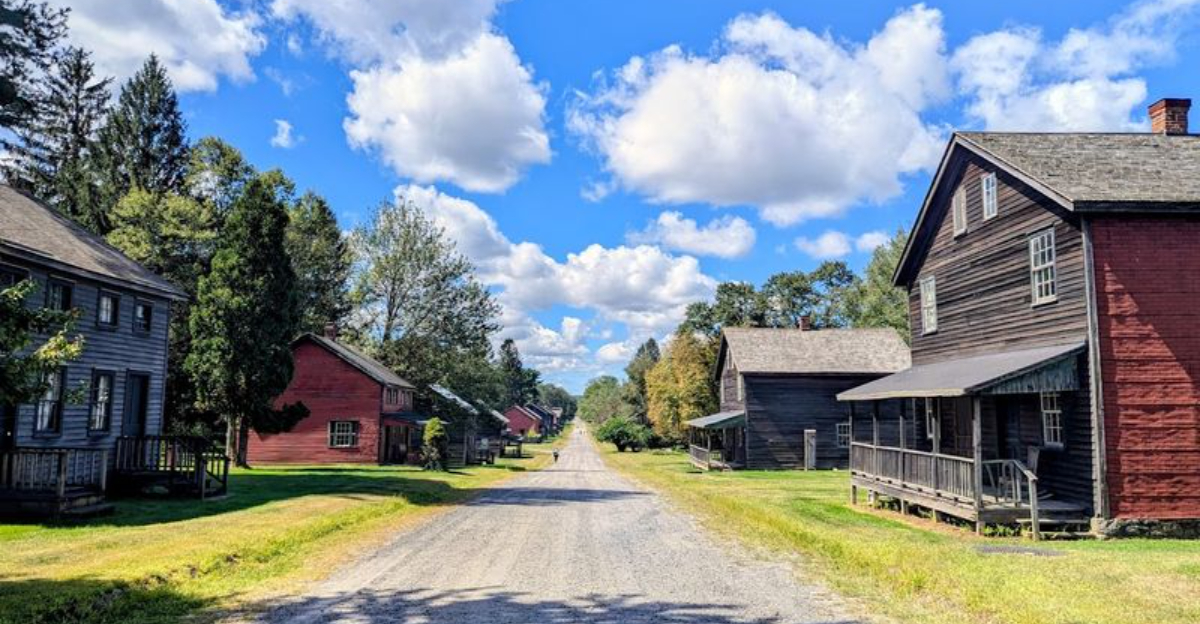
Pennsylvania holds layers of history beneath its rolling hills, and some places let you step straight into another century.
Walk along quiet dirt paths lined with preserved homes, and you can almost hear the echoes of daily life from long ago.
Wooden porches creak softly, brick chimneys rise against the sky, and the faint scent of coal dust seems to linger in the air.
Call it a living time capsule, a window into working class roots, a place where stories still breathe between the buildings. Museums like this do more than display artifacts.
They recreate entire communities, showing how families lived, worked, and built their futures. Pennsylvania’s industrial heritage shaped towns and traditions that still influence the state today.
I once wandered through on a calm afternoon, expecting a quick educational stop.
Instead, I found myself slowing my pace, peering into doorways, and imagining the conversations that once filled those rooms, leaving with a deeper appreciation for the lives that helped shape Pennsylvania’s past.
How a Hollywood Film Saved the Whole Village
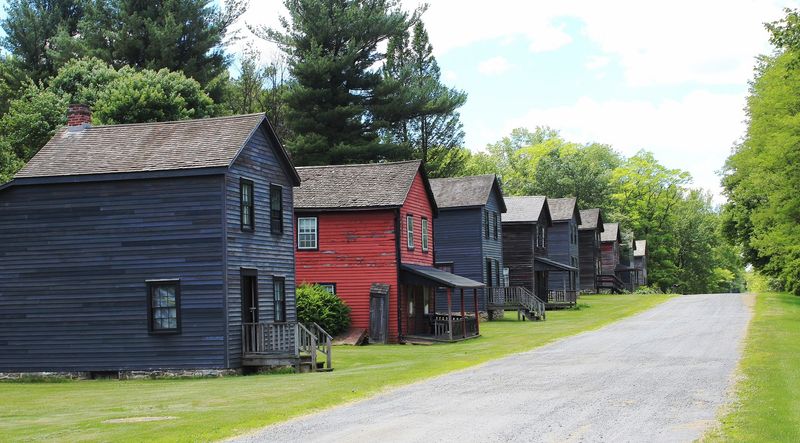
Here is a fact that genuinely surprised me: Eckley Miners’ Village might not exist today if it were not for a major Hollywood production.
In 1968, Paramount Pictures chose Eckley as the filming location for “The Molly Maguires,” a historical drama starring Sean Connery and Richard Harris.
The production team actually constructed additional period-accurate buildings to complete the look of the town. When filming wrapped, those structures remained.
More importantly, the attention brought by the film helped convince Pennsylvania officials that the village deserved preservation rather than demolition.
The Pennsylvania Historical and Museum Commission took ownership shortly after, and the site was formally established as a museum.
So in a very real sense, Sean Connery’s presence on that dirt road is part of the reason you can still visit today. Not every historic site owes its survival to a movie star, but Eckley does.
A Coal Town Frozen in the Industrial Age
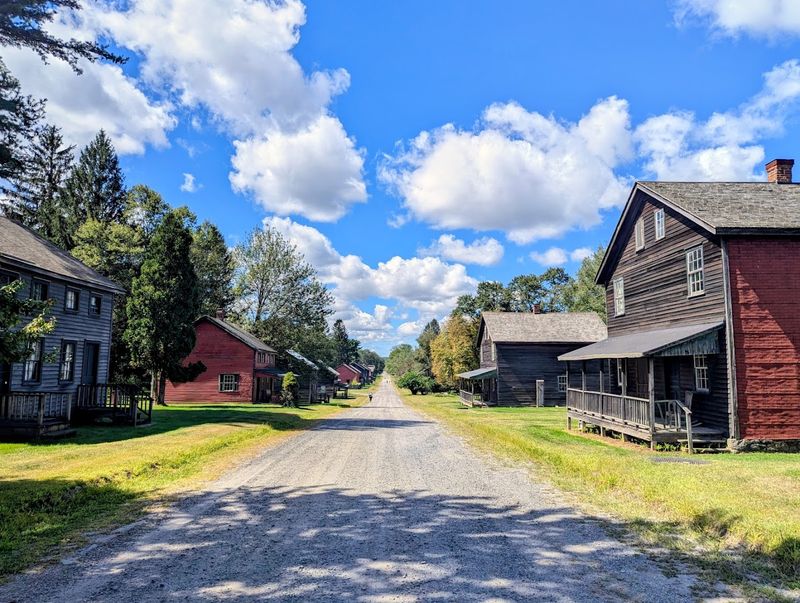
Most preserved villages feel like stage sets. Eckley Miners’ Village, located at 2 Eckley Main St, Weatherly, PA 18255, feels like the curtain never came down.
Founded in the 1850s as a company-owned patch town, the village was built entirely to serve the anthracite coal industry.
Workers and their families lived, shopped, and worshipped within its single-street boundaries, all under the watchful eye of the coal company that owned everything, including their homes.
Unlike many industrial-era sites that were demolished as the economy shifted, Eckley survived largely intact. Today, visitors can walk the same road those miners walked every morning.
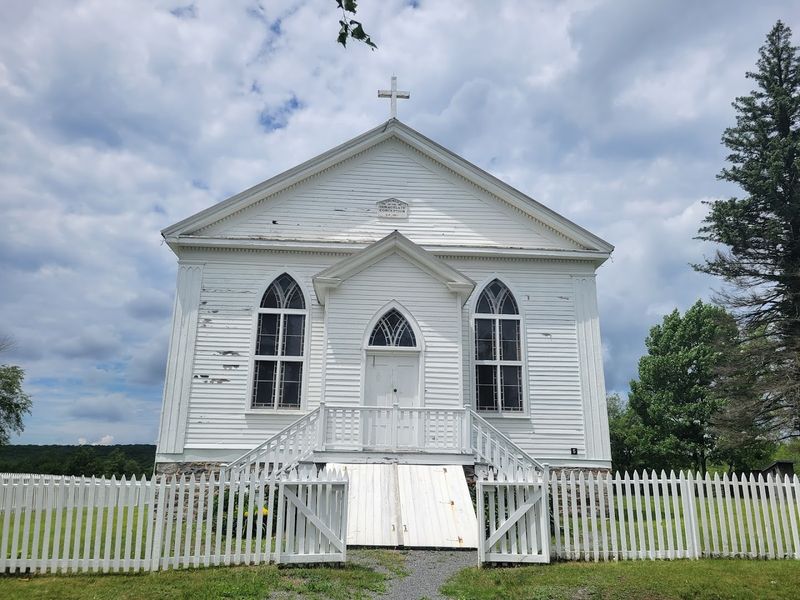
The wooden homes, the church steeples, and the remnants of the old coal breaker create a landscape that honestly looks more like rural Pennsylvania in 1880 than anything you would expect to find in the 21st century.
Real Families Still Call the Village Home
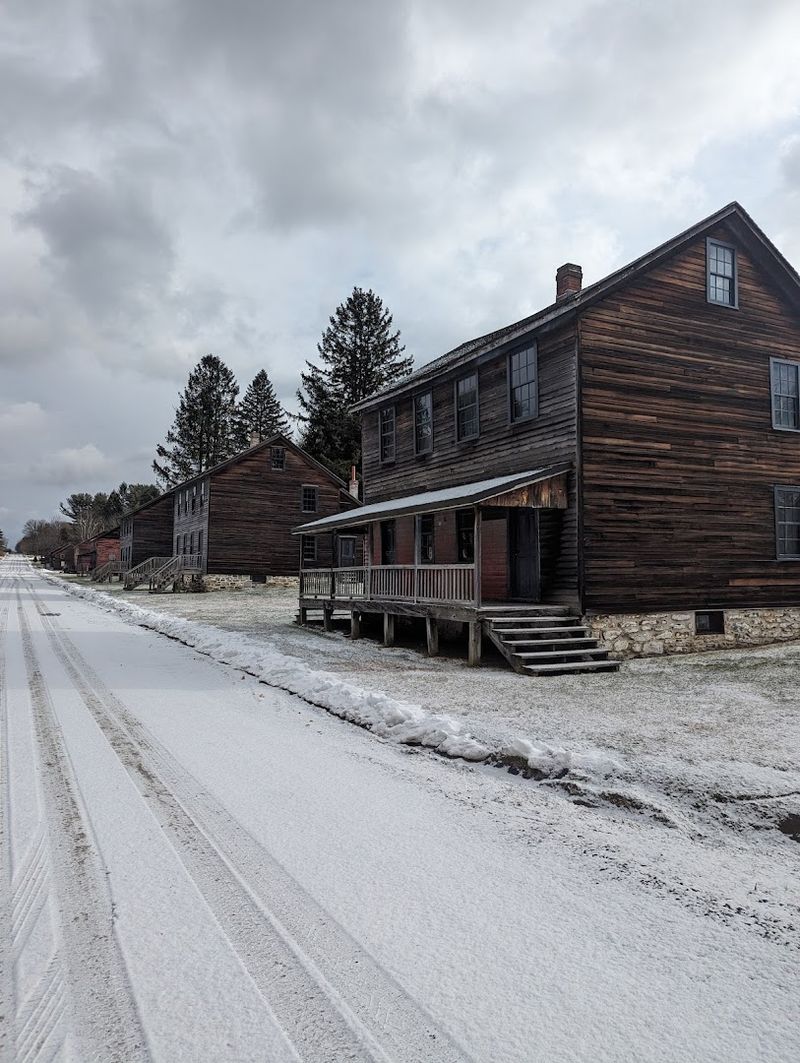
One of the most unexpected things about visiting Eckley is spotting a mailbox in front of a weathered wooden cottage and realizing that someone actually lives there.
A small number of families continue to reside in the village homes, just as generations before them did during the height of coal production.
Their presence gives Eckley a quality that no amount of museum curation can manufacture.
This is not a replica or a reconstruction. It is a living community, and that distinction matters enormously when you are trying to connect with history on a personal level.
Visitors are respectfully reminded to treat the occupied homes with the same courtesy you would show any neighborhood.
Do not peer into windows with mailboxes out front, and keep noise to a minimum near those properties.
The coexistence of museum visitors and actual residents is genuinely unusual, and it makes the experience far more grounded and authentic.
The Indoor Museum Is Worth Every Penny
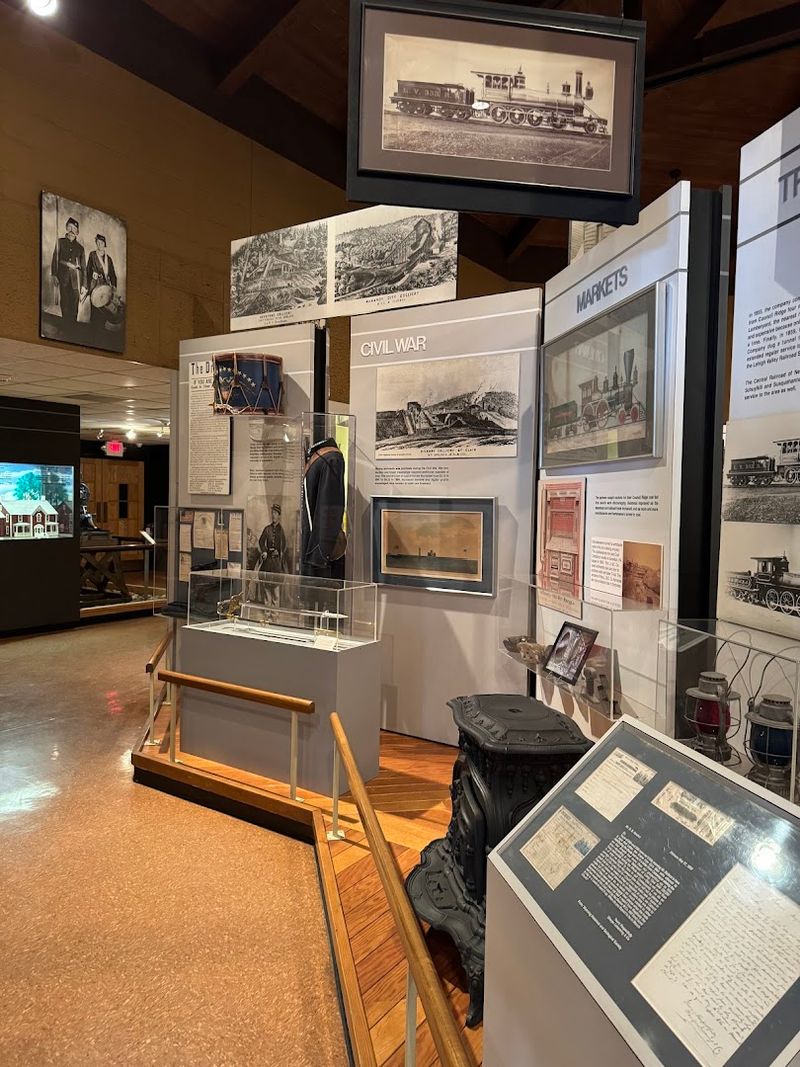
Walking the village street is free, and plenty of visitors stop there. But paying the modest admission fee to enter the indoor museum is absolutely the right call.
For around eight dollars, you gain access to a surprisingly rich collection of artifacts, photographs, and personal items that belonged to actual mining families.
The exhibits cover daily life in the patch town, the brutal realities of underground coal work, the social structures enforced by company ownership, and the ethnic communities that shaped this corner of Pennsylvania.
Visitors who have driven from as far as Ohio have told staff it was the best small museum they encountered on their entire trip.
Staff members and volunteers are genuinely knowledgeable and enthusiastic. During my visit, a volunteer named Helen offered detailed context about specific exhibits that no printed label could fully capture.
That kind of personal engagement turns an informative afternoon into something you actually remember months later.
Walking Tours That Bring the History to Life
There is a meaningful difference between reading a historical plaque and having a knowledgeable guide explain what that plaque is leaving out.
Eckley offers guided walking tours that take visitors through the village street, pausing at key structures to explain their function and the stories attached to them.
Guides discuss the rigid social hierarchy of company towns, the ethnic divisions between Irish, Welsh, Slovak, and Lithuanian miners, and the dangerous working conditions that defined life here for decades.
The tour moves at a comfortable pace and typically lasts long enough to cover the essential ground without exhausting anyone.
Even visitors who arrived planning a quick twenty-minute drive-through have found themselves still on site two hours later after joining a tour.
The guides have a talent for making 19th-century labor history feel personal and immediate rather than distant and academic.
Comfortable walking shoes are a practical must, since the road surface is uneven in several spots.
The Architecture Tells the Class System Story
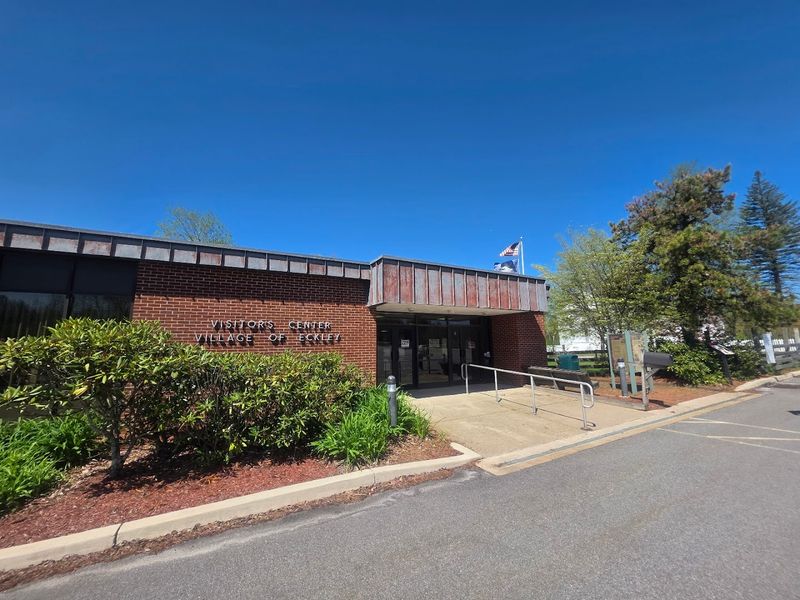
One glance down the main street of Eckley tells you everything about how power worked in a company town.
The miners’ homes are small, plain, and tightly packed, built for function rather than comfort. As you move toward the upper end of the street, the buildings grow noticeably larger and more ornate.
The mine superintendent’s house, a Victorian-style structure with decorative trim and a proper front porch, sits in obvious contrast to the workers’ dwellings just a short walk away.
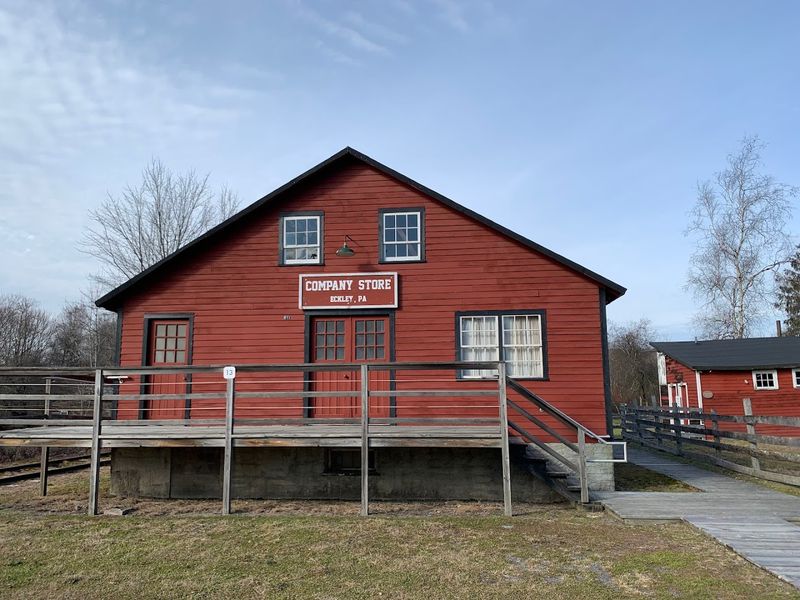
The company store, the church, and even the location of outhouses were all determined by rank and ethnicity.
This visible class gradient is one of the most effective pieces of social history I have encountered at any site, including several well-funded museums in Ohio and across the mid-Atlantic region.
You do not need a history degree to understand what you are looking at. The architecture makes the argument all by itself.
The Coal Breaker and Industrial Remnants on Site
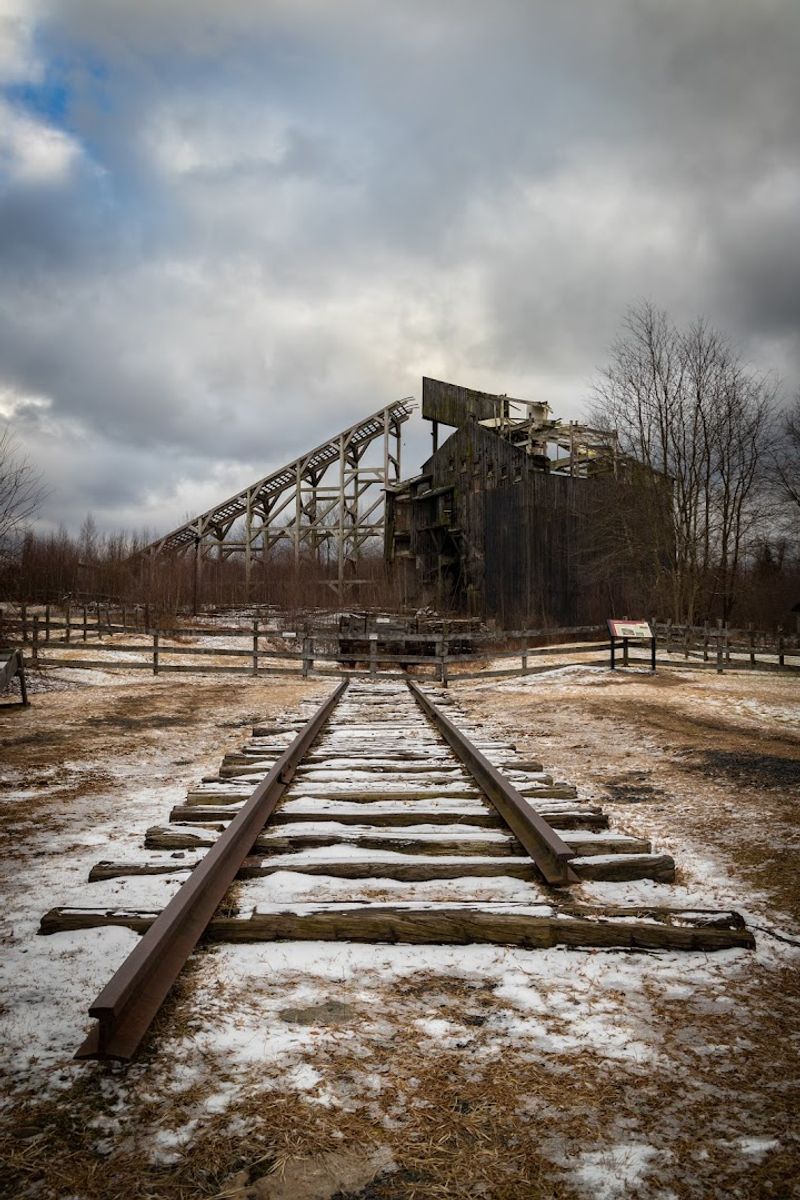
Coal breakers were the towering, noisy hearts of every anthracite patch town, and Eckley once had one that dominated the landscape.
The coal breaker on site was built as a movie prop and still stands, but it has needed major work for years, and industrial remnants remain visible.
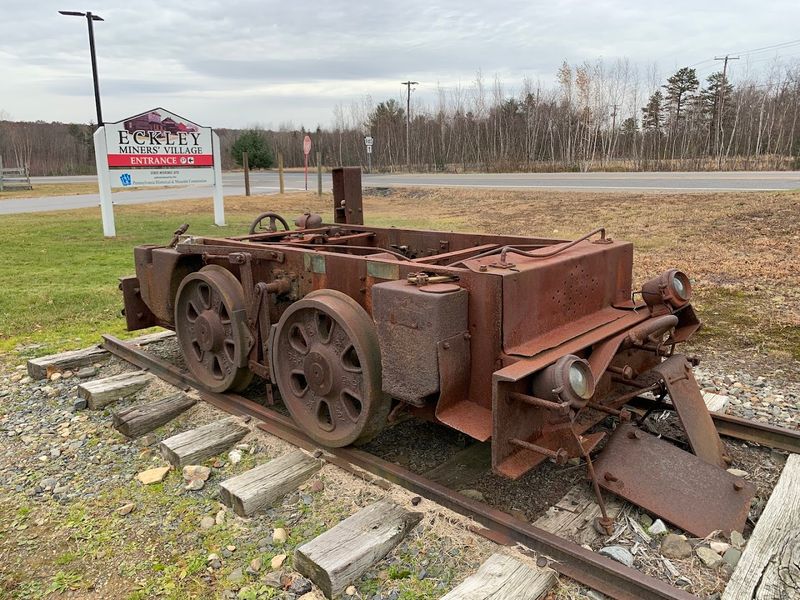
Old rail tracks, fragments of equipment, and coal debris scattered across the ground give a tangible sense of the scale of activity.
A phased project has been announced to upgrade the breaker site and build a new structure based on the 1915 Eckley breaker, as plans progress.
For photography enthusiasts, this area of the site offers some of the most visually striking compositions available.
The contrast between the decaying industrial infrastructure and the quiet surrounding woodland creates an atmosphere that is hard to find anywhere else.
One visitor I spoke with had traveled from Ohio specifically to photograph this section of the village, and she was not disappointed by what she found.
Visiting Hours, Admission, and Practical Planning Tips
Planning your visit to Eckley takes about five minutes of preparation, and those five minutes are worth it.
The museum is open Wednesday through Sunday from 10 AM to 4 PM, except for winter closure from Dec 29 to Mar 3.
The village is free to walk or drive through from dawn until dusk, though buildings close between Labor Day and Memorial Day and tours vary.
Admission to the indoor museum is modest, typically eight dollars for adults, making it one of the most affordable history experiences in the region.
The site is located off rural roads in Luzerne County, so a GPS or mapping app is genuinely helpful.
Visitors driving from Ohio or other distant states often combine Eckley with stops at other nearby Pennsylvania heritage sites to make the most of the journey.
A Destination for Genealogy Researchers and Family History Seekers
For anyone tracing family roots back to the anthracite coal region of northeastern Pennsylvania, Eckley is more than a tourist stop.
The village and its museum hold records, photographs, and contextual history that can help descendants of mining families understand what daily life looked like for their ancestors.
Several visitors have arrived specifically on genealogy trips, hoping to connect abstract names in a family tree to real places and real conditions.
One reviewer noted that a visit to Eckley answered questions that years of online searches had not.
The ethnic diversity of the original mining community is well represented in the exhibits, covering Irish, Eastern European, and Welsh immigrant experiences in particular detail.
If your family history includes time spent in the coal patches of Carbon, Luzerne, or Schuylkill County, a visit here puts meaningful flesh on those historical bones.
It is the kind of place where a name on a census record suddenly becomes a person with a story.
Why This Site Stands Apart from Other Pennsylvania History Museums
Pennsylvania has no shortage of history museums, but Eckley occupies a category almost entirely its own.
Most history museums ask you to imagine what life was like. Eckley shows you.
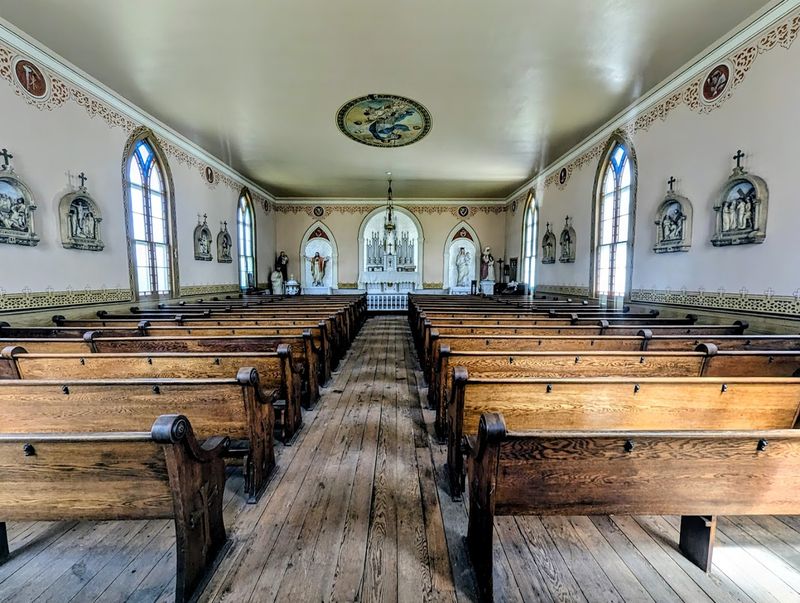
The buildings are original, the street layout is unchanged, and the scale of the community is intact in a way that indoor exhibits simply cannot replicate.
Visitors consistently rate it among the most memorable stops in the region, with a 4.5-star average across hundreds of reviews from people who traveled from across the country, including multiple visitors from Ohio who described it as unlike anything they had seen in the Midwest.
The combination of free outdoor access, affordable indoor admission, genuine living history, and a surprising Hollywood backstory gives Eckley a personality that feels earned rather than manufactured.
It is the kind of place that rewards curiosity, rewards patience, and rewards the traveler who is willing to slow down long enough to actually listen to what a place has to say.