
This Peaceful Amish Town In Illinois Offers A Simpler Way Of Life
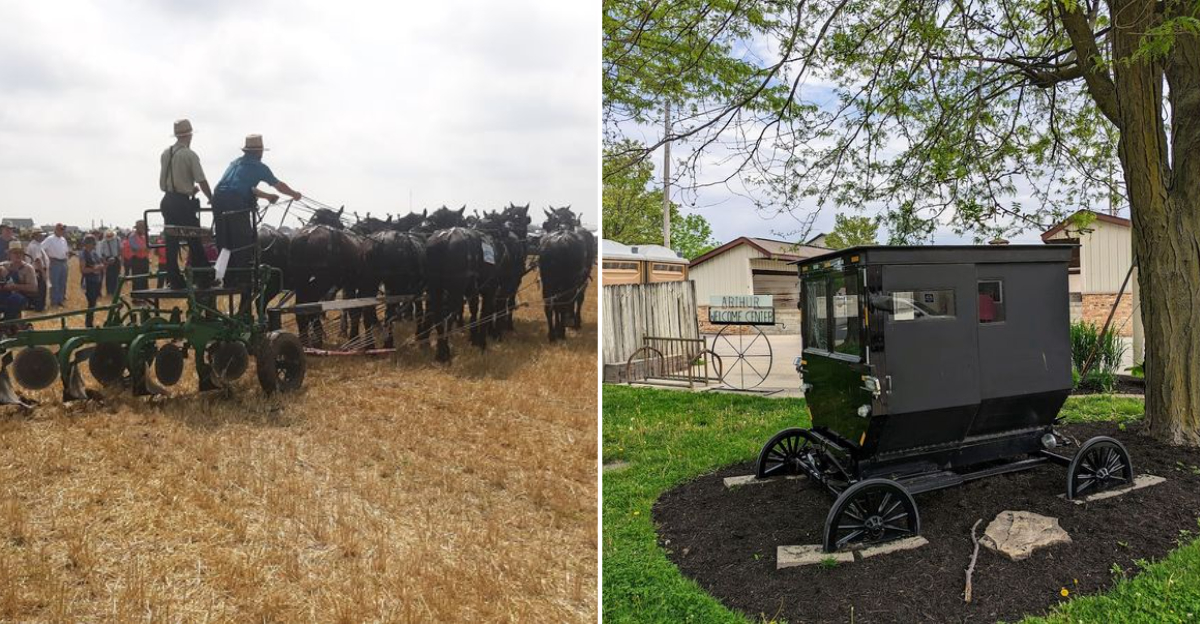
I still remember the first time I rolled into Arthur, Illinois, and felt like I’d stepped through a portal to another era.
Horse-drawn buggies clip-clopped past me on Vine Street while children in plain clothes played in tidy yards, and I realized my phone had zero notifications because I’d finally found a place where time moves differently.
This small village straddling Douglas and Moultrie counties is home to Illinois’ oldest and one of its largest Amish settlements, founded in 1864, and it’s become my go-to escape when modern life gets too noisy.
With around 2,200 residents, Arthur offers visitors a rare chance to witness a lifestyle that prioritizes community, craftsmanship, and connection over convenience and speed.
I’ve returned multiple times since that first visit, and each trip teaches me something new about what we gain when we choose to slow down and what this remarkable town can show us about living with intention.
A Living History Since The 1860s
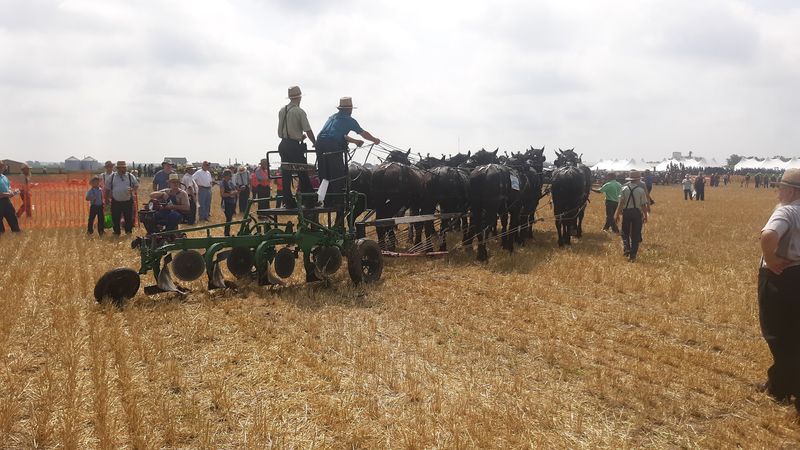
Walking through Arthur feels like flipping through a history book that somehow came to life around you. The Amish community here planted roots in the 1860s, making it the oldest continuous Amish settlement in Illinois, and those roots run deep through every corner of this village.
I’ve talked with locals who can trace their family lines back to those original settlers, and their pride in maintaining traditions is absolutely infectious. The community has grown steadily over the decades while holding firm to the values that brought their ancestors here in the first place.
What strikes me most is how the settlement has thrived without compromising its core beliefs. While many rural communities across America have dwindled or modernized, Arthur’s Amish settlement has steadily expanded, now spreading across both Douglas and Moultrie counties with Vine Street marking the boundary between them.
During my visits, I’ve learned that this longevity isn’t accidental but the result of careful community planning and strong family bonds.
The elders pass down farming techniques, woodworking skills, and spiritual practices that have remained largely unchanged for over 150 years, creating a tangible link to America’s agricultural past that you can witness every single day here.
Buggies Share the Road With Cars
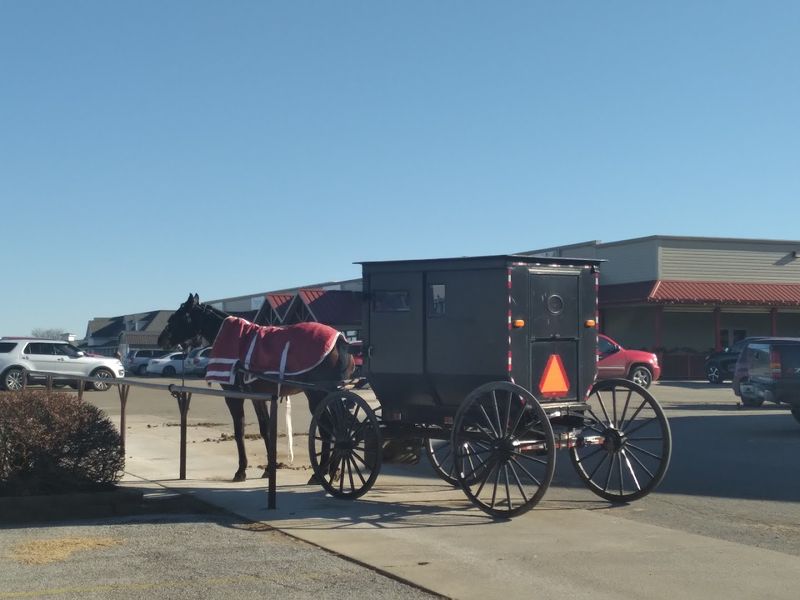
Nothing prepared me for the surreal experience of stopping at a four-way intersection behind a black buggy pulled by a chestnut horse. Traffic laws apply equally to buggies and automobiles here, and locals navigate this mixed transportation system with practiced patience that puts my city driving stress to shame.
The Amish use these traditional buggies for everything from Sunday church services to weekly grocery runs. I’ve seen entire families packed into single buggies, bonnets and straw hats visible through the back window, moving at a steady trot that forces everyone else to downshift both literally and mentally.
Road signs throughout Arthur remind drivers to watch for horse-drawn vehicles, especially around blind curves and hills. The buggies display orange reflective triangles on their backs for safety, a concession to modern requirements that doesn’t compromise their traditional appearance.
I’ve found that driving through Arthur requires a completely different mindset than highway travel. You can’t rush here, and honestly, that’s the entire point.
Sharing the road with buggies forces you to slow down, look around, and appreciate the scenery instead of staring at your speedometer, which turned out to be exactly what I needed.
World-Class Amish Craftsmanship on Display
My tiny apartment back home is now filled with pieces I couldn’t resist buying in Arthur’s numerous craft shops and workshops. The Amish community here has turned traditional skills into an art form, producing furniture, quilts, and handmade goods that rival anything you’d find in high-end boutiques.
The furniture shops particularly amazed me with their solid wood construction and attention to detail. I watched craftsmen shape oak and cherry wood into dining tables built to last generations, often using traditional woodworking techniques and alternative power systems rather than standard public electricity.
Quilt shops throughout town display intricate patterns in jewel tones and pastels, each one representing hundreds of hours of careful stitching. The women who create these masterpieces often work in small groups, turning the labor into social time that strengthens community bonds while producing functional art.
Beyond furniture and quilts, I’ve discovered basket weavers, leather workers, and metalworkers who practice trades that have nearly disappeared elsewhere.
Their products aren’t cheap, but the quality justifies every dollar, and knowing that real human hands created each piece without factory shortcuts makes them feel even more valuable to me.
Farm-Fresh Food That Tastes Like Childhood
The first bite of homemade bread from an Arthur bakery transported me straight back to my grandmother’s kitchen. The Amish community here grows, bakes, and prepares food using methods that prioritize flavor over shelf life, and your taste buds will immediately notice the difference.
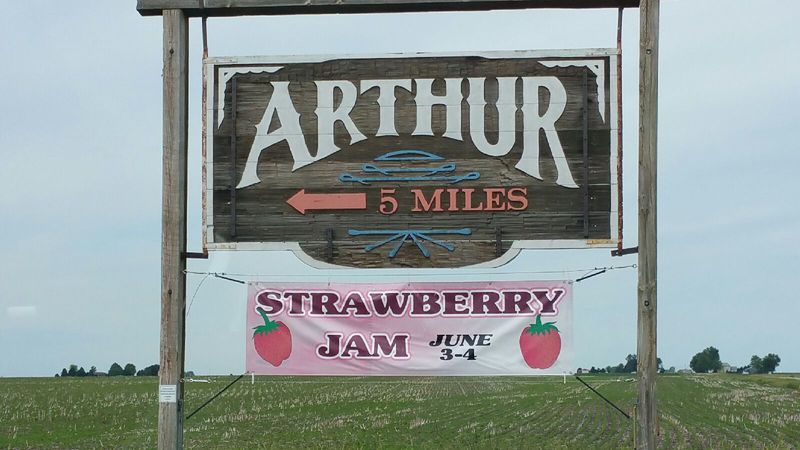
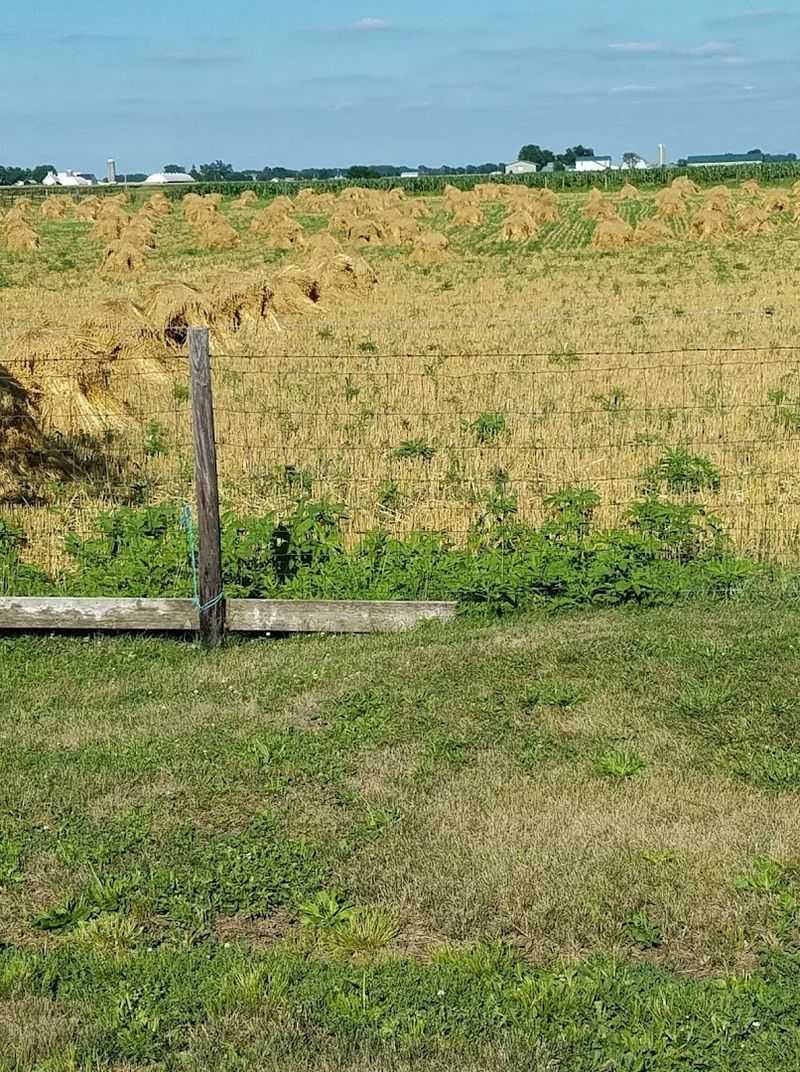
Roadside stands dot the countryside surrounding Arthur, offering whatever’s in season directly from the families who grew it. I’ve bought sweet corn so fresh it was still warm from the morning sun, tomatoes that actually smell like tomatoes, and strawberries that make grocery store versions taste like cardboard.
The bakeries deserve their own pilgrimage, with cases full of pies, cookies, breads, and pastries made from scratch every morning. I’m particularly weak for their cinnamon rolls, which are roughly the size of dinner plates and require both hands to lift.
Several bulk food stores cater to both Amish families and curious visitors, stocking everything from locally milled flour to homemade noodles to jars of preserves in flavors I’d never imagined. Shopping here feels like stepping into a general store from a century ago, except everything is impeccably clean and organized.
Plain Dress Tells a Deeper Story

Observing the Amish community’s distinctive clothing opened my eyes to how fashion choices can reflect deeper values.
The men wear dark trousers with suspenders, plain shirts, and broad-brimmed hats, while women dress in solid-colored dresses with aprons and prayer coverings, creating a visual uniformity that emphasizes community over individuality.
These aren’t costumes or historical reenactments but daily wear chosen according to religious principles. The plain dress represents humility, modesty, and separation from worldly vanity, values the community considers essential to their faith and way of life.
I’ve noticed that children dress just like miniature versions of their parents, learning from an early age that their appearance should reflect inner character rather than current trends. The girls’ dresses mirror their mothers’ styles, while boys graduate to suspenders and hats as they grow.
What fascinated me most was learning that specific details like the width of hat brims or the style of prayer coverings can indicate which particular Amish order a person belongs to.
These subtle variations are invisible to outsiders but carry significant meaning within the community, showing how clothing can serve as a silent language of identity and belonging.
Sunday Church Services Rotate Between Homes
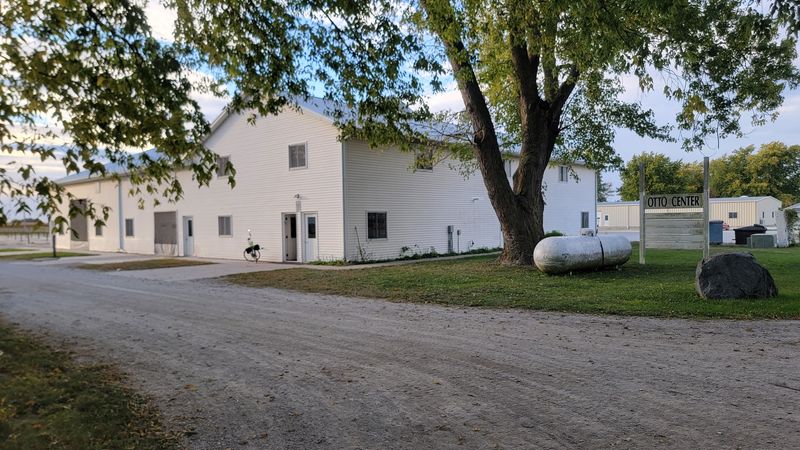
Forget steeples and stained glass windows because the Amish in Arthur worship in a completely different way. Church services rotate among members’ homes every other Sunday, transforming living rooms and barns into temporary sanctuaries that bring the entire community together in intimate settings.
I’ve learned that hosting church is a significant responsibility that families prepare for weeks in advance. They clean thoroughly, arrange benches borrowed from a shared church wagon, and ready their homes to accommodate sometimes over a hundred people for services that last three hours or more.
The services themselves are conducted in a mix of Pennsylvania German and High German, preserving linguistic ties to the community’s European origins. Hymns are sung slowly and without instrumental accompaniment, creating haunting melodies that drift across the countryside on Sunday mornings.
After services, the host family provides a simple meal, and the gathering extends into afternoon as community members visit and children play together.
This rotating system ensures that every family participates equally in church life and that worship remains rooted in homes and relationships rather than buildings and institutions, creating bonds that I’ve rarely seen in conventional congregations.
One-Room Schoolhouses Still Educate Children
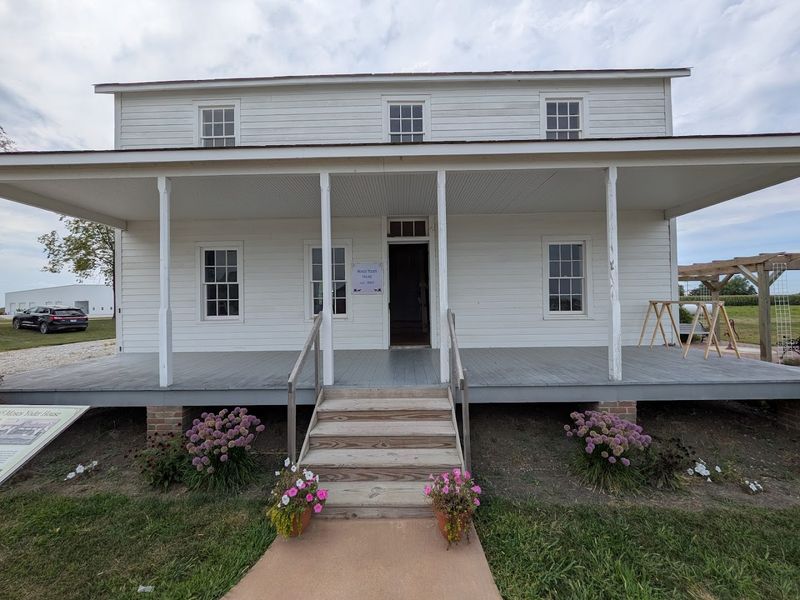
Spotting a one-room schoolhouse with children spilling out for recess made me do a double-take on my first Arthur visit.
These simple one-room schoolhouses, often modest white buildings with basic facilities, represent an educational approach that mainstream America abandoned decades ago but that the Amish community maintains with impressive results.
Amish children attend these schools through eighth grade, learning reading, writing, arithmetic, and practical skills from teachers who are often young women from the community.
Class sizes are small, and older students frequently help teach younger ones, creating a family-like atmosphere that emphasizes cooperation over competition.
The curriculum focuses on skills needed for Amish life rather than preparing students for college. Children learn Pennsylvania Dutch, English, and German, along with practical mathematics for farming and business, but subjects like science and history are taught through a lens that supports community values.
What impressed me most was learning that this eighth-grade education produces adults who successfully run farms, businesses, and households while maintaining strong literacy and numeracy skills.
The system proves that educational success doesn’t require standardized testing, technology, or extensive schooling but rather clear goals and community support.
Vine Street Divides Two Counties
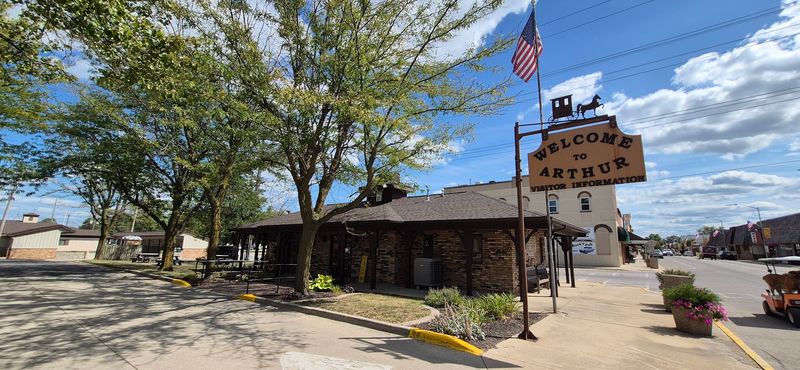
Geography gets quirky in Arthur because the town’s primary thoroughfare, Vine Street, serves as the official boundary between Douglas and Moultrie counties.
I’ve literally stood with one foot in each county while shopping, which creates some interesting administrative situations that locals navigate with practiced ease.
This unique positioning means that residents on opposite sides of the street technically live in different counties, with different tax rates, voting districts, and county services. Businesses along Vine Street must carefully track which county their entrance sits in for licensing and regulatory purposes.
The dual-county situation occasionally creates humorous complications, like when emergency services need to coordinate responses or when school district boundaries get discussed.
I’ve heard stories of families with children attending different schools simply because they live on opposite sides of the same street.
Despite these administrative quirks, the county line doesn’t divide the community in any meaningful way. Amish and non-Amish residents alike treat Arthur as a single cohesive town, and the boundary serves more as a conversation starter than a real barrier.
If anything, it adds to the town’s charm and gives visitors one more unusual fact to share when they return home.
Tourism Supports Traditional Livelihoods
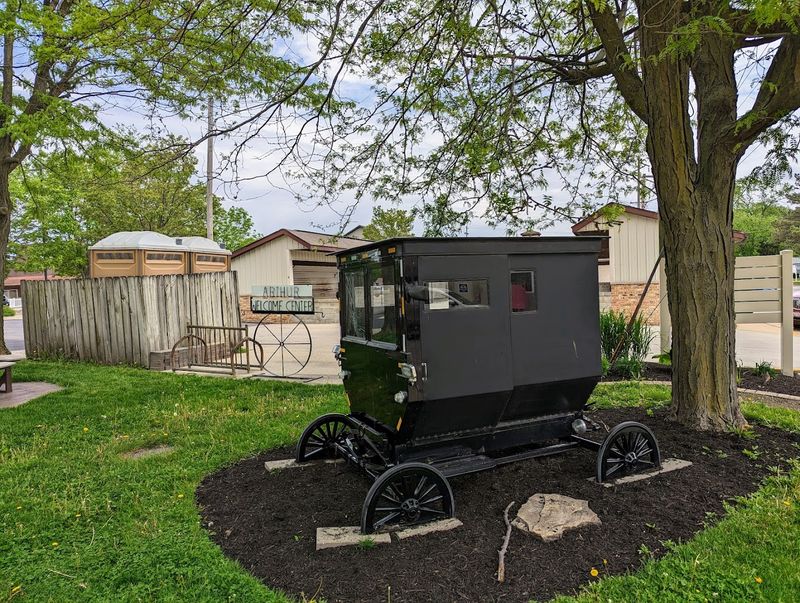
Arthur has struck a delicate balance between welcoming visitors and preserving community values, creating a tourism economy that supports Amish families without exploiting their lifestyle.
The shops, restaurants, and attractions here feel authentic rather than staged, offering genuine glimpses into Amish life while respecting boundaries around privacy and photography.
Many Amish families supplement farming income by operating businesses that cater to tourists, from furniture showrooms to bakeries to bulk food stores. These enterprises allow them to earn livings while working from home and maintaining traditional schedules that prioritize family and church commitments.
I’ve noticed that tourism here operates on an honor system in many ways. Signs politely request that visitors not photograph Amish people, especially children, and most tourists respect these wishes.
The Amish community tolerates curiosity but draws clear lines around intrusion.
Local non-Amish residents have also built businesses around the community’s presence, operating bed and breakfasts, tour companies, and gift shops that educate visitors about Amish culture.
This symbiotic relationship benefits both communities while keeping Arthur from becoming an artificial theme park, maintaining the authenticity that makes visiting worthwhile in the first place.
A Refuge From Modern Life’s Chaos
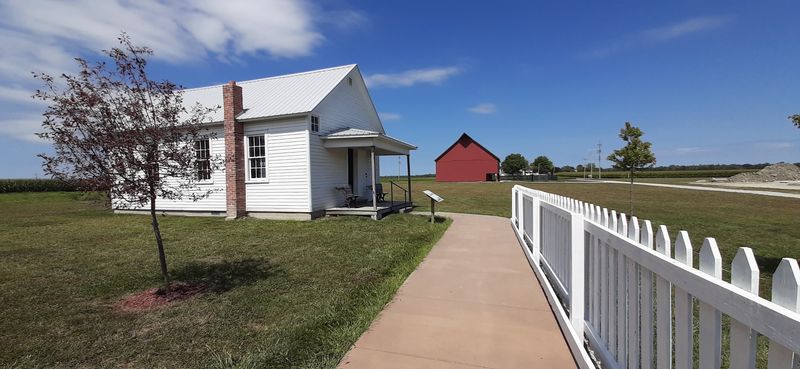
My visits to Arthur have become essential mental health breaks from the constant connectivity and hurry that define modern American life. Something about this place strips away anxiety and replaces it with a calm that’s increasingly hard to find anywhere else.
Part of the magic comes from the absence of typical visual noise. Few billboards clutter the roadsides, neon signage is minimal, and only a handful of traffic lights interrupt the flow of movement through town.
The landscape remains largely agricultural, with fields and farmhouses creating views that soothe rather than stimulate.
The pace of life here operates on a completely different frequency than city living. Conversations happen without people checking their phones, transactions occur without rushing to the next customer, and meals are prepared with time and care rather than microwaved in minutes.
This slower rhythm feels foreign at first but becomes addictive quickly. I’ve found that spending even a few hours in Arthur recalibrates my internal clock and reminds me that the frantic pace I maintain at home is a choice, not a requirement.
The Amish community here offers a living example of an alternative approach, one that prioritizes presence over productivity and relationships over achievements, teaching lessons that stay with me long after I’ve returned to my regular life.