
This Denver Museum Is Revealing The Forgotten Stories Of Colorado’s Black Cowboys
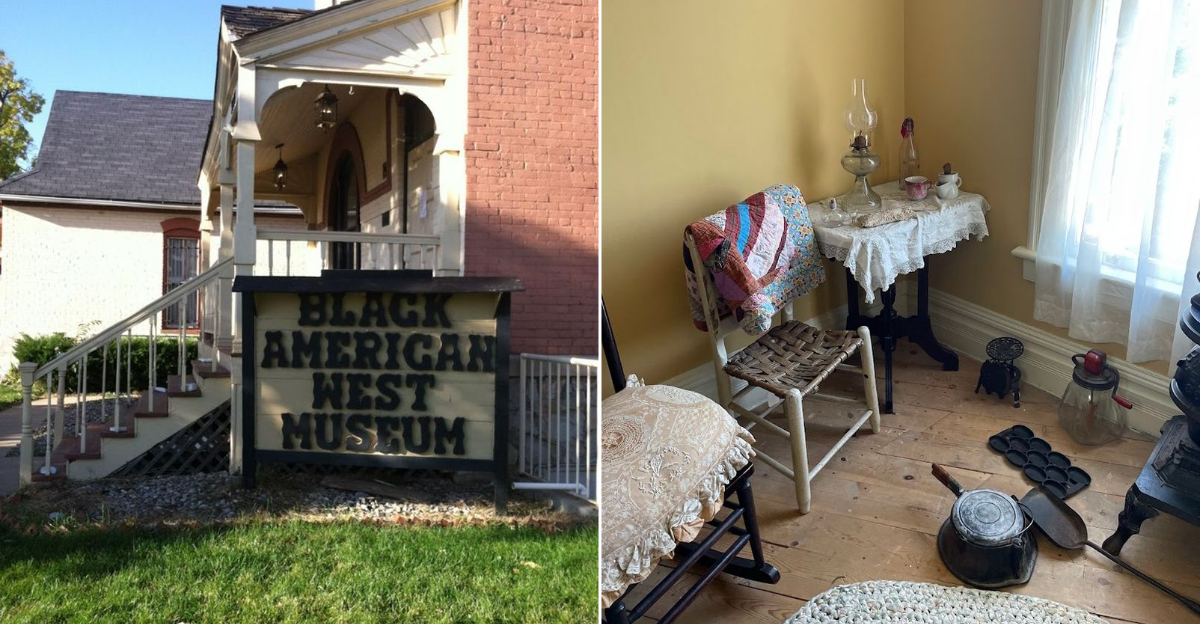
Some weekends announce their plans for you, no debate required. This is one of those: step into a historic Colorado home and find a West you did not get in school.
In Colorado, stories of frontier life often skip over the people whose grit quietly shaped the region. Inside, rooms filled with photographs, letters, and weathered artifacts, vague legends turn into human stories that feel close enough to shake your hand.
Colorado’s layered past comes forward through personal voices that speak of courage, enterprise, and community built against long odds. The experience is focused and approachable, making it easy to step in, learn, and leave feeling changed.
It respects your time while rewarding your curiosity with details that linger long after you walk back outside. For a weekend plan that blends reflection with discovery, it delivers clarity and connection without overwhelming your schedule.
That balance makes it an easy yes.
The Easy Win
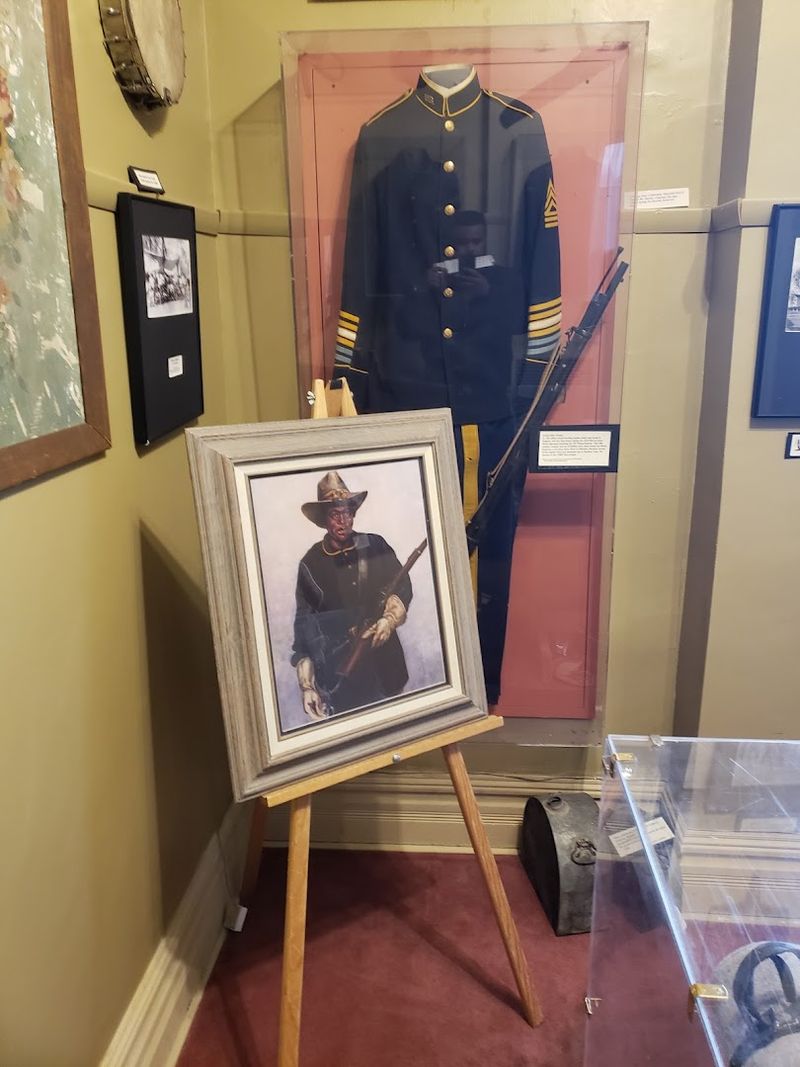
Here is the tidy promise: this museum delivers more understanding per minute than nearly any other stop you might add to a weekend in Denver. Housed inside the historic home of Dr. Justina Ford, the space is compact but dense with meaning, offering a high signal experience without visual clutter or theatrical distraction.
You are not navigating a maze of galleries or sorting through oversized installations. Instead, you move through focused exhibits that connect essential threads about the American West and the Black settlers, entrepreneurs, medical professionals, soldiers, and families who helped shape it.
The layout feels intuitive, which makes the visit an easy win for travelers and locals alike. There is no need for a lengthy orientation or a formal tour to understand what you are seeing.
Clear timelines, photographs, and carefully chosen artifacts guide you forward in a steady rhythm, allowing you to glide through, pause when something resonates, and absorb as much as fits your curiosity that day. Because the story unfolds coherently from room to room, it sidesteps the fatigue that sometimes comes with larger institutions.
When weighing your options, this choice stands out as low effort and high return, fitting neatly between other plans without demanding a full day. You step back outside with fresh perspective and thoughtful takeaways that feel vivid and immediate, not like a repeat of something you once skimmed in a textbook.
Plan Decides Itself
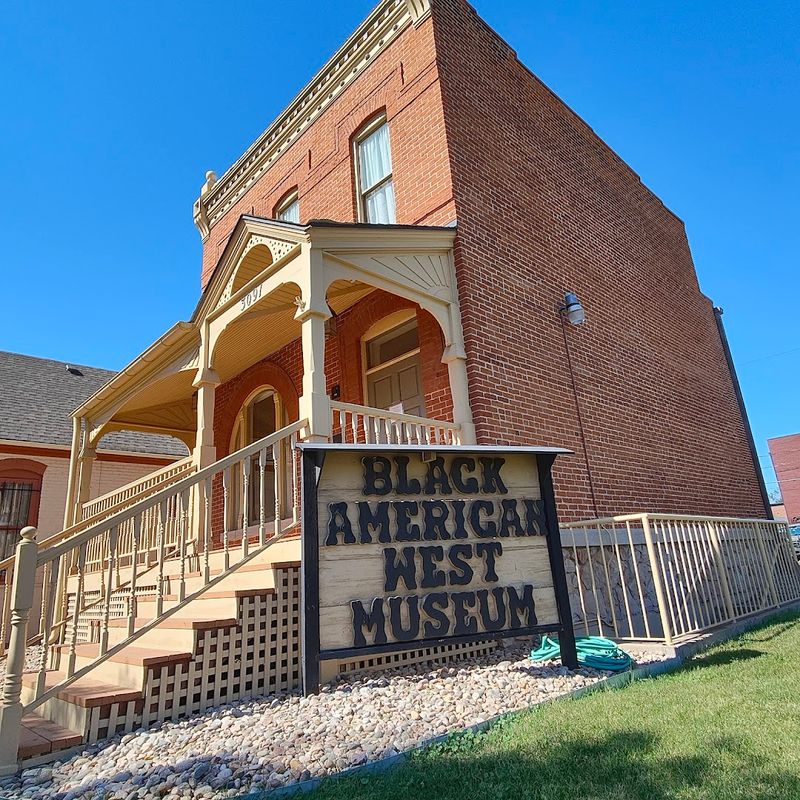
There are rare Saturdays when the plan seems to choose you, tapping your shoulder with the quiet insistence that it is time to learn something that will actually stay with you. That feeling settles in right in Denver at the Black American West Museum & Heritage Center, housed in the former home of Dr. Justina Ford at 3091 California Street.
From the outside, the historic structure feels modest and unassuming, yet inside it carries stories that subtly redraw the map of the American West. You might enter expecting a brief visit, a quick cultural stop between other downtown plans, and instead find yourself reconsidering long held assumptions about who built, healed, mined, ranched, organized, and served across frontier communities.
Colorado pride hums gently in the background, but the real strength here is clarity. The exhibits center Black western history without spectacle, allowing photographs, documents, and personal narratives to speak with steady confidence.
The rooms communicate as much through the quiet space around each artifact as through the objects themselves, creating an atmosphere of thoughtful honesty rather than performance. There is no complicated choreography to the visit.
You arrive, move at your own pace, read, listen, and gradually assemble a cleaner, more complete timeline in your mind. Whether you are traveling through downtown or simply running errands nearby, it becomes a dependable stop that earns its place in your day and lingers well after you leave.
Arrival In Colorado Light
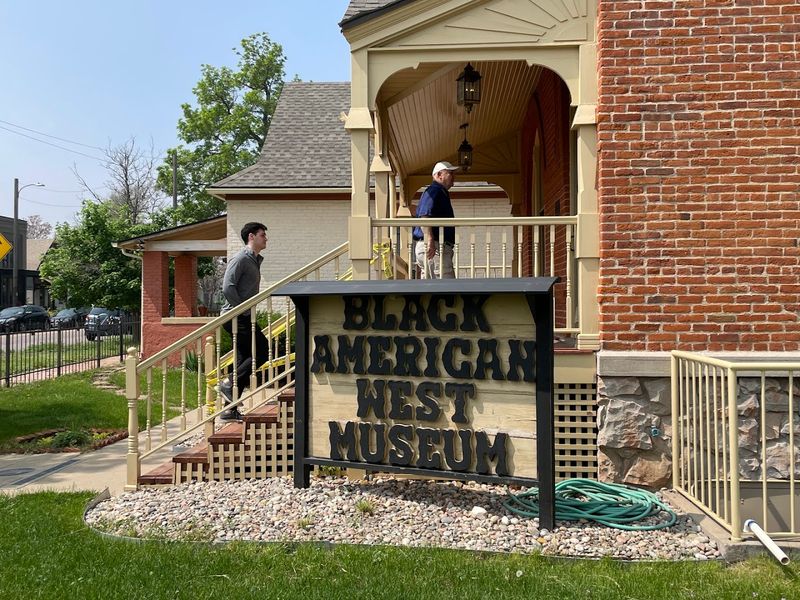
Colorado sunlight does not hesitate. It strides across the yard, pours over the railings, and stretches through the windows of this restored house in Denver, filling the wooden floorboards with a bright, high plains clarity that sharpens every edge.
As you walk up to the porch, the boards answer with a soft creak that feels more like a greeting than a warning, and the doorway frames something lived in and grounded rather than theatrical. Inside the historic home that now holds the Black American West Museum & Heritage Center, the rooms are intimate in scale, guiding both your shoulders and your focus.
Nothing sprawls or overwhelms. Placards, photographs, and carefully positioned artifacts present the story with calm assurance, inviting you to move at a measured pace.
You sense the rhythm of everyday life beneath the museum quiet, as if conversations, footsteps, and small acts of care still echo faintly through the walls. Dates begin to attach themselves to real people, and names start to feel less like distant figures and more like neighbors whose work shaped the ground beneath your feet.
There is no need for spectacle or dramatic staging. The state’s steady light, the angles of the house, and the clarity of the exhibits carry the experience on their own.
You find yourself standing a little straighter, absorbing a version of the West that feels fuller, more accurate, and firmly rooted in lived experience.
The Local Nod
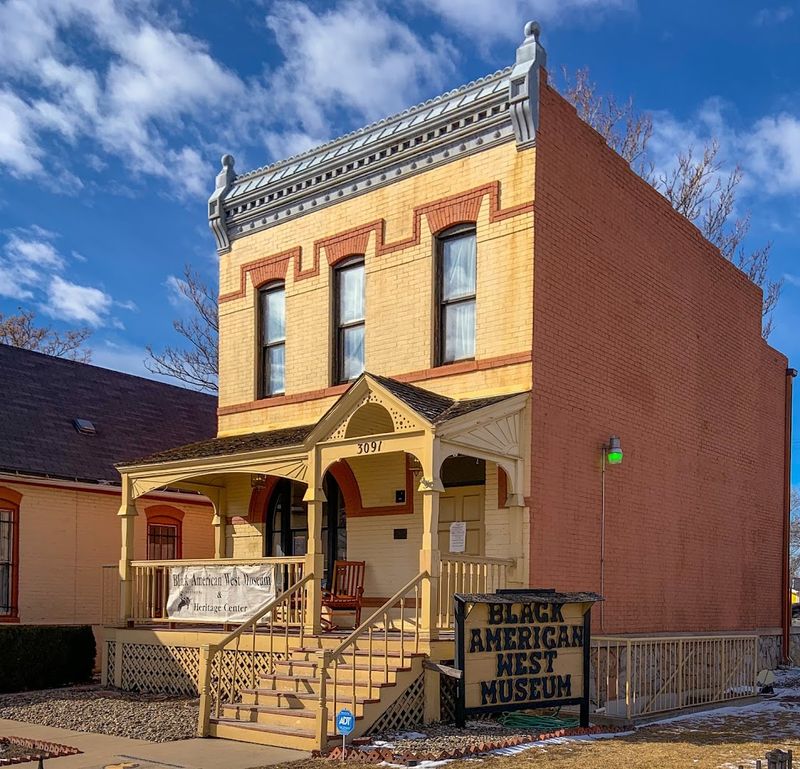
Every town has that place locals reference with a subtle nod that signals quiet confidence, the kind that implies you will understand once you step inside. In Denver, this museum carries that nod with ease.
Conversations and visitor impressions often read like neighborly handshakes, shared by people who stopped in for an hour and walked out carrying new names, clearer timelines, and chapters of the American West they had not previously encountered. What draws people back is not spectacle or trend driven programming.
Instead, it is the steady trust built through straightforward exhibits focused on Black Denver and the broader western frontier, all presented within a historic home that feels grounded and appropriate to the subject matter. The scale encourages attention rather than distraction, allowing photographs, documents, and personal histories to anchor the experience.
Many visitors note the warmth and knowledge of staff and volunteers, whose guidance sharpens understanding without pulling attention away from the artifacts themselves. That balance between welcome and restraint leaves a lasting impression.
Habit forms quickly in spaces like this. One thoughtful visit turns into a recurring recommendation, the kind you offer when family comes to town or when a colleague asks for something meaningful and reliable.
It becomes social proof without a sales pitch, powered by the quiet momentum of a place that consistently does its job well and leaves people better informed than when they arrived.
Fits Real Life
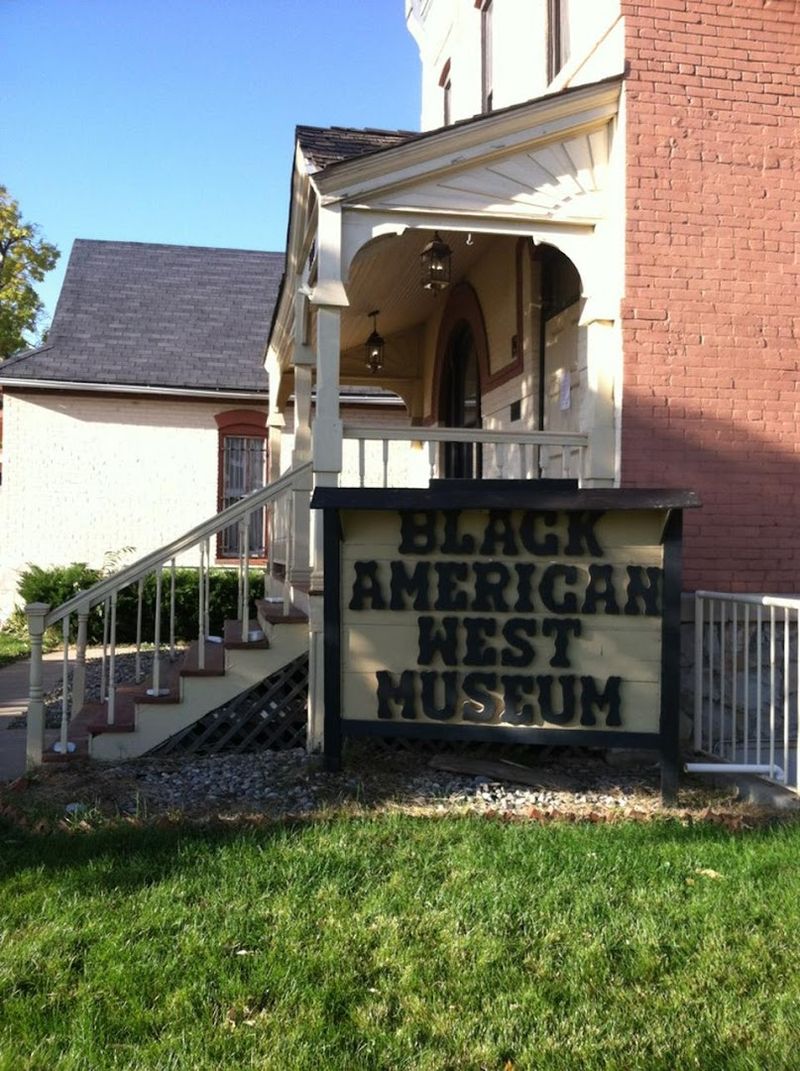
This stop fits families, couples, and solo explorers because it respects your bandwidth and lets you calibrate the experience to your own pace. At the Black American West Museum & Heritage Center in Denver, the rooms are manageable in size, the reading is clear and digestible, and the natural flow allows you to pause wherever curiosity catches hold.
You are not funneled through an overwhelming sequence of galleries or pressed to absorb more than you can carry. For families, that translates into a focused visit that avoids logistical fatigue and keeps attention spans intact, with enough visual material to anchor younger visitors while adults absorb the broader context.
For couples, it creates shared discovery that easily turns into thoughtful conversation on the walk back to the car or over dinner later that evening. For solo visitors, it offers the rare museum experience that feels complete without demanding an entire afternoon, leaving you informed rather than drained.
Planning remains refreshingly simple. A quick check of the website for current hours and details is all it takes before slipping it neatly into a weekend schedule without reshuffling everything else.
You step back outside carrying insights substantial enough to revisit in conversation and specific enough that they stay with you well beyond the month, forming a storyline that feels both sturdy and personal.
A Quick Pre-Movie Stop
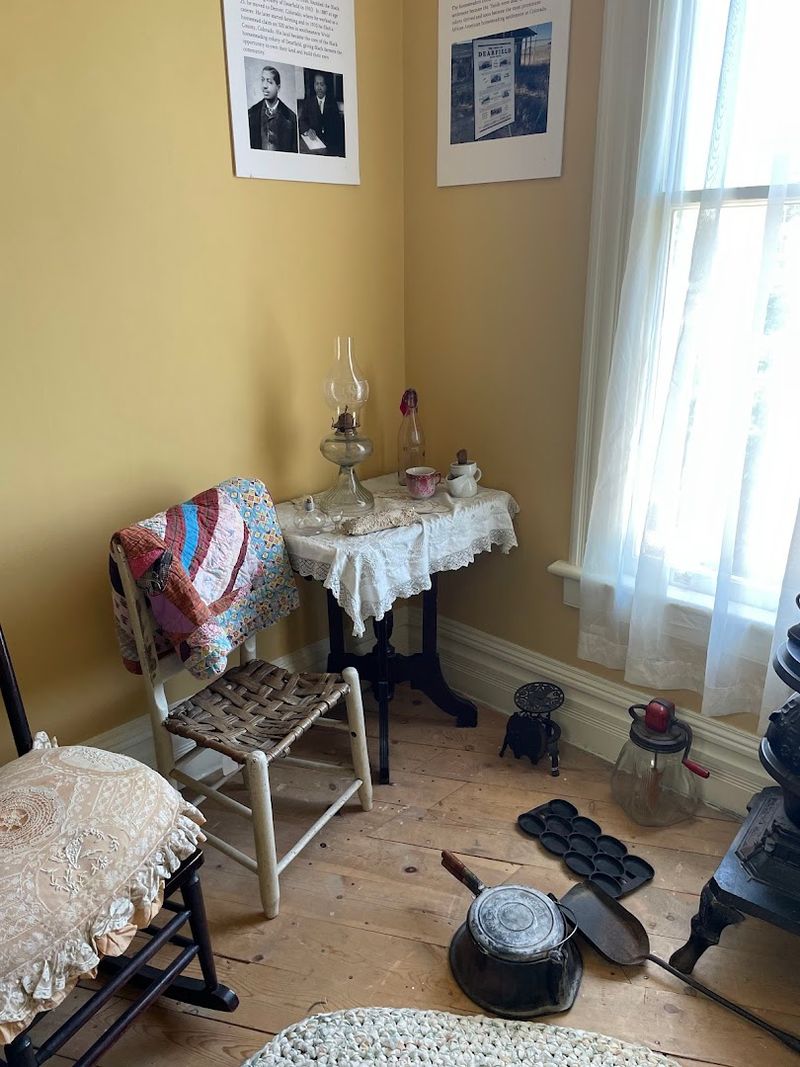
If you are aiming for a compact, well balanced evening in Denver, frame a visit to the Black American West Museum & Heritage Center as your pre movie stop. Set aside a focused hour to move through the historic house, then follow it with a relaxed stroll a few blocks away to reset your head before the theater lights dim.
That pairing has a subtle elegance to it, turning an ordinary night into something that feels intentional and quietly earned. Because the museum’s footprint is manageable and the exhibits are presented with clarity, you will not find yourself anxiously checking the time.
The narrative unfolds in a way that lets you move steadily, absorb key stories, and still arrive at your seats with minutes to spare. There is a satisfying contrast in placing artifacts, personal histories, and frontier narratives at the front of the evening, then shifting to popcorn and previews afterward.
On busier days, it also works as a quick but meaningful stop folded into your existing route. You maintain your momentum without sacrificing substance, and the insights you gather tend to travel with you, sparking easy conversation in the ticket line.
It is a simple strategy that smooths out the edges of planning and lets the night glide forward with purpose.
Text-Ready Closer
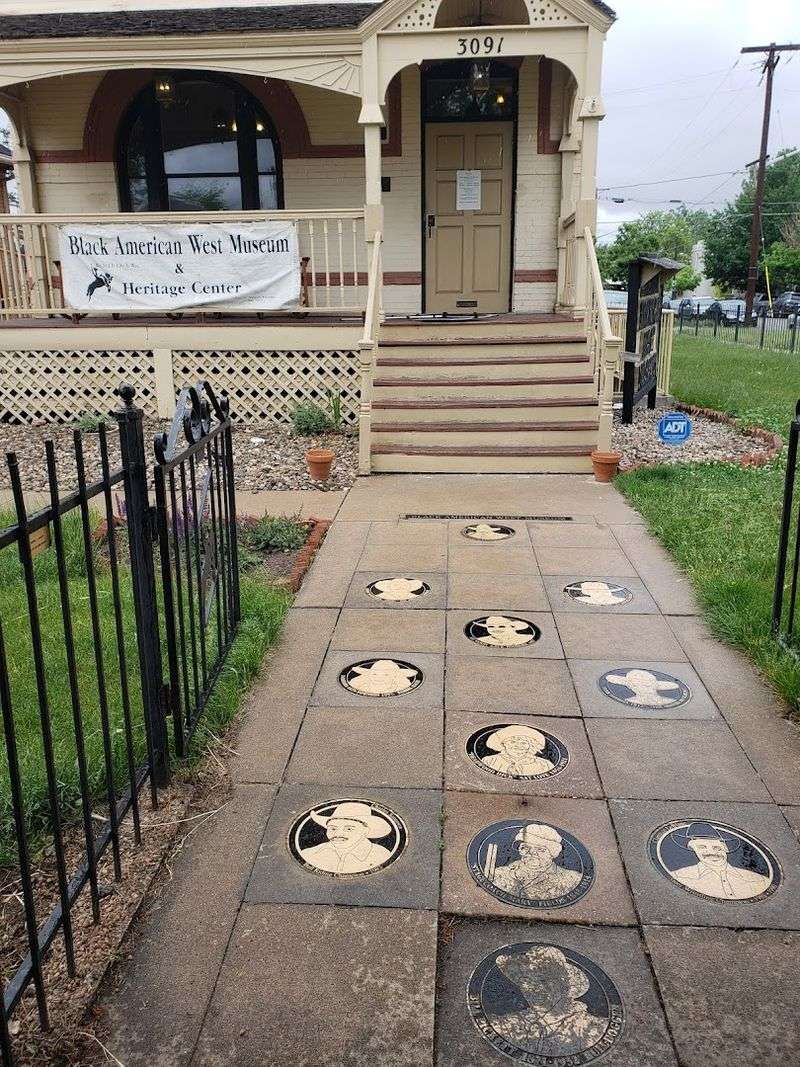
Here is the line you can borrow: Go see the Black West told in a house that makes it feel close, then thank yourself on the way out. A visit to the Black American West Museum & Heritage Center in Denver, Colorado is the easiest kind of smart decision, the kind that never requires a group text debate or a carefully weighed pros and cons list.
Your future self will feel quietly triumphant about present you making the call. You can keep it as a downtown anchor between other plans or treat it as a right in town stop while bouncing between weekend errands.
The experience does not perform or over explain. It simply arranges the facts with clarity, offers you a narrative thread, and trusts you to follow it at your own pace.
Inside the historic home, the scale keeps everything approachable, allowing the stories of Black pioneers, professionals, and community leaders to land without distraction. When someone asks for a reliable pick that feels meaningful without being complicated, you can send the location pin and a single sentence: Short visit, long memory, zero guesswork.
That sums up the appeal. In a week crowded with half decisions and shifting plans, it is a relief to land on something definite, a choice that feels grounded, thoughtful, and worth the hour you give it.