
Over 300 Miles Of Adventure Await On A US-2 Road Trip Through Michigan’s Upper Peninsula
Driving US-2 across the Upper Peninsula is a long, unspooling invitation to remember what makes life worth living. I’ve always believed that the best version of yourself is found somewhere between a half-empty thermos and a dashboard covered in beach sand.
On this stretch of pavement, the pines seem to lean in and whisper secrets while the lake breeze tugs at your steering wheel.
It’s a road of sudden, breathtaking transitions, one minute you’re passing through a weathered iron town with deep industrial roots, and the next, you’re staring at a river-cut gorge that feels like a glitch in the modern world.
Plan your ultimate Michigan road trip along US-2 with this travel guide to the Upper Peninsula’s best scenic overlooks, hidden beaches, and historic lakeside towns.
If you’re ready to trade the highway blur for miles that actually turn into stories, you’re in the right place. Grab your keys and let the lake breeze lead the way.
1. St. Ignace
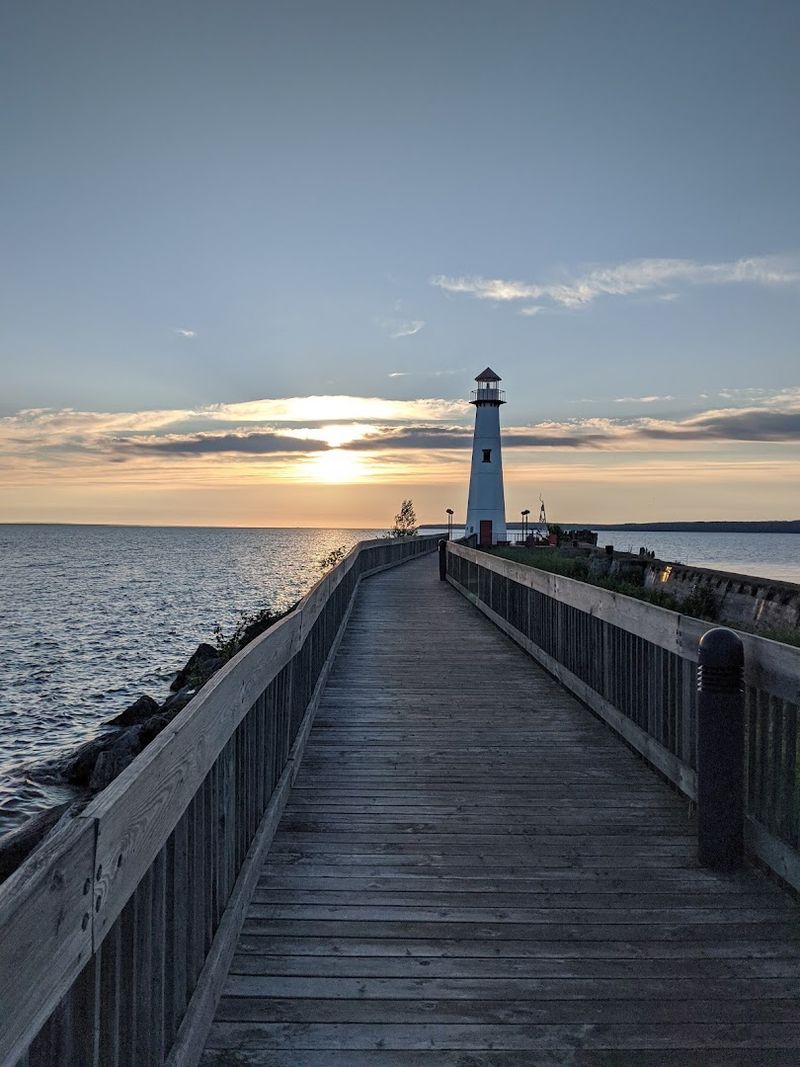
Morning arrives on the St. Ignace waterfront with gulls arguing over the first catch and the Mackinac Bridge gleaming to the south. The boardwalk planks creak softly underfoot, and the air carries that unmistakable Upper Peninsula mix of cedar and dark roast coffee.
This is the gateway, the place where the Mighty Mac deposits you into a different pace of life. Small marinas bob with charter boats that head out on the deep blue long before the lunch crowd wakes up.
This strait has served as a travel hinge for centuries, linking the Great Lakes long before the bridge existed. It was also a crossroads for Anishinaabe canoe routes, and that deeper history still shapes the feeling of the place.
The Museum of Ojibwa Culture holds that historical thread with care, and it is worth stepping inside for a quiet reset. It gives the whole trip stronger grounding before you continue west.
2. Cut River Bridge
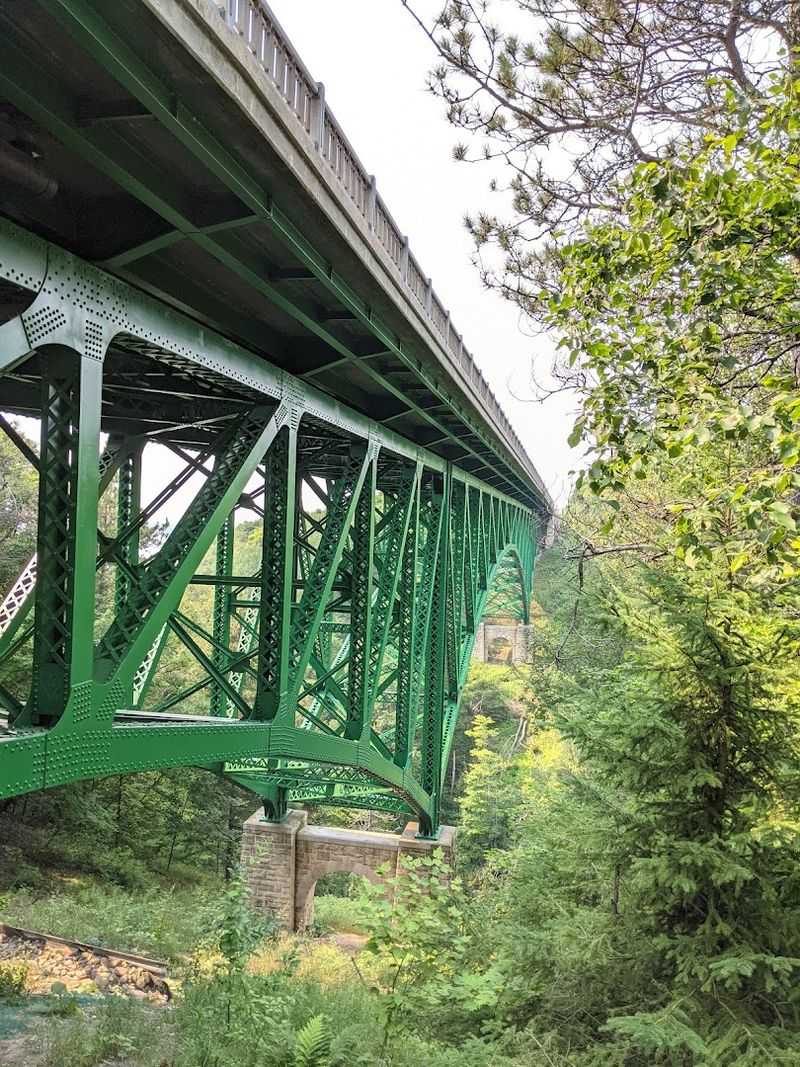
About 25 miles west of the bridge, the Cut River Bridge appears suddenly, a massive green lattice of steel suspended over a cedar-choked gorge.
As you pull over, traffic usually starts to thin, and the steel seems to hum whenever a heavy truck rolls across. It is one of those places where the road itself becomes the attraction.
Built in the 1940s, this deck truss spans the Cut River with an elegance that hides how heavy-duty it really is. It is one of the few spots on the route where the highway feels like it is soaring.
One of the best details here is the stair network on both sides of the bridge, a classic WPA-era style feature preserved through years of maintenance. The engineering lesson is open air and physical, you can feel the scale in the rivets and steel.
Pull into the roadside park on the west end and take the trail down to the river mouth where it meets Lake Michigan. The descent is pleasant, but the climb back up is a real workout, so bring water and take your time.
3. Naubinway
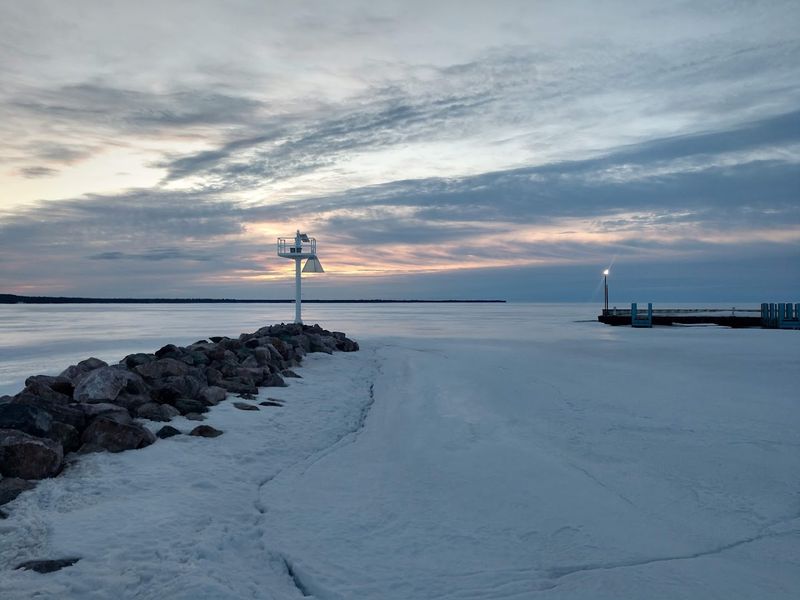
Continuing west, Naubinway greets you with docks, fish scales glinting in the light, and the smell of a cold, clean lake. Commercial crews unload quietly, and the whole village moves with a humble, working rhythm.
This is the northernmost point of Lake Michigan, and it carries a salt-of-the-earth character where conversations travel as easily as the breeze. The pace feels set by weather, nets, and routine more than by the clock.
Naubinway grew through lumbering and commercial fishing, and unlike many towns, it kept its identity even after the biggest industries slowed. That continuity is part of what makes it feel so grounded.
It is the kind of local history you can almost hear. Before leaving, pick up fresh whitefish or smoked fish from a local market if you can.
Take it to the beach with lemon and a bag of chips, and you have a classic UP lunch with almost no effort. It fits the place perfectly.
4. Manistique
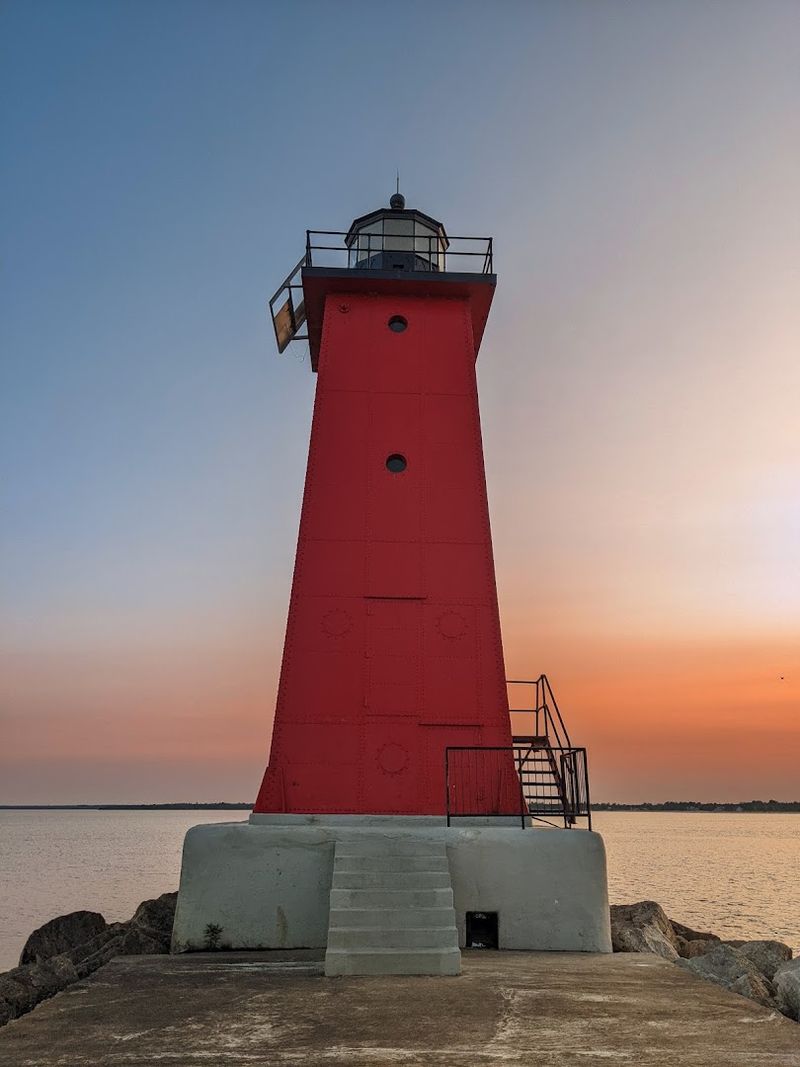
Waves slap the breakwater in Manistique with a steady thud that throws cold spray into the air and wakes you up fast.
After a strong storm, driftwood piles collect along the shoreline in huge sculptural tangles. Against the sand, they can look almost like bleached bones.
The town has a rugged soul shaped by the logging boom and later the paper mill era. That history left behind sturdy neighborhoods and a practical, no-nonsense tone that still defines the place.
The lighthouse dates to 1916 and still holds its line against the lake’s constant mood changes. Recent boardwalk upgrades have made the waterfront much easier to stroll without losing its rough character.
A good plan is to park near the river mouth and walk the pier on a calm day. Keep an eye out for slick patches near the edge, especially when spray is blowing in.
For a proper local fuel stop, grab a pasty from a downtown bakery and carry it to the boardwalk. Gravy debates may start arguments, but rutabaga remains the standard up here.
5. Palms Book State Park
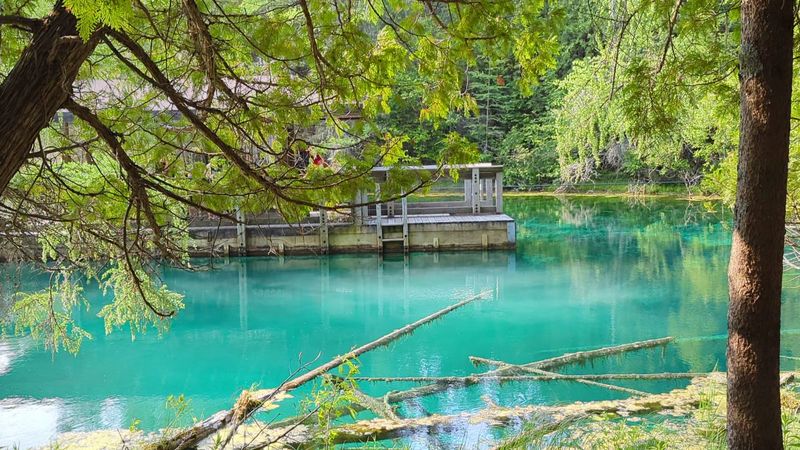
A short detour north of US-2 brings you to Palms Book State Park and Kitch-iti-kipi, where the water is so clear it feels unreal. Looking down can feel like peering through a giant liquid lens into another layer of the earth.
Huge lake trout hover over bubbling sand vents far below, and the hand-cranked raft cable sings softly as you pull across the pool. The spring remains a constant 45°F year round, so it never freezes.
That stable temperature helps preserve the spring’s strange, crystalline glow in every season. Even in summer, the place feels cool and quiet.
The site was once privately developed and was nearly lost to a much worse fate before being preserved as a state park. The observation raft remains one of the best parts, because it lets people see the spring closely without disturbing it.
6. Fayette Historic State Park
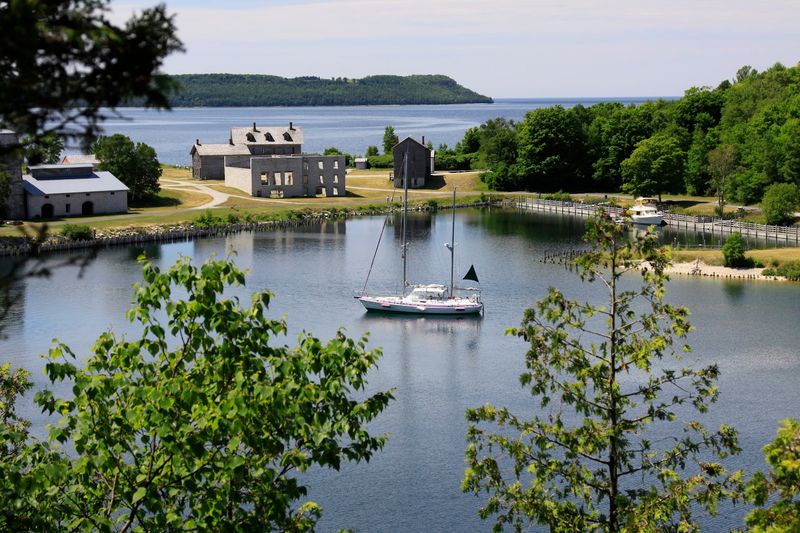
South of the main highway on the Garden Peninsula, Fayette Historic State Park opens into a haunting grid of preserved buildings beneath limestone cliffs. Snail Shell Harbor glows in shades of teal that can look almost tropical against the pale rock.
Inside the hotel, homes, and machine shop, your footsteps sound louder than expected on the old plank floors. The whole site carries a tidy, preserved stillness that makes the history feel close.
Fayette was a booming pig iron company town from 1867 to 1891, driven by hardwood charcoal and the ambitions of the Jackson Iron Company. When the furnaces went cold, the town slipped into a long quiet period.
The state later preserved it with remarkable care, and today the restored structures tell a layered story about labor, natural resources, and the consequences of boom-and-bust industry. It is not just picturesque, it is instructive.
7. Escanaba
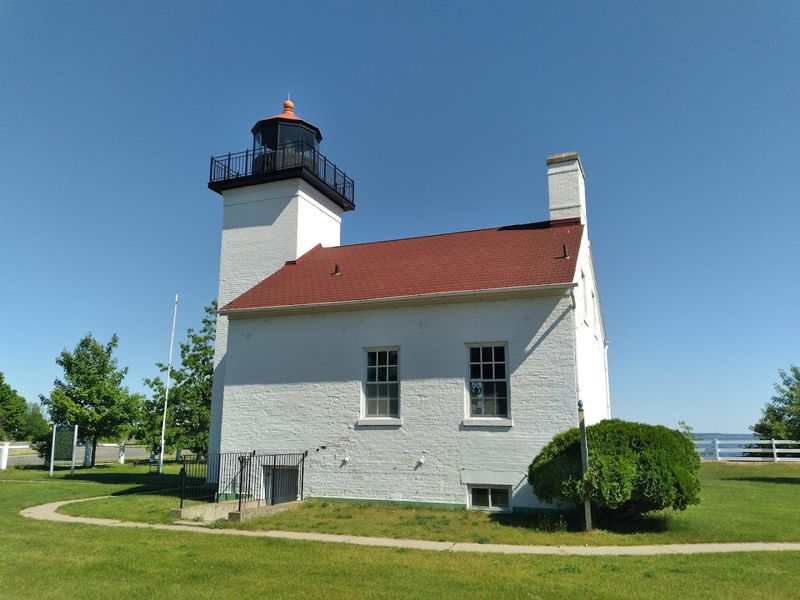
Escanaba meets you with the honest energy of a working harbor and a park system that stretches along Little Bay de Noc. As you enter town, the wind shifts and you can hear sailboat masts clinking near Ludington Park.
It is a big city by UP standards, but even during busy festival weekends, it usually still feels breathable. You can find room to move and room to pause.
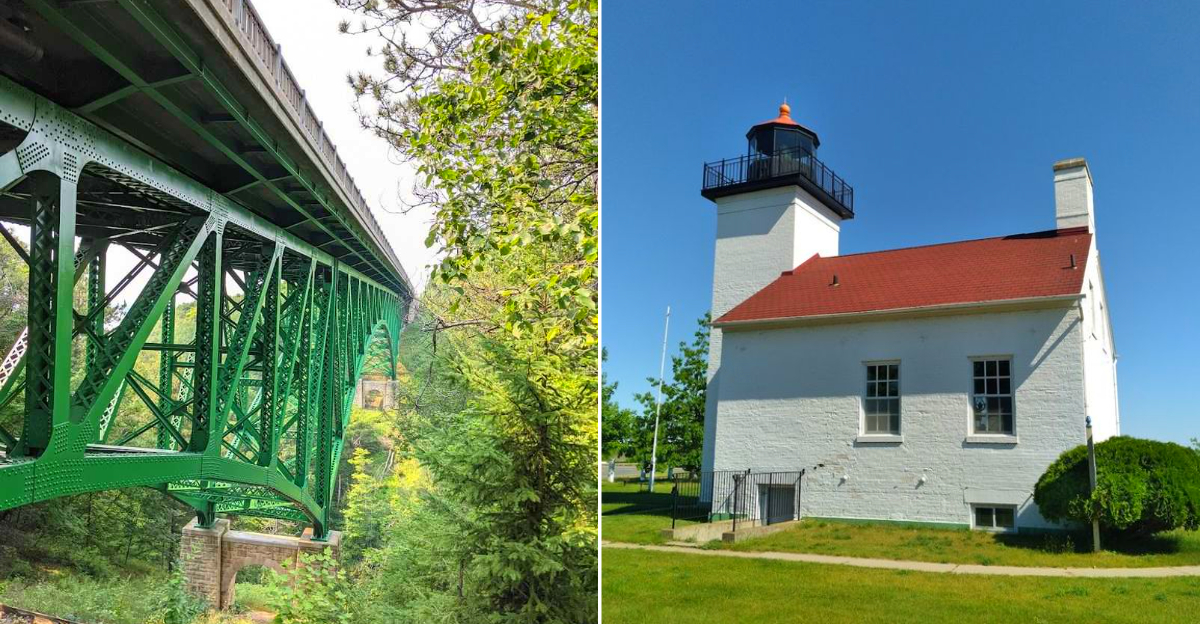
Lumber, rail, and iron shipping built the city’s bones, and Sand Point Lighthouse has watched the channel since 1867. The restoration kept its practical character and preserved its fourth-order Fresnel lens.
If you catch one of the summer music nights on the lawn, you will see that the real attraction here is the community atmosphere. It feels warm and local, not staged.
A great rhythm for Escanaba is a golden-hour walk along the shore path followed by dinner at a local supper club. Whitefish Almondine is a classic choice if it is on the menu.
8. Gladstone
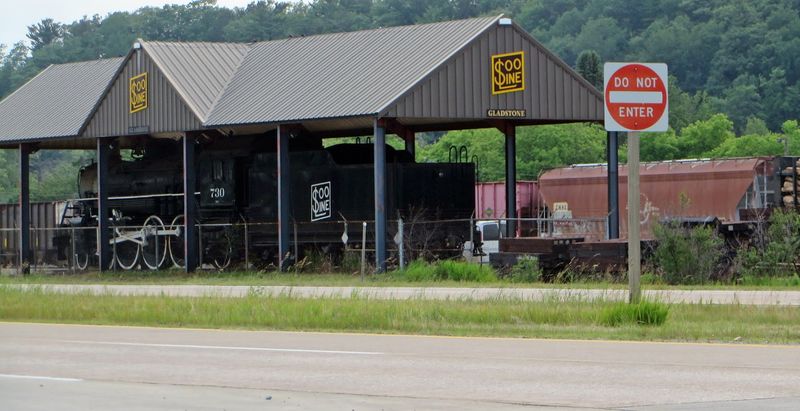
Just up the bay, Gladstone’s shoreline is shaped by playground sounds, outboard motors, and open water views. Van Cleve Park spreads wide with a splash pad, long fishing pier, and grass that makes you want to walk barefoot.
Little Bay de Noc sits out front, blue and patient, and the area is famous among walleye anglers. The town feels family-friendly without feeling overly polished.
Gladstone’s history is tied to railroads, mills, and ore dock connections, but the public waterfront is also a result of local effort. Community groups fought to protect access, and that decision still benefits everyone who stops here.
The marina keeps a working Great Lakes vocabulary alive, even as pleasure boats now outnumber tugs. You still feel both histories at once.
Bring a picnic and aim for the pier around sunset when the bay turns reflective. Anglers often prefer the T-dock for walleye, so give them room and watch the technique.
9. Menominee
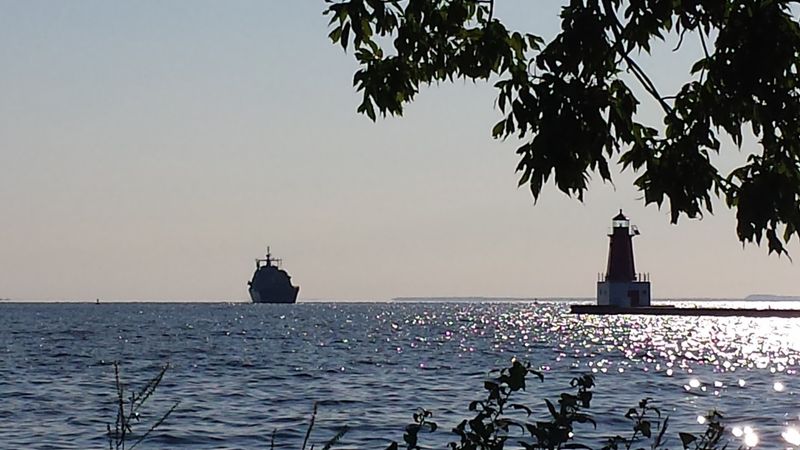
Approaching the Wisconsin border, Menominee’s brick facades and ornate cornices create a downtown with real 19th-century confidence. Green Bay opens wide in front of it, and the river mouth carries that classic working-waterfront mix of diesel, rope, and wet timber.
In summer, mature street trees soften the industrial edge and make parts of town feel almost coastal. The effect can feel oddly New England, but with a Great Lakes scale and working harbor texture.
The lumber barons of the 1800s left a downtown that still shows the wealth of that era. The Menominee North Pier Lighthouse continues to mark the channel where the Menominee River meets the bay.
Preservation here does not feel frozen or museum-like. Historic storefronts stay active with bakeries, galleries, boutiques, and everyday local use.
Park near the marina and walk a downtown loop on foot. The pier walk gives you a clean angle for lighthouse photos when conditions are calm enough.
If you want something quieter after downtown, drive Memorial Drive for long water views without the busier harbor atmosphere. It is a good reset before heading inland.
10. Iron Mountain
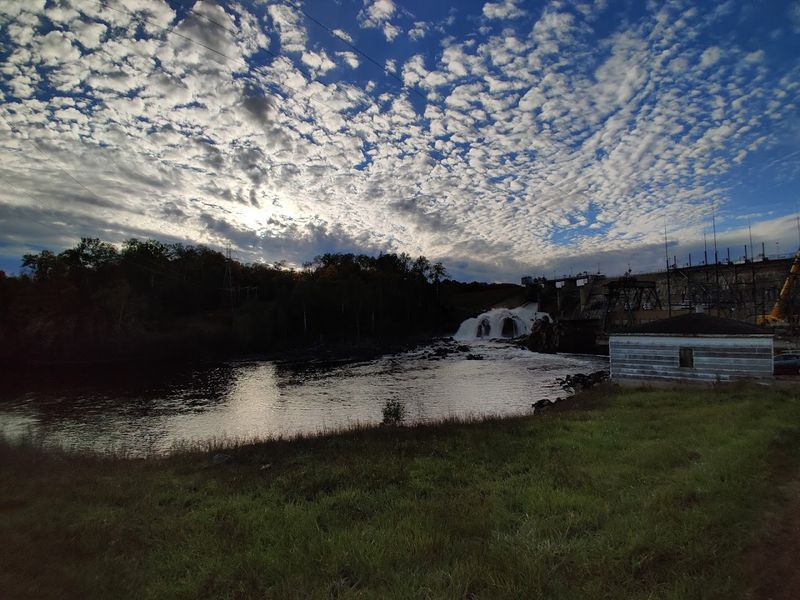
As the route turns inland, Iron Mountain announces itself through mining history and terrain shaped by extraction and winter sport. Even in summer, the air near the Iron Mountain Iron Mine entrance carries a sharp mineral chill.
The hills here feel purposeful. They were either carved for ore or adapted for skiing and jumping.
Swedish and Italian immigrants helped build the town and stayed to shape its neighborhoods, churches, and bakeries. Their influence still shows in the local food and architecture.
The Pine Mountain Ski Jump dominates the skyline, a precise and intimidating structure that keeps the spirit of Ski Jump Weekend visible year round. Even out of season, it changes how the landscape feels.
Mine tours are a major highlight because they combine history with a physical sense of what underground work was like. Book in advance if possible, especially in busier months.
Wear a sturdy jacket, because the mine stays around 48°F underground. The temperature drop surprises people every time.
Between stops, look for a traditional pasty. In this area, rutabaga often shows up and gives that earthy sweetness many locals consider essential.
11. Crystal Falls
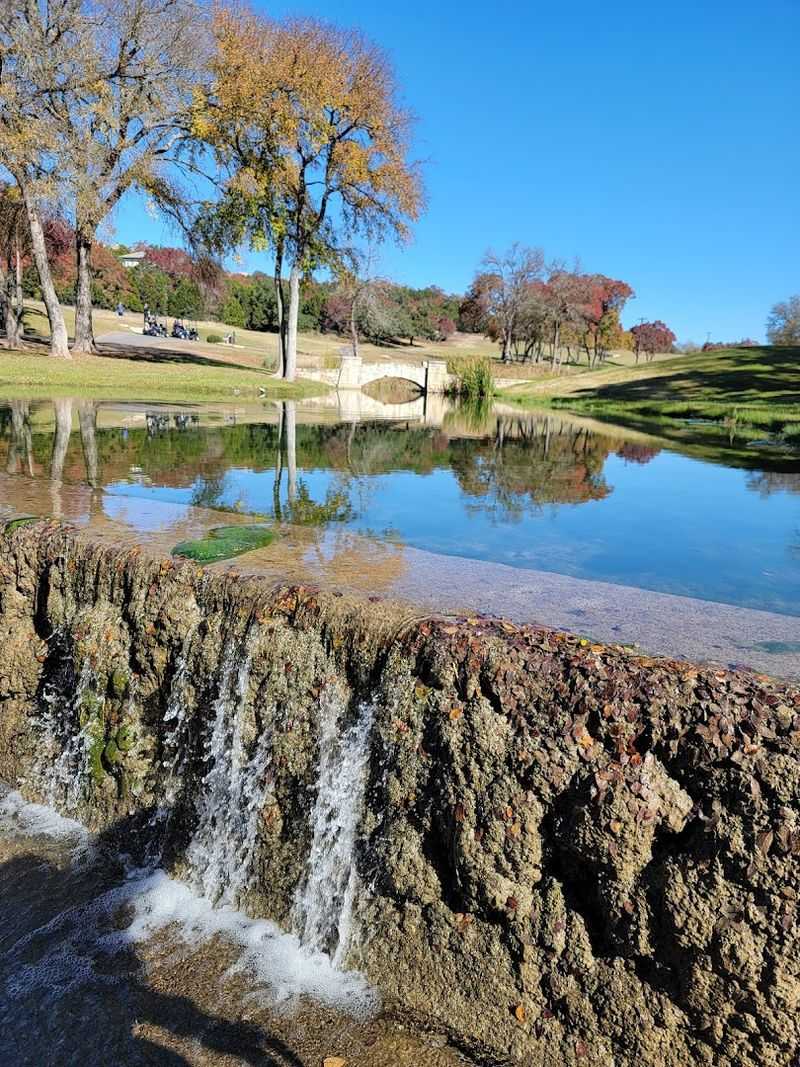
Crystal Falls is built around water, elevation, and civic pride, with the town rising toward its courthouse and the river cutting through below. The sound of water over rock runs through the place like a steady background conversation.
Main Street climbs sharply to the courthouse, which sits high with a visible clock face and a real sense of presence. The town’s layout gives it an unusual visual drama for a small place.
Mining and timber shaped the early economy, but local pride is what gave Crystal Falls staying power. You can feel that in the upkeep, the gardens, and the porches.
The Paint River and its falls once powered mills, and now they provide some of the town’s best scenery. After rain, the overlooks become especially rewarding.
If you catch a local festival, music here often feels casual and communal rather than staged. It has front-porch energy, welcoming and loud in a good way.
For quiet exploring, walk a few residential blocks and look at the wraparound porches and carefully kept yards. A hot coffee from a corner cafe fits the pace perfectly.
12. Iron River
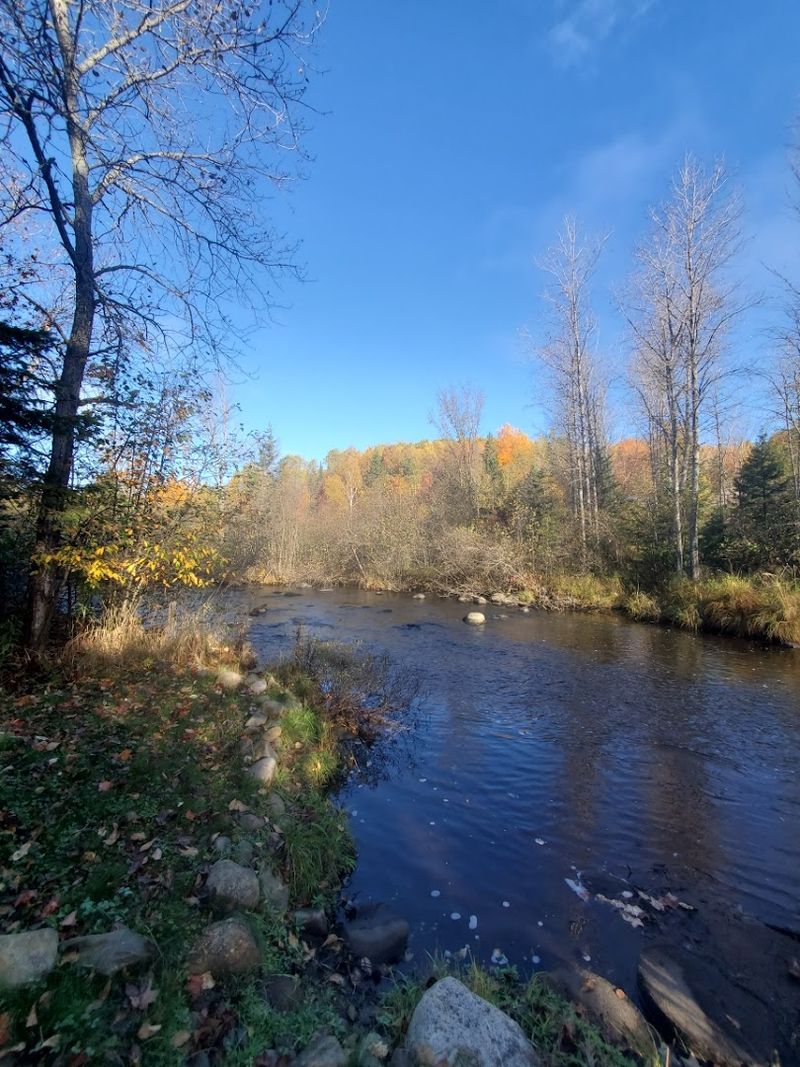
Iron River has a lived-in practicality that shows in its storefronts, hardware windows, and everyday rhythms. It sits comfortably among deep woods and cold water, with a pace that feels useful rather than performative.
The town took its name from ore, but recreation now keeps much of the local momentum going. Nearby lakes and trails draw anglers, paddlers, and people who are happy to move slowly.
Chicaugon Lake and other nearby spots are strong draws if you are planning a day outside. In warmer months, boats dominate the scene, and in winter, snowmobiles take over.
When the seasons flip, the soundtrack changes too, from open-water traffic to the high, sharp sound of sleds on fresh snow. It gives the town a very different personality depending on when you arrive.
Stop at the local Chamber of Commerce if you can for trail maps and fishing reports. That small detour often saves time and bad decisions later.
When storms roll in, local cafes become ideal waypoints. Sturdy soups and warm rooms go a long way after a cold morning outside.
13. Ottawa National Forest
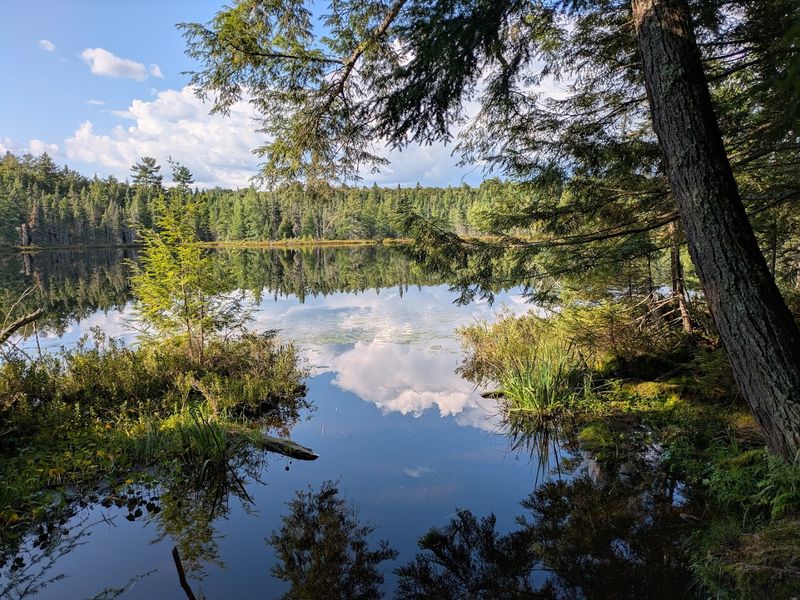
The Ottawa National Forest changes the scale of the trip immediately, with soft needle-covered ground, deep hemlock shade, and a constant sense of distance. Even in summer, the forest can feel cool enough to reset your body.
Birdsong moves overhead in quick bursts, and hidden creeks carry through the trees if you stop long enough to listen. The size of the forest, nearly a million acres, naturally quiets people down.
Established in 1931, the forest is also a story of recovery and preservation. You can still see CCC-era stonework around trailheads and campgrounds, which gives many access points a durable, historic feel.
Some areas preserve pockets of old growth that hint at what much more of the peninsula once looked like. Those sections change the emotional tone of a hike.
For a strong sample stop, the short hike to O Kun de Kun Falls off US-45 is an easy pick. The suspension bridge gives you a direct view of the spray and river power.
14. Bessemer
Bessemer often feels lively in a compact way, especially when the farmers market fills the town square with color and conversation. News travels quickly here, and the surrounding hills keep the Gogebic Range close in view.
At midday, the siren test can cut through town with surprising force. It feels less like an alarm and more like a local clock with lungs.
Iron mining shaped the early decades, and that grit still shows in the downtown murals. They honor miners without turning the past into a polished fantasy.
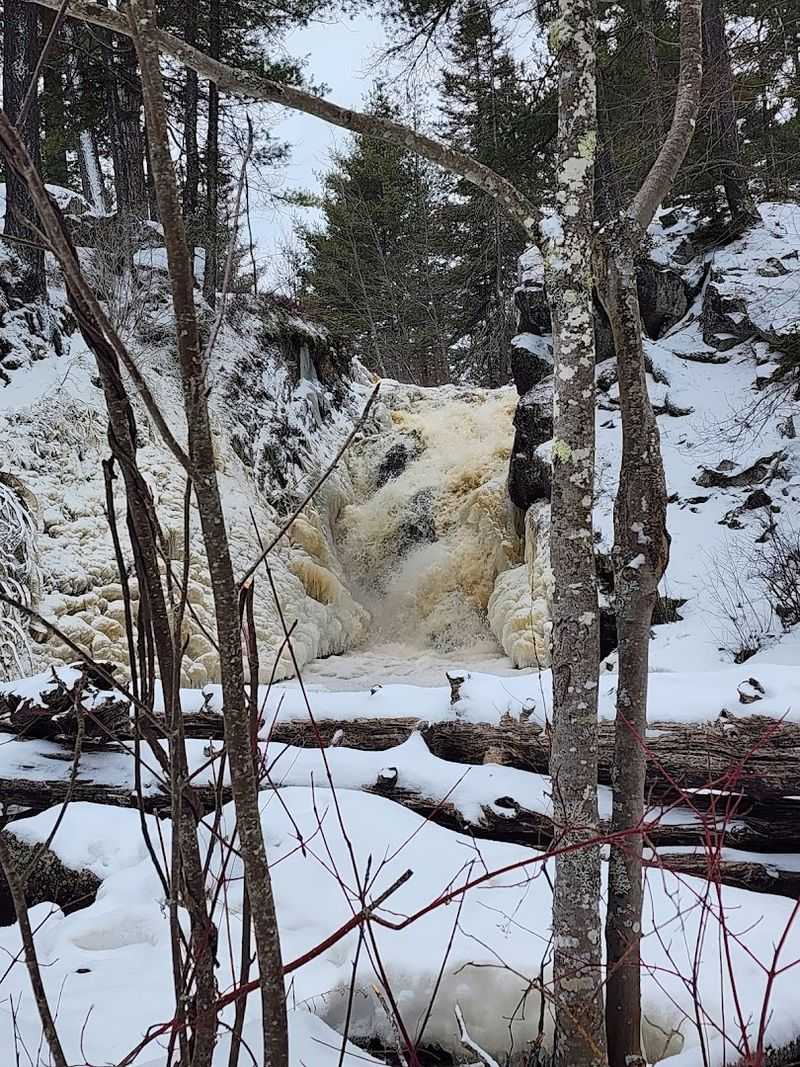
North of town, trails lead toward the Black River and its chain of waterfalls, where basalt steps shape the water into a series of dramatic drops. It is one of the best natural side trips in the area.
A good plan is to eat first at a local diner, then drive north for short hikes to places like Potawatomi Falls and Gorge Falls. The trailheads are usually well signed and easy to follow.
Bring small bills for parking envelopes at some stops. That little detail can matter more than people expect.
15. Ironwood
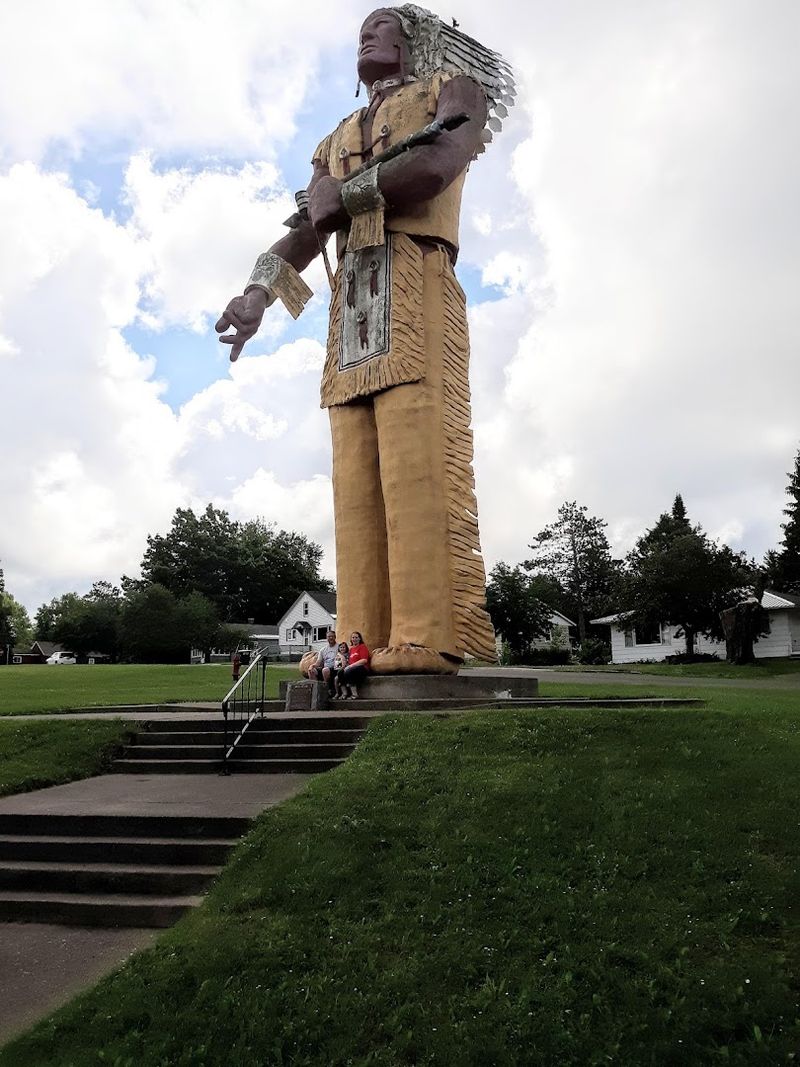
At the western edge of Michigan, Ironwood arrives with neon, old theater signage, and a downtown that still knows how to gather people. The Historic Ironwood Theatre marquee and the Miner Statue give the center of town a strong visual identity.
When storms pass through, the streets can carry that metallic smell of rain on iron-rich ground. It fits the mining legacy perfectly.
Ironwood’s past is written in ore and immigrant labor, but its present leans hard into arts, trails, and outdoor culture. The town feels active, not nostalgic.
To the north, Copper Peak rises over the hills and reminds you how unusual this region is. It remains the only ski flying hill in the Western Hemisphere, and even from a distance it looks improbable.
The community has done impressive work turning older performance spaces into living anchors for downtown. If you can, arrive during a First Friday event when the area is at its most animated. After downtown, head toward Mt. Zion or the Copper Peak overlook for sunset.
The extra climb or drive is worth it for the scale of the view.