
2026 Bucket-List Hikes In Florida, No Permits Required
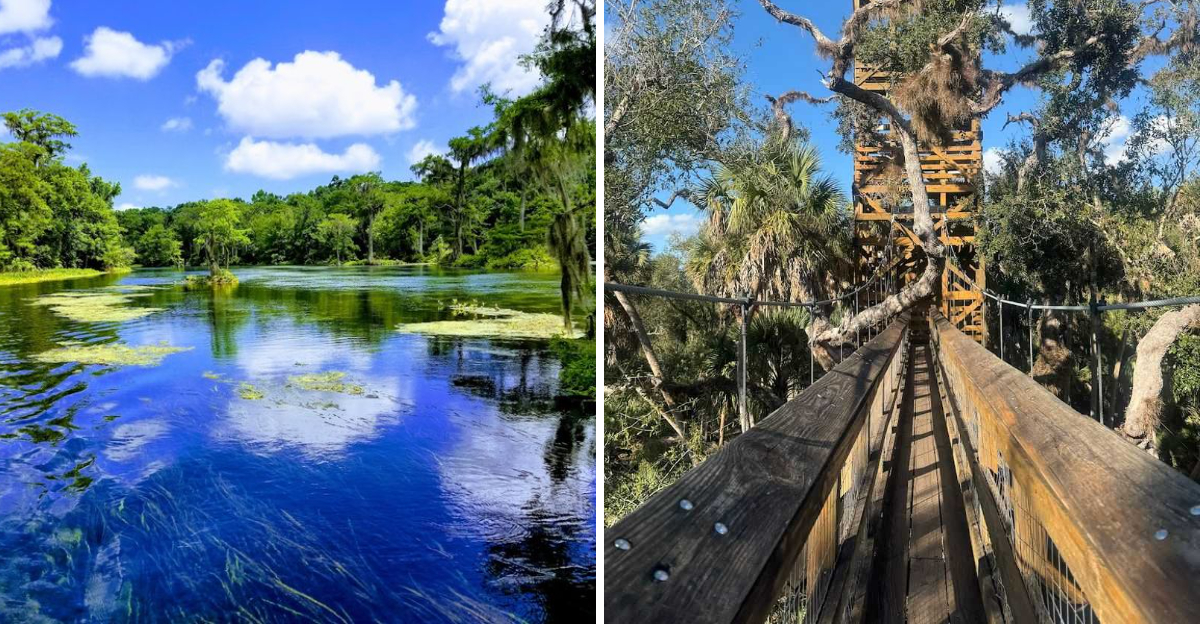
Florida isn’t just theme parks and flat highways. It’s a whole world of wild places most people never think to look for.
Beyond the beaches and bright cities, hidden trails wind through ancient forests, glass-clear springs, and wetlands so dramatic they feel almost unreal. These are the kinds of paths that make you slow down, look around, and realize Florida has been quietly keeping some of its best scenery off the radar.
The surprise is not just how beautiful they are. It’s how easy they are to experience.
No complicated permits. No planning headaches.
Just you, your shoes, and a trail waiting to be explored.
From the Panhandle to the edge of the Everglades, these hikes prove that Florida adventure does not require mountains to feel epic.
It just requires knowing where to step.
And these ten bucket list trails are ready when you are.
1. Black Bear Wilderness Loop Trail
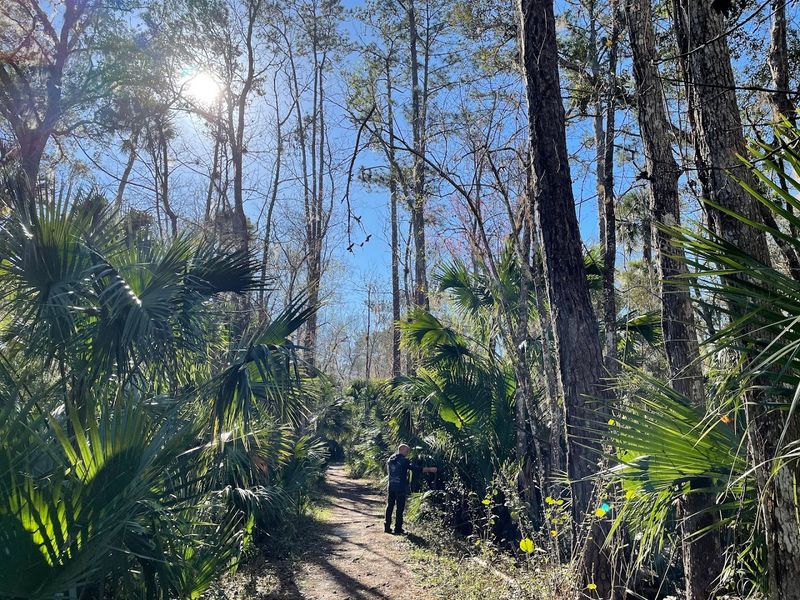
Not every great adventure starts with a mountain peak. Sometimes it starts at 5298 Michigan Ave, Sanford, FL 32771, where the Black Bear Wilderness Loop Trail offers one of the most surprisingly wild experiences in Central Florida.
Stretching about 7.5 miles, this loop takes hikers through floodplain forests, open marshes, and dense hammocks that feel miles away from the city buzz of nearby Orlando. Keep your eyes peeled because black bears, river otters, and sandhill cranes have all been spotted here.
No kidding, the trail earned its name for a reason.
Bring plenty of water since shade can be sparse in sections, and wear sturdy, waterproof shoes because parts of the trail can get muddy after rain. The trail is flat, making it accessible for most fitness levels, though the distance means you should pace yourself.
Morning hikes here reward early risers with misty views over the St. Johns River floodplain that feel almost magical. No permit is needed, just a sense of adventure and maybe a good pair of bug spray.
2. Anhinga Trail (Everglades National Park)
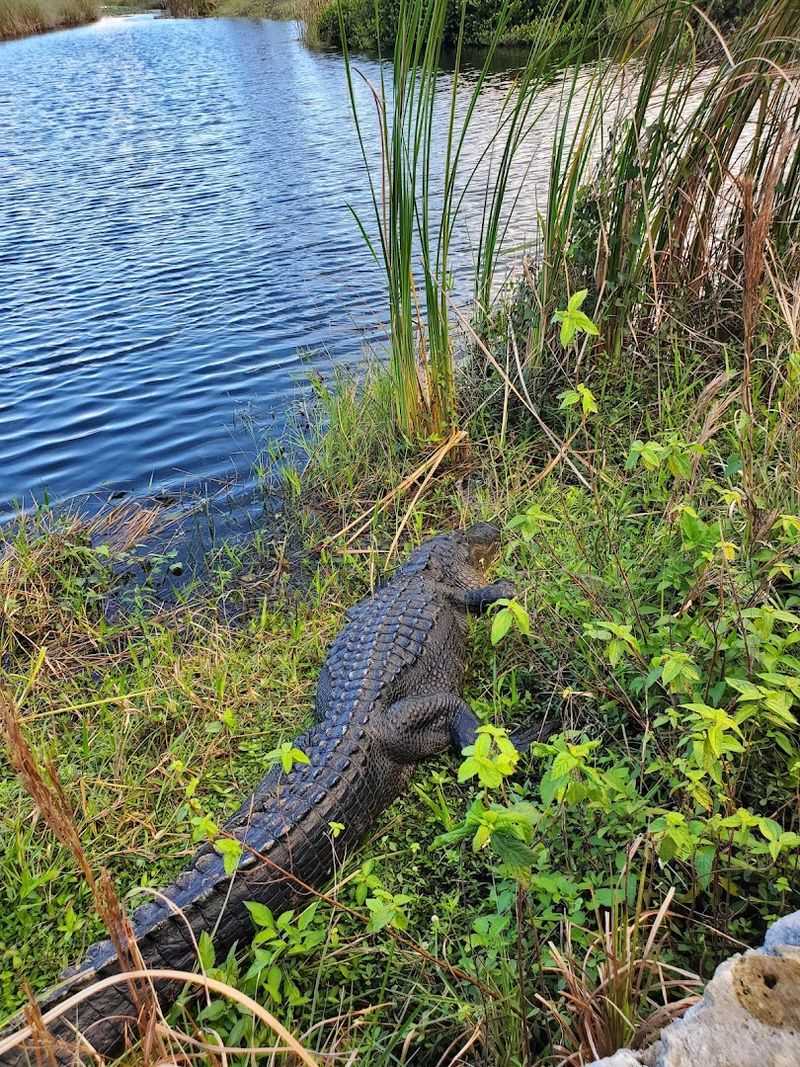
Picture yourself walking a boardwalk while an alligator casually sunbathes three feet away. That is a Tuesday on the Anhinga Trail at Everglades National Park, located at 40001 State Road 9336, Homestead, FL 33034.
At just 0.8 miles round trip, this short but absolutely unforgettable trail is one of the best wildlife-watching spots in the entire country. Anhinga birds, herons, roseate spoonbills, and yes, plenty of gators make this place feel like a real-life nature documentary.
The trail runs along Taylor Slough, a slow-moving river of grass that defines the Everglades ecosystem.
A friend once told me she expected a boring stroll and ended up spending three hours photographing birds she had never seen in her life. That pretty much sums up the Anhinga Trail experience.
No permit is required to walk this paved and boardwalk path, making it perfect for all ages and fitness levels. Go early in the morning or late afternoon for the best wildlife sightings and cooler temperatures.
Winter months from November through April tend to offer the most active animal activity along the trail.
3. Juniper Springs Trail
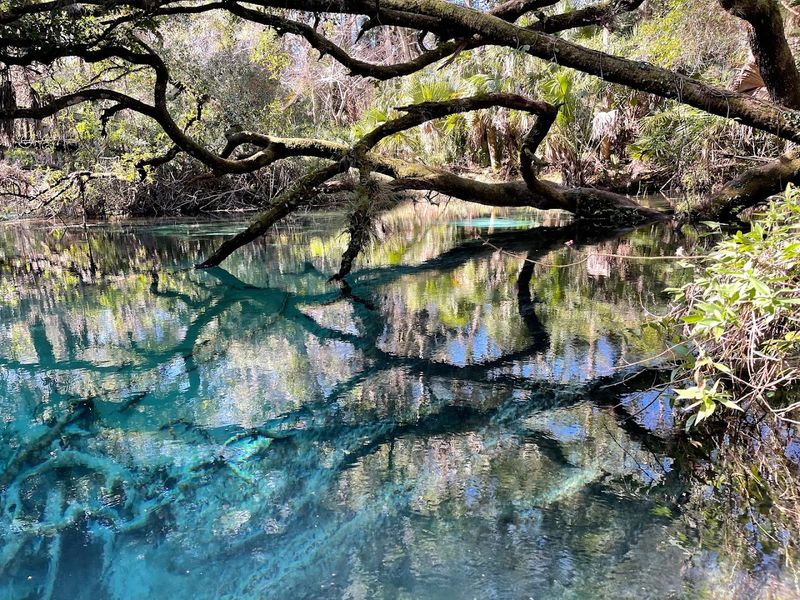
There is something almost otherworldly about hiking alongside water so clear you can count the pebbles on the bottom. Juniper Springs Trail, found at 26701 FL-40, Silver Springs, FL 34488, delivers exactly that kind of scene inside the Ocala National Forest.
The main hiking loop here winds about 1.5 miles through longleaf pine flatwoods and around the famous Juniper Springs, a first-magnitude spring that pumps out millions of gallons of 72-degree water every single day. The surrounding forest feels ancient, thick with Spanish moss and the sound of birdsong.
Gopher tortoises, white-tailed deer, and various wading birds are common sights along the path.
The trail surface is mostly packed sand and natural terrain, so light hiking shoes work fine on dry days. Arrive early on weekends since Juniper Springs is a popular spot for both hikers and paddlers.
The recreation area charges a small entry fee for the swimming area, but walking the outer trail is free and requires no permit. Pack a picnic because the picnic areas near the spring are shaded, breezy, and honestly some of the most relaxing spots in all of Florida.
4. Torreya State Park Trail
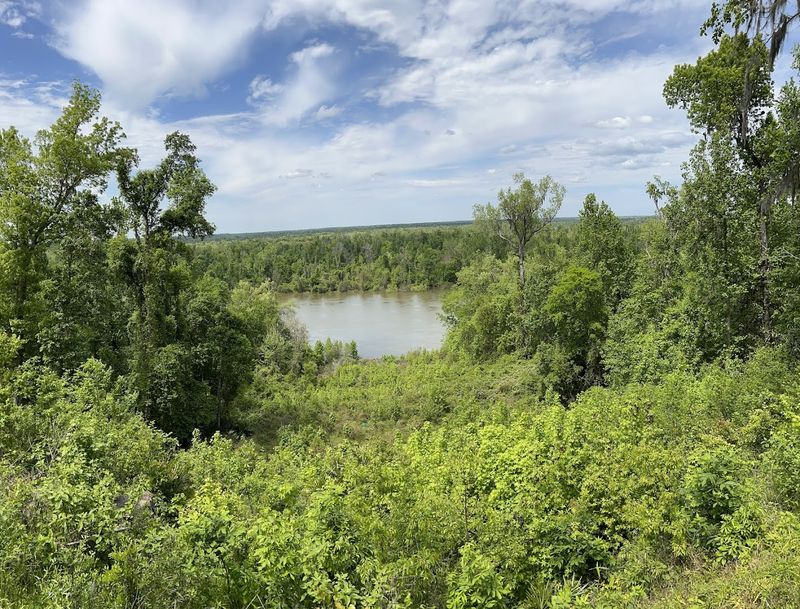
Florida has bluffs? Yes, it absolutely does, and Torreya State Park proves it in spectacular fashion.
Located at 2576 NW Torreya Park Rd, Bristol, FL 32321, this park sits on some of the most dramatic terrain in the entire state.
The main trail system here covers about 7 miles of rolling terrain that drops down steep ravines and climbs back up through hardwood forests filled with rare torreya trees, the park’s namesake species found almost nowhere else on Earth. Views of the Apalachicola River from the bluffs are genuinely breathtaking, which is not a word you get to use often in the Sunshine State.
The park also features the historic Gregory House, a restored plantation home from the 1800s.
Hiking here in fall or winter is a treat because the deciduous trees actually change color, giving Florida one of its only true autumn experiences. The trails are well-marked but moderately challenging due to the hilly terrain, so sturdy footwear is a must.
No permit is required, just pay the standard state park entry fee. Torreya is one of Florida’s best-kept secrets, so do yourself a favor and add it to your 2026 list right now.
5. Shark Valley Trail
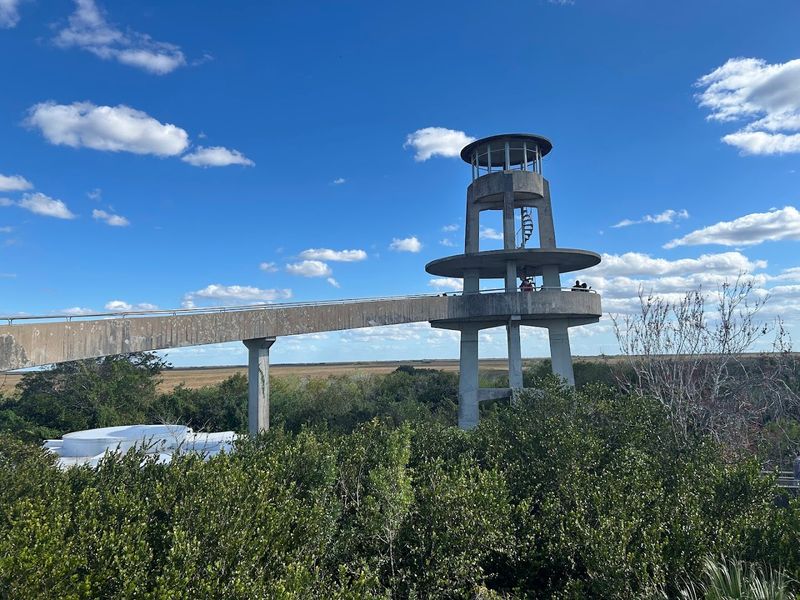
Flat, paved, and absolutely packed with alligators. Shark Valley Trail at 36000 SW 8th St, Miami, FL 33194 is one of those places where wildlife does not hide from you.
It practically poses for photos.
The loop stretches 15 miles through the heart of the Everglades sawgrass prairie, and a 65-foot observation tower at the halfway point gives hikers a panoramic view that stretches for miles in every direction. On a clear day, you can see the entire river of grass rippling in the breeze, and the sheer scale of the Everglades finally clicks into place.
Dozens of alligators line the path, especially in the dry season from December through April.
Most visitors rent bikes to tackle the full loop, but hikers are welcome to walk as much or as little as they like. The tram road surface is smooth, making it accessible for strollers and wheelchairs too.
No permit is needed, though there is a park entrance fee. Start early to avoid the midday heat and bring sun protection because there is almost zero shade along the route.
Shark Valley is proof that some of Florida’s most jaw-dropping landscapes require nothing more than a good pair of walking shoes.
6. Falling Waters State Park Trail
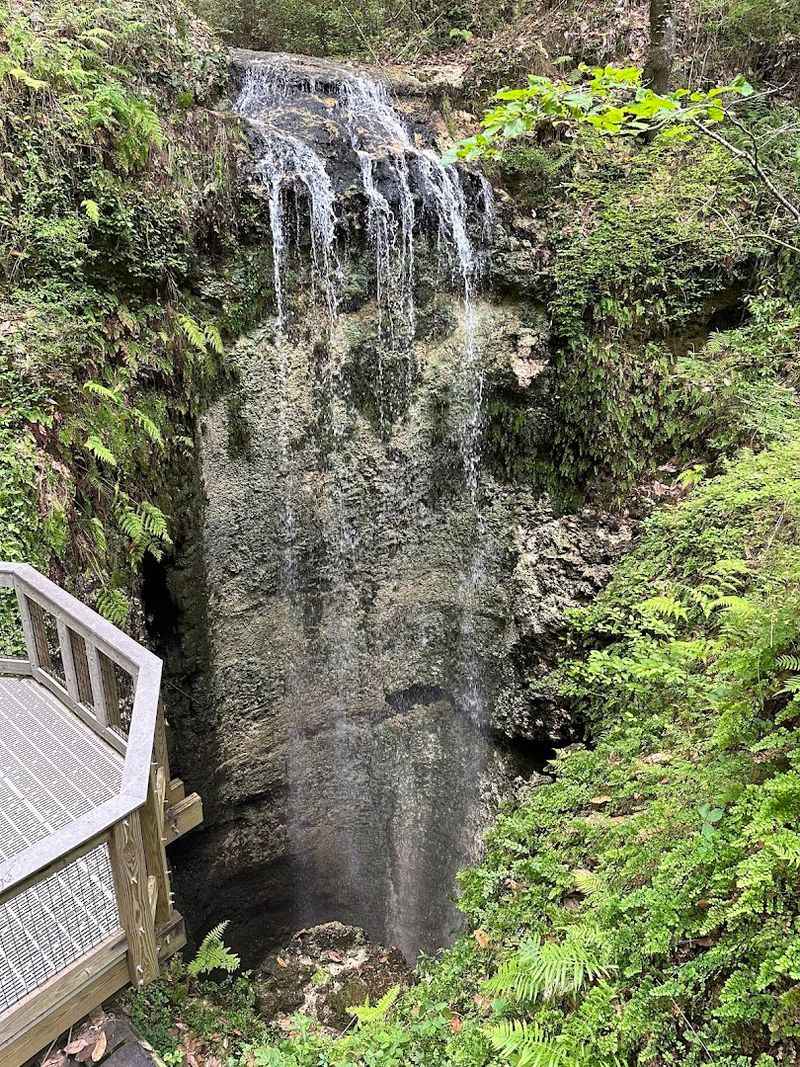
Florida has a waterfall, and it is cooler than you might expect. Falling Waters State Park, at 1130 State Park Rd, Chipley, FL 32428, is home to the state’s tallest waterfall, a 73-foot plunge into a mysterious cylindrical sinkhole that scientists have never fully mapped at the bottom.
The main trail is short, just about 1.5 miles of boardwalk and natural path that winds through a shaded ravine forest dripping with ferns and mossy trees. The moment you hear the waterfall before you see it, the excitement builds fast.
Standing at the viewing platform and looking down into that dark, misty pit is genuinely thrilling, especially for first-time visitors who had no idea Florida could look this dramatic.
I remember taking my younger cousins here and watching their eyes go wide when they first spotted the falls. That kind of reaction is priceless.
The park also has a swimming lake, a campground, and a nature center, making it a fantastic full-day destination. No permit is required, and the state park entry fee is modest.
Visit after a good rain for the most impressive waterfall flow, and wear shoes with grip since the boardwalk can get slippery near the falls.
7. Myakka River State Park Trails
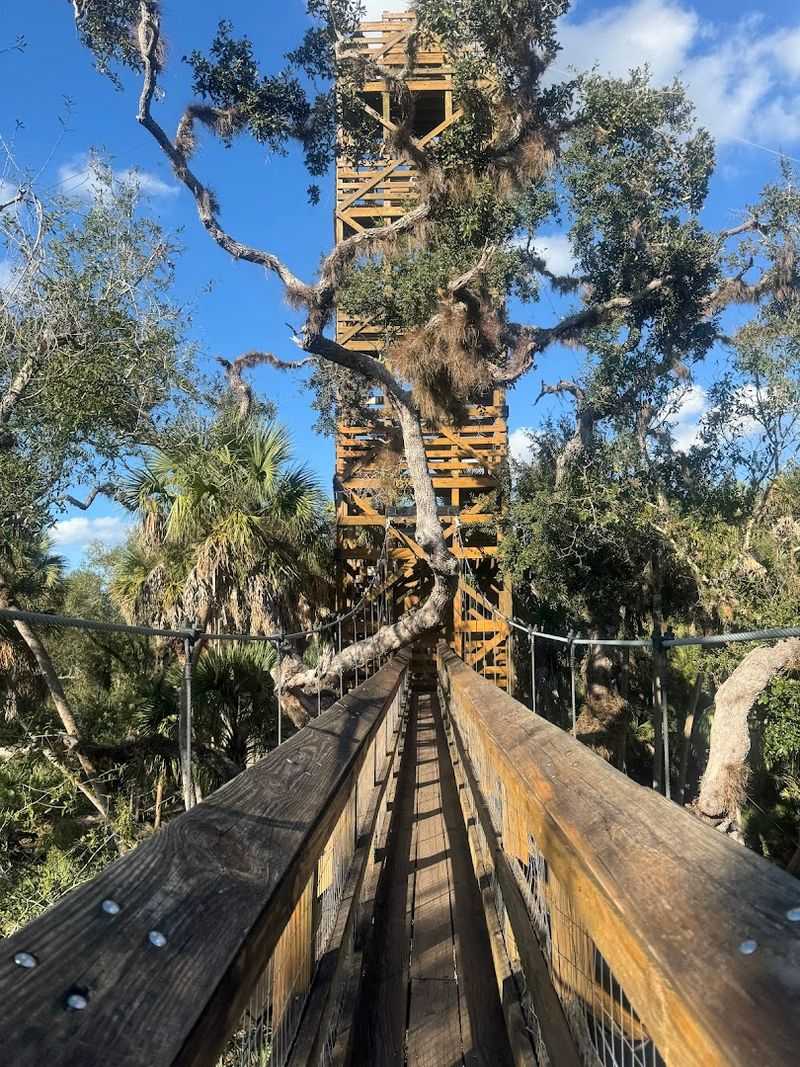
Myakka River State Park is Florida turned all the way up. At 13208 State Rd 72, Sarasota, FL 34241, this massive park covers nearly 58 square miles of prairies, wetlands, hammocks, and river ecosystems that feel more like the Serengeti than Central Florida.
The park offers multiple trail options ranging from easy lakeside walks to longer backcountry routes stretching over 30 miles for serious adventurers. The Myakka River itself is one of Florida’s designated Wild and Scenic Rivers, and spotting alligators, roseate spoonbills, wild turkeys, and bobcats is common along the various paths.
The canopy walkway, one of the first in the country, lets hikers stroll through the treetops for a bird’s-eye view of the surrounding forest.
Day hikers can explore the well-marked trails near the main entrance without any advance planning or permits. The park entry fee is low, and the value you get for it is extraordinary.
Bring binoculars because the birding here is genuinely world-class. Cooler months from October through March offer the most comfortable hiking conditions and the highest concentration of wildlife near the water sources.
Myakka is one of those parks that rewards every single visit with something new and unexpected.
8. Highlands Hammock State Park Loop
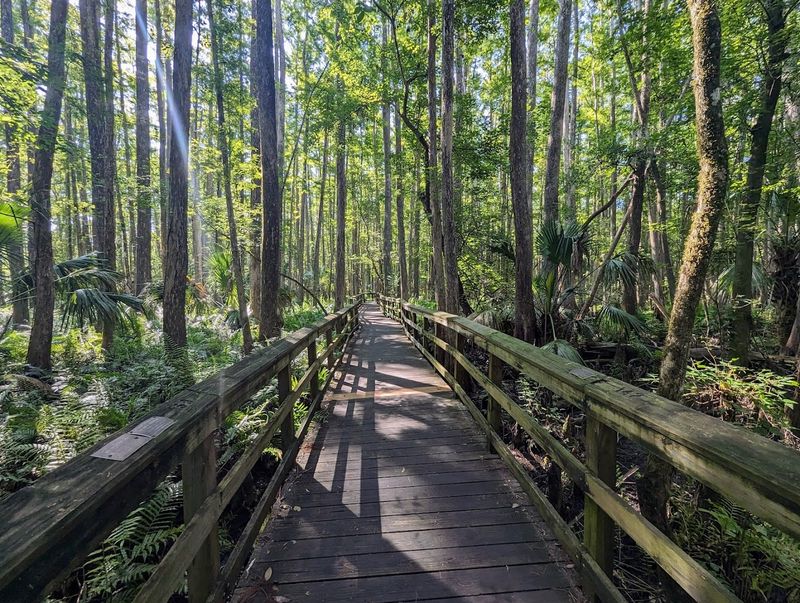
Walking through Highlands Hammock State Park feels like stepping into a forest from a fantasy novel. Located at 5931 Hammock Rd, Sebring, FL 33872, this park protects one of the oldest and best-preserved hammock ecosystems in all of Florida.
The main loop trail system covers about 9 miles of interconnected paths through ancient cypress swamps, scrub habitats, and open prairies. The Cypress Swamp Trail boardwalk is the crown jewel, winding through towering cypress trees draped in Spanish moss, with alligators lurking in the dark water below.
Some of these trees are estimated to be over 1,000 years old, which gives the whole place a deeply humbling atmosphere.
Did you know Highlands Hammock was one of Florida’s original four state parks, established back in 1931? That history adds an extra layer of meaning to every step you take here.
Wildlife is abundant, with Florida black bears, white-tailed deer, and over 200 bird species calling the park home. No permit is required for day hiking, and the entry fee is very reasonable.
Bring a camera with a zoom lens because wildlife sightings here tend to happen up close and suddenly, giving you just enough time to snap a great shot.
9. Big Shoals Trail
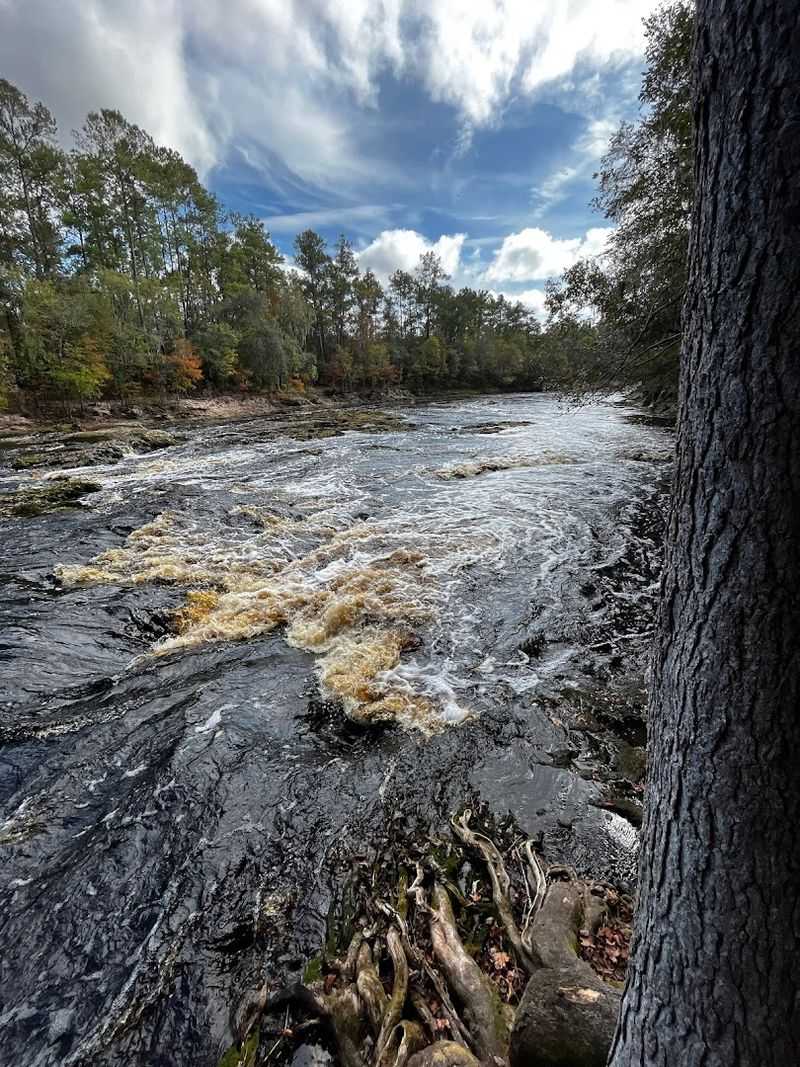
Florida and white-water rapids are not two things most people put together, but Big Shoals Trail near 11330 SE County Road 135, White Springs, FL 32096 is here to flip that assumption completely upside down.
Big Shoals is the largest white-water rapids in Florida, carved by the Suwannee River as it rushes over ancient limestone formations in a way that looks more like Tennessee than the Sunshine State. The trail system here covers about 4 miles of bluff-top paths that offer dramatic views of the churning water below, especially after heavy rainfall when the river runs high and fast.
The surrounding upland forest is gorgeous, full of longleaf pine, turkey oak, and an understory of native wildflowers.
Hiking the trail during spring wildflower season transforms the experience into something almost painterly, with splashes of color popping up between the pines. The terrain involves some moderate climbs along the bluff edges, so comfortable shoes with ankle support are recommended.
No permit is needed, and day use is free. The nearby town of White Springs has a charming historic district worth exploring after your hike, including the Stephen Foster Folk Culture Center State Park just down the road.
10. Wakulla Springs Trail
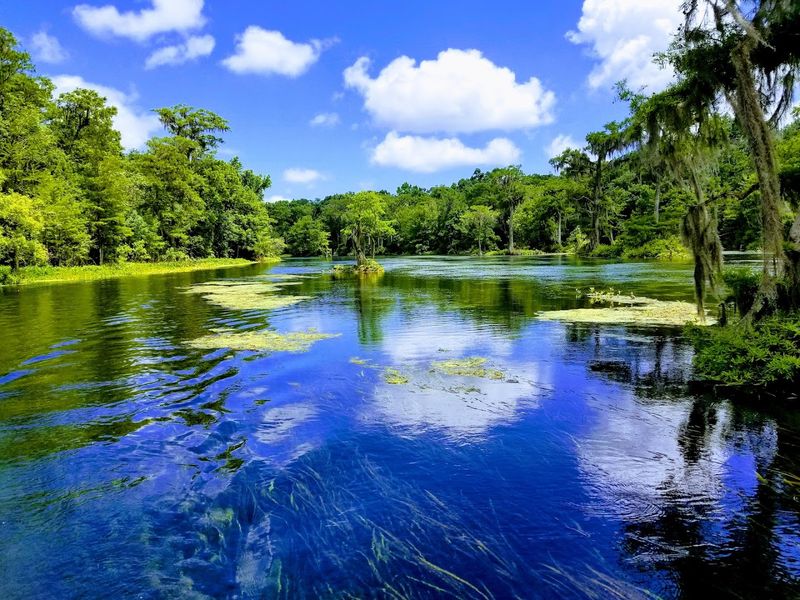
Some places make you stop mid-step just to take it all in. Wakulla Springs State Park at 465 Wakulla Park Dr, Wakulla Springs, FL 32327 is exactly that kind of place, home to one of the world’s largest and deepest freshwater springs.
The nature trail here winds about 6 miles through a forest so lush and undisturbed it served as a filming location for classic Tarzan movies back in the 1930s and 1940s. Manatees, limpkins, ospreys, and even the occasional black bear make appearances along the trail and near the spring basin.
The spring itself pumps out an astonishing 400,000 gallons of water per minute on average, creating a glass-clear pool that seems almost unreal.
Mastodon bones have been found at the bottom of the spring, which means you are essentially hiking next to a prehistoric treasure chest. No permit is required for day hiking, and the park entry fee is minimal.
Glass-bottom boat tours are available for an extra fee and offer a stunning look at the spring’s underwater world. Weekday visits are quieter and give you a much more peaceful connection with the forest.
Wakulla Springs is the kind of hidden gem that makes Florida feel genuinely wild and wonderful.