
Inside Ohio’s Most Unexpected Museum Dedicated Entirely To Lucky Cats
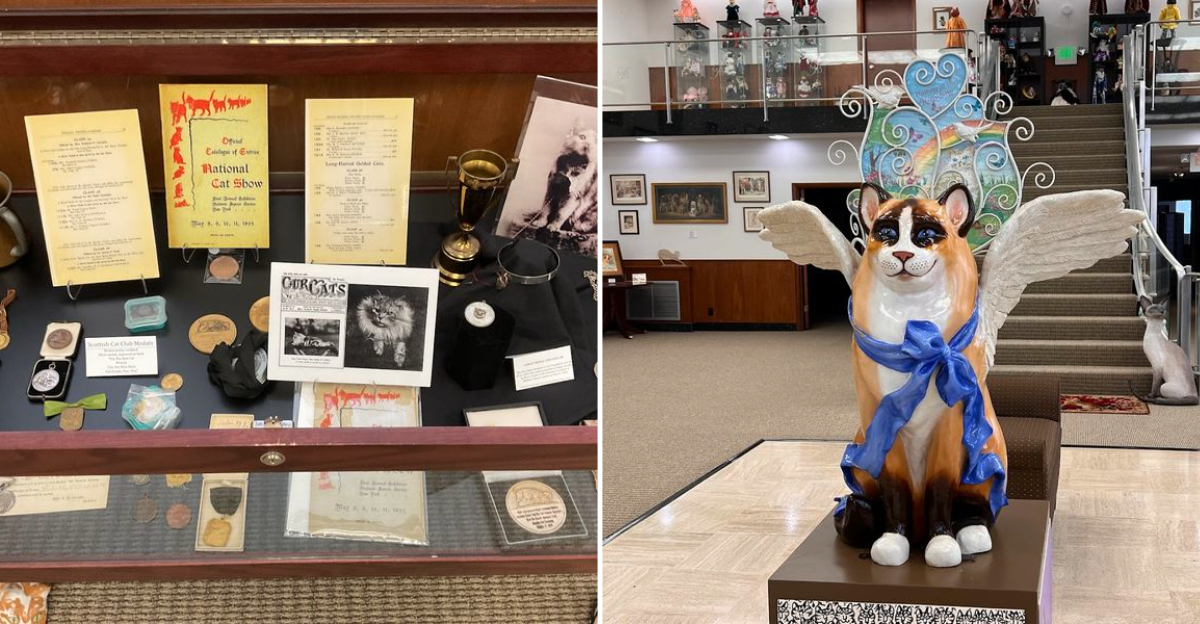
I always knew that Ohio is full of surprises, but nothing quite prepared me for discovering a museum in a small city that is devoted entirely to cats. Not live cats roaming around, but the rich, layered history of felines through art, culture, artifacts, and thousands of books.
The moment I heard about this place, I knew I had to go. From photographs dated back to 1885 to an entire room dedicated to the iconic maneki-neko lucky cat, this museum packs a serious punch for something so quietly tucked away in Alliance, Ohio.
Keep reading, because what I found inside was far more fascinating than I ever expected.
1. Finding the Museum in Alliance, Ohio
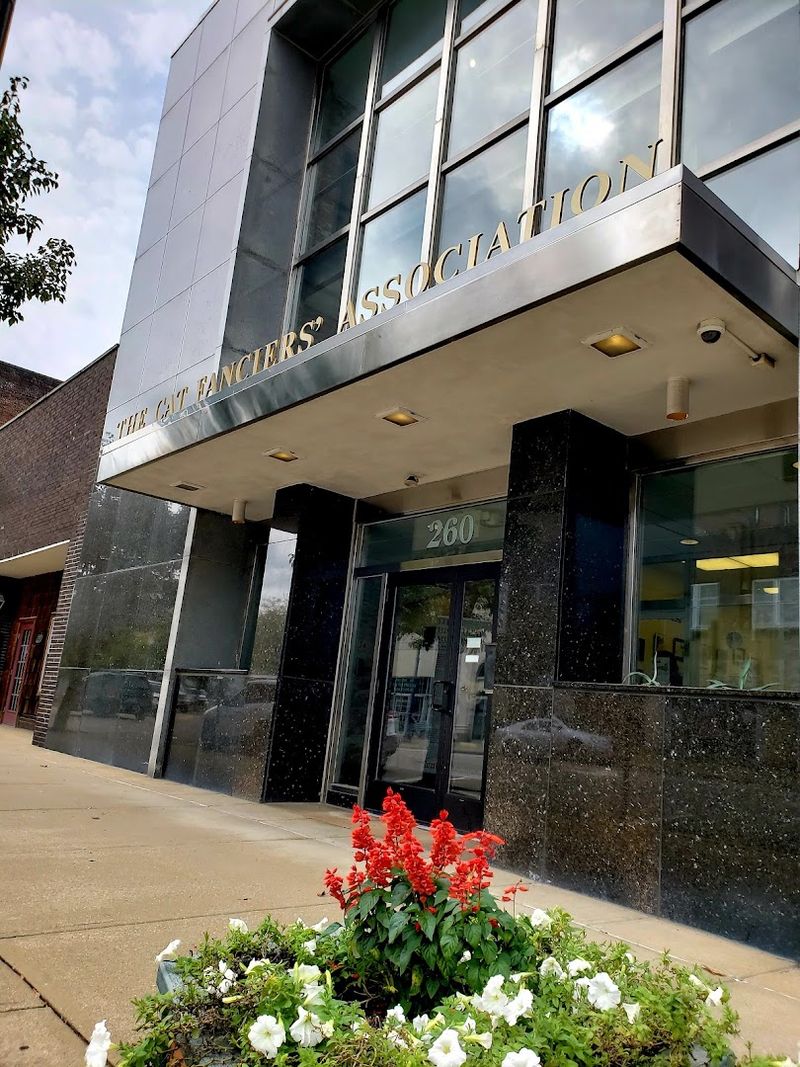
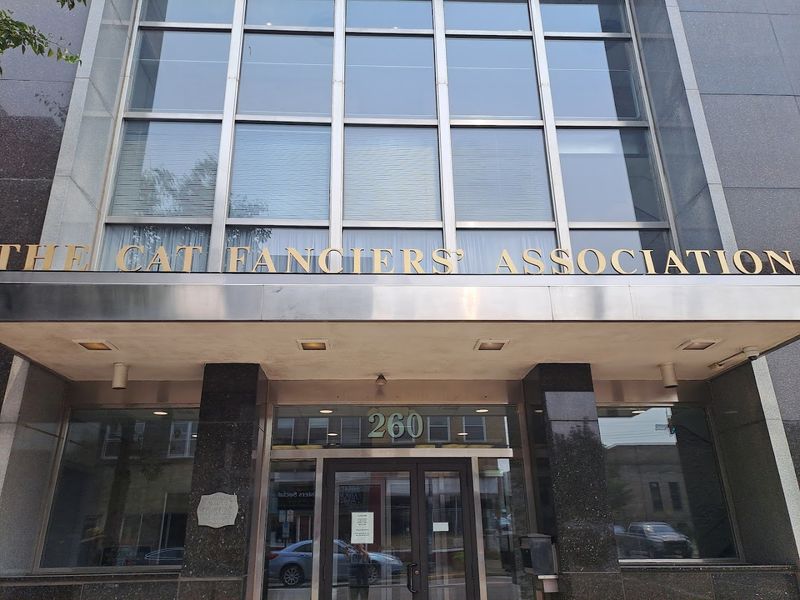
There is something quietly thrilling about pulling up to a building on 260 E Main St, Alliance, OH 44601, and realizing you have found one of the most niche museums in the entire country.
The Feline Historical Museum sits right on East Main Street, and the building itself has a charming architectural character that visitors have genuinely praised in reviews.
Close parking is available nearby, which makes the arrival stress-free when the museum is open. The neighborhood feels calm and unhurried, which somehow fits perfectly with a museum dedicated to the long and dignified history of cats, even though it is temporarily closed to visitors as of late 2025.
Alliance is a modest city in Stark County, Ohio, and this museum adds a genuinely unexpected layer of culture to the area. When it is operating, admission is inexpensive or donation-based, which means you can visit without worrying about your budget.
The combination of affordable entry, close parking, and a unique subject makes this spot worth planning a future trip around once it reopens, even if you have to drive a little to get there.
2. The Story Behind the Museum
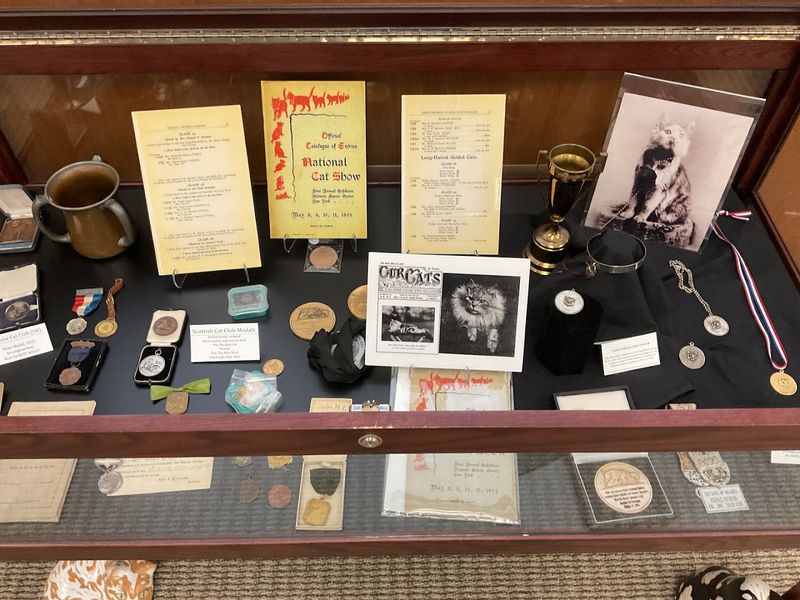
Cat shows have a longer and more organized history than most people realize, and this museum exists largely because of that world. The Feline Historical Foundation created this institution to preserve the records, art, and culture surrounding cats and their relationship with humans across many decades.
Visitors can browse old photographs, medals, and trophies from past cat show winners, giving the collection a surprisingly competitive and structured historical angle. One reviewer described the experience of learning what cat owners had to do in the early days of showing cats as genuinely eye-opening.
The museum also touches on the broader bond between humans and felines throughout history, which gives the whole experience more depth than you might expect. It is not just a room full of cat figurines.
There is actual documented history here, and that distinction matters. The foundation clearly cares about preserving something real, even if the collection is still growing over time.
3. The Maneki-Neko Room
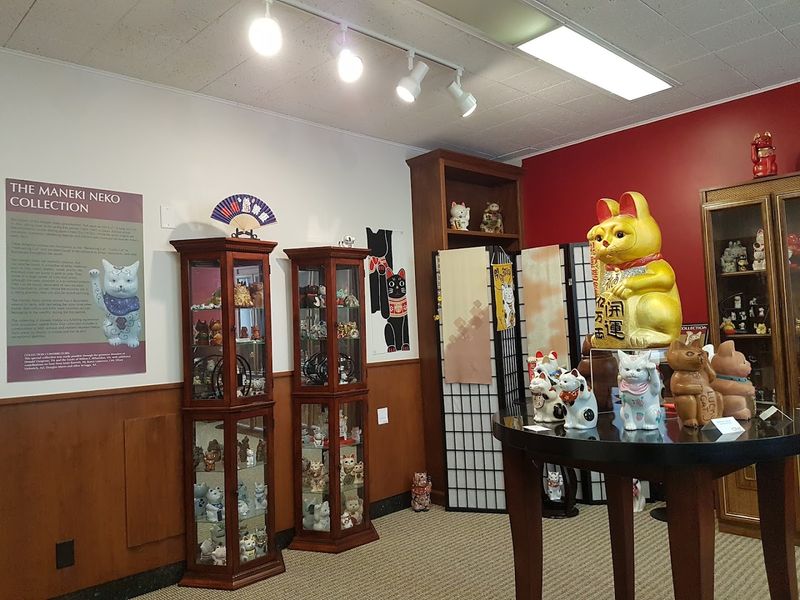
One of the most talked-about features of this museum is the room entirely dedicated to maneki-neko, the Japanese beckoning cat that has become a global symbol of good fortune. Seeing dozens of these waving ceramic figures gathered in one place creates an atmosphere that feels both playful and culturally rich.
Maneki-neko figures come in many colors, each carrying a different meaning. Gold ones attract wealth, white ones bring purity and happiness, and black ones are said to ward off bad energy.
Having an entire room devoted to their history and variety gives visitors a real appreciation for how deeply cats are woven into Japanese culture and spirituality.
Several reviewers specifically called out this display as a highlight of the visit. The collection ranges from antique pieces to more modern interpretations, showing how the symbol has evolved while keeping its original spirit intact.
For anyone curious about global cat culture, this room alone is worth the trip.
4. The Cat Art Collection
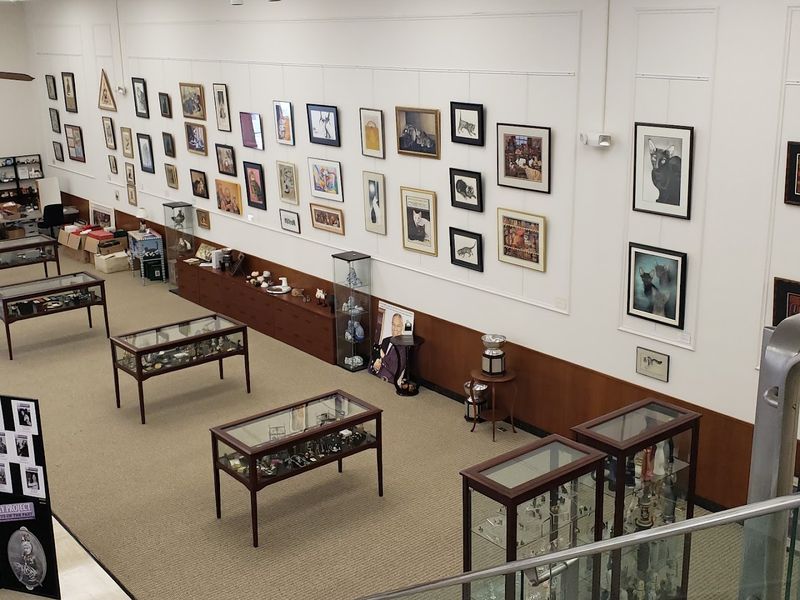
Art and cats have had a long relationship, and this museum captures that connection in a way that feels genuine rather than kitschy. Paintings, photographs, and decorative pieces span a wide range of time periods, with some photographs dating all the way back to 1885.
Seeing a photograph of a cat from over a century ago carries a quiet kind of magic. The cat in the image was real, loved by someone, and now preserved in a museum in small-town Ohio.
That emotional thread runs through the entire art collection and gives it a weight that surprises visitors who come in expecting something lighthearted.
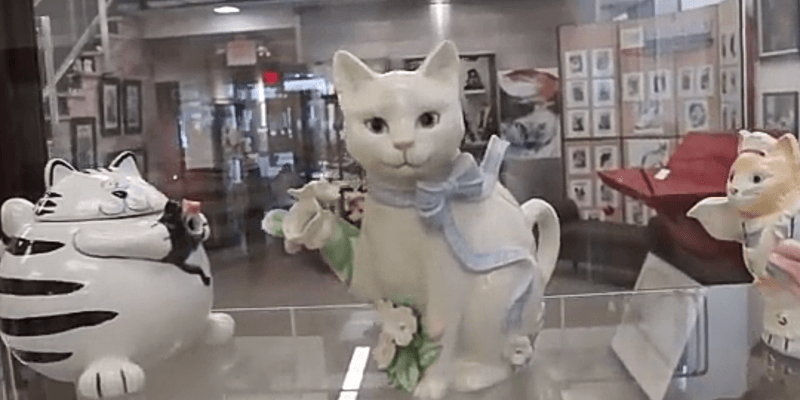
The collection also includes cat-themed teapots, cookie jars, vases, and jewelry, which add a decorative and domestic dimension to the exhibits. One reviewer described the variety as mind-boggling, and that feels accurate.
The range of media and time periods represented here shows just how consistently humans have found ways to celebrate cats through creative expression.
5. The Cat Library
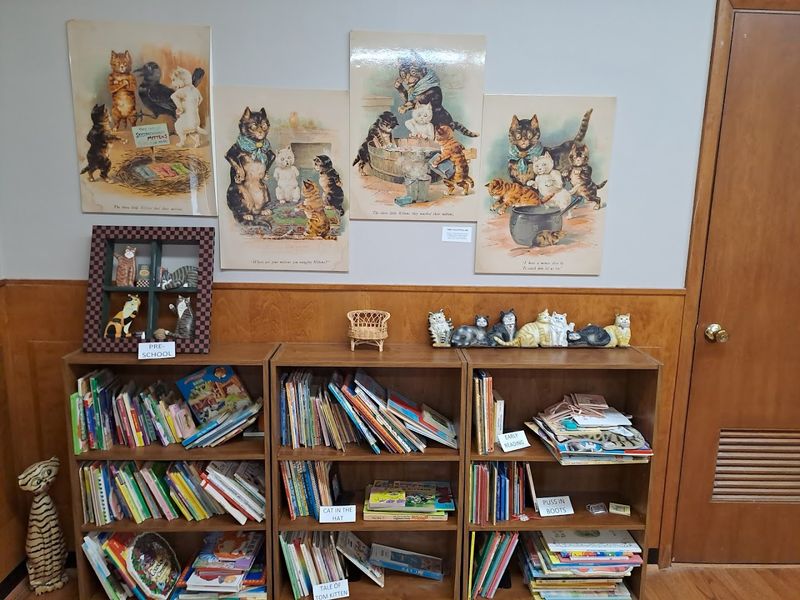
Honestly, the library might be the most impressive part of this entire museum. Reviewers have described it as containing every book you could ever imagine about cats, covering topics like health, recipes, training, ownership, pedigree history, and children’s literature.
The collection is non-lending, meaning you cannot take books home, but you are welcome to sit and read during your visit. One reviewer admitted they could have spent the entire day there without getting through everything.
That is a remarkable thing to say about a library inside a small museum in Alliance, Ohio.
There is also a children’s section upstairs, which makes the museum family-friendly in a practical and thoughtful way. Parents with curious or energetic toddlers have specifically mentioned the children’s area as a lifesaver during their visits.
Whether you are a serious feline researcher or just someone who loves curling up with a good book, the library gives this museum a depth that sets it apart from a typical exhibit space.
6. Cat Collectibles and Vintage Finds
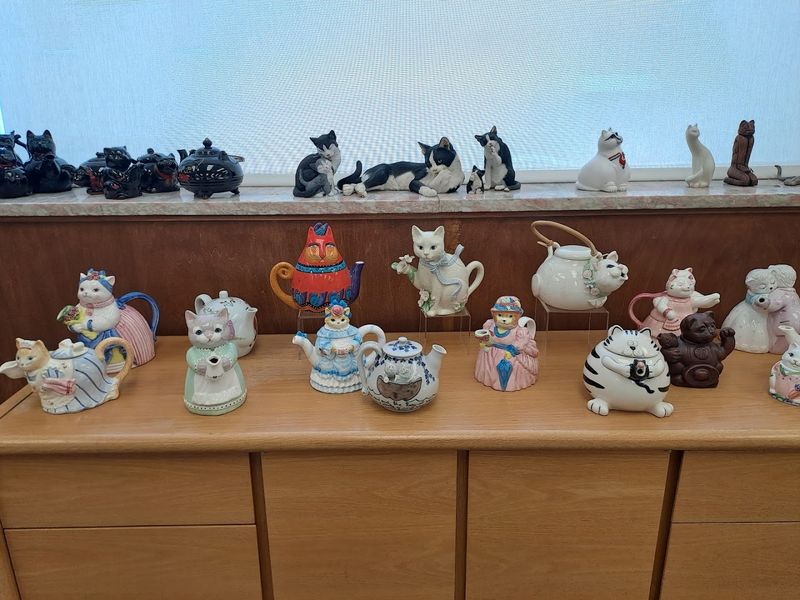
If you have a soft spot for vintage items, this part of the museum will genuinely delight you. The collection includes cat-shaped teapots, cookie jars, statues, and knick-knacks that span decades of domestic cat culture, with some pieces dating back to the early 1900s.
There is something warm and nostalgic about seeing how people expressed their love for cats through everyday household objects across different eras. A cat cookie jar from the 1930s tells a quiet story about the home it once lived in and the person who chose it.
The museum also has some items available for purchase, which gives visitors a chance to bring a piece of that history home. Reviewers who love vintage finds have consistently mentioned this section as a personal favorite.
The items feel carefully chosen rather than randomly accumulated, which reflects the curatorial intention behind the whole collection. Every shelf has something worth pausing over.
7. The Frank Lloyd Wright Cat Furniture
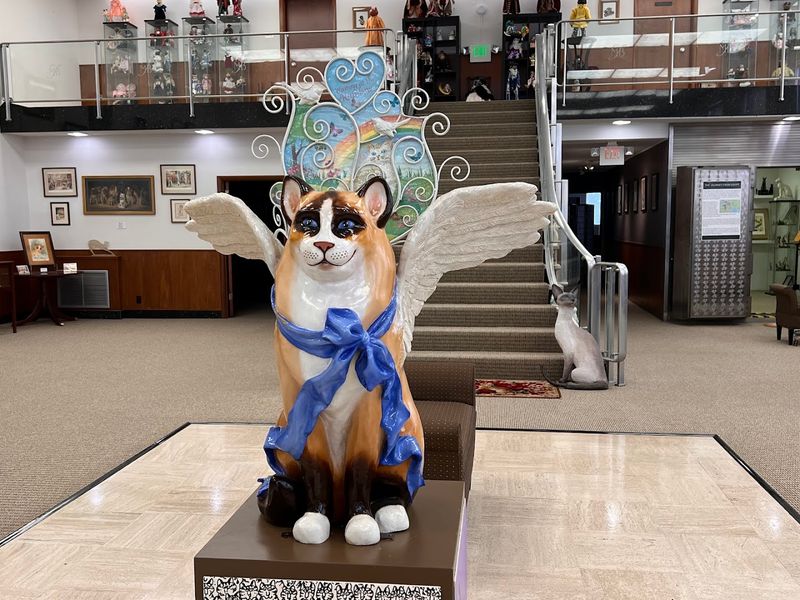
One of the quirkiest and most talked-about items in the museum is a cat house or cat tree designed by Frank Lloyd Wright, the legendary American architect. It sounds almost too good to be true, but multiple visitors have confirmed seeing it and mentioned it as a genuine highlight.
Wright is famous for his organic architecture philosophy, which emphasized harmony between human structures and the natural environment. Applying that sensibility to a piece of cat furniture is both absurd and completely wonderful at the same time.
For architecture enthusiasts and cat lovers alike, this single item creates a surprising crossover moment that is hard to find anywhere else. One reviewer noted that Frank Lloyd Wright happens to be her husband’s favorite architect, which made the discovery feel like a personal gift.
That kind of unexpected connection is exactly what makes a small, specialized museum so memorable. You never quite know what you will find waiting around the next corner.
8. The Staff and Visitor Experience
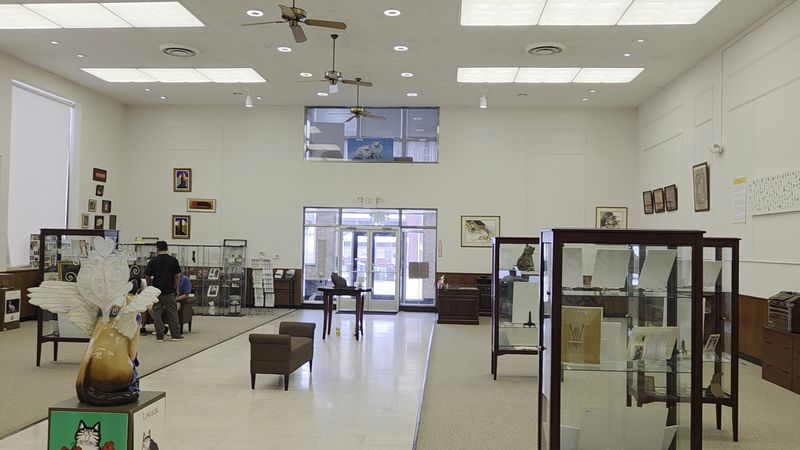
A museum is only as good as the people inside it, and the staff at the Feline Historical Museum have earned some genuinely warm praise.
A staff member named Jamison has been specifically mentioned by multiple reviewers as sweet, friendly, and knowledgeable, with one visitor saying the museum is ten times better because of their presence.
The experience of talking with someone who genuinely loves the subject and wants to share it makes a real difference, especially in a smaller institution where personal connection matters more than flashy technology or big budgets.
That said, some visitors have noted that the experience can vary depending on who is working and whether the museum is actually open on a given day. More on that in a moment.
When the staff is engaged and present, the visit feels personal, educational, and warm. That human element transforms a collection of cat artifacts into something that actually resonates and stays with you long after you leave.
9. Planning Your Visit and Hours
Here is the part of the article where I have to be completely honest with you: as of November 2025, the museum is officially listed as temporarily closed, so you need to check its status before you go, and then check the hours again if it has reopened.
Multiple reviewers have shown up in the past to find the museum unexpectedly closed, with no update on the website or social media to warn them.
One travel writer drove to Alliance and found the doors locked, only to be saved by a staff member who happened to show up and arranged for someone to open the museum just for her. That is a lovely story, but not something you should count on replicating.
The museum’s website now notes the temporary closure, and historically the hours listed online have not always reflected reality when it was operating.
The safest approach is to use the official site to check for reopening updates and then call ahead using the phone number listed for the museum to confirm directly that it will be open on the day you plan to visit.
A little preparation goes a long way when the destination is this unique, the hours can change, and the drive might be significant.
10. Why Cat Lovers Should Make the Trip
Not every museum needs to be massive to be meaningful. The Feline Historical Museum is small, yes, but it is also specific, carefully assembled, and genuinely unlike anything else you will find in Ohio or most other places in the country.
Cat lovers who visit tend to leave feeling grateful they made the effort. The combination of art, history, collectibles, a lucky cat room, a Frank Lloyd Wright piece, and a library packed with cat books creates an experience that hits differently depending on what you care about most.
Families with kids have found it worthwhile thanks to the children’s section upstairs. Solo visitors who love vintage items or cultural history have found plenty to absorb.
Even skeptics who expected something superficial have come away impressed by the depth of the collection. The museum sits right next to a cat cafe called Mad Dogs Crazy Cat Cafe, which makes the whole block feel like a destination worth building an afternoon around.